Vienna, Austria Travel & Photography Guide: Best Photo Spots, Things to Do & Hidden Gems
The first thing I did after checking into our hotel was walk. Vienna pulls you outside immediately. We headed straight for Kärntner Straße, the long pedestrian spine that cuts through the historic center, and within ten minutes we were doing exactly what everyone else was doing: slowing down, looking up, stopping at a café for coffee and a slice of Apfelstrudel. Nobody was in a hurry. The city has a way of adjusting your pace without asking permission.
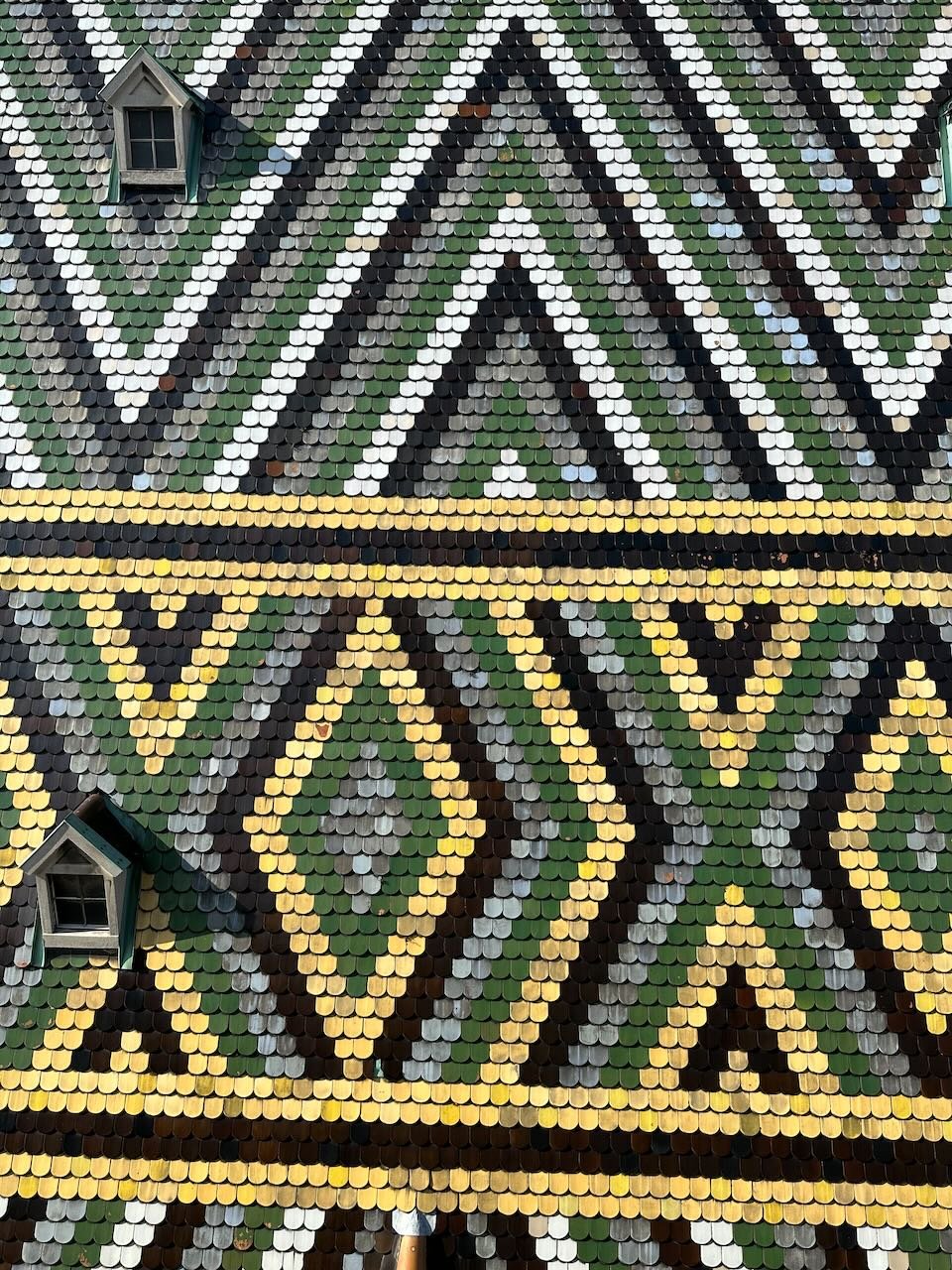
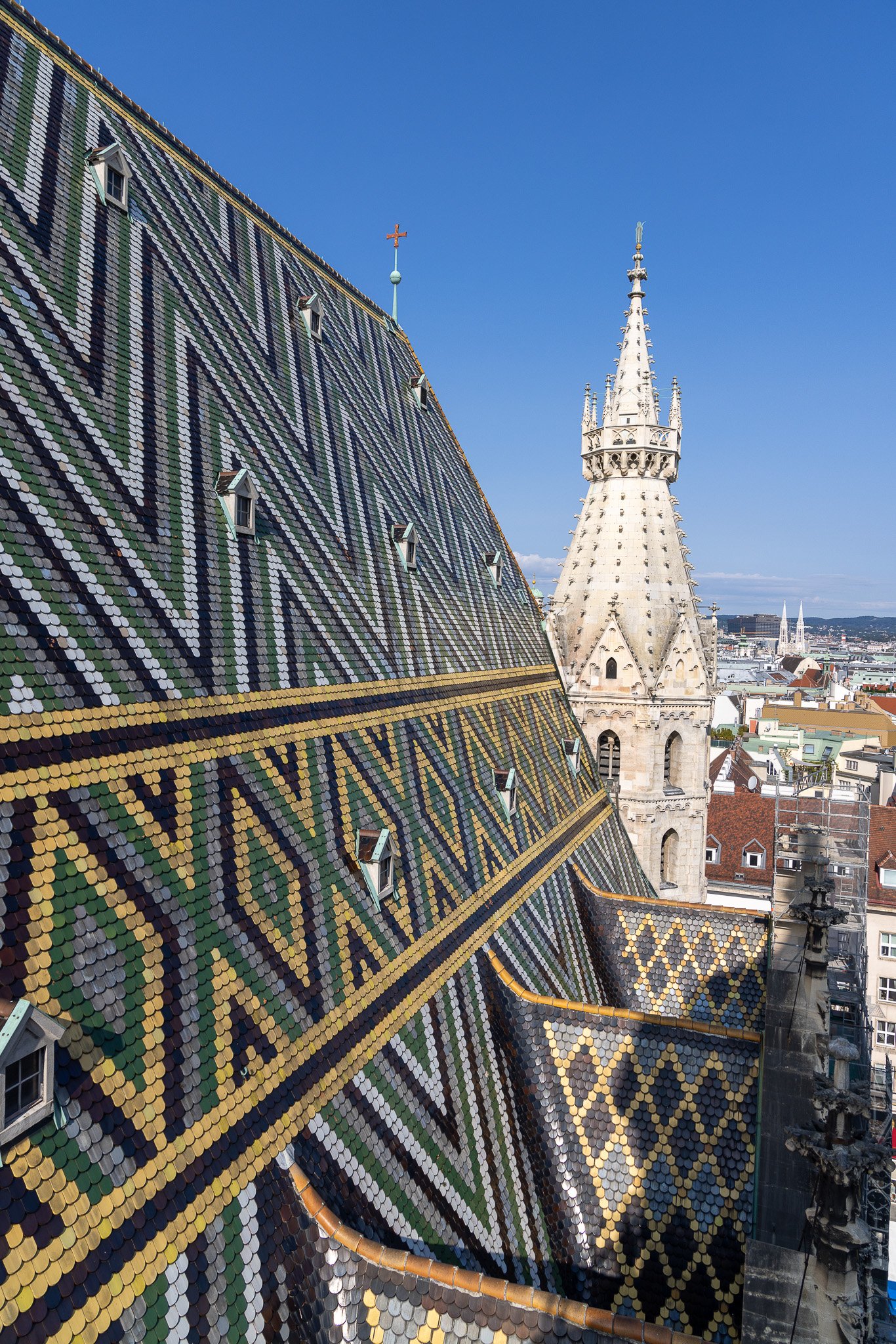
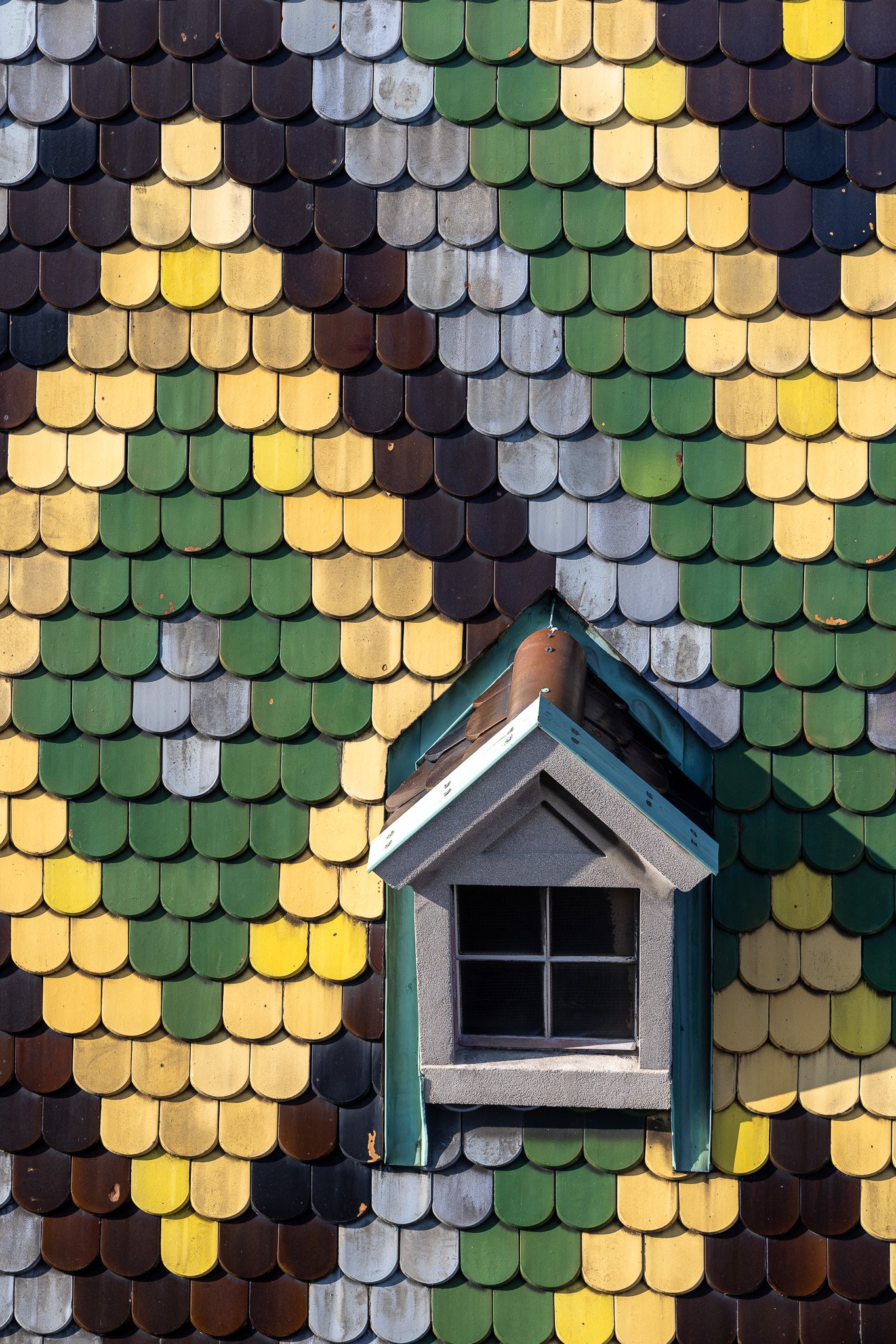
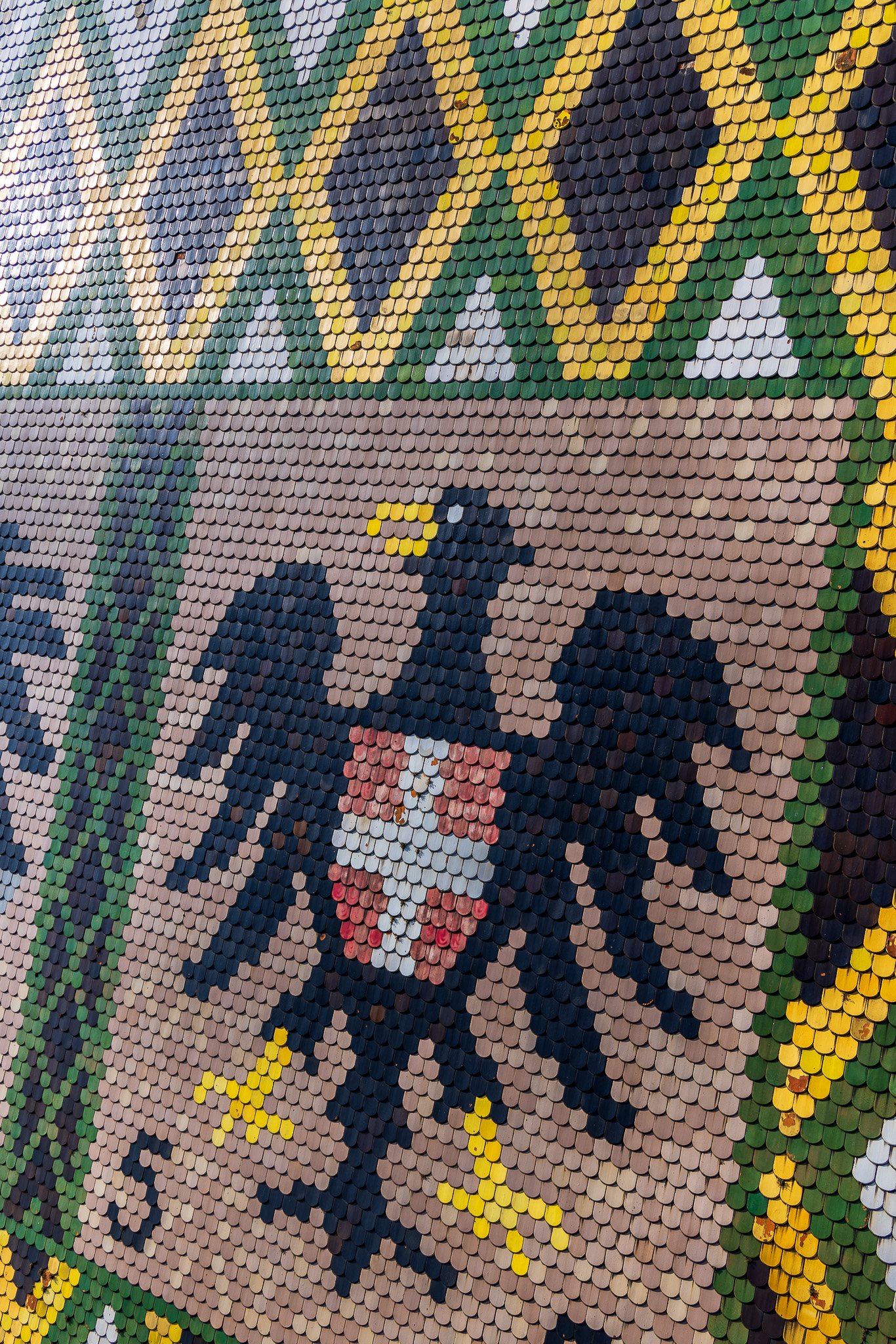
We continued toward the end of the street, and then St. Stephen's Cathedral appeared. I was not prepared for the scale of it, or for the roof. That extraordinary chevron pattern in green, gold, and black tiles covering the entire nave, visible from the plaza below in full color. I had seen photographs. The photographs do not prepare you.
That moment set the tone for every Vienna visit since. This is a city that rewards walking, slowing down, and paying attention. The architecture is grand without being cold. The streets are laced with cobblestones, quiet parks, and café culture that feels genuinely lived-in rather than performed for tourists. And for photographers, it delivers at every turn.
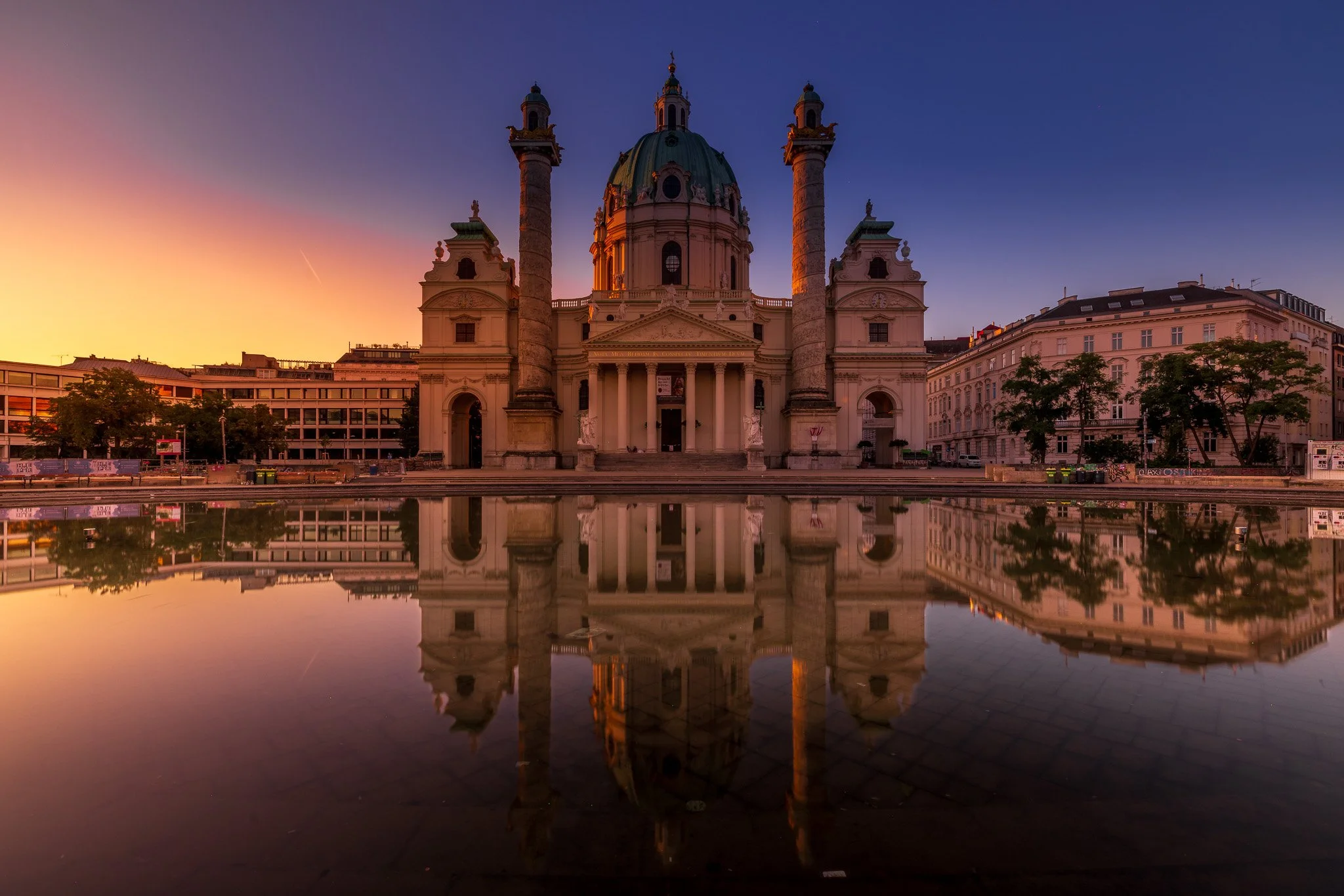
Vienna’s historic Karlskirche (Church of St. Charles) glows in warm light, with baroque architecture
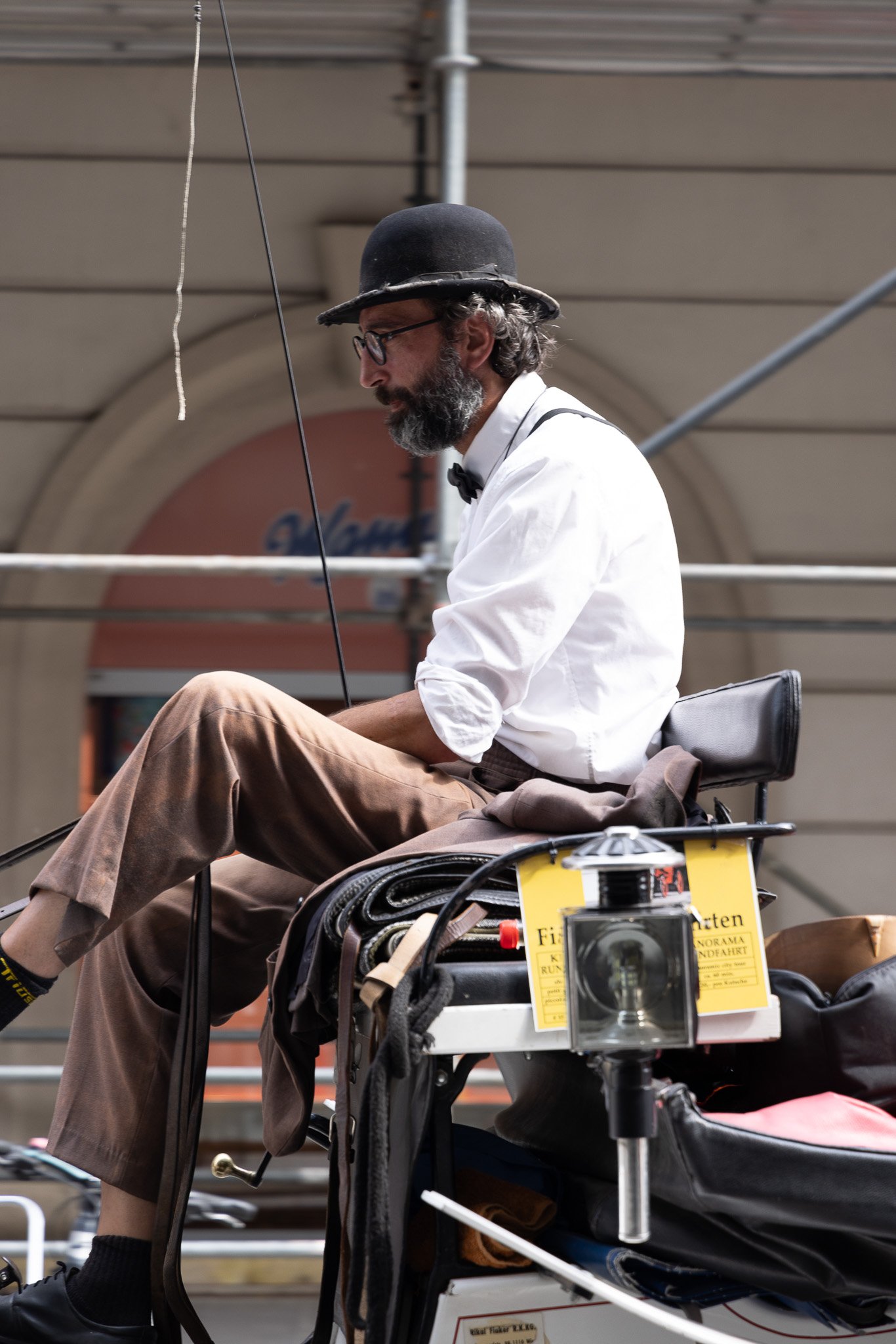
Six visits later, Vienna is one of my favorite cities in the world. The sound is part of it. Church bells echo across the rooftops. Horses clip-clop past cafés. Golden light pours across baroque façades at dawn, bouncing off tram rails and gilded statues, and the compositions come to you before you have time to think. For photographers, the city delivers an extraordinary range within a remarkably compact area. The Innere Stadt alone contains more photogenic streets, courtyards, passageways, and monuments per square kilometer than almost any city in Europe. And when you step outside the center, the graffiti corridors along the Danube Canal stretch for kilometers, and Schönbrunn Palace sits in its gardens waiting for the late light.
In this Photography Guide to Vienna, I share the places and experiences that continue to draw me back. You will find my favorite photography locations, guidance on when and where to shoot, practical travel tips, and gear recommendations, along with cultural insights to help you explore and photograph Vienna with confidence, respect, and ease.
Photographer's Notes
Before you go, here are my own takeaways.
Favorite Season: October
Favorite Sunrise Location: Karlskirche
Favorite Sunset Location: Schönbrunn
Favorite Neighborhood: Innere Stadt
Favorite Hotel: Rosewood Vienna
Favorite Café: Café Central
Favorite Lens: 35mm/50mm prime
Would I Return? You will want to come back. I always do.
Where to Stay in Vienna
Vienna is wonderfully walkable, and basing yourself in the right neighborhood makes the difference between a morning walk to a great shot and a 30-minute commute with a camera bag on your shoulder.
Innere Stadt (1st District)
The historic heart. Steps away from St. Stephen's Cathedral, the Opera, and cobbled side streets that look like a period film set. This is where I always stay when budget allows.
Luxury Hotels in Vienna
Rosewood Vienna — A beautifully restored 19th-century building that blends Viennese elegance with modern design. The rooftop bar has postcard views over the old city, and you are within a five-minute walk of golden-hour favorites like Graben, Stephansplatz, and the Hofburg. I have stayed here multiple times. The interiors are refined and genuinely worth photographing. The Park Hyatt next door is equally excellent and worth considering.
Hotel Sacher — On Philharmonikerstrasse, directly behind the State Opera, the Sacher has been operating since 1876. The interiors, dark wood and deep red velvet, are among the most photographed hotel spaces in Vienna. Order the Sachertorte in the Red Bar. Give it the time it requires.
Park Hyatt Vienna — I have stayed here twice, and it earns every return visit. The hotel occupies a former bank building, and the lobby bar sits under a soaring coffered ceiling that is one of the most photographed interior spaces in Vienna. The rooms are genuinely large by European standards, which matters when you are traveling with camera gear spread across every surface. The location is excellent, steps from Graben and within easy walking distance of Stephansplatz, the Hofburg, and the Rosewood next door.
Boutique Hotels in Vienna
The Guesthouse Vienna — Chic, compact, and directly across from the Albertina. Morning coffee here comes with a museum view.

The rooftops and church towers of Vienna’s historic center from the Rosewood Vienna rooftop.
Leopoldstadt (2nd District)
Trendy and greener, just across the canal. Great access to Prater Park and the Danube Island.
Luxury: SO/ Vienna — Floor-to-ceiling windows with sweeping views over the old city.
Mid-Range: Zoku Vienna — Loft-style apartments, a rooftop terrace, and comfortable coworking spaces for editing days.
Mariahilf & Neubau (6th and 7th Districts)
Creative and artsy, full of indie boutiques and street life. Excellent for evening walks with a camera.
Boutique: 25hours Hotel at MuseumsQuartier — Quirky interiors, a rooftop bar, and right in the middle of photogenic street life.

The Rosewood Vienna in the heart of the Innere Stadt, steps from Graben and St. Stephen’s Cathedral.
How Many Days Should You Visit Vienna
Give Vienna at least four days. Five is better. This is not a city you rush through; the best moments come when you slow down and let the rhythm of the place shape your day.
Day 1: Sunrise near St. Stephen's Cathedral, coffee at Café Central, stroll the Ringstrasse, sunset from the rooftop of Haus des Meeres.
Day 2: Belvedere Palace gardens at dawn, explore Naschmarkt, golden hour at Karlskirche, nighttime tripod session at the Opera.
Day 3: Early tram to Schönbrunn Palace, spend the morning in the gardens, late afternoon street shots in Neubau.
Day 4: Walk along the Danube Canal for graffiti and street art, café editing session, farewell dinner with a view.
Day 5 (if you have it): Day trip to the Wachau Valley for wine villages and Danube reflections, or a relaxed morning in Prater Park followed by blue hour in the MuseumsQuartier.
Best Time to Visit Vienna
Spring (April to May): Pink magnolias in the city parks, golden afternoon light, and comfortable temperatures. Excellent for botanical shots and the first outdoor café season.
Summer (June to August): Long blue hours, outdoor concerts, and street life at its peak. Sunsets are warm-toned and last well into the evening.
Autumn (September to October): Rust-colored ivy on baroque façades, misty mornings, and soft diffuse light. A strong choice for moody, layered compositions.
Winter (November to January): Christmas markets, twinkling lights, and snow-dusted rooftops. Shoot early morning or after dark with a tripod. The markets at Rathaus and Stephansplatz are worth the cold.
My personal pick is October. The light is low and soft, the fall colors warm the stone, and the tourist crowds thin noticeably after the first week.
Getting Around Vienna
Vienna's public transportation is excellent, but I try to walk everywhere. Walking is how I catch the light shifting.
Metro (U-Bahn): Clean, fast, and well-connected. Avoid rush hour if you are carrying gear. The U4 line has a direct stop called Schönbrunn for the palace.
Trams: Perfect for cityscapes in motion. The Ring Tram loops through major photo spots and offers great window compositions.
Walking: About 80 percent of my Vienna shooting happens on foot. Comfortable shoes matter here; cobblestones are everywhere.
Bikes: City bikes are available and work well for reaching the Danube Island or Prater if you are traveling light.
Uber: Available in Vienna for longer journeys. Reliable and easy to use.
One practical note: cobblestones are hard on tripods. Check your feet before you set up, and keep your gear close in busy areas like Stephansplatz.
Where to Eat in Vienna
It is hard to have a bad meal in Vienna. This is the city that invented Wiener Schnitzel, perfected the Sachertorte, and built a café culture that UNESCO has recognized as an intangible cultural heritage. The food is hearty, refined, and often beautiful on the plate.
Fabios — An excellent Italian restaurant directly next to the Rosewood Hotel. The interior is elegant without being stiff.
Gasthaus Pöschl — Hearty Austrian cooking in a warm, low-lit room. This is where I go for Tafelspitz.
Das Eduard — A great brunch spot with tiled walls and good morning light through the windows.
Do & Co at the Albertina Museum — After visiting the Albertina, stop here for lunch. The room is beautiful and the food is consistently good.
Trześniewski — Do not miss this. A Viennese institution for over 120 years, serving small dark bread sandwiches with more than twenty toppings. Bacon and egg are the most popular. The recipes have not changed. More than 5,000 sandwiches a day go out the door. Order several and eat them standing at the counter the way locals do.
Zum Figlmüller (Wollzeile Passage) — Just around the corner from St. Stephen's Cathedral. The schnitzel here is the size of the plate and properly made. Book ahead.
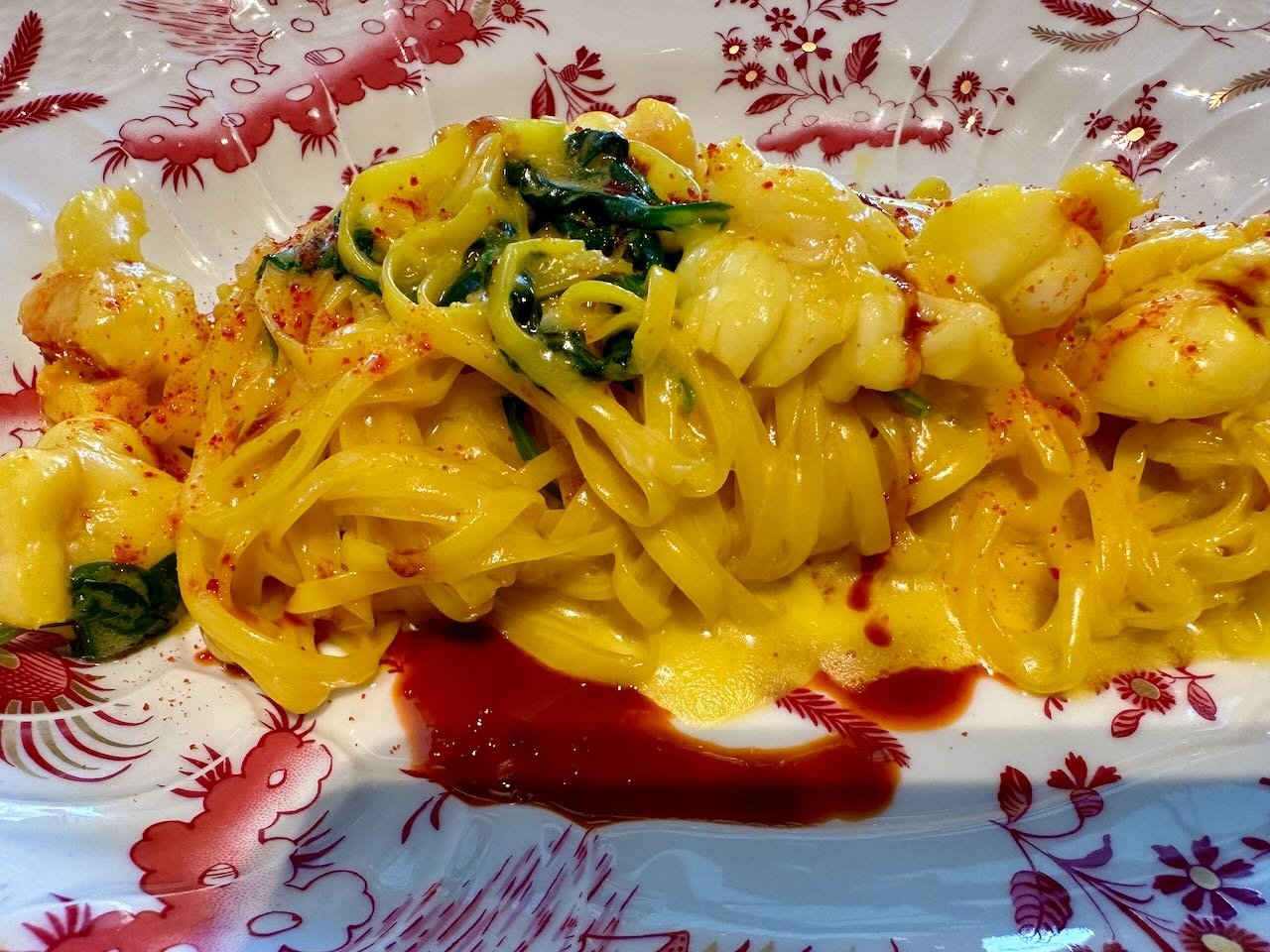
Dinner at Fabios, an elegant Italian restaurant in the heart of Vienna.
Coffee in Vienna
Vienna's café culture is not a tourist attraction. It is a way of life the city has been practicing since the seventeenth century. When the coffee arrives with a glass of water and a newspaper, the implicit understanding is that the table is yours for as long as you want it.
Café Central — Yes, it is touristy. It is also worth it. Velvet benches, marble tables, and moody window light that makes every table feel like a painting. Come for coffee and Apfelstrudel at mid-morning when the light comes in from the street.
Café Sperl — Classic Viennese atmosphere, excellent for black-and-white interior shots. Quieter than Central and more local in feel.
Café Landtmann — Elegant, across from the Rathaus, and popular with theater and opera crowds.
Café Hawelka — One of the oldest and most atmospheric in the city. Dark, smoky-feeling, and completely itself.
Good Coffee Society — A more contemporary third-wave option when you want a precise espresso and a quiet corner.

Dinner at the Rosewood Vienna after a long day of walking and photography.
I love finding a nice cafe and sitting and watching people stroll by. You can sit for hours
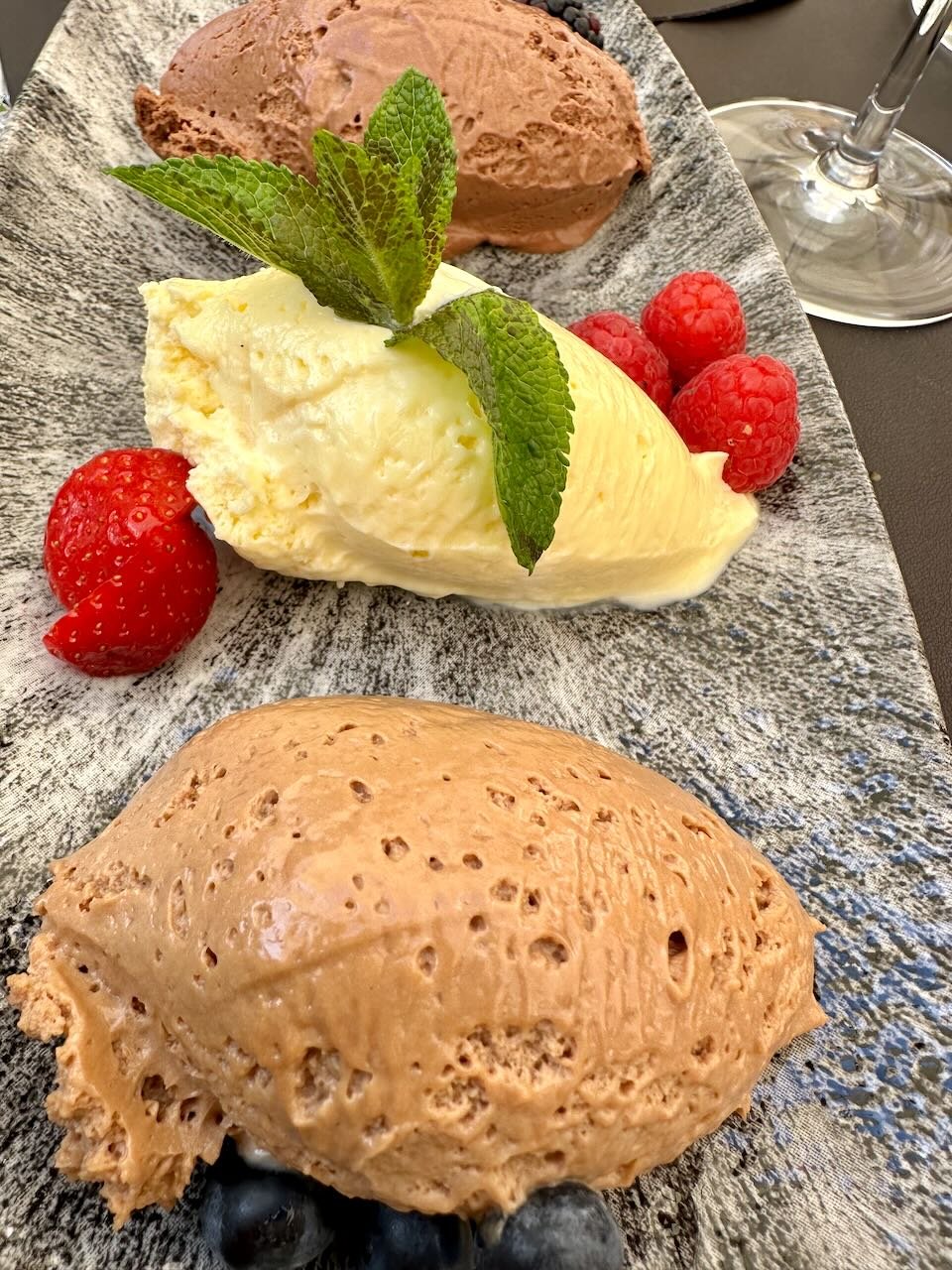
Wiener Schnitzel — Veal, pounded thin, breaded, fried in clarified butter until golden. The real version is the size of the plate. Figlmüller is the right address for this.
Tafelspitz — Boiled beef served with horseradish and apple sauce. The national dish in the truest sense. Order it at Gasthaus Pöschl.
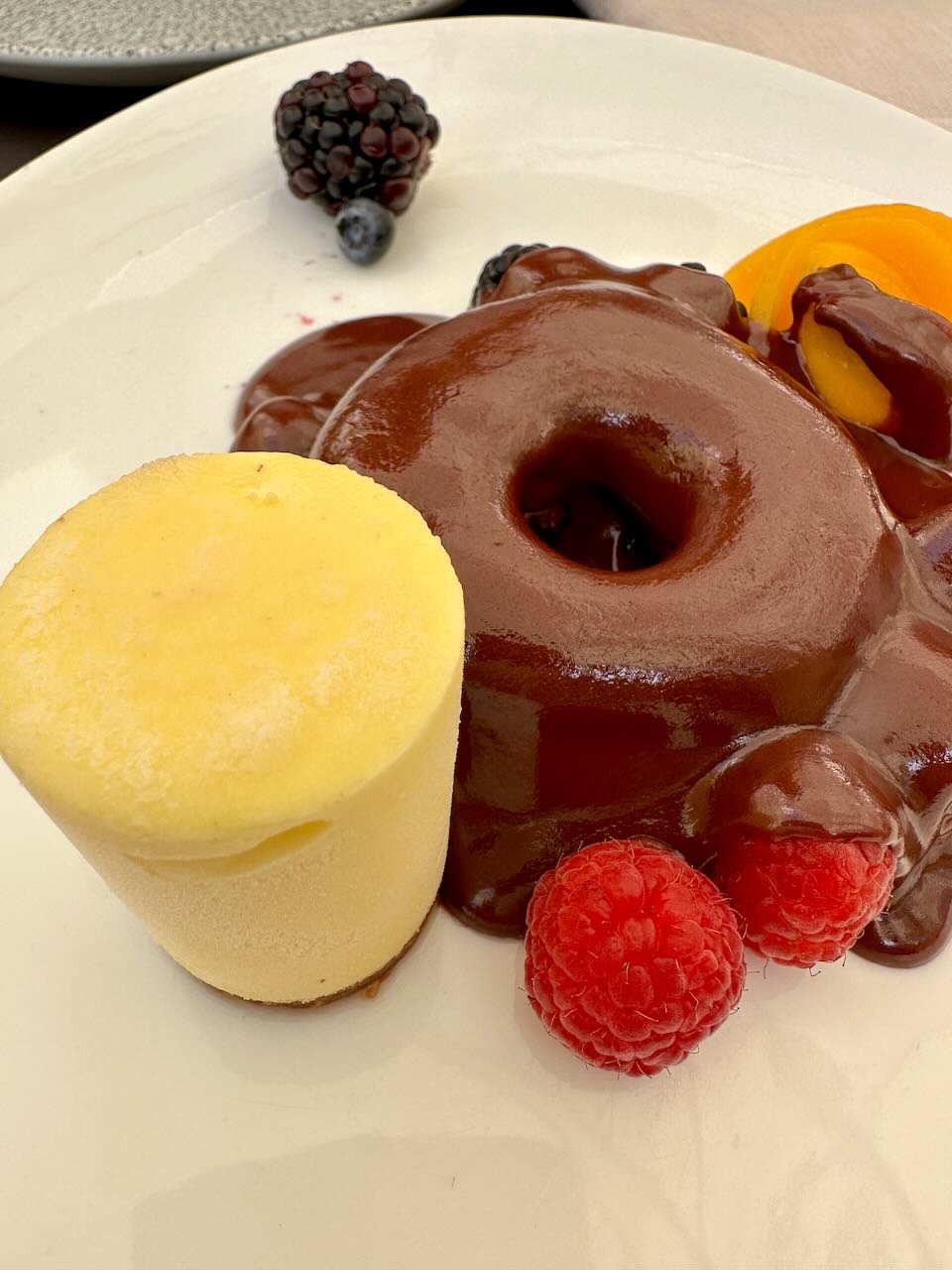
Sachertorte — Dense chocolate cake with a thin layer of apricot jam and dark chocolate glaze. The Hotel Sacher is the original. Order it with unsweetened whipped cream on the side.
Apfelstrudel — Thin pastry wrapped around spiced apples and raisins. Best eaten warm in any of the great coffeehouses.
Topfenstrudel — The lesser-known cousin of Apfelstrudel, filled with quark cheese and served with warm vanilla sauce. Order it if you see it.
Trześniewski sandwiches — Small, open-faced dark bread sandwiches with over twenty toppings. Eat them standing at the counter. Bacon and egg is the classic.
Gulasch — Hungarian by origin, completely adopted by Vienna. Rich, paprika-heavy beef stew served with bread or Semmelknödel. A late-night staple.
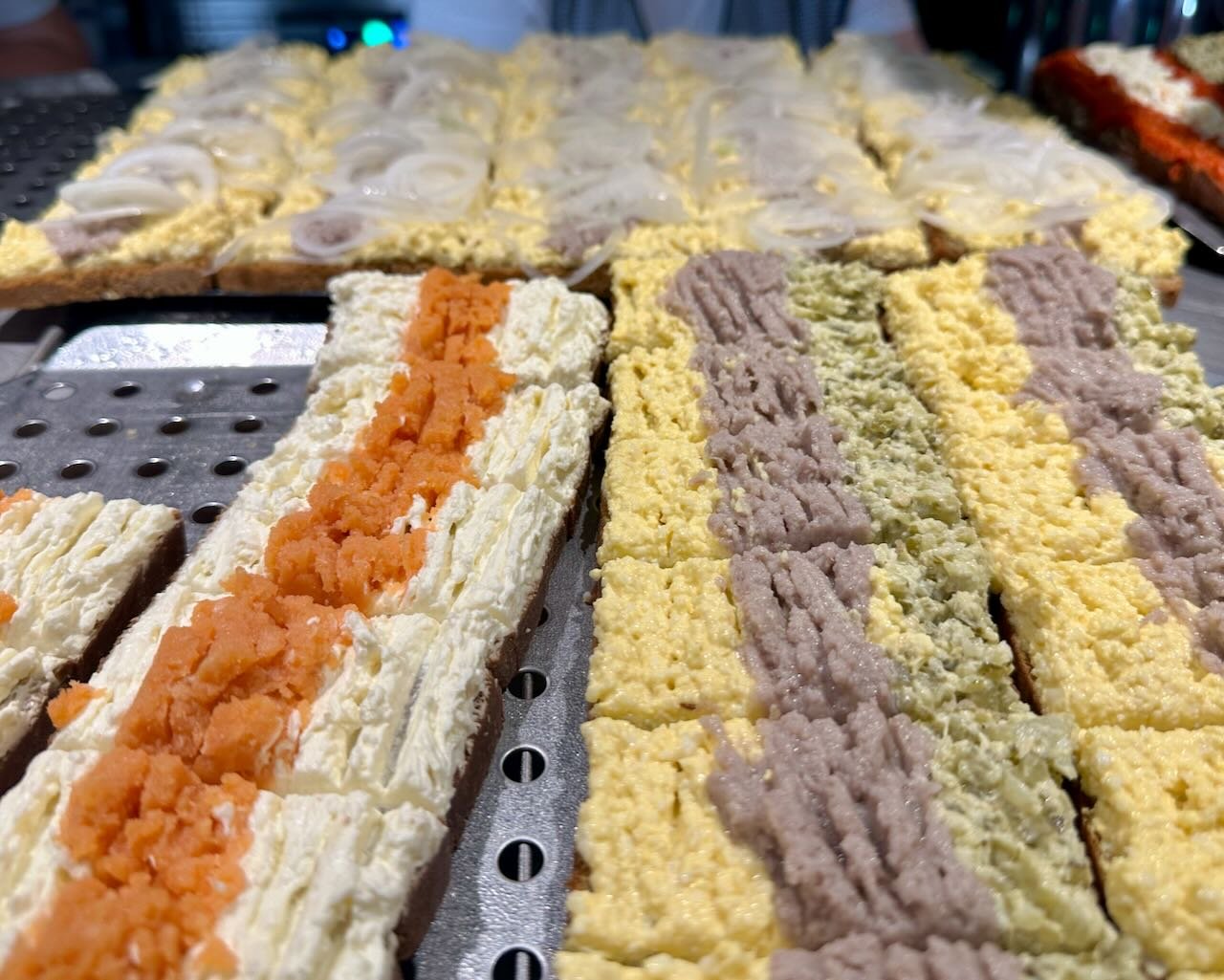
The famous open faced sandwiches at Trześniewski, a Vienna institution for more than a century.
Before you leave, order the hot chocolate. It arrives so thick it barely moves in the cup, with a small pitcher of cream on the side to mix in at your own pace. It is one of the best things I have had in Vienna.
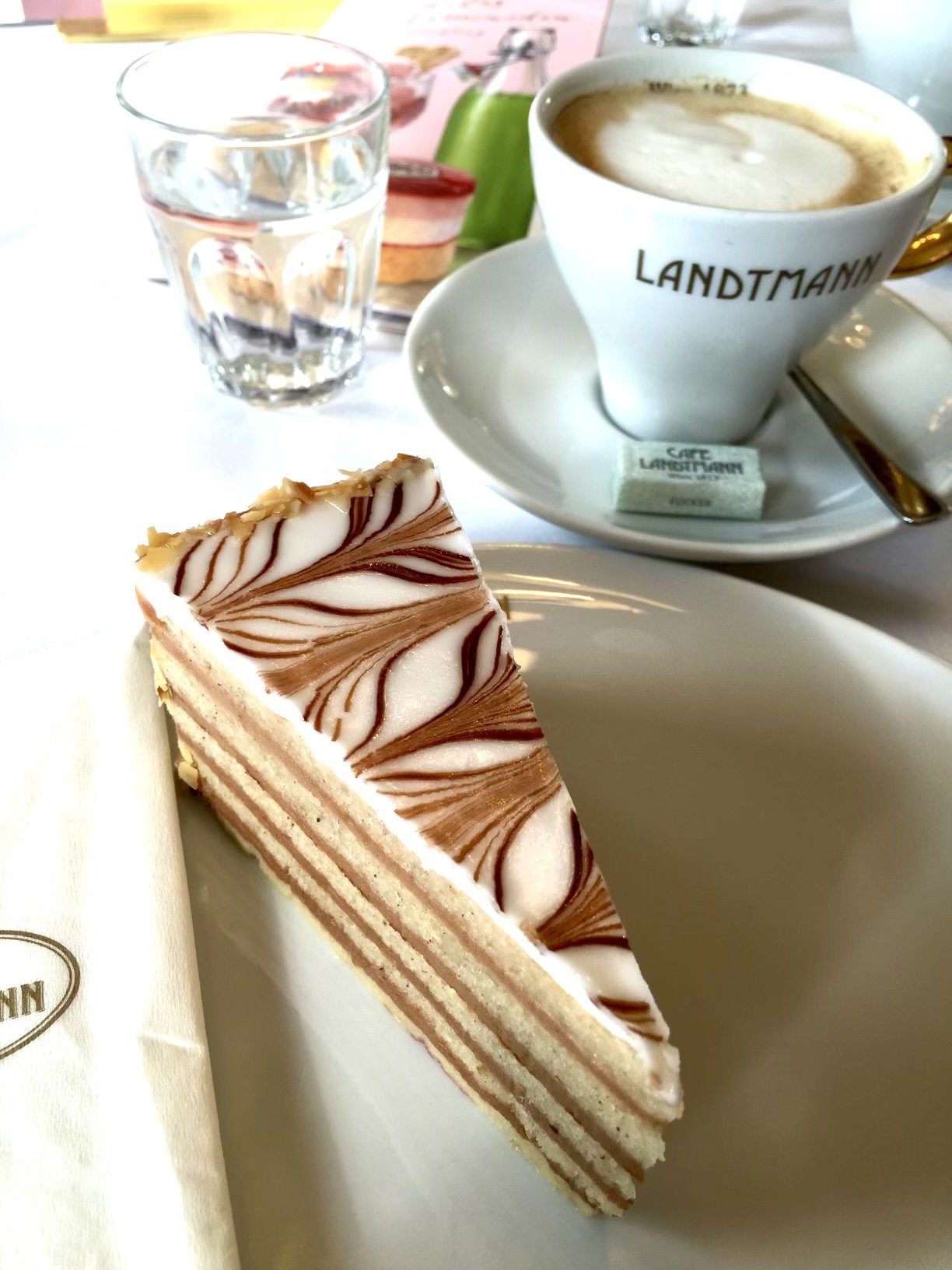
A quiet café moment in Vienna, where coffee culture is part of everyday life.
What Photography Gear to Bring to Vienna
DSLR and Mirrorless Kit
Vienna rewards precision more than firepower. You do not need a lot of gear here, but the gear you bring should be right.
Camera body: Canon EOS R5 Mark II, Sony A7R V, or Nikon Z8. Any of these handles the low-light interior work at the National Library, the Belvedere, and the Karlskirche. I primarily shoot Vienna with the Leica Q3 as a walk-around body; its fixed 28mm is nearly perfect for the narrow passageways and arcade interiors.
Lenses: A 24 to 70mm f/2.8 handles most situations well. Bring a 35mm or 50mm prime for street work; Vienna's light is soft and indirect much of the day, which means you can shoot without harsh shadows even at midday. A 70 to 200mm is worth packing for the palace details and the cathedral roof from across Stephansplatz. A wide 15 to 35mm works well inside the National Library and any time you want to fill the frame with a baroque ceiling.
Accessories: A small travel tripod for blue hour and long exposures at the Opera and Karlskirche. ND filters (3 and 6 stop) for fountains and the Naschmarkt foot traffic. A lens cloth is essential; the city is clean but café steam and morning mist leave their mark. Extra batteries and cards. Samsung T7 SSD for end-of-day backup.
Drone: Flying drones over the Innere Stadt is heavily restricted. Vienna's first district and most palace grounds are controlled airspace. Do not plan drone shoots without verifying current AUSTRO CONTROL regulations. Enforcement is active. In practice, drone work in Vienna is extremely limited for visiting photographers.
iPhone Photography Tips
At the arcades (Ferstel Passage, Tuchlauben): Switch to the ultra-wide lens and shoot from one end of the corridor toward the light source at the far end. The natural tunnel effect compresses beautifully. Try this just after the shops open at 10am when the light is still low.
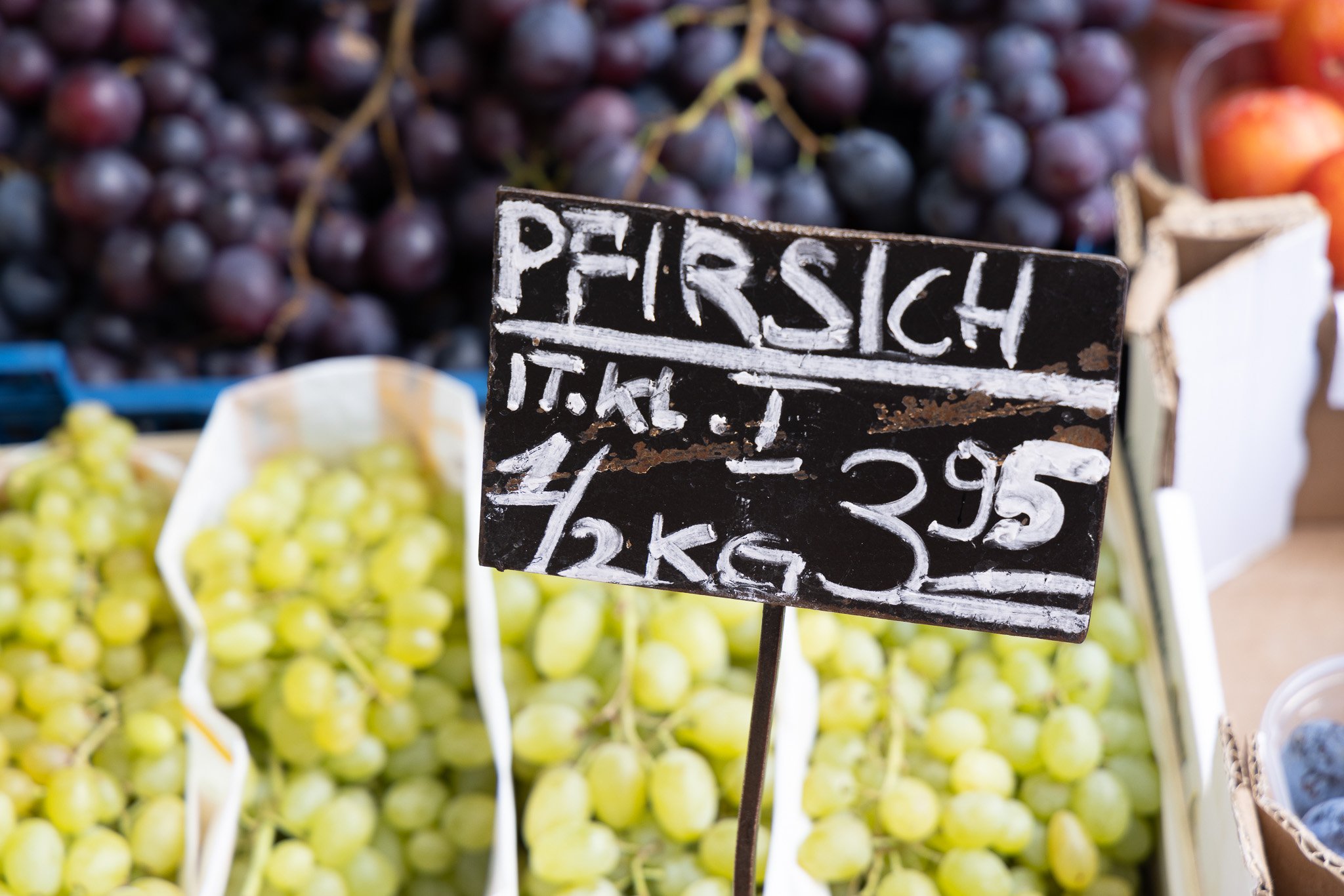
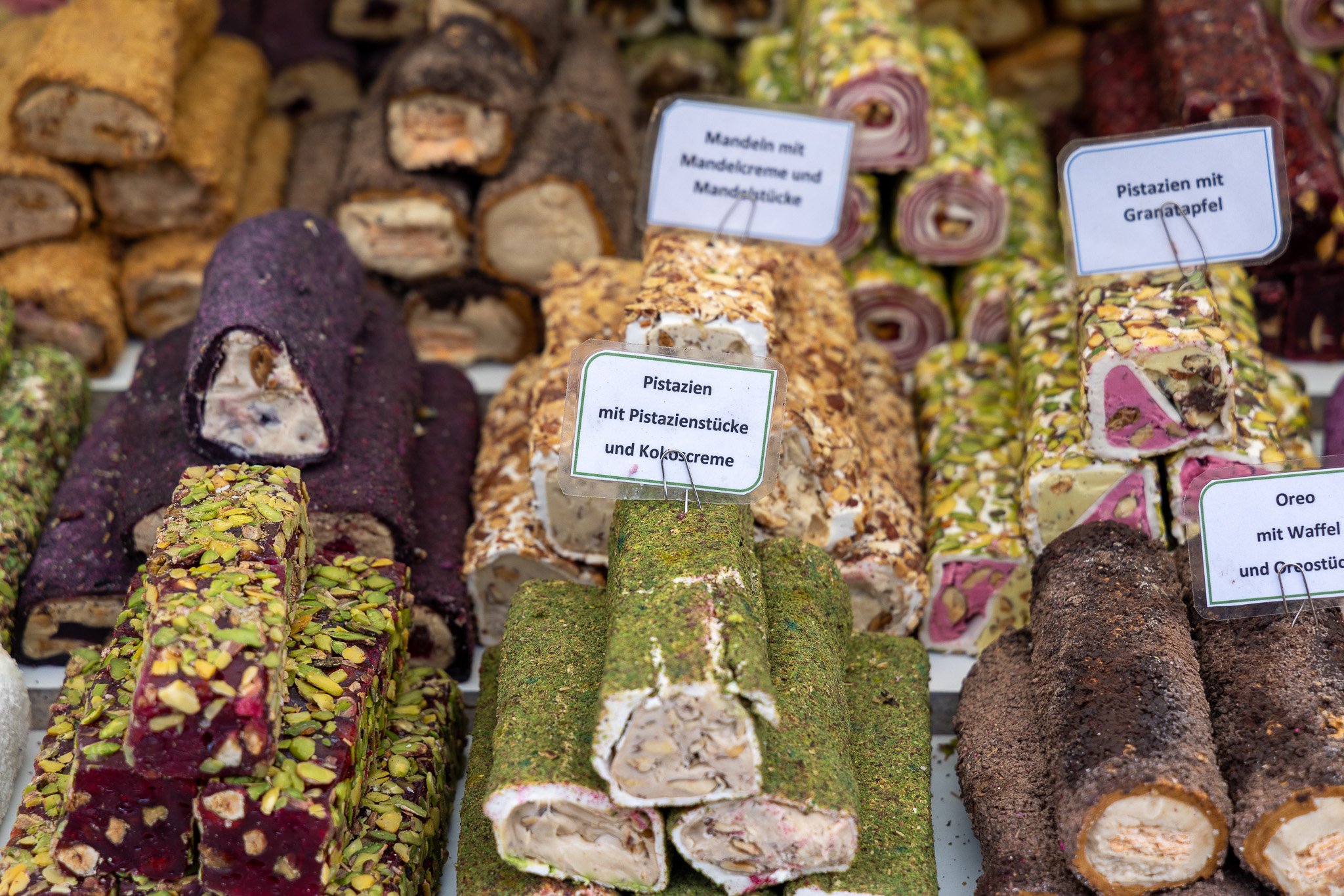
At the Naschmarkt: Use Portrait Mode on vendors and their displays. The soft-bokeh rendering against the out-of-focus stall backgrounds gives you food market portraits that look deliberate and clean.
At Café Central or Café Sperl: Turn off the flash completely and shoot in ProRAW if your iPhone supports it. The warm interior light is excellent for available-light café portraits. Expose for the window light and let the room go slightly dark; it reads as atmosphere, not underexposure.
At Schönbrunn at golden hour: The iPhone's Photogenic Mode handles the palace façade well, but the real shot is from the Gloriette hilltop looking back down at the palace with the city behind it. Shoot wide, shoot in ProRAW, and edit for the warm-to-cool tonal contrast.
Night shooting: Use Night Mode at the Opera and the Rathaus Christmas Market. Lock focus manually on a fixed point, brace against a railing or wall, and let the sensor do the work. A small Joby GorillaPod is worth the bag space for night work.
Photography Locations in Vienna
There is a lot to photograph in Vienna. The good thing is that most of the locations are very close together.
Stallburg and the Spanish Riding School
Stallburg is a Renaissance courtyard from the 16th century where the Lipizzaner stallions of the Spanish Riding School are stabled. The architecture itself, arched stone galleries wrapped around an open courtyard, is worth photographing independent of the horses. Attending a performance is genuinely worth building into your itinerary; the demonstrations are impressive, and the historical pageantry is unlike anything else in the city. Photography is not permitted during the performance itself, so plan your camera time around it, not during it.
📷 Pro Tip: The courtyard photographs best in late morning, when direct light reaches the Renaissance facade without harsh shadows. If you're attending a performance, arrive early to photograph the stallions in the stable yard beforehand. A 24-70mm handles both the architecture and candid shots of the horses.
Best time: Late morning. Access: Free to view the courtyard; paid tickets required for performances.

The elegant interior of the Spanish Riding School, home to Vienna’s famous Lipizzaner stallions.
Ferstel Passage
Ferstel Passage is an upscale covered arcade built by Austrian architect Heinrich von Ferstel in 1860. The marble-clad passage, topped with a vaulted glass ceiling and lined with restaurants and shops, is one of several passageways that give Vienna its particular architectural character. Visit early, and you'll often have the entire corridor to yourself.
📷 Pro Tip: Arrive before 9 am on a weekday. This is genuinely one of the few Vienna interiors that empties out completely early in the day. Use a 15-35mm lens to capture the full vaulted ceiling and the length of the arcade in one frame, shooting straight down the corridor for symmetry. The marble surfaces reflect available light well, so a tripod isn't essential even in lower light.
Best time: Early morning, before 9 am. Access: Free, public passage. In the city center near Freyung.

The vaulted glass ceiling and elegant marble interior of Ferstel Passage in Vienna’s historic center.
Triton Fountain
Vienna is full of beautiful fountains, and this is one of the most photographed, sitting between the Kunsthistorisches and Naturhistorisches Museums in the heart of the MuseumsQuartier area. The sculptural detail and the way the fountain plays off the symmetrical museum facades on either side make it a natural stop between gallery visits.
📷 Pro Tip: Shoot in late afternoon when directional light rakes across the sculptural detail and creates depth in the water spray. A 24-70mm gives you flexibility to capture the full fountain against both museum facades, or move closer with a 70-200mm to isolate individual sculptural figures. Overcast days work well too, since the white stone can blow out in harsh midday sun.
Best time: Late afternoon, or overcast for even light. Access: Free, public. Between the Kunsthistorisches and Naturhistorisches Museums.

The Triton Fountain framed by the grand museum architecture of Vienna’s MuseumsQuartier area.
Austrian National Library (Prunksaal)
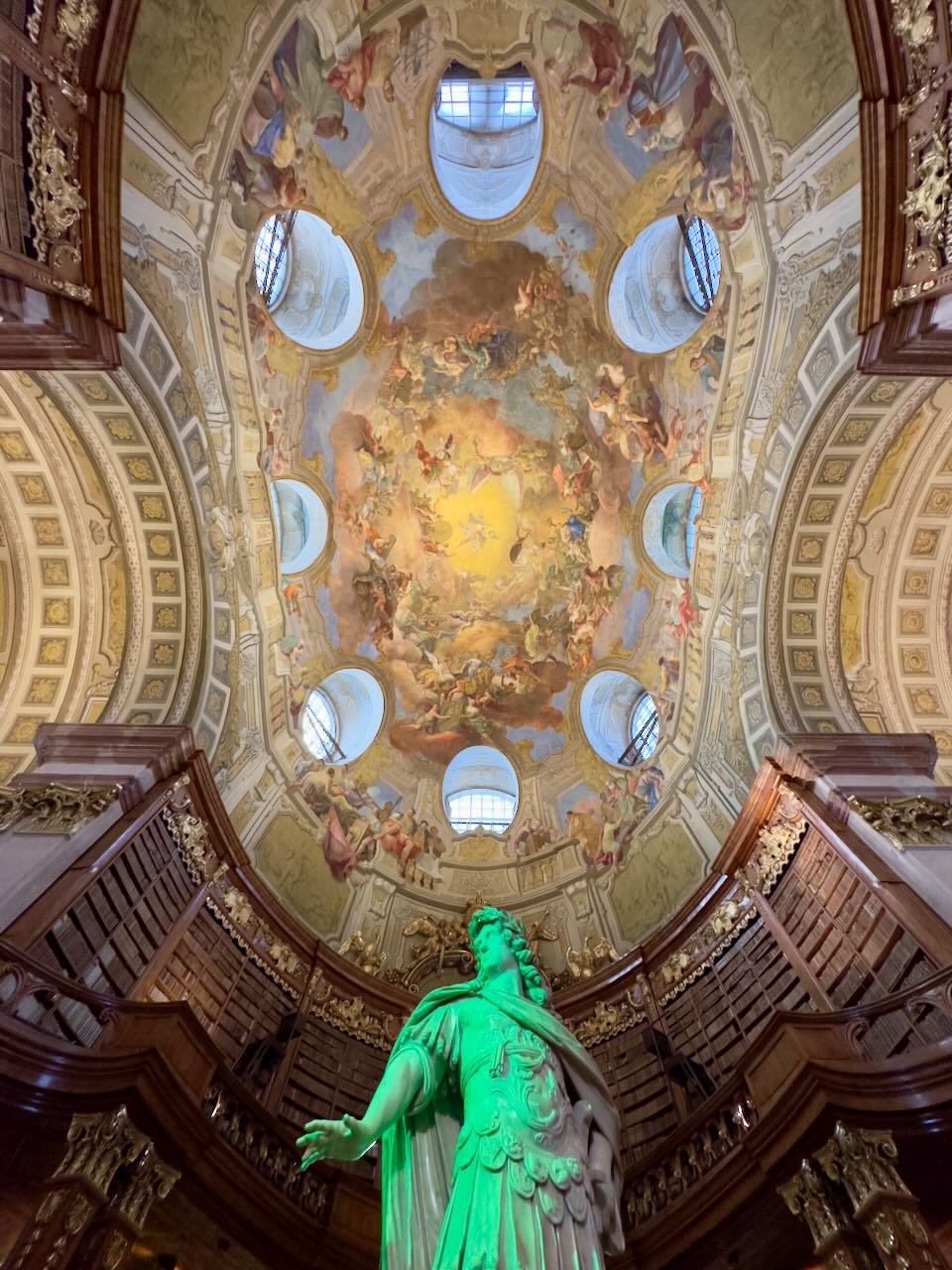
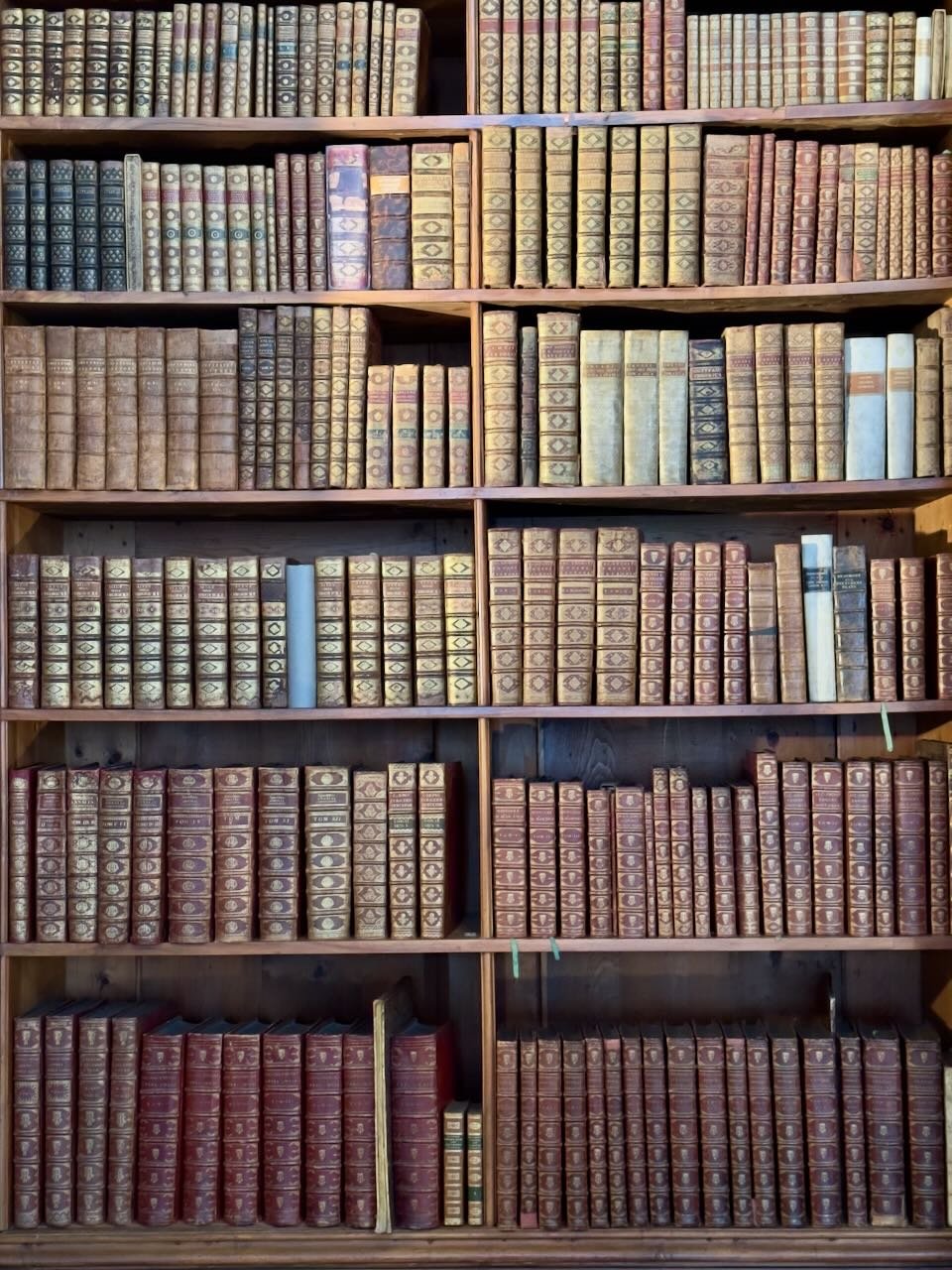
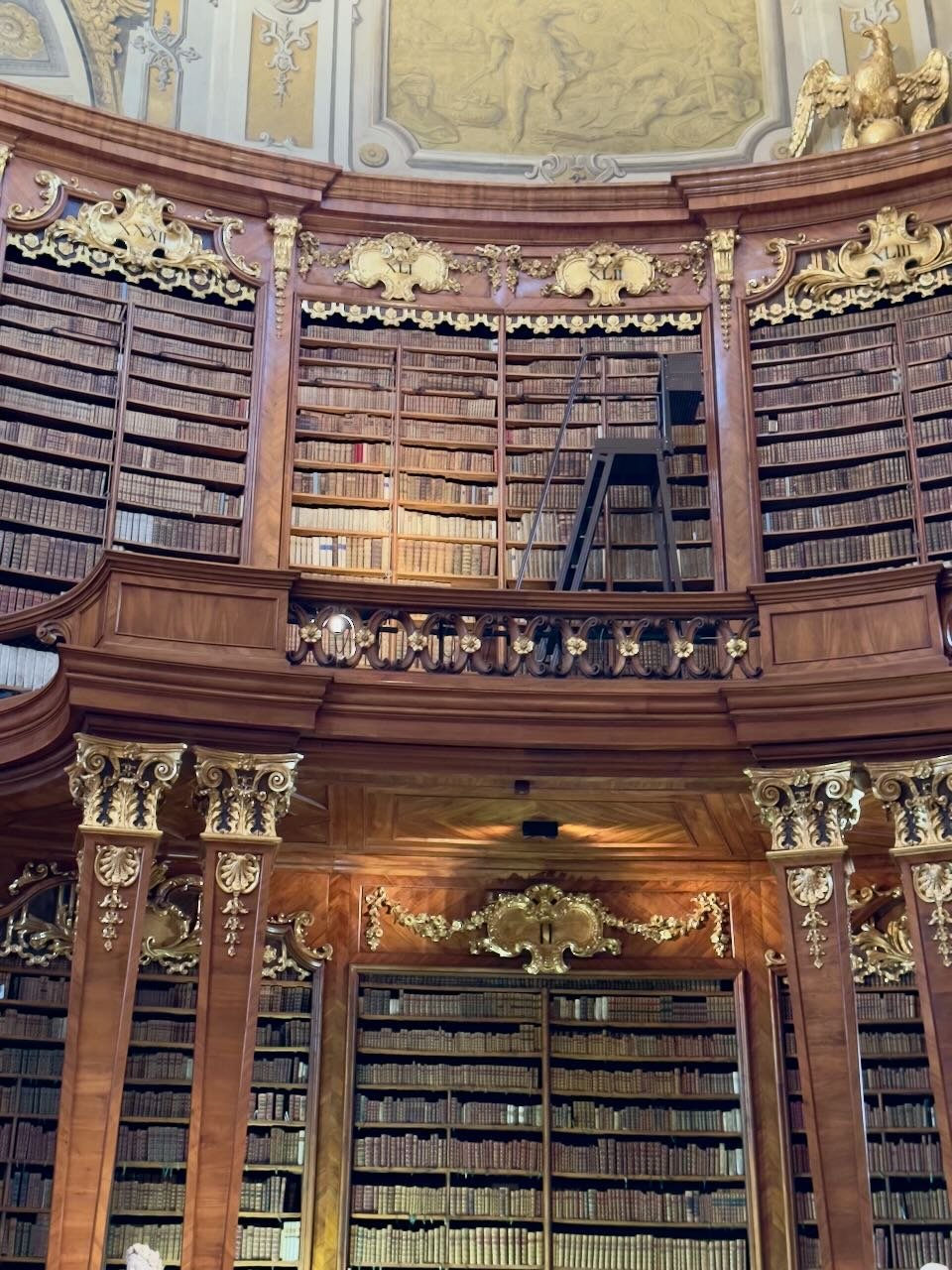
The Austrian National Library is the largest library in Austria, holding more than 12 million items, and is located in the Neue Burg wing of the Hofburg complex. The State Hall interior is one of the most ornate library spaces in Europe, with frescoed ceilings and a dense, warm-toned symmetry that photographs unlike almost anywhere else in the city. It's often busy, so give yourself patience to work around other visitors.
📷 Pro Tip: Bring a fast prime, f/1.8 or faster, since tripods generally aren't permitted in the State Hall and the light is dim and warm. Shoot upward with a wide-angle to capture the frescoed ceiling and the full symmetry of the hall. Go on a weekday and arrive near opening to avoid the crowds.
Best time: Weekday mornings, near opening. Access: Paid entry. Inside the Hofburg's Neue Burg wing.
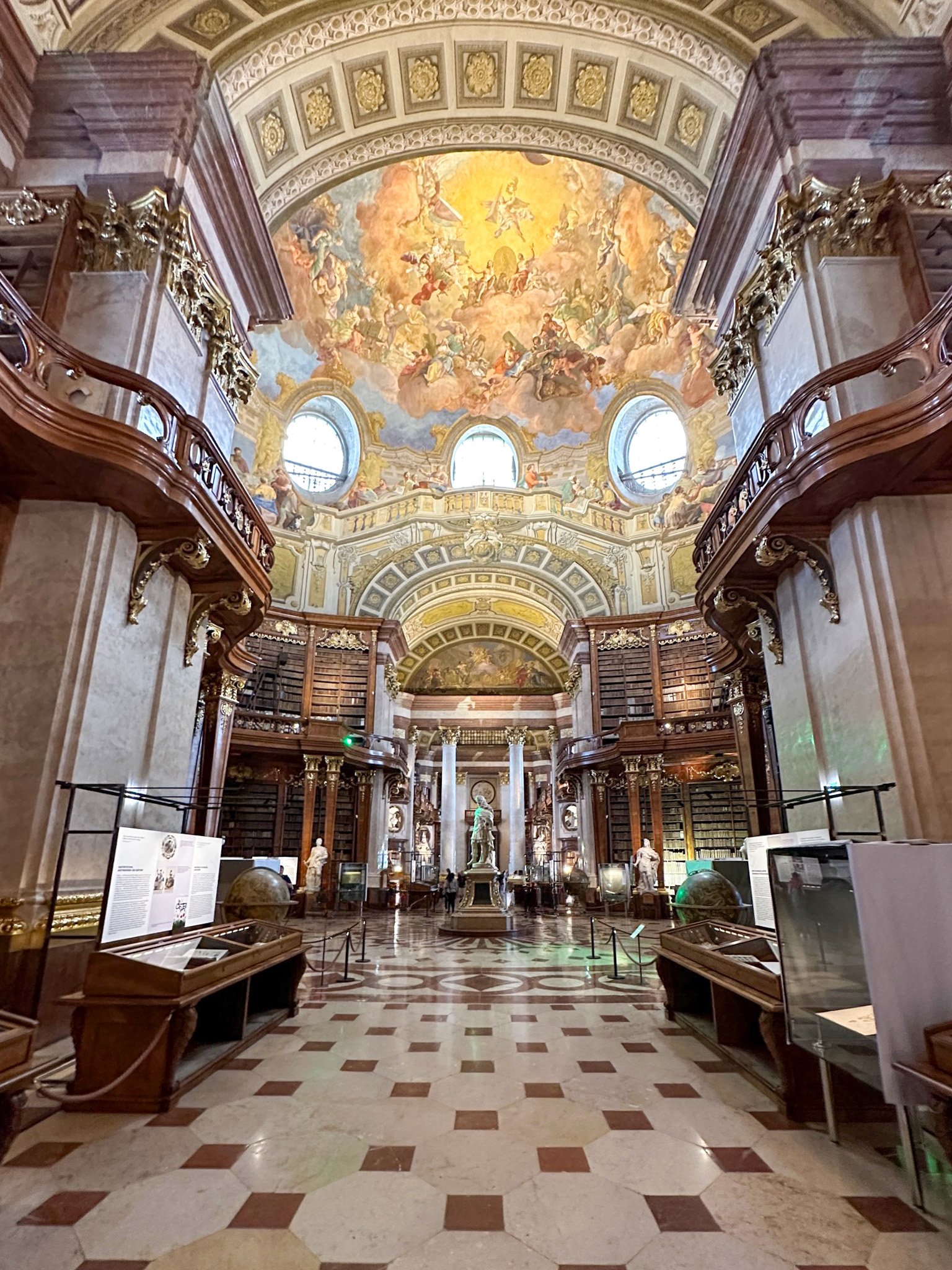
The magnificent State Hall of the Austrian National Library, one of Vienna’s most spectacular baroque interiors.
The library was quite busy when I visited. There are lots of details to photograph in this beautiful library.
Museums quartier
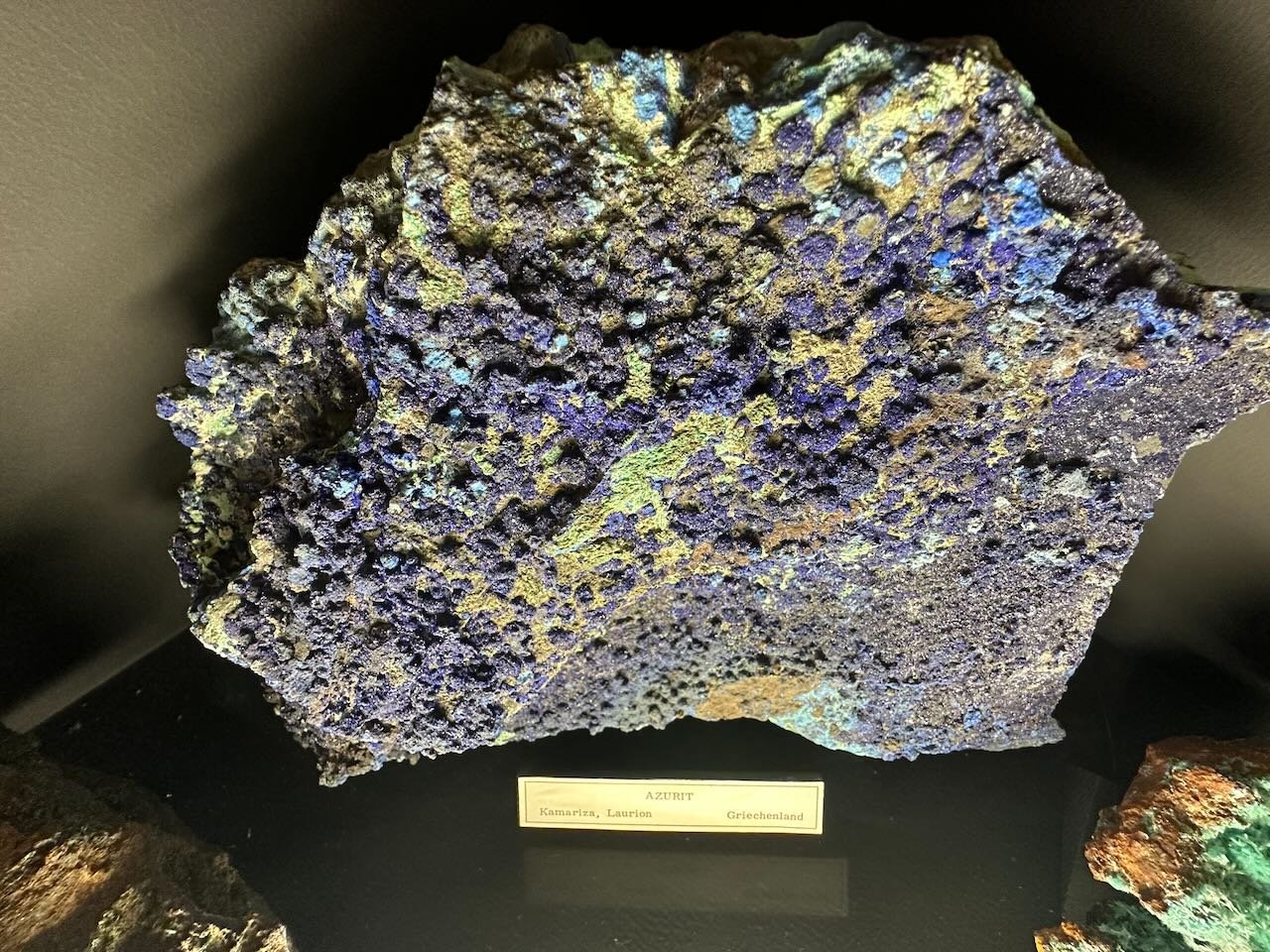
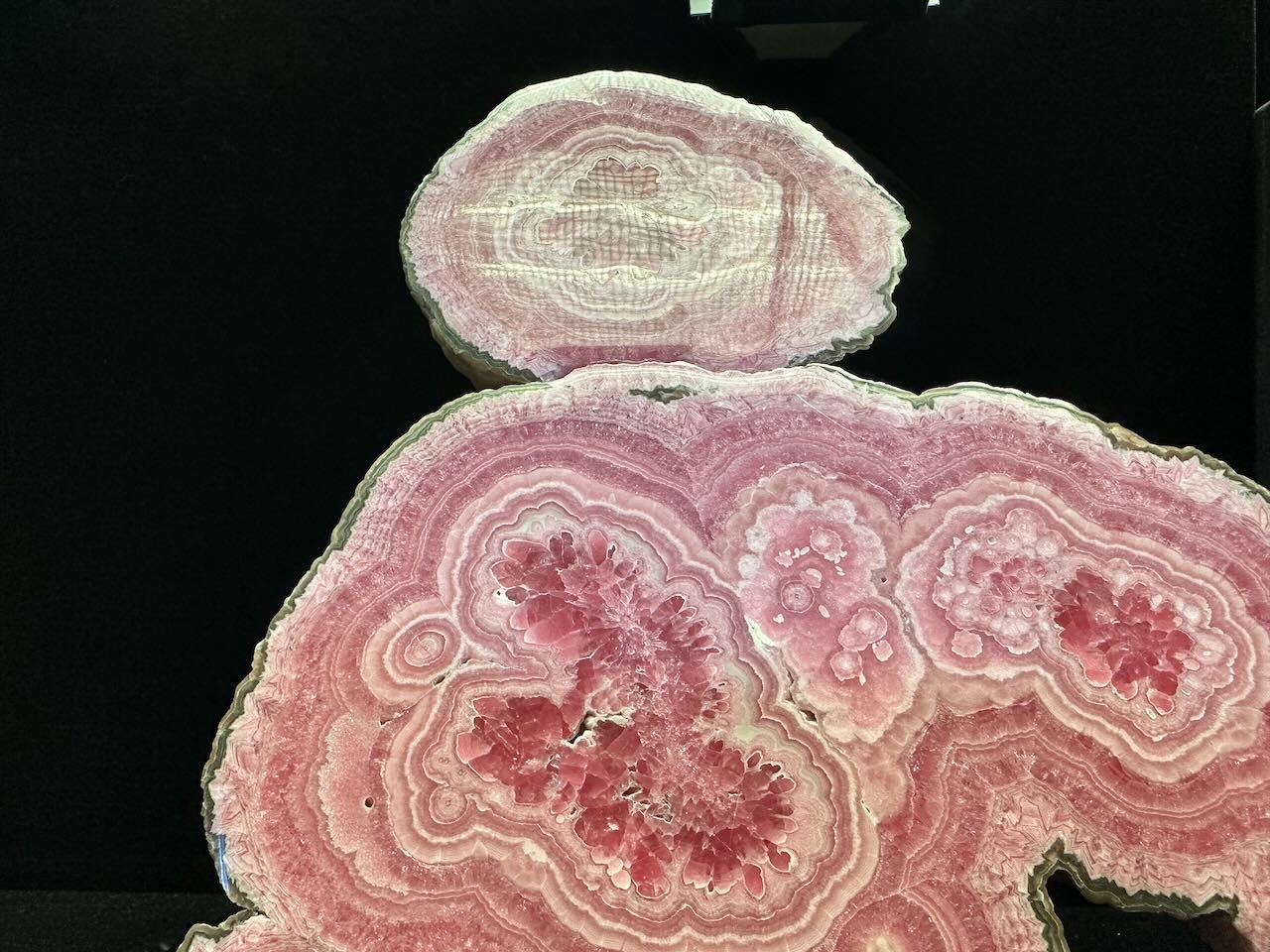
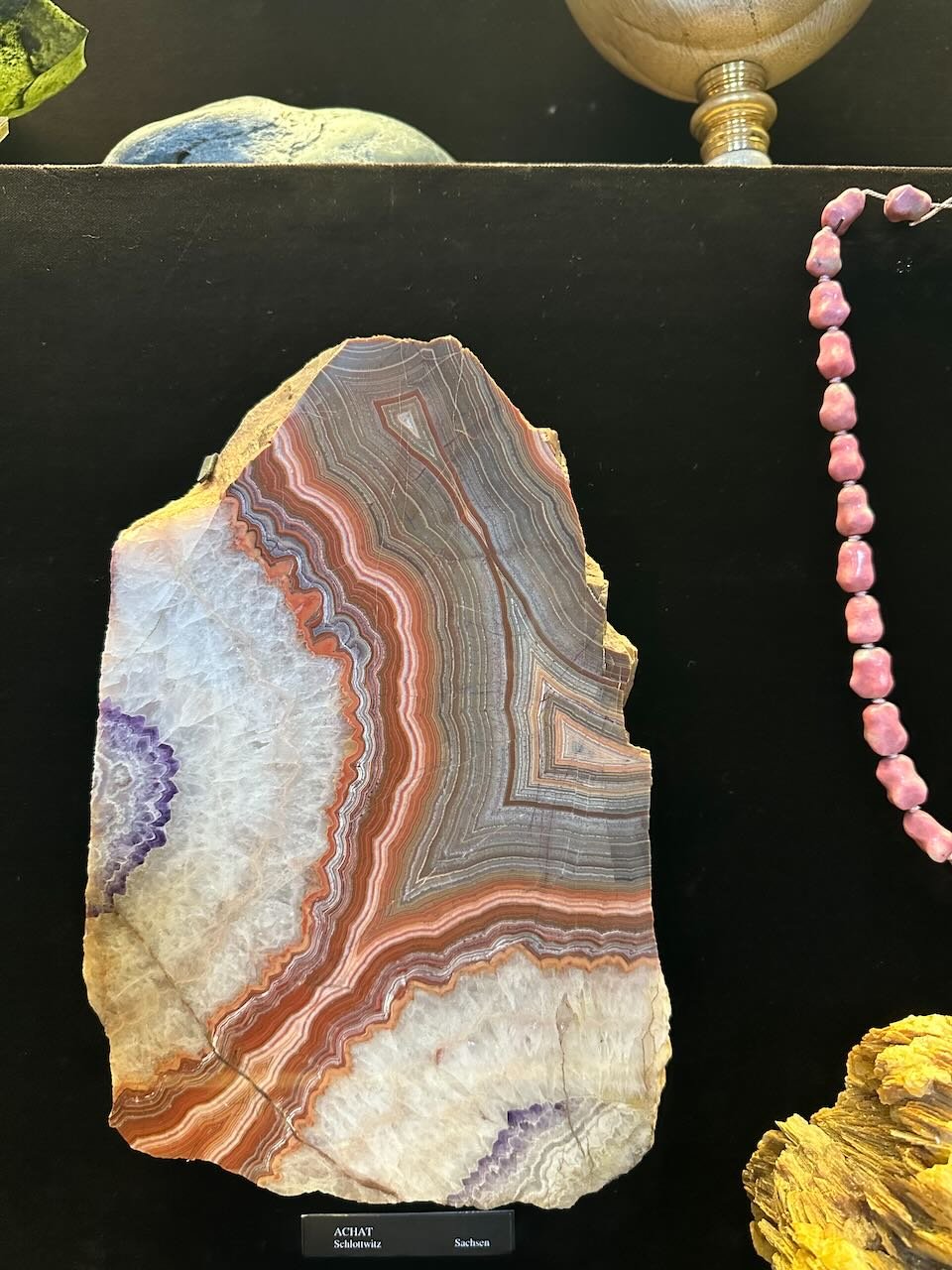
The MuseumsQuartier is one of the largest museum districts in the world, home to numerous museums and a growing number of excellent restaurants. The Natural History Museum in particular rewards a visit, both for its architecture and for its collection, the ceiling detail alone is worth the ticket, and the rock and mineral collection is unlike anything you'll have seen before.
📷 Pro Tip: The elephant statue and courtyard exterior work well at midday since the space is largely shaded by surrounding buildings. Inside the Natural History Museum, use a tripod and a long exposure in the main hall to let moving visitors disappear from the frame. A wide-angle is essential for the ceiling and the grand staircase.
Best time: Any time exterior; tripod and long exposure for interior crowd-clearing shots. Access: Free courtyard; paid museum entry.
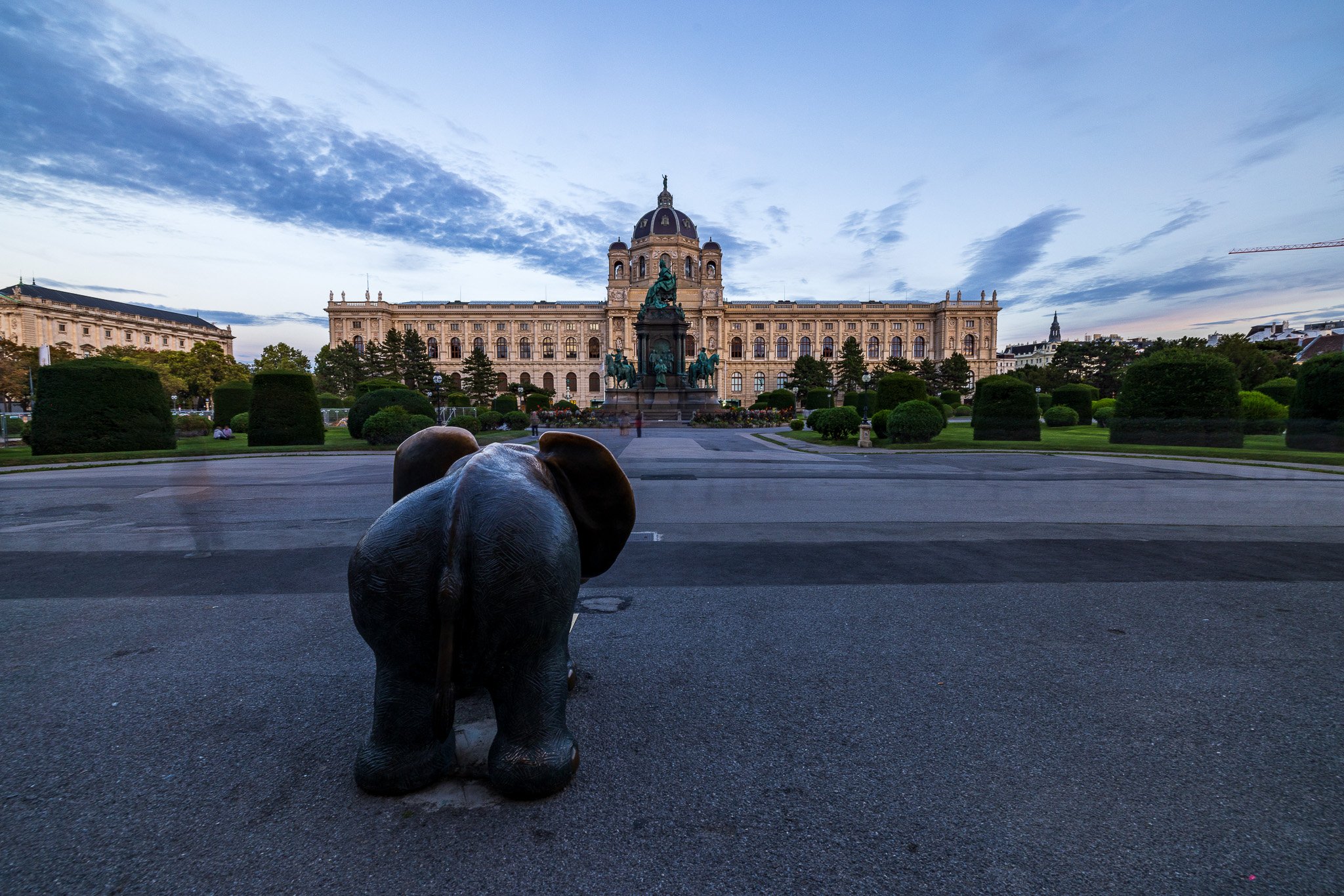
An elephant sculpture standing outside Vienna’s Natural History Museum.
Make sure to go into the Museum of Natural History. The architecture and exhibits are wonderful.
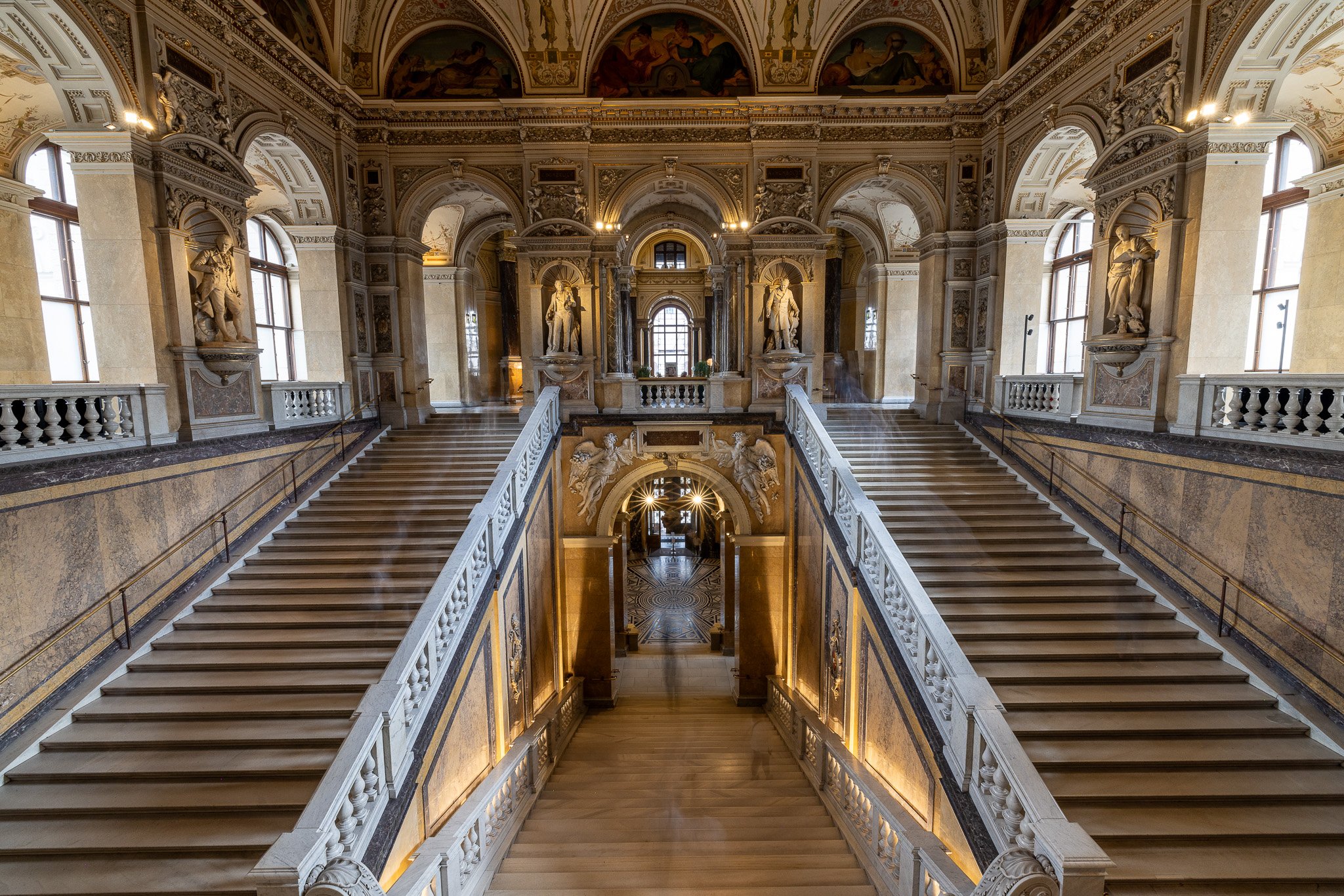
A long exposure inside Vienna’s Natural History Museum removes the moving crowds and reveals the symmetry of the grand hall.
The ceiling inside the Library is simply incredible.

The richly decorated ceiling inside Vienna’s Natural History Museum.
Their collection of rocks is unparalleled. There are so many shapes and colors that I have never seen before.
Albertina Museum
The Albertina Museum holds over one million drawings and prints, spanning from Michelangelo and Dürer to Klimt, Schiele, and Picasso. Even setting the collection aside, the building itself, including the entrance and stairwell, is genuinely beautiful and worth photographing on its own.
📷 Pro Tip: The stairwell is worth shooting independently, a 24-35mm captures its architectural lines well. Photography inside the collection galleries is typically restricted, so plan to shoot the building's public spaces rather than the artwork itself. Visit on a weekday morning for the emptiest experience.
Best time: Morning, weekday. Access: Paid entry to the collection; public spaces free to photograph.
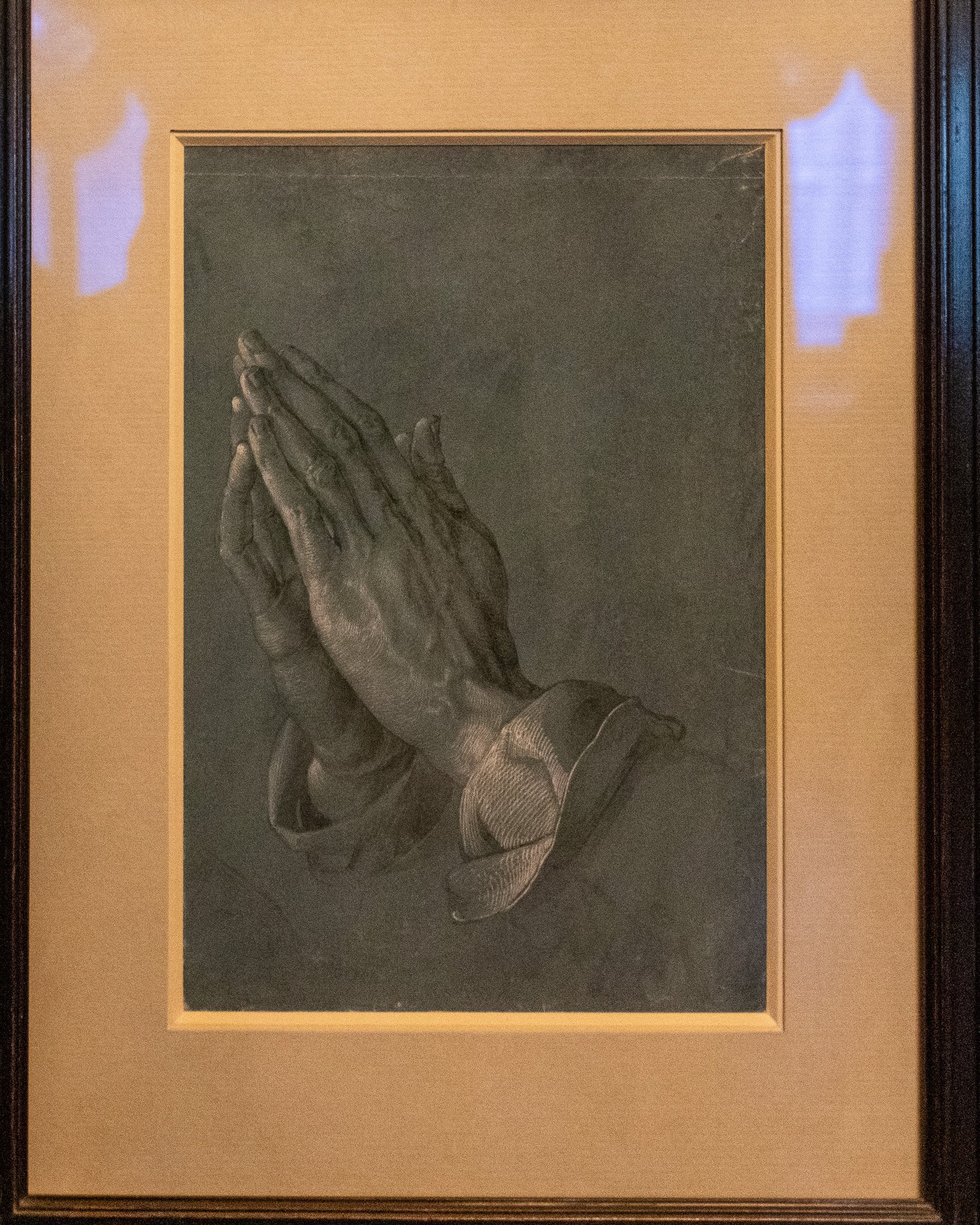
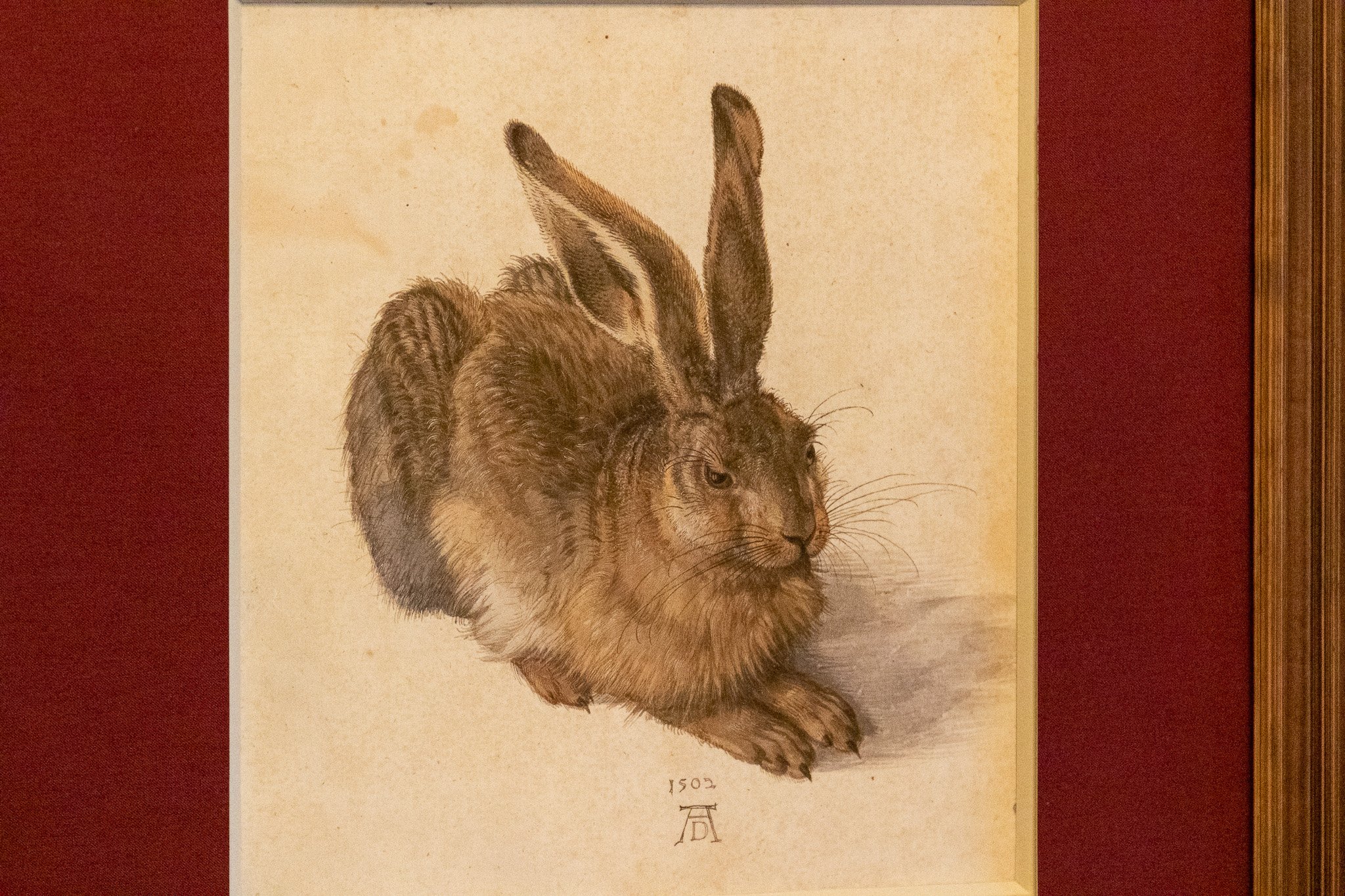
Even the stairwell into the museum is beautiful. After your visit the Do & Co Cafe is a wonderful place to stop for lunch.
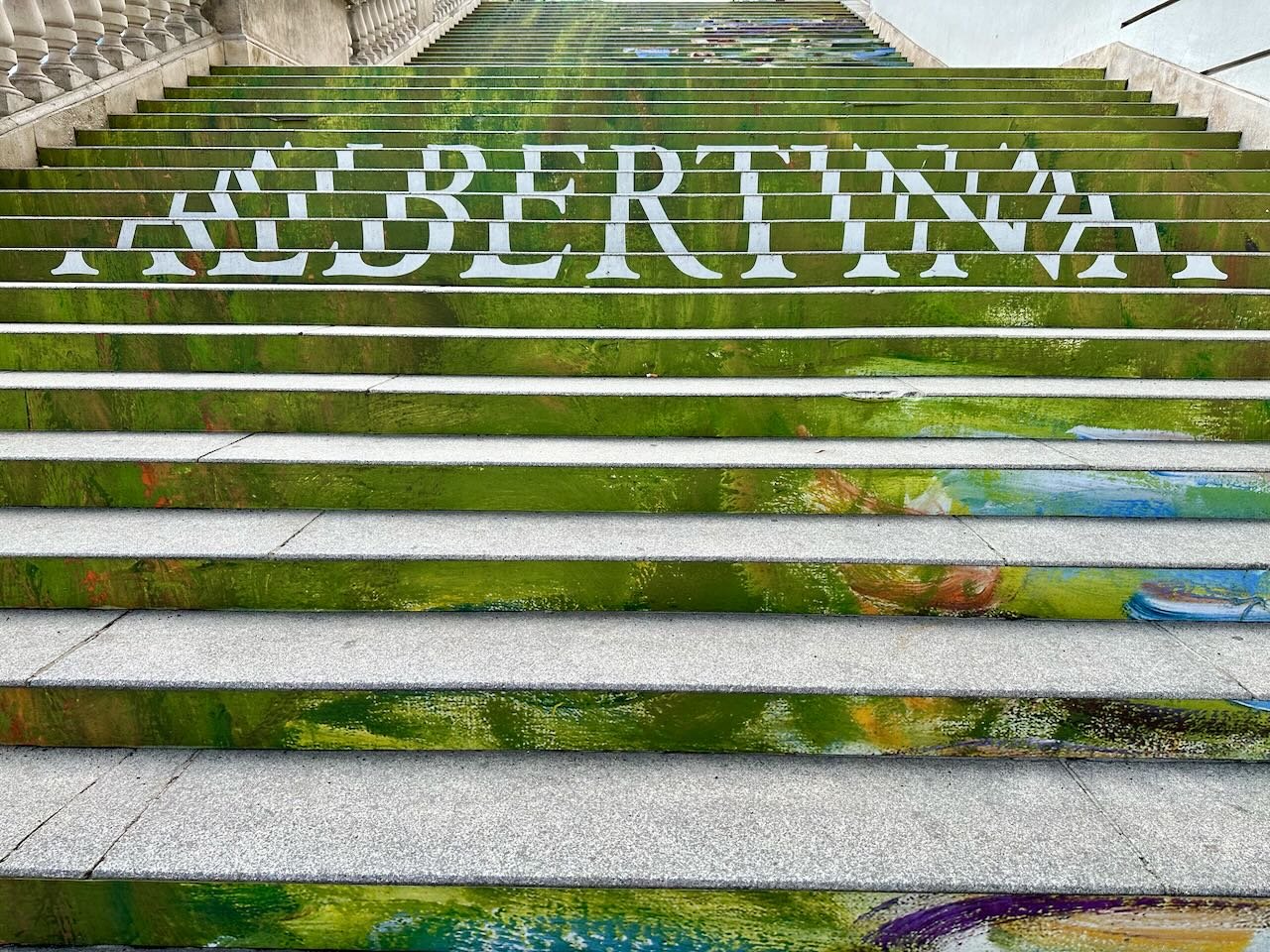
The elegant architectural lines of the staircase inside Vienna’s Albertina Museum.
Belvedere Palace
The Upper Belvedere is set at the high end of a long formal garden, its reflection appearing in the central canal pool on still mornings. The ground floor Orangery and the Lower Belvedere provide additional garden and architectural subjects. The Belvedere houses Klimt's "The Kiss," and while you cannot photograph the painting, the building's exterior baroque symmetry offers some of the most structured compositional opportunities in Vienna.
📷 Pro Tip: Arrive at the garden entrance before 8 am. The canal pool runs the length of the formal garden and reflects the Upper Belvedere façade on calm mornings. Shoot from the lower end of the garden with a 70 to 200mm lens to compress the garden elements and fill the frame with the palace reflection. The side gardens are often empty before 9 am and offer quieter, more personal compositions. The light is best on the main façade in the morning from the east. Sunday mornings tend to be quieter than Saturdays.
Best time: Early morning, before 9 am. Access: Gardens free; palace interiors require a ticket.

The baroque façade of Upper Belvedere reflected across the formal gardens in Vienna.
Michaelerplatz and the Hofburg
Michaelerplatz is the circular plaza at the main entrance to the Hofburg Imperial Palace complex. In the center of the plaza, a glass-covered excavation reveals Roman camp foundations and medieval building layers. The Hofburg's ceremonial dome frames the view from Kohlmarkt, and the passageway underneath leads through to the Burggarten. Walking under the Hofburg ceiling is a habit; I look up every time.
📷 Pro Tip: Position yourself at the Kohlmarkt end of Michaelerplatz and shoot the dome with a 70 to 135mm to compress the façade details. Early morning before 8am, the plaza is nearly empty. The glass excavation in the center of the plaza photographs well with a wide 16 to 24mm at a low angle, especially when the sky is reflected in the glass cover. Inside the Hofburg passageway, look up and shoot the ceiling with a wide lens at f/5.6 for depth of field through the entire vault.
Best time: Before 8 am for empty plaza; any time for the interior passageway. Access: Free for exterior and passageways; museum interiors require tickets.

The grand entrance to the Hofburg Imperial Palace overlooking Michaelerplatz in central Vienna.
In the center of Michaelerplatz lies an archeological site and museum where the remains of a Roman camp suburb and medieval building foundations were found.

Looking up at the ornate vaulted ceiling beneath the Hofburg Palace passageway.
The excavations can be visited at any time. More reading about this fascinating history and the museum can be found here.
While you walk under the passage way of the Hofburg Museum—make sure to look up at the ceiling.

Looking up at the ornate vaulted ceiling beneath the Hofburg Palace passageway.
Zum Figlmüller Passage
Just around the corner from St. Stephen's Cathedral, this passage is home to the world-famous Figlmüller restaurant, widely considered the source of the best Wiener schnitzel in Vienna. It draws celebrities, locals, and tourists alike, and the passage itself has real character beyond just the restaurant.
📷 Pro Tip: This is more of a food and atmosphere shot than a landscape one, go at lunch or early dinner and shoot the passage with a 35-50mm, capturing the signage and the crowd waiting for a table. Ask before photographing other diners directly.
Best time: Lunch or early dinner, when the passage is active. Access: Free to walk through; the restaurant requires a reservation or wait.
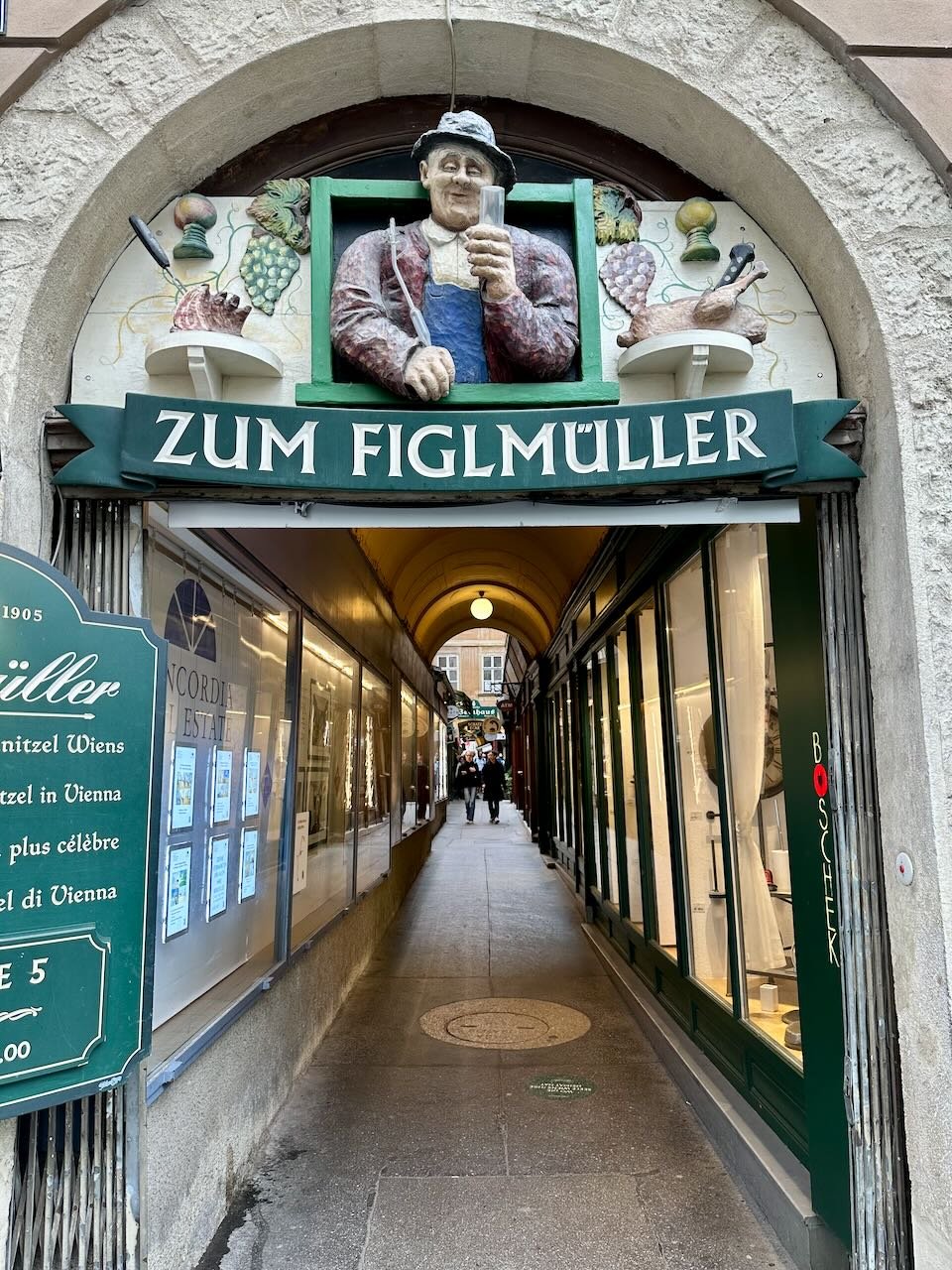
The atmospheric passage leading to Figlmüller near St. Stephen’s Cathedral in Vienna.
Graben
Graben is Vienna's famous pedestrianized shopping street, lined with cafés where locals and visitors alike sit and people-watch for hours. The architecture and window displays are worth experiencing even without buying anything, and the street terminates directly at Stephansplatz.
📷 Pro Tip: Shoot early morning for an empty street, or embrace the crowds during the day for genuine street photography, Graben works both ways depending on what you're after. A 35mm prime suits the street-level work here well. The Plague Column at the street's center is worth a dedicated vertical frame.
Best time: Early morning for architecture; daytime for street life. Access: Free, public pedestrian street.
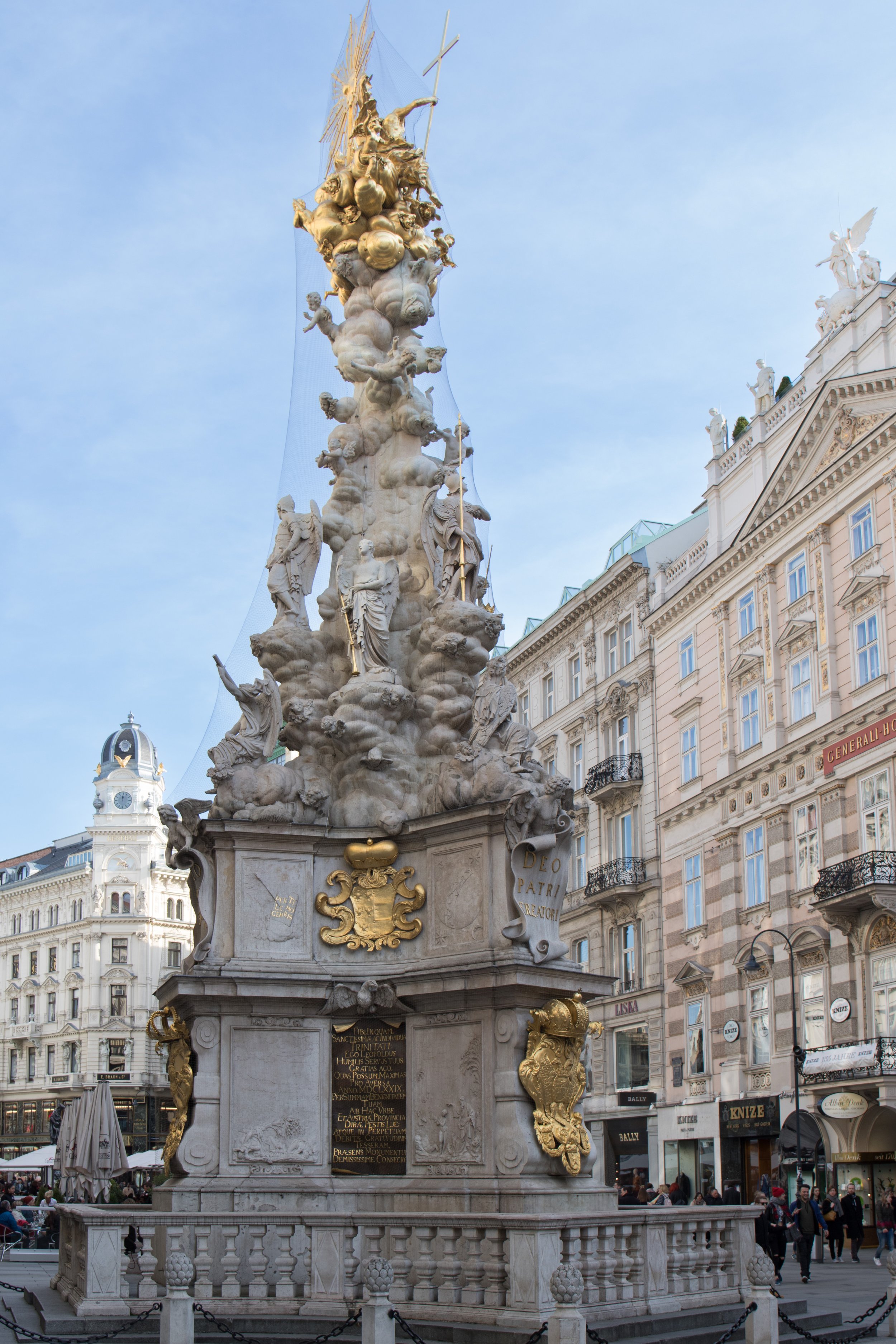
Elegant historic façades along Graben, one of Vienna’s most famous pedestrian streets.
There are beautiful buildings on the Graben like this one from the General Company. Stephensplatz, located at the very end of Graben.

Elegant historic façades along Graben, one of Vienna’s most famous pedestrian streets.
Hundertwasserhaus & AlthanGRUND
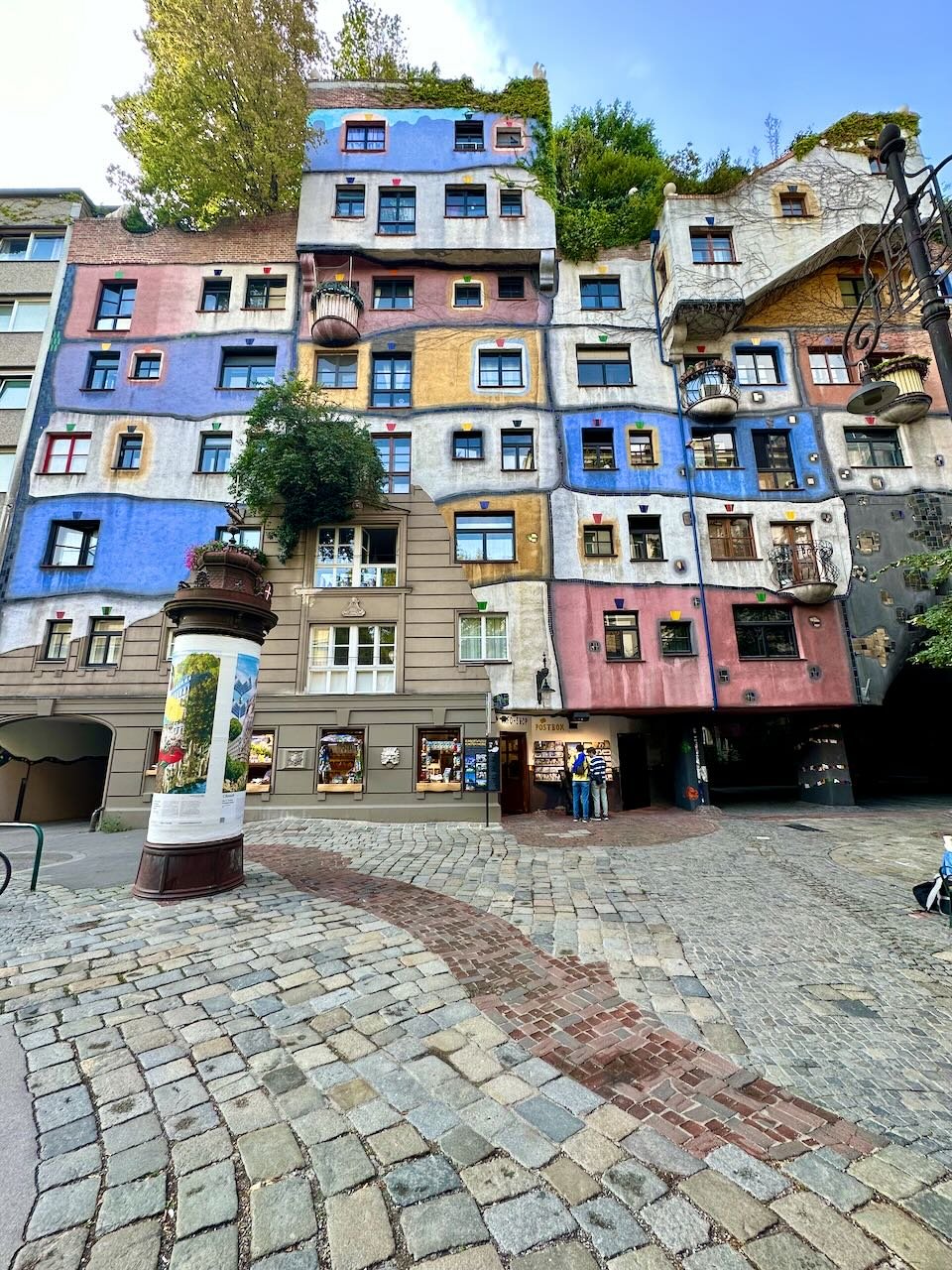
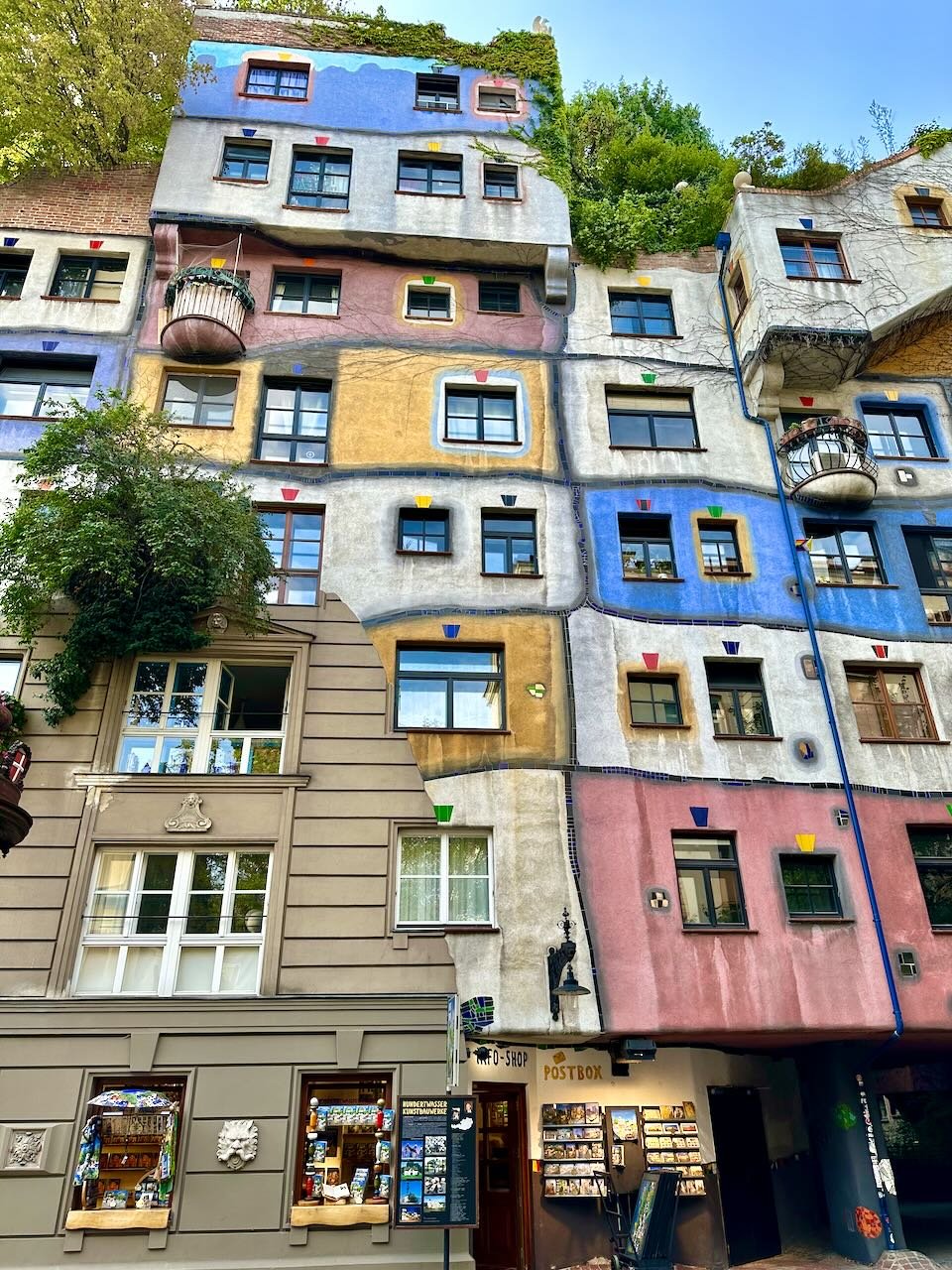
Designed by artist Friedensreich Hundertwasser, this colorful, whimsical apartment building with its undulating lines and brightly painted facade is one of the more offbeat, Instagram-favored subjects in Vienna. Nearby, the District Heating Plant, designed by the same architect, is arguably even more striking given its unremarkable industrial purpose, and draws far fewer tourists for its trouble.
📷 Pro Tip: Shoot in soft, even light, overcast mornings work particularly well since the building's palette is already intense and direct sun can oversaturate it further. A 24-70mm captures the full undulating facade from across the street. This location draws real crowds midday, so an early visit gives you a cleaner shot.
Best time: Overcast morning. Access: Free to view the exterior. In Landstraße, a short tram ride from the center.

The colorful Spittelau waste incineration plant, designed by Friedensreich Hundertwasser, bringing art to an unexpected industrial setting.
A fun fact is that it was designed by Friedensreich Hundertwasser, the architect behind the famous Vienna landmark, the Hundertwasser House. When you compare the two, it’s really no surprise who the architect is. However, I’ll bet this building gets far fewer tourists snapping photos due to its removed location.
One such hidden gem is the Hundertwasserhaus, which is a colorful and whimsical apartment building designed by the artist Friedensreich Hundertwasser. The building’s unique architecture, with its undulating lines and brightly colored façade, make it a popular subject for Instagram photography.
Graffiti & Murals in Vienna
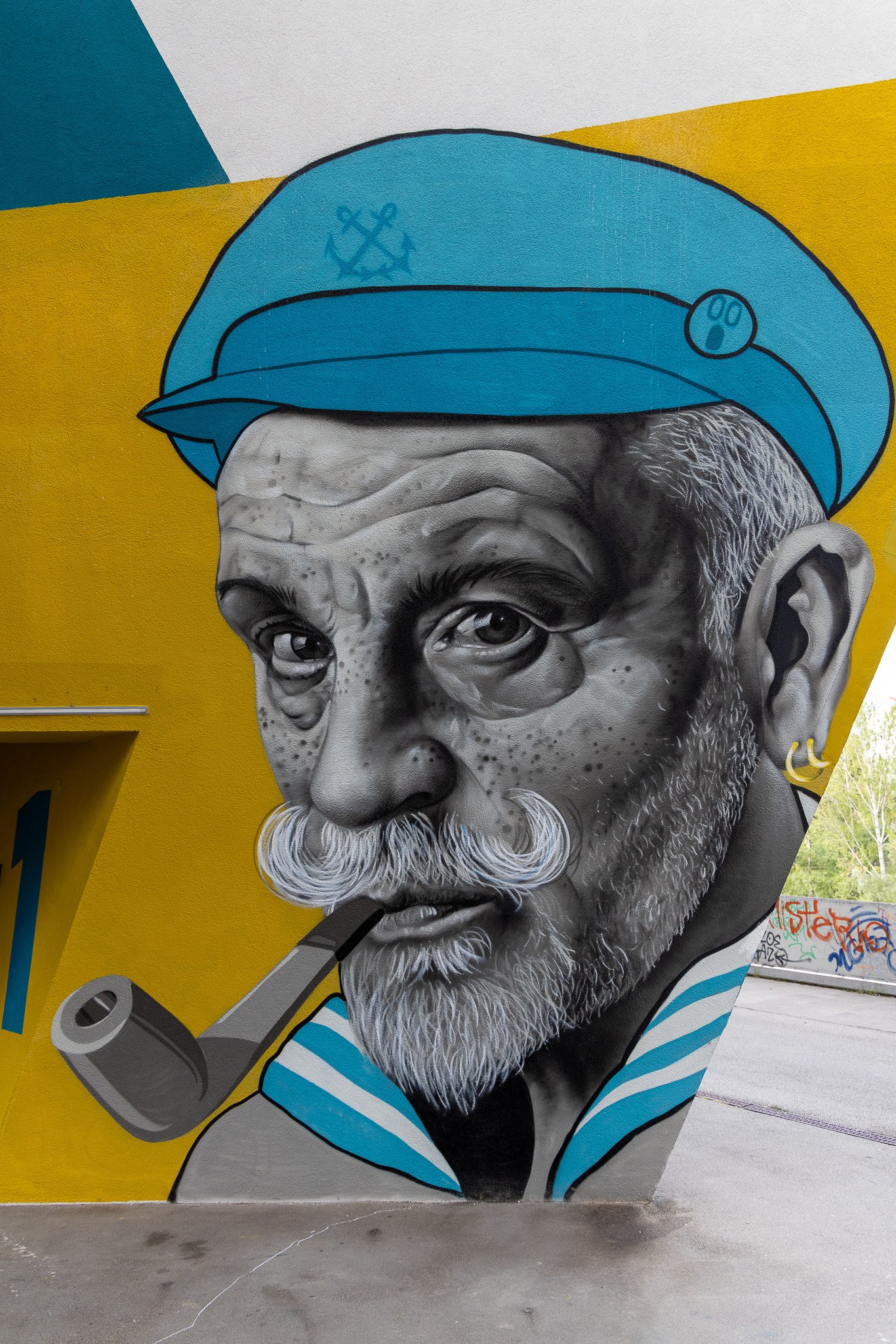
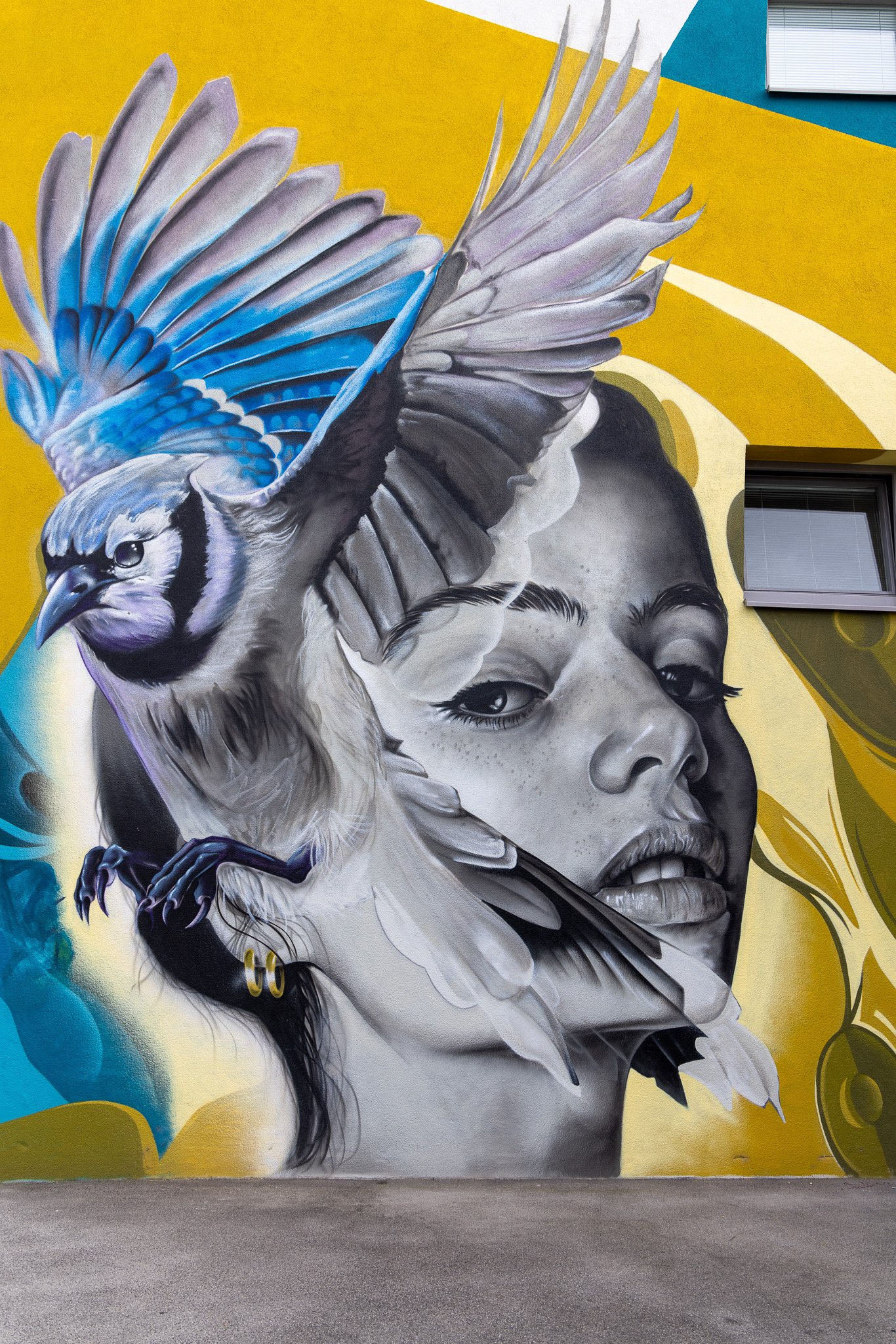
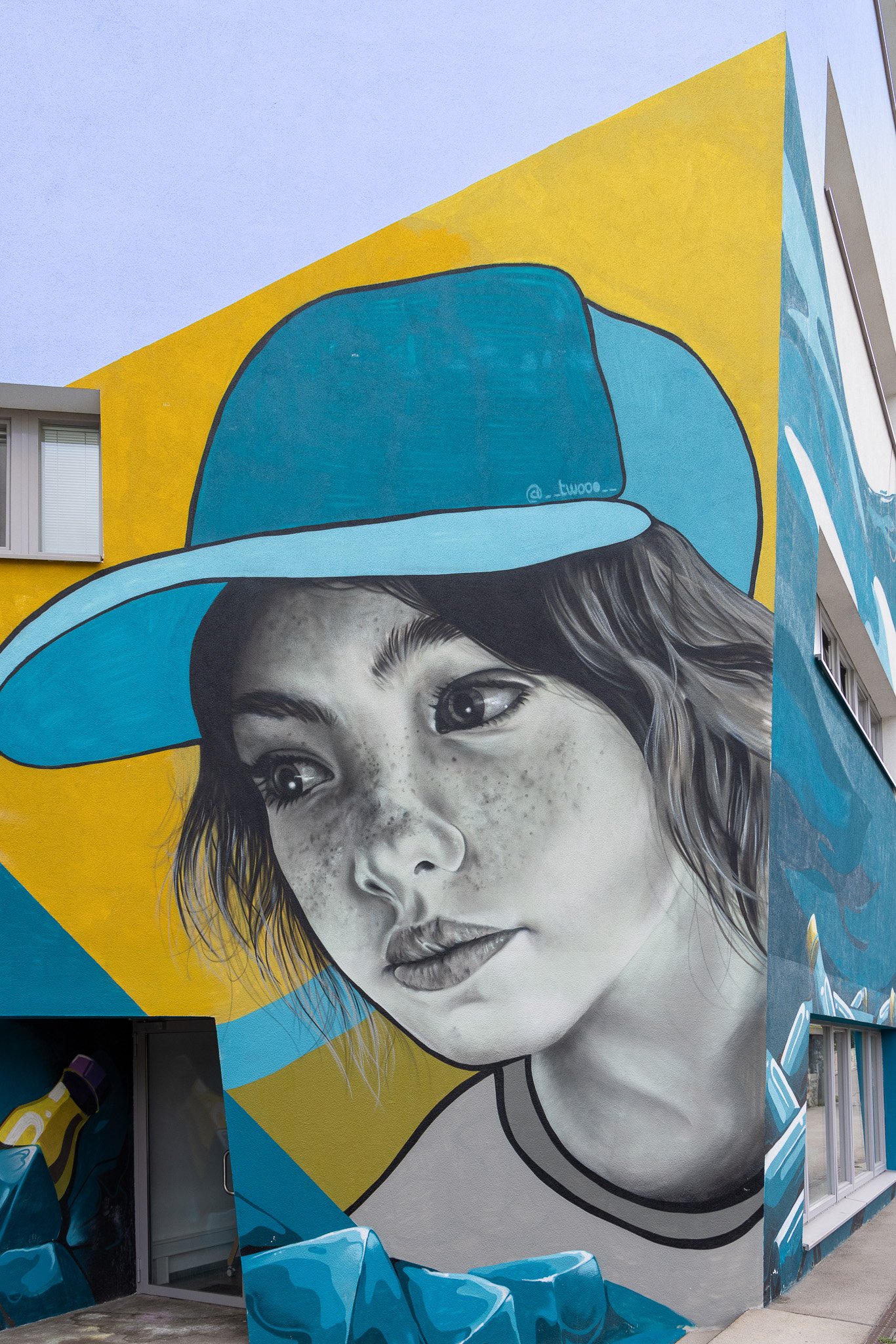
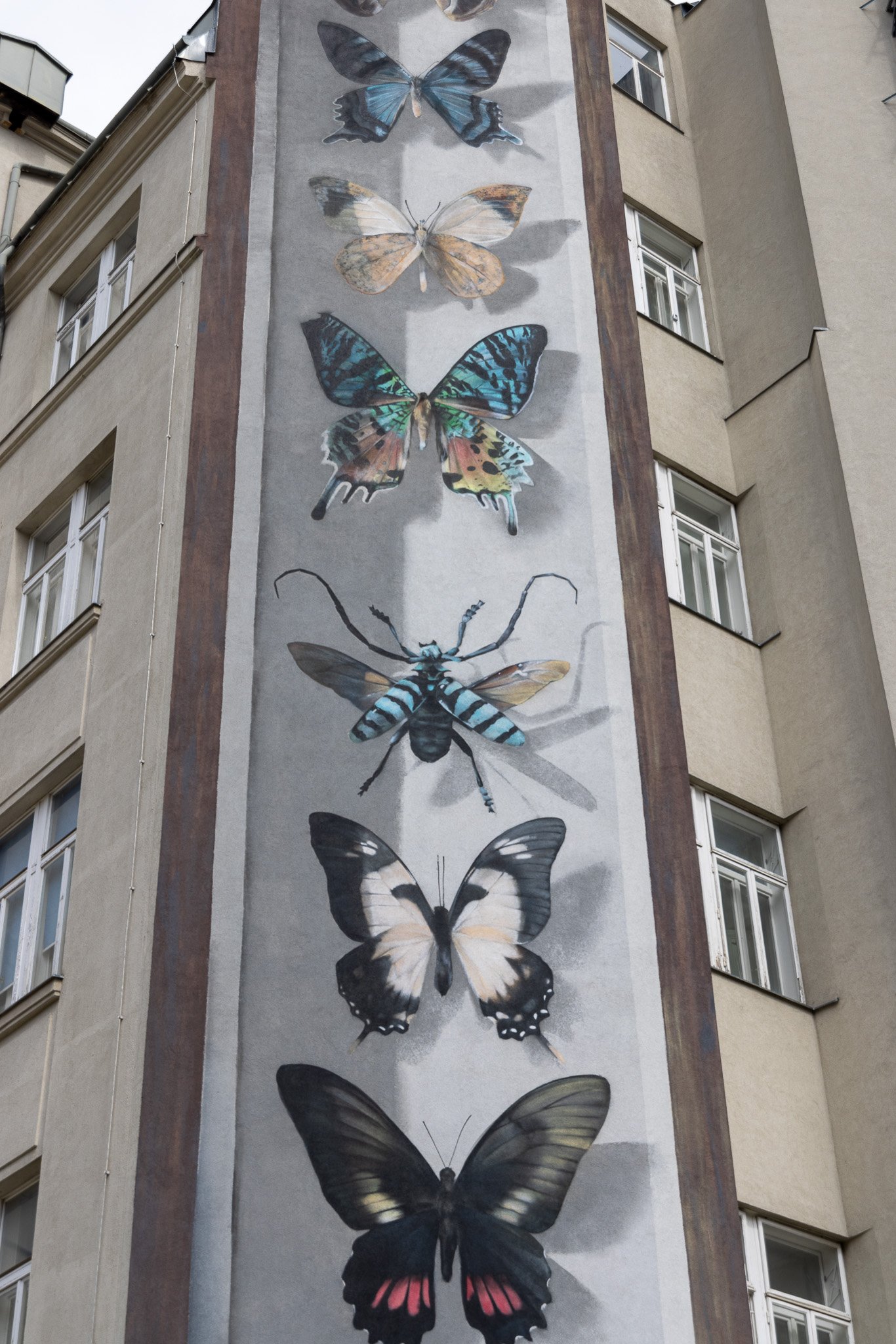
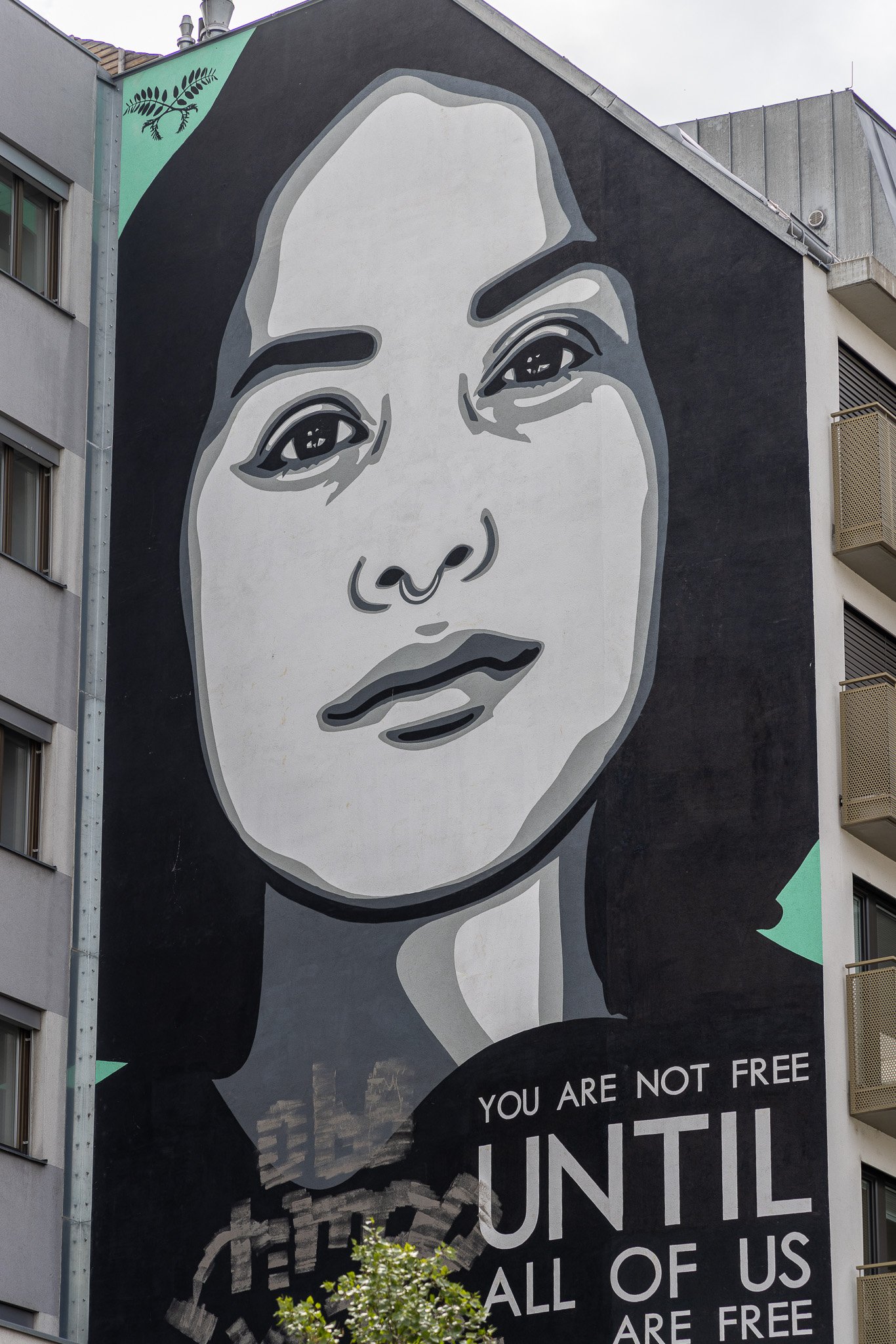
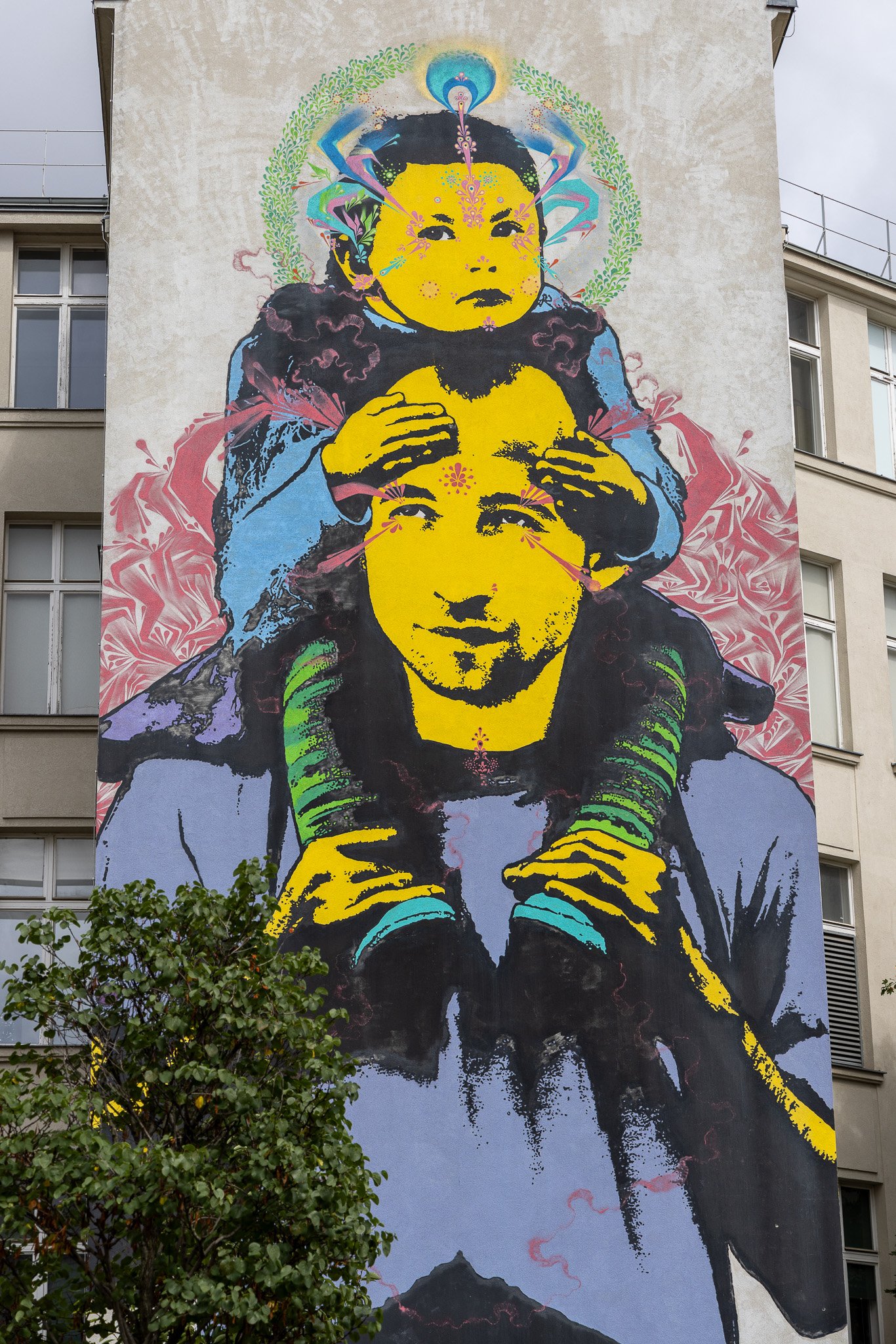
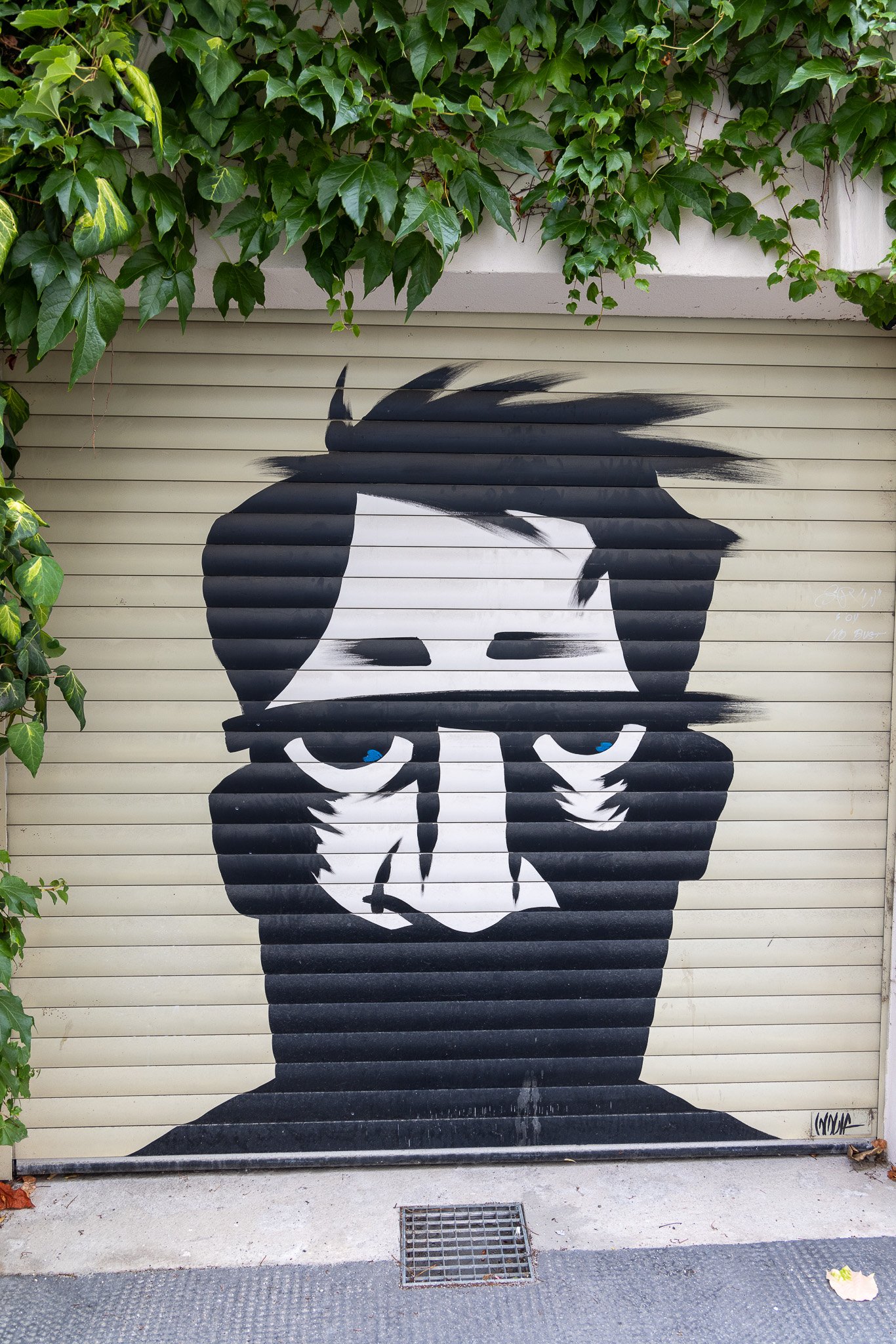
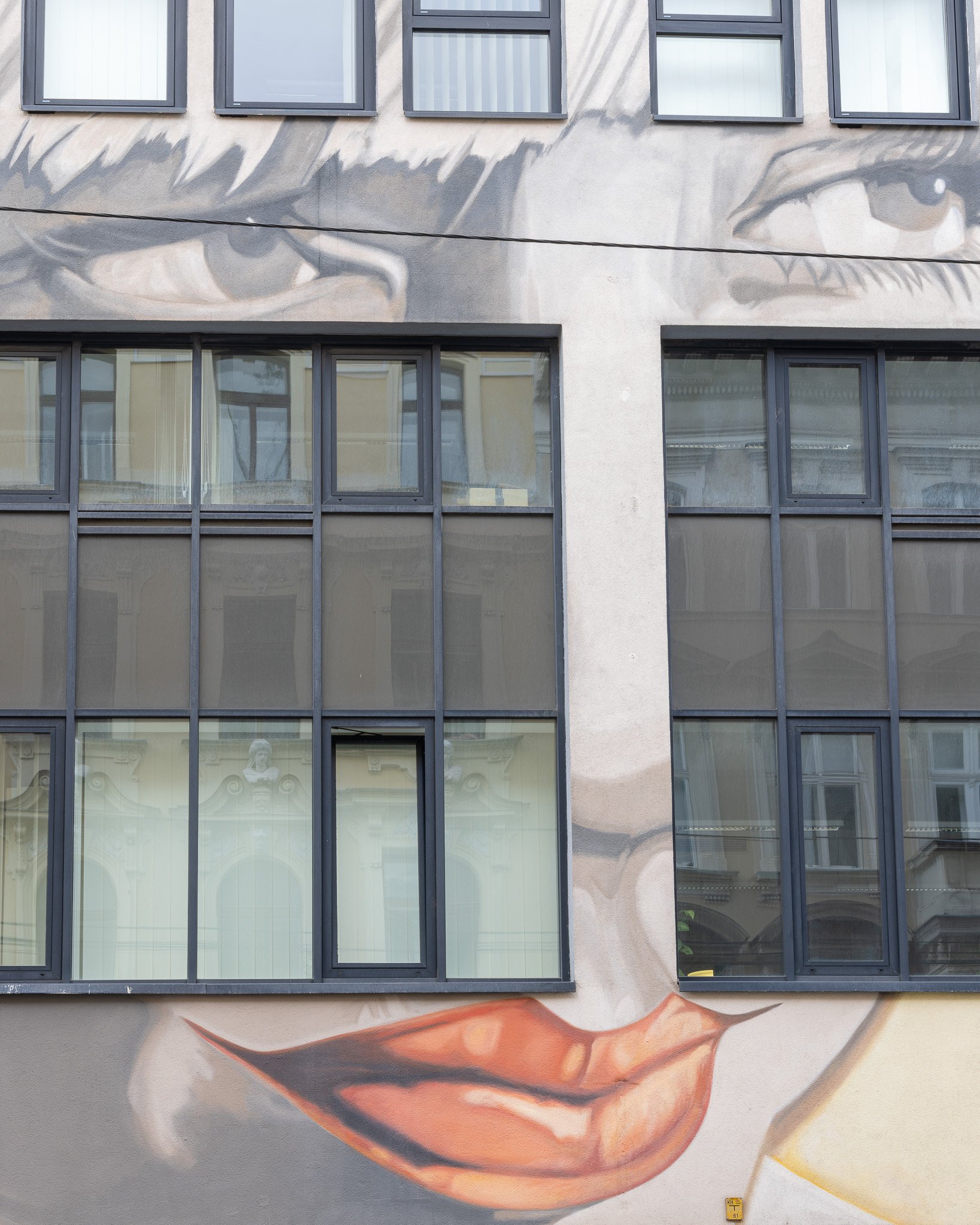
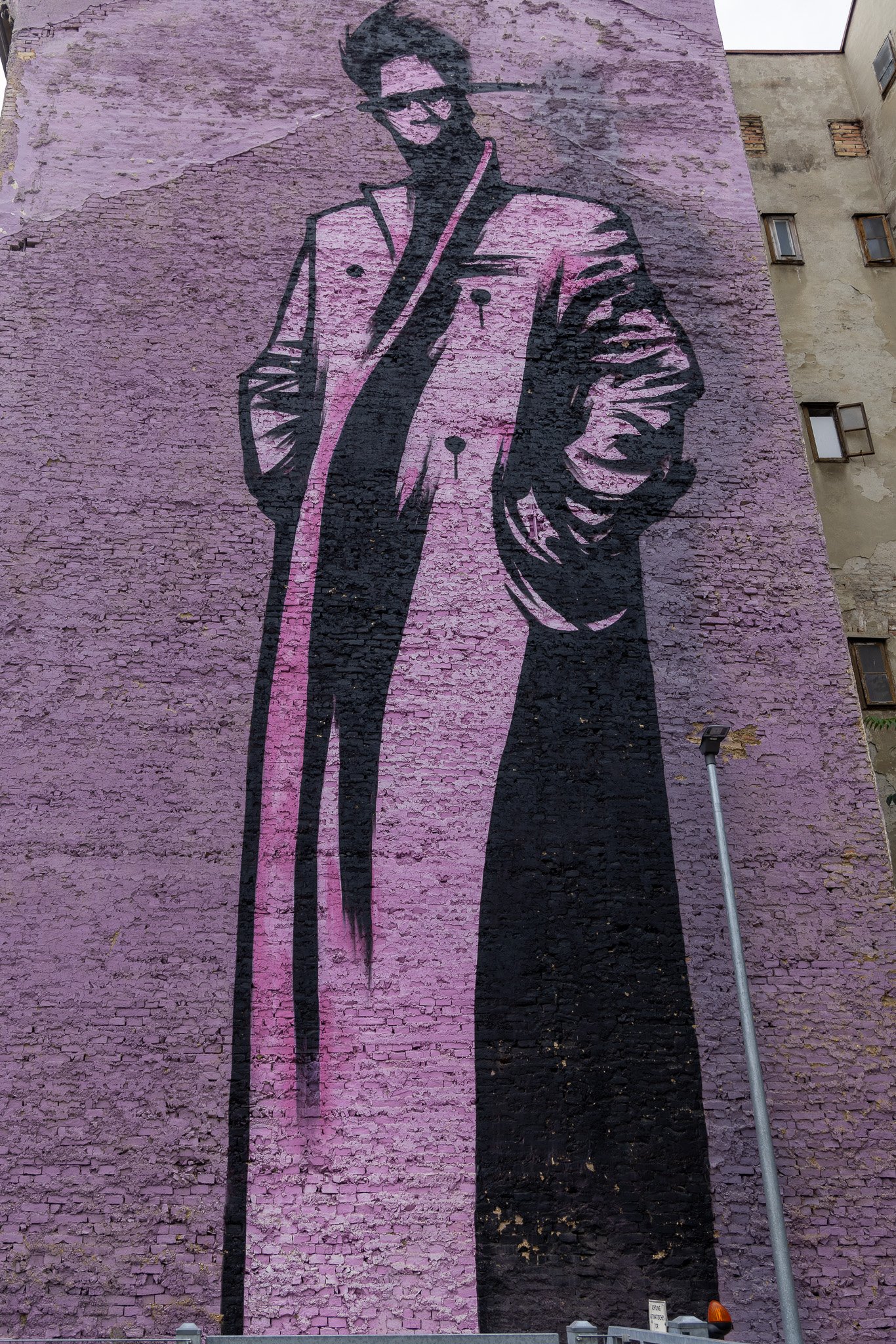
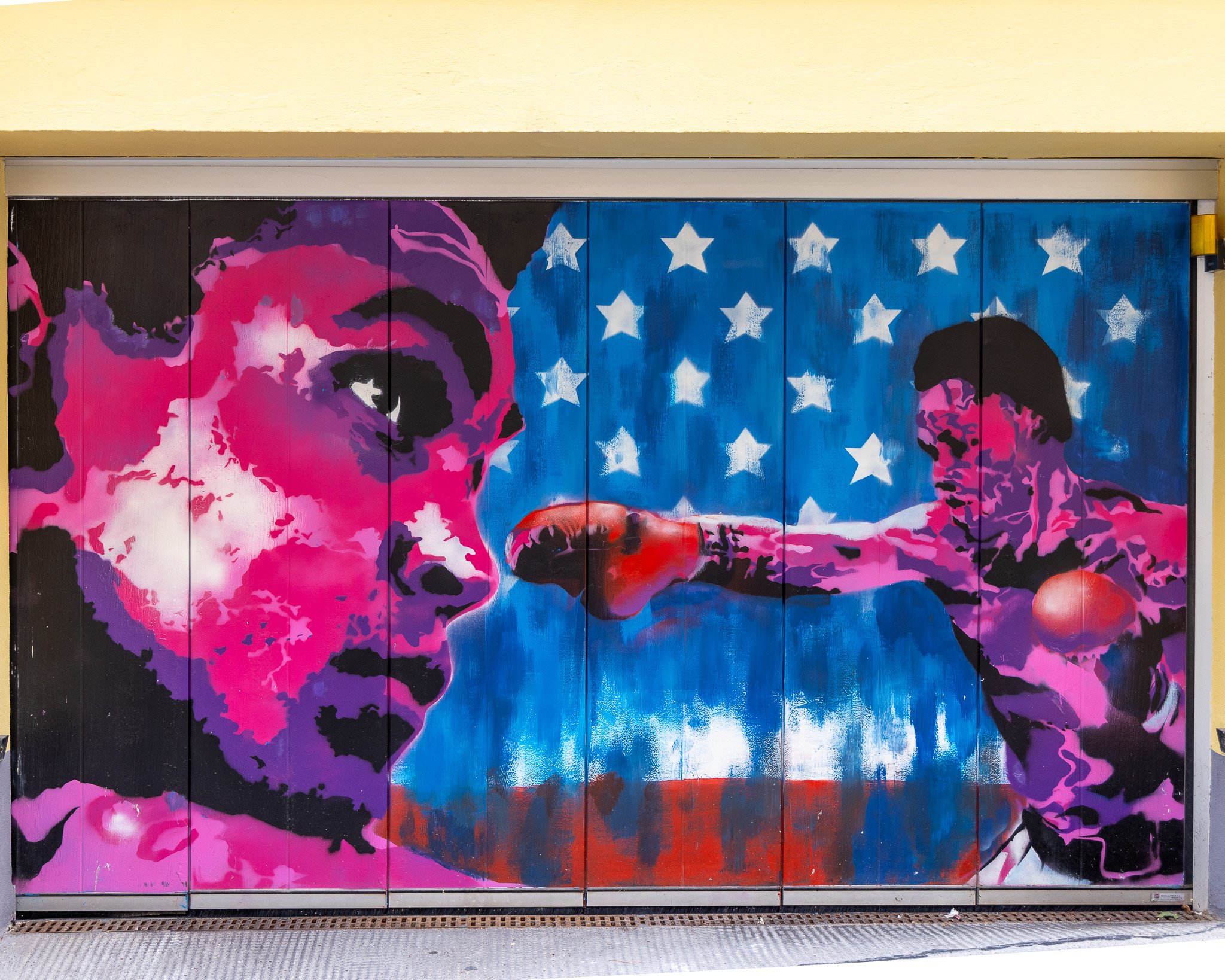
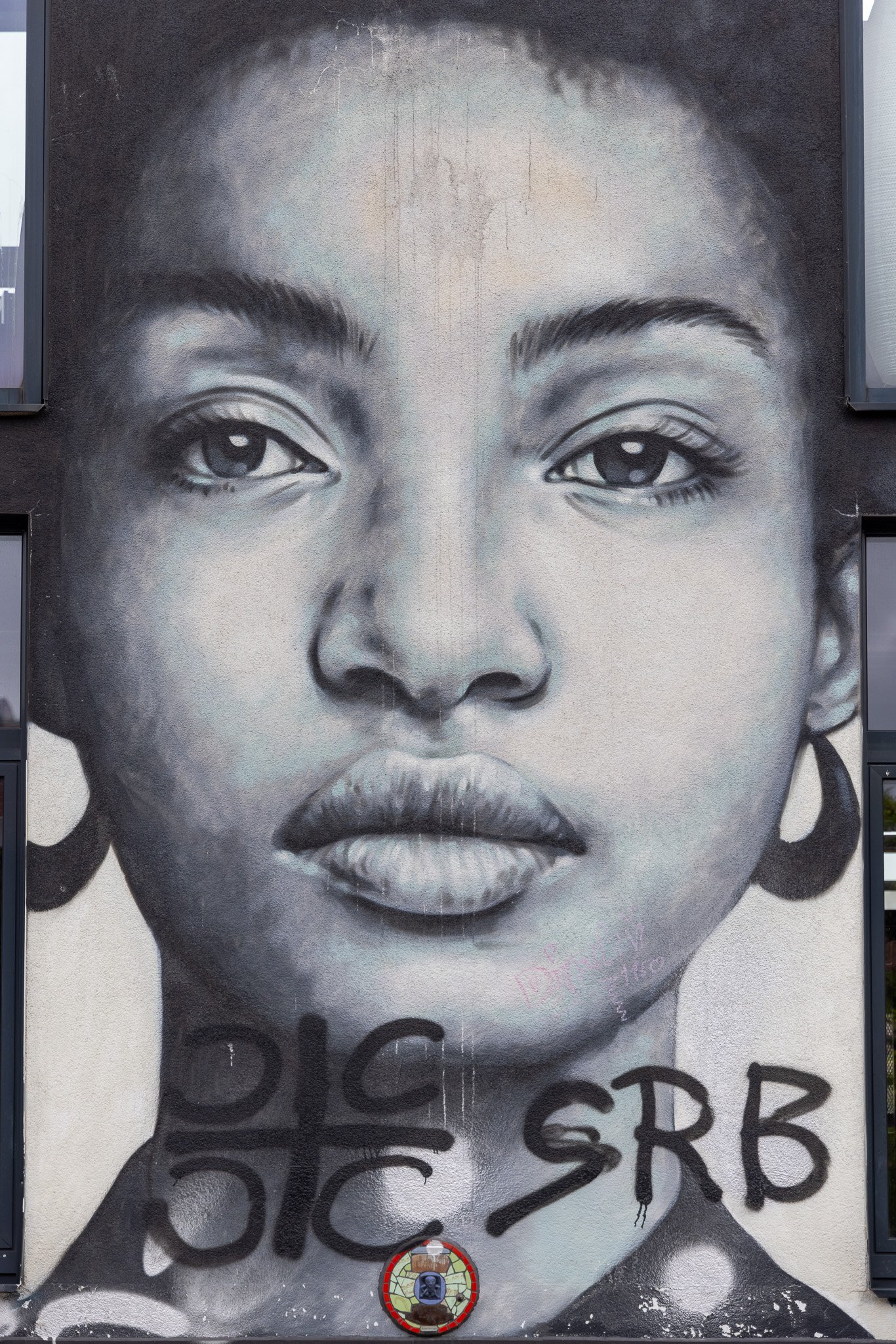
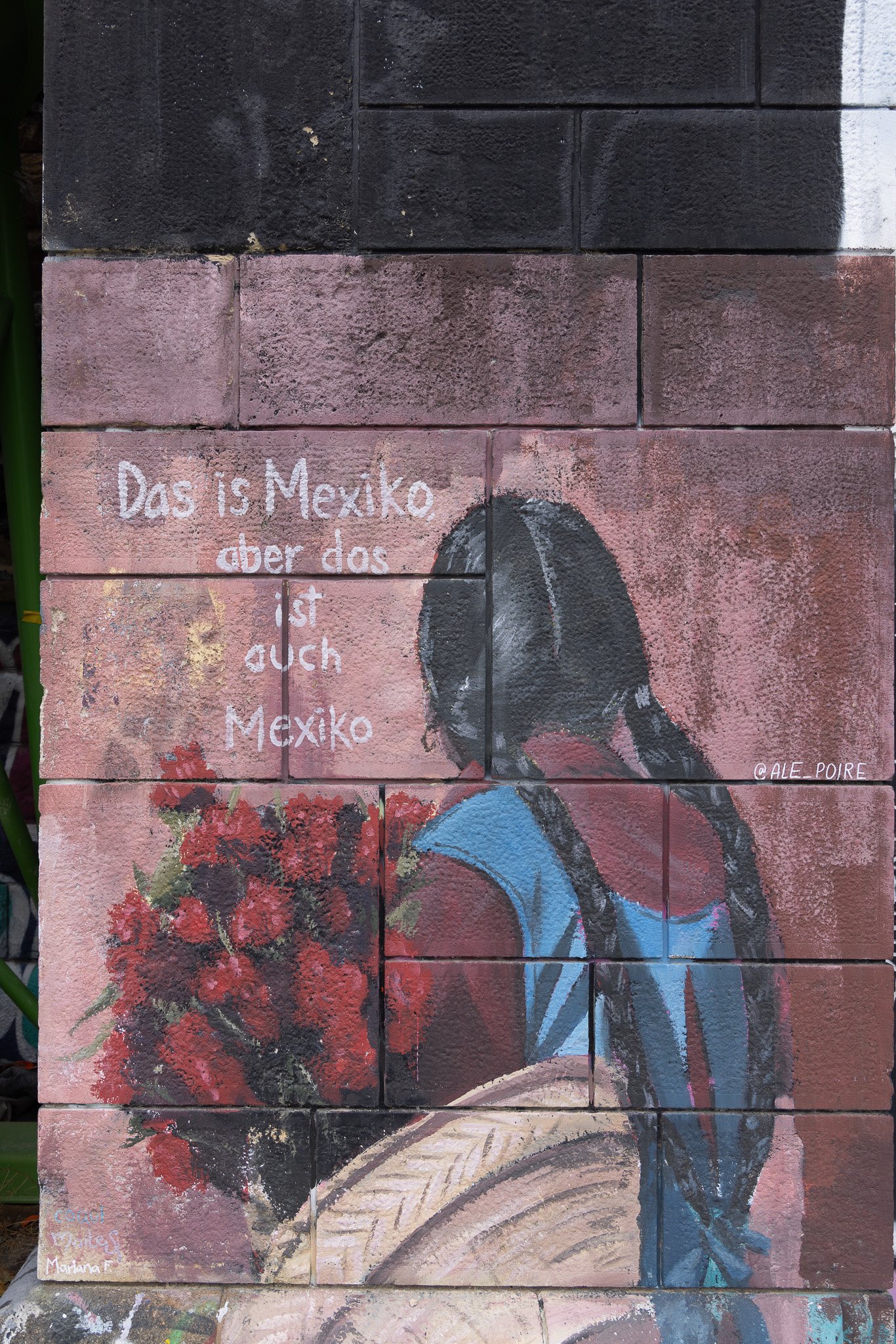
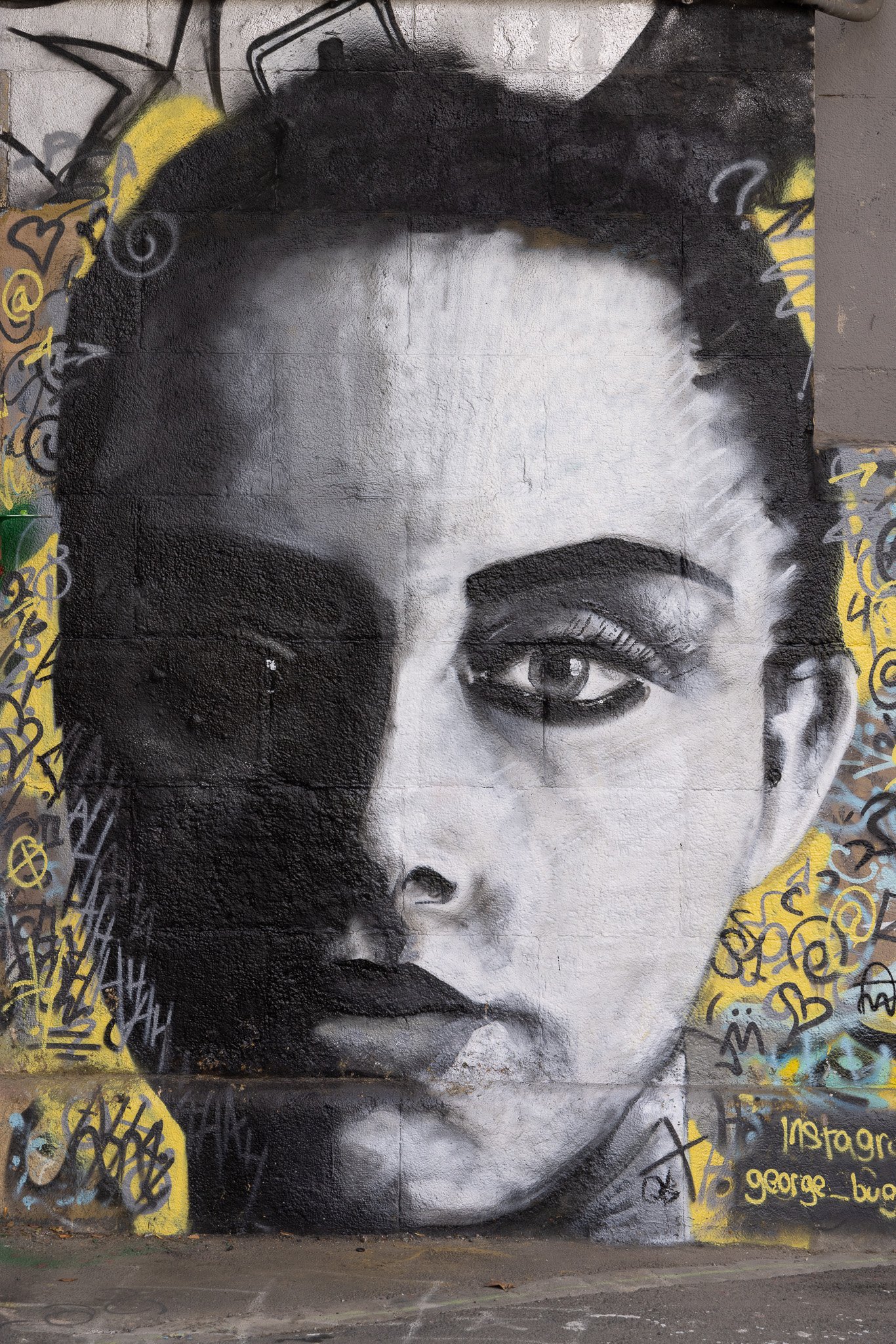
Exploring the street art was one of the highlights of my Vienna trip: high praise when there was so much else I loved about the city. In this guide, I’ll share my self-guided Vienna street art tour, which includes a map and tips for getting around. Enjoy!
Since 1995, there have been ‘legal walls’ in Vienna for street artists to play around with. New York was the first city to designate spaces for street artists to get creative. Vienna now has several legal spots for street art dotted around the city, which have attracted artists from around the world, such as Stinkfish, David Shillinglaw, and more.
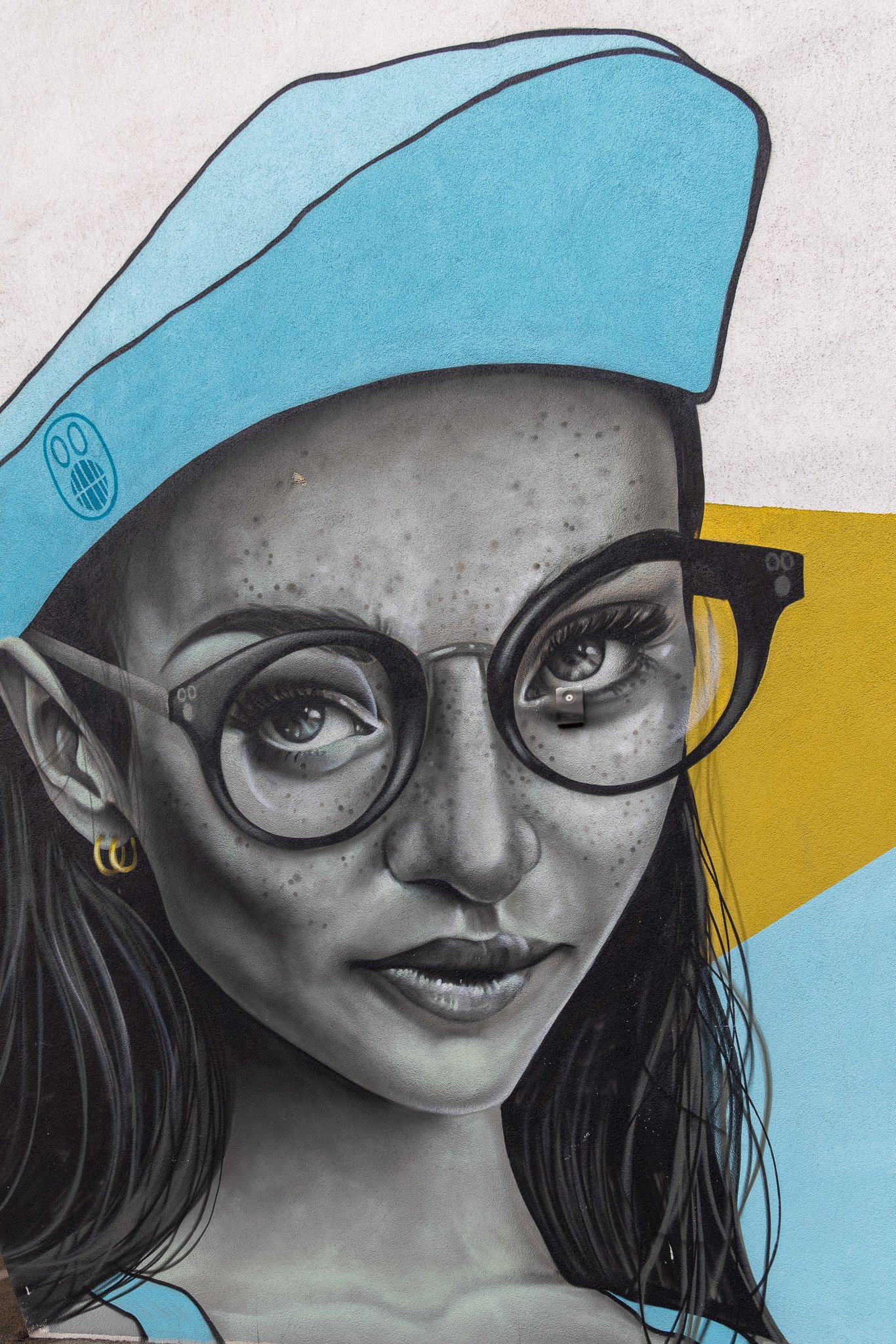
Since 1995, Vienna has maintained legal walls along the Danube Canal for street artists to paint freely. The result is several kilometers of continuous large-scale graffiti running along the canal embankment, ranging from intricate murals to raw tags, with international artists mixed in among local work. This is one of the finest urban street art corridors in Europe and almost no travel guide covers it adequately.
📷 Pro Tip: Start at the Schwedenplatz U-Bahn stop and walk south along the canal. The density of work is highest in the first kilometer. Shoot in the morning when the light comes from the east and hits the canal wall at a low, directional angle. A 35mm or 50mm prime works best here for street-level portraits of the work. A 70 to 200mm pulls out details from large murals without distortion. The canal path is flat and wide, so a rolling cart or backpack works well. Look down: the pavement itself is often painted. For the self-guided map of street art locations, a Google Maps search for "Vienna Donaukanal Graffiti" gives you a useful starting point.
Best time: Morning light on east-facing walls. Access: Free, outdoor, accessible year-round.
Anker Clock
The Anker Clock is an Art Nouveau mechanical clock built in 1914, located on Hoher Markt Street. Twelve historical figures rotate across the clock face when it strikes the hour, a quick but genuinely worthwhile stop as you move between other locations in the Inner City.
📷 Pro Tip: Time your visit to the top of the hour, when the figures rotate, that's the actual moment worth photographing, not just the clock face at rest. A 70-200mm lets you compress and isolate the figures from across Hoher Markt without needing to stand directly underneath.
Best time: On the hour. Access: Free, public. On Hoher Markt street.

The Art Nouveau Anker Clock on Hoher Markt, where historical figures rotate across the clock face every hour.
Street Photography in Vienna
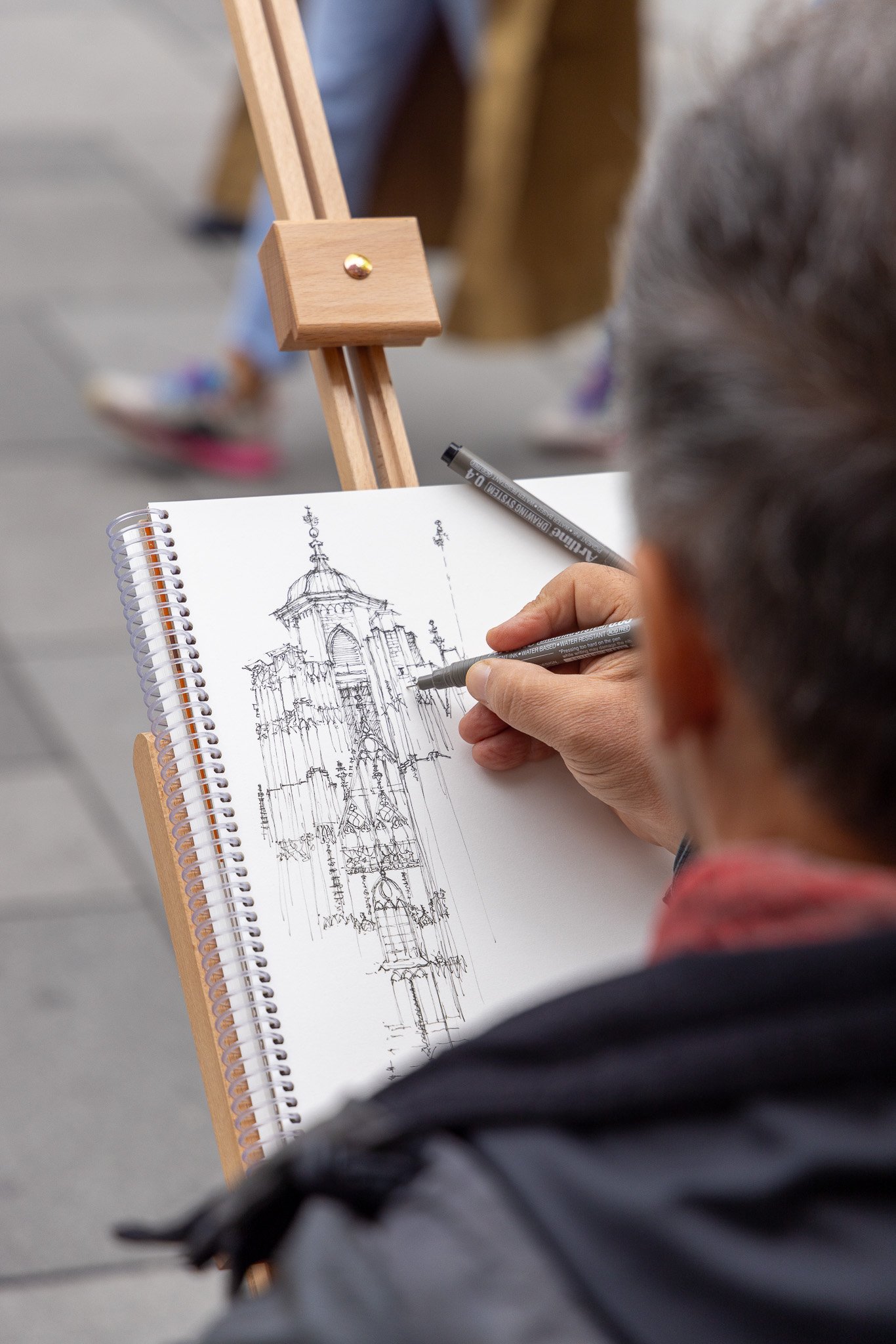
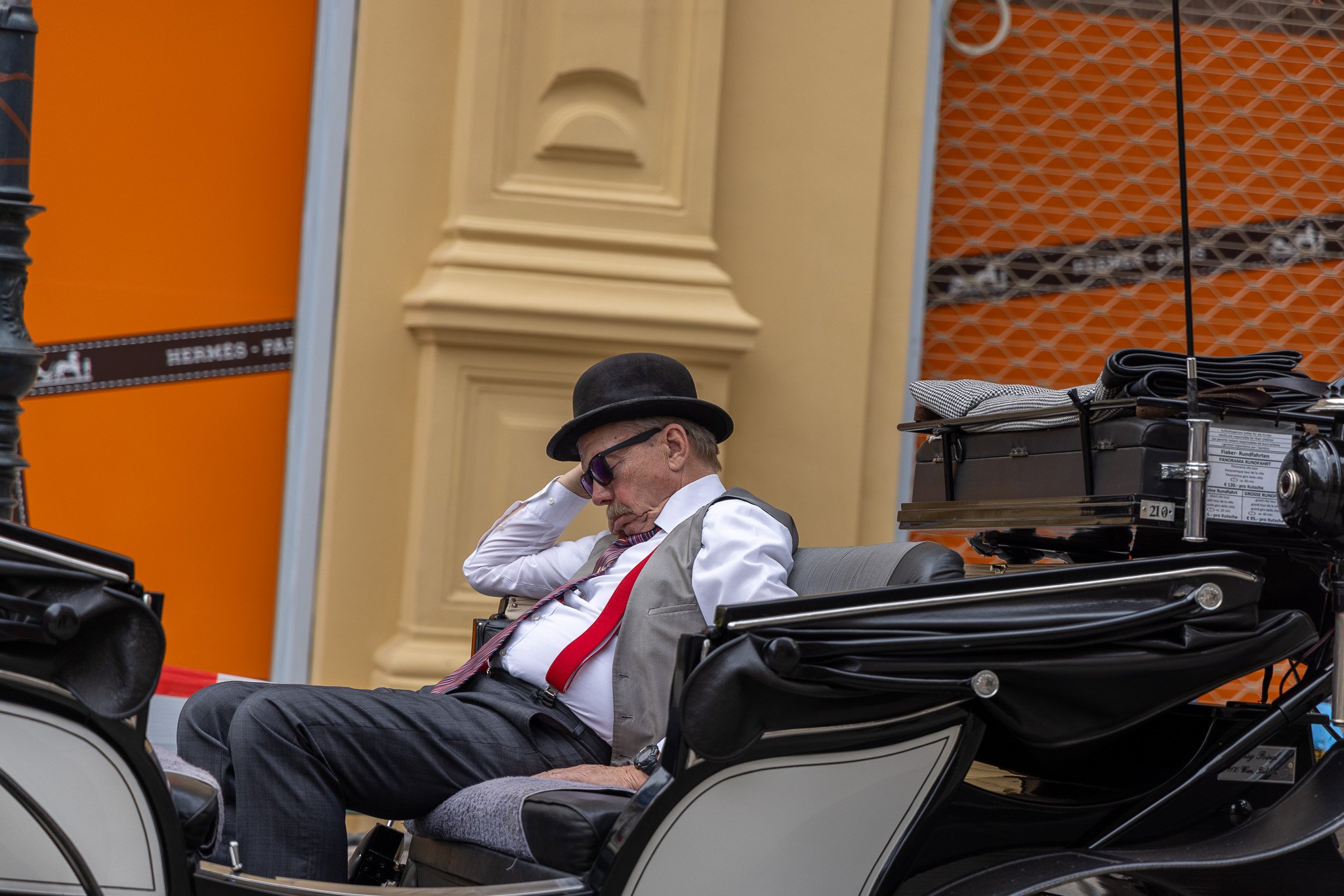
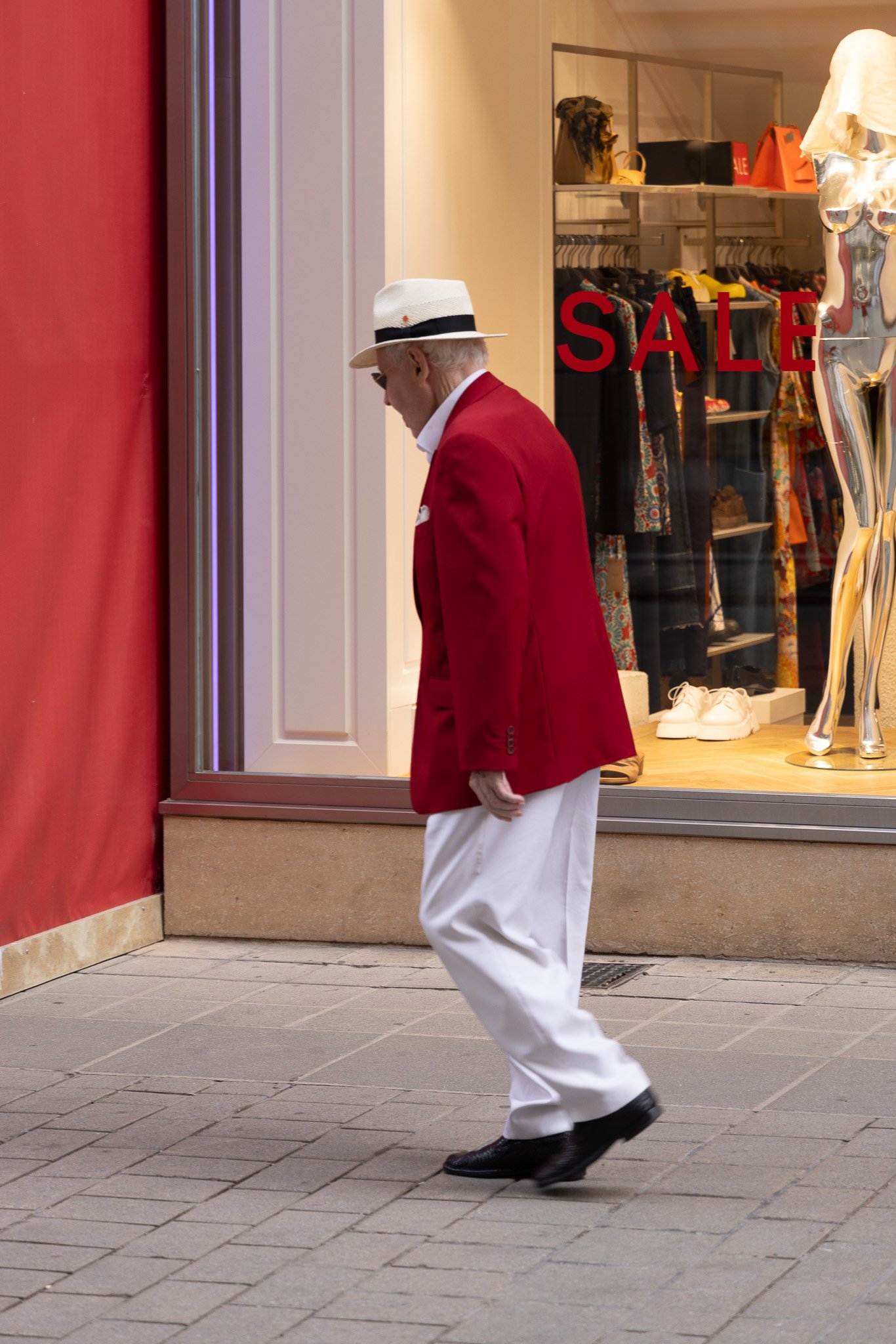
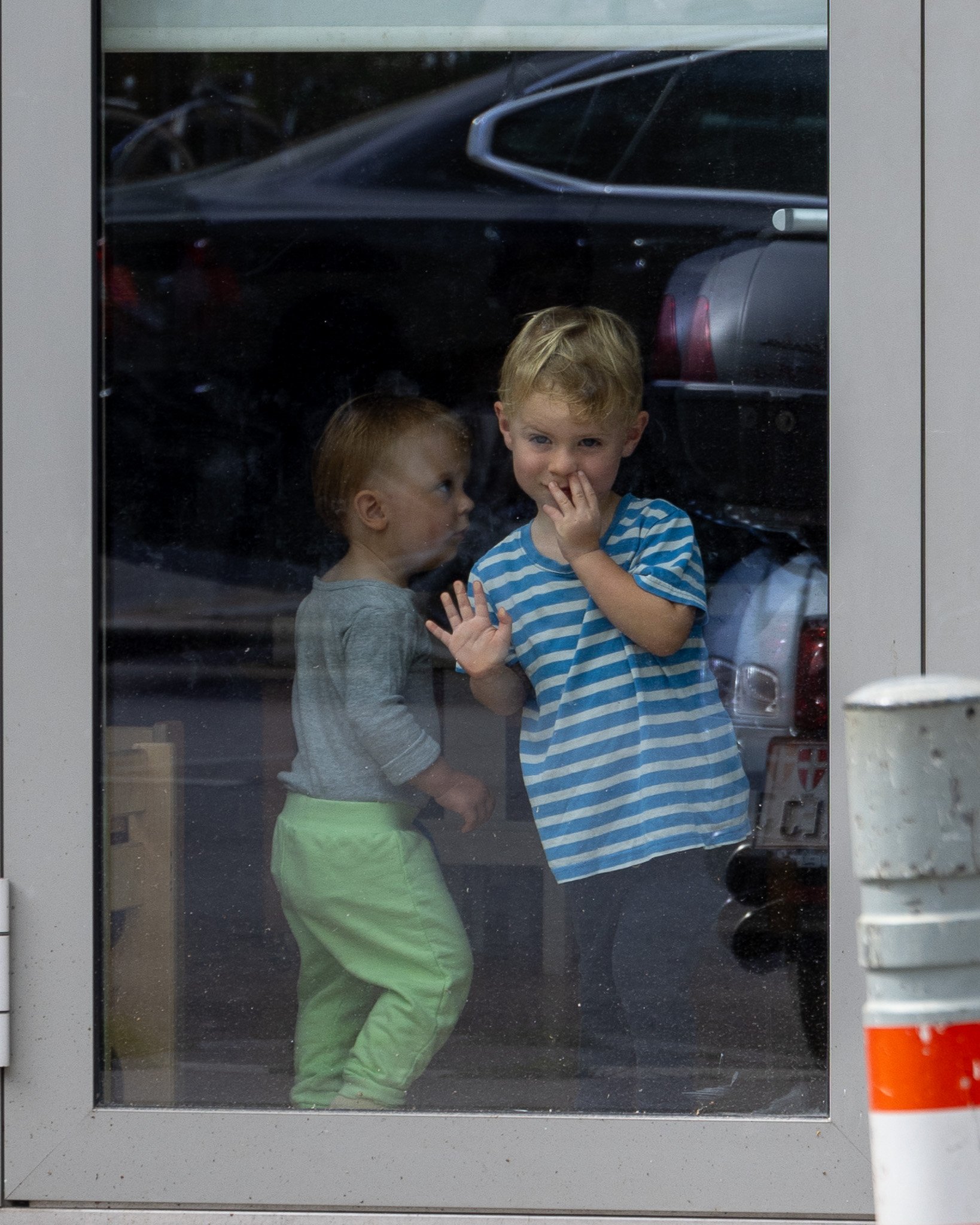
Vienna is one of the best street photography cities in Europe, and most photographers miss it because they are pointing cameras at palaces. The Naschmarkt on a Saturday morning is where Vienna comes alive: vendors, shoppers, arguments over coffee, and light that cuts between the stalls in long golden strips. Arrive by 8am before the crowds thicken.
The U-Bahn stations, especially Karlsplatz, offer geometric compositions and commuter moments that feel cinematic. The Otto Wagner Pavilions frame every shot at the entrance. A 35mm or 50mm prime is the right lens for Vienna street work.
📷 Pro Tip: At Naschmarkt, position yourself at the eastern end near the antique flea market and walk west as the light improves. The stalls face south, so the light comes over your shoulder in the morning and stays manageable until noon. Use a 35mm at f/2.8 and work at eye level with the vendors. At Karlsplatz, enter via the Wagner Pavilions and use the Art Nouveau metalwork as foreground framing for commuter portraits. Ask before photographing anyone closely. Viennese vendors and commuters are generally relaxed about cameras, but a nod and a smile go a long way.
Best time: Naschmarkt from 7 to 10am Saturday for the flea market alongside the food stalls. Karlsplatz any weekday morning. Access: Free.
St. Stephen's Cathedral (Stephansdom)
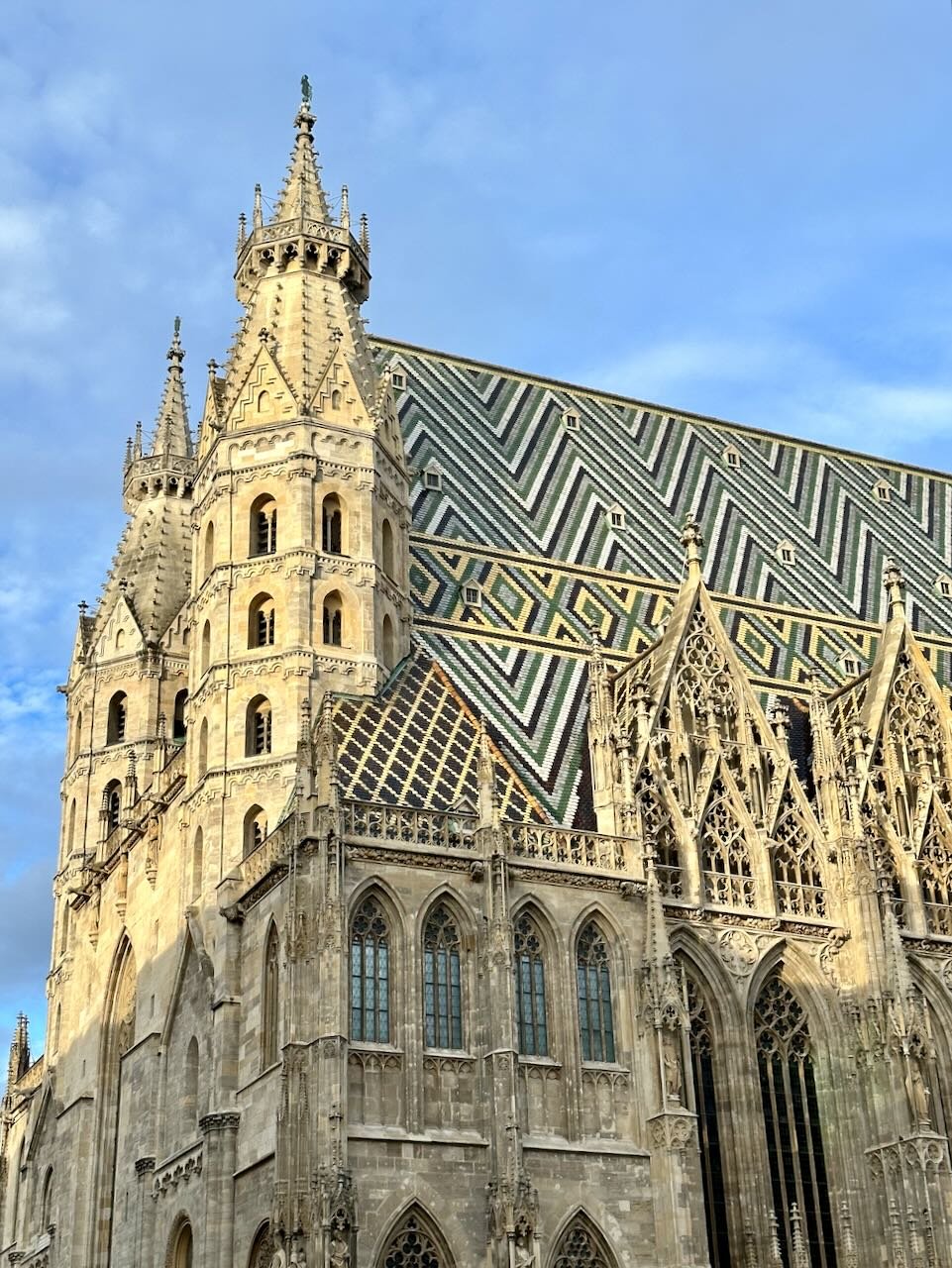
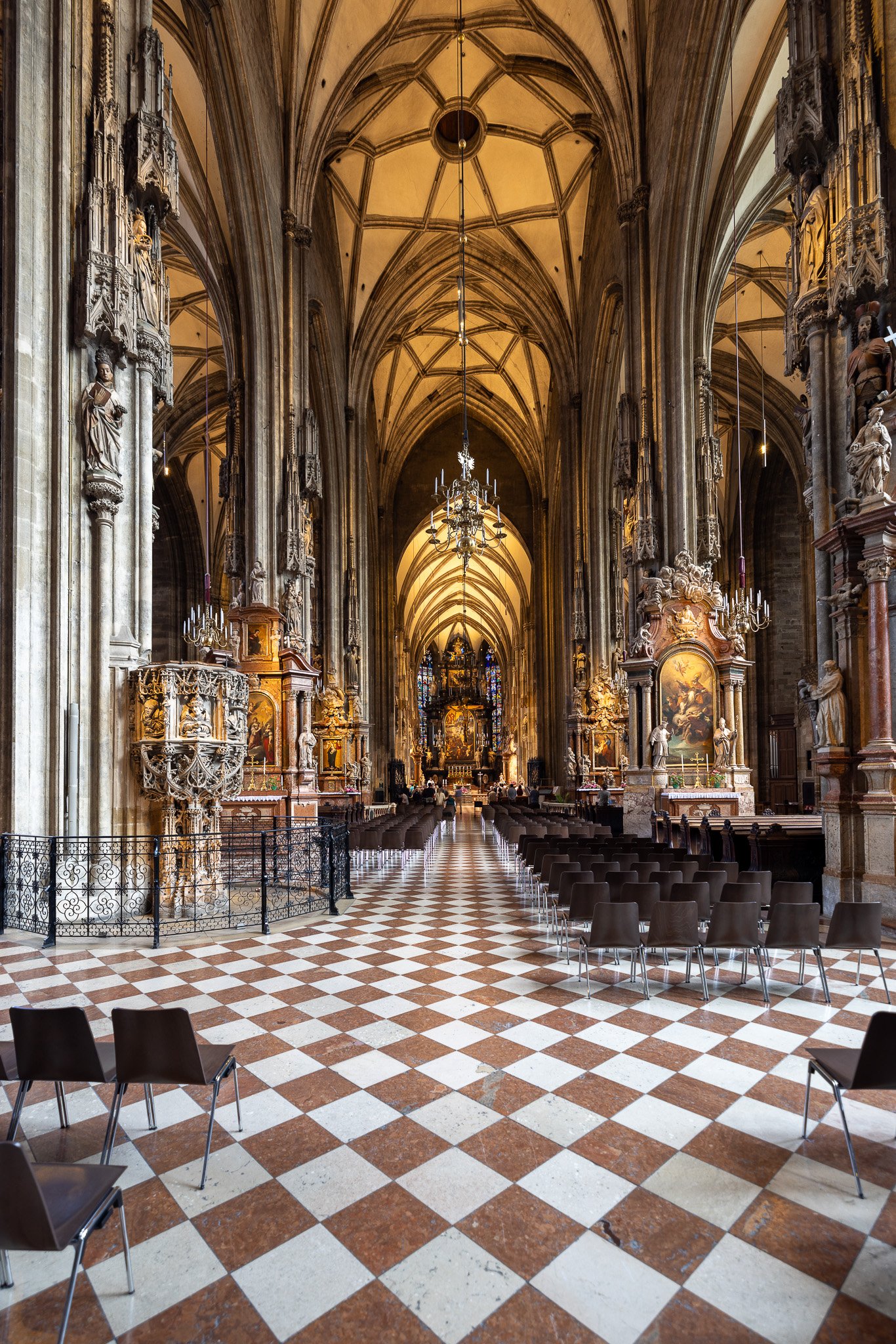
Stephansdom is the visual anchor of Vienna, 136 meters of Gothic architecture rising from the middle of Stephansplatz in the heart of the city. The multi-colored chevron tile roof is one of the most recognized rooflines in Europe, and from the South Tower, you look directly down onto it at close range. Inside, the columns and nave produce long diagonal lines that compress beautifully on a telephoto. Early morning, before the tour groups arrive, the light on the western façade is warm and directional.
📷 Pro Tip: For the tile roof shot, climb the South Tower and position yourself against the railing on the east-facing side. Shoot with a 24 to 70mm at the long end to compress the roof tiles against the city beyond. Arrive at the tower between 8 and 9am for the best light on the roof. The cathedral interior requires a ticket for full access; the main nave is free. Flash is not permitted inside. For exterior shots from Stephansplatz, a wide 16 to 24mm captures the full façade, but you need to be at the far edge of the plaza to avoid distortion. Blue hour from the plaza with a tripod and a 35mm is worth staying late for.
Best time: Sunrise for the façade, 8am for the tower roof shot, blue hour for the plaza. Access: Free for main entrance; ticket required for towers and full interior.

St. Stephen’s Cathedral rising above Stephansplatz in the heart of Vienna.
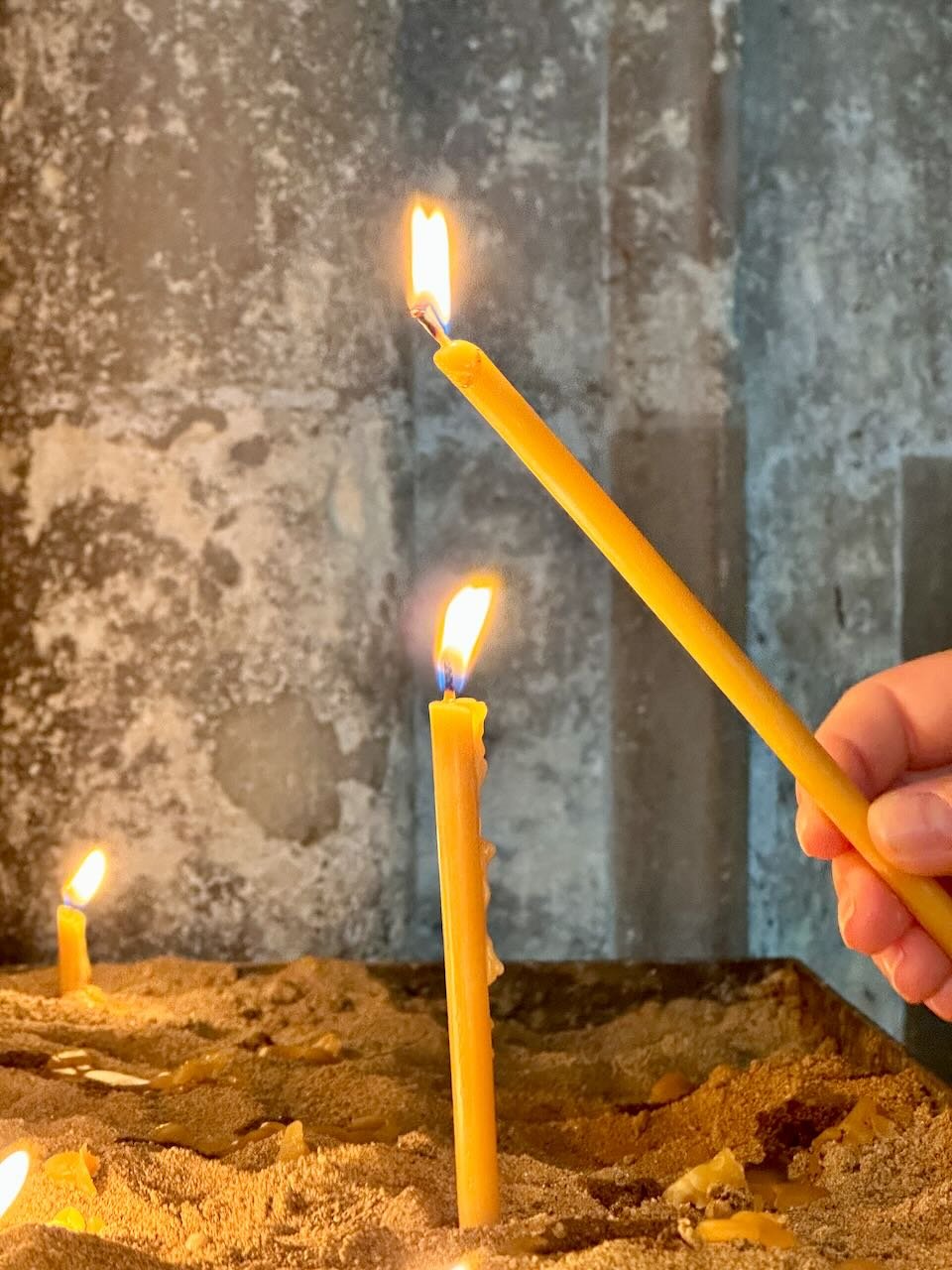
At its tallest point, St. Stephen’s Cathedral reaches 136 meters, making it the tallest church in Austria and one of the most recognizable sights in Vienna. Visiting the main entrance is free, but you’ll need to purchase a ticket to see the cathedral in its entirety.
St. Peter’s Church (Peterskirche)
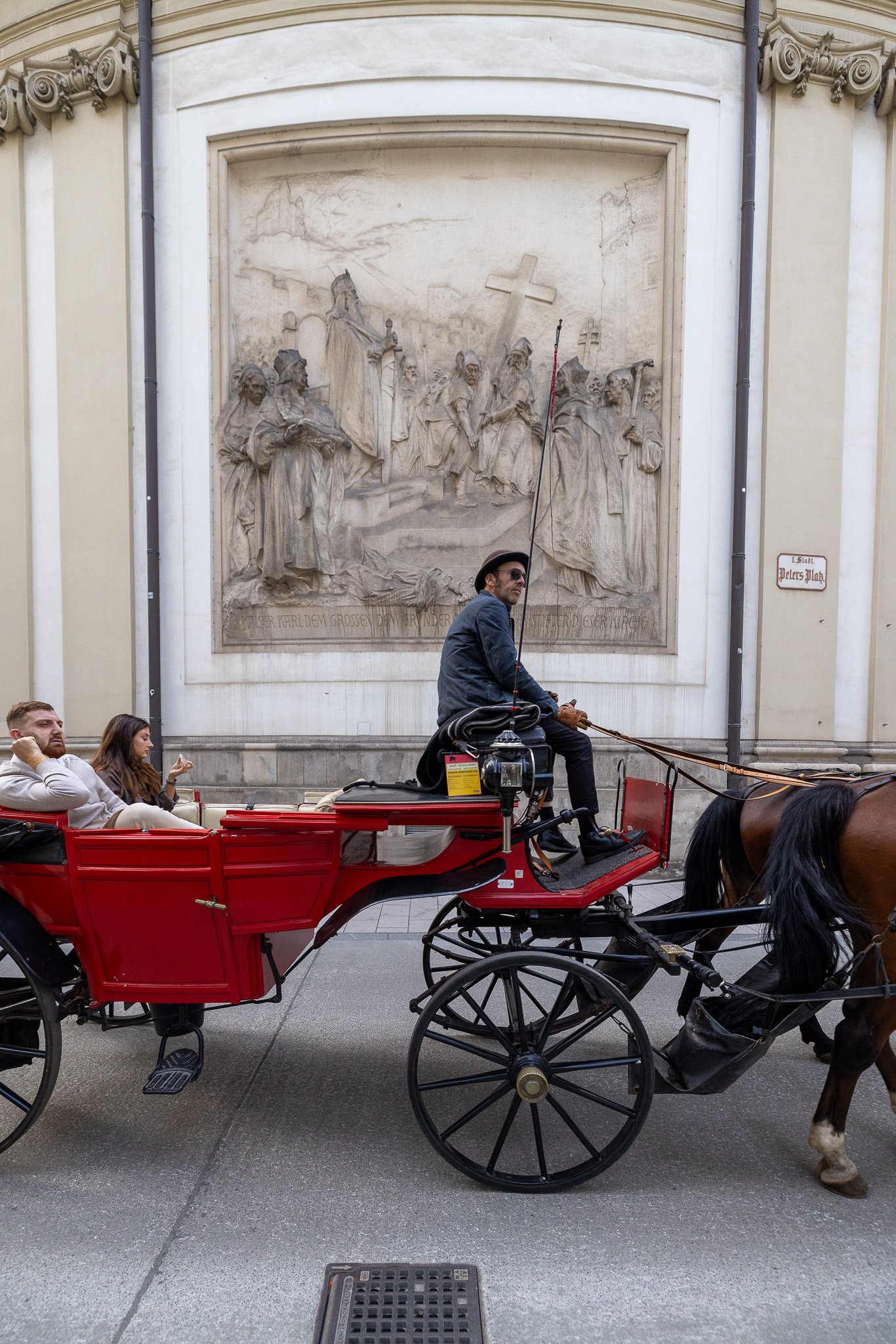
Just a short walk from St. Stephen's Cathedral, St. Peter's Church is an early 18th-century Baroque church that regularly hosts organ concerts and other fine art performances. The dramatic domed interior is one of the more overlooked photography opportunities in the Inner City, since most visitors walk past it entirely for the more famous cathedral nearby.
📷 Pro Tip: The interior is dramatic but dim, bring a fast prime and check whether a concert or service is scheduled, since photography is typically restricted during those. The dome fresco is the standout shot, use a wide-angle and shoot straight up from the center of the nave.
Best time: Between services, when the interior is quiet and accessible. Access: Free.

The ornate baroque interior of St. Peter’s Church near Graben in central Vienna.
There are regular organ concerts, plus the church is often used as a concert venue for other fine art performances. Event calendars and more details are available here.
Holy Trinity Greek Orthodox Church
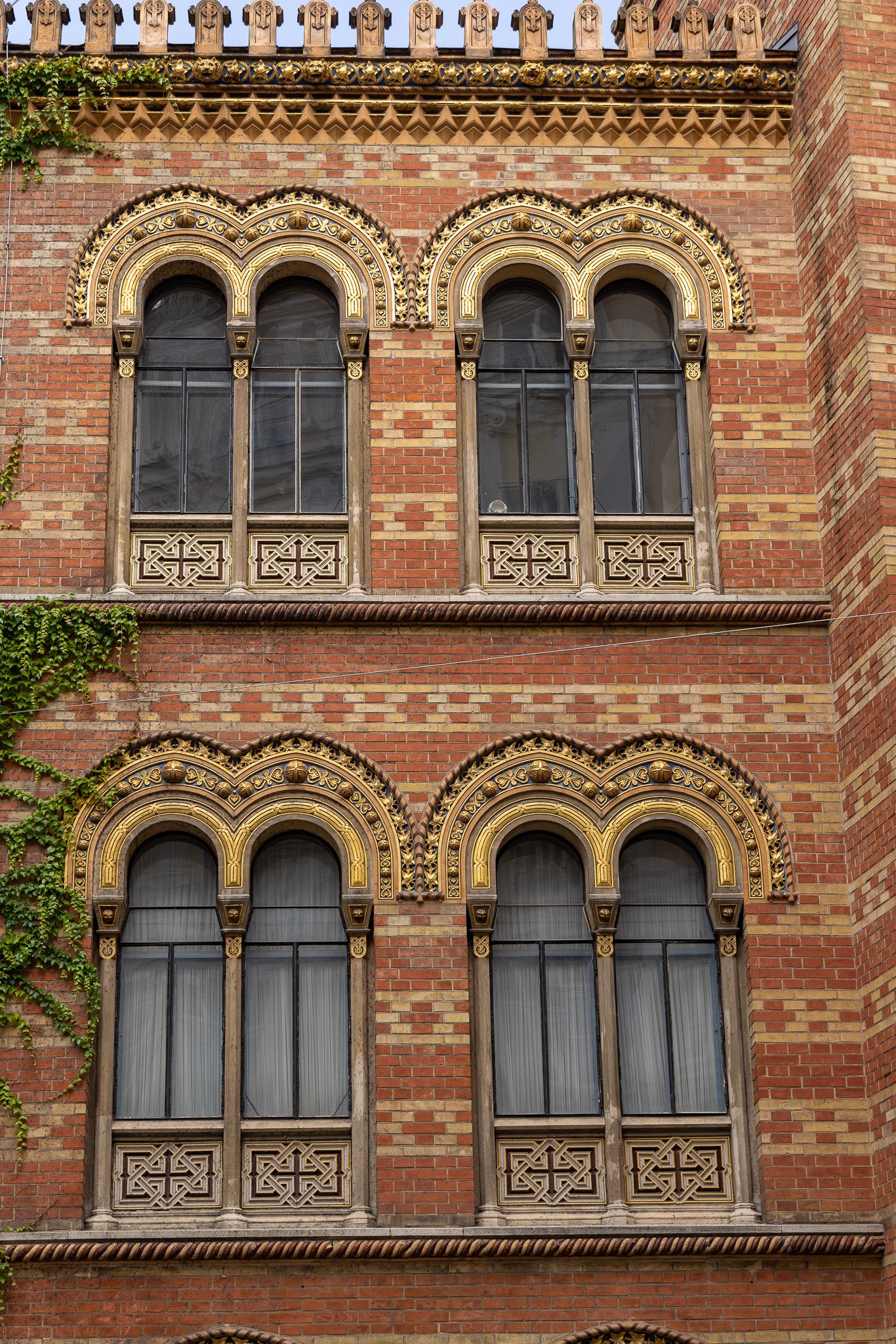
Built in 1858 to serve Vienna's substantial Greek population, the Holy Trinity Greek Orthodox Church sits in the Inner City district, an area that has held places of worship since ancient times. This is a genuine find-it-by-wandering location, easy to miss entirely if you're sticking to the main tourist route.
📷 Pro Tip: This rewards wandering rather than planning. Shoot the exterior in late afternoon when the light catches the facade at an angle, and treat it as a stop worth building into a longer walk through the Inner City rather than a dedicated trip on its own.
Best time: Late afternoon. Access: Free exterior viewing; check for open hours if you want the interior.
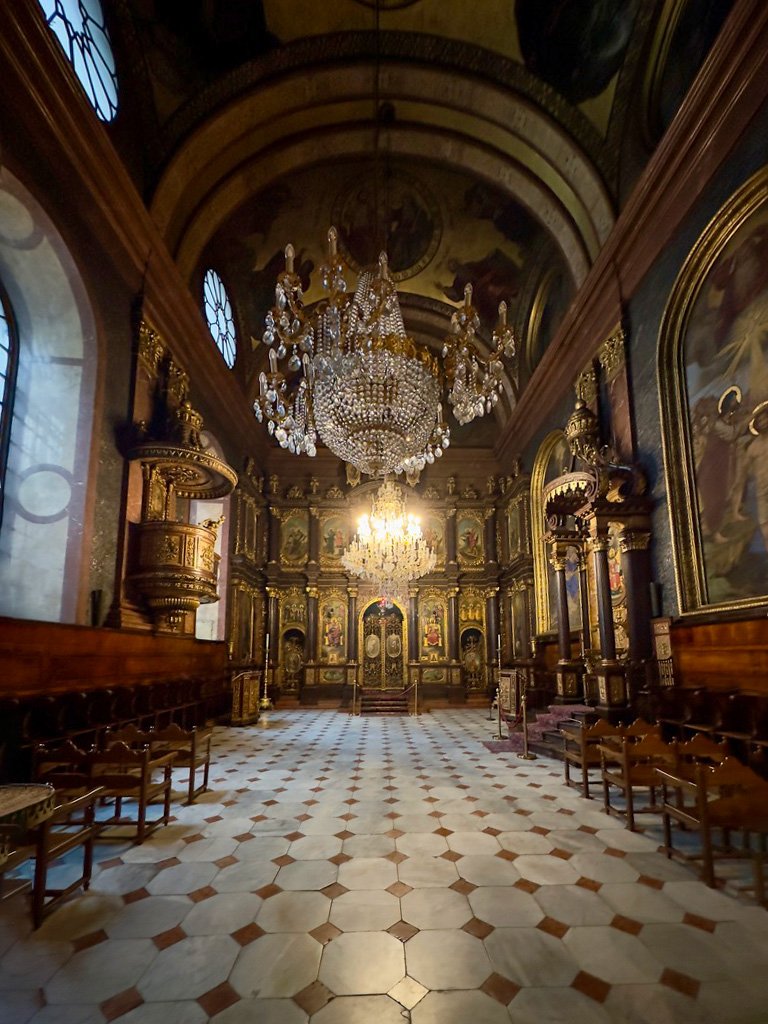
The colorful Byzantine Revival façade of the Holy Trinity Greek Orthodox Church in Vienna.
I found this church while walking around. It was an unexpected, great find.
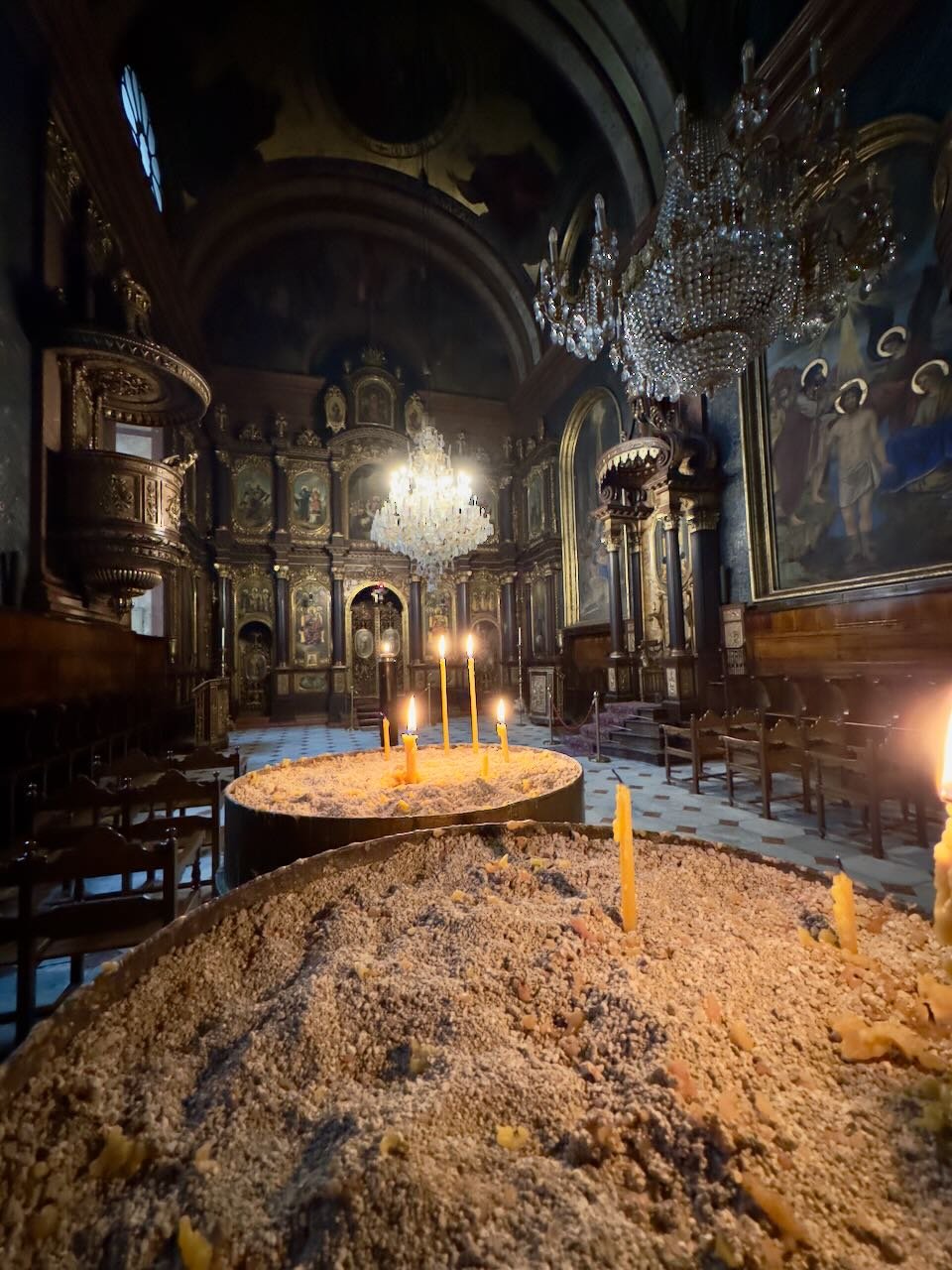
Intricate architectural details on Vienna’s Holy Trinity Greek Orthodox Church.
The Rathaus
The Rathaus is one of the tallest and most impressive buildings in central Vienna, its towers looking down over a central square and park along the mighty Ringstrasse boulevard. It's one of the most reliably photogenic civic buildings in the city, day or night.
📷 Pro Tip: Blue hour is the strongest window here; the towers are floodlit, and the reflecting pool in front, when present, doubles the composition. A 15-35mm captures the full height of the building from the park across the Ringstrasse. During the Christmas Market season, this becomes one of the best evening shoots in the city.
Best time: Blue hour. Access: Free, public square and park.
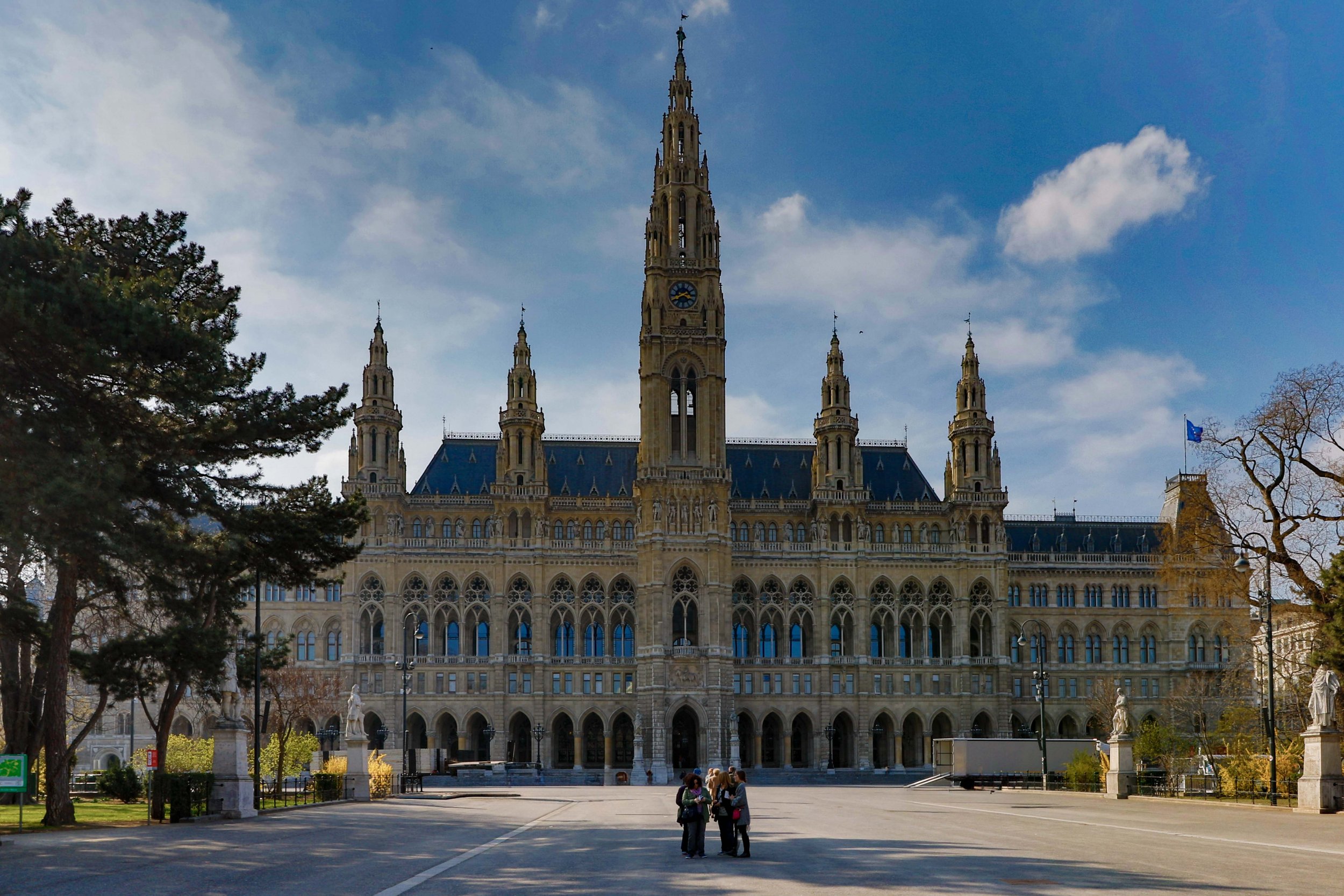
Vienna City Hall illuminated during blue hour along the Ringstrasse.
Schönbrunn Palace and Gardens
Schönbrunn was the summer residence of the Habsburg family. The palace itself is about 20 minutes from the city center by U4, and the gardens run up a long slope to the Gloriette, a colonnaded hilltop structure with unobstructed views back over the palace and the Vienna skyline. Photography is not permitted inside the palace, but the gardens and the view from the Gloriette are open and exceptional. Golden hour here is some of the best light I have seen in the city.
📷 Pro Tip: For the classic palace façade shot, position yourself at the base of the central garden axis and shoot toward the palace with a 70 to 200mm at around 135mm. The compression flattens the garden geometry against the yellow facade in a way that a wide lens cannot achieve. For the Gloriette view, hike up in the last 90 minutes before sunset and shoot looking back down over the palace with a 24 to 70mm. The warm light on the palace façade against the blue-gray city beyond is the defining Vienna landscape shot. Arrive by public transit on the U4 Schönbrunn stop; the entrance to the gardens is free.
Best time: Golden hour, 90 minutes before sunset. Access: Gardens free; palace interior requires a ticket.
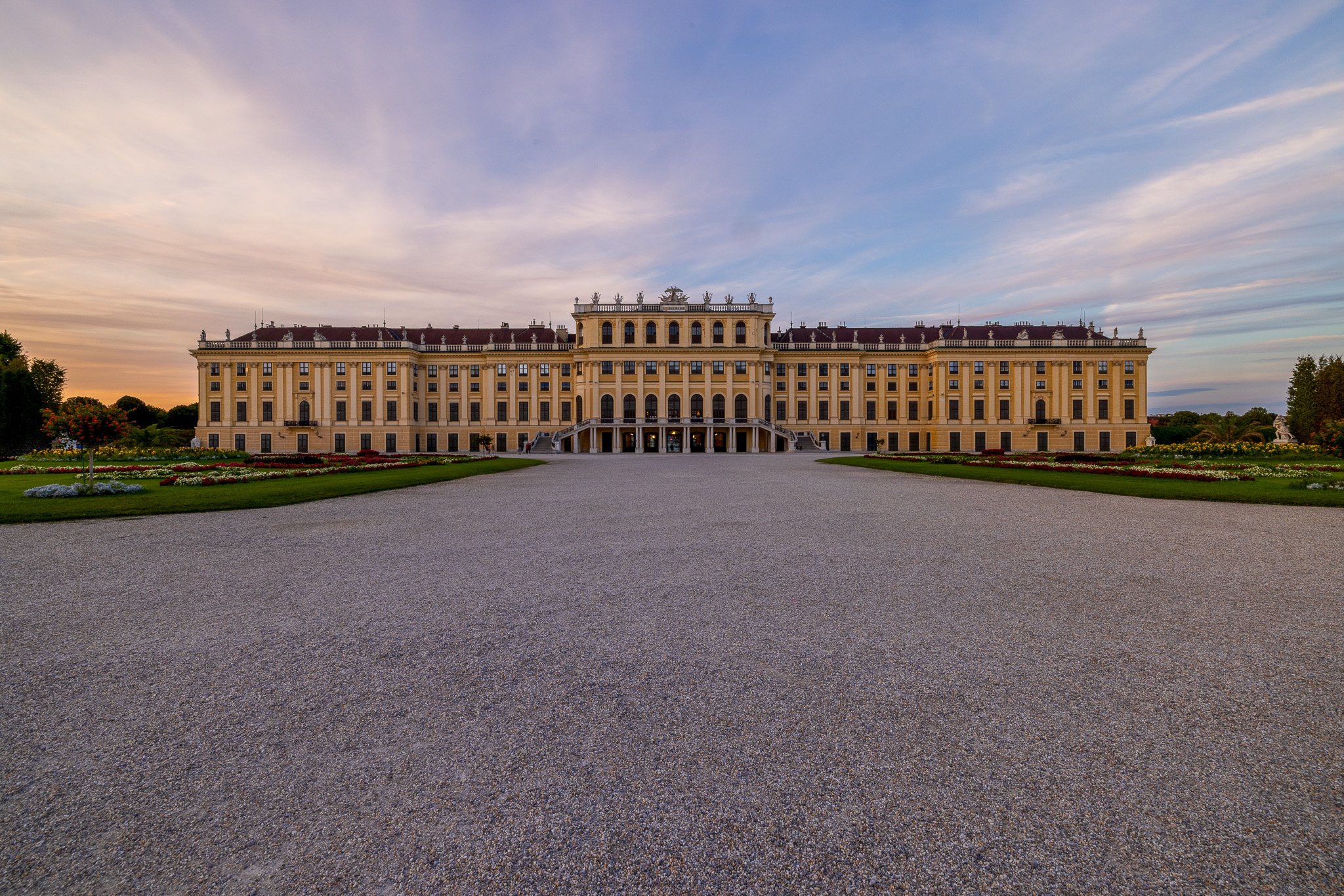
Schönbrunn Palace glowing in warm evening light at sunset.
The summer residence of the Habsburgs, Schönbrunn Palace is a UNESCO World Heritage.

Schönbrunn Palace illuminated against the cool evening sky during blue hour.
Karlskirche (Church of St. Charles)
Karlskirche sits at the edge of Karlsplatz, its twin columns and copper dome rising against the sky in a composition that is genuinely difficult to photograph badly. Built under Emperor Charles VI and completed in 1739, the church faces a shallow reflecting pool that mirrors the dome on calm mornings. The interior contains a panoramic lift to the fresco ceiling that is one of the underrated photography experiences in the city.
📷 Pro Tip: The reflecting pool shot works best in the first hour after sunrise, when the light is low and the dome is lit from the east. Use a 24 to 70mm at 35mm for a clean symmetric composition. For the interior ceiling fresco, take the lift to the observation platform and shoot straight up with a wide lens at f/5.6 to keep the entire fresco sharp. The Naschmarkt is a five-minute walk; combining an early morning Naschmarkt shoot with a Karlskirche sunrise gives you two of Vienna's best photography spots in a single outing.
Best time: Sunrise for the pool reflection; any time for the interior fresco lift. Access: Paid entry for interior; exterior is free.

Karlskirche reflected in the calm pool at sunrise in Vienna’s Karlsplatz.
Festivals and Events in Vienna
Vienna Christmas Markets (Late November through December 24) Vienna runs over a dozen Christmas markets simultaneously across its most famous squares. The Rathaus market is the largest, with the city hall lit behind it. The Stephansplatz market sits directly in front of the cathedral. The best photographs happen in the early evening when the market lights are on and the sky is still a deep cobalt blue. Use a fast lens or push your ISO to 3200 and work handheld; the movement in the crowd is part of the shot.
Donauinselfest (June) Europe's largest free open-air music festival runs along the Danube Island for a weekend each June. Wide shots of the crowds against the river at sunset are some of the best music festival photography in Europe. Bring a 70 to 200mm for crowd compression.
Fête Impériale (June or July) A formal ball inside the Spanish Riding School. If you are not attending, position yourself outside for the arrival: gowns, tuxedos, horse-drawn carriages. The exterior of the Hofburg at night is excellent for this.
Viennale Film Festival (October) Vienna's international film festival brings a particular energy to the city's theaters and cafés. Street portraits and low-light café work come alive during the festival, especially in the Josefstadt neighborhood around the Burgkino.
Etiquette notes: No flash inside concert venues, churches, or the Spanish Riding School. During any formal event, be discreet. Always ask before photographing people closely at the markets.
Frequently Asked Questions About Visiting Vienna
Is Vienna expensive?
It can be, especially fine dining and the grand hotels, but the coffeehouse culture keeps everyday costs reasonable. A single coffee buys you hours at a table, and public transport is efficient and affordable.
Do the Viennese speak English?
Yes, widely, especially in hotels, restaurants, and tourist areas. A simple "Grüss Gott" as a greeting goes a long way, and it's worth returning if someone says it to you first.
How do you get from the airport into the city?
The City Airport Train (CAT) takes about 16 minutes to Wien Mitte. The S7 rapid transit and airport bus are cheaper alternatives, running 20 to 40 minutes depending on your final stop. Check current schedules, since a central S-Bahn section is closed for construction from September 2026 through October 2027.
What are the best photo spots in Vienna?
Karlskirche at sunrise, Schönbrunn at golden hour, and the covered passageways between Graben and Kohlmarkt are three I return to constantly. The full list with Pro Tips is above.
Is tipping expected in Vienna?
Yes, modestly. Round up or add about 5 to 10 percent at restaurants, handed directly to your server rather than left on the table. It's not as rigid as U.S. tipping culture, but it is expected.
What surprised you most about photographing Vienna?
How many wonderful cafés are there all over the city that let you sit without rushing you to leave? It's not a tourist performance; it's how Vienna has operated since the seventeenth century, and once you experience it, you understand why locals treat their coffeehouse like a second living room.
How many days do you need in Vienna?
Four to six days. Vienna isn't a city you rush through; the best moments come from slowing down and letting the rhythm of the place shape your day rather than checking off landmarks.
Is Vienna walkable?
Extremely. Most of the best photography locations sit within a compact first district, and walking is genuinely the best way to discover the passageways and courtyards that don't show up on a map.
Final Thoughts on Vienna
Vienna does not try too hard. It does not need to.
After six visits, what stays with me is not the palaces or the museums, though both are extraordinary. It is the smaller things: the passageway on a grey November morning that opens onto a courtyard with a fountain; Café Sperl on a rainy afternoon with the newspaper and the coffee and nobody watching the clock; the Naschmarkt at eight in the morning when the vendors are still setting up and the light cuts between the stalls at a sharp, cold angle; the way the Ringstrasse looks after a fresh snowfall when the buildings are still dark against a pale sky.
Vienna rewards slow walking and early mornings. It rewards the photographer who returns to the same courtyard at a different hour and finds a completely different image. Give it at least four days. Walk the passageways without a plan. Sit in a coffeehouse until the coffee is finished and the strudel is gone. That is Vienna's real gift: a city that gives you complete permission to stop moving and pay attention. You will want to come back. I always do.
Want to improve your photography while exploring some incredible destinations? Join me on one of my photography workshops! You can find all the details, including upcoming destinations and dates, through the links below.
Let's Stay Connected!
If you enjoyed this guide, here are three more from the region that pair naturally with Vienna:
My Photography & Travel Guide to Salzburg, Austria A two-and-a-half-hour drive west of Vienna and one of the most compact, photogenic cities in Central Europe. Mozart's birthplace, the Hohensalzburg Fortress at sunrise, and the old city across the Salzach River make Salzburg a strong natural extension of any Vienna trip.
My Photography & Travel Guide to Hallstatt, Austria The lake reflection at dawn is one of the most recognized images in European photography. Hallstatt is about four hours from Vienna by train and worth every minute of the journey. The salt mine viewpoint, the church at dusk, and the hillside cemetery all offer something the postcard version misses.
My Photography & Travel Guide to Munich, Germany A direct train from Vienna puts you in Munich in just over four hours. Marienplatz at blue hour, the English Garden in every season, and easy day trips to Neuschwanstein and the Bavarian Alps make Munich a strong companion to any Austrian itinerary.
Finally—a beginner-friendly photography guide that makes sense.
If you've ever picked up a camera and thought, "Now what?" this is the book for you.
Photography Made Simple is written for adults who are just starting out and want a clear, encouraging, real-world approach to learning photography. Whether you're using a DSLR, mirrorless, or just your smartphone, this guide walks you through the basics—without the jargon or tech overwhelm.
Inside, you'll learn:
The only camera settings you really need to know to get started
How to shoot sharper, more intentional photos using light and composition
Simple tips for portraits, landscapes, travel, and everyday life
What gear you do (and don’t) need
How to create better photos without upgrading your camera
You’ll also get practical exercises, cheat sheets, and tips for organizing and editing your images—plus the confidence to shoot off Auto Mode for good.
This is not a textbook. It’s a friendly guide to seeing the world with fresh eyes—and finally capturing what you see the way you imagine it.
📸 Format: PDF download
Pages: 100+
Perfect for: Beginners, hobbyists, and anyone ready to take better photos without the stress
✈️ Travel Photography Planning Sessions
One-on-One Trip Planning with a Professional Travel Photographer
Don’t miss the shot. Let me help you plan for it.
Overview
Planning a photography-focused trip can be overwhelming. From figuring out the best places to shoot, to when the light is just right, to knowing which lens to pack — there are a lot of decisions to make.
This one-on-one Zoom session is your chance to get personalized travel photography advice from someone who’s spent the past 25 years exploring cities, coastlines, and wild places around the world — camera in hand.
Whether you're headed to Paris, Patagonia, Tokyo, or Tuscany, I’ll help you make sure your photography trip is well-planned and creatively inspired, so you come home with the images you dreamed of (and then some).
What’s Included
✅ Photography Location Planning
I’ll help you create a customized itinerary of the best photo spots, including off-the-beaten-path gems and iconic views.
✅ Best Times to Shoot
Get expert advice on lighting, golden hour, blue hour, and seasonal conditions for each location.
✅ Gear Recommendations
Not sure whether to bring the telephoto or the prime? We’ll walk through your gear and make sure you’re bringing the right tools for your destination and style.
✅ Hotel and Base Recommendations
Stay where it’s convenient for sunrise shoots and late-night strolls with your camera. I’ll recommend hotels that are photographer-friendly and well-located.
✅ Custom Travel Tips
From sunrise entry times to tripod rules at major landmarks, you’ll get insider tips to save time, avoid tourist traps, and make the most of your trip.
Who It’s For
This service is for anyone who:
Is planning a trip and wants to prioritize photography
Wants expert insight on the best places to shoot and how to get there
Is tired of missing the shot because of poor planning or bad timing
Is a beginner, enthusiast, or professional photographer looking for guidance before a trip
How It Works
Book a Session
Choose a time that works for you and tell me where you're headed.Share Your Plans
You’ll fill out a quick questionnaire so I know your travel dates, interests, and photography style.One-on-One Zoom Call (60 minutes)
We’ll meet via Zoom and walk through your trip together — from location ideas to gear and timing. You'll leave with a custom PDF full of notes and suggestions.Follow-Up Support
Get one round of email Q&A after your session to clarify anything as your plans evolve.
Why Work With Me?
I’ve spent the last 25 years photographing the world — from major cities to remote islands. I know what it’s like to travel and shoot under pressure, and I love helping people get the most out of their trips. This is not just about hitting “popular spots” — it’s about crafting a creative and efficient plan tailored to your trip, your gear, and your goals.
Pricing
$125 / Session
Includes:
60-minute Zoom call
Custom PDF summary with photography spots, gear tips, and travel recommendations
One follow-up email with additional Q&A
Introductory rate available through September 2025
Ready to Plan Your Trip?
Let’s make sure you’re ready — so when the light is perfect, you’re in the right place with the right gear.
Questions?
Please email me at vito@chasinghippoz.com if you're not sure whether this is right for you. I'm happy to chat.