Hallstatt, Austria Travel & Photography Guide: Best Photo Spots, Map, Sunrise Tips & Hidden Gems
Walk into Hallstatt before sunrise, and you will have the village entirely to yourself.
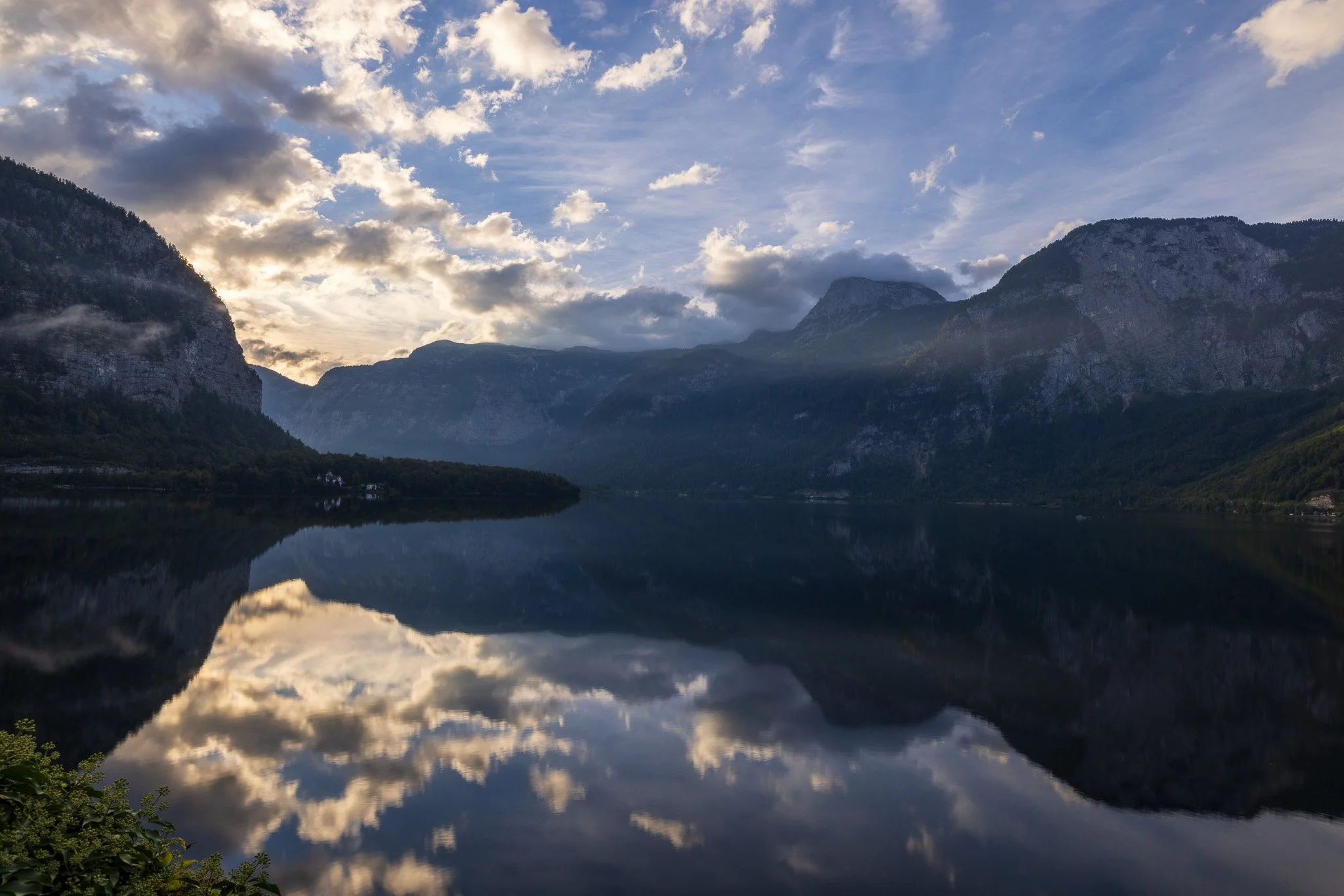
That is the trade. The day visitors come on buses and fill every corner of this small lakeside village by mid-morning. But in the hour before that, when the mist is still sitting on the lake, and the church spire is barely visible, and the only sound is your footsteps on the cobblestone, the whole place belongs to you. I have been to Hallstatt five times, in winter and in spring, and the spring mornings are the ones I think about most. The light comes in low and warm. The flowers are on the wooden balconies. The lake is perfectly still.
The village is small enough that you can walk from one end to the other in ten minutes. This is one of the things that makes it such a specific photography experience. Every composition is within reach. You are never more than a short walk from the classic viewpoint, the market square, the church, or the lakeside path. And from that viewpoint, on a clear spring morning with the church reflected in the water below, photography becomes something close to effortless. The word that keeps coming to mind is complete. Everything you need is right here, in a package about the size of a few city blocks.

The Classic View
The difference between arriving at six in the morning and arriving at ten is two completely different experiences of the same village. One belongs to you. The other belongs to everyone else.
In this Photography Guide to Hallstatt, I share the places and experiences that continue to draw me back. You will find my favorite photography locations, guidance on when and where to shoot, practical travel tips, and gear recommendations, along with cultural insights to help you explore and photograph Hallstatt with confidence, respect, and ease.

Winter in Hallstatt Taken from Entrance to the Village
Photographer's Notes
Before you go, here are my own takeaways.
Favorite Season: Spring
Favorite Location: Viewpoint Hallstatt
Favorite Hotel: Heritage Hotel Hallstatt
Favorite Restaurant: Seehotel Grüner Baum
Favorite Lens: 15-35mm f/2.8
Would I Return? Yes, Hallstatt is worth the early alarm every time.
Where is Hallstatt?
Hallstatt is a village on the western shore of Lake Hallstatt in Austria's Salzkammergut region, about an hour by car from Salzburg. It is a UNESCO World Heritage Site, and it is tiny: the entire walkable village is roughly ten minutes end to end. We drove in from Salzburg early in the morning, and the drive was easy and direct.

Parking in Hallstatt
Parking is a bit tricky in Hallstatt. You can click on this link to learn more about the parking areas. My recommendation is to visit Hallstatt at Sunrise. We had no problem finding parking in the morning, but when we drove back to take photos at Sunset, it was impossible to find parking.

Parking P2 is the Best Spot
Where to stay in Hallstatt
The best strategic decision you can make in Hallstatt is staying overnight rather than visiting as a day trip. Overnight guests have the village to themselves in the early morning and late evening, which are also the best hours for photography. You also eliminate the parking problem entirely.
Luxury Hotels in Hallstatt
Heritage Hotel Hallstatt sits directly on the lakeside in the center of the village, spread across three historic buildings in the car-free historic core. The lake-view rooms face the water and the mountains, and you walk out of the front door directly into the village streets. For photographers, this is the single best-positioned hotel in Hallstatt. You wake up, you step outside, and the light is already happening. Being on the right side of the parking problem is just a bonus.
Seehotel Grüner Baum is the other lakeside option, right on the market square with the church on one side and the water on the other. The hotel has been part of Hallstatt since the 18th century, and the waterfront terrace is the finest outdoor dining setting in the village. Empress Sisi stayed here; Agatha Christie stayed here. Lake-view rooms have balconies directly over the water. If you photograph from your balcony at sunset, you will understand why.
Hallstatt Hideaway is an adults-only boutique with a more contemporary design sensibility than the other lakeside properties. Private suites, panoramic lake views, and a quieter atmosphere. A good option if you want something smaller and more intimate than the larger hotels on the square.
Mid-Range Hotels in Hallstatt
Gasthof Simony is one of the oldest guesthouses in the village, with roots going back to the 15th century. It sits directly on the market square with lake views, and the old-world atmosphere fits Hallstatt well. This is where the residents used to send their guests before the boutique hotels arrived. It has history, good location, and affordable rates by Hallstatt standards.
Bräugasthof Hallstatt is a family-run property on the market square with a lakeside terrace, a small number of rooms, and an Austrian kitchen that draws a local crowd. Almost all rooms have balconies facing the lake. The combination of a terrace restaurant and lakeside views at a mid-range price makes this one of the better-value options in the village.
Fenix Hall Boutique Hotel is a more modern option in the Lahn area of the village, with contemporary rooms and a quieter location away from the market square crowds. A good pick if you want clean, stylish accommodation without the premium pricing of the front-row lakeside properties.

Best Time to Visit Hallstatt
Spring (April through June) is, without question, my preferred time to visit Hallstatt for photography. The flowers are on the balconies, the light is warm and low in the morning, and the crowds, while growing through May, are still manageable compared to summer. Spring mornings give you soft, directional light on the church and the houses for a longer window than summer.
Summer (July and August) is high season, and Hallstatt is genuinely overwhelmed by visitors during this period. The village sees over a million tourists a year, and a disproportionate number arrive in July and August. The photography opportunities are still excellent if you commit to arriving before 7 a.m., but the afternoon is crowded, and the viewpoint becomes a queue. The light is beautiful in summer, but so is the patience required to work around the crowds.
Autumn (September through October) is arguably the best shoulder season. The crowds thin noticeably after late August, the light turns golden, and the reflections on the lake are sharper as the air cools. Fog sits low on the water on autumn mornings and creates an atmosphere unlike any other season.
Winter (December through February) is Hallstatt at its most atmospheric. I have been here in December, and if there is snow on the rooftops and the market square, it is genuinely extraordinary. The village is quieter, the light is low and soft all day, and the Christmas market in early December is one of the most photogenic in Austria. The trade is shorter daylight hours and cold temperatures.
Avoid: Weekends in July and August between 10 a.m. and 4 p.m. This is when the tourist buses converge, and the viewpoint becomes impractical for serious photography.

Getting Around Hallstatt
Hallstatt is entirely walkable. The village is car-free, and once you are there, you move entirely on foot. The walk from the village entrance to the classic viewpoint at the far end takes about ten minutes.
By car: Most visitors drive to Hallstatt and park in one of the paid lots outside the village. Parking Lot P2 is my recommendation. We had no issue finding a spot when we arrived early in the morning. When we returned for sunset, parking was nearly impossible. This is the clearest argument for staying overnight: the parking situation disappears entirely.
From Salzburg: The drive is approximately one hour. A rental car is the most flexible option. You can also take the train to Hallstatt station, which sits across the lake from the village, and then take a short ferry crossing into the village.
By train and ferry: The train station is on the eastern shore of the lake. A small passenger ferry connects it to the village. Check the ferry schedule before you travel, particularly if you are arriving in the evening or early morning.
Within the village: You walk. That is it. Hallstatt is a ten-minute stroll end to end, and every photography location is reachable on foot from any hotel in the village.
How Many Days in Hallstatt
Two days is the right amount of time for a photographer who wants to shoot at sunrise and at the golden hour before sunset, explore the village properly, and not feel rushed. One day is possible if you are making a dedicated day trip from Salzburg, but you will need to arrive at or before sunrise to get the best conditions.
A practical structure for two days:
Day 1: Arrive in the early evening. Check in, walk the village to get your bearings, photograph the market square and lakeside in the late golden hour light. Dinner at the Seehotel Grüner Baum terrace.
Day 2: Set an alarm for 5:30 a.m. Be at the viewpoint by 6 a.m. Shoot the sunrise over the lake and the church reflection. Walk the streets of the village as it wakes up. Rest and edit in the afternoon. Photograph the village again in the last hour of light.
If you have three days, use the extra morning to hike above the village or spend time working the details: the wooden balconies, the flower boxes, the boats on the lake, the textures in the stone.
Where to Eat in Hallstatt
Hallstatt is a small village, and the dining options reflect that. There are perhaps a dozen restaurants and cafés, most of them clustered around the market square and the lakeside. The food is traditional Austrian: fresh lake fish, Wiener Schnitzel, hearty soups, and very good bread. Do not come to Hallstatt expecting a wide dining scene; come for very good, simple food in a setting that is hard to match anywhere in Europe.
Seehotel Grüner Baum (Zum Salzbaron) has the best setting for dinner in the village, full stop. The lakeside terrace sits directly over the water, the mountain reflections change as the light fades, and the kitchen focuses on freshly caught fish from the lake. If you photograph from this terrace after your meal, the light on the water in the last thirty minutes before dark is worth the entire evening. Book ahead in summer.
Gasthaus zur Mühle is the most straightforward local option in the village: hearty Austrian standards, warm atmosphere, and a price point that reflects eating where residents eat. A reliable choice for lunch after the morning shoot.
Bräugasthof Hallstatt is a family-run spot on the market square with a terrace facing the lake. Traditional Austrian cooking, fresh trout from the lake, and a casual atmosphere that suits an evening after a long day with a camera. One of the most consistently recommended spots in the village.
Restaurant im Kainz is a newer option in the Lahn area of the village, a bit quieter than the market square restaurants. Good Austrian kitchen, relaxed atmosphere, and a good fallback when the main square restaurants are full in peak season.
For coffee: The lakeside cafés on the market square open early and serve good Austrian coffee and pastries. On a spring morning with the village still quiet, a coffee at the water's edge before the buses arrive is exactly the right way to start the day. The Heritage Hotel café also serves a solid breakfast and opens early enough to fuel a sunrise shoot.
Photography Gear for Hallstatt
DSLR and Mirrorless Kit
For Hallstatt, you need one body. A Canon EOS R5 Mark II, Sony A7R V, or Nikon Z8 all handle the dynamic range you will encounter here: deep shadow in the mountain reflections, bright sky, and the soft mid-tones of the village facades. The Leica Q3 is a strong walk-around option if you want to travel light and are happy shooting at a fixed 28mm.
Lenses:
Your most-used lens will be a wide-angle. A 15-35mm f/2.8 or 16-35mm f/2.8 covers the classic viewpoint shot, the village streets, and the market square compositions you will want. Bring this lens. It is the one that earns its weight here.
A standard zoom in the 24-70mm range is useful for the market square details and the balcony and flower compositions you will find walking through the village.
A 70-200mm f/2.8 is worth including for isolating the church and spire from the viewpoint, compressing the mountain reflections on the lake, and picking out architectural details from a distance. It is not the primary lens here, but it opens up compositions you cannot reach with a wide.
Tripod: Bring one. The classic viewpoint shot works best as a long exposure, and a solid tripod gives you clean reflections with smoothed water during the early morning when there is still some movement on the lake. The Platypod is a good compact alternative if you want to minimize what you carry.
ND Filters: I brought my 3-stop, 6-stop, and 10-stop NDs to Hallstatt, and the 6-stop was the one I used most for the long-exposure reflection shots in early morning light. The 10-stop is useful in brighter conditions or if you want to extend the exposure significantly.
Extra batteries and cards: Cold mornings drain batteries faster than you expect. Bring at least two fully charged batteries and enough card capacity for a full morning of shooting.
Samsung T7 SSD for end-of-day backup. A habit worth keeping regardless of destination.
Drone: Hallstatt falls under Austrian and European drone regulations. You will need a valid EU drone operator registration and must comply with airspace rules. The village and lake are frequently restricted or regulated due to tourism density, and flying without verifying current local restrictions is not worth the risk. Check the Austrian drone authority (Austro Control) and local regulations before you bring one. The village is small enough that ground-level compositions are more than sufficient.
iPhone Photography
Hallstatt is one of the best possible destinations for iPhone photography. The subjects are contained, the light is clean, and the compositions reward patience more than technical complexity.
For the classic viewpoint, use the standard lens (1x) rather than the ultrawide. The ultrawide distorts the reflection and compresses the sense of depth. The standard focal length keeps the church and the mountain in proper proportion.
Use ProRAW if your iPhone supports it. The dynamic range between the shadowed mountain and the bright sky at sunrise is significant, and ProRAW gives you far more latitude in post-processing than standard JPEG.
For long-exposure reflection shots on your iPhone, use a third-party app like Slow Shutter Cam or Camera+ 2 that gives you manual shutter control. A small tripod or gorilla pod and a wireless shutter release will transform your lake reflection shots.
For the narrow village streets and balcony details, switch to Portrait Mode to isolate wooden doors, flower boxes, and architectural elements from their backgrounds. The compression of Portrait Mode suits these tight compositions well.
At the market square cafés, use Night Mode for early morning low-light shots of the square before it fills with people. Night Mode handles the mixed light between café interior glow and the cool blue dawn outside better than any other iPhone setting.
Photography Locations in Hallstatt
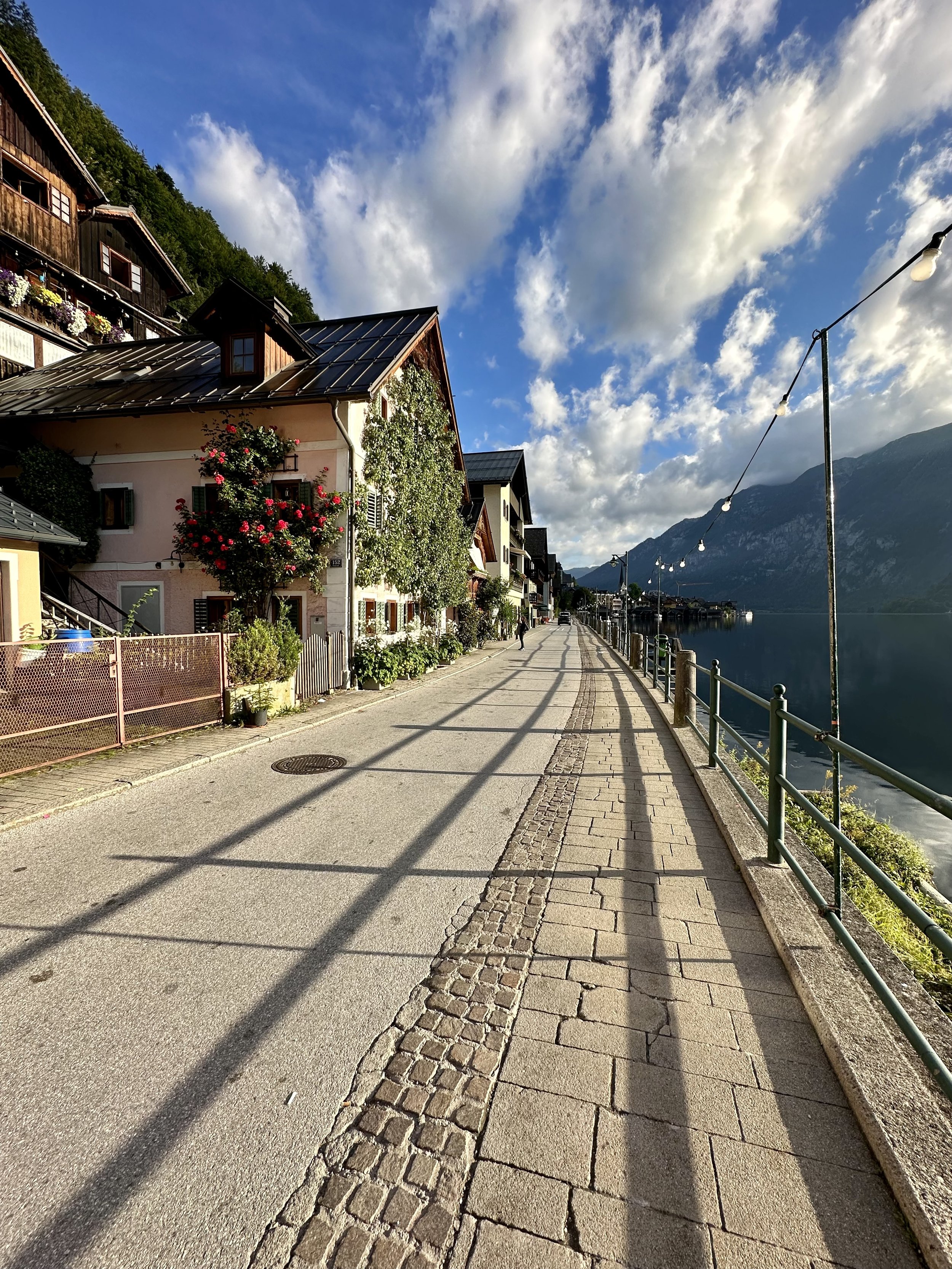
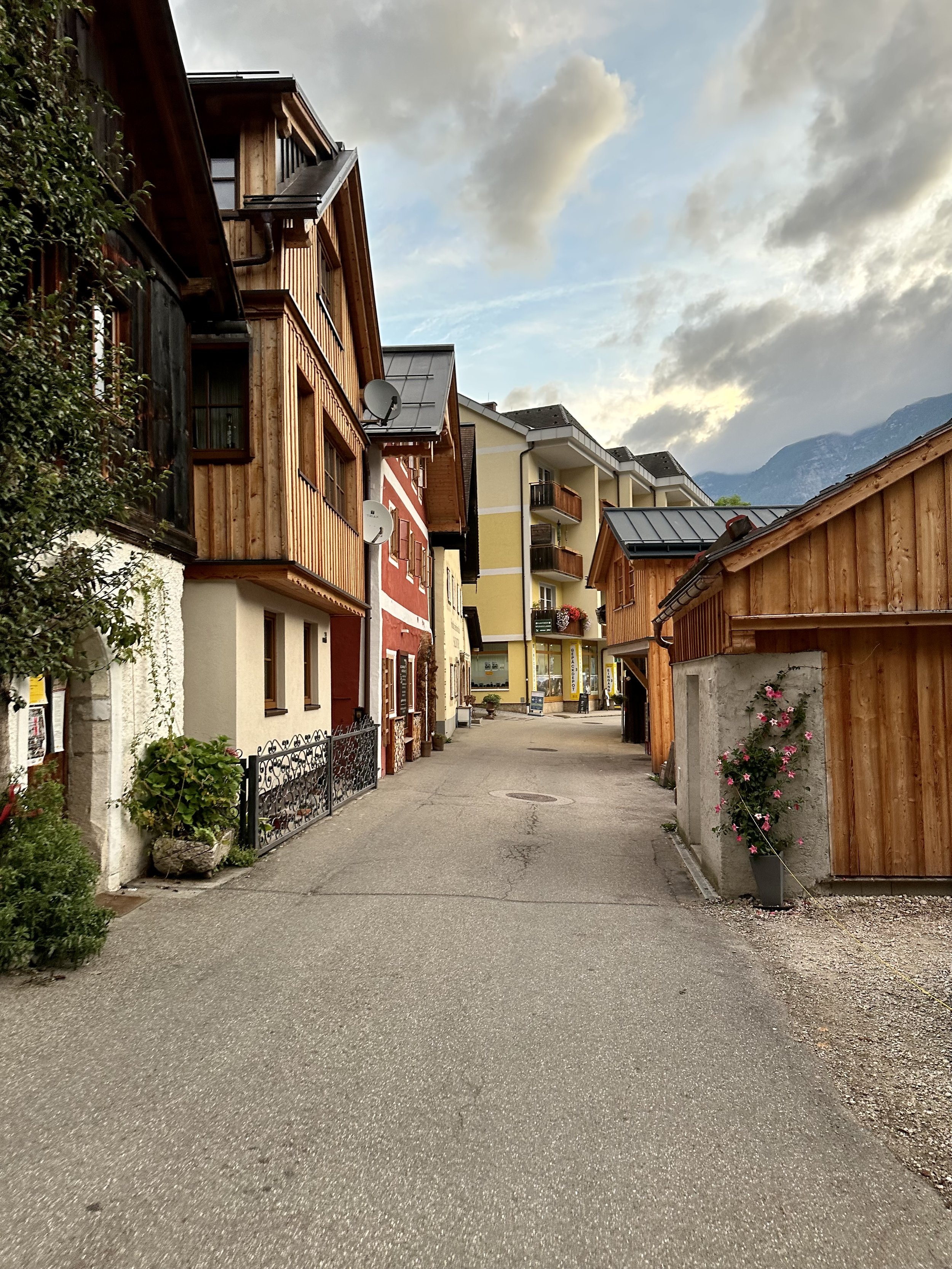
The village is quite small. It will only take about 10 minutes to walk from end to end. There are at least 3 photo opportunities —walking through the Streets of Hallstatt, taking Photos of the houses, churches, the Market Place, and the “Classic View”.
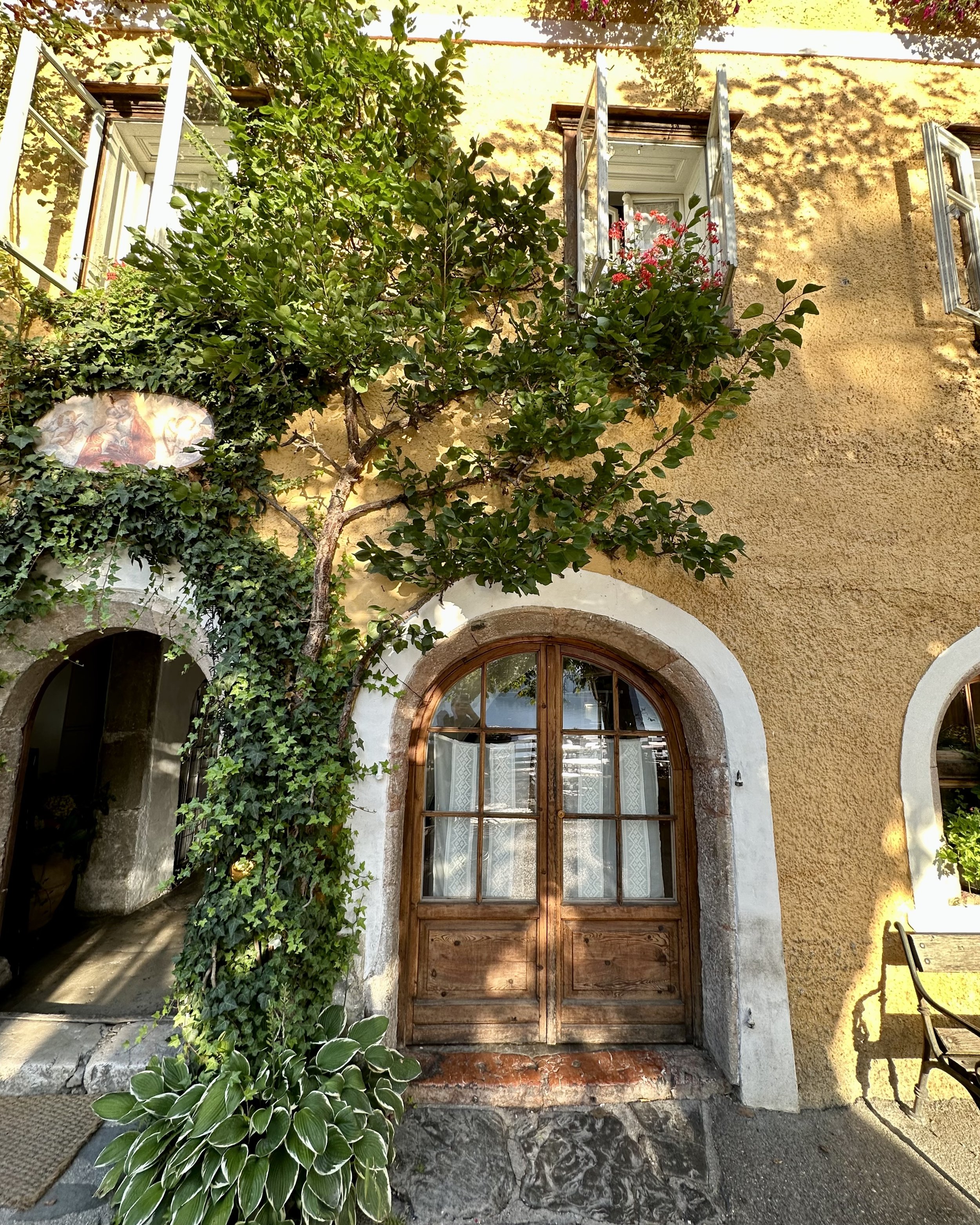
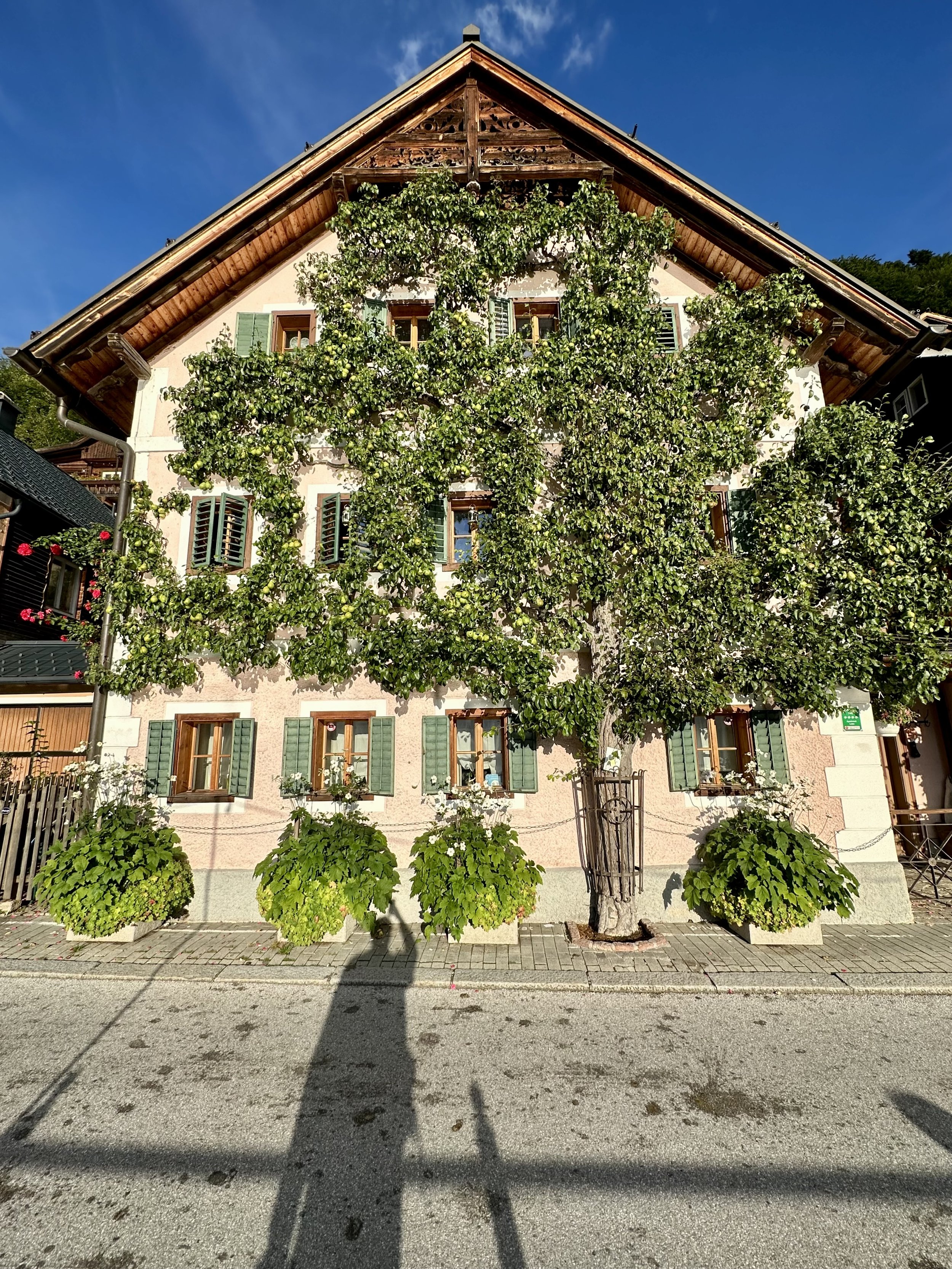
The Streets of Hallstatt
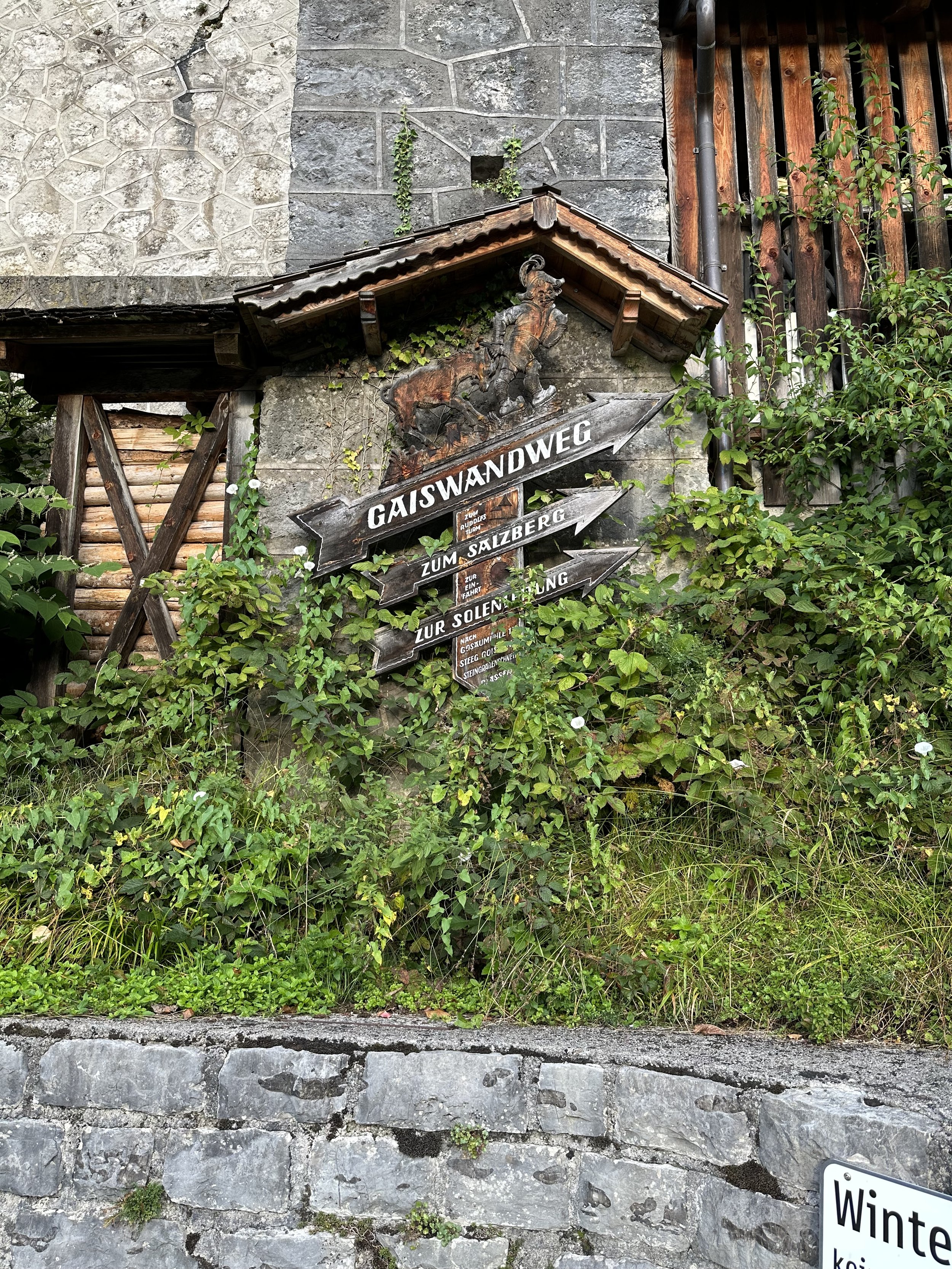
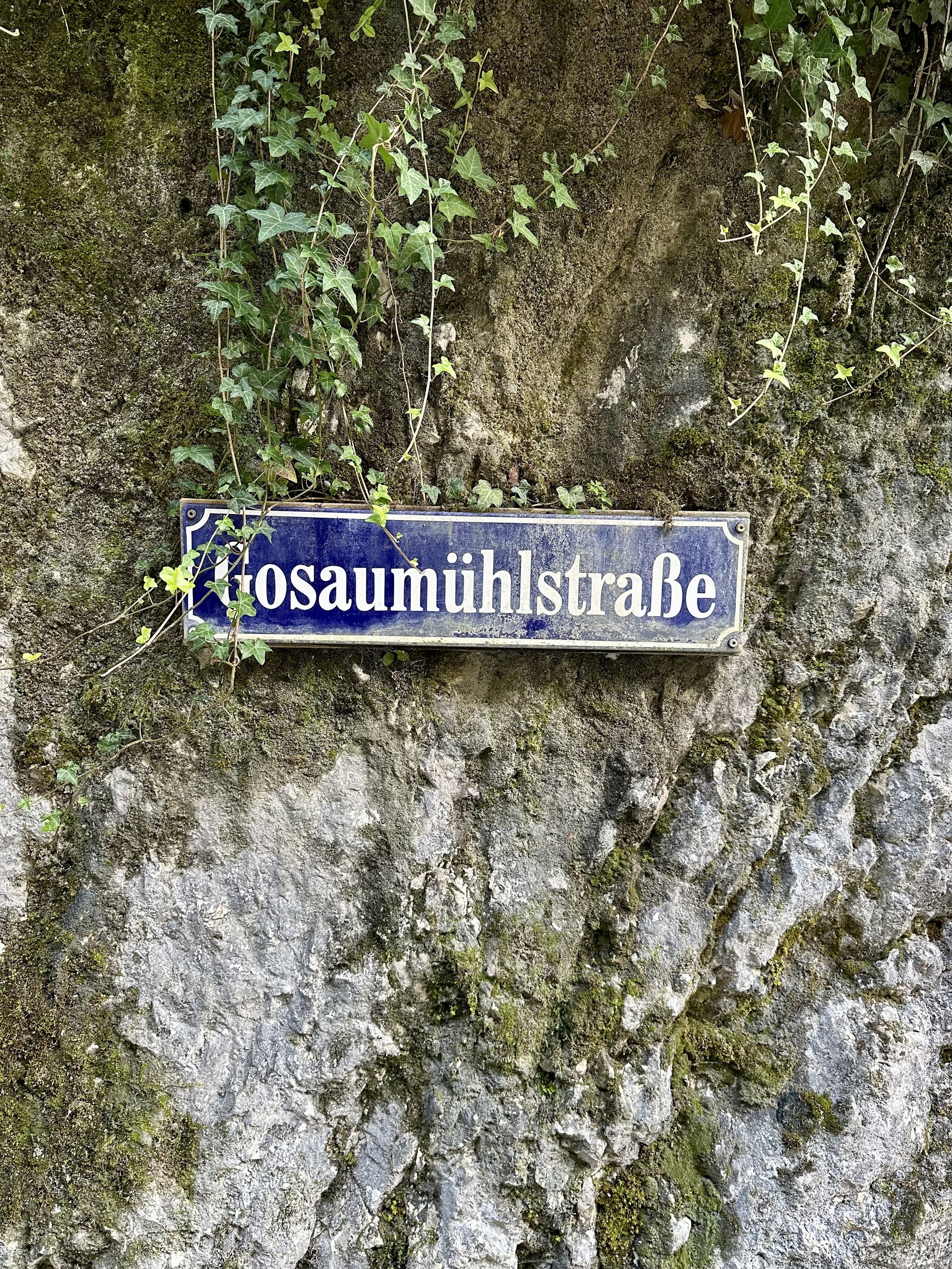
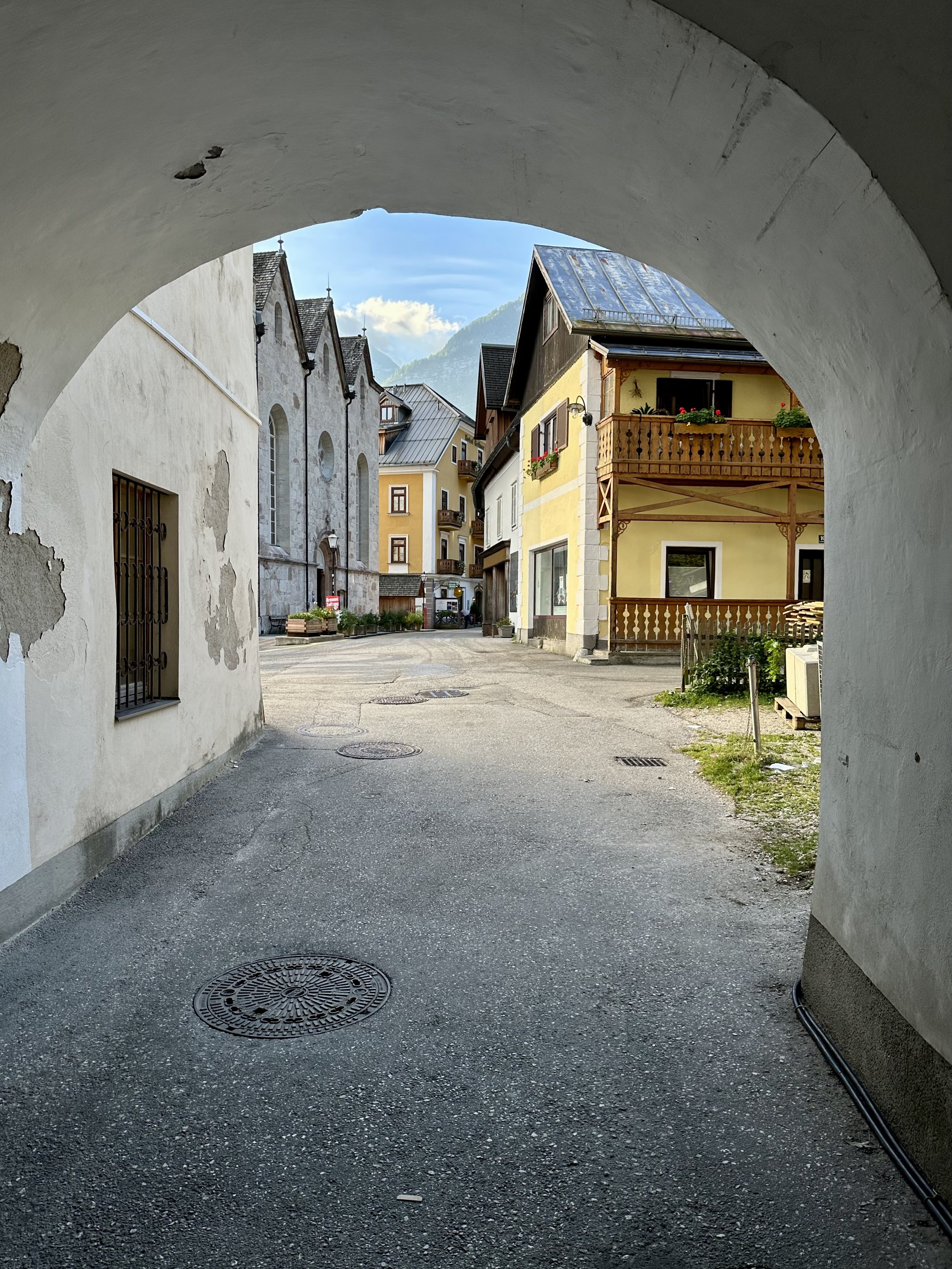
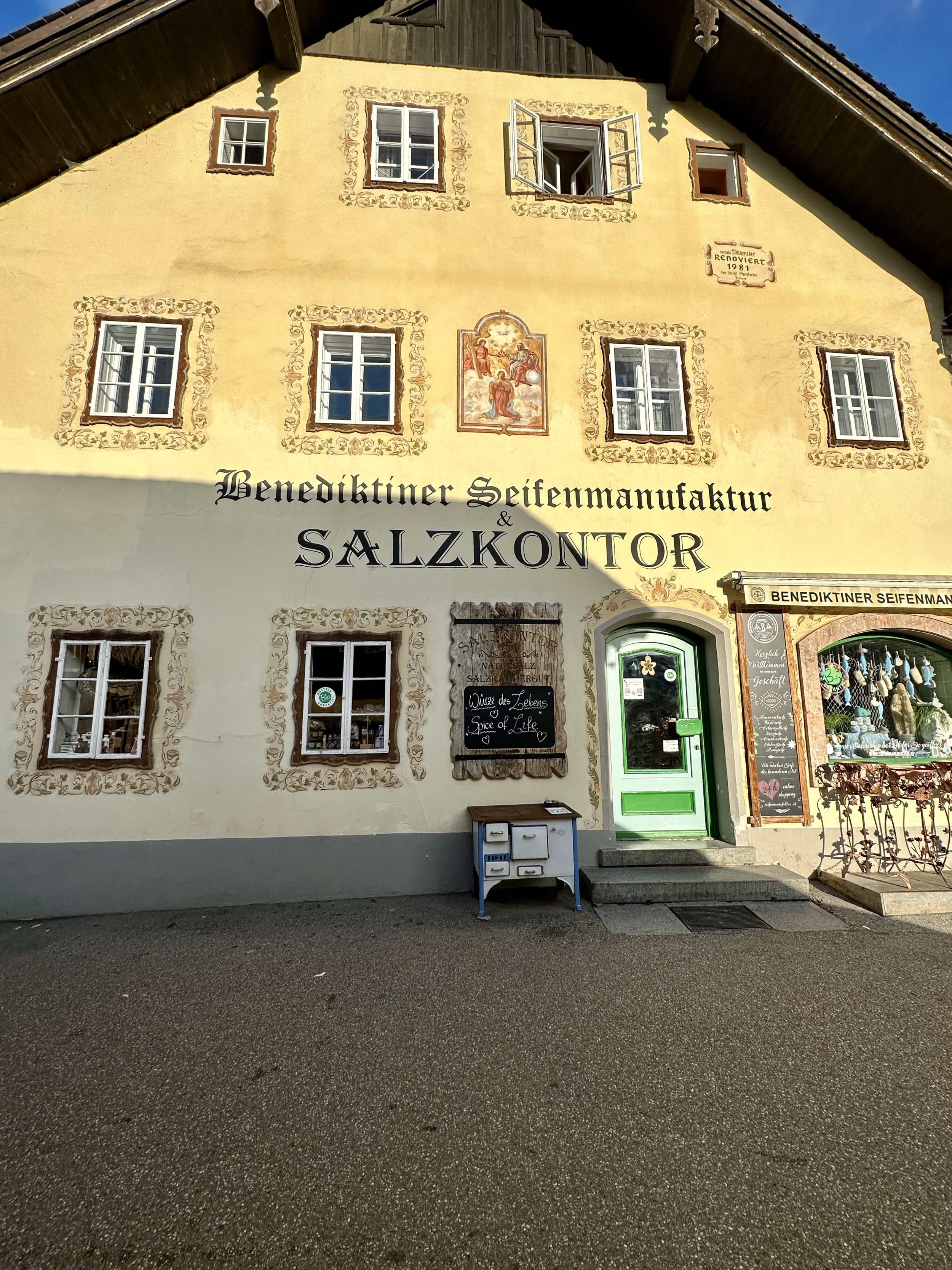
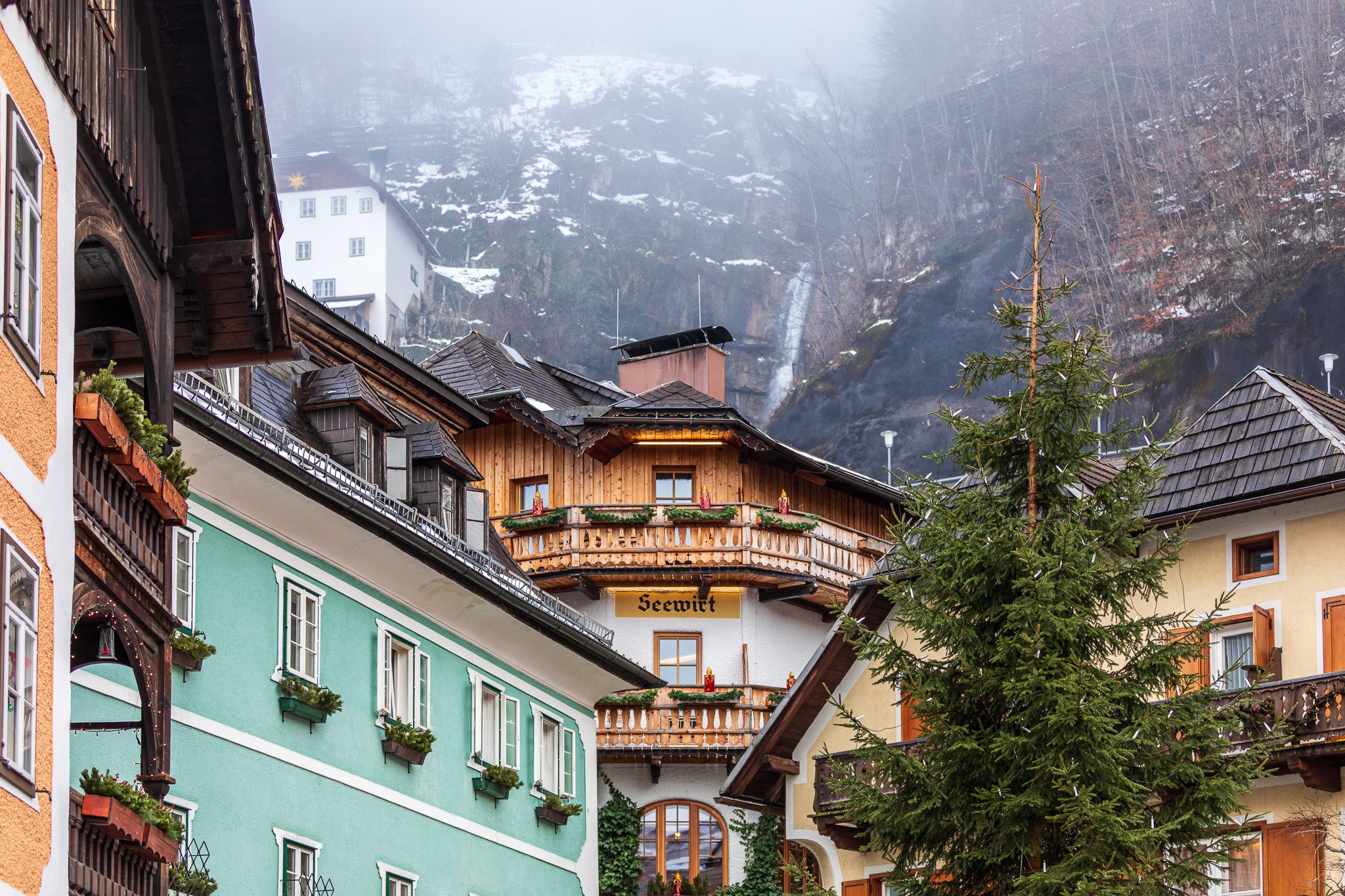
The village streets are quiet, flat, and easy to walk on, lined with gorgeous traditional houses. Early morning, before the day-trip crowds arrive, is when Hallstatt genuinely feels like it belongs to you.
📷 Pro Tip: Walk the full length of the village before 8 am, when the light is soft and low, and you'll have entire streets to yourself. A 35-50mm lens handles the intimate scale of the houses and doorways well; look for details, wooden balconies, flower boxes, and weathered doors that most day-trippers rushing to the viewpoint walk straight past. A 15-35mm works for wider street shots with the mountains rising behind the rooftops.
Best time: Before 8 am. Access: Free, public streets.
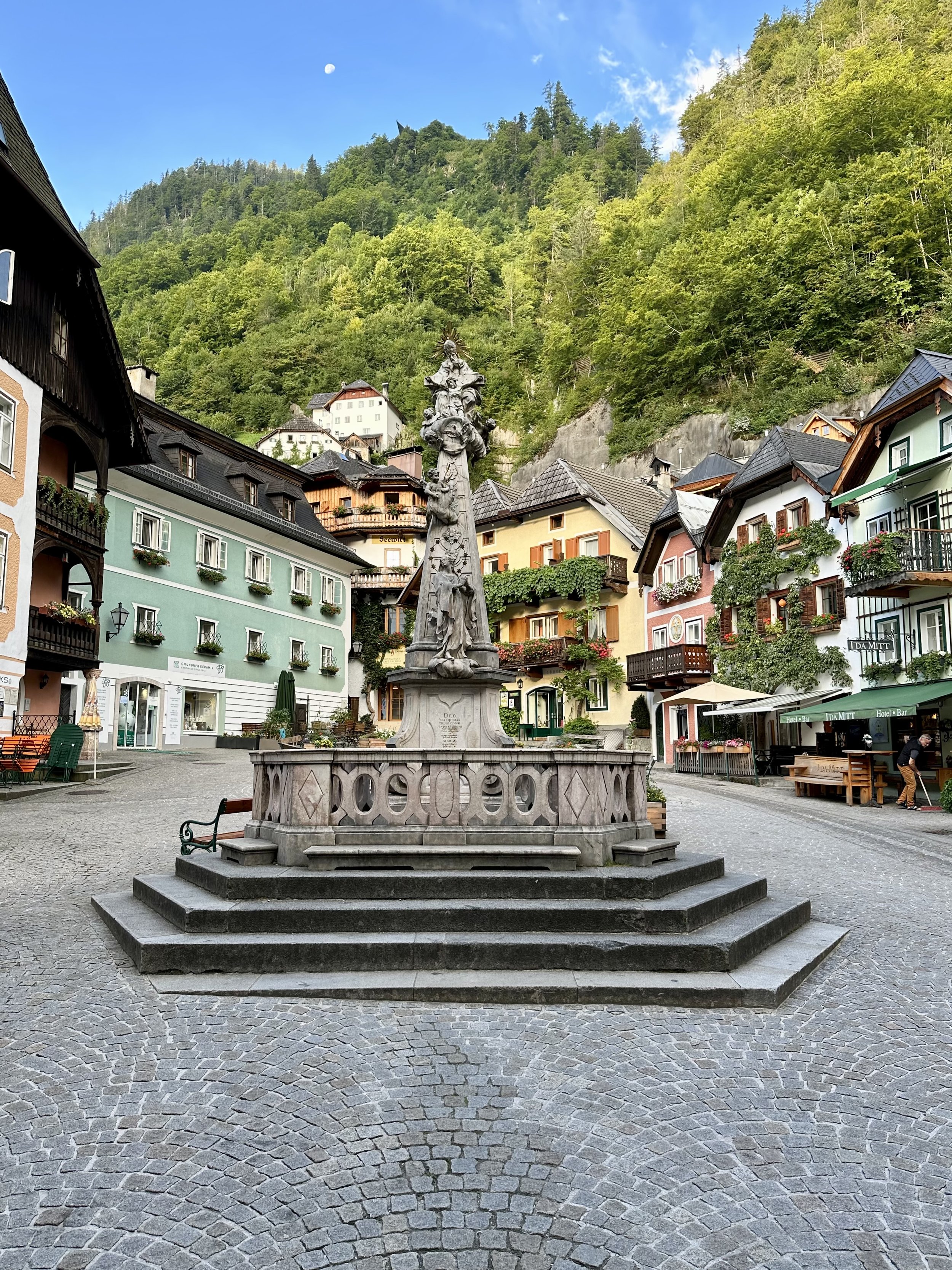
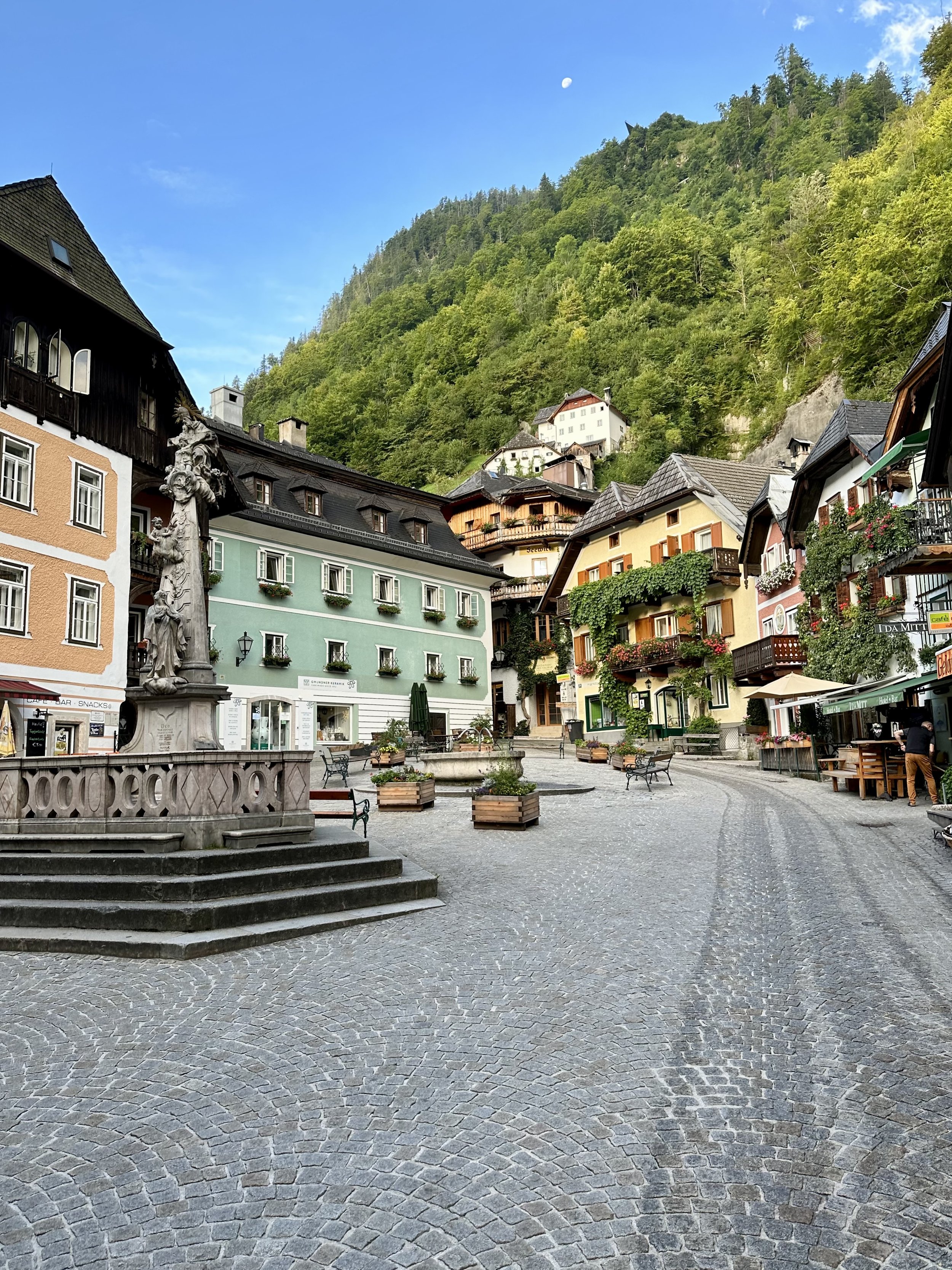
Market Square
The main square sits about five minutes from the village entrance, surrounded by cafés, restaurants, and traditional houses. It's the social heart of the village and a natural stop between the entrance and the main viewpoint.
📷 Pro Tip: Come early for a clean, empty square, or return later in the morning for genuine café life and street activity if that's the mood you want. A 24-70mm covers the square comfortably. The lakeside cafés open early, making a coffee stop here a worthwhile pairing with your sunrise session at the viewpoint.
Best time: Early morning for empty compositions, mid-morning for café life. Access: Free, public square.
Viewpoint Hallstatt (Classic View)
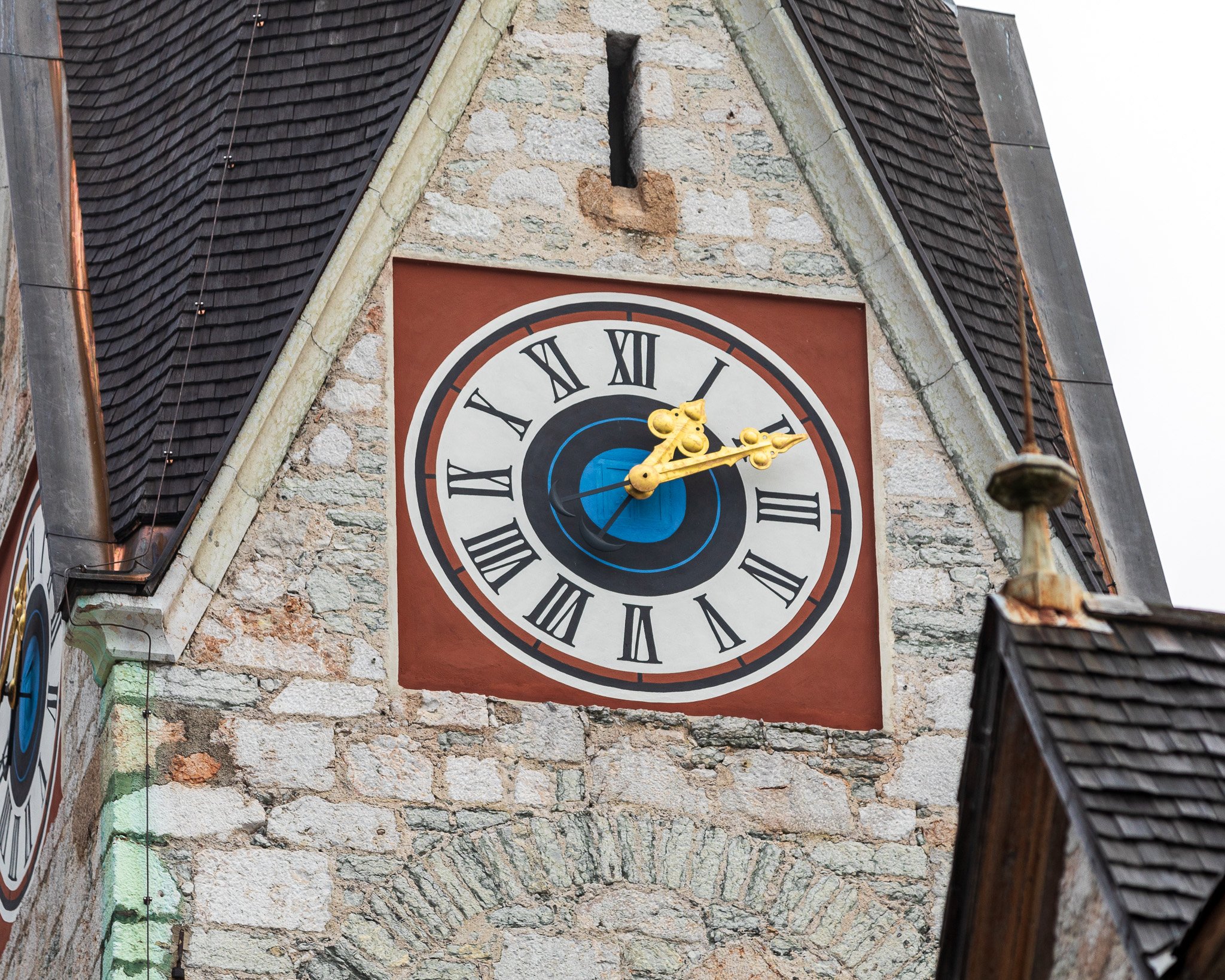
This is the photograph that made Hallstatt one of the most photographed villages in the world, and it earns every frame. From the designated viewpoint at the southern end of the village, the church spire and the cluster of pastel houses sit directly on the water's edge, with the mountain rising straight behind them.
Labeled directly on Google Maps, this is the classic Hallstatt photograph, the church reflected in the still lake water, mountains rising behind. It's roughly a ten-minute walk from the village entrance, past the market square. Once the sun clears the mountainside to the left, it lights the church directly, which is the entire reason to be there at sunrise rather than later in the day.
📷 Pro Tip: Arrive well before sunrise to claim your position and let the water settle into a still mirror. A 15-35mm captures the full reflection composition with the church and mountains together. Bring a tripod and a 6-stop ND filter for a long exposure that smooths the water surface and deepens the reflection. Wait for the sun to clear the mountain to the left, that's the specific moment the church lights up, not just general sunrise light.
Best time: Sunrise. Access: Free, public viewpoint, about a 10-minute walk from the village entrance.

Once the sun climbs over the mountainside on the left side, it will light up the church. This is why I recommend visiting at sunrise.

Sunrise from the Viewpoint
Festivals and Events in Hallstatt
Corpus Christi Procession on the Lake (June): This is one of the most photographed events in Hallstatt and one of the most unusual religious ceremonies in Austria. The Corpus Christi procession takes place partly on the lake, with decorated boats carrying the clergy and congregation across the water. It draws photographers from across Europe. The combination of traditional dress, candlelight reflecting on the lake, and the church in the background is extraordinary. Arrive early to secure a position on the lakeside path.
Christmas Market (late November to December): The Hallstatt Christmas market is held on the market square in the weeks before Christmas, and if there is snow on the rooftops and the mountains, it is among the most photogenic markets in Austria. The stalls, the lanterns, the church in the background, and the reflection on the wet cobblestones all combine into a scene that genuinely rewards a special trip. This is one of the less-crowded windows in the Hallstatt calendar, and the light in December is low and soft all day.
Open-Air Concerts at the Market Square (summer months): The Heritage Hotel and the village organize a series of outdoor concerts on the market square through the summer, typically in the evenings. These give you a combination of music, candlelit atmosphere, and the square at its most alive as a photography subject. Check the Heritage Hotel events page for the current season's schedule.
Lakeside Summer Concert (July): A single evening concert held along the Seestraße with the lake as a backdrop. One of the more atmospheric summer events in the village.
Frequently Asked Questions About Visiting Hallstatt
Do you need to stay overnight in Hallstatt, or is a day trip enough?
A day trip works; most of my visits have been exactly that, driving in early from Salzburg. But staying overnight, even just one night, gives you the early morning and late evening light entirely to yourself, without the parking scramble that comes with driving back for sunset.
Is parking difficult in Hallstatt?
Yes, genuinely. Morning arrivals are easy, but returning later in the day for sunset can mean no parking at all. Arrive early and plan around it. P2 is the best spot.
How many days do you need in Hallstatt?
One night is enough for a strong photography visit, sunrise at the viewpoint, a walk through the village streets, and dinner on the lake before you go. It's a small village that rewards timing more than duration.
What are the best photo spots in Hallstatt?
Viewpoint Hallstatt at sunrise for the church reflection, the Market Square in early morning, and the village streets before the day-trip buses arrive are three that consistently deliver. The full list is above.
Can you fly a drone in Hallstatt?
Check current Austrian and EU drone regulations before flying, particularly around the lake and village center, which likely carry restrictions given how compact and protected the area is.
What surprised you most about Hallstatt?
Being completely alone at the viewpoint one morning. I genuinely thought I must be in the wrong location, it's one of the most photographed spots on Instagram, and I had it entirely to myself until other people slowly started trickling in.
Is Hallstatt worth visiting if it's already crowded on Instagram?
Yes, if you time it right. The crowds arrive by mid-morning on tour buses. Before that, especially at sunrise, the village is genuinely quiet and personal, a completely different experience from what most photos suggest.
Is Hallstatt worth combining with Salzburg?
Yes, it's about an hour's drive and makes a natural day trip or overnight extension from Salzburg, which works well as your overnight base either way.
Final Thoughts on Hallstatt
Hallstatt almost feels unreal the first time you see it. The lake is still, the mountains rise straight up behind pastel houses, and the church spire stands perfectly placed, as if someone designed the skyline for a photograph. But what stays with me, five visits in, is not the composition. It is the quiet of the early morning. Mist drifting over the water. Reflections sharpen as the light finds its angle. The sound of your own footsteps on the cobblestone when the rest of the village is still asleep.
For photographers, Hallstatt is about timing and patience. Arrive at sunrise. Stay patient. Let the light do what it will do. Step away from the main viewpoint and explore the narrow lanes. Details matter here: wooden balconies, flower boxes, weathered doors. The reflection is your canvas; use it.
If you make one decision before your trip, make it this: stay overnight. The difference between a day visit and a morning in the village with no one else around is the difference between a postcard and a photograph that means something.
Want to improve your photography while exploring some incredible destinations? Join me on one of my photography workshops! You can find all the details, including upcoming destinations and dates, through the links below.
Let's Stay Connected!
My Photography & Travel Guide to Salzburg, Austria. The natural base for a Hallstatt trip, and one of the most beautiful cities in Europe for photography. Baroque architecture, the old fortress above the city, Mozart's birthplace, and the markets along the river.
One hour from Hallstatt and worth three days on its own.
My Photography & Travel Guide to Vienna, Austria. Austria's capital rewards a longer stay and a slower pace. The imperial architecture, the coffee houses, the Belvedere gardens, and the Prater in autumn are all world-class photography subjects. Pair it with Hallstatt and Salzburg for a full Austrian circuit.
My Photography & Travel Guide to Admont, Austria. One of the most underrated photography destinations in Austria. The Benedictine Abbey library at Admont is among the most photographed interiors in the world, and the surrounding landscape of the Gesäuse National Park is extraordinary. Less than two hours from Hallstatt.
Finally—a beginner-friendly photography guide that makes sense.
If you've ever picked up a camera and thought, "Now what?" this is the book for you.
Photography Made Simple is written for adults who are just starting out and want a clear, encouraging, real-world approach to learning photography. Whether you're using a DSLR, mirrorless, or just your smartphone, this guide walks you through the basics—without the jargon or tech overwhelm.
Inside, you'll learn:
The only camera settings you really need to know to get started
How to shoot sharper, more intentional photos using light and composition
Simple tips for portraits, landscapes, travel, and everyday life
What gear you do (and don’t) need
How to create better photos without upgrading your camera
You’ll also get practical exercises, cheat sheets, and tips for organizing and editing your images—plus the confidence to shoot off Auto Mode for good.
This is not a textbook. It’s a friendly guide to seeing the world with fresh eyes—and finally capturing what you see the way you imagine it.
📸 Format: PDF download
Pages: 100+
Perfect for: Beginners, hobbyists, and anyone ready to take better photos without the stress