My Photography & Travel Guide to Sydney, Australia
We absolutely loved our stay in Sydney and in Australia as a whole. After flying in from Melbourne, we spent four full days exploring the city with cameras in hand. Sydney has range. The sculptural lines of the Opera House. The golden curve of Bondi Beach. The cinematic haze of the Blue Mountains just beyond the skyline. You can move from urban architecture to coastal drama in a single afternoon. For photographers, that kind of variety is gold.
But what elevates Sydney is the feeling. Australians are warm, relaxed, and genuinely welcoming. The food scene is excellent, whether you are grabbing a flat white near Surry Hills or sitting down for fresh seafood by the harbor. It is easy to settle in here. Easy to explore. Easy to return.
Sydney is one of the rare cities that not only lives up to your expectations, but quietly exceeds them. In this guide, I will share all my best travel and photography tips to help you plan an unforgettable trip to Sydney, Australia.

Sydney is a city that offers a unique blend of natural beauty, urban sophistication, and cultural diversity. Whether you're here for the beaches, the landmarks, or the vibrant arts scene, Sydney promises endless opportunities for stunning photography and unforgettable experiences.
In this guide, I will provide my best recommendations on where to stay, what to eat, and how to make the most of your time in Sydney. I will also share my favorite photography locations, along with practical tips on the best times to shoot, lens choices, and simple composition ideas you can use right away.
Whether you are a seasoned photographer or simply love to travel with your camera in hand, this guide will help you experience Sydney with purpose, confidence, and creativity.
Where to Stay
Staying in The Rocks puts you in the heart of Sydney’s action, with easy access to major attractions, great dining, and ferry connections across the harbor. It is one of the most strategic bases in the city, especially if photography is high on your list of priorities.
We chose to stay in The Rocks specifically for those iconic views of the Sydney Opera House and the Sydney Harbour Bridge. Being able to walk out before sunrise and set up within minutes makes a real difference. No taxis. No rushing. Just soft morning light hitting the sails of the Opera House while the harbor is still calm.
The neighborhood itself has character. Cobblestone streets, historic sandstone buildings, weekend markets, and a constant view of the water. For photographers, it offers layers, leading lines, and foreground interest almost everywhere you turn.
If you want convenience, atmosphere, and immediate access to Sydney’s most photogenic landmarks, The Rocks is hard to beat.

Luxury Hotels
Park Hyatt Sydney
If photography is your priority, this is still the gold standard. The location is unbeatable. You are right on the harbor, steps from both the Sydney Opera House and the Sydney Harbour Bridge.
Room 138 is a dream for Opera House views. Waking up, opening the curtains, and seeing that composition framed for you is something special. For sunrise shooters, this hotel saves you time and energy.
Shangri-La Sydney
Still a strong choice, especially if you want elevated skyline perspectives. The higher floors offer sweeping harbor views that work beautifully for blue hour and night photography. It feels grand and polished.
Pro tip. Ask specifically for a harbor view room on a high floor.
The Langham, Sydney
More intimate and refined. It sits on the edge of The Rocks, slightly quieter, which some travelers prefer. The terraces and select harbor view rooms are lovely. It is less about iconic postcard framing and more about understated elegance and comfort after long shooting days.
Mid-Level Hotels
QT Sydney
Stylish, creative, and centrally located. Great if you like design-driven spaces and want to be near shopping and restaurants. Not a harbor view hotel, but convenient for exploring.
The Grace Hotel
Classic heritage charm with a solid central location. Reliable and comfortable. Good value relative to luxury harbor properties.
Radisson Blu Plaza Hotel Sydney
Professional, polished, and well located in the CBD. Easy access to transport and walking routes to Circular Quay.
How Long Should I Stay?
To truly immerse yourself in Sydney, I recommend staying 5 to 7 days.
Sydney is not a city you rush. The light changes constantly along the harbor. The beaches deserve slow mornings. Each neighborhood has its own rhythm. If you give yourself less than four days, you will see it. If you give yourself a week, you will feel it.
Here is how I would think about it as a photographer:
Days 1 to 3
Focus on the harbor. The Sydney Opera House, the Sydney Harbour Bridge, Circular Quay, and The Rocks. Shoot sunrise at least once. Shoot blue hour at least twice. The compositions improve when you return.
Day 4
Head to Bondi Beach and walk the Bondi to Coogee coastal trail. Midday is fine here. The water's color and the graphic lines of the coastline photograph beautifully.
Day 5
Take a day trip to the Blue Mountains. The scale, cliffs, and haze create dramatic landscape opportunities, especially near the Three Sisters lookout.
If you have 6 or 7 days, slow down even more. Revisit your favorite locations. Explore neighborhoods like Surry Hills or Paddington. Build flexibility into your schedule in case the weather shifts.
Sydney rewards patience. The longer you stay, the stronger your portfolio will be.
Best Time of Year to Visit
Australia sits in the Southern Hemisphere, so the seasons are the reverse of what you may be used to in North America or Europe.
In my experience, the best times to visit Sydney are October and November, late spring, and March and April, early autumn.
During these months, temperatures are comfortable, humidity is lower, and the light feels cleaner. You can walk all day without feeling drained. For photographers, that matters. Cooler air often means clearer skies and better visibility across the harbor.
Spring brings fresh energy. Jacaranda trees bloom in November, adding subtle purple tones to certain neighborhoods. Autumn offers warm, golden light and slightly softer crowds compared to peak summer.
Sydney’s summer, December through February, can be beautiful but also hot and busy. Winter, June through August, is cooler and quieter, with fewer tourists and excellent conditions for moody harbor shots.
If you want the best balance of weather, manageable crowds, and strong photography conditions, aim for October, November, March, or April. Your camera and your patience will thank you.

Getting Around the City
Sydney is easy to navigate, and that makes a big difference when you are chasing light.
The public transportation system is reliable and efficient. Trains connect the airport to the city quickly. Buses cover the neighborhoods. Ferries are not just practical; they are part of the experience. Riding across the harbor from Circular Quay gives you front row views of the Sydney Opera House and the Sydney Harbour Bridge. Bring your camera. Even a simple ferry ride can produce strong images.
Uber is widely available and convenient. Bolt operates in Sydney as well. Somehow, we had the same Uber driver four days in a row. By the end of the trip, it felt like we had made a new friend.
If you are staying in The Rocks or near Circular Quay, you can walk to many of the major photography locations. Walking is often the best way to discover hidden angles, reflections, and quiet side streets.
You can also rent a bike, especially if you plan to explore longer stretches along the harbor or head toward the coastal paths near Bondi Beach.
For photographers, my advice is simple. Stay central. Walk whenever possible. Use ferries strategically. The journey itself often becomes part of the story.
Where to Eat
Sydney is a foodie’s paradise. Everything we ate was fresh, vibrant, and beautifully prepared. You feel the city’s energy in its restaurants.
Yes, avocado toast became famous thanks to Bill Granger and his Darlinghurst café in the 1990s. But Sydney’s dining scene goes far beyond brunch culture. Its multicultural roots, deep love of food, and access to exceptional seafood and produce create one of the most exciting culinary cities in the world.

At the Sydney Opera House
Here are a few standout experiences to consider:
Quay
Still one of Sydney’s signature dining experiences. Refined, artistic, and positioned right on the harbor. If you want a view with your tasting menu, this is it. Book early and request a window table.
The Grounds of Alexandria
Part café, part restaurant, part garden fantasy. It is lively, colorful, and very photogenic. Great for brunch or a relaxed lunch. Expect crowds on weekends.
Bennelong
Dining inside the Sydney Opera House feels special. The architecture surrounds you, and the food highlights Australian ingredients with polish. This is a must at least once.
Mr. Wong
Outstanding Cantonese cuisine in the heart of the CBD. Dark wood interiors, classic dishes executed at a high level. This is where locals go for serious Chinese food.
And do not skip the casual side of Sydney. Great cafés are everywhere. Strong coffee is the norm, not the exception. Local markets and relaxed neighborhood restaurants are often just as memorable as the Michelin-level spots.
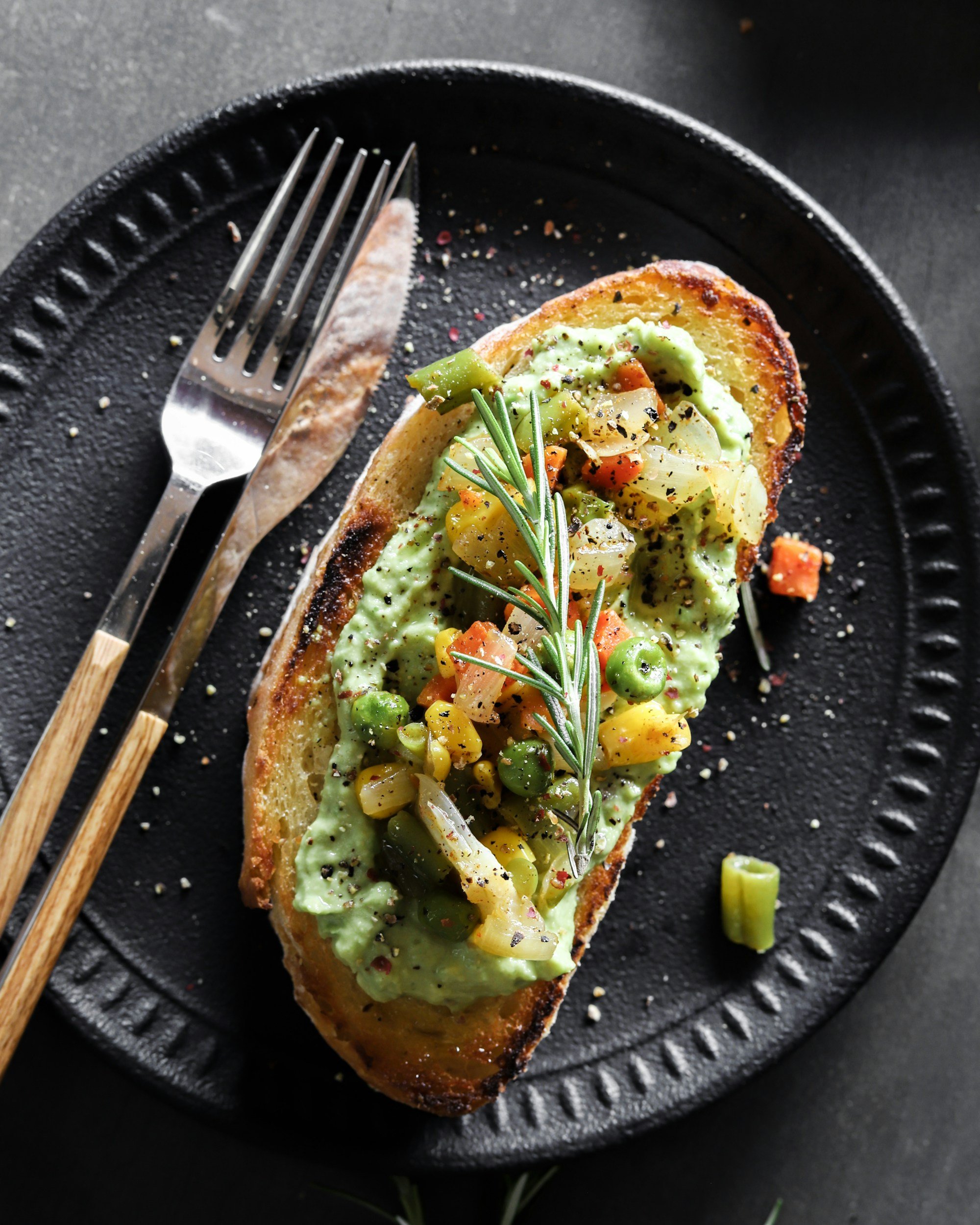
Avocado Toast in Sydney
Coffee Shops
Sydney takes its coffee seriously. Very seriously.
The city’s long-running obsession with artisan coffee means you are never far from a perfectly pulled espresso. In fact, many Australians will tell you the flat white was born here. Whether that debate is ever settled or not, one thing is certain. Sydney has mastered it.
A flat white is simple in theory. Espresso with steamed milk and only a thin layer of foam. In practice, it is about balance. Texture matters. Temperature matters. The result should feel smooth, not heavy.
Neighborhoods like Surry Hills, Darlinghurst, and Newtown are full of excellent cafés. You can walk in almost anywhere and expect high-quality beans, knowledgeable baristas, and clean, minimalist interiors that photographers will appreciate.
If you are shooting sunrise at the harbor, make coffee your reward. Grab a flat white after your session, sit outside, review your images, and watch the city wake up. In Sydney, coffee is not just a drink. It is part of the rhythm of the day.
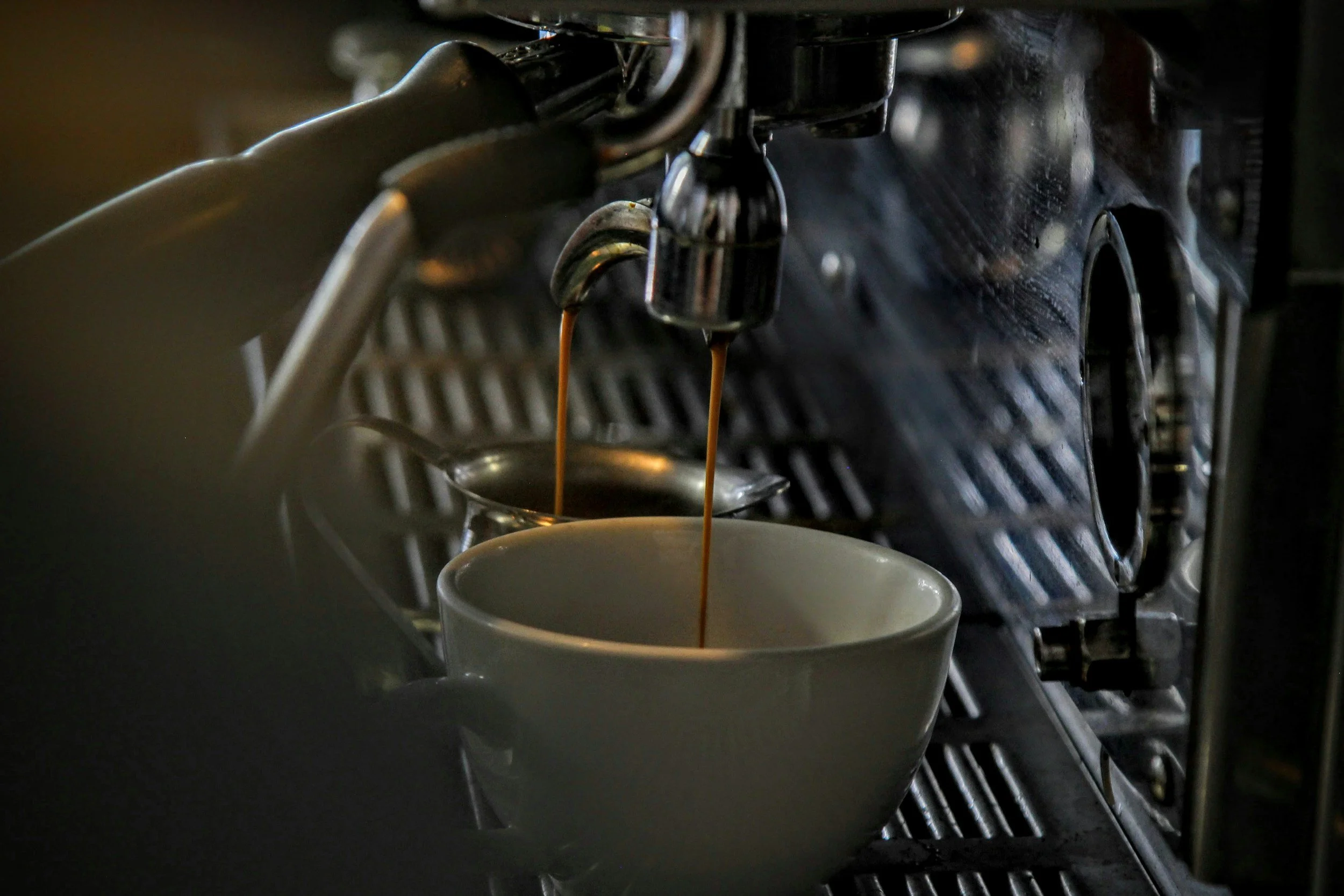
Sydney’s coffee culture is not hype. It is discipline. Precision. Pride. If you care about quality, you will feel it immediately.
Single O
A must for coffee purists. They roast their own beans and approach coffee with almost a scientific focus. Expect clarity, balance, and knowledgeable staff who can guide you through different profiles.
Mecca Coffee
One of the pioneers of Sydney’s specialty scene. Clean, consistent, and deeply respected. If you want to taste what makes Australian coffee culture so strong, start here.
Gumption by Coffee Alchemy
Tucked inside The Strand Arcade, this small spot feels like a secret. Minimalist, efficient, and outstanding. Perfect if you are walking between CBD photo locations and need a quick reset.
Kansas City Shuffle
More relaxed and neighborhood-driven. Great vibe, strong espresso, and a good place to slow down after a morning shoot.
Photography Gear to Bring
Camera Body
Bring a high-resolution mirrorless body such as the Canon EOS R5, Nikon Z7 II, or Sony A7R IV. Strong dynamic range helps with bright skies and reflective water along the harbor.
If you shoot with a smartphone, today’s iPhone or flagship Android performs beautifully here. Sydney’s light is forgiving, especially during golden hour.
Lenses
Wide Angle, 16 to 35mm
Essential for the Sydney Opera House, the Sydney Harbour Bridge, and expansive coastal scenes near Bondi Beach.
Standard Zoom, 24 to 70mm
Your workhorse. Great for travel storytelling, markets, cafés, and harbor details.
Telephoto, 70 to 200mm
Perfect for compressing the skyline, isolating architectural details, and shooting from elevated viewpoints like the Sydney Tower Eye.
Prime Lens, 50mm
Ideal for street photography and portraits. It forces you to move your feet and think about composition.
Tripod
A lightweight travel tripod makes a difference for blue hour and night photography. Long exposures along the harbor create beautiful reflections.
Filters
ND filters allow daytime long exposures to smooth water and clouds. A polarizer helps reduce glare on bright harbor water and deepens blue skies.
Extras
Bring extra batteries. Shooting sunrise and sunset daily drains power quickly. Carry extra memory cards. Sydney will give you more photo opportunities than you expect.
My Favorite Photography Locations
Here are my recommendations for what to photograph in Sydney.
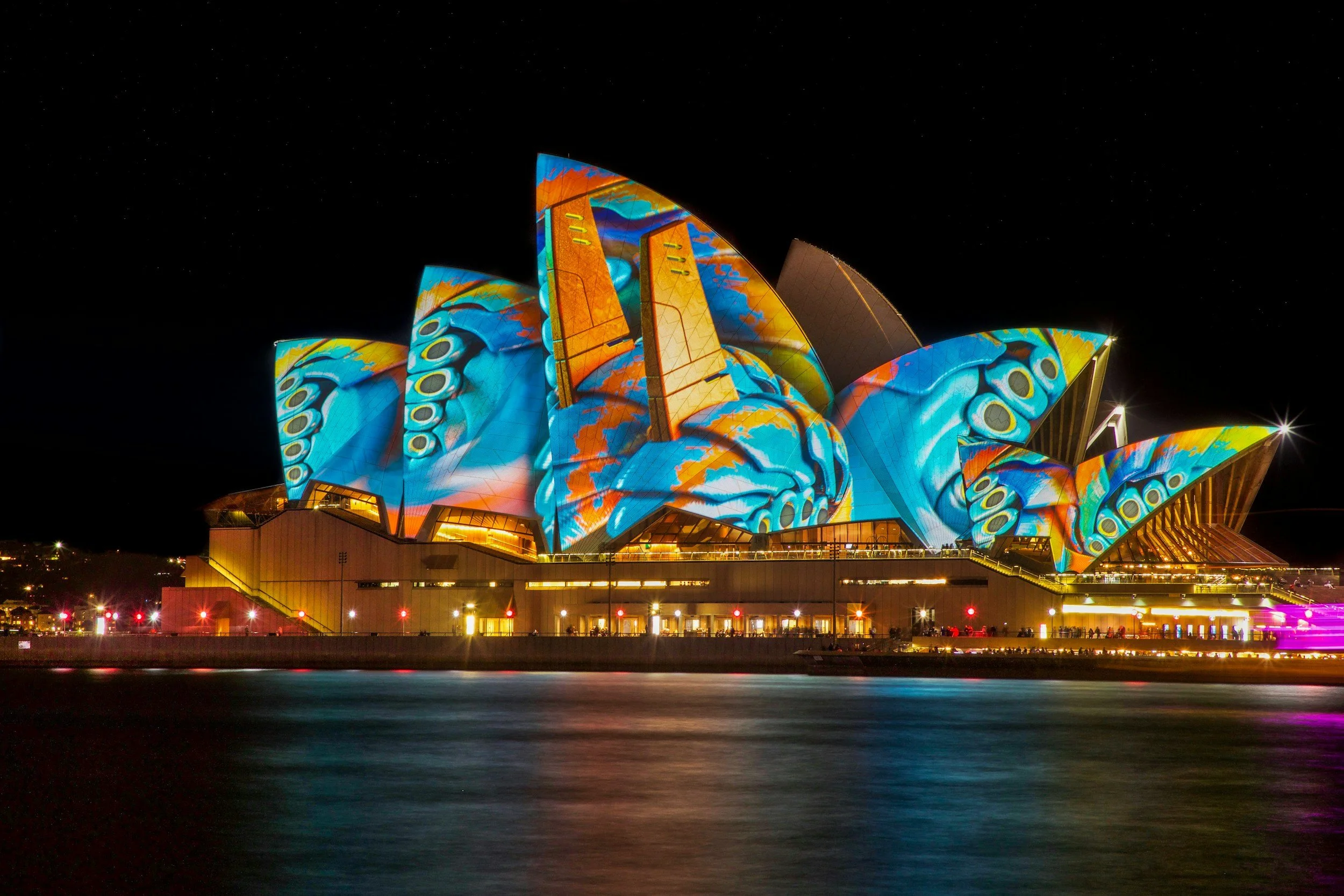
Sydney Opera House
I strongly recommend photographing it at sunrise or sunset.
At sunrise, the light is softer, and the crowds are lighter. The sails begin to glow as the first light hits them. The harbor is calmer. You can work slowly and experiment with composition. This is my favorite time.
At sunset, the building takes on warmer tones, and the sky often delivers drama. Stay through blue hour. The reflections become richer, and the contrast between the white sails and the deepening sky is powerful.

First opened in 1973, the UNESCO World Heritage Site can also be visited on a number of tours.

The reason we chose the Park Hyatt hotel is that Opera House is directly in front of our room allowing me to take photos from my balcony at night.

Sydney Harbor Bridge
The Sydney Harbour Bridge is more than a backdrop. It is a subject in its own right.
This massive steel arch dominates the skyline and anchors nearly every harbor composition. During the day, it adds structure and scale. At night, it becomes graphic and dramatic, especially when lit against a deep blue sky.
For photographers, you have options.
Walk across it for free using the pedestrian pathway. From the middle of the bridge, you get sweeping harbor views that include the Sydney Opera House, ferries below, and the city skyline beyond. Bring a lighter kit if you plan to do the full walk.
If you want a higher vantage point, consider the official bridge climb experience with BridgeClimb Sydney. The view from the top gives you a true bird’s eye perspective of the entire harbor. You cannot bring your own camera on the climb, but the experience itself is memorable.
My advice. Photograph it from multiple angles. Shoot from The Rocks. Shoot from Circular Quay. Frame it behind the Opera House. Then isolate the steel patterns with a telephoto lens. The bridge is bold, architectural, and endlessly adaptable.

Bondi Beach
You cannot visit Sydney without spending time at Bondi Beach. It is more than a beach. It is a lifestyle.
Yes, it is beautiful. Wide sand. Turquoise water. Surfers carving through clean waves. But Bondi also has energy. People jogging along the promenade. Swimmers doing laps at the iconic ocean pool. Friends gathering for coffee after sunrise.
For photographers, Bondi works at almost any hour. Sunrise is calm and golden. Midday is bold and graphic, especially if you lean into contrast and color. Late afternoon brings softer tones and long shadows along the cliffs.
Do not miss the Bondi to Coogee coastal walk. The cliffs, rock formations, and open ocean views give you strong leading lines and dramatic compositions. Bring a wide-angle lens, but also try a telephoto to compress waves against the shoreline.
Bondi is also a food hub. Casual cafés, smoothie spots, and waterfront dining make it easy to turn a morning shoot into a long, relaxed brunch.
My advice. Plan to spend at least half a day here. Swim if you can. Walk the coast. Photograph the patterns in the water. Bondi is not just a stop. It is an experience.

Whether you're craving fresh seafood, hearty brunches, or a quick coffee fix, Bondi has something to satisfy every palate.

Arguably one of the world's most talked about beaches in the world, you will absolutely love Bondi Beach.

This sun-soaked paradise is renowned for its golden sands, world-famous surf breaks, rockpools, and beautiful clear waters.

Yoga on the Beach
Here are some top dining spots you won’t want to miss in Bondi Beach:
North Bondi Fish - This beachside restaurant is ideal for seafood lovers. We had incredible Fish Tacos and Fresh fish.
Bills Bondi - A Bondi institution, Bills is famous for its relaxed atmosphere and all-day dining menu. Known for its scrumptious breakfast options, including the iconic ricotta hotcakes and scrambled eggs. Even though we were pretty full from our lunch at North Bondi Fish, we had to try Bills, and it was worth it.
The Bondi to Coogee Coastal Walk
I highly recommend taking the 6-kilometer (3.7-mile) trail along Sydney's eastern coastline, which connects several beaches and parks. The walk typically takes 2-3 hours, depending on your pace and how often you stop to take photos or enjoy the scenery. You do not have to walk the entire distance if you get tired. It’s very easy to turn around and walk back.


Royal Botanic Garden
We walked around this area and towards the Opera House. The oldest botanic garden in Australia, the Royal Botanic Garden Sydney, was founded in 1816 and showcases more than 8,600 species from Australia and beyond across its 74 acres.


The Rocks
Historic streets and vibrant markets. The Rocks still has cobblestone streets and plenty of colonial-era buildings, including several characterful pubs. There are lots of wonderful restaurants, coffee shops, and boutiques in this area.

Darling Harbor
Darling Harbour is a buzzing waterside area that's just a short walk from the center of Sydney. This area is buzzing with a lot of people taking walks and eating in outdoor restaurants.

Taronga Zoo
Taronga Zoo is a beautiful experience. It starts when you take a ferry from Circular Quay and hop on a 12-minute ferry to Taronga. You will have wonderful views of the Sydney Harbor along the way, so if you come back in the evening, you can get some great shots. Once you get to the Zoo, you can see over 4,000 animals, including Kangaroos & Koalas!


Day Trip to the Blue Mountains
If you have a day to spare, a trip to the Blue Mountains is a must. Just a two-hour drive or train ride from Sydney, this UNESCO World Heritage site offers breathtaking landscapes, dramatic cliffs, and lush forests. Stopped at Chapel Point for lunch. We drove to Gordon Point and then to the Three Sisters.


Three Sisters
The area around the Three Sisters, Echo Point, Katoomba, reminded me of the Grand Canyon. The Three Sisters is the Blue Mountains’ most spectacular landmark.
The Three Sisters is an unusual rock formation that, according to Aboriginal legend, represents three sisters who were turned to stone.

Govetts Leap
Once you experience the view from Govetts Leap, you'll know why it's one of the most famous lookouts in Australia.

The magnificent Bridal Veil waterfall to the east drops a whopping 180m to the base of the cliff, and if you're not mesmerized by the dancing waves of water spray, you'll be transfixed by the sweeping views across the valley to the Grose Wilderness.

Special Festivals and Holidays
Vivid Sydney (May-June): A spectacular light, music, and ideas festival.
Sydney Festival (January): Showcasing art, culture, and performances.
Mardi Gras (February-March): A vibrant celebration of the LGBTQ+ community.
Final Thoughts
There you have it. A comprehensive guide to making the most of your time in Sydney.
Sydney is one of those cities that feels effortless. The light is generous. The landscapes are varied. The food is memorable. You can photograph world-class architecture at sunrise, walk along a coastal cliff by midday, and enjoy a refined dinner overlooking the harbor that same evening.
For photographers, it offers a range. For travelers, it offers ease. And for anyone who loves both, it delivers that rare balance of beauty and livability.
My advice is simple. Wake up early at least once. Stay out late at least once. Walk more than you think you need to. Take the ferry even if you do not have to. Sit for coffee and review your images. Let the city unfold instead of rushing through it.
If you are interested in joining one of my photography workshops, you can find the details through the link. You can also follow along on Instagram, Facebook, or subscribe to my newsletter for more travel photography tips and behind-the-scenes insight.
Are you carrying too much camera gear… but still coming home with disappointing travel photos?
You’re not alone. Most travel photographers fall into “The Packing Trap” — overpacking, under-planning, and constantly scrambling to capture the shot… while missing the moment.
This powerful, step-by-step eBook is your shortcut to a better way.
The 5-Step Photographer’s Guide to Planning the Perfect Travel Adventure is a field-tested blueprint that helps you:
Travel light without sacrificing image quality
Plan smarter trips that lead to better, more intentional photos
Find breathtaking destinations at the perfect time
Create a shoot-ready itinerary that works with your creative style
Avoid the stress, fatigue, and overwhelm that kills your best work
Written by travel photographer Vito L Tanzi, it’s the system I personally use to craft stress-free photo trips that result in his best images.
Whether you're heading off on your first international shoot or leveling up your local weekend getaways, this guide will help you make the most of every trip.
📸 Format: PDF download