My Photography & Travel Guide To Tasmania, Australia
Tasmania is truly a hidden gem waiting to be discovered. While Tasmania might not receive as much attention as other parts of Australia, it is truly amazing, and I recommend that everyone who has the chance to visit go. I only wish that we could have stayed longer.

From breathtaking landscapes and wildlife to delicious cuisine and vibrant arts, Tasmania has something to offer everyone. Tasmania's wilderness areas are so unique that a significant portion of the island has been declared a World Heritage area. And, thanks to the island's compact size, these natural wonders are all within easy reach.
The island’s separation from mainland Australia helped create a unique ecosystem, with many plant and animal species found nowhere else on Earth. This is why they do not allow you to bring any fruits, vegetables, seeds, etc., with you on the flight from the Mainland, and they spray the cabinet before landing.
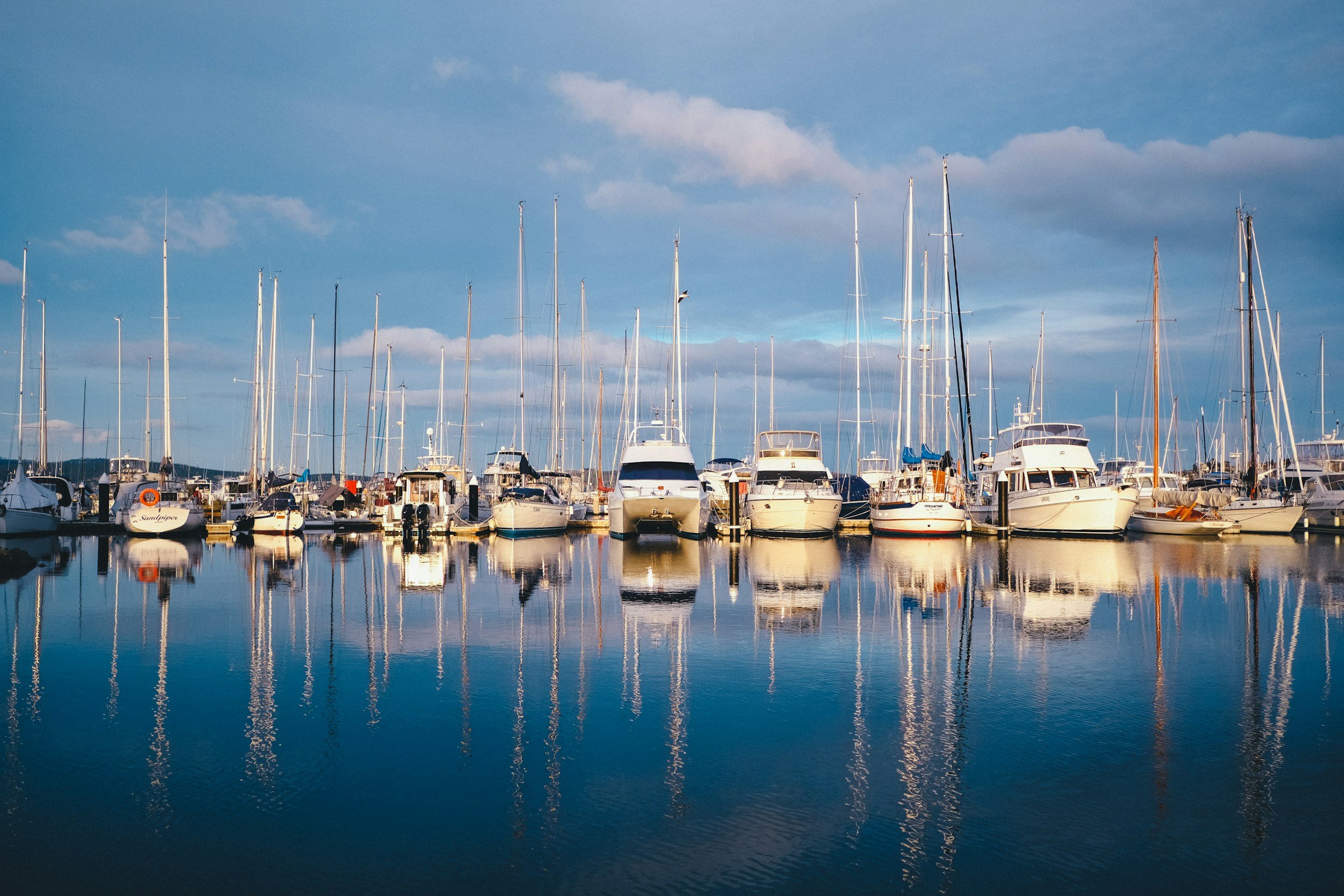
Hobart Harbor
Its uniqueness also extends to its people and culture. Tasmanians are very friendly, and you can see how much they love their beautiful island. There is a strong sense of community here, with locals passionate about preserving their unique lifestyle and environment. This passion is reflected in the cuisine, vibrant arts, local wines and beer, local whiskey, and a thriving community of artists and musicians who call Tasmania home.
In this guide, we'll explore the best places to stay, eat, and capture stunning photos in Tasmania.
How to Get There?
Tasmania is Australia’s only island state, so you reach it by air or by sea.
The easiest option is flying. Regular direct flights operate from Melbourne, Sydney, and Brisbane to both Hobart and Launceston. The flight time from Melbourne is just over an hour, making it surprisingly accessible.
If you prefer a slower journey, you can take the Spirit of Tasmania ferry from Geelong in Victoria to Devonport. This is a great option if you want to bring a car and explore the island at your own pace.
For photographers, I recommend renting a car upon arrival. Tasmania’s beauty lies in its landscapes, and many of the best locations are outside the main cities.
It feels remote, but getting there is easier than you might think.

Where to Stay?
Hobart is the perfect base for your Tasmanian adventure.
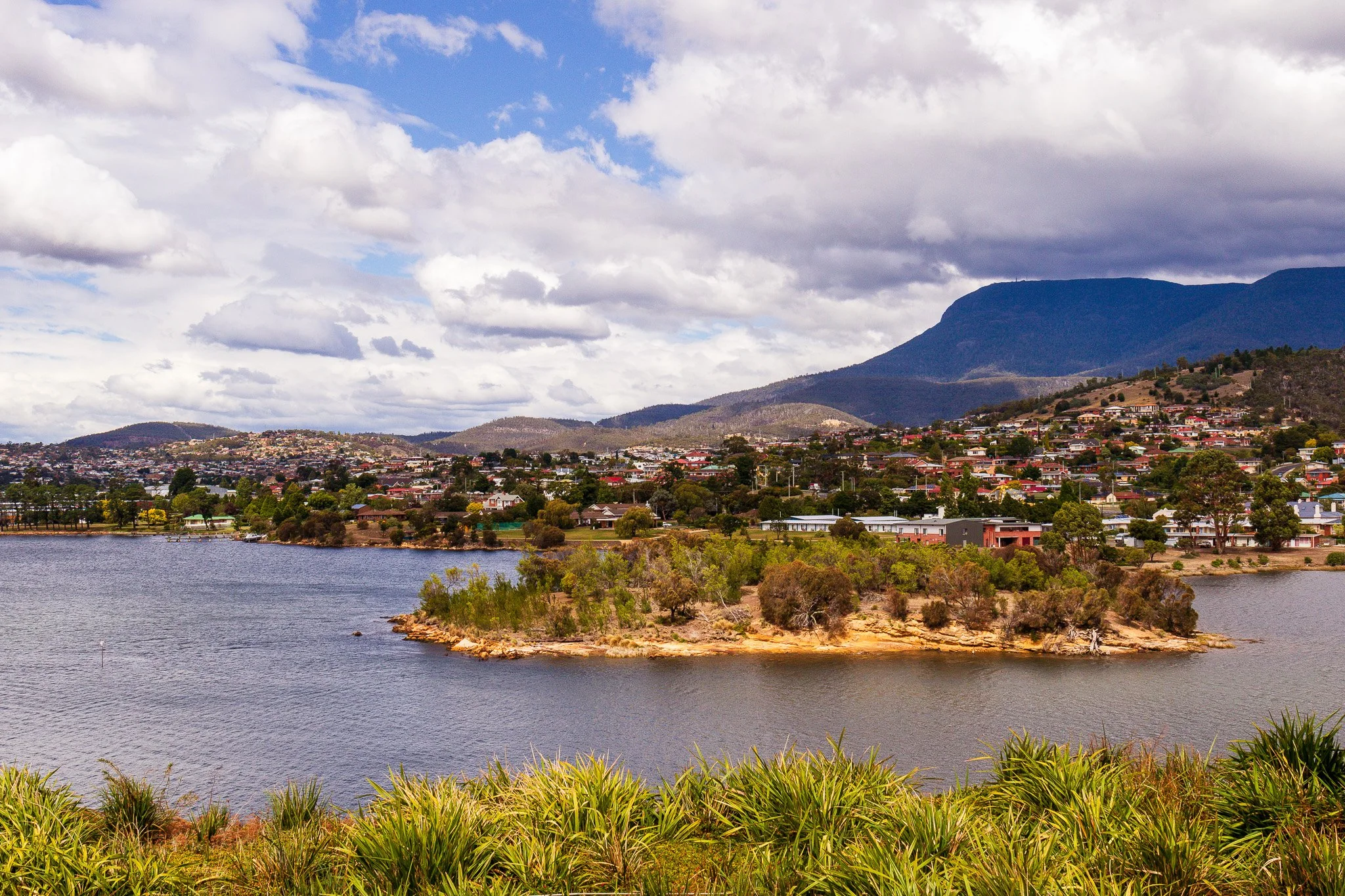
As the island’s capital, Hobart blends history, food, art, and access to nature in one compact waterfront city. You can photograph sunrise along the harbor, explore historic streets in Battery Point, and still be within easy reach of mountains, national parks, and coastal scenery.
Mount Wellington, which locals call kunanyi, rises dramatically behind the city. That backdrop alone gives Hobart a unique visual identity.
Staying in or near Salamanca Place or the waterfront keeps you within walking distance of restaurants, cafés, and galleries. It also makes early morning photography effortless.
Hobart offers the best of both worlds. Urban charm and wild landscapes, all within reach.

Hotel Islington
Luxury Hotels
MACq 01 Hotel - Located right on the waterfront, this hotel combines contemporary luxury with stories from Tasmania’s past. The rooms are modern and spacious, and the harbor views are excellent. It is a strong choice if you want to stay in the center of the action.
The Henry Jones Art Hotel - Australia’s first dedicated art hotel. It blends historic waterfront warehouses with contemporary design and curated artwork throughout the property. It feels creative and distinctly Tasmanian.
Islington Hotel - This is where we stayed, and I highly recommend it. Visiting Islington feels like staying in a beautifully restored family home with just eleven rooms. Although it sits along a quiet residential road a short drive from the city center, the mansion itself is warm, elegant, and incredibly inviting.
The grounds are landscaped beautifully, and the views toward Mount Wellington are stunning. After long days exploring Tasmania’s wild landscapes, returning here felt like retreating to something calm and intimate. It was genuinely difficult to leave.


Mid-Level Hotels
Salamanca Inn - Located in the heart of Salamanca Place, this hotel offers comfort and convenience.
Mantra Collins Hotel - A modern hotel situated close to the waterfront and popular attractions.
Hadley’s Orient Hotel - A historic hotel that combines old-world charm with contemporary comfort.
How Long to Stay
To truly appreciate Tasmania, plan to spend at least one week.
Tasmania is not a place you rush. Distances may look short on a map, but the roads are winding, and you will want to stop often. A week gives you time to explore Hobart, drive into the wilderness, and visit iconic locations such as Cradle Mountain and the Bay of Fires.
For photographers, extra days matter. Weather shifts quickly. Light changes dramatically. Having flexibility in your schedule increases your chances of capturing something special.
If you can stretch it to 10 days, even better. Tasmania rewards patience.
Best Time of Year to Visit
The most popular time to visit is during the Australian summer, December through February. The weather is generally pleasant, daylight hours are long, and festivals and events bring energy to towns across the island.
For photography, I also love autumn, March through May. The air feels crisp, crowds thin out, and the landscape can take on beautiful golden tones. Conditions are often ideal for moody mountain scenes and soft light along the coast.
Tasmania can be visited year-round, but winter brings colder temperatures and more unpredictable weather. That said, if you enjoy dramatic skies and fewer visitors, winter can be rewarding too.
Choose your season based on your priorities. Comfort and festivals in summer. Color and calm in autumn. Either way, Tasmania will impress you.

Mount Wellington
Getting Around
The best way to explore Tasmania is by renting a car.
Tasmania is all about landscapes. Rugged coastlines. Mountain passes. Remote beaches. National parks. Many of the most photogenic locations are well outside the main cities, and public transportation is limited beyond Hobart.
Having your own car gives you freedom. You can stop when the light looks interesting. You can take a detour down a quiet road. You can wait out changing weather conditions without worrying about schedules.
Uber and local taxi services operate within Hobart, which is helpful for short city trips. But if you plan to visit places like Cradle Mountain or the Bay of Fires, a car is essential.
For photographers, flexibility is everything.
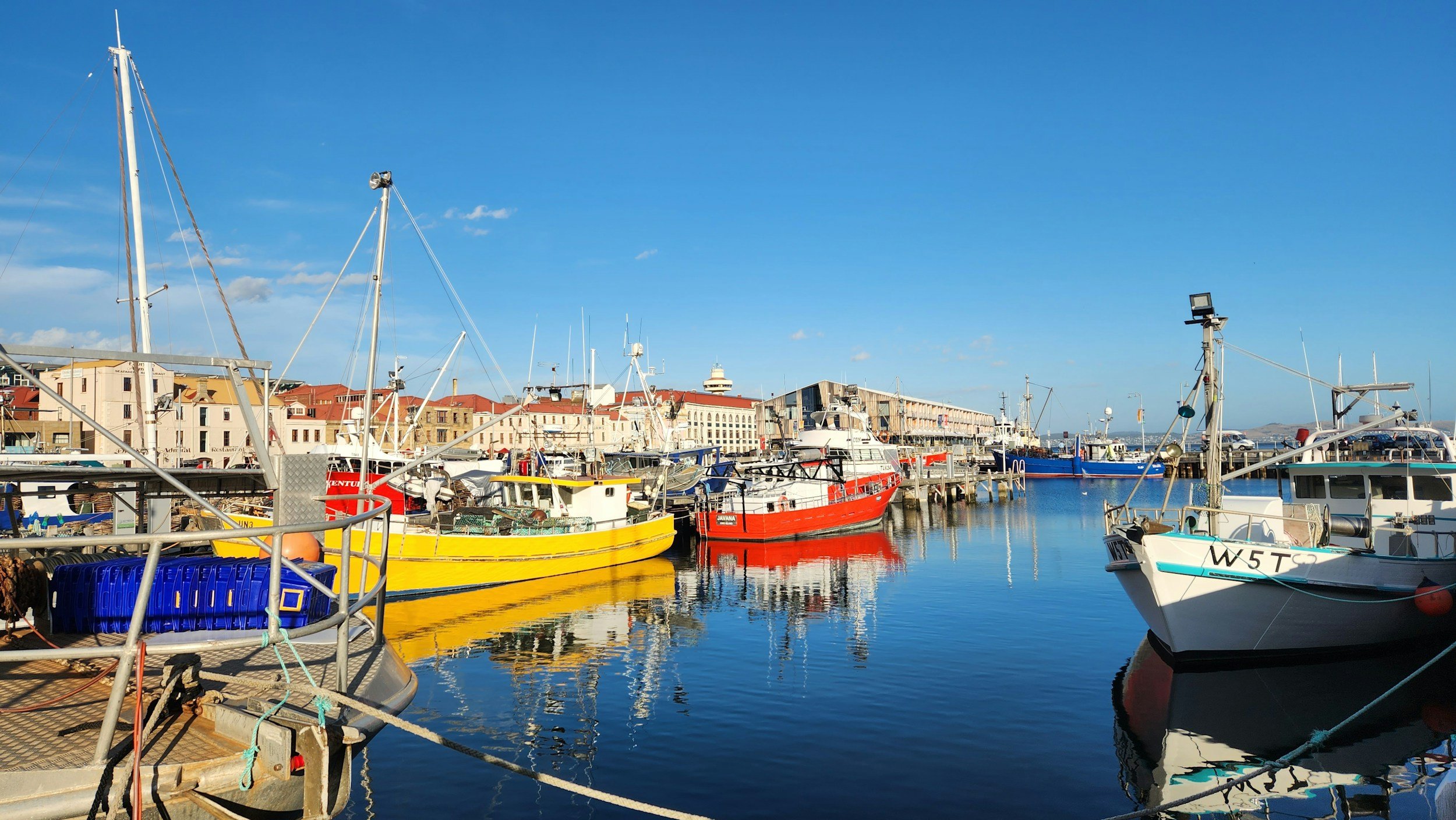
Hobart Harbor
What to Eat?
Tasmanians are incredibly proud of their local produce, and after a few days on the island, you will understand why.
As you drive through Tasmania, you will see roadside apple stalls, small farm cafés, and signs for locally brewed cider. Pull over. Taste what is in season. The apples are crisp,

Hobart’s waterfront comes alive on Saturdays with Salamanca Market, a huge outdoor market selling artisan crafts and fresh produce. In Tasmania’s summertime (December to February), you can hear live music everywhere downtown.
What should you eat? In Hobart, get the seafood, specifically lobster, salmon, and black truffles.
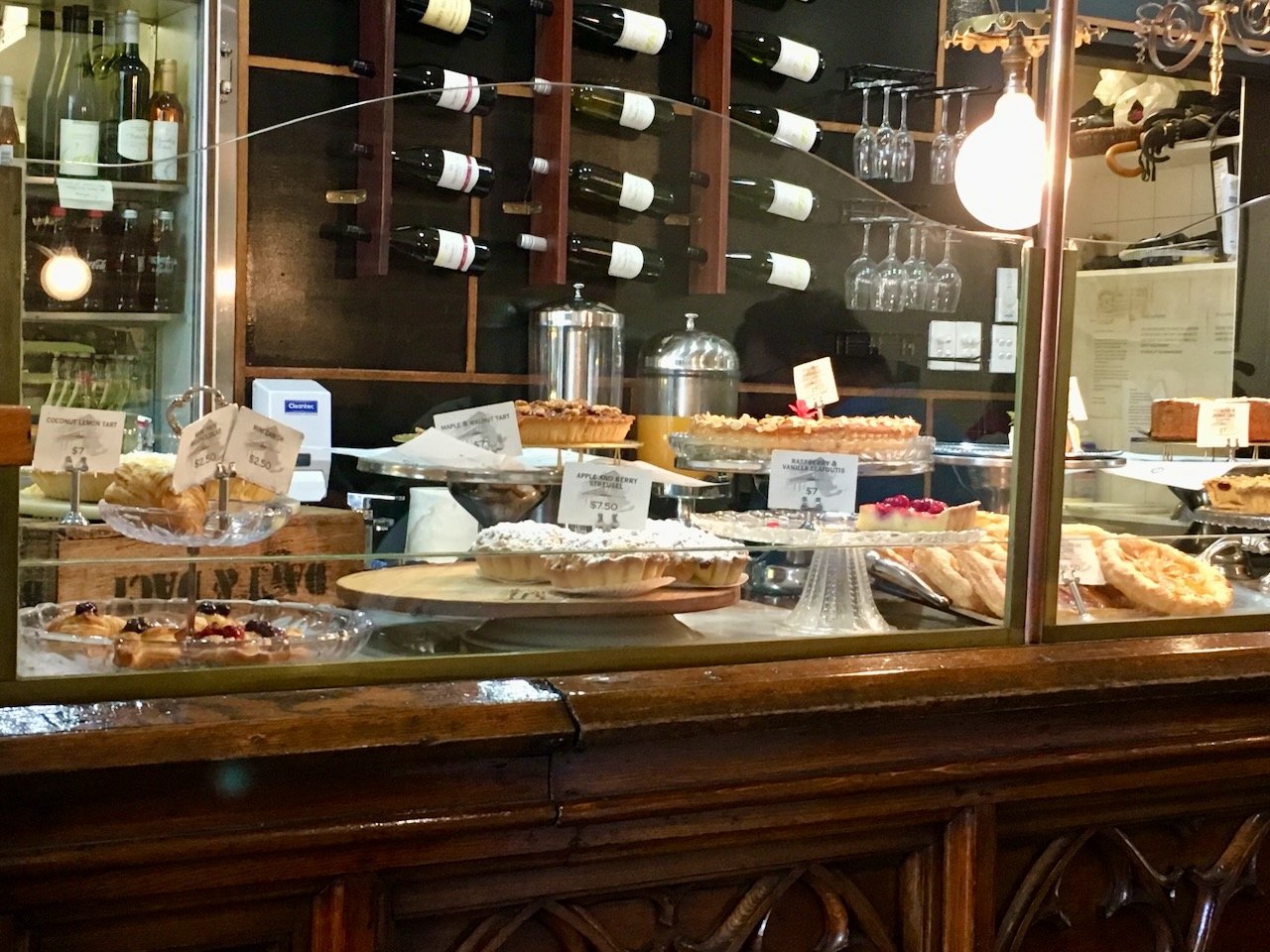
A restaurants to recommend:
Templo - A cozy, intimate restaurant serving Mediterranean-inspired dishes.
Franklin - Modern Australian cuisine with a focus on local, seasonal ingredients.
Mures Upper Deck - Fresh seafood with stunning waterfront views.
Daci & Daci Bakers - A perfect spot for breakfast or a sweet treat.
Coffee Shops
Tasmania may be wild and rugged, but Hobart takes its coffee seriously.
After early mornings chasing light or long days exploring the island, a strong flat white becomes essential.
Villino Coffee - Specialty coffee roaster with a warm, welcoming vibe.
Machine Laundry Café - A quirky café offering great coffee and brunch options.
Hobart Coffee Roasters —fantastic flat whites
Somewhere Coffee Bar — The best coffee we had in Hobart. Simple space, serious focus on quality. If you only have time for one, make it this one.
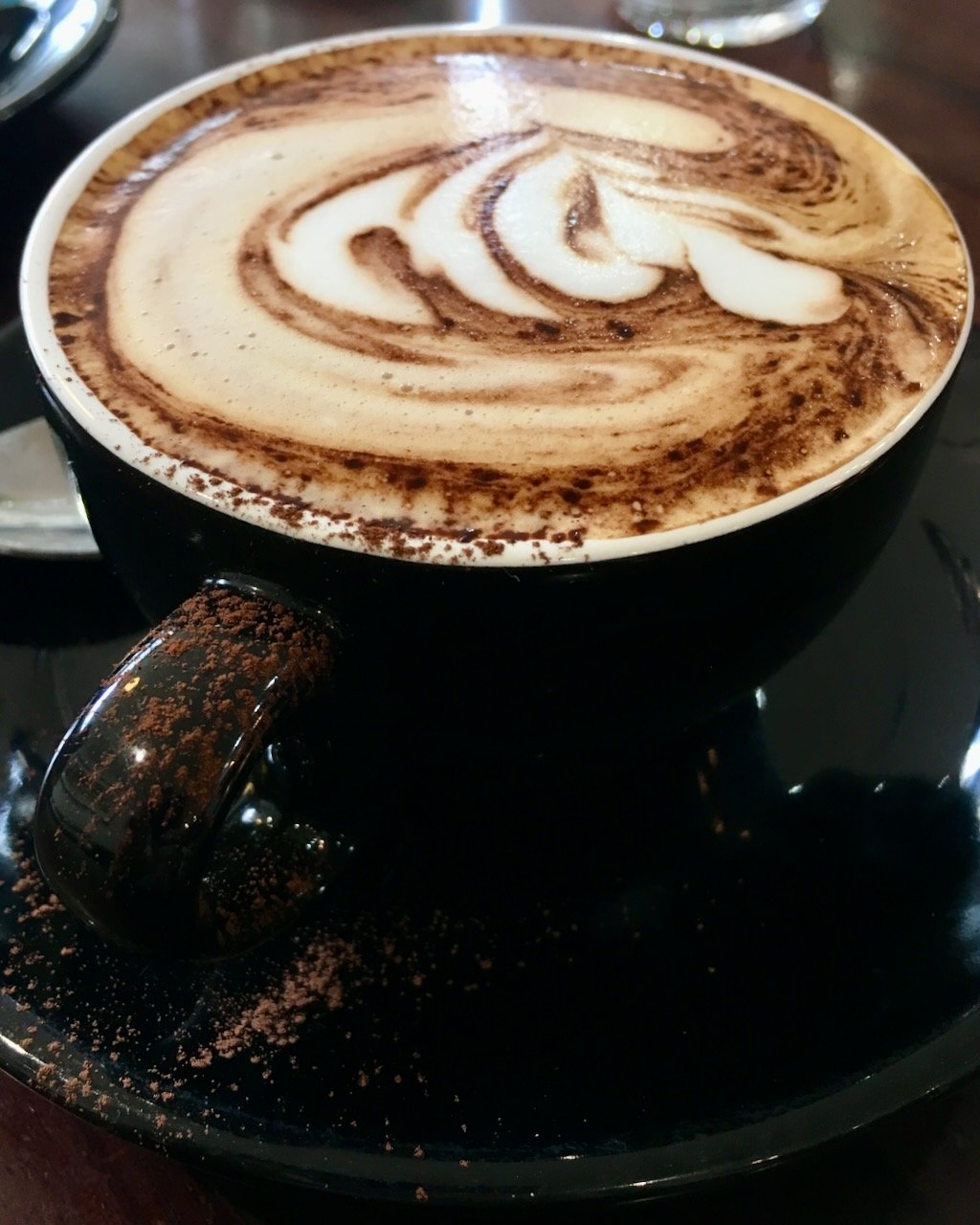
Somewhere Coffee Bar in Hobart
Visiting Whisky Distilleries
We visited Lark and Nant (sold in 2016).
it was a fantastic experience to visit Lark Whiskey in Hobart. We took a tour and sampled the whiskeys, and ended up buying a few small bottles to take home with us.
Photography Gear to Bring
Camera Models: Canon EOS R5, Nikon Z7 II, Sony A7R IV
Lenses:
Wide-angle lens (16-35mm) for landscapes
Standard zoom lens (24-70mm) for versatile shooting
Telephoto lens (70-200mm) for wildlife and distant subjects
Tripod: Essential for long exposure and low light photography
Filters: ND filters for controlling light and polarizing filters for reducing reflections
The Best Photography Locations
We need to go back to Tasmania. Our stay was simply too short. This island is larger, wilder, and more diverse than you expect. You cannot see it all in one trip, and that is part of its charm.
Let’s start with Hobart.
Hobart
Hobart is absolutely adorable. It is compact, creative, and beautifully positioned between the harbor and the mountains.
You can spend days here without feeling rushed. Coffee in the morning. Art galleries in the afternoon. Fresh seafood by the waterfront in the evening. The rhythm is relaxed, but visually rich.
For photographers, Hobart offers a strong variety.
Salamanca Place gives you historic sandstone buildings and harbor views.
The waterfront offers reflections at sunrise and during the blue hour.
And looming above it all is Mount Wellington, which adds scale and drama to almost every skyline composition.
When to shoot:
Sunrise along the harbor is calm and beautiful. Early evening along the waterfront also works well, especially when boats begin to glow against the fading sky.

Stroll along the waterfront. Wander through the galleries and boutiques in the historic Georgian warehouses of Salamanca. Drink delicious coffee while sitting in wonderful cafes. Sip whisky in a tiny bar. Pick up a handcrafted gift at Salamanca Market. Catch the ferry to Mona.

The famed Salamanca Market has been a Saturday tradition for more than 50 years, and the city’s food scene is dynamic. .

Cafes, restaurants, and bars transform Tasmania’s famously fresh produce into seasonal plates of delicious foods

Mount Wellington
Mount Wellington, known locally as kunanyi, is Tasmania’s most visited natural attraction, and once you reach the summit, you understand why.
The mountain rises dramatically above Hobart, offering sweeping views over the city, the Derwent River, and the surrounding wilderness. The scale is impressive. On a clear day, you can see for miles.
Access to Wellington Park is free, and it is open most of the time, though conditions can change quickly. Always check the weather before heading up.
The drive from Hobart to the summit is about 21 kilometers and takes roughly 30 minutes. The road winds steadily upward, and the landscape shifts as you climb.
When to shoot:
Sunrise can be spectacular if the skies cooperate. Late afternoon also works well, especially if clouds add texture to the scene.

Bonorong Wildlife Sanctuary
Just 30 minutes north of Hobart sits one of Tasmania’s most meaningful wildlife experiences, Bonorong Wildlife Sanctuary.
Bonorong is not a zoo. It is a working wildlife rescue center run by a passionate team committed to protecting Australia’s native species. When you visit, you are directly supporting their rehabilitation and conservation efforts.
You will see kangaroos roaming freely, wombats with their unmistakable waddle, and of course, the iconic Tasmanian devil.
The Tasmanian Devil
The most famous resident is the Tasmanian devil. Sadly, their population has declined dramatically due to a contagious facial tumor disease that has devastated wild populations.
Seeing one up close is powerful. They are smaller than many people expect, but full of energy and personality. Bonorong plays an important role in breeding and conservation programs designed to protect the species and stabilize their numbers.
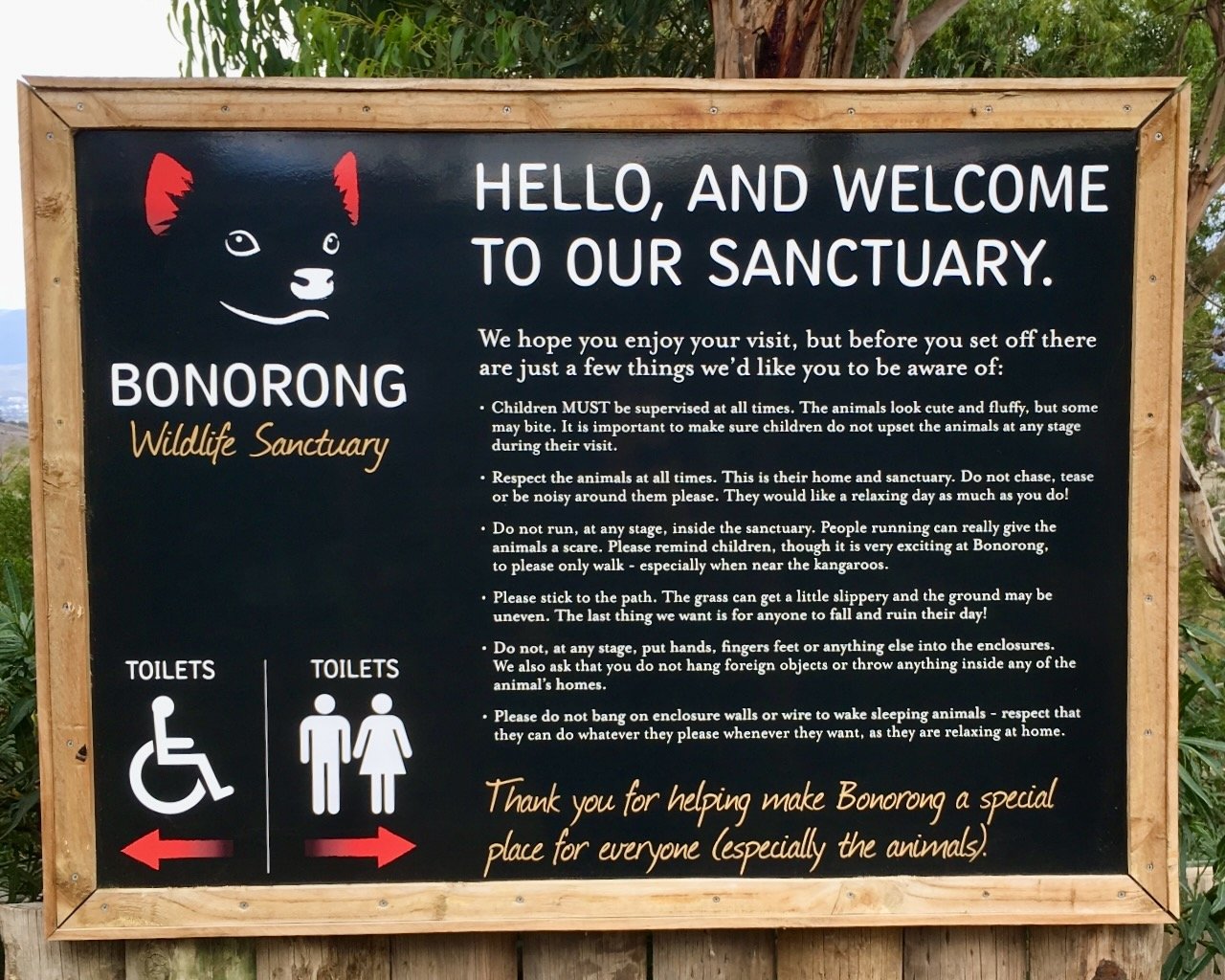
We arrived at Bonorong on a beautiful morning. We were given small paper bags containing pellet food and directed into the sanctuary. There were tons of kangaroos on the grassy hill, just over 100 of them.

Tasmanian Devil
The kangaroos knew what we were carrying, and it did not take long before bunches of them hopped over to us. Watching my wife feeding the kangaroos was something I will never forget.
We offered the kangaroos small handfuls of food, which they ate right from the palms of our hands. It was amazing how tame and patient they were.


Museum of Old & New Art (MONA)
Usually known simply as MONA, the Museum of Old and New Art is one of the most provocative museums I have ever visited.
Before we went, someone told us, “You will either love it or hate it, but you will never forget it.” They were absolutely right.
What Makes MONA Different
MONA is not your traditional museum experience.
Founded by Tasmanian entrepreneur David Walsh, the museum blends ancient artifacts with contemporary art in a way that feels bold, raw, and sometimes confrontational. It challenges you. It makes you think. It may even make you uncomfortable.
And that is the point.
The building itself is carved into sandstone along the banks of the Derwent River. You descend into the museum rather than walk up grand steps. The layout feels like a maze, which adds to the sense of discovery.
Getting There Is Part of the Experience
Many visitors take the MONA ferry from Hobart along the Derwent River. I highly recommend it. The approach by water builds anticipation and offers beautiful views back toward the city.
For photographers, the ferry ride alone is worth bringing your camera.
The museum contains owner David Walsh's AUS$110 million private collection of art and antiquities and cutting-edge special exhibitions. So, who exactly is David Walsh? The short answer is that David Walsh, among many things, is an Australian businessman and avid art collector who made his vast fortune through gambling. He took his fortune and varied art collection and started MONA, Australia’s largest privately owned museum.

You will take a ferry from the Harbor in Hobart to reach the museum. MONA is a 40-minute ferry ride up the Derwent River. Once you arrive, you will walk through a long tunnel that brings you into the museum.
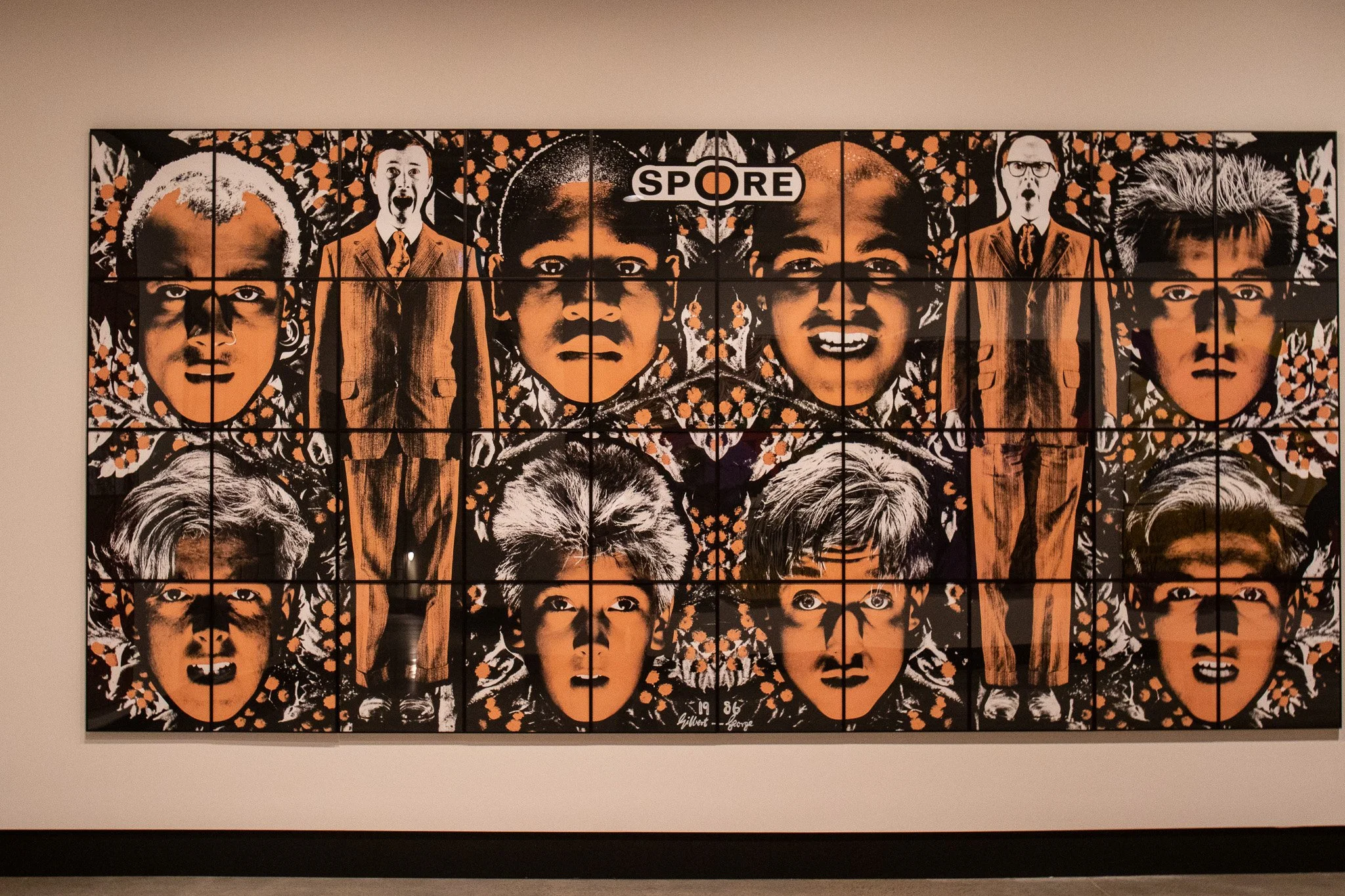
Since its shock-and-awe opening in 2011, the Museum of Old and New Art has been called many things, including “a subversive adult Disneyland.”

Final Thoughts
Tasmania is the kind of place that makes you plan your return before you even leave.
On our next visit, I would slow it down and design the trip with photography in mind.
We would begin with a few relaxed days in Hobart. Early mornings along the waterfront, coffee in town, and sunset views from Mount Wellington. Hobart has an easy rhythm that helps you settle into the island.
From there, I would head to Bruny Island. Rugged coastlines, dramatic cliffs, and moody skies make it a dream for landscape photographers. Sunrise and late afternoon light here can be spectacular.
Next, we would drive northwest to Strahan. This part of Tasmania feels remote and cinematic. Mist over the water in the early morning gives you that soft, layered look that works beautifully for both wide landscapes and tighter compositions.
Then it would be time for Cradle Mountain-Lake St Clair National Park. If you love hiking and photography, this is your place. Alpine scenery, reflective lakes, changing weather. Bring patience. Wait for the light to break through. It often does.
After that, I would continue northeast toward the countryside around Scottsdale. Fewer tourists, rolling farmland, quiet roads. This is where you can slow down and look for details, textures, and storytelling images.
If you are interested in joining one of my photography workshops, you can find the details through the link. You can also follow along on Instagram, Facebook, or subscribe to my newsletter for more travel photography tips and behind-the-scenes insight.
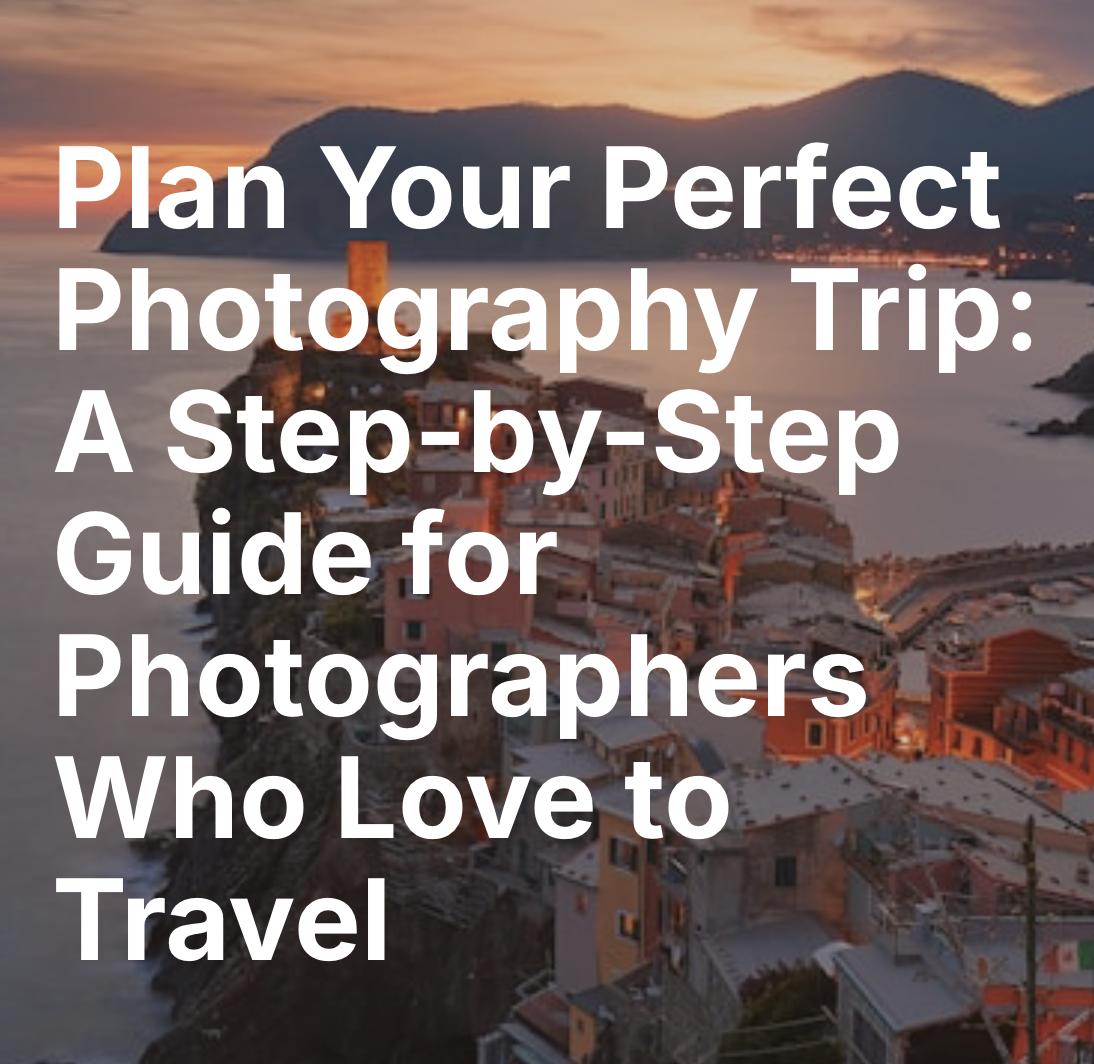
Are you carrying too much camera gear… but still coming home with disappointing travel photos?
You’re not alone. Most travel photographers fall into “The Packing Trap” — overpacking, under-planning, and constantly scrambling to capture the shot… while missing the moment.
This powerful, step-by-step eBook is your shortcut to a better way.
The 5-Step Photographer’s Guide to Planning the Perfect Travel Adventure is a field-tested blueprint that helps you:
Travel light without sacrificing image quality
Plan smarter trips that lead to better, more intentional photos
Find breathtaking destinations at the perfect time
Create a shoot-ready itinerary that works with your creative style
Avoid the stress, fatigue, and overwhelm that kills your best work
Written by travel photographer Vito L Tanzi, it’s the system I personally use to craft stress-free photo trips that result in his best images.
Whether you're heading off on your first international shoot or leveling up your local weekend getaways, this guide will help you make the most of every trip.
📸 Format: PDF download