My Photography & Travel Guide to Budapest, Hungary
I first visited Budapest in October 2016, a few months after I picked up a camera for the first time. I did not have great weather, and I was just beginning to understand what I was doing. Seven years later, I returned to a Scott Kelby photography workshop in April 2024 specifically to retake shots, find new locations, and see how much had changed between the photographer who arrived in 2016 and the one who came back in 2024.
The answer was: quite a lot. And Budapest was just as extraordinary the second time.
The Chain Bridge at sunset is the image most people associate with Budapest, and it earns the association completely. The Parliament lit at blue hour from across the Danube. Fisherman's Bastion at sunrise, before anyone else is there, with the stone towers catching the first warm light and the river below turning from grey to gold. These are not just photography subjects. They are the kind of views that stop you before the camera comes up.
We hired a local photography guide on the first evening, and it made an extraordinary difference. Miklos Mayer, who runs Hungary Photo Tours, brought us to locations we would not have found independently. Three hours with the right guide produces images that three days of independent exploration might not. I will say more about this later, and I recommend it strongly to any photographer visiting Budapest for the first time.
Sunset by the Chain Bridge with the Parliament
Budapest divides itself neatly for photographers: the Chain Bridge and the Parliament on the Pest side for golden hour and blue hour, Fisherman's Bastion and Gellért Hill on the Buda side for sunrise and elevated views. The city is compact, walkable, and endlessly photogenic at every hour of the day.
In this Photography Guide to Budapest, I share what two visits have taught me: the photography locations, the specific timing for each, where to stay, what to eat, and the guide who made the second trip extraordinary.
What is the best time to visit?
The best time to visit Budapest is during the shoulder season, from April to May and September to November. The weather is mild, and there are far fewer tourists.
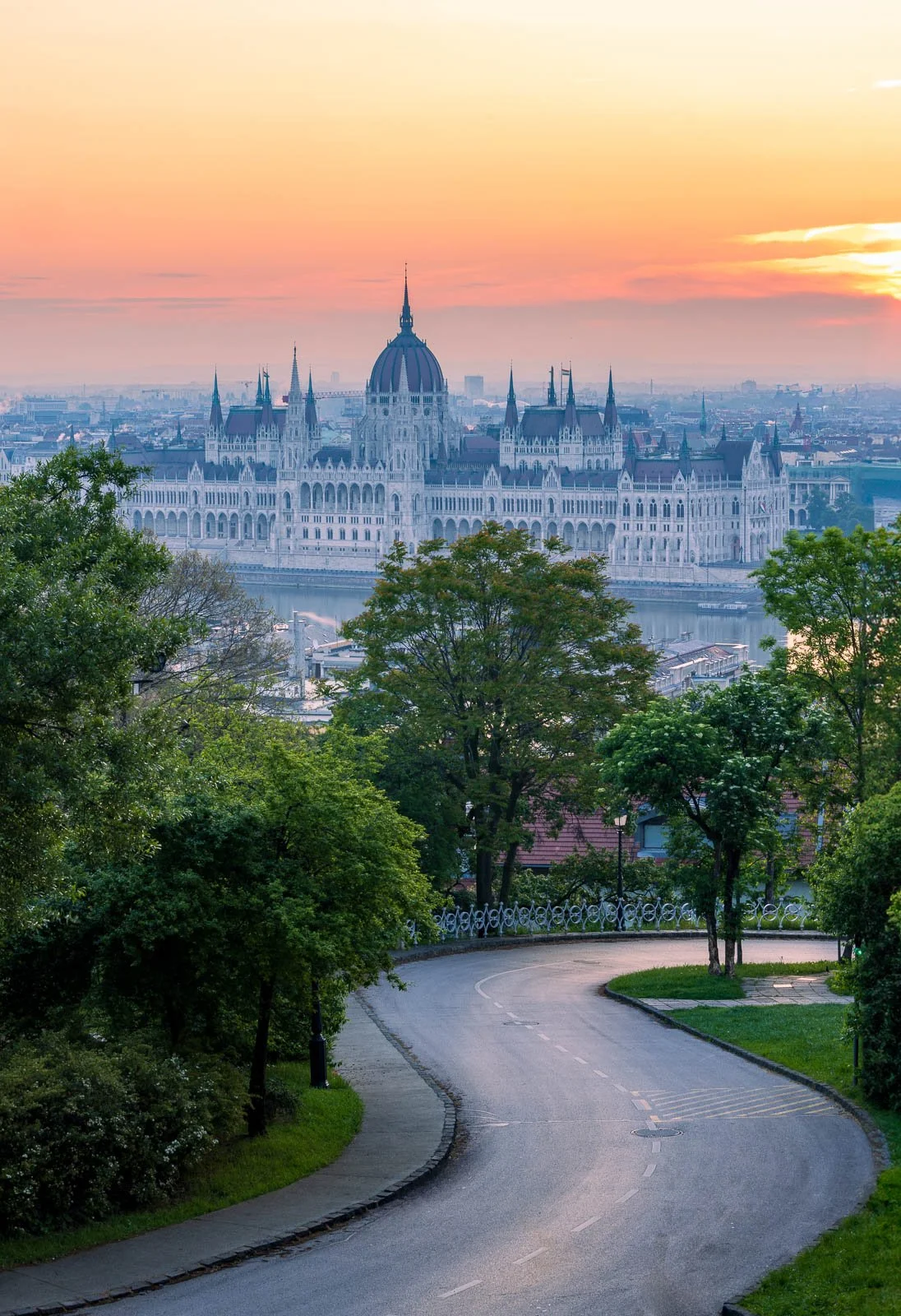
Sunrise at Fishermen’s Bastion
Where to Stay
Stay in District V (Belváros) or District I (Castle District) for the best access to photography. The Danube promenade, the Chain Bridge, the Parliament, and the Pest walkways are all within easy reach of central Pest. Buda Castle and Fisherman's Bastion are a funicular ride or a short walk from the Chain Bridge.
District V (Belváros-Lipótváros): This central district is perfect if you want to be close to iconic landmarks like the Parliament Building and St. Stephen’s Basilica. The Danube River promenade provides excellent sunset shots.
District VII (Erzsébetváros): Known for its vibrant street art and ruin bars, this district offers a unique blend of old and new. Capture the colorful facades and quirky details.
District I (Castle District): For a fairytale atmosphere, stay near Buda Castle. The Fisherman’s Bastion and Matthias Church are must-photograph spots.
Luxury Hotels
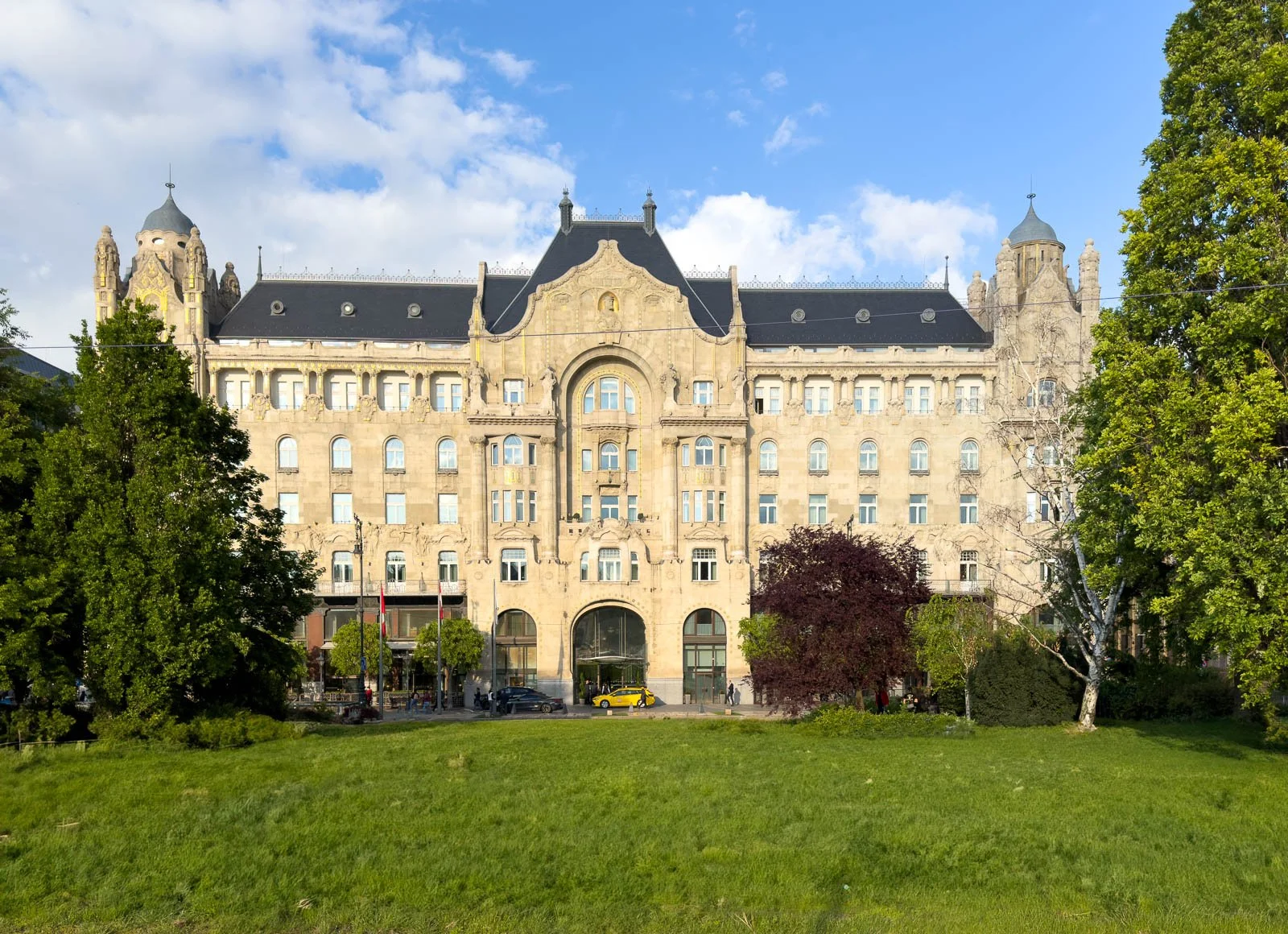
Four Seasons Hotel Budapest at Gresham Palace — The finest and most architecturally remarkable hotel address in Budapest. The Gresham Palace was built in 1906 as a stunning example of Hungarian Art Nouveau, with a stained-glass atrium, hand-crafted iron gates, and mosaic floors that make the building itself one of the great photography subjects in the city. The hotel sits directly opposite the Chain Bridge on the Pest side of the Danube, which means the view from chain-bridge-facing rooms and the hotel terrace is the most iconic view in Budapest. The service is the Four Seasons standard applied to a building that deserves it. For photographers, the combination of the hotel's exterior architecture, the Chain Bridge view, and the proximity to every major Pest location makes this the finest base in the city.
Anantara New York Palace Budapest Hotel — One of the most dramatic hotel buildings in Europe. The New York Palace was completed in 1894 as an insurance company headquarters and contains the legendary Café New York on the ground floor, often described as the most beautiful café in the world, with painted ceilings, marble columns, bronze balustrades, and a ballroom scale that must be seen in person. The café is a photography destination in its own right and is accessible to non-guests. The hotel rooms are opulent and the service exceptional. For photographers who want to stay inside one of Budapest's most extraordinary interiors, this is the unparalleled choice.
Matild Palace, a Luxury Collection Hotel — An 1901 Art Nouveau palace on the Danube that opened as a Luxury Collection hotel in 2022 after an extensive restoration. The rooftop bar has outstanding Chain Bridge and Danube views that make it one of the finest elevated photography positions in central Pest. The interiors are beautifully restored and the location on Váci Street places you at the center of everything.
Mid-Range Hotels
Corinthia Hotel Budapest — A landmark property on the Grand Boulevard of Budapest, originally built in 1896, with a grand ballroom and a beautifully restored Art Nouveau lobby that are photography subjects in their own right. The Corinthia carries itself with genuine elegance at a price point below the top-tier luxury hotels. Centrally located for both Pest photography and easy access to Buda.
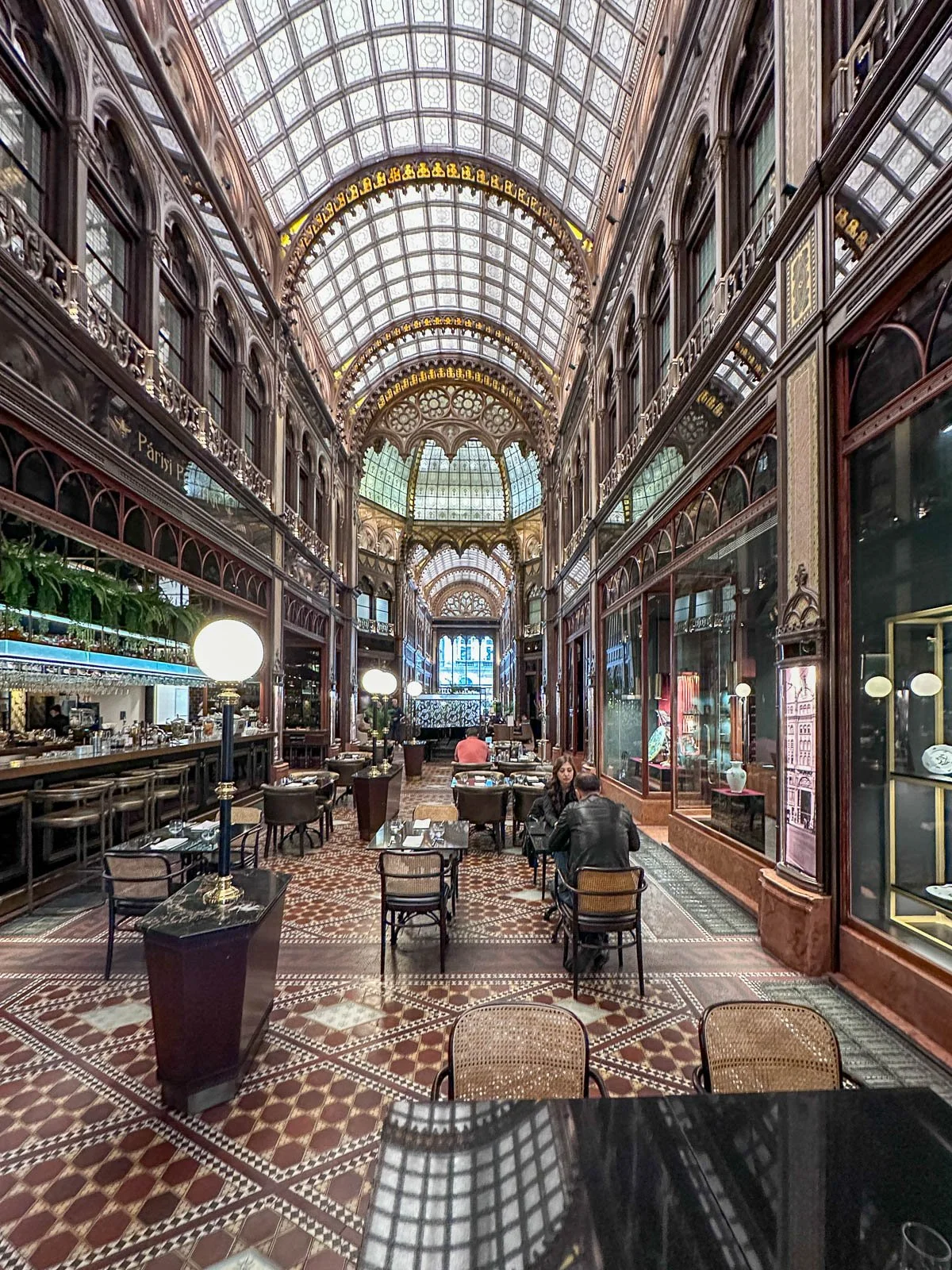
Párisi Udvar Hotel Budapest — The lobby of Párisi Udvar is one of the most extraordinary interior spaces in Budapest: a Moorish-Byzantine atrium with intricate tilework, stained glass skylights, and architecture that makes you understand why the hotel itself appears in the Photography Locations section of this guide. A Hyatt property that delivers good service in a building that deserves to be photographed.
Mercure Budapest City Center Hotel — A reliable mid-range property on Váci Street with comfortable rooms and a central location that puts you close to the Danube waterfront, the Central Market, and St. Stephen's Basilica. A practical and well-positioned base for photographers who want consistent quality without the full luxury pricing.
Where to Eat
The food in Budapest surprised us more than expected. Hungarian cuisine is hearty, specific, and deeply seasonal. The goulash (gulyás) is nothing like the version you may have encountered elsewhere: a rich beef-and-paprika stew that is its own category of comfort food. The chimney cake (kürtőskalács) sold by vendors around the castle and the markets is the best warm street food in the city. And the wines of the Tokaj region, served in good restaurants throughout Budapest, are among the most underrated in Europe.
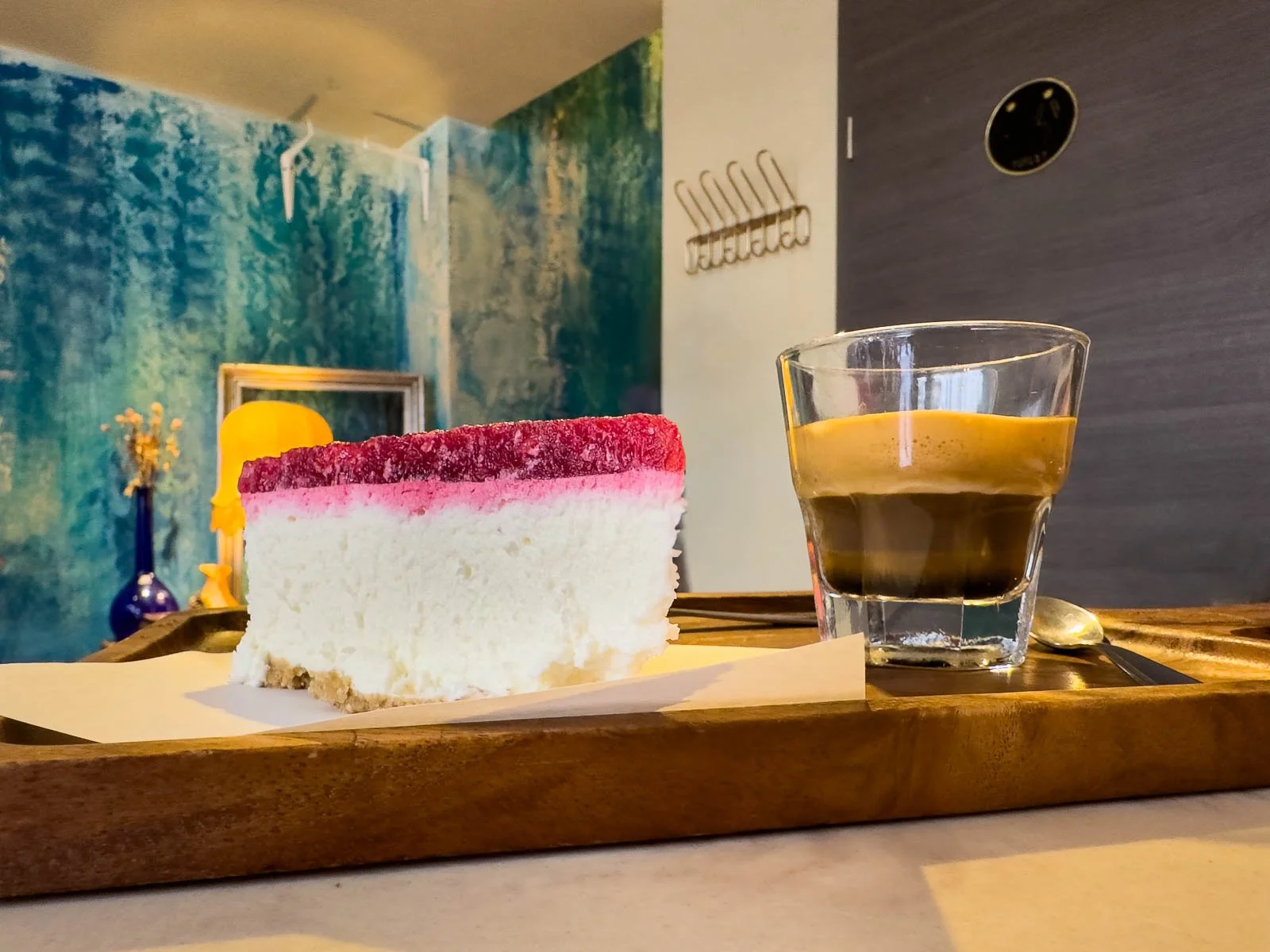
KOLLÁZS Brasserie & Bar at the Four Seasons — Excellent European brasserie dining in the extraordinary setting of the Gresham Palace. The menu combines Hungarian and continental influences with genuine quality. The interior is beautiful and the service attentive. We highly recommend this for a special dinner in Budapest.
Café New York at the Anantara New York Palace — As much a photography experience as a dining experience. The original Café New York opened in 1894 and became the gathering point for Budapest's literary and artistic community. The painted ceilings, the bronze and marble, and the specific scale of the room are extraordinary. Come for coffee and cake in the afternoon when the light through the windows is at its best, or reserve for dinner. Either way, bring the camera.
Borkonyha Wine Kitchen — A Michelin-starred restaurant in the Jewish District serving modern Hungarian cuisine paired with an extensive selection of Hungarian wines. The menu celebrates local ingredients and seasonal produce with a creative intelligence that makes this one of the most interesting restaurant experiences in the city. Reserve in advance.
Gerbeaud Café — Budapest's most historic café, operating on Vörösmarty Square since 1858. The grand Austro-Hungarian interior, the pastries, and the specific atmosphere of a room that has been serving the city for nearly 170 years make it a mandatory stop. The Dobos torte and the Gerbeaud slice are the pastries to order. A landmark that earns its reputation.
Cucina — A reliable and enjoyable restaurant right next to the Mercure Hotel in the City Center. We enjoyed this during our visit and would return. Good food, warm service, and a convenient location for the central Pest photography circuit.
Café Muse — A cozy spot for coffee and cake that we appreciated for the quality and the unhurried atmosphere. The right place to sit between photography sessions and review the morning's work.
Getting Around
The easiest way to get around Budapest is to use the Bolt App. It is like Uber, but Uber does not exist in Hungary. The app is very easy to use, and you know exactly how much you will pay for your ride.
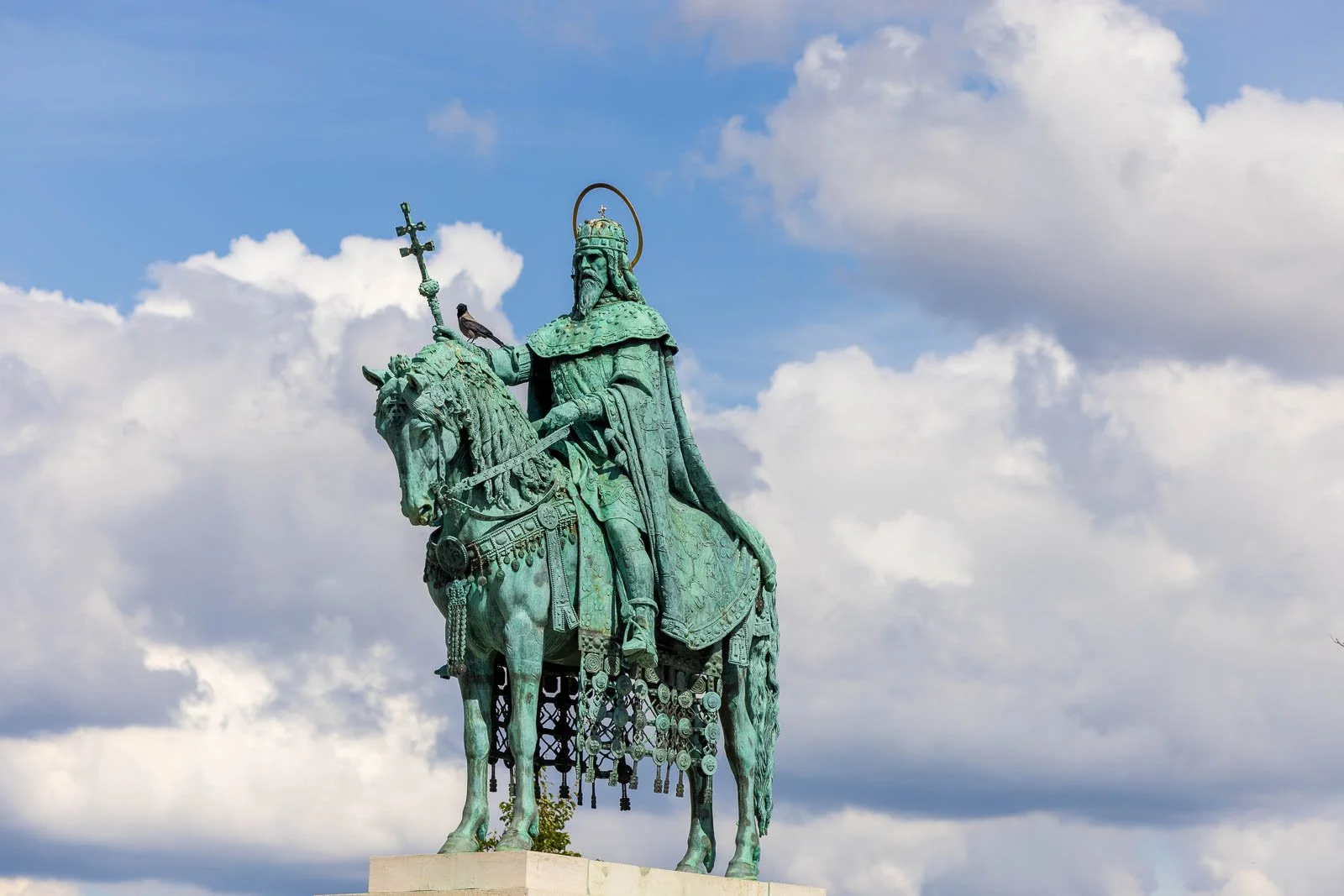
By the Budapest Castle
Photography Gear
For camera bodies, bring a Canon EOS R5 Mark II, Sony A7R V, or Nikon Z8. All three handle the high dynamic range of Budapest at blue hour and the low light of interior locations like the Opera House and Szabo Ervin Library.
For lenses, a 15-35mm or 16-35mm wide-angle and a 70-200mm telephoto will cover everything. The wide-angle handles Fisherman's Bastion, the Parliament interior, and the sweeping panoramas from Gellért Hill. The 70-200mm lens compresses the Danube bridges and the Parliament from across the river.
A tripod is essential. The best Budapest photography happens at blue hour and after dark, when long exposures on the bridges and the Danube are the strongest compositions. ND filters extend your options for long exposures during daylight hours, particularly on the Liberty Bridge tram shots.
Photography Guide Recommendation
If you are looking for a Photography Guide in Budapest, I highly recommend Miklos Mayer. Here is a link to his website, Hungary Photo Tours (his email is mayermiki@gmail.com). On our first night in Budapest, we went out with Miklos for about three hours, which was fantastic. He brought us to locations that we would not have found. He is an amazing photographer and provides excellent guidance on composition.
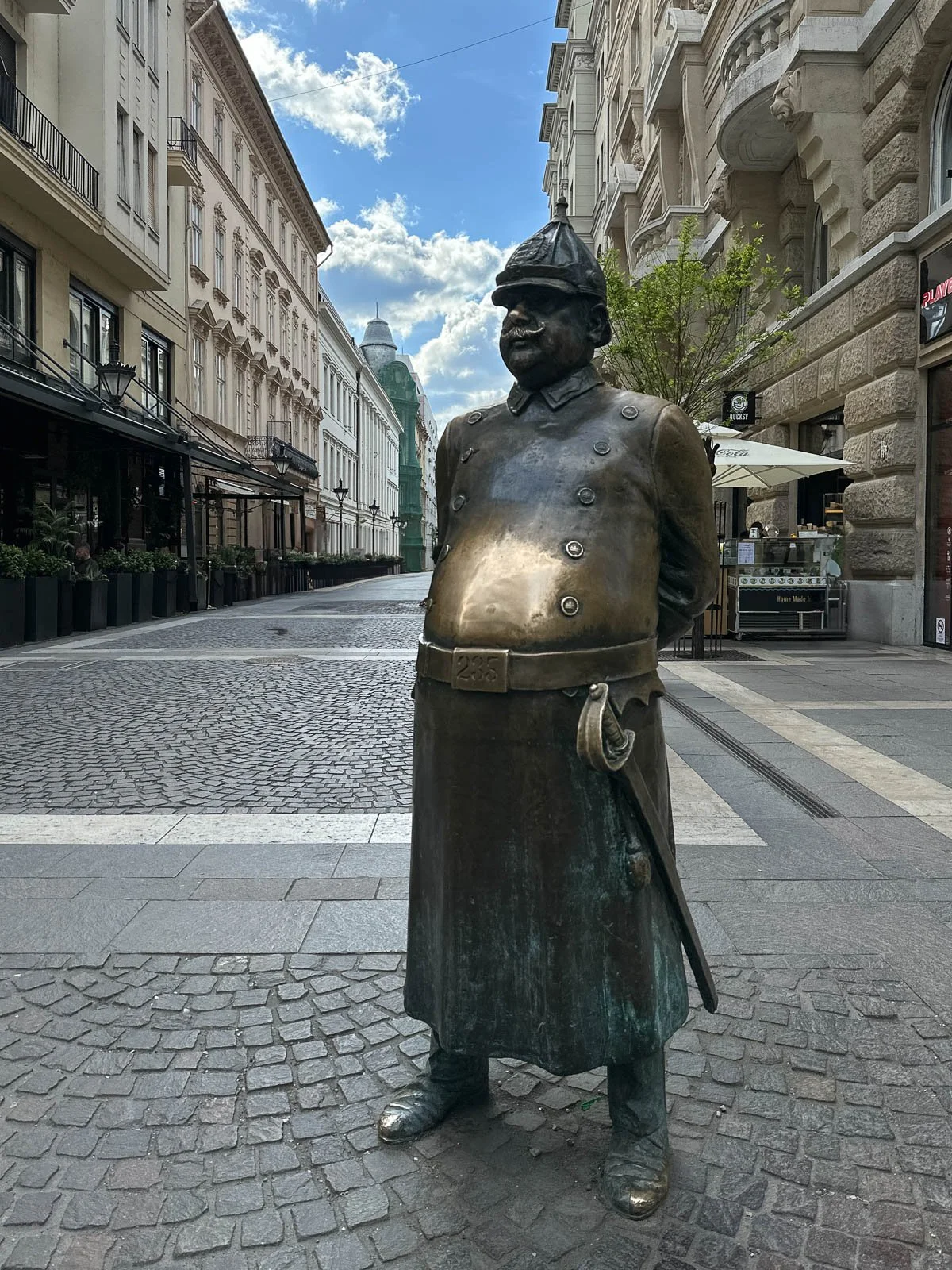
Photography Locations
The Trams
I loved photographing the trams, especially the older ones. I played around with shutter speeds, and as you will see below, there is a wonderful spot by the Liberty Bridge to shoot at sunrise.
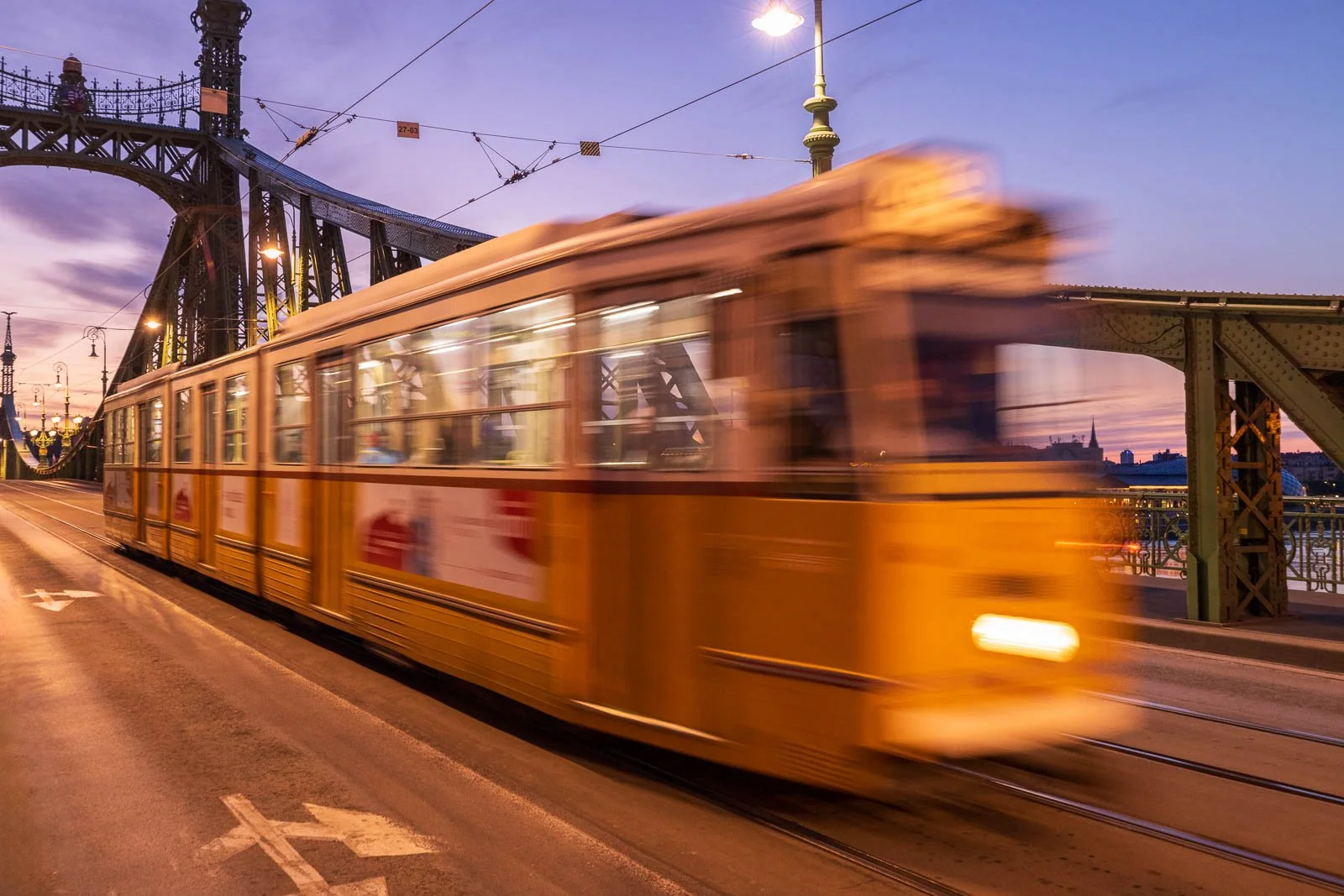
At Sunrise
I loved taking photos showing the trams' movements. The image below was taken from the Chain Bridge towards the Parliament.
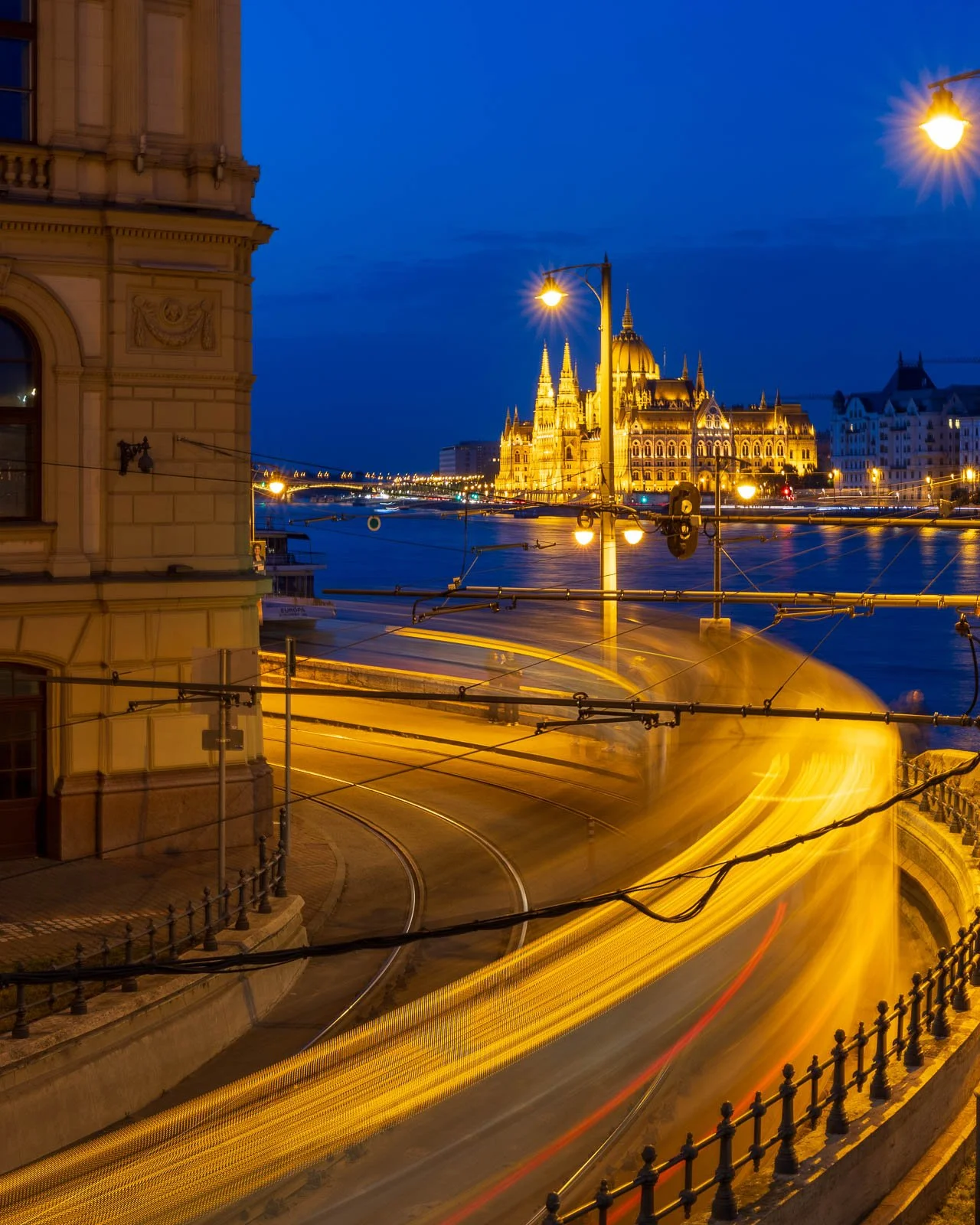
Long Exposure by Chain Bridge Towards Parliament
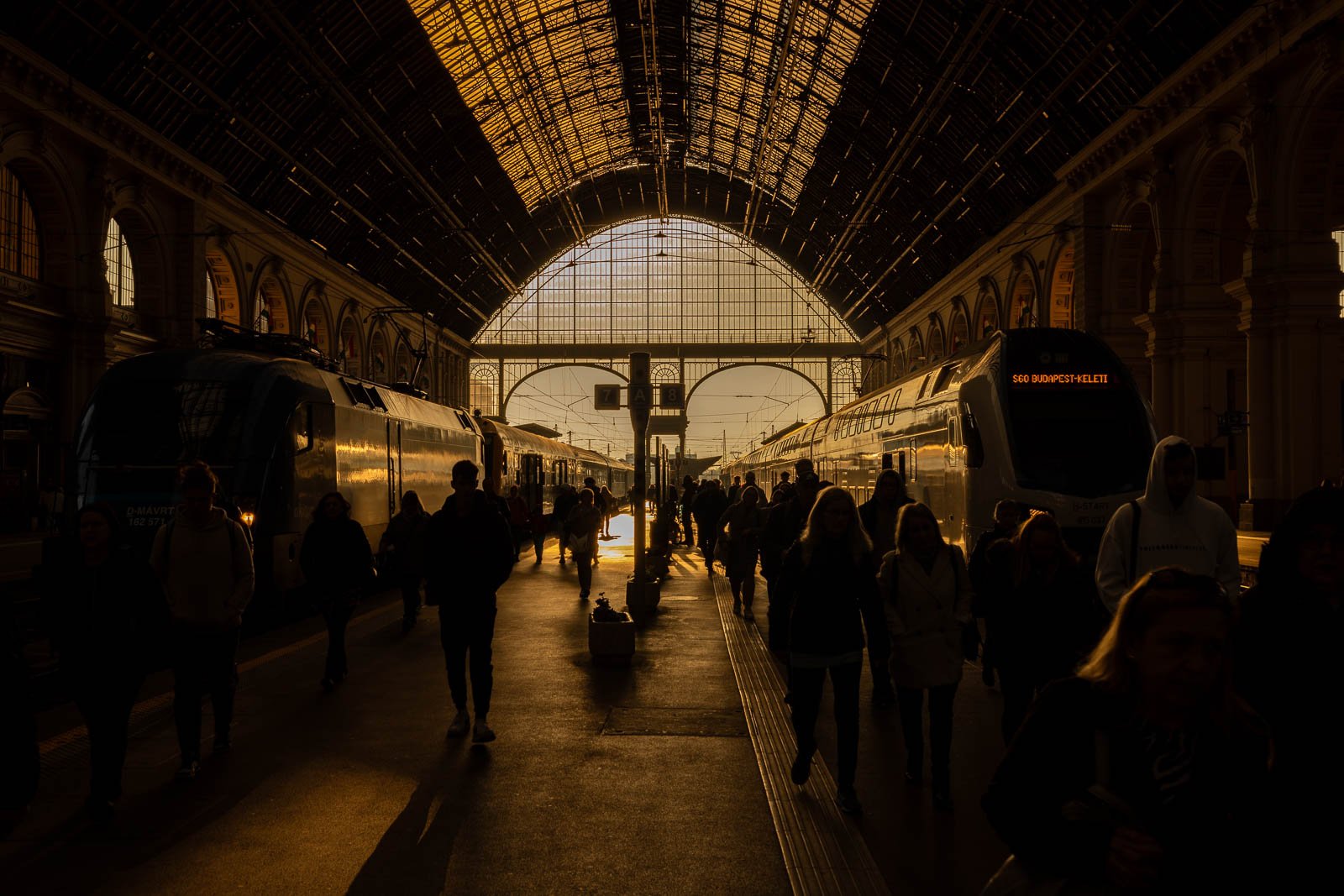
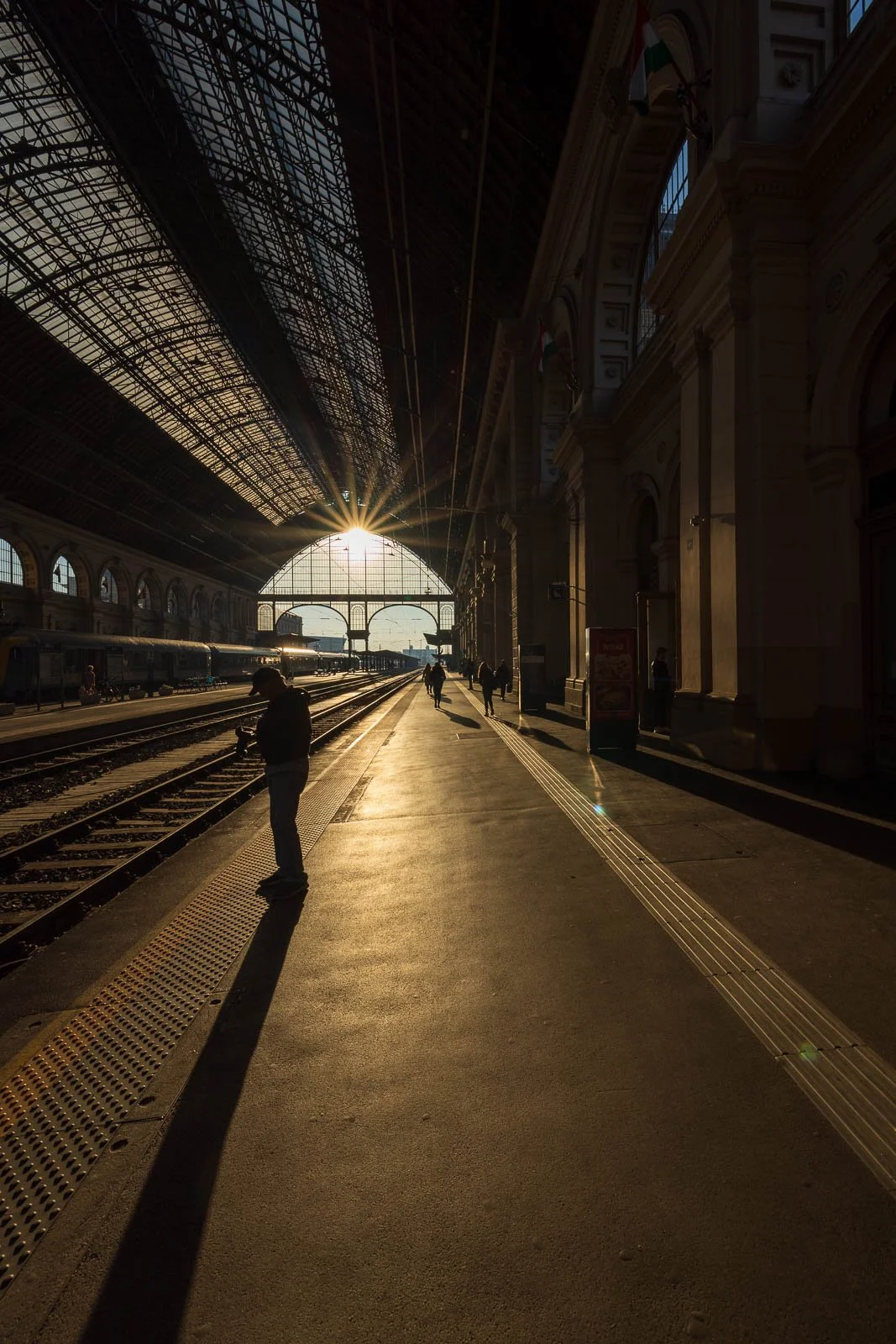
Keleti pályaudvar Train STation
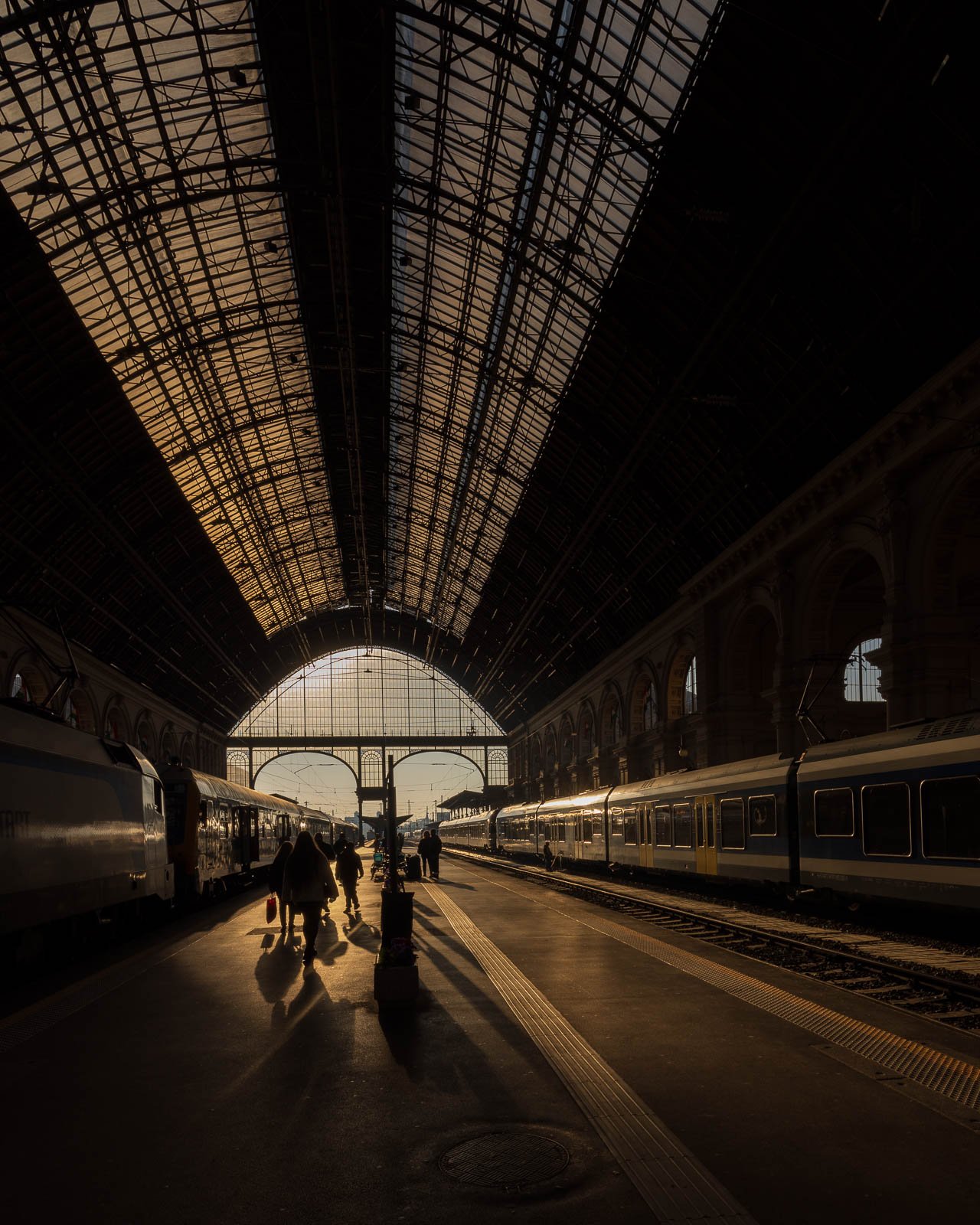
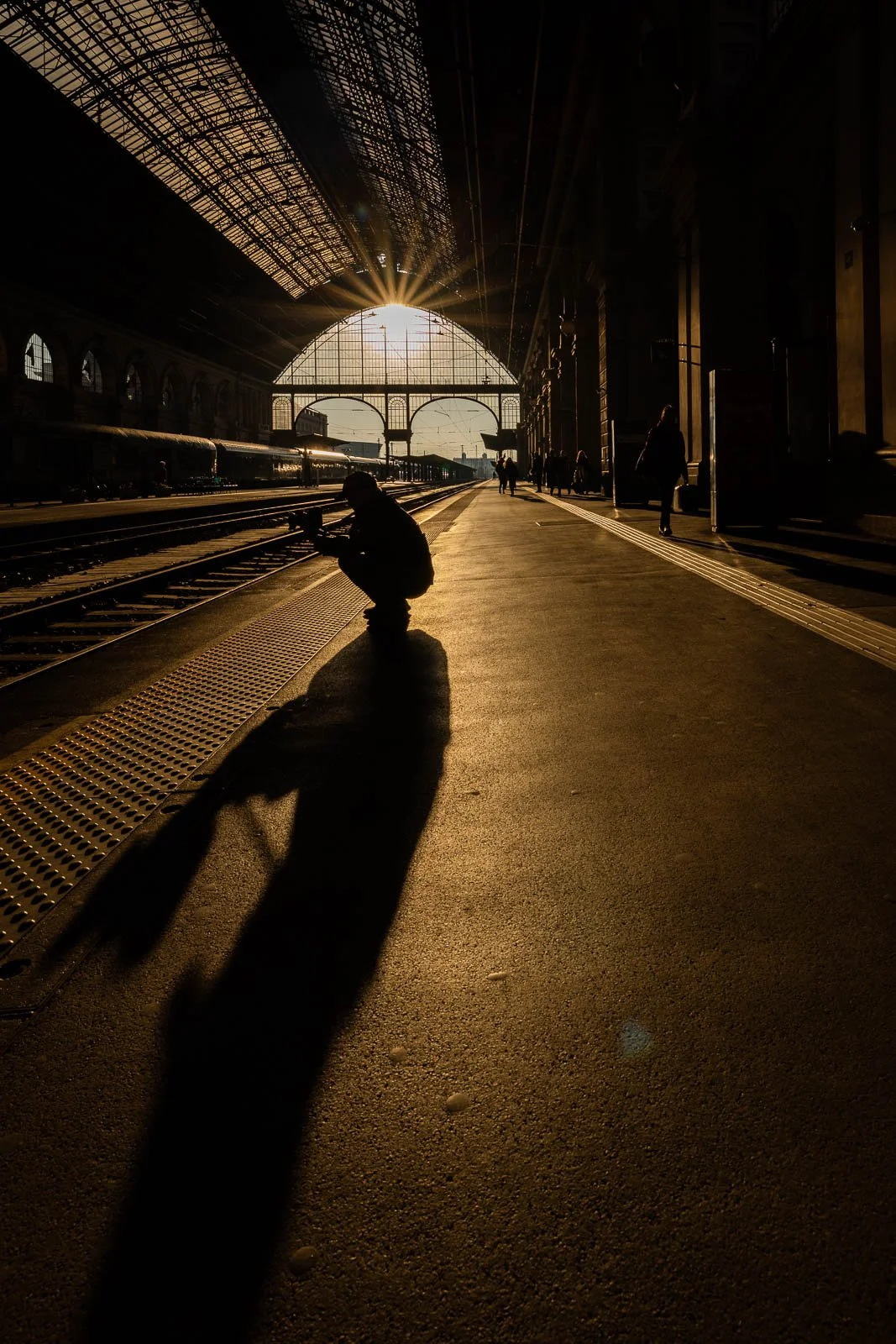
There are train stations, and then there are train stations. The Keleti Pályaudvar train station is fun to photograph early in the morning. You will get reflections of golden light off the trains, making for some wonderful shots. I especially loved the shadows in the morning.
Kálvin Tér Metro Station
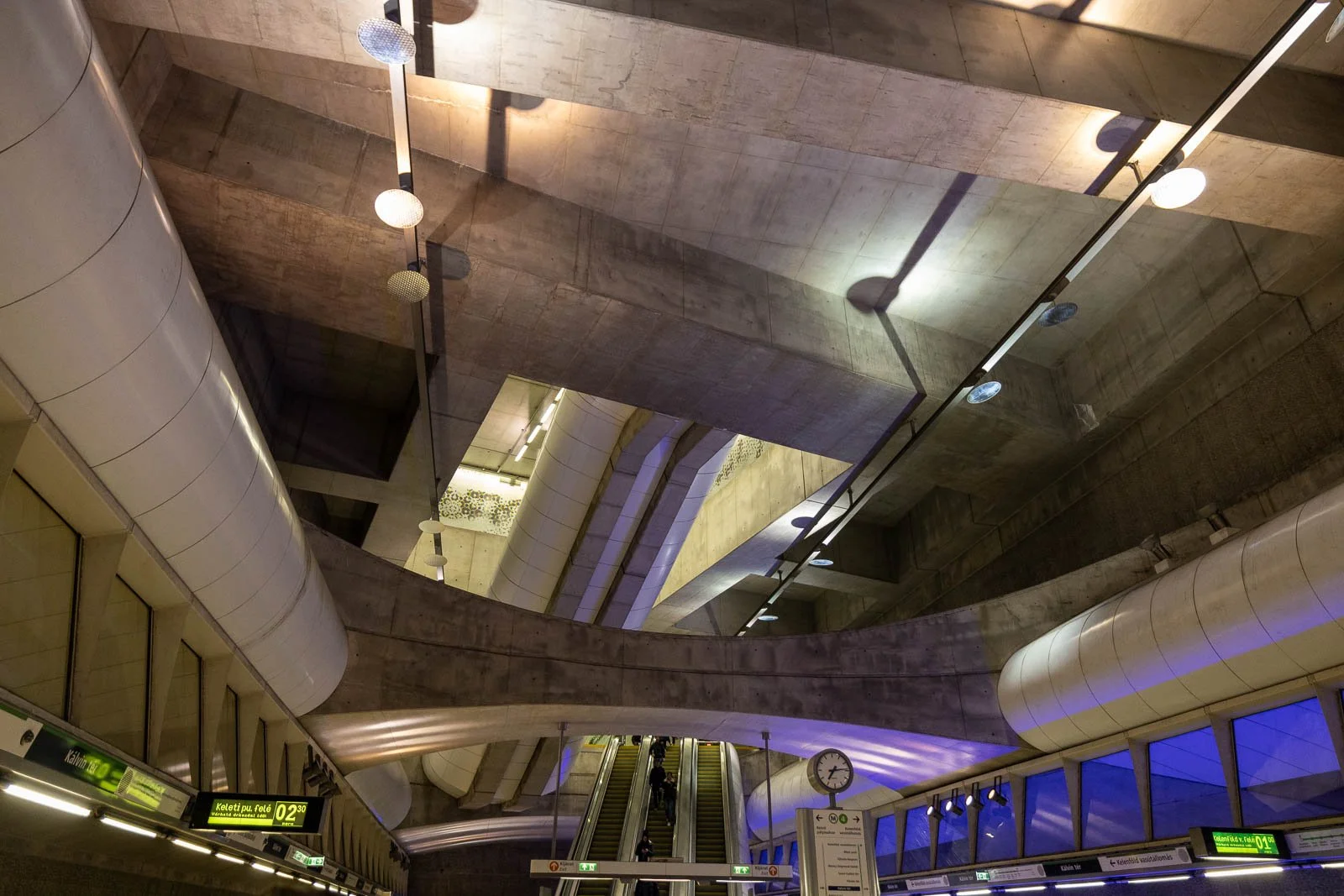
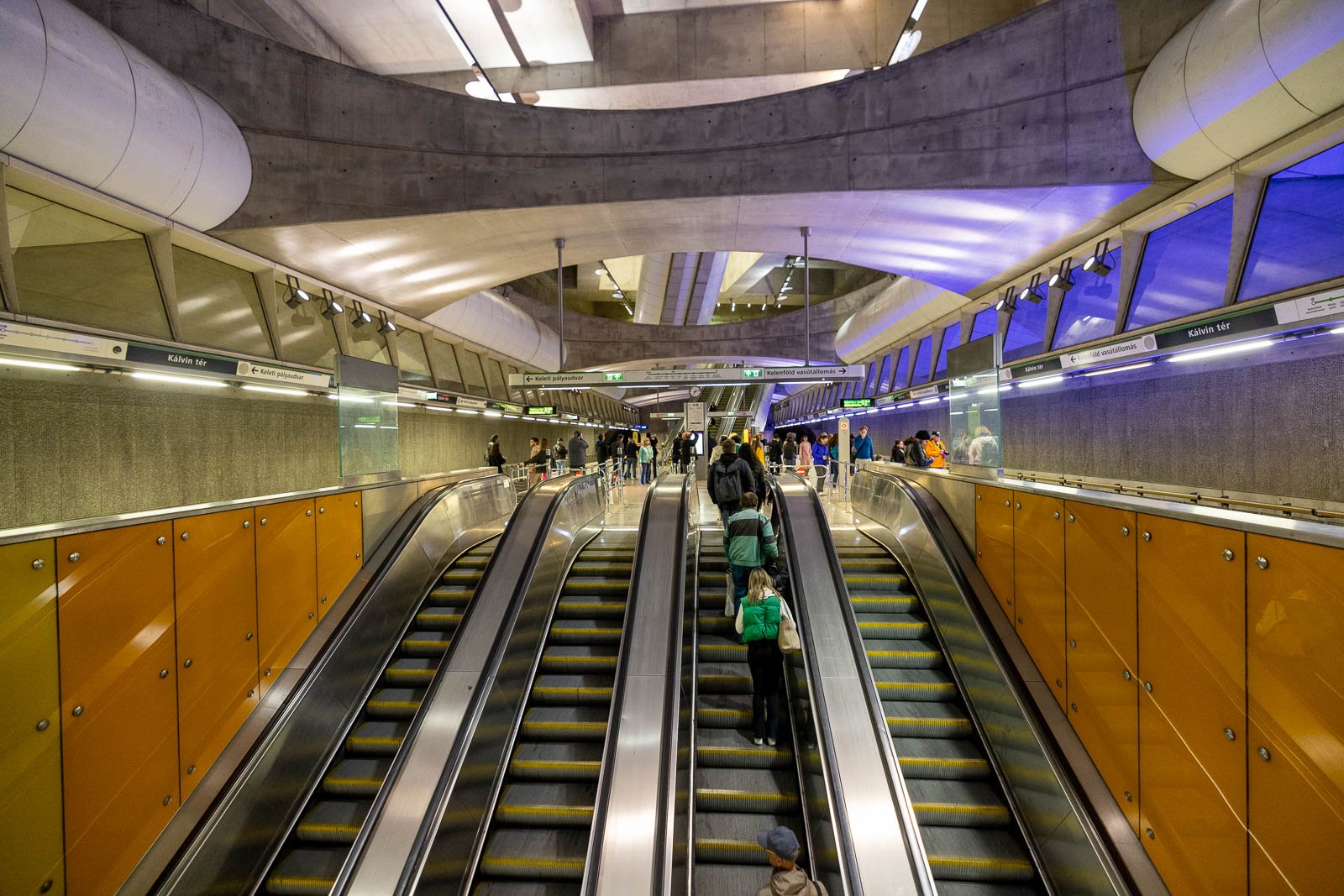
For the past few years, I have loved photographing Metro Stations. The metro stations in London and Moscow are really interesting. We visited a modern, futuristic-looking metro station in Budapest called Kalvin Ter.
Parisi Utvar Hotel
The Parisi Utvar Hotel must have one of the most beautiful lobbies in the world. They did not seem to mind people walking through and taking photos.
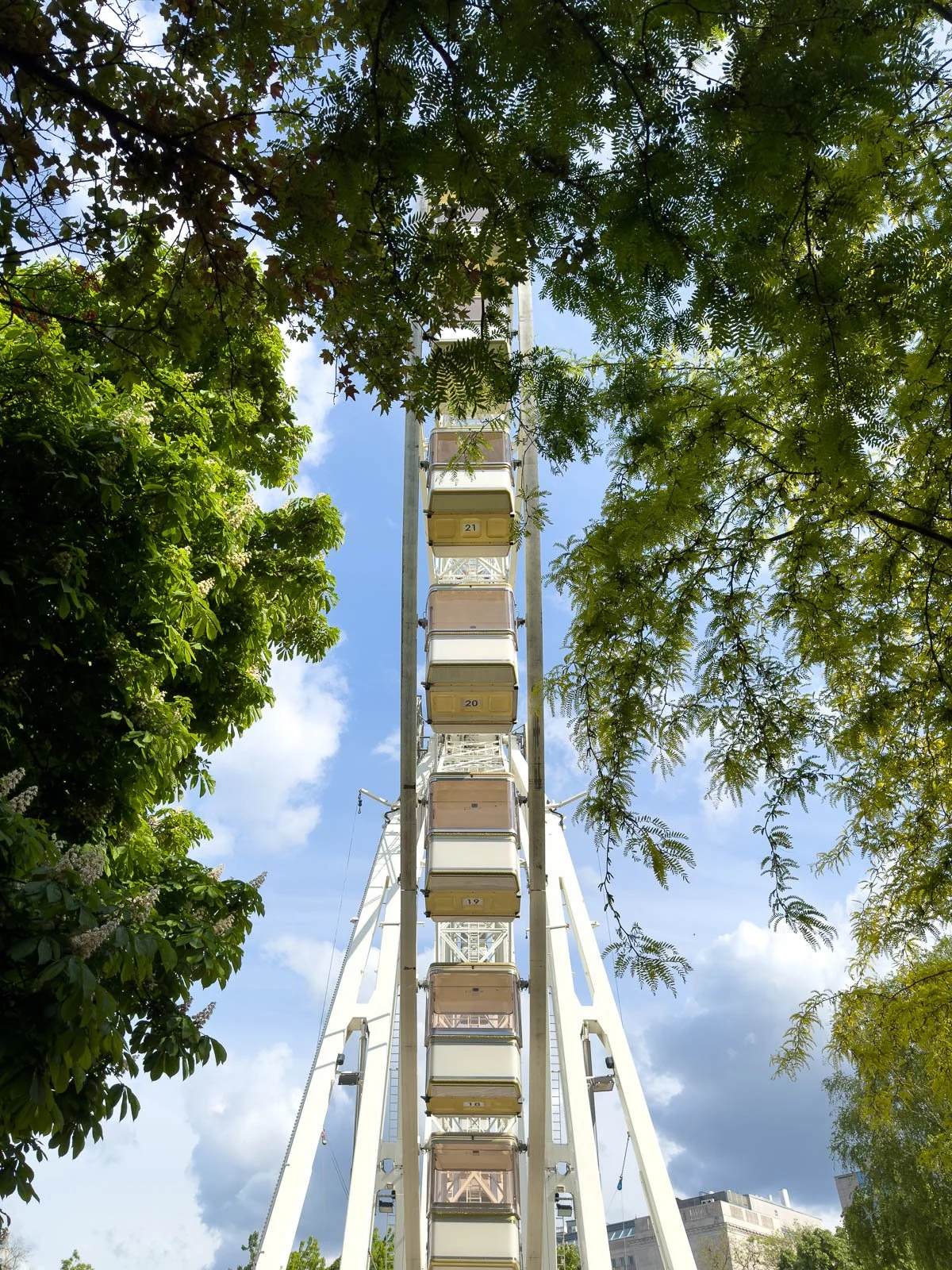
Erzsébet tér (The EYE)
So many cities have installed Ferris Wheels. This one in Budapest looks very similar to the ones in London and Dubai.
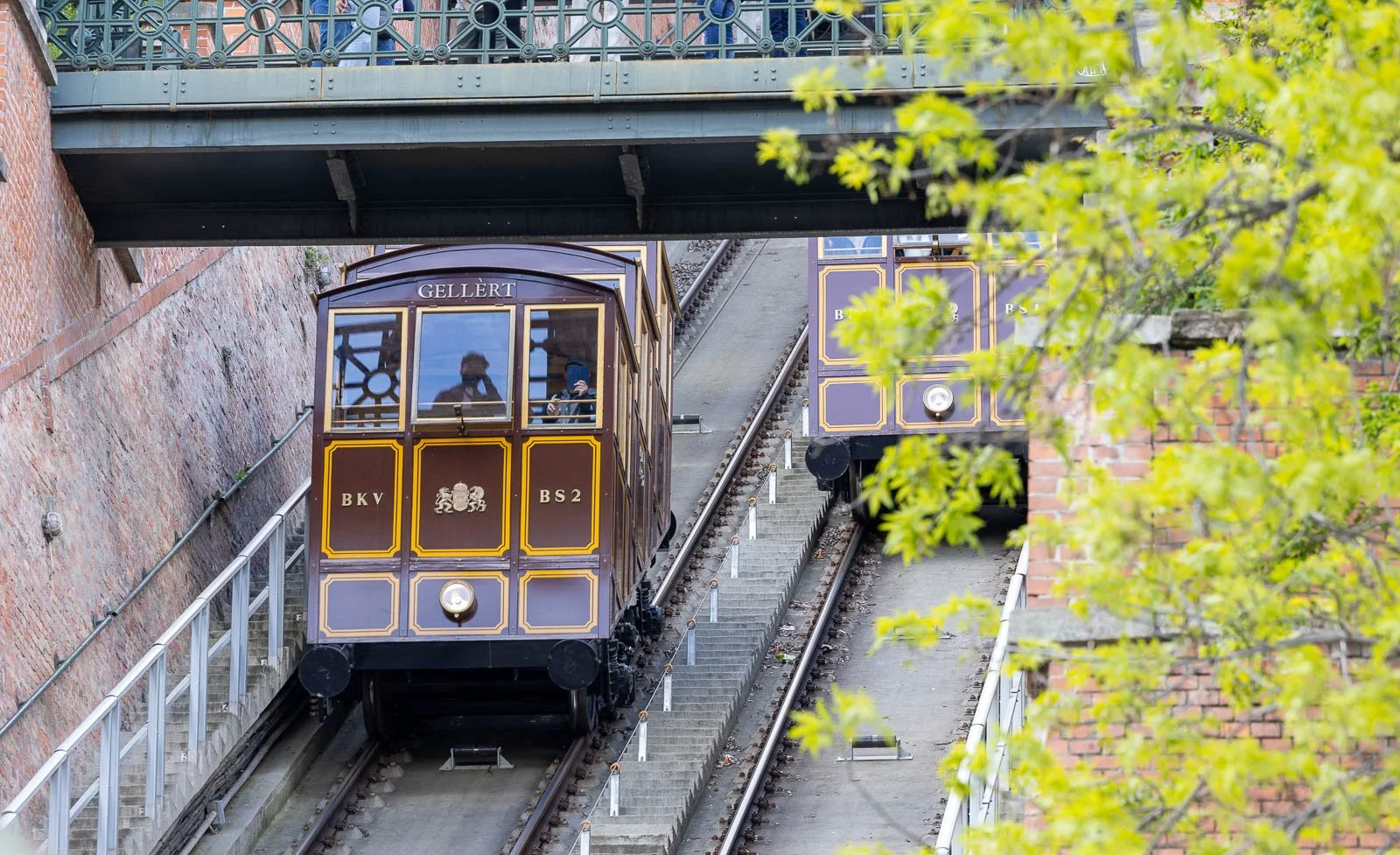
Szent Gyôrgy tér (Funicular)
The Buda Castle Funicular will make your trip to the Castle much easier. You do not want to walk up.
The funicular, a UNESCO World Heritage site, was constructed in 1870. Although the ride is only 95 meters long, you will appreciate how quickly you climb up. From above, you can enjoy incredible views of Budapest.
From the top you get an incredible overview of the city.
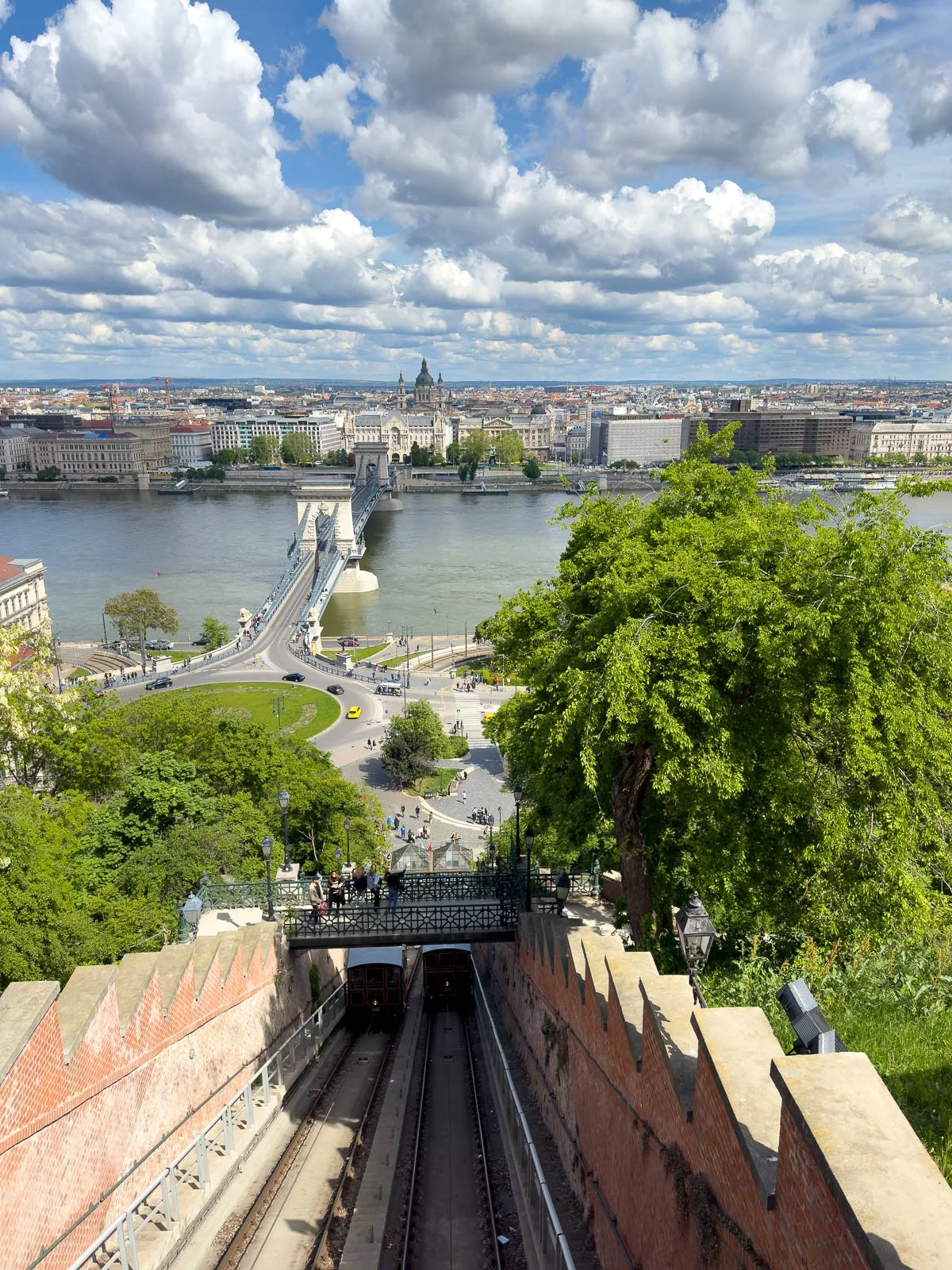
I would highly recommend going up at/after sunset. Walking back down towards the Chain Bridge, you can take some beautiful shots.
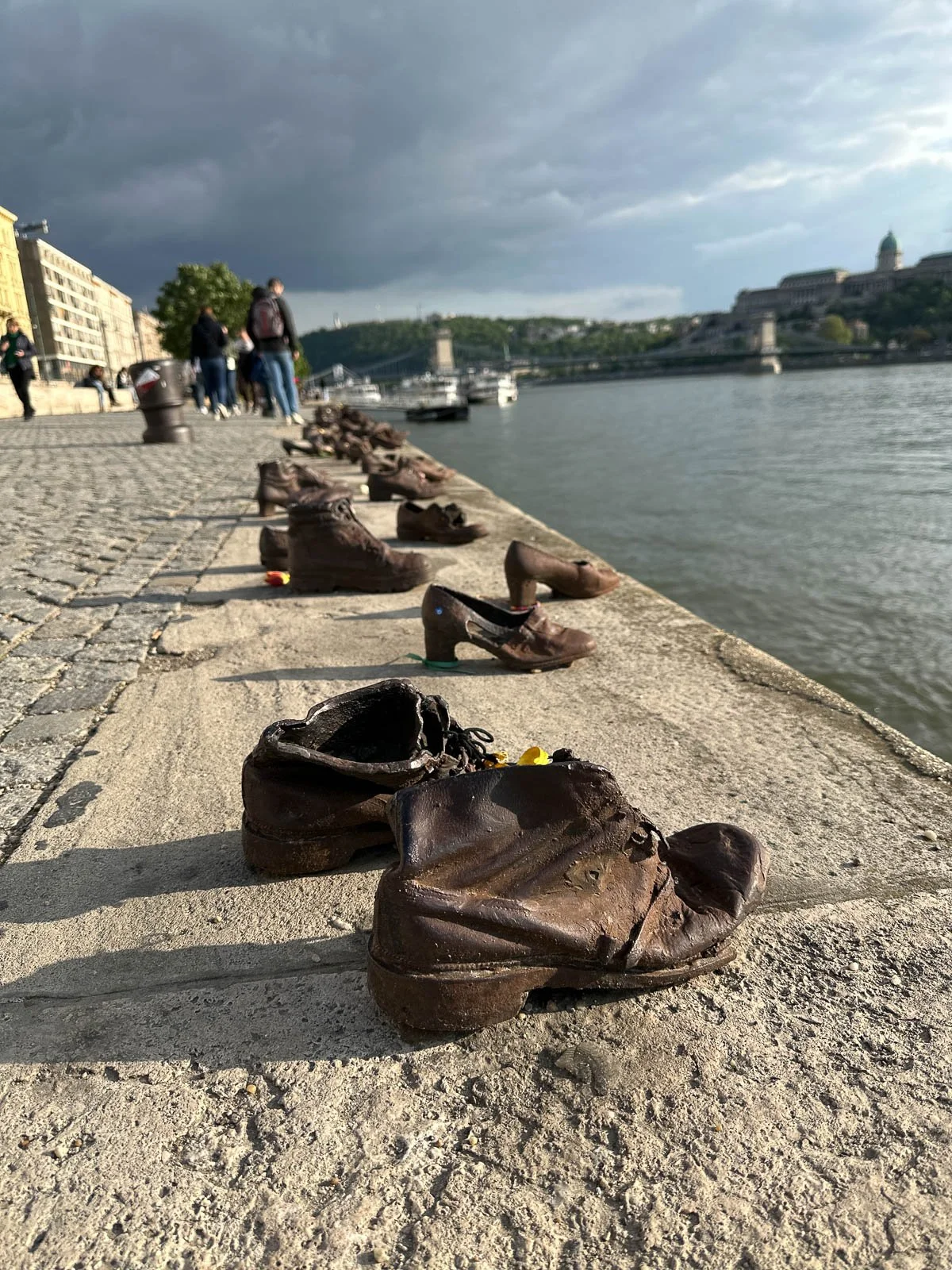
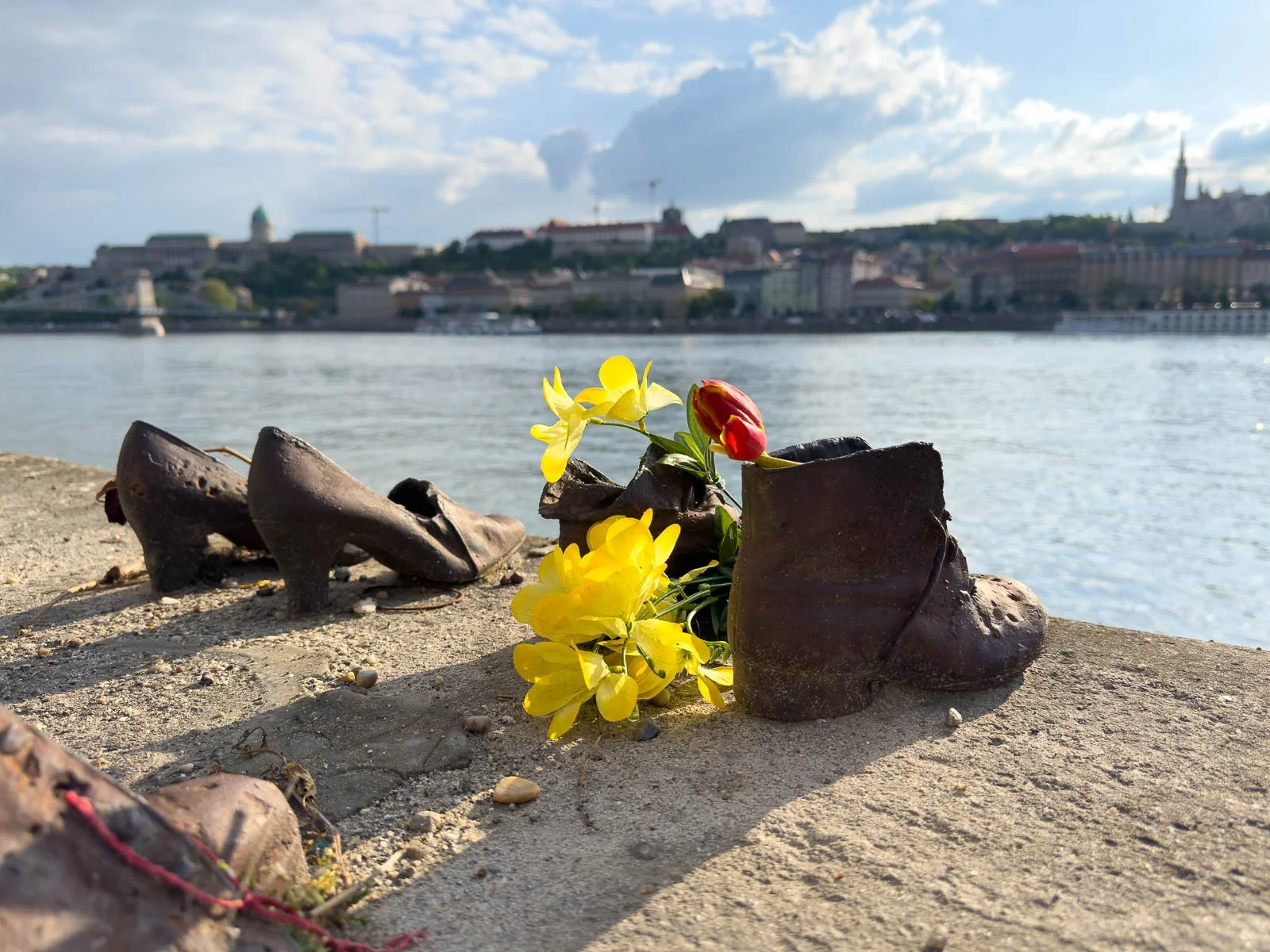
Shoes of THE Danube Memorial
There is a somber memorial called the Shoes of the Danube, located on the banks of the Danube River, not far from the Hungarian Parliament building. The memorial includes sixty pairs of old-fashioned shoes that people wore in the 1940s. They sit at the water's edge, scattered and abandoned, as though their owners had just stepped out of them and left them there. The shoes honor the Jews who were massacred by fascist Hungarian militias during WWII.
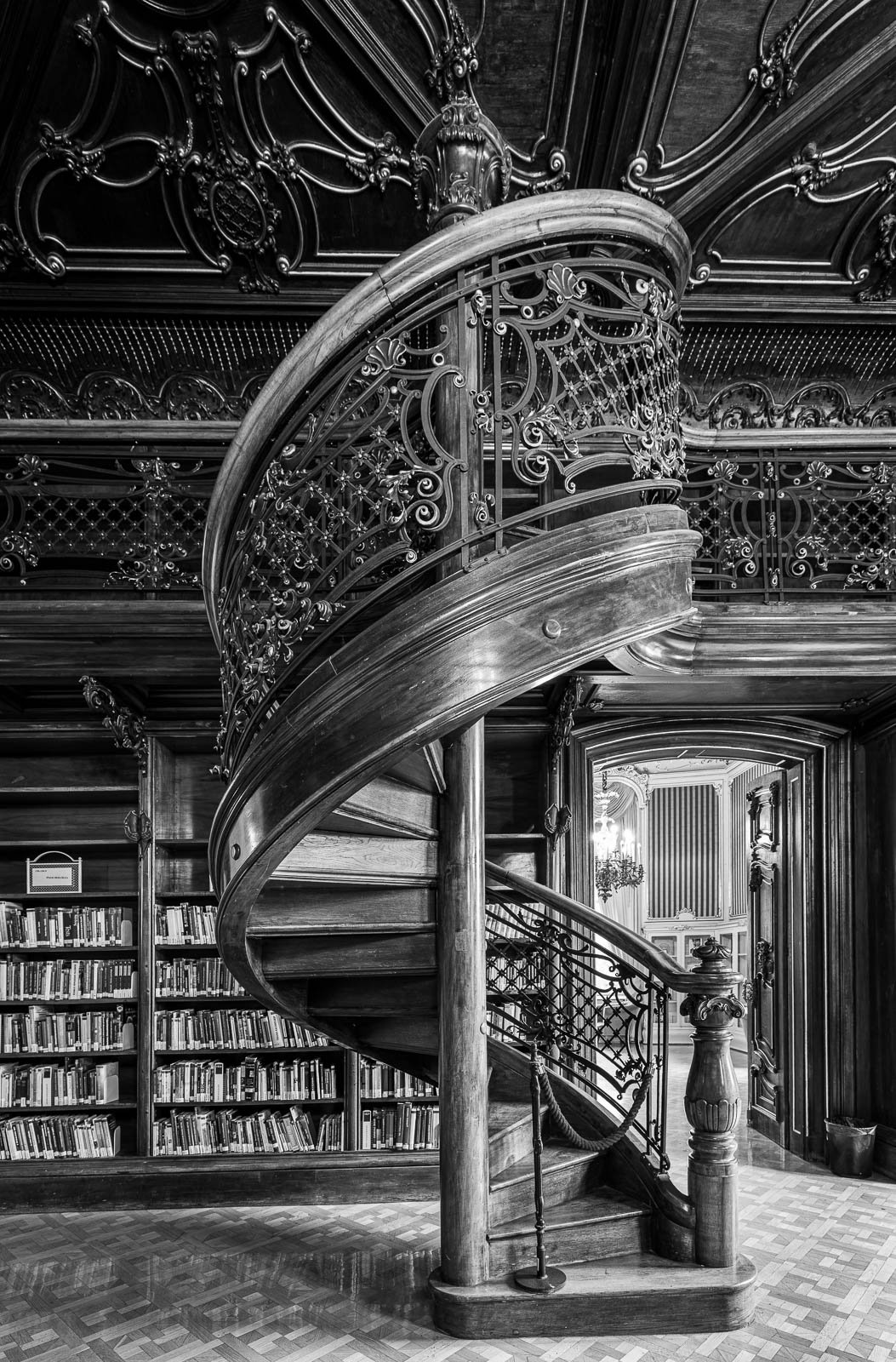
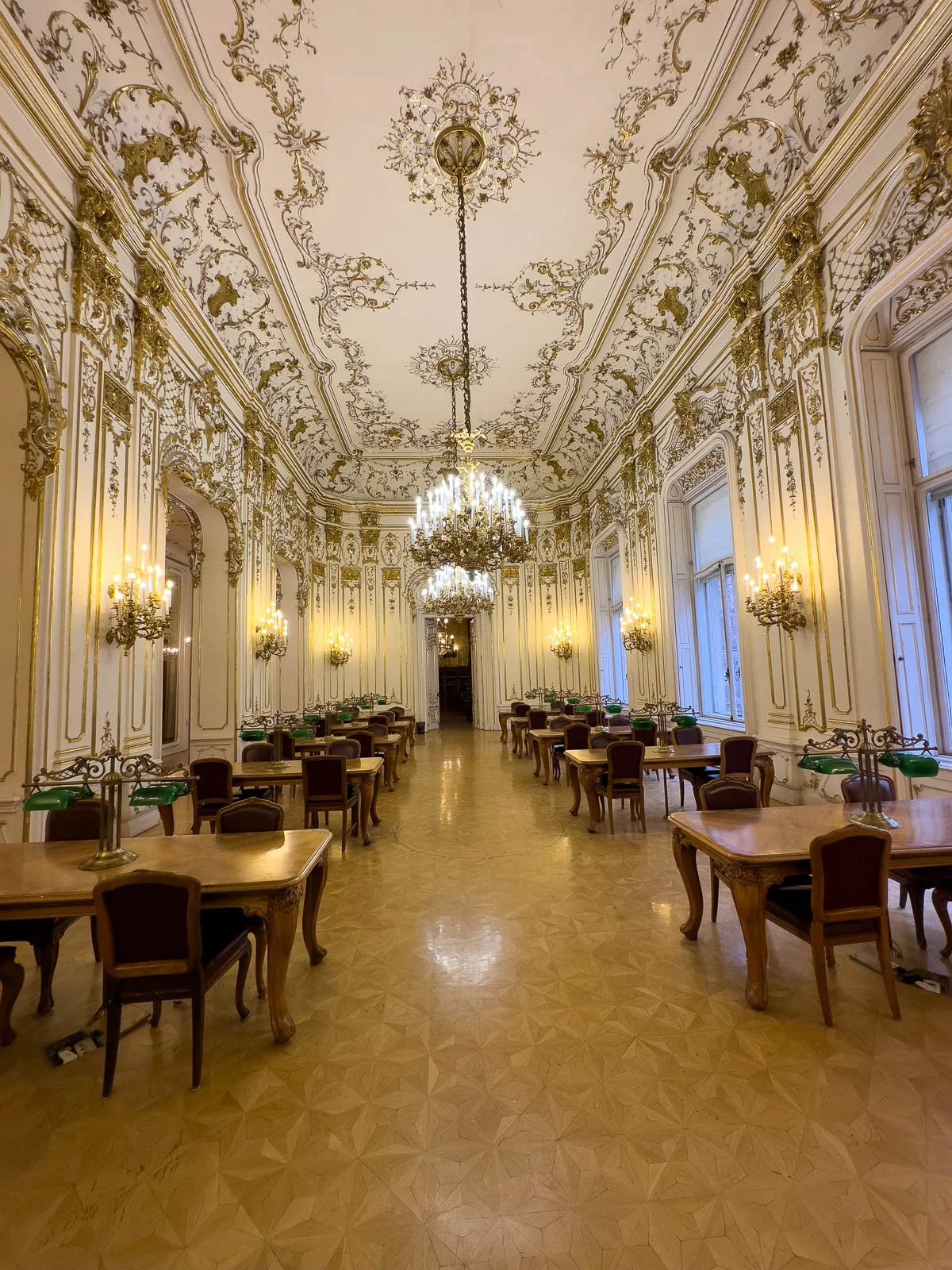
Szabo Ervin Library
Fővárosi Szabó Ervin Könyvtár is the largest library in Budapest, Hungary. The Metropolitan Ervin Szabó Library's main branch is housed in the 19th-century neo-baroque Wenckheim Palace.
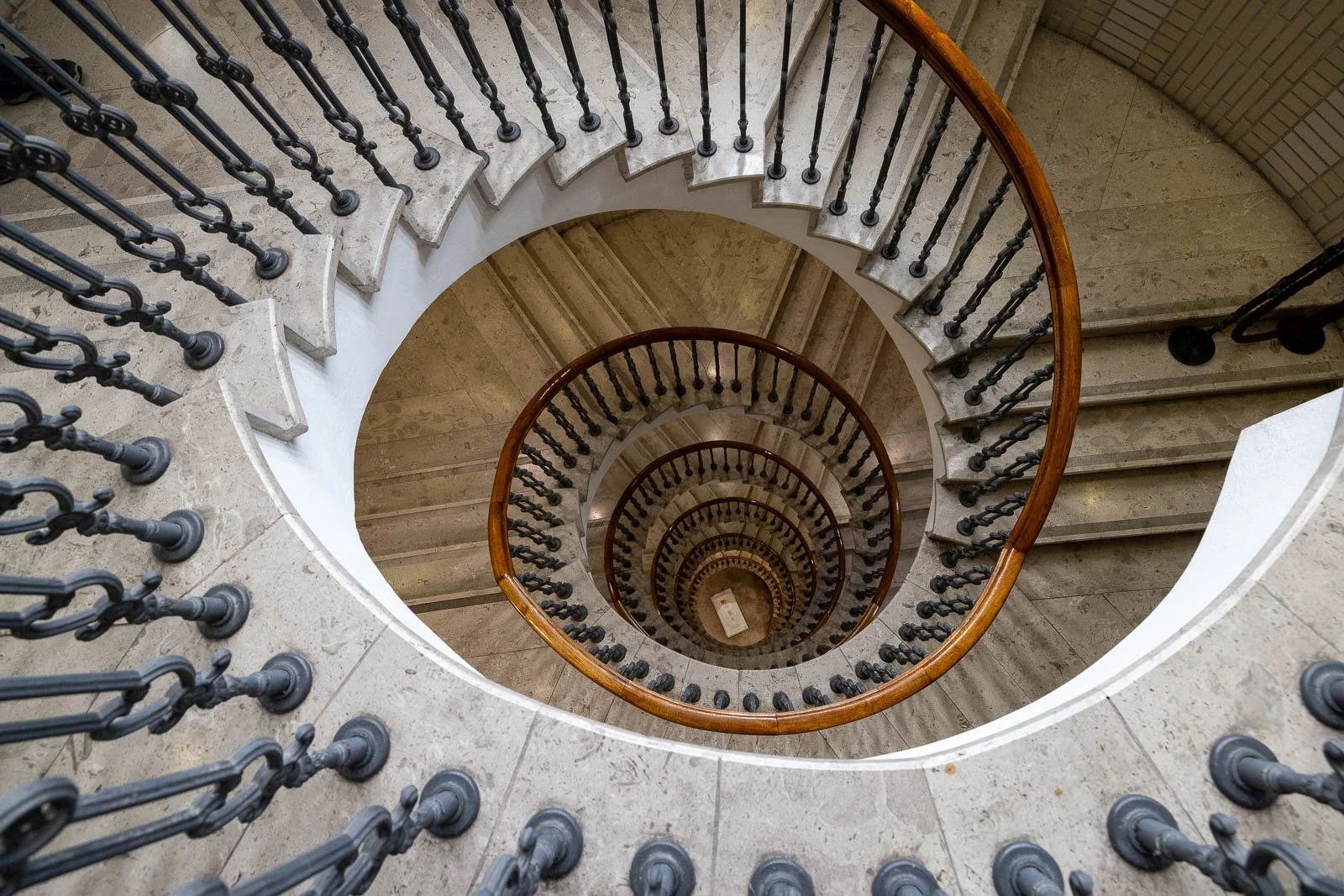
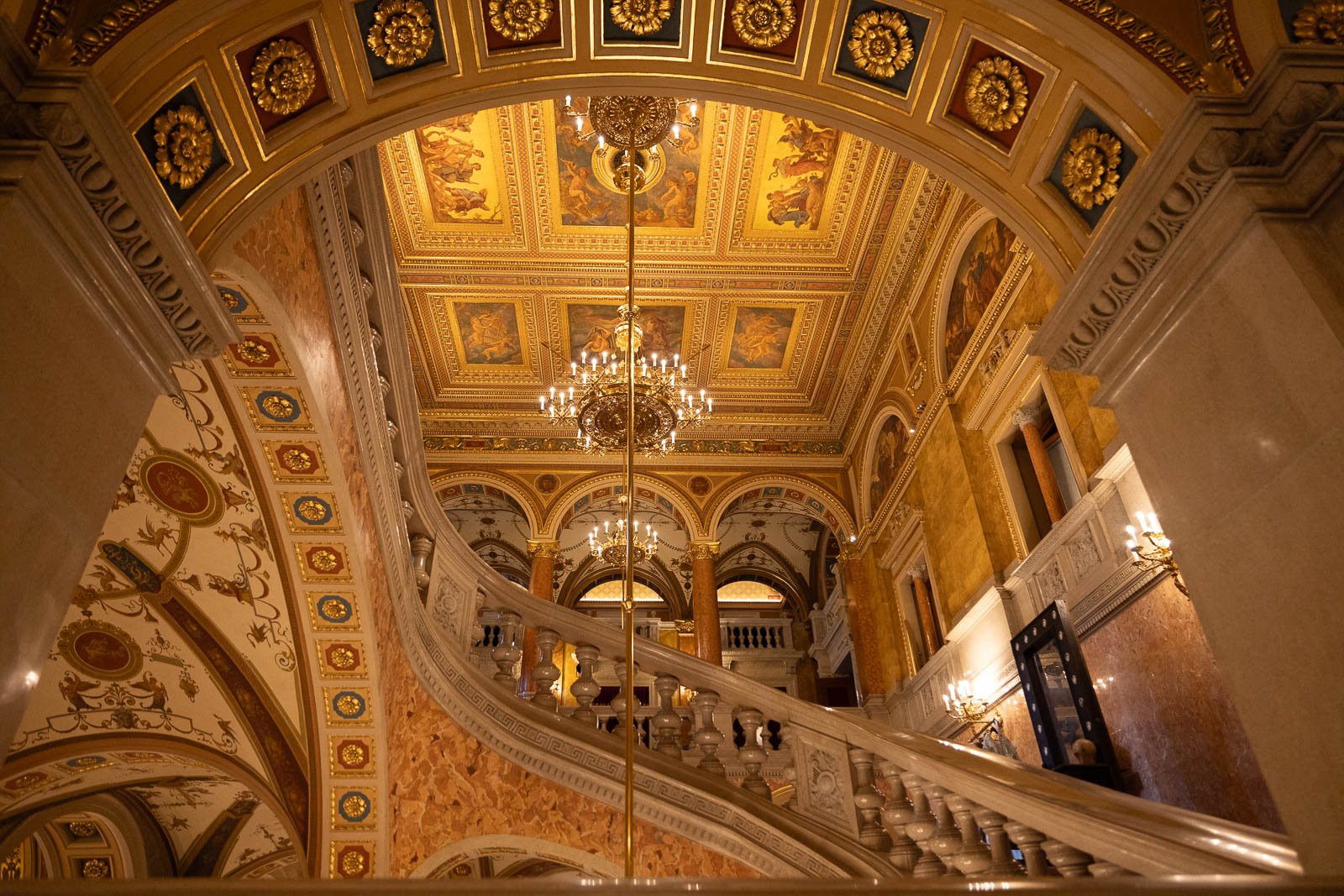
We visited the library for a private tour. The highlight of the library is the three spiral staircases.
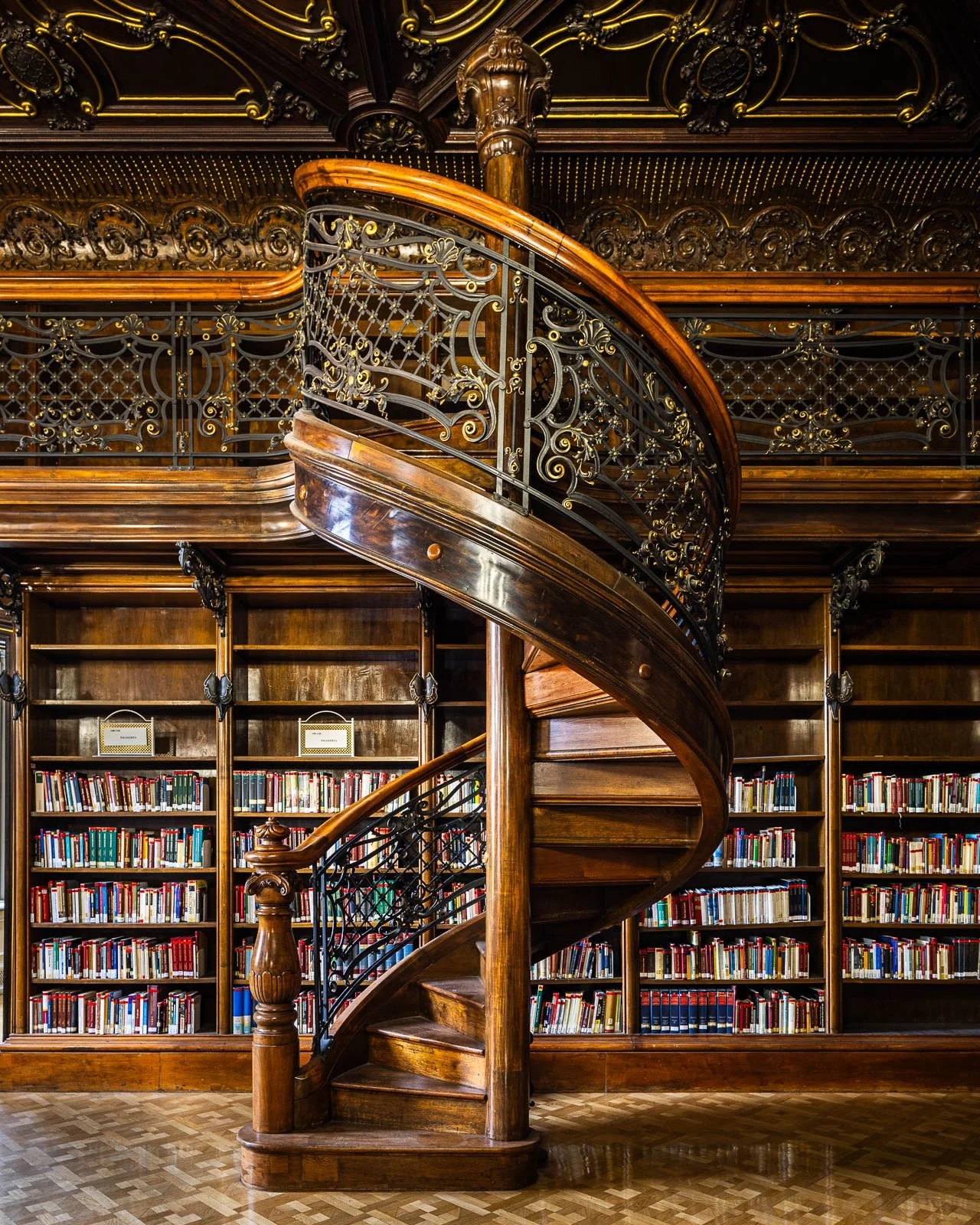
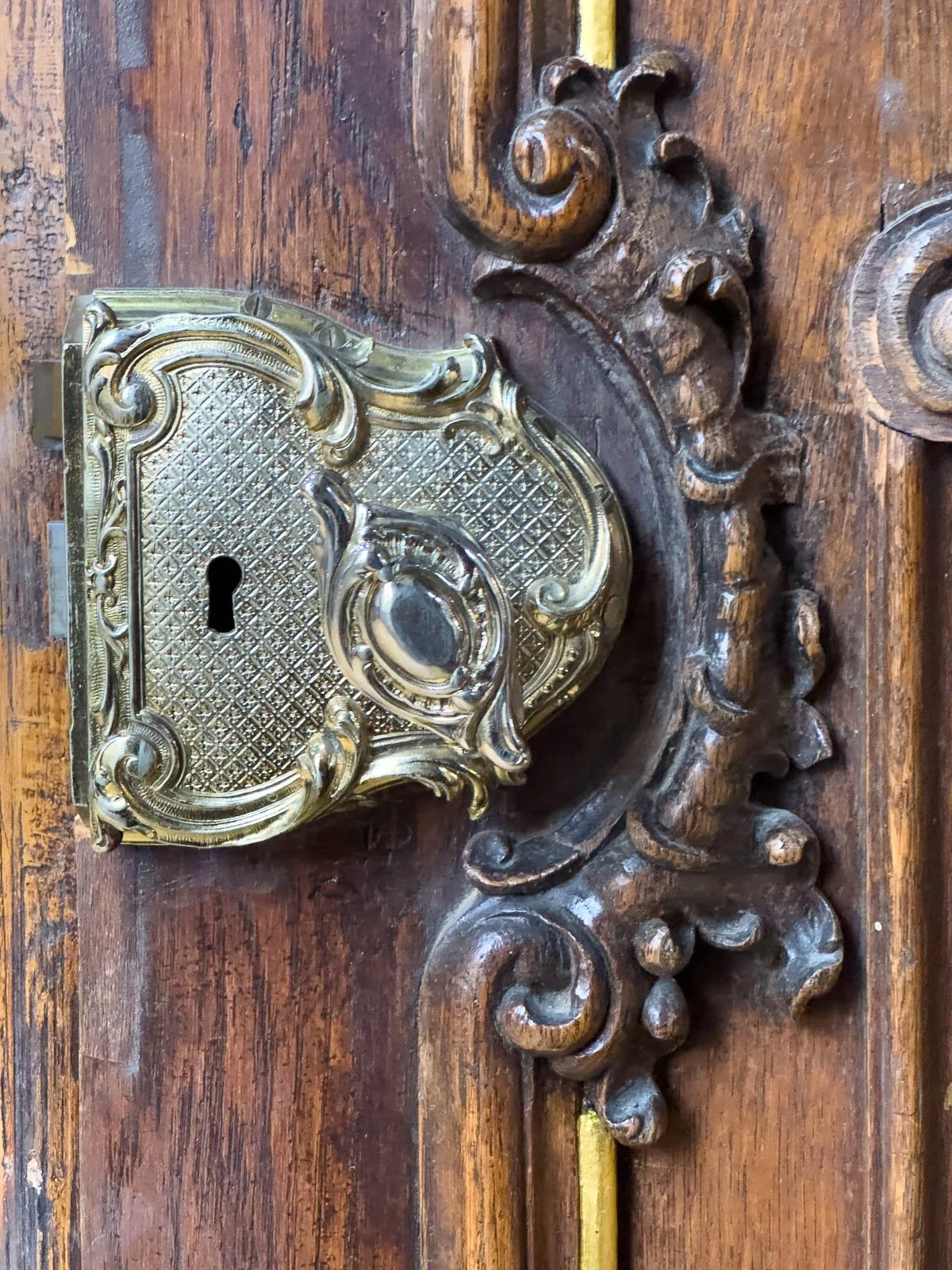
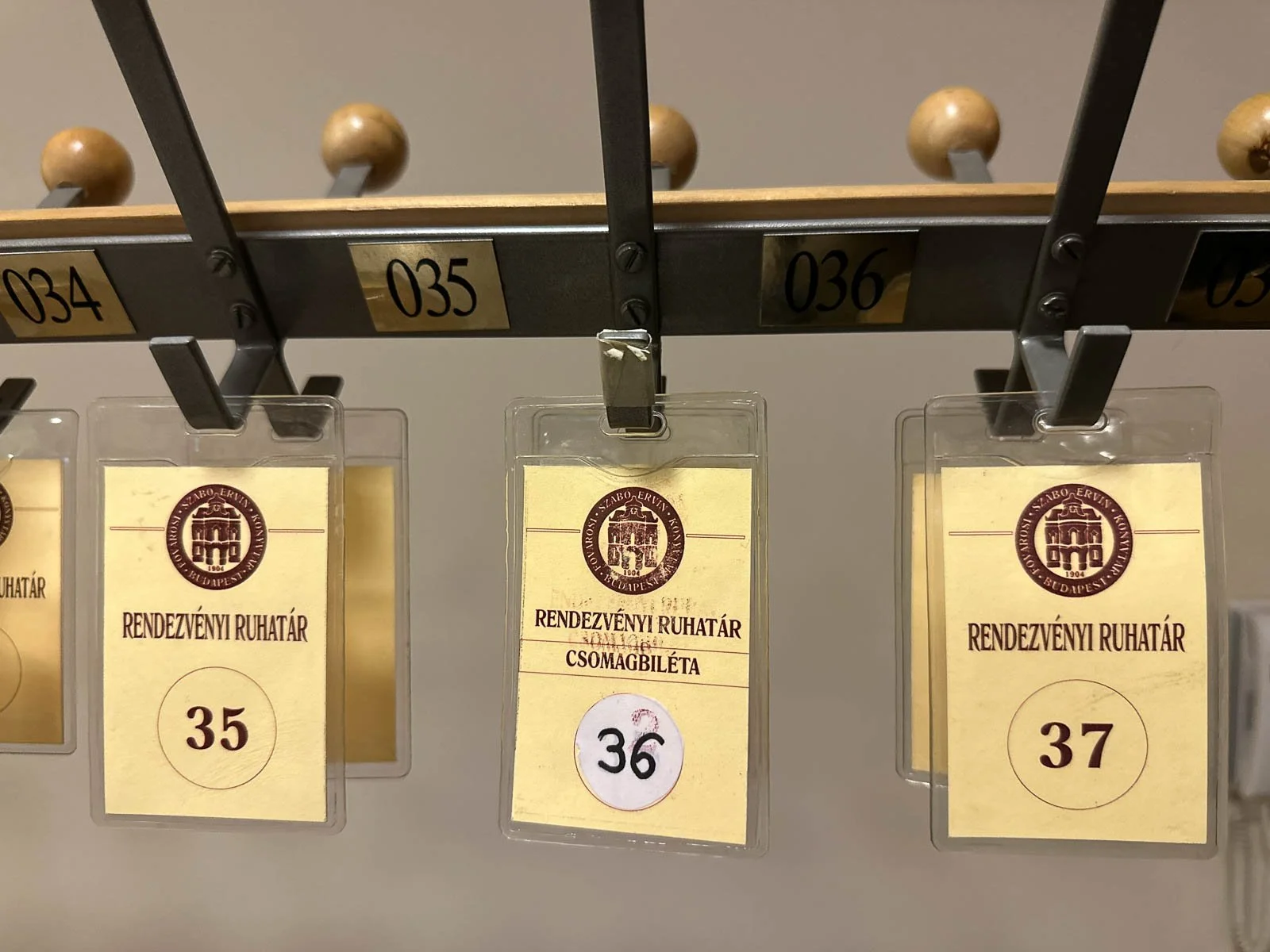
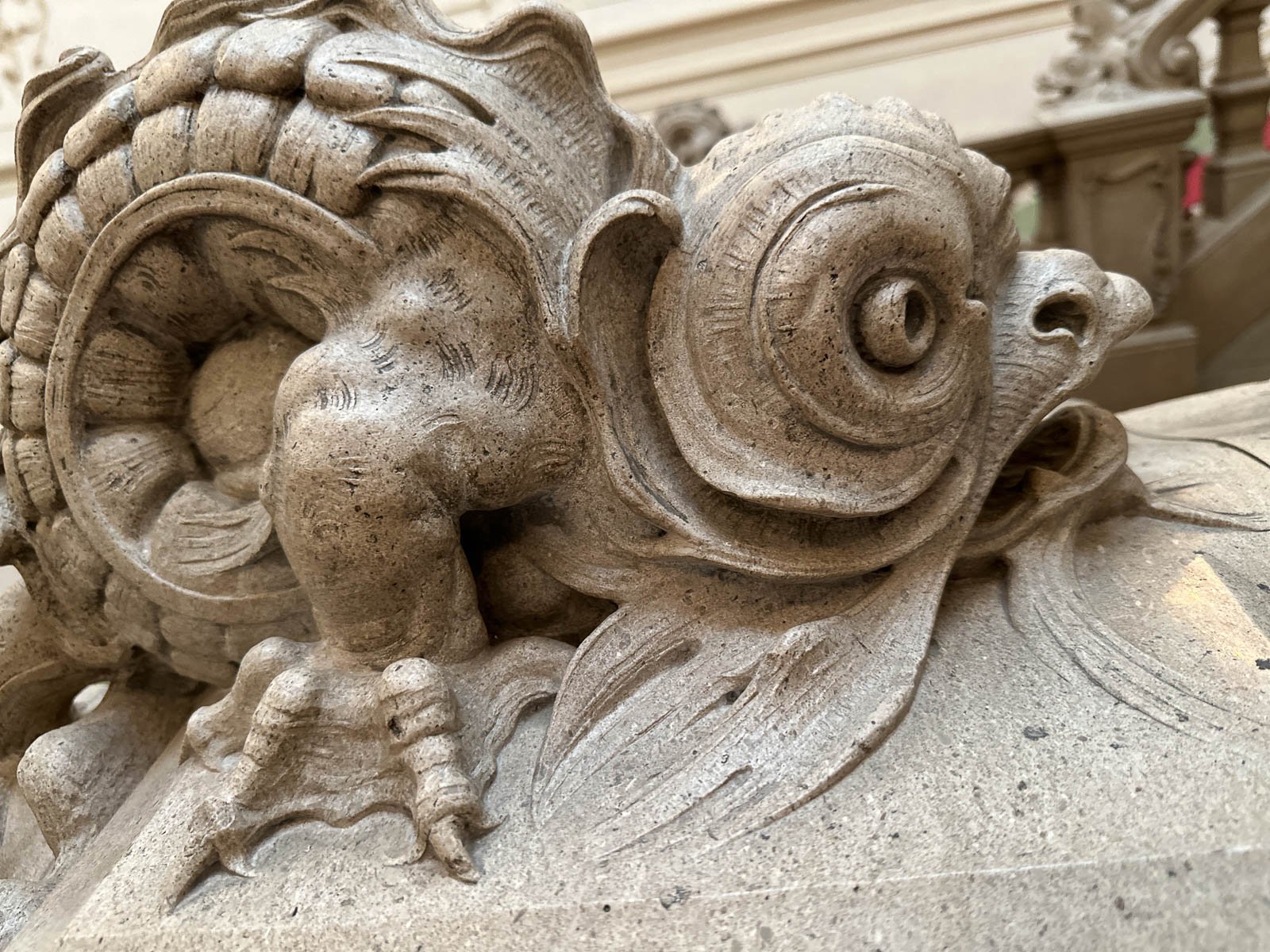
I also loved taking photos of the details in the library.
Liberty Bridge At Night
Liberty Bridge, or Freedom Bridge, connects Buda and Pest on the southern side of the city across the River Danube.
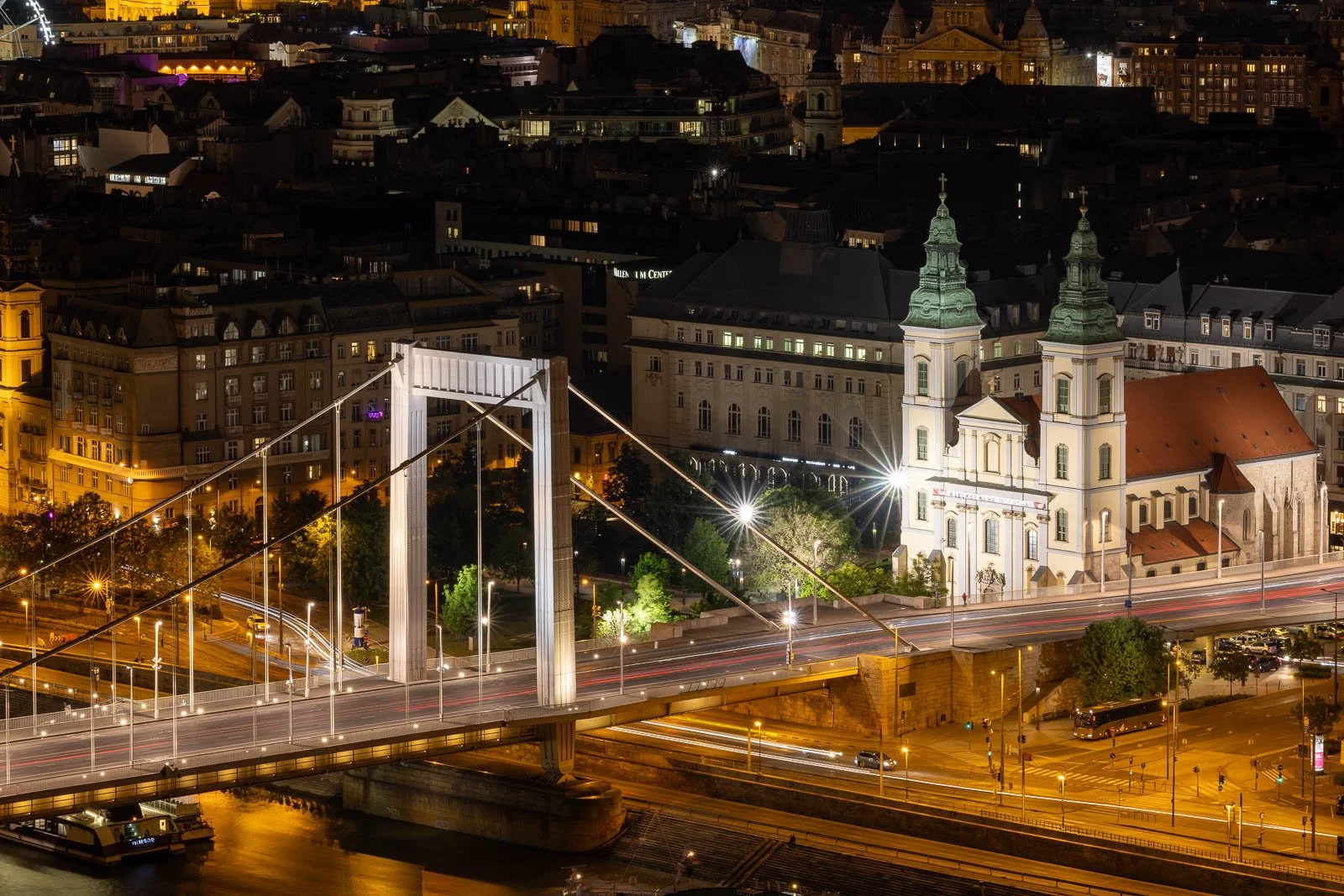
Here is another angle from an overlook above the bridge.
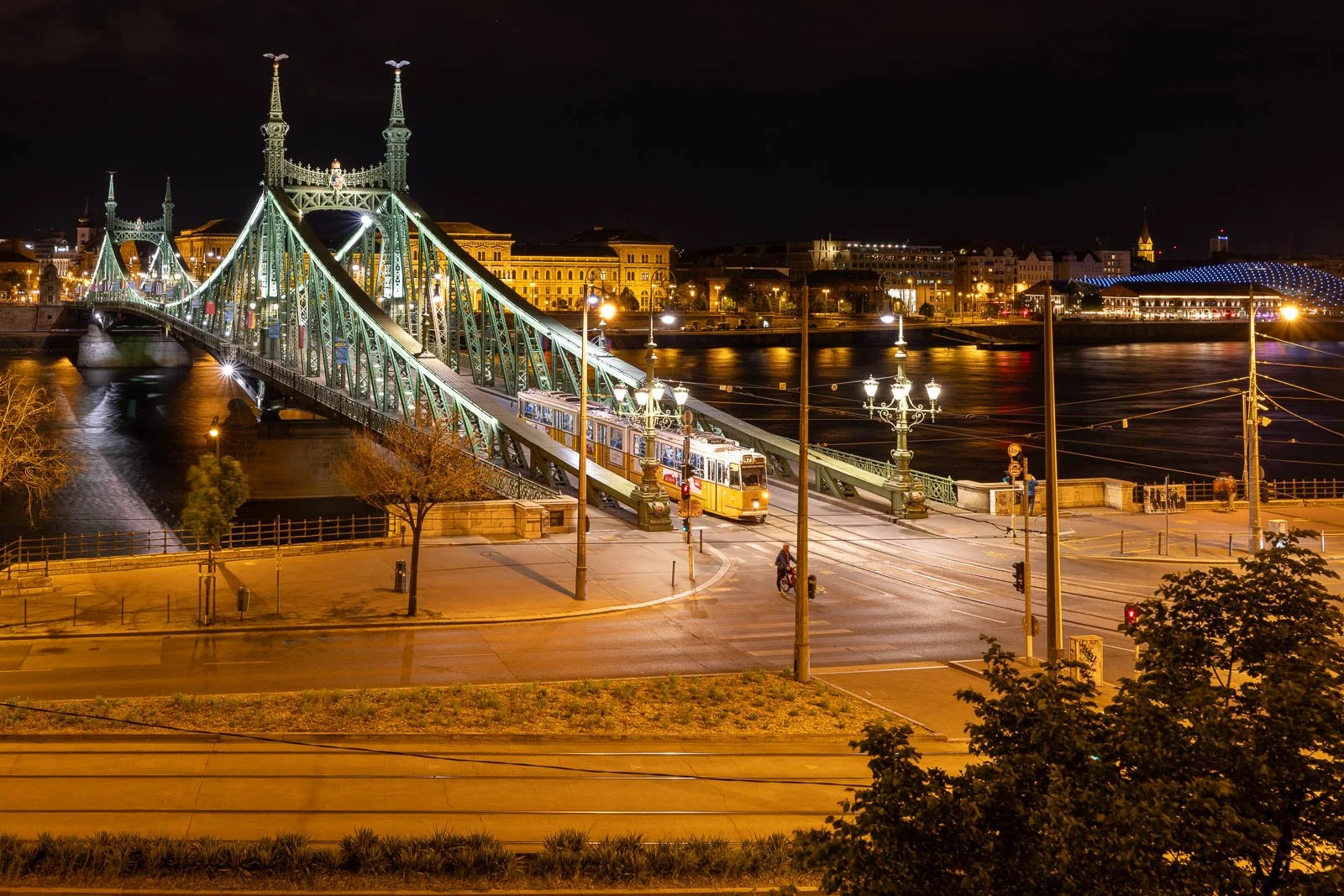
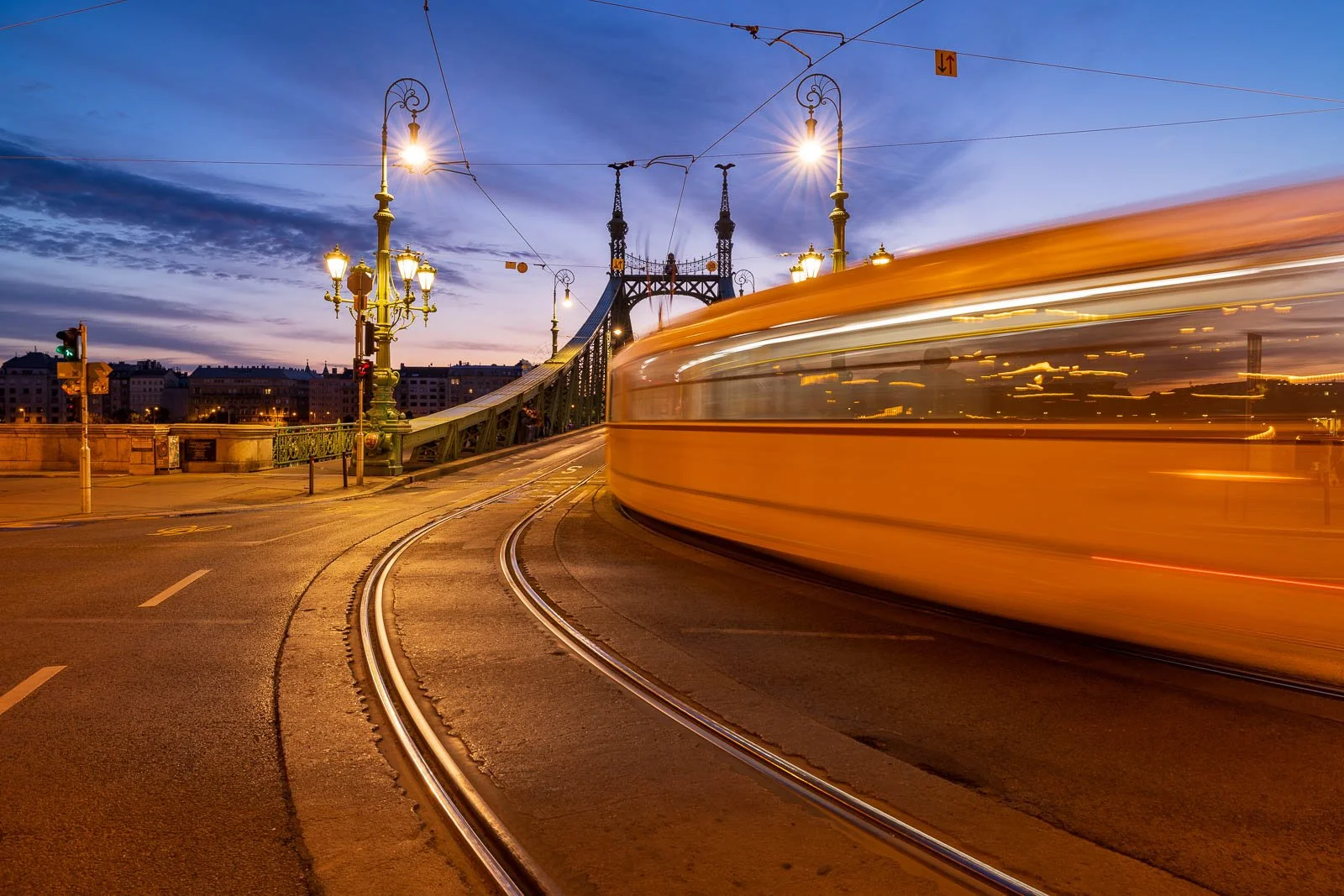
Liberty Bridge shooting trams
Liberty Bridge is a great place to go for breathtaking views of Budapest. Located in the heart of the city, it spans the Danube River and offers stunning views of the city's Buda and Pest sides.
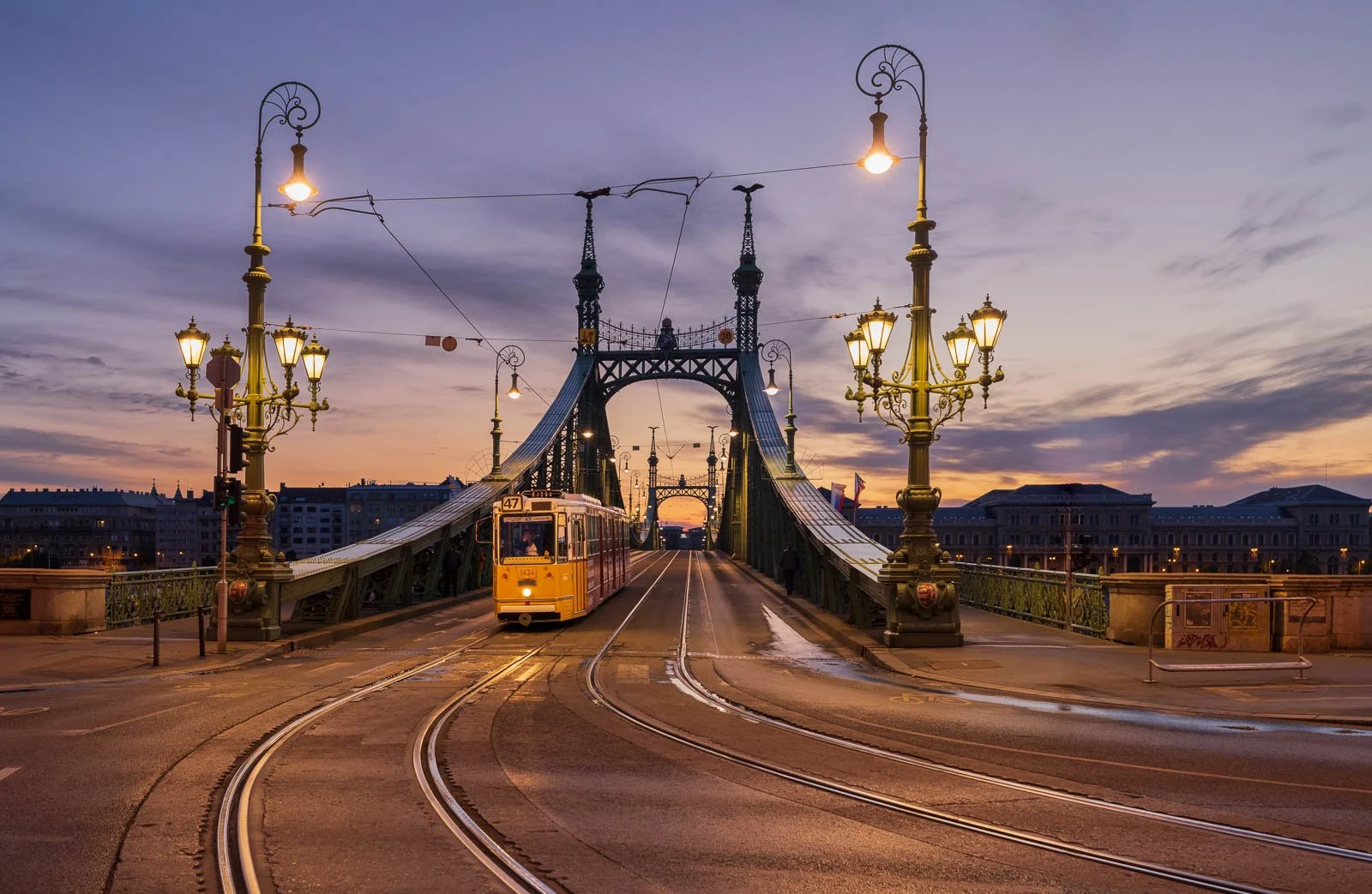
From the bridge, you can see some of Budapest’s most iconic landmarks, including the Hungarian Parliament Building and the Buda Castle. The views from the bridge are magnificent at sunset when the city is bathed in a golden glow.
Pro Tip: The best tram shot at Liberty Bridge is from the Buda bank looking toward the bridge, with the yellow tram crossing at the moment the composition is right. Shutter speed determines the story: 1/30 second blurs the tram into a streak of yellow light; 1/500 second freezes it against the green bridge ironwork. The spot Miklos showed us on the south side of the bridge at sunrise gives you the tram with the bridge in the background and the first light catching the metal at a perfect angle.
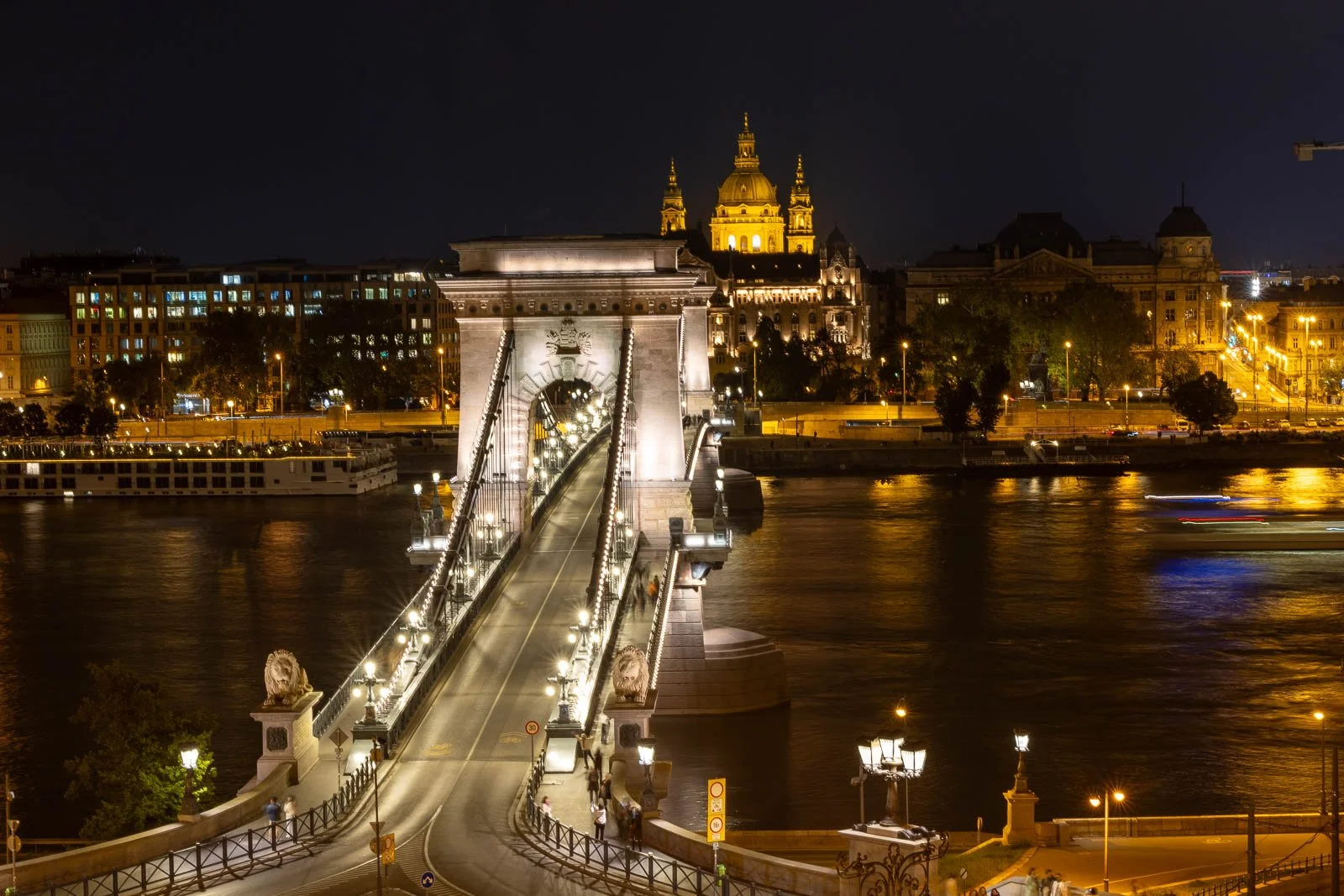
The Chain Bridge
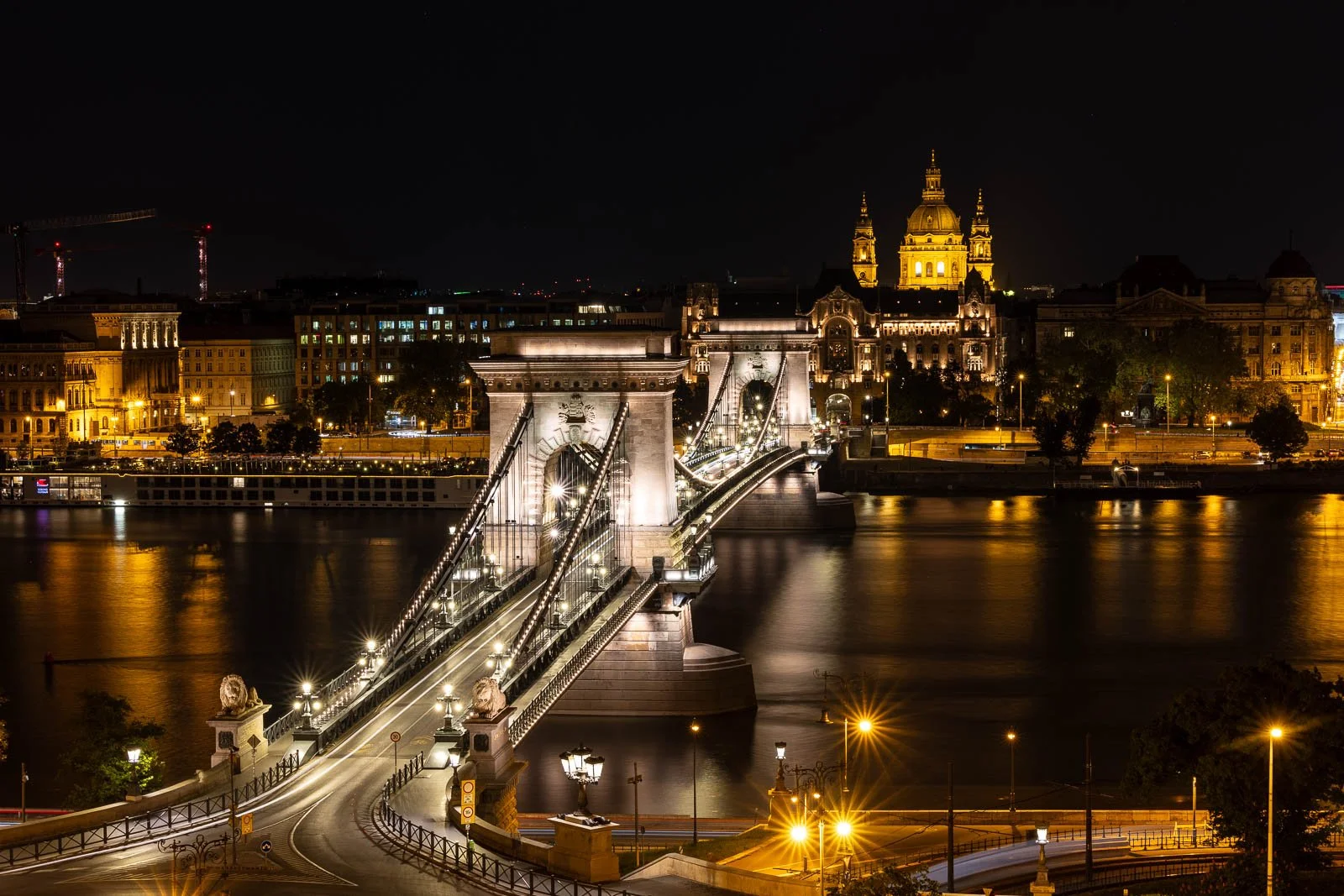
The Chain Bridge is an iconic landmark and a must-see for any visitor to the city. Completed in 1849, it was the first permanent bridge across the Danube River, connecting the Buda and Pest sides.
The bridge, also known as the Széchenyi Chain Bridge, was named after István Széchenyi, a Hungarian statesman.
Pro Tip: The finest Chain Bridge composition is from the Buda side looking east toward the Parliament, at blue hour after sunset when both the bridge and Parliament are fully illuminated and the Danube creates reflections. Position yourself on the Buda embankment just south of the bridge with a 70-200mm to compress the bridge towers against the Parliament dome. Arrive thirty minutes before sunset to set up. The view from Gellért Hill looking north also captures the Chain Bridge, Parliament, and the full Danube sweep in one panoramic frame with a 70-200mm.
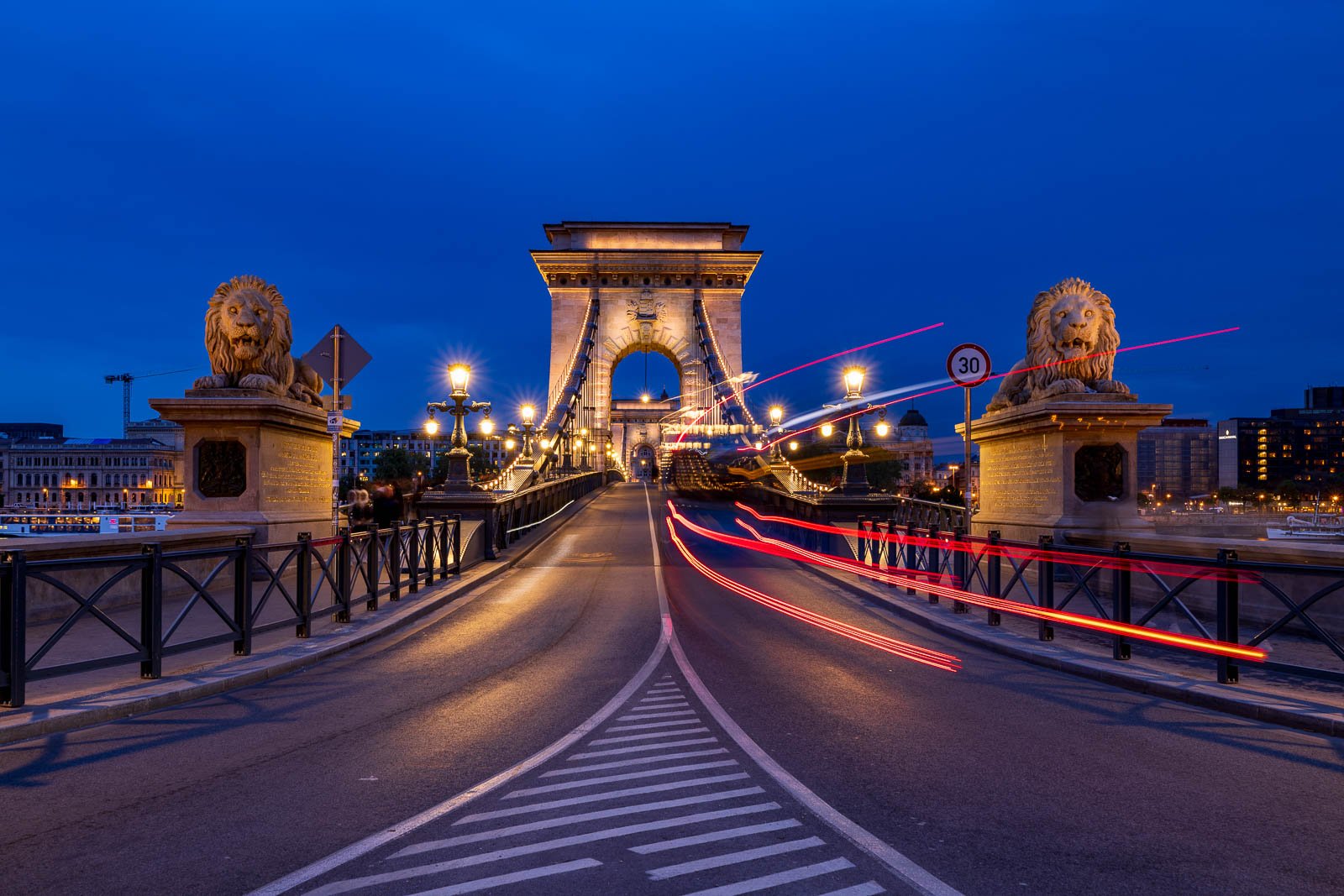
It really looks great at any time of day, but from my experience, the best view is at the blue hour/sunrise.
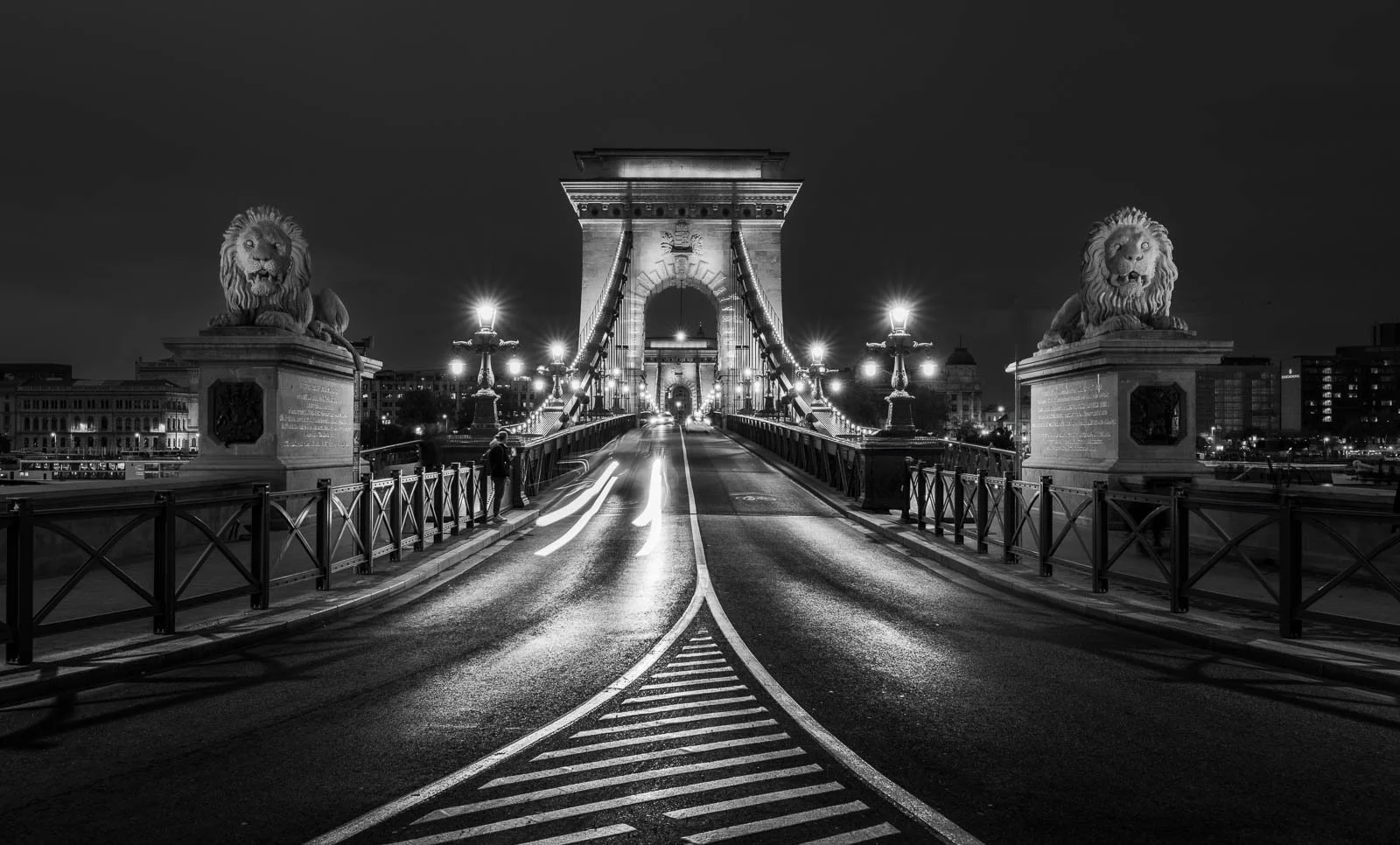
My B&W Version
It is especially charming at night when the lights illuminate the entire bridge, and the Danube creates reflections.

The Budapest Royal Castle
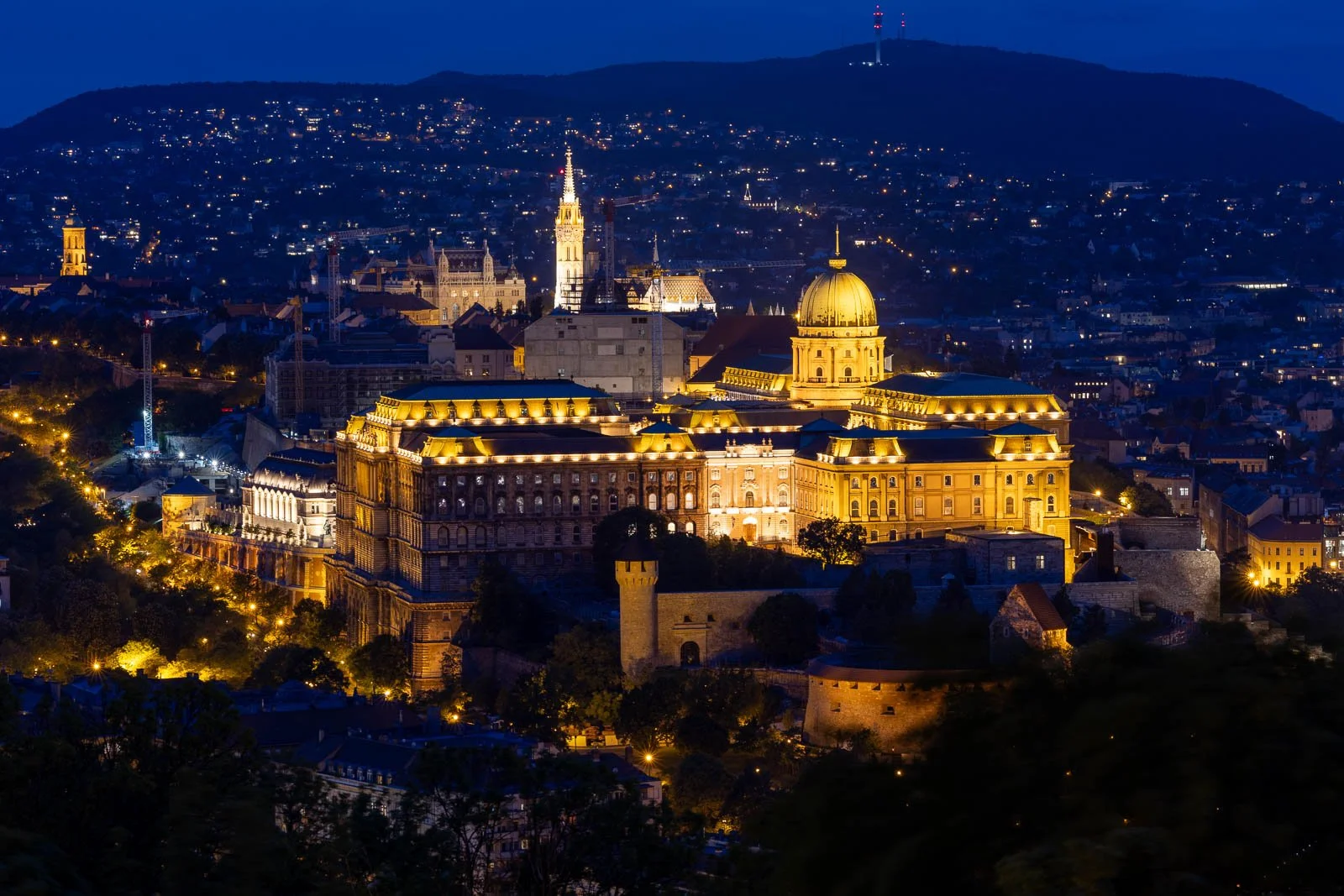
The Royal Castle, “Buda Castle,” is located on the Buda Side of the city and is a UNESCO World Heritage Site. Other sites in this area include Matthias Church and the Fisherman’s Bastion. On the way up to the castle, you can enjoy wonderful views of the city.

Here is a shot from the Buda Castle towards the Pesh part of the city.
Exploring Buda Castle Hill
Outside of Fisherman’s Bastion and Matthias Church, Buda Castle Hill has many attractions worth visiting, including Trinity Square, The Royal Palace, the Hungarian National Gallery, the Labyrinths of Buda Castle, the National Széchenyi Library, and the President’s Palace (Sandor Palace).
These locations offer fantastic photo opportunities and more scenic views of the Danube River and the Pest side. While exploring the cobblestone streets around Trinity Square, you will find unique buildings and architectural details hosting a variety of shops, galleries, bars, and local restaurants.
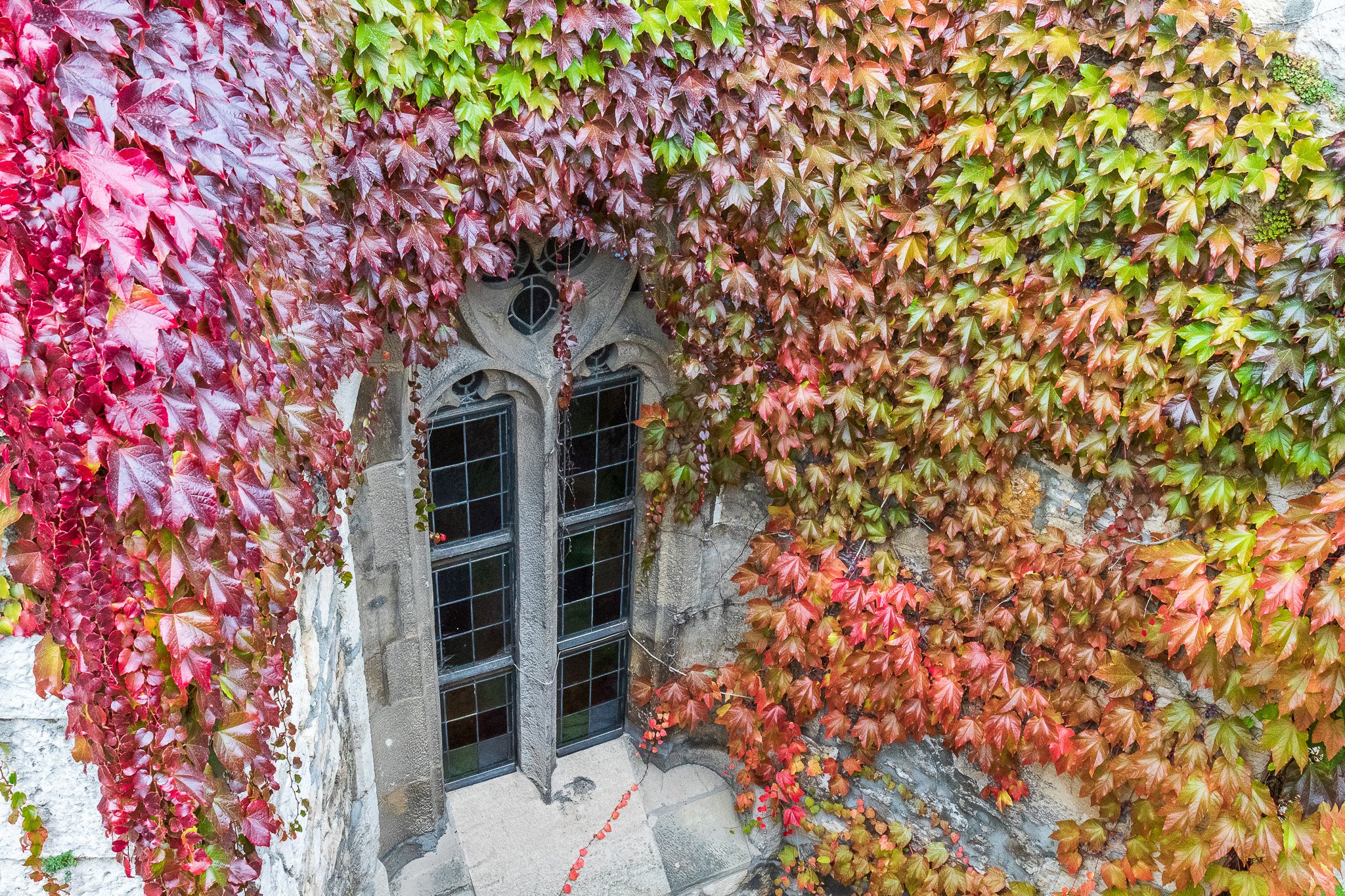
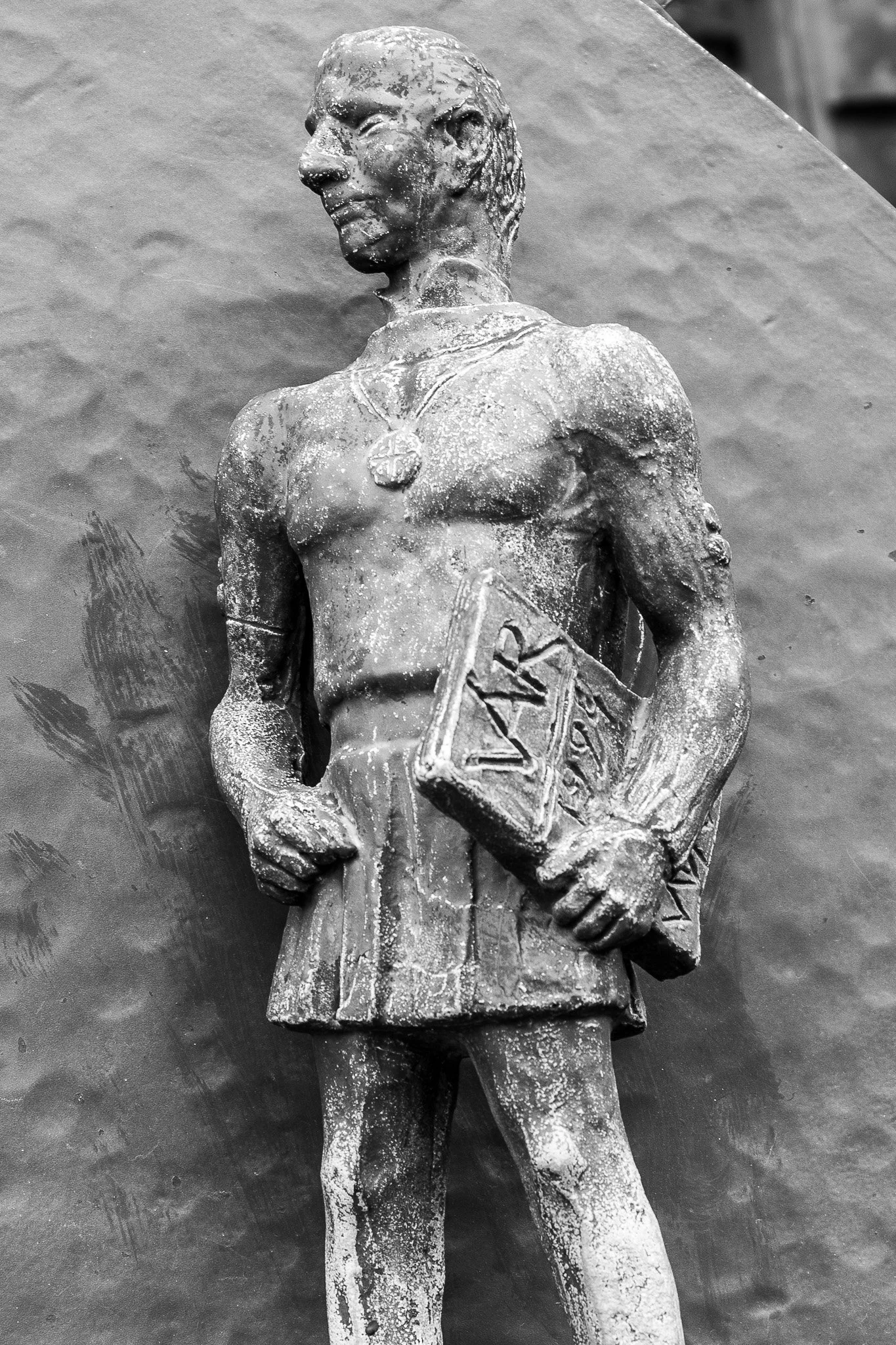
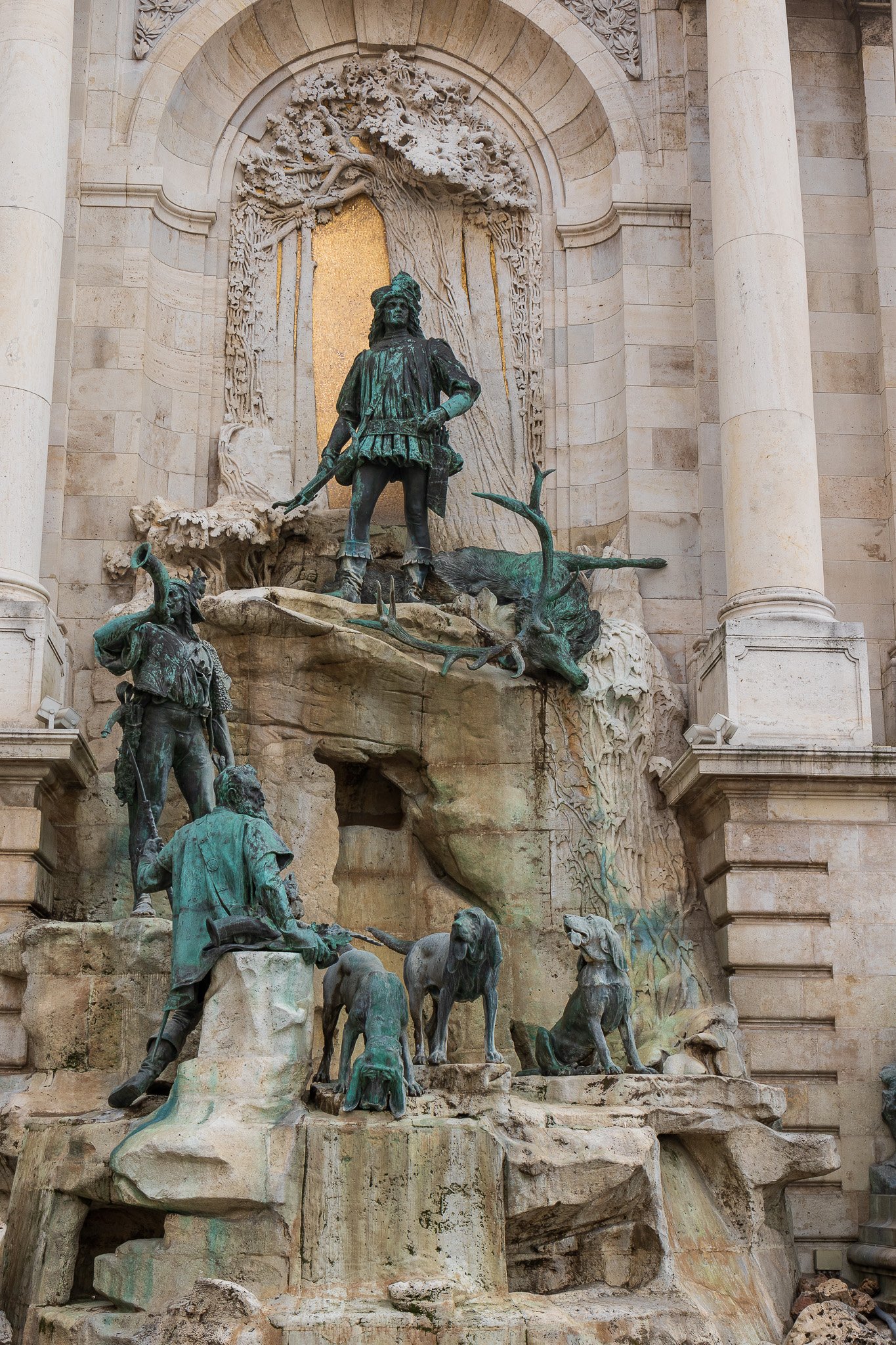
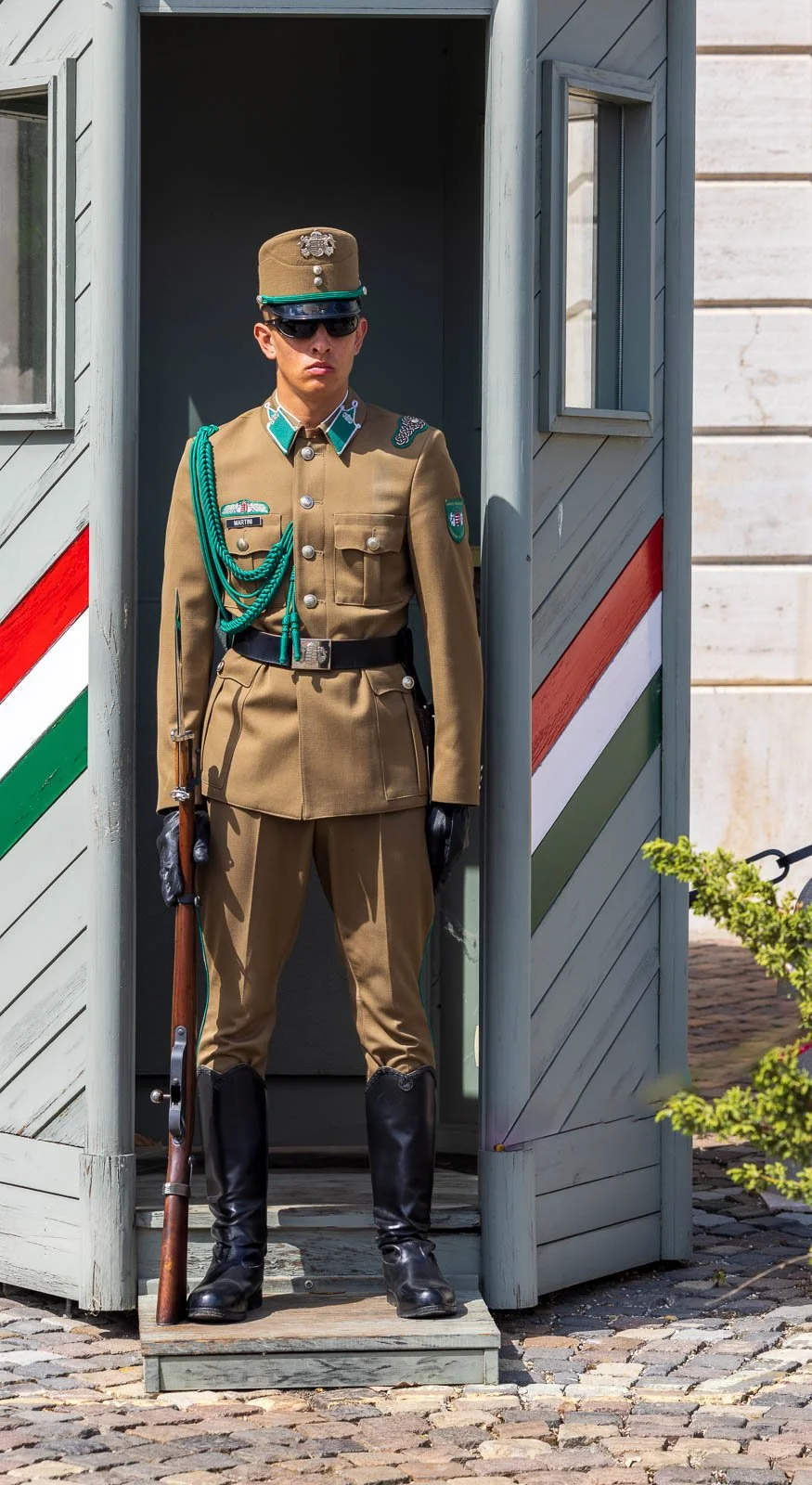
Along the walk from the Buda Castle to the Fishermen’s Bastion I found this classic American car.

On the Road to the Castle
Fisherman’s Bastion
The Fisherman’s Bastion is a gorgeous architectural complex located next to the castle. It is one of Budapest’s most photographed locations, with intricate carvings, beautiful ornamentation, and grand towers.
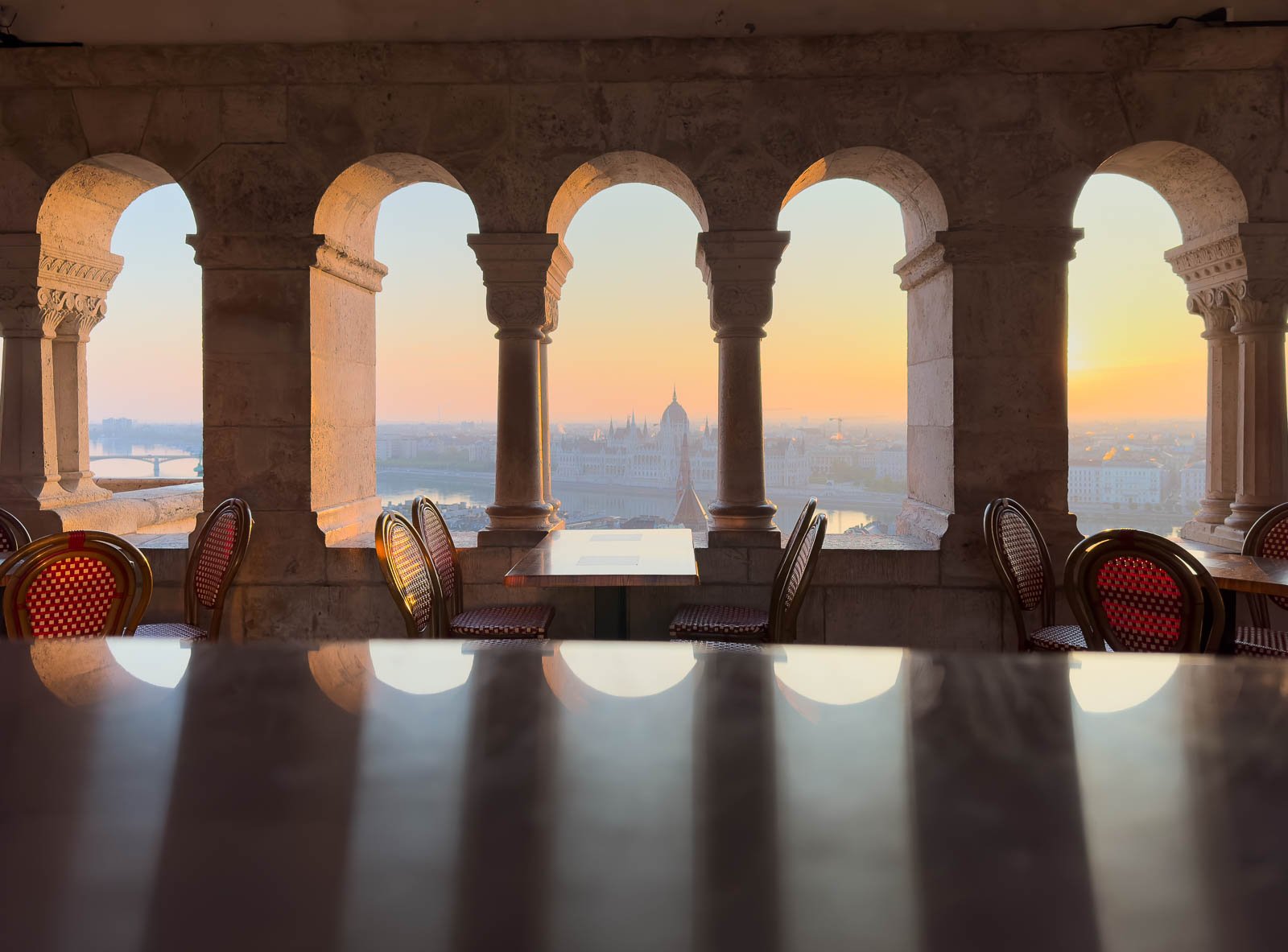
There are so many compositions that you can take from the Bastion. I would recommend going at Sunrise.
Pro Tip: Arrive thirty to forty-five minutes before sunrise. The bastion faces east and the first light comes directly onto the stone towers, turning them warm gold before the tourist crowds arrive. Use the arches to frame compositions toward the Parliament across the river: a 70-200mm from inside the arcade creates a compressed, layered shot with the Parliament framed perfectly. A 16-35mm captures the full bastion architecture from the courtyard. I returned to this location twice in April 2024 and the sunrise light here is as good as anywhere in Budapest.
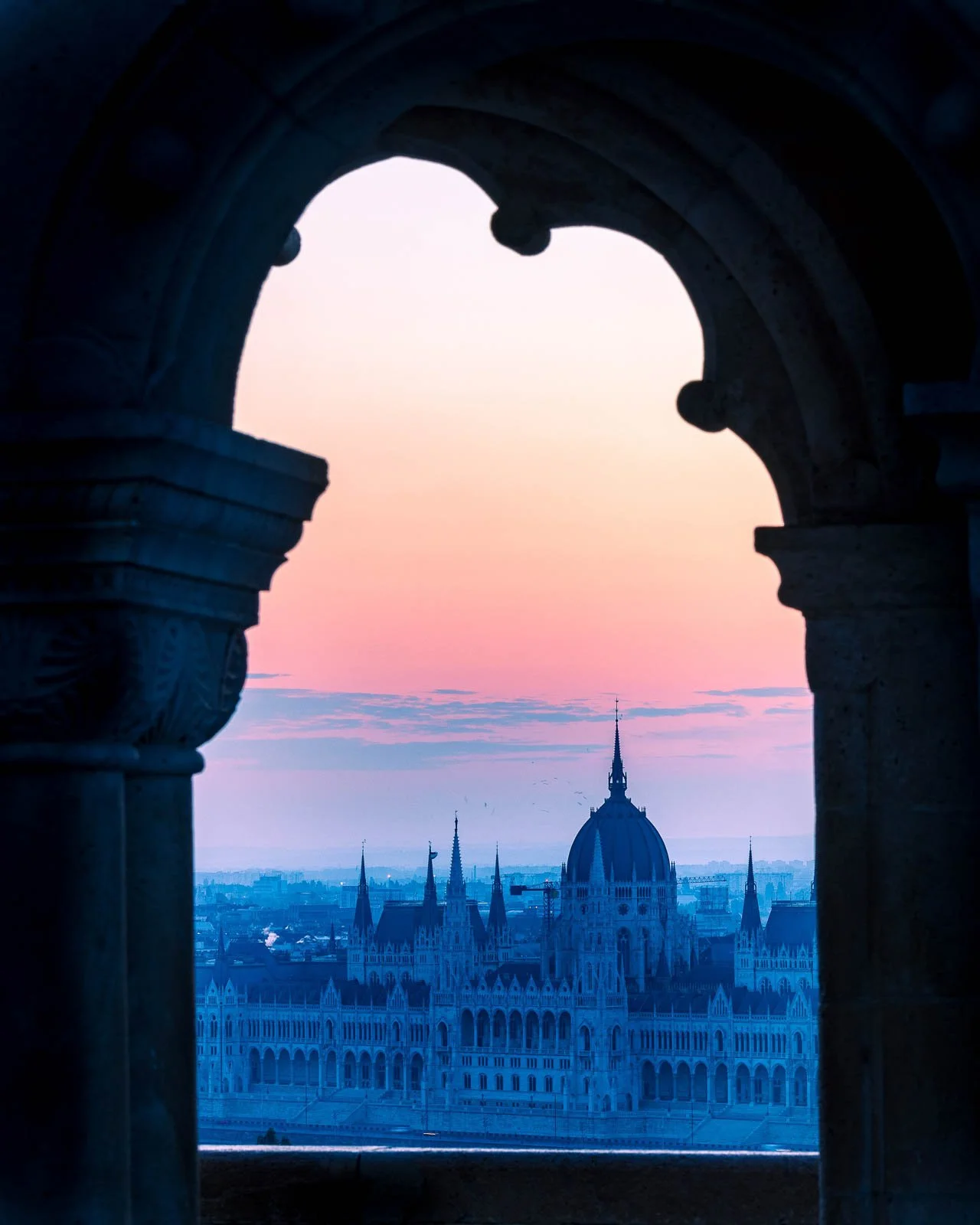
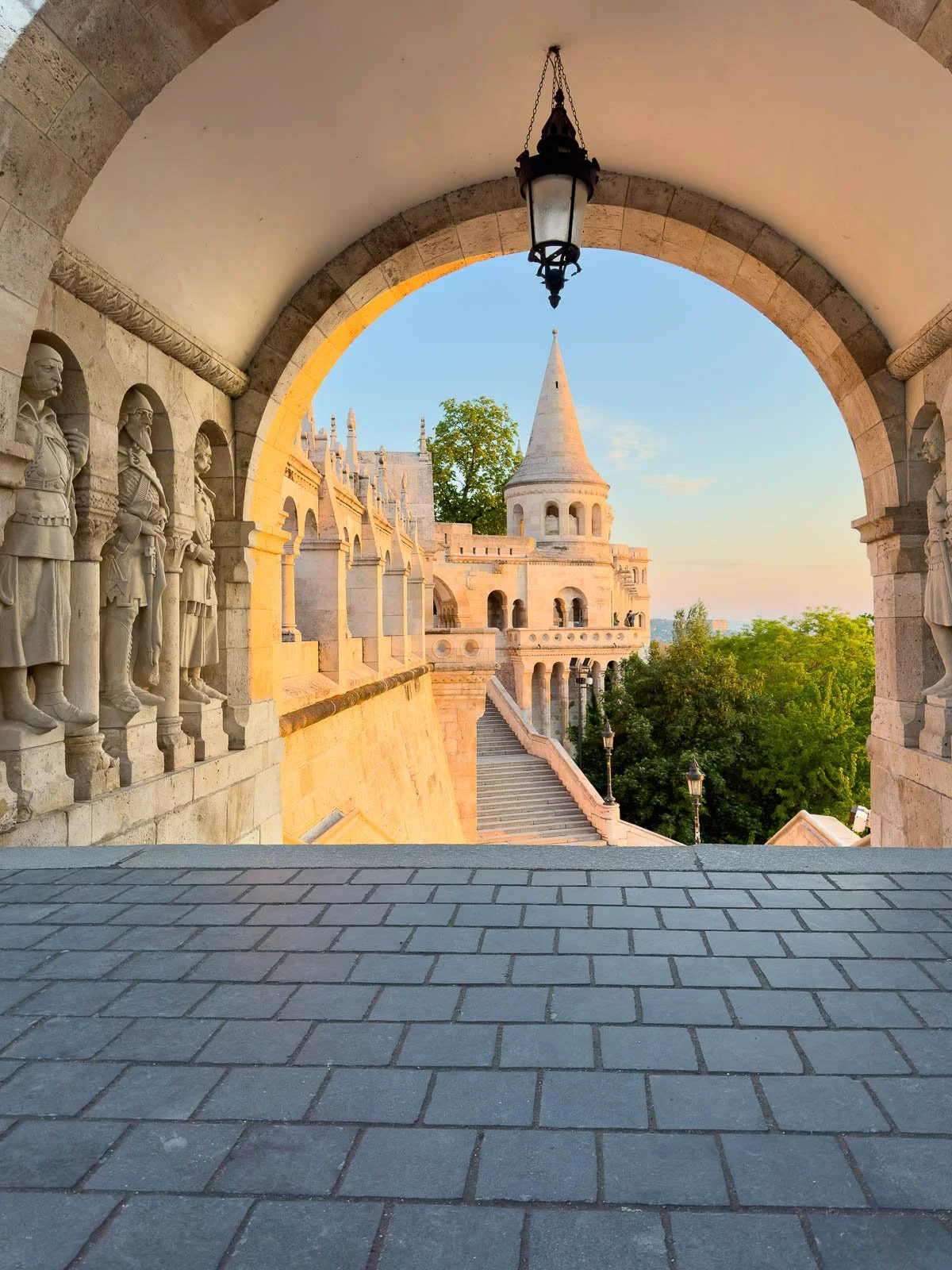
I loved using the arches to frame the shots towards the Parliament.
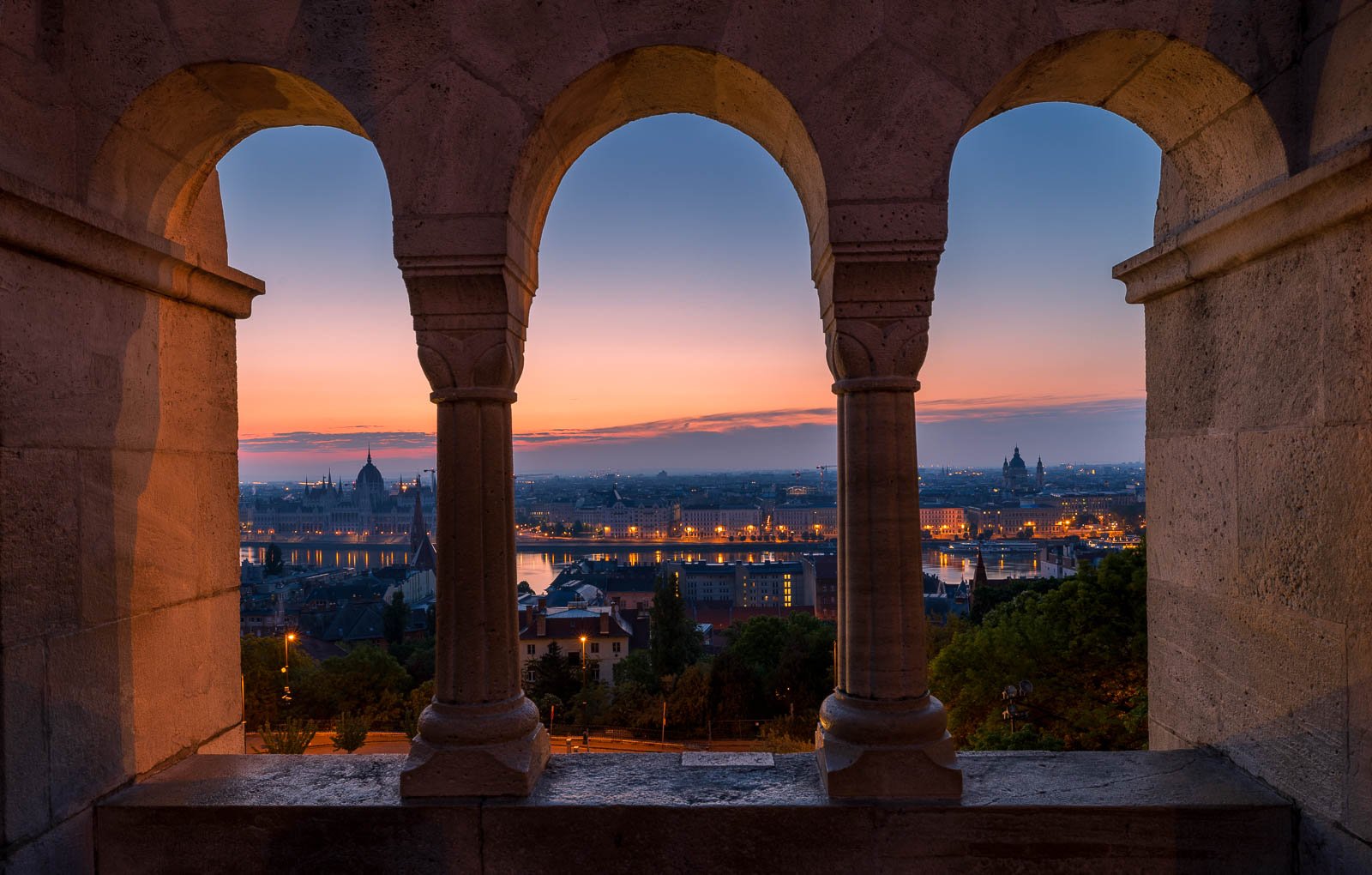
Matthias Church
Right next to the Fishermans bastion is the Matthias Church. The Matthias Church, also known as the Church of Our Lady, is a beautiful Gothic cathedral in the Castle District.
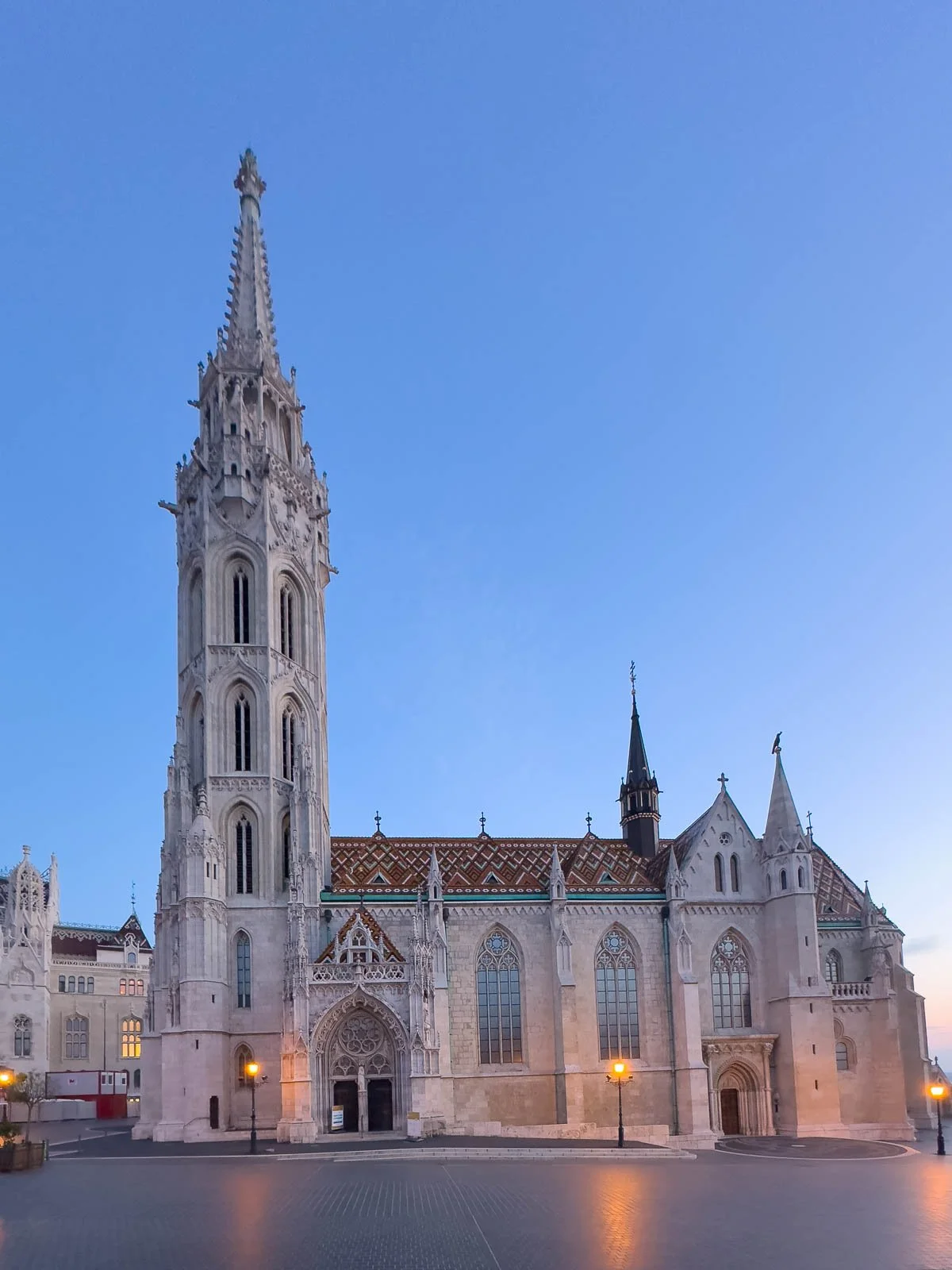
It is named after King Matthias, the first king of Hungary to be crowned in the church.
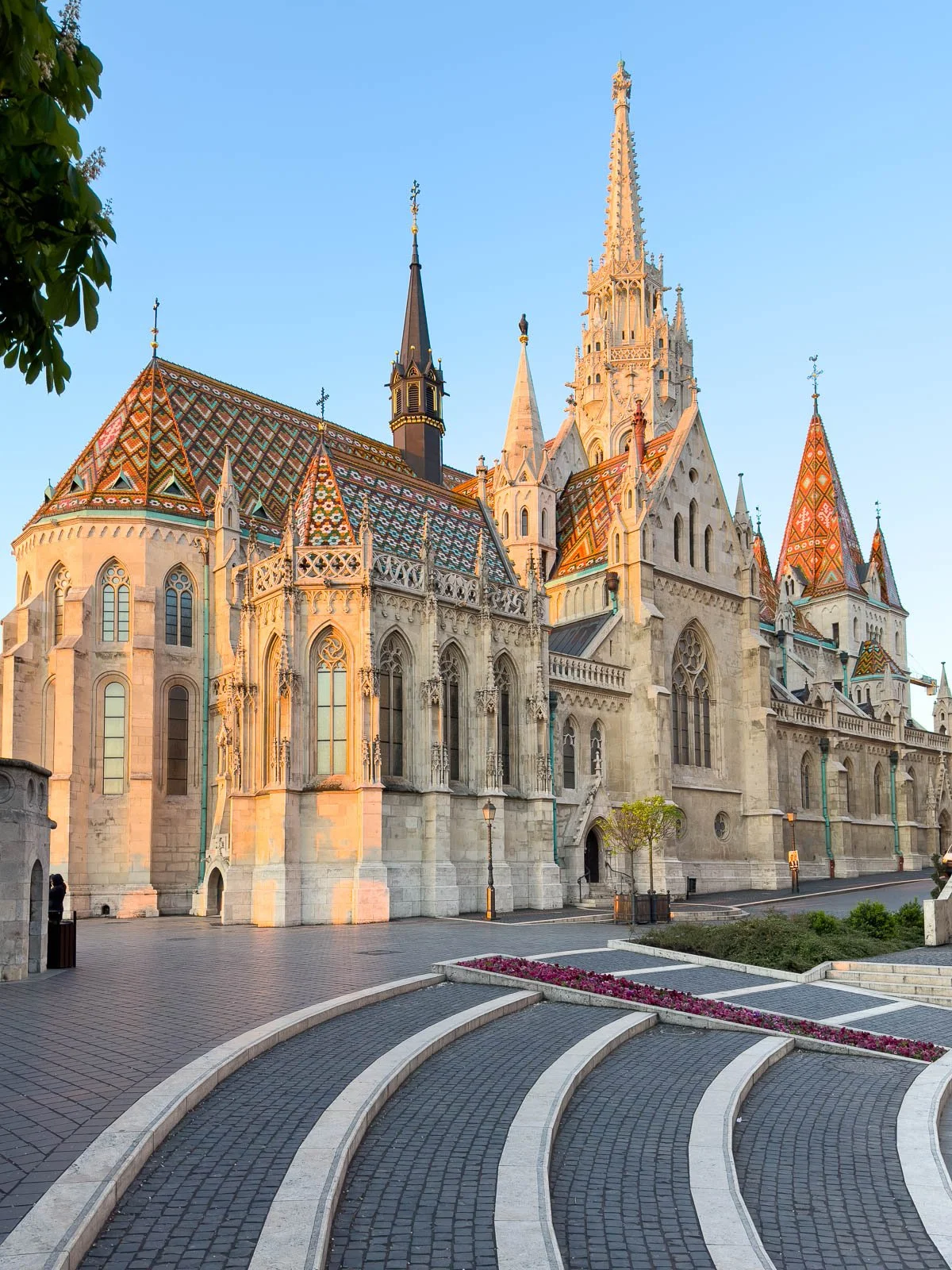
The church was originally built in the 13th century but has undergone several renovations and additions.
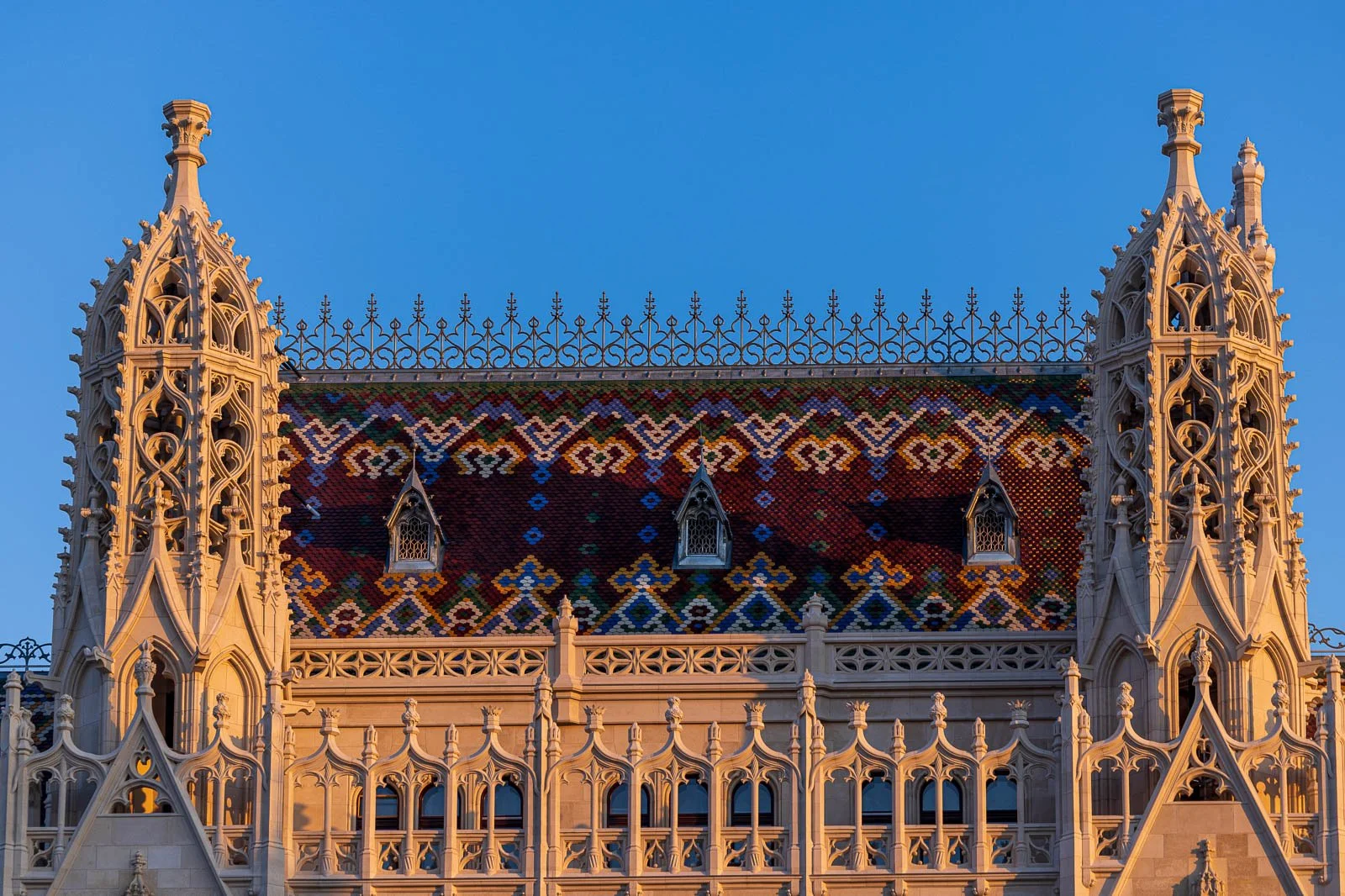
It is the highest spot in the city with outstanding views.
The Hungarian Parliament
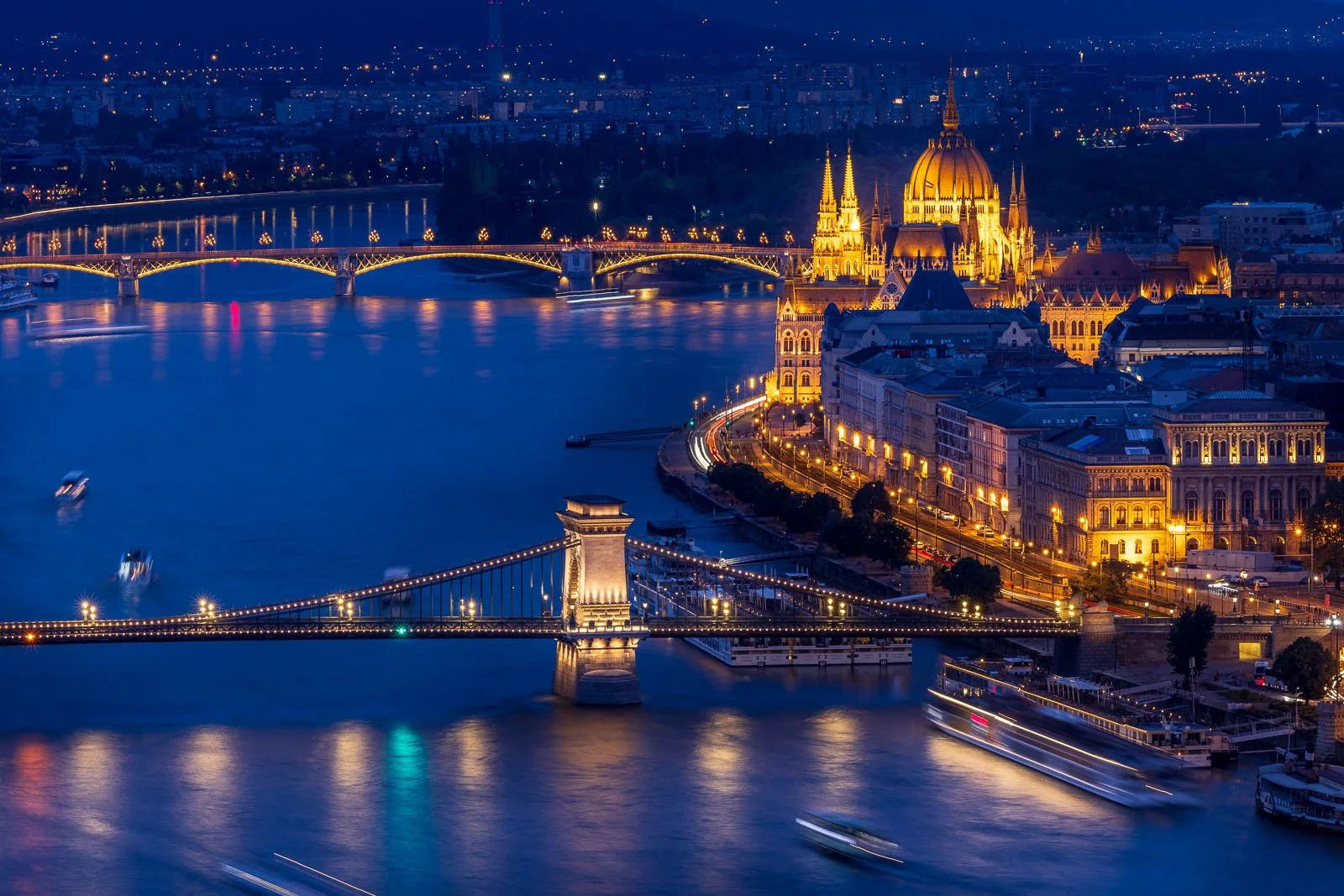
The Hungarian Parliament Building is a stunning architectural masterpiece. It is the largest parliament building in Europe and one of the oldest legislative buildings in the world! It is probably my favorite building in the city to photograph. This is both a Sunrise and Sunset location.
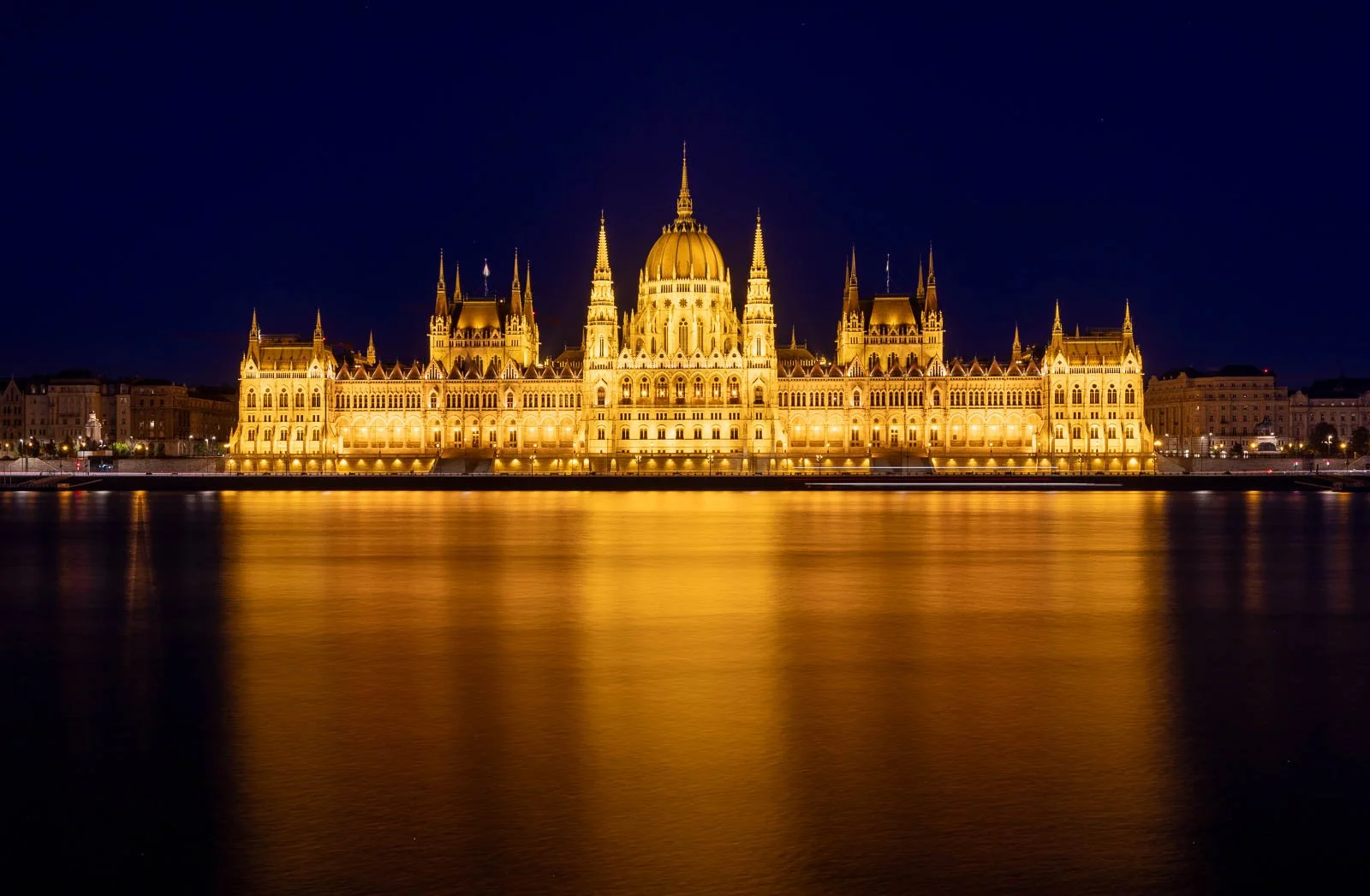
During Blue Hour after Sunset
The building was completed in 1904 and is a prime example of Gothic Revival architecture.
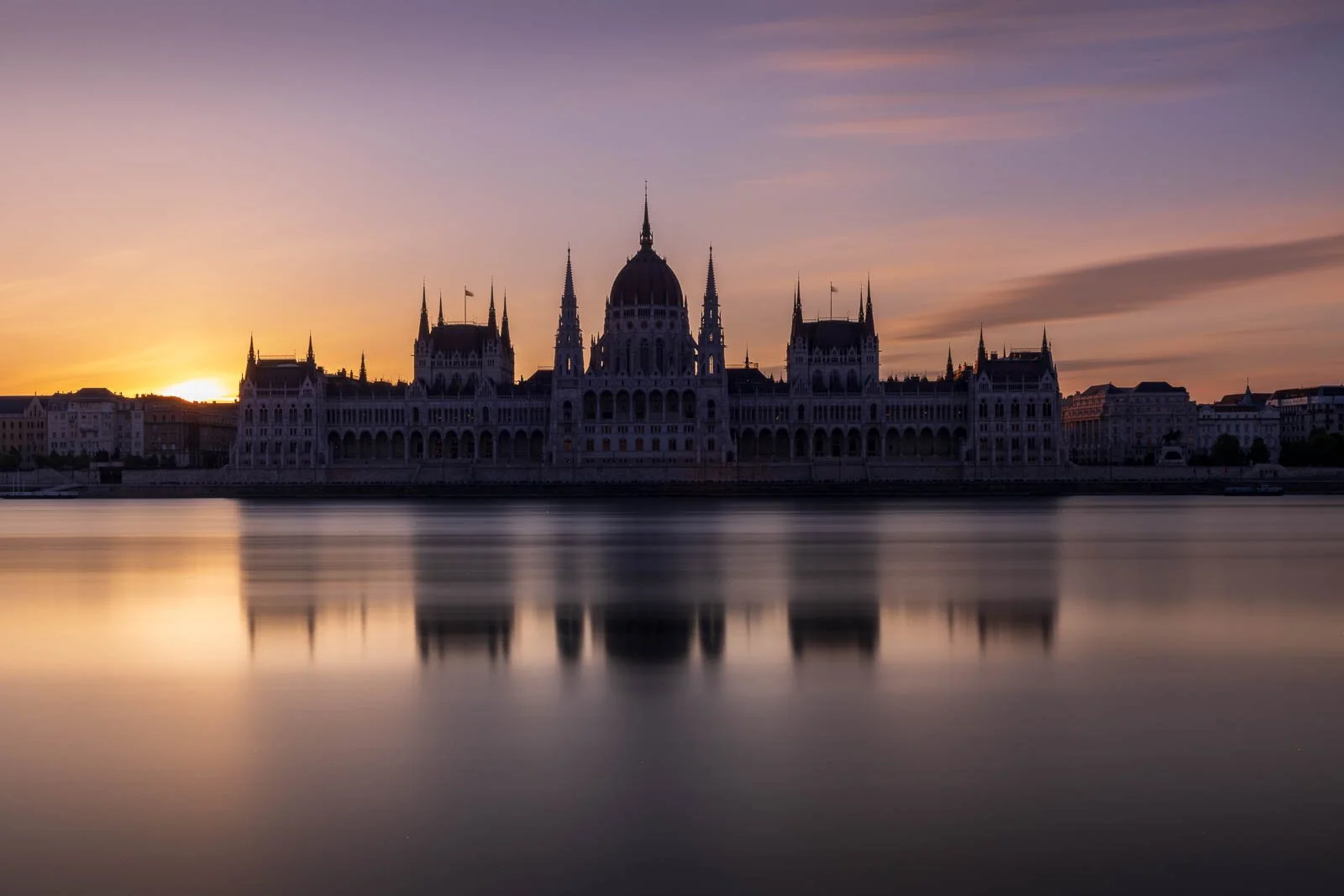
Sunrise
I recommend coming at Sunrise and Sunset. The sun comes up behind the Parliament.
Pro Tip: The Parliament is both a sunrise and blue hour location. Sunrise from the Buda side of the Chain Bridge gives you the Parliament lit by the first eastern light across the water. Blue hour from the same position, thirty minutes after sunset, gives you the illuminated Parliament reflected in the Danube with the deep blue sky above. A 70-200mm compresses the scene. Bring a tripod for the long exposures at blue hour. The Margaret Bridge slightly to the north provides an alternative angle that includes both the Parliament and the river traffic.
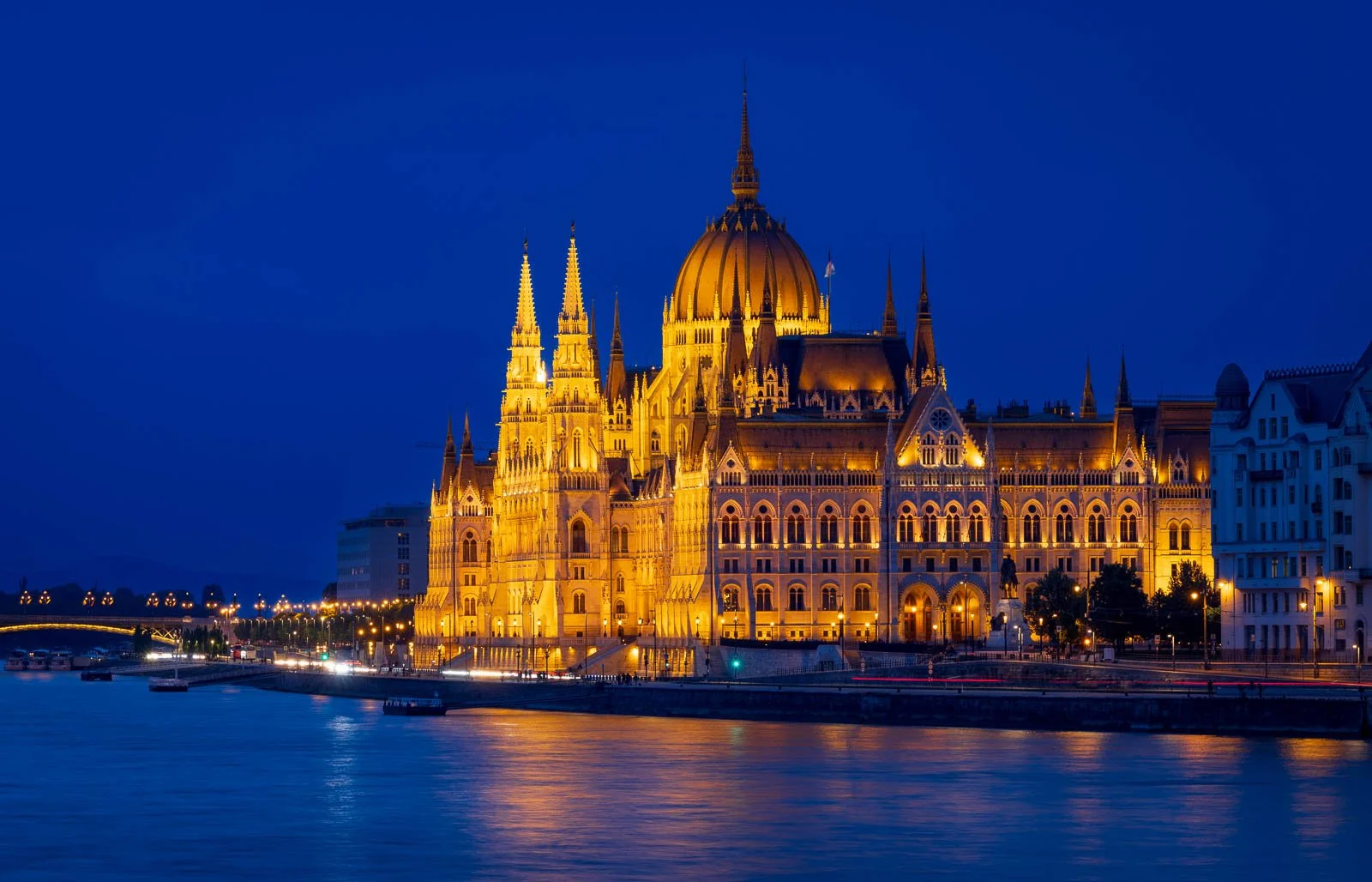
Blue Hour after Sunset
Gellert Hill
Gellért Hill is my favorite photography spot in Budapest. Once you visit, you’ll quickly understand why. Located on the Buda side of the city, the hill offers stunning panoramic views of both the Danube River and downtown Budapest. This is a sunset location.
Pro Tip: This is my favorite photography spot in Budapest. The panoramic view from the Citadella at the top encompasses the entire Danube, both bridges, both sides of the city, and the Parliament to the north. Come for sunset: the light comes from the west and illuminates the Pest side facing you. A 70-200mm pulls the Parliament and bridges into a compressed panoramic composition; a 16-35mm captures the full sweep of the city. The Szabadság (Liberty) Bridge directly below Gellért Hill is the finest single bridge composition in the city, particularly at night when the green ironwork is fully illuminated.
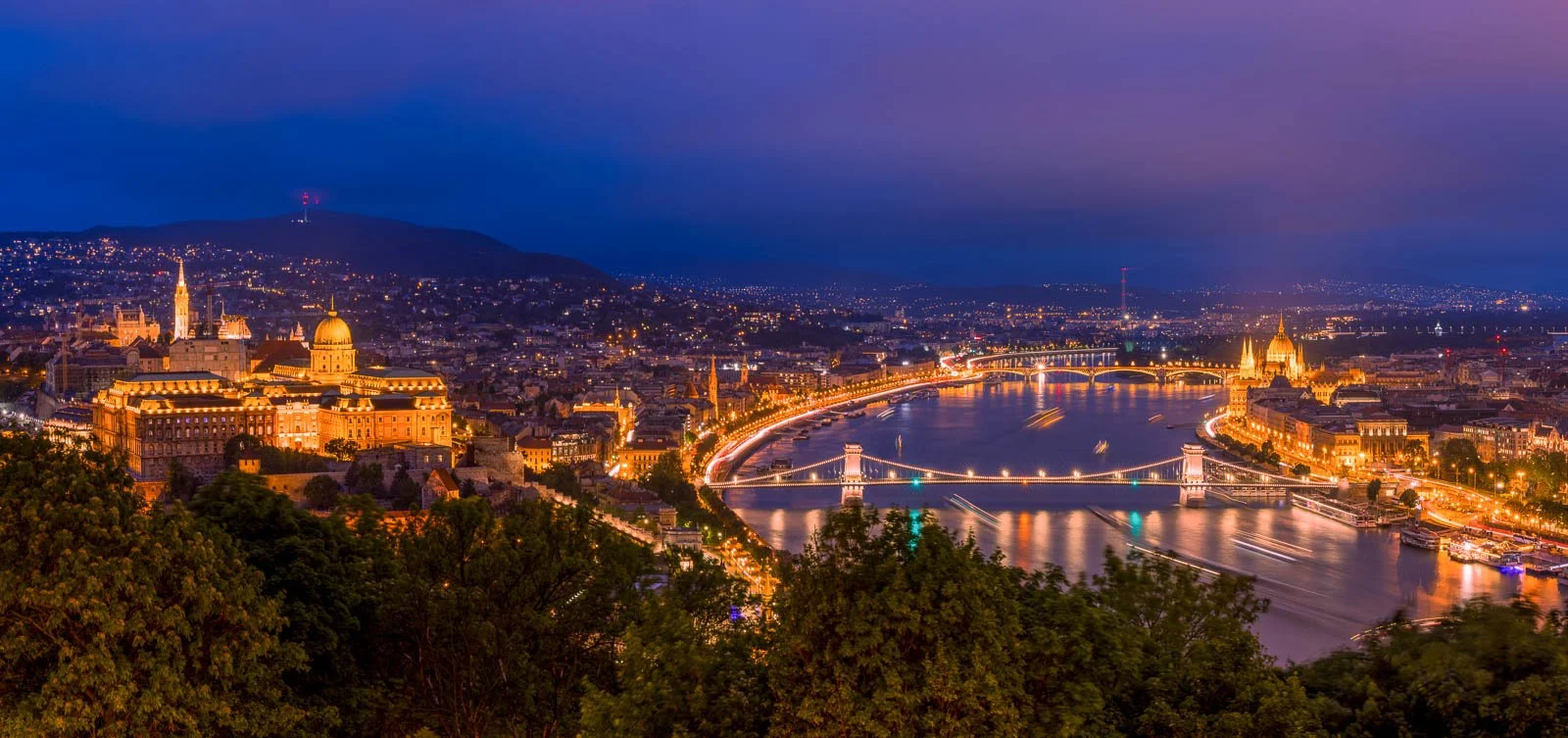
Gellért Hill is home to several important landmarks, including the Citadella, a 19th-century fortress atop the hill, and the Liberty Statue, a monument erected to honor the Soviet liberation of Hungary during World War II.
The Opera House
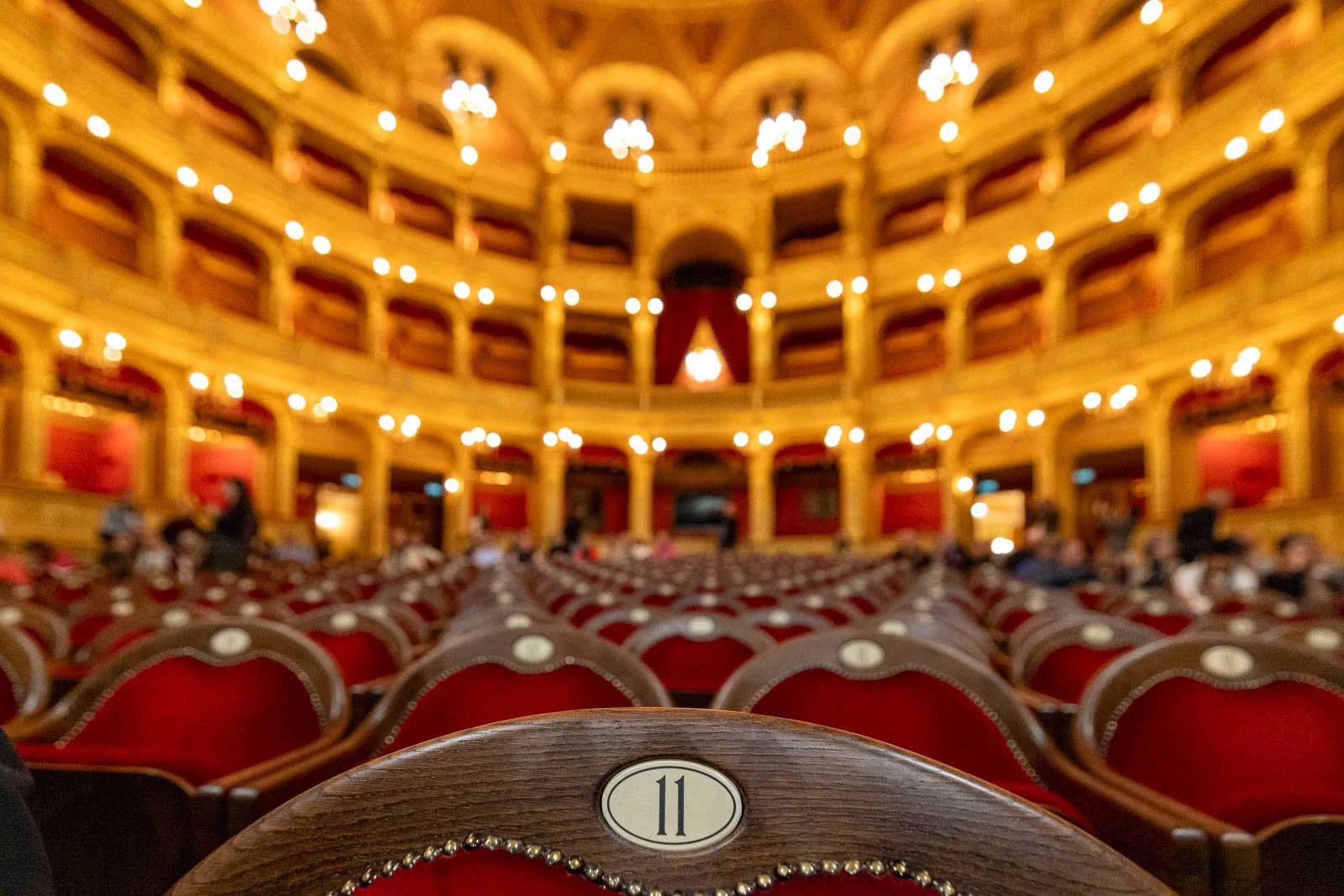
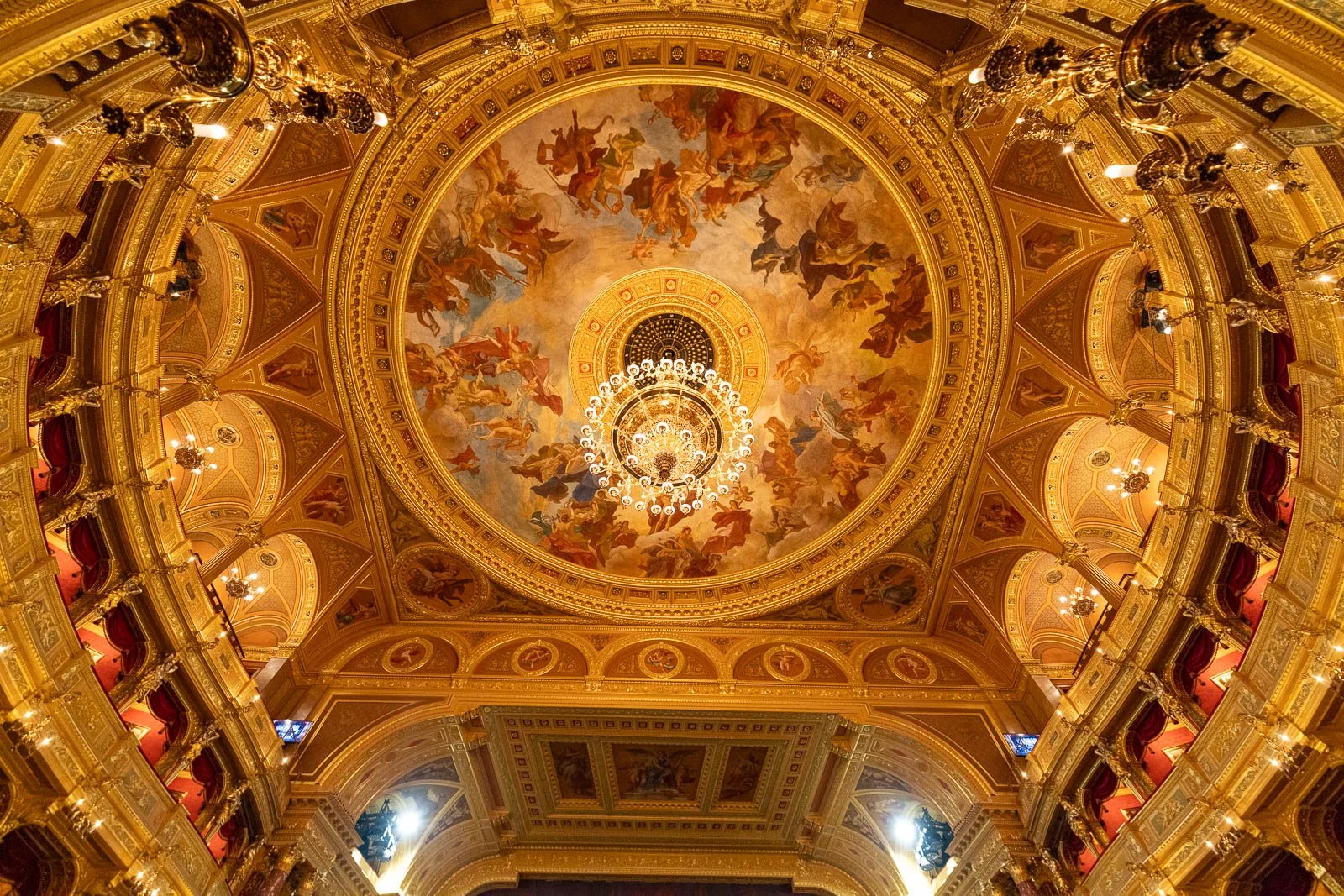
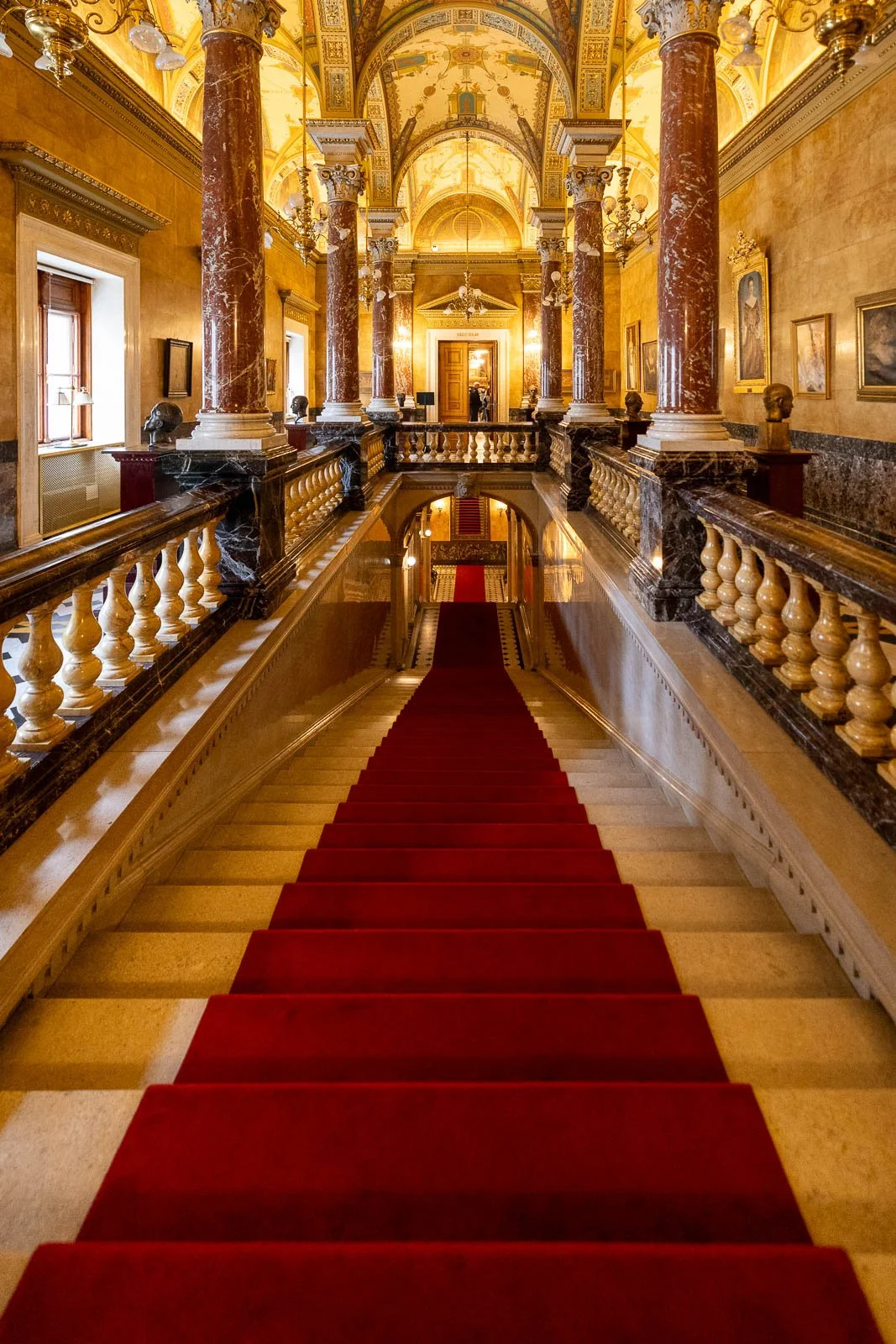
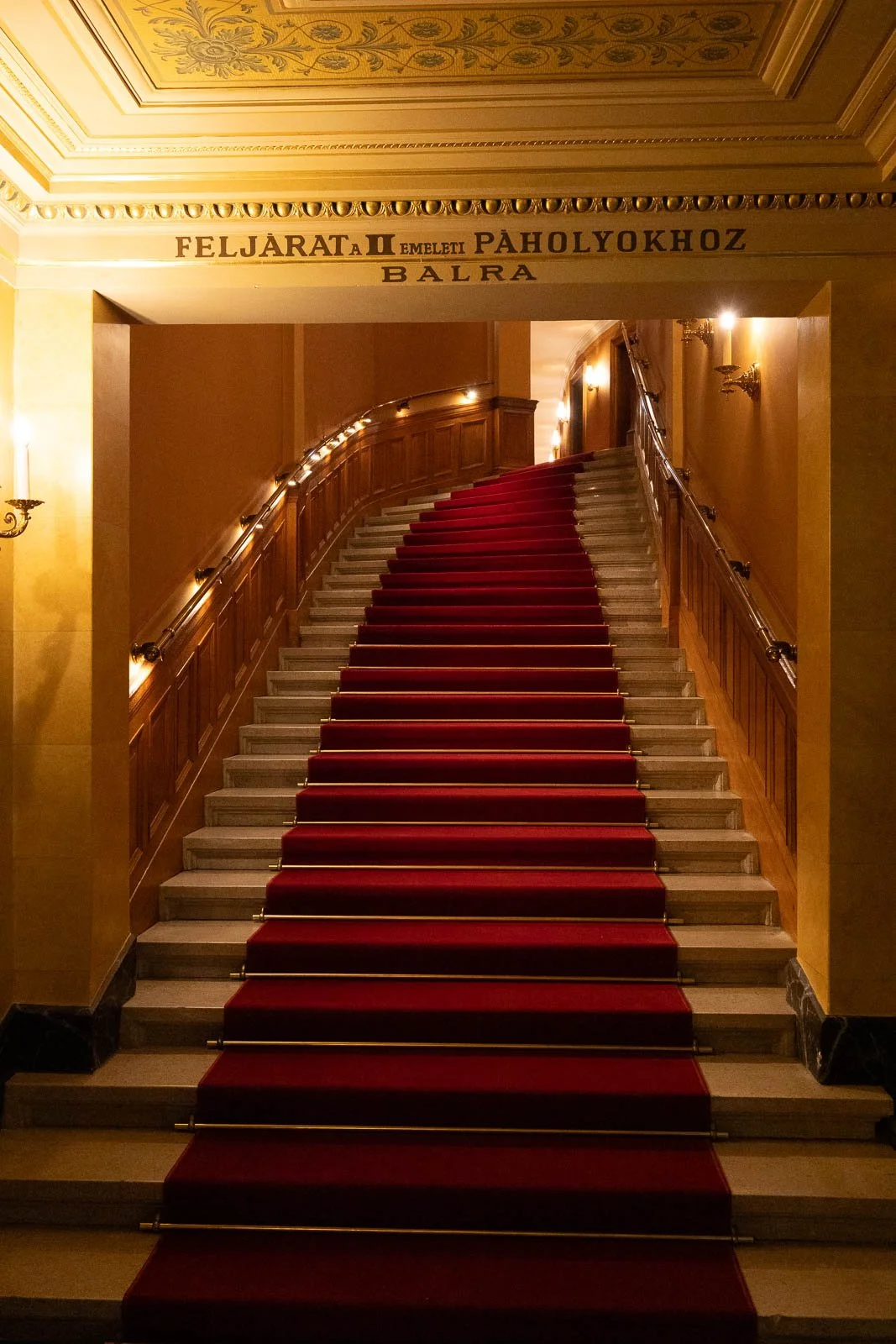
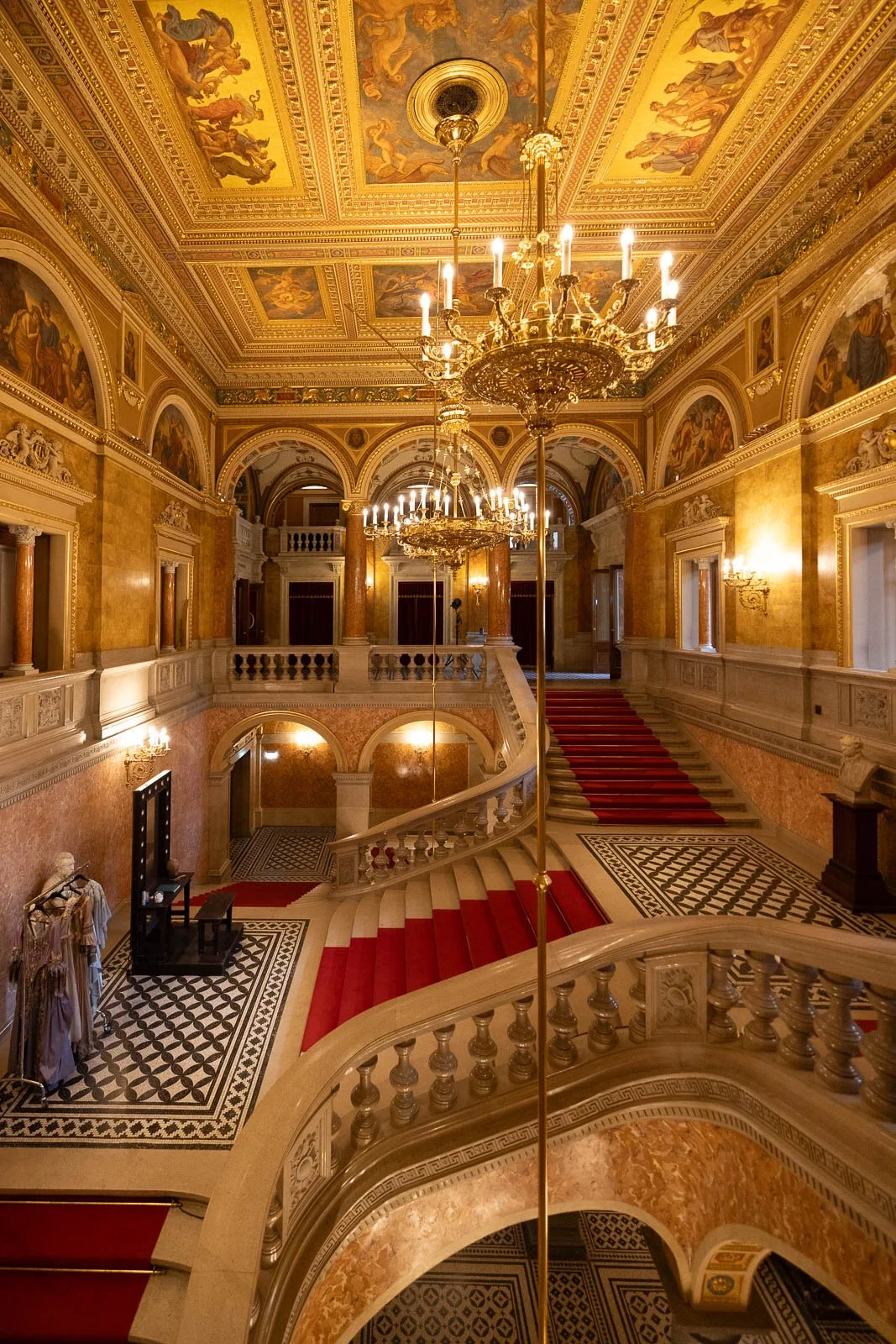
This magnificent new-Renaissance style structure, completed in 1884 and modeled after the Vienna Opera House, is home to both the State Opera and the State Ballet.
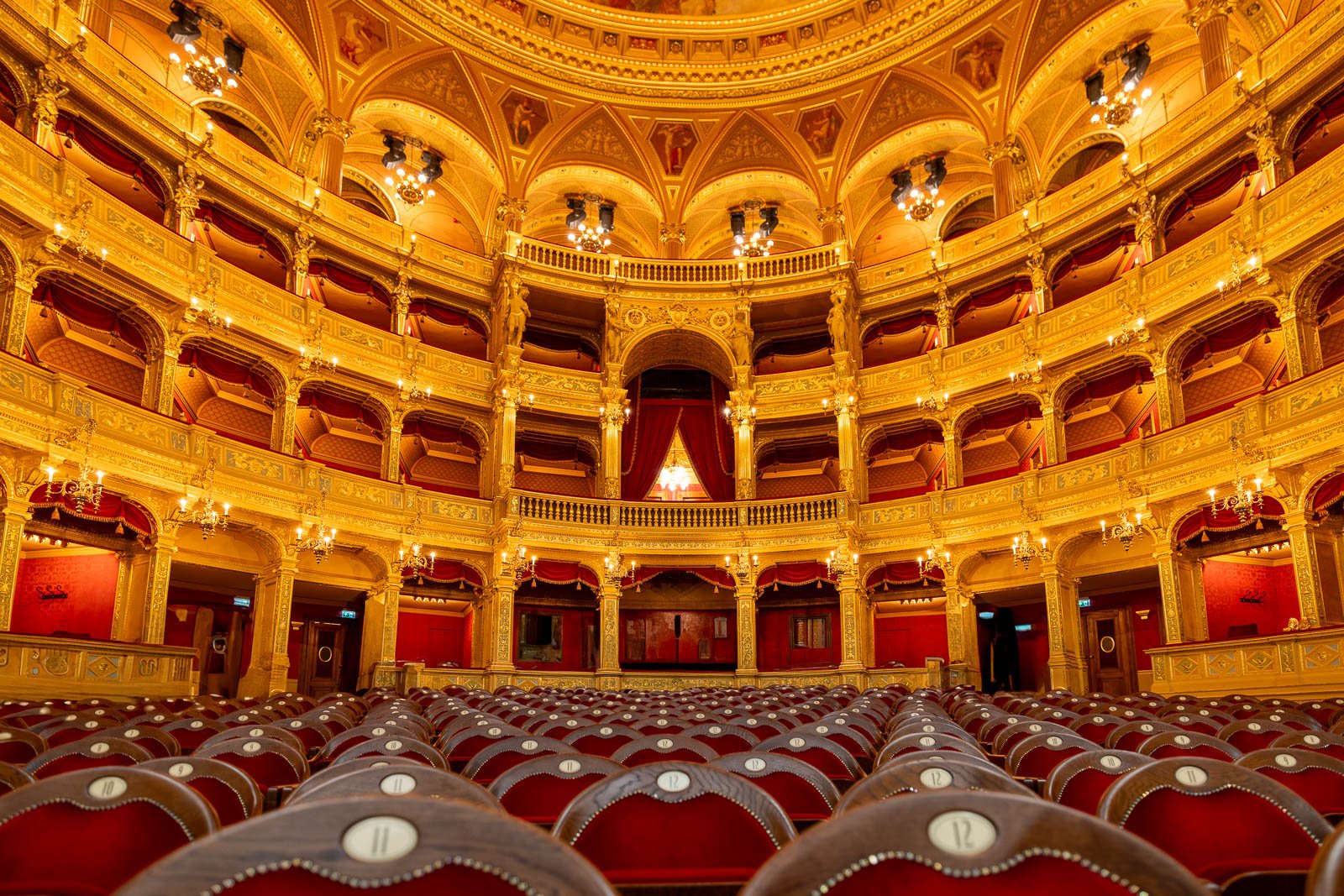
There are so many details to photograph inside the Opera House.
A Model Shoot
We were lucky enough to photograph a model named Ági Koltai. Scott always includes a model shoot in every workshop.
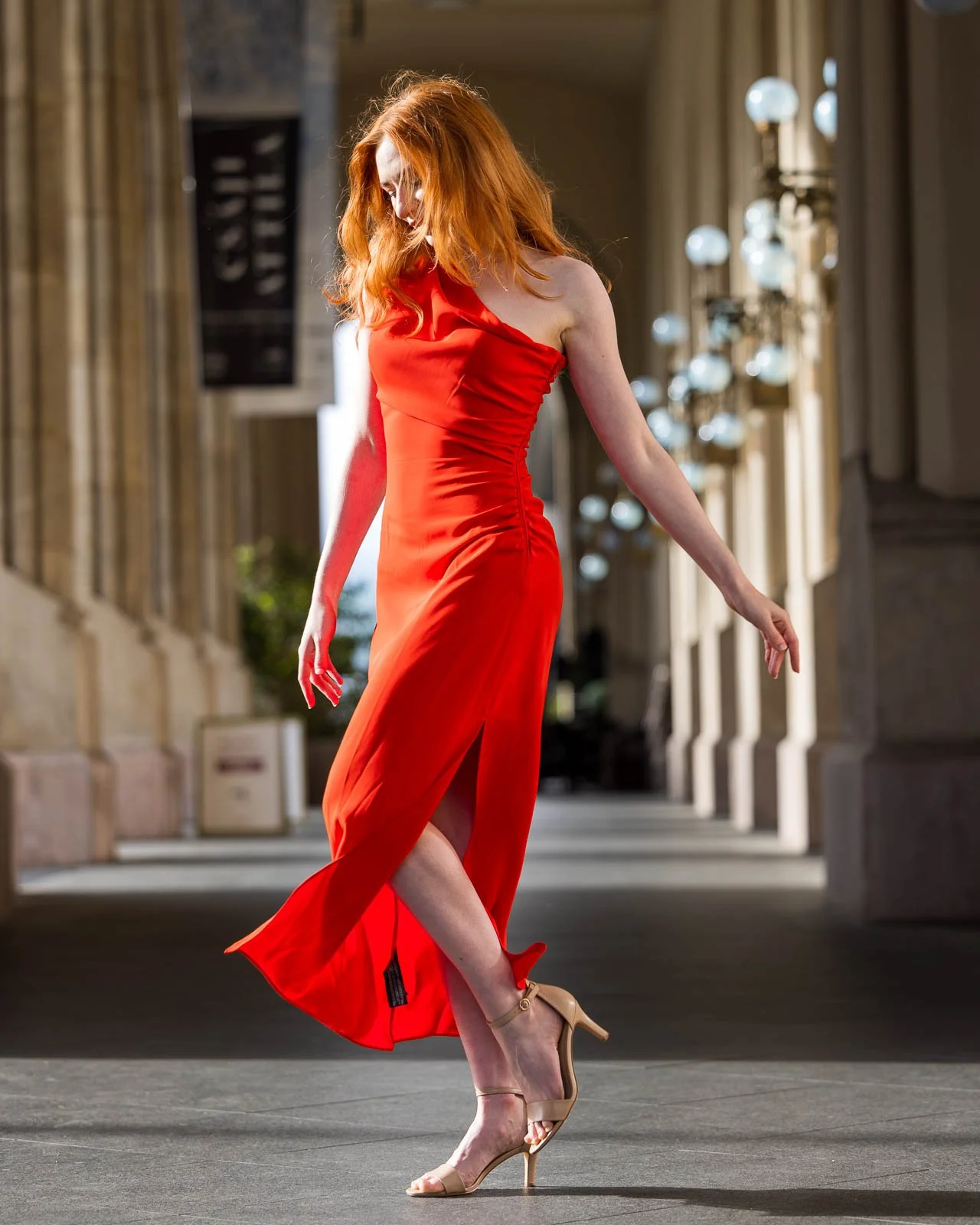
She is stunning and was so much fun to photograph.

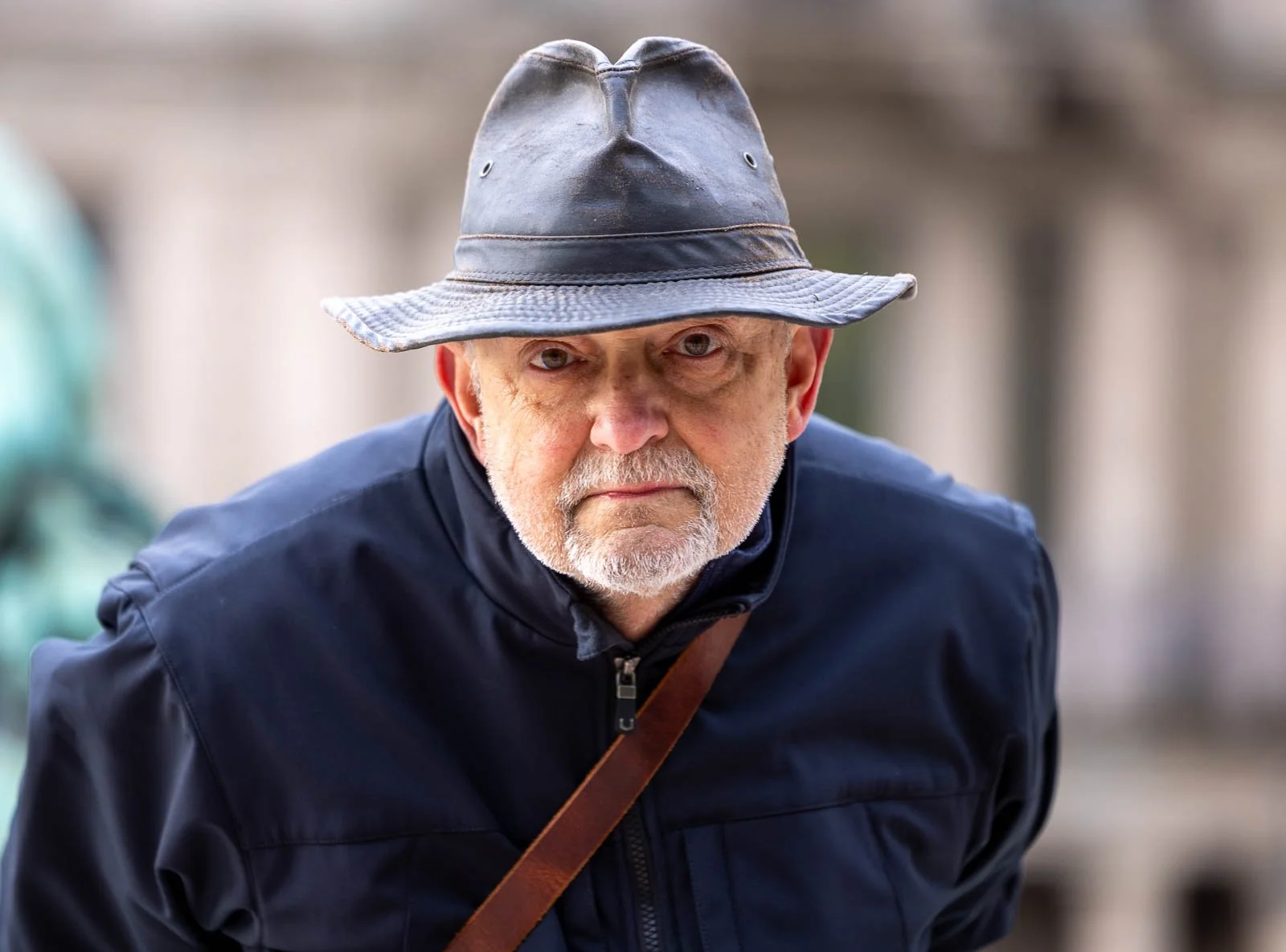
Of course, no workshop is complete without my buddy Willey.
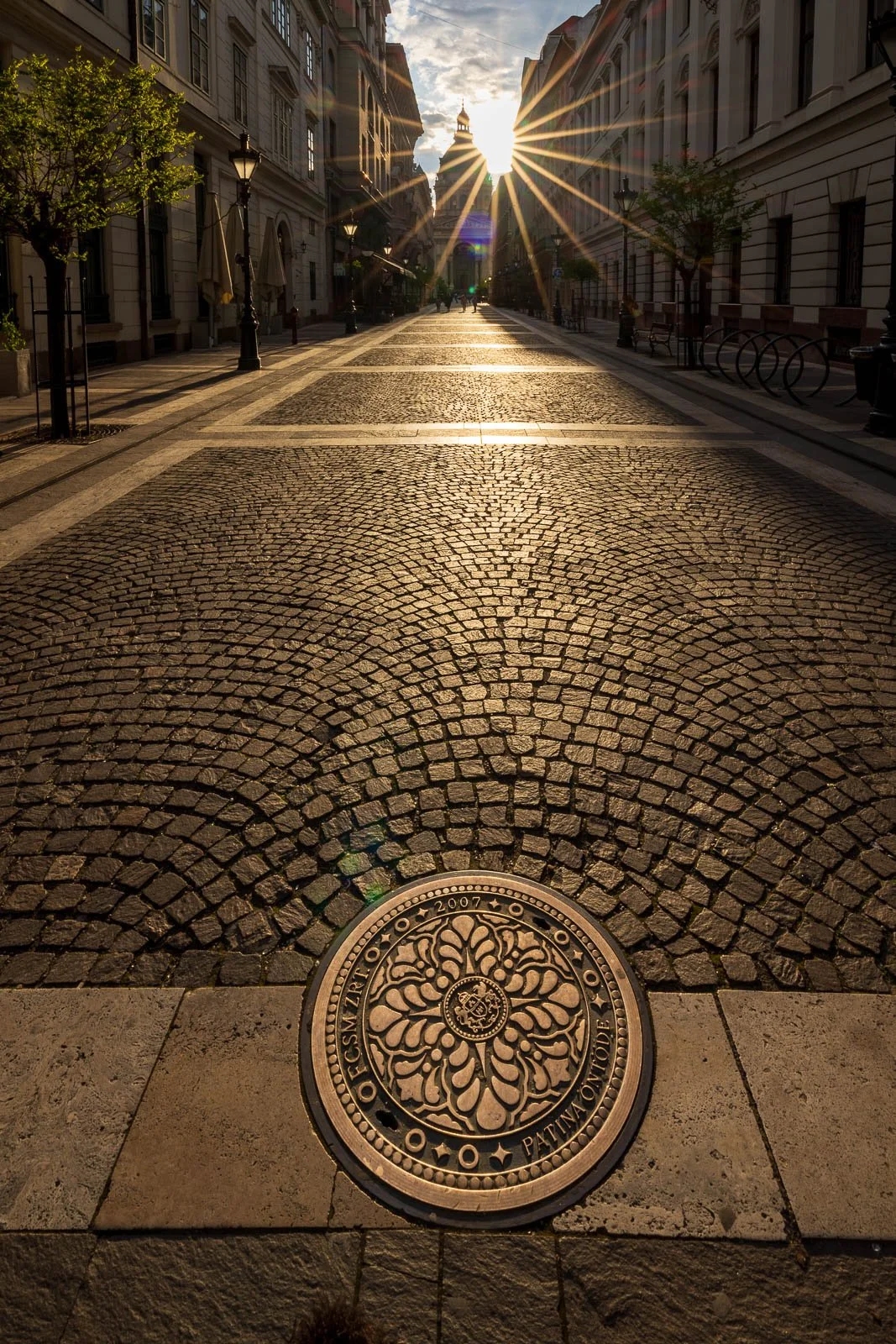
St Stephens Basilica
St. Stephen’s Basilica is a beautiful neoclassical cathedral in Budapest's heart. It is named after St. Stephen, the first king of Hungary, and is the largest church in the country.
The inside of church is beautiful. I loved the ceiling.
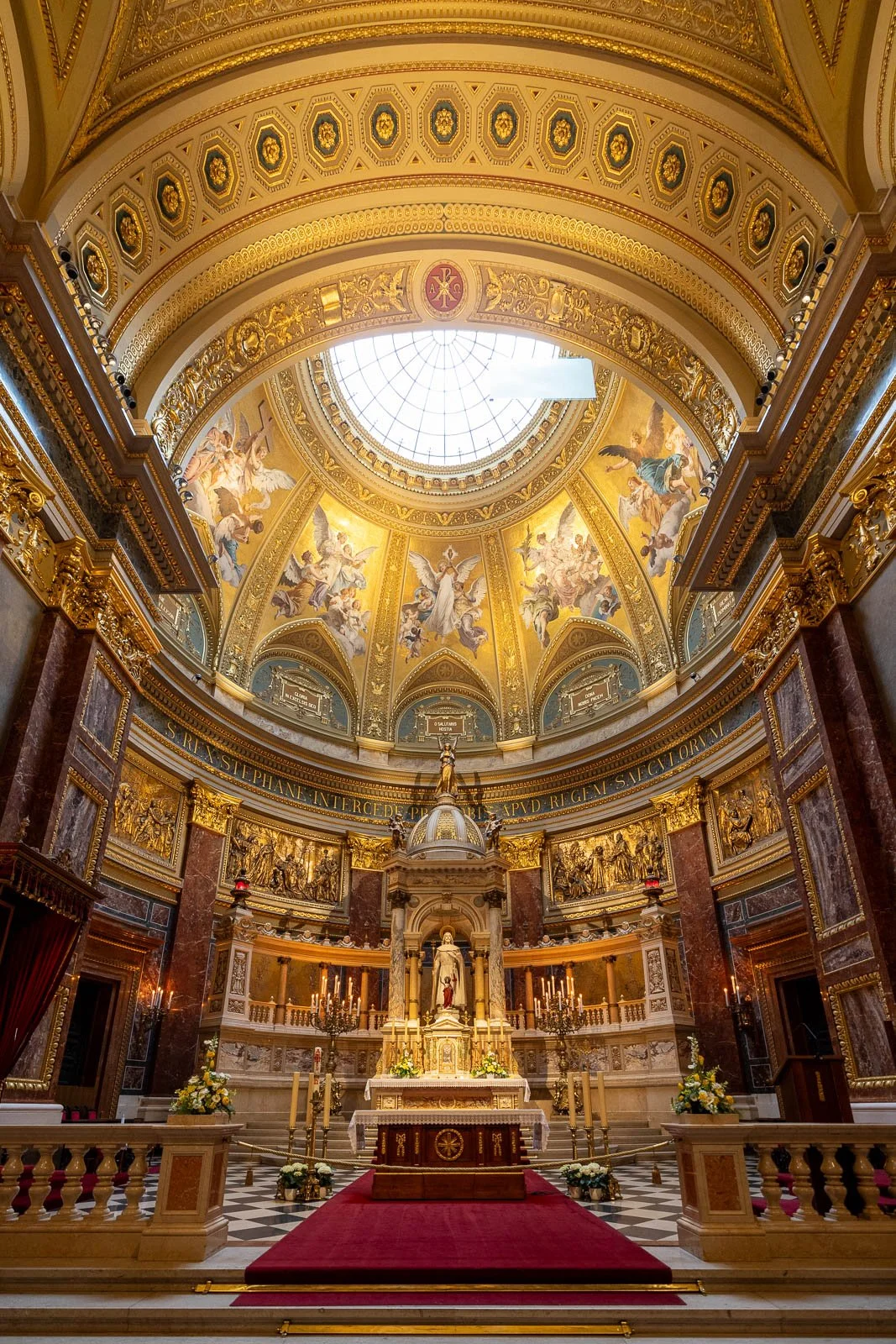
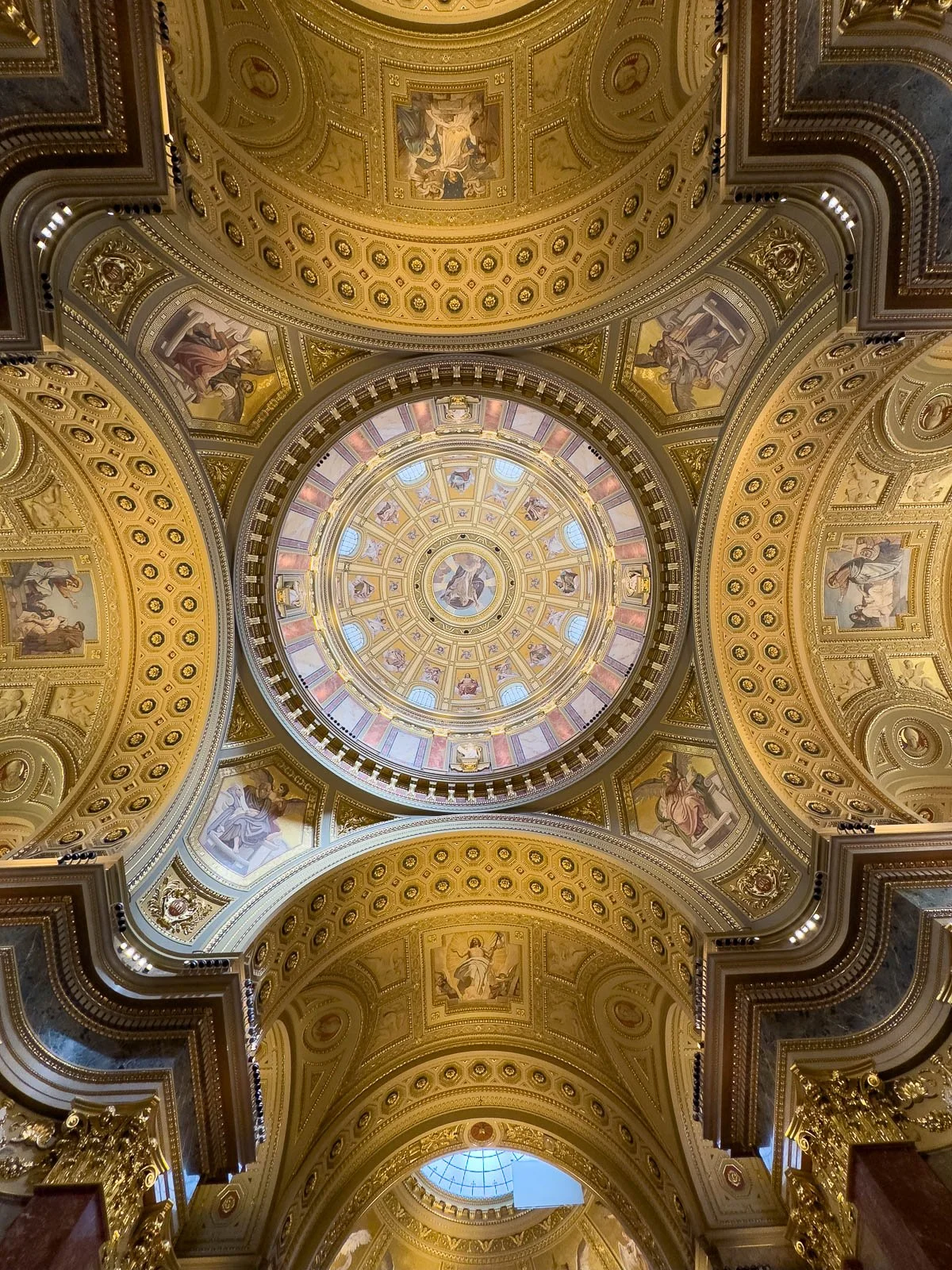
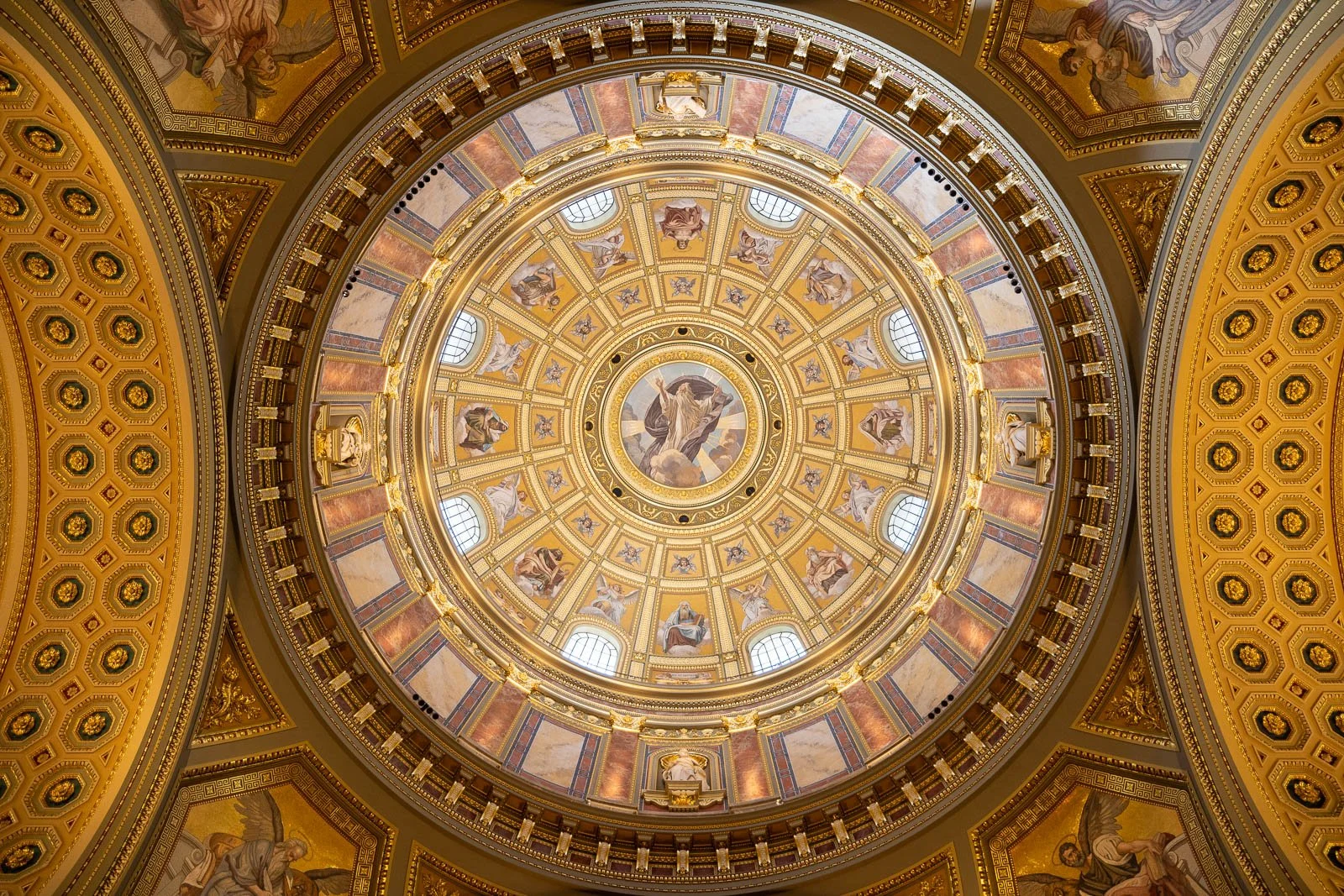
The basilica, completed in 1905, is known for its stunning architecture, including its grand dome, ornate columns, and colorful stained-glass windows.
The Central Market
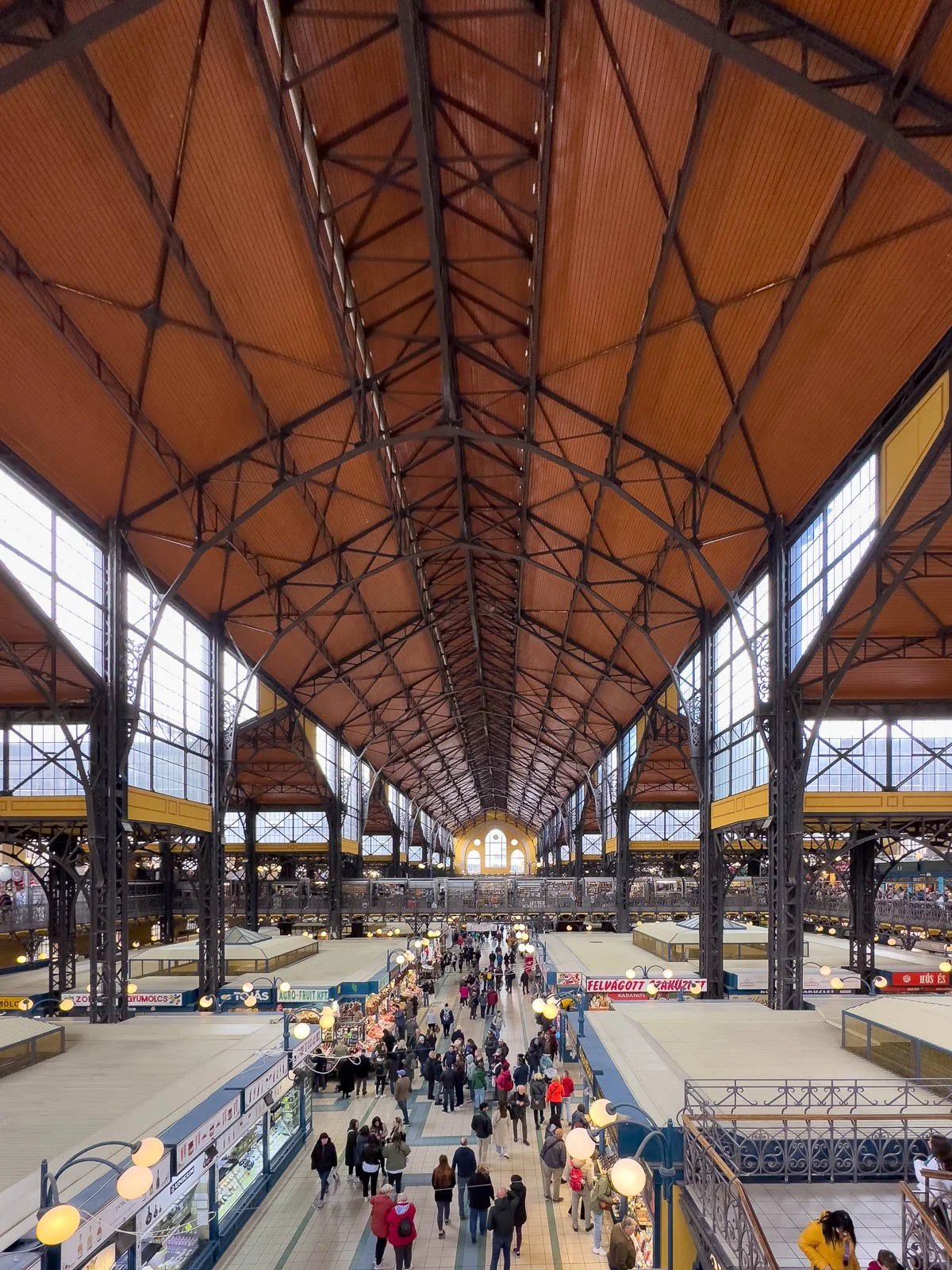
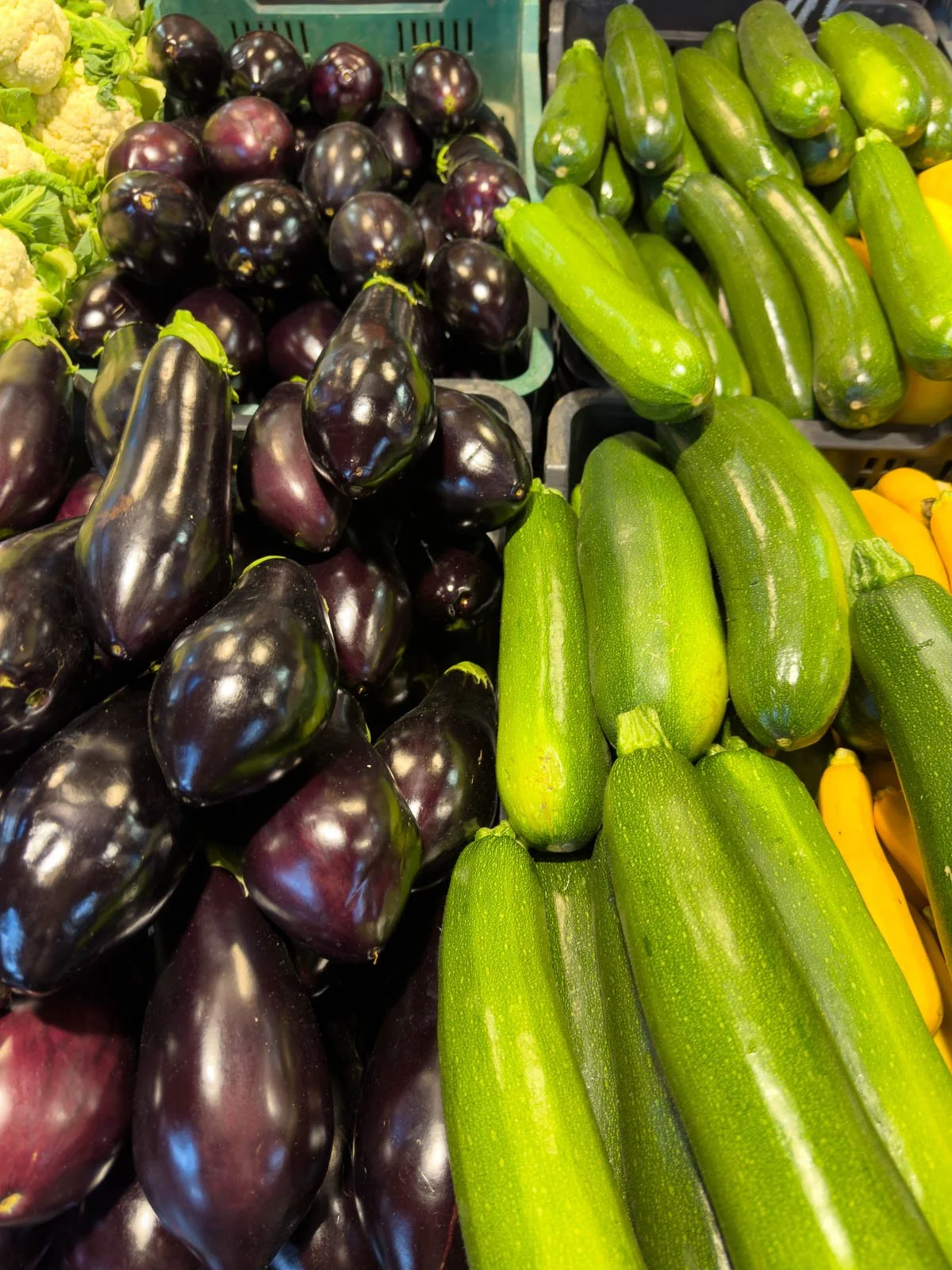
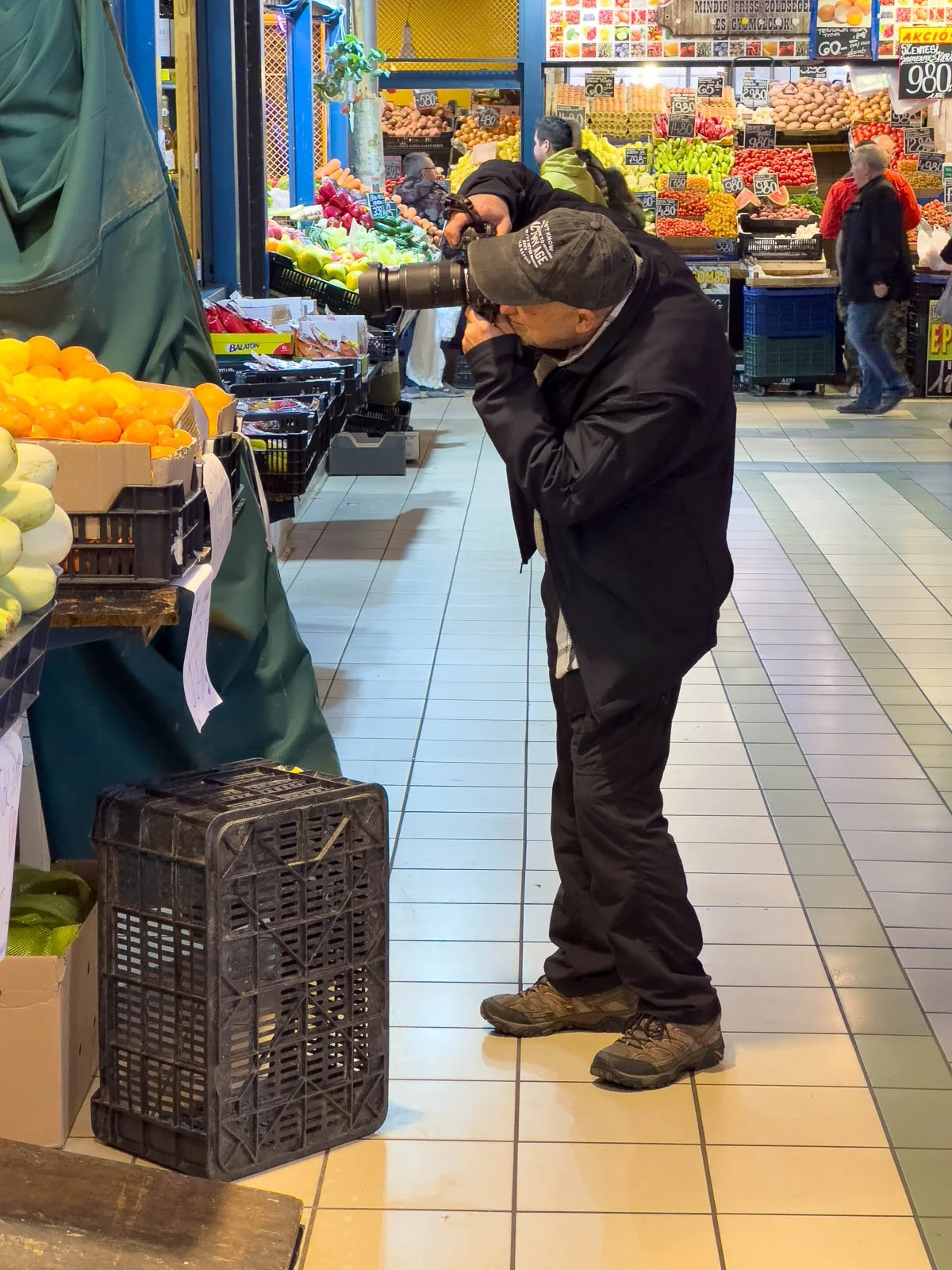
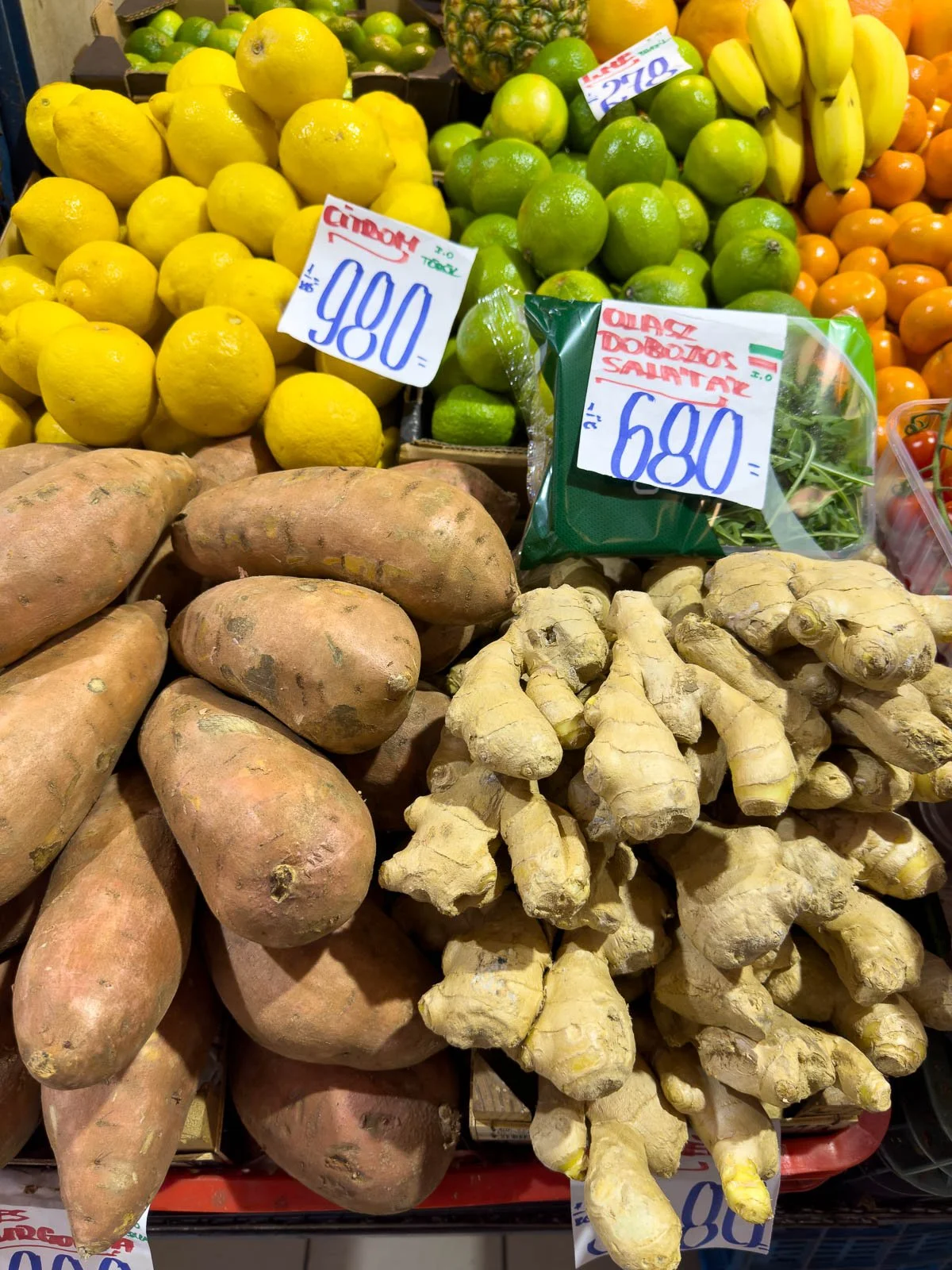
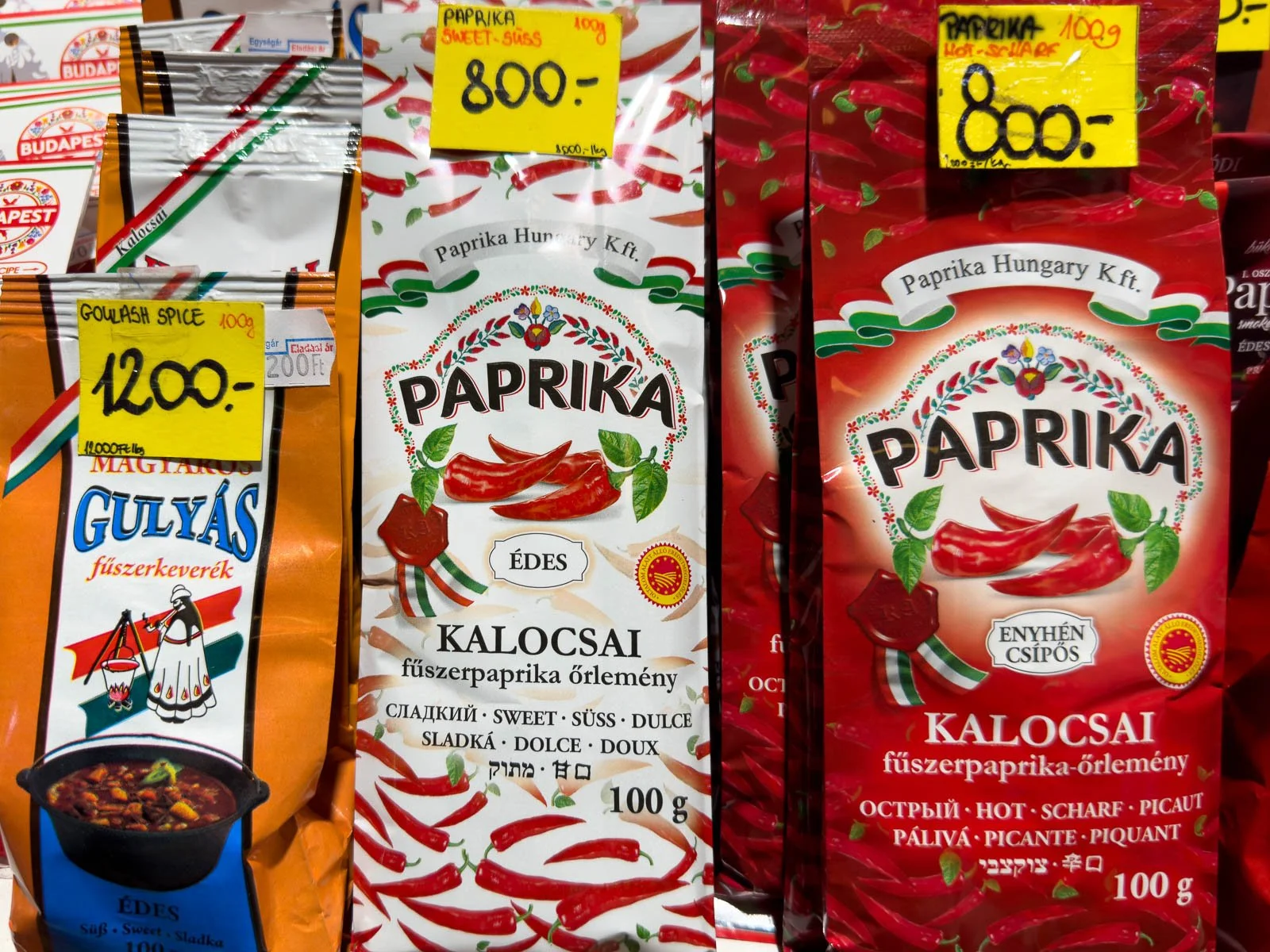
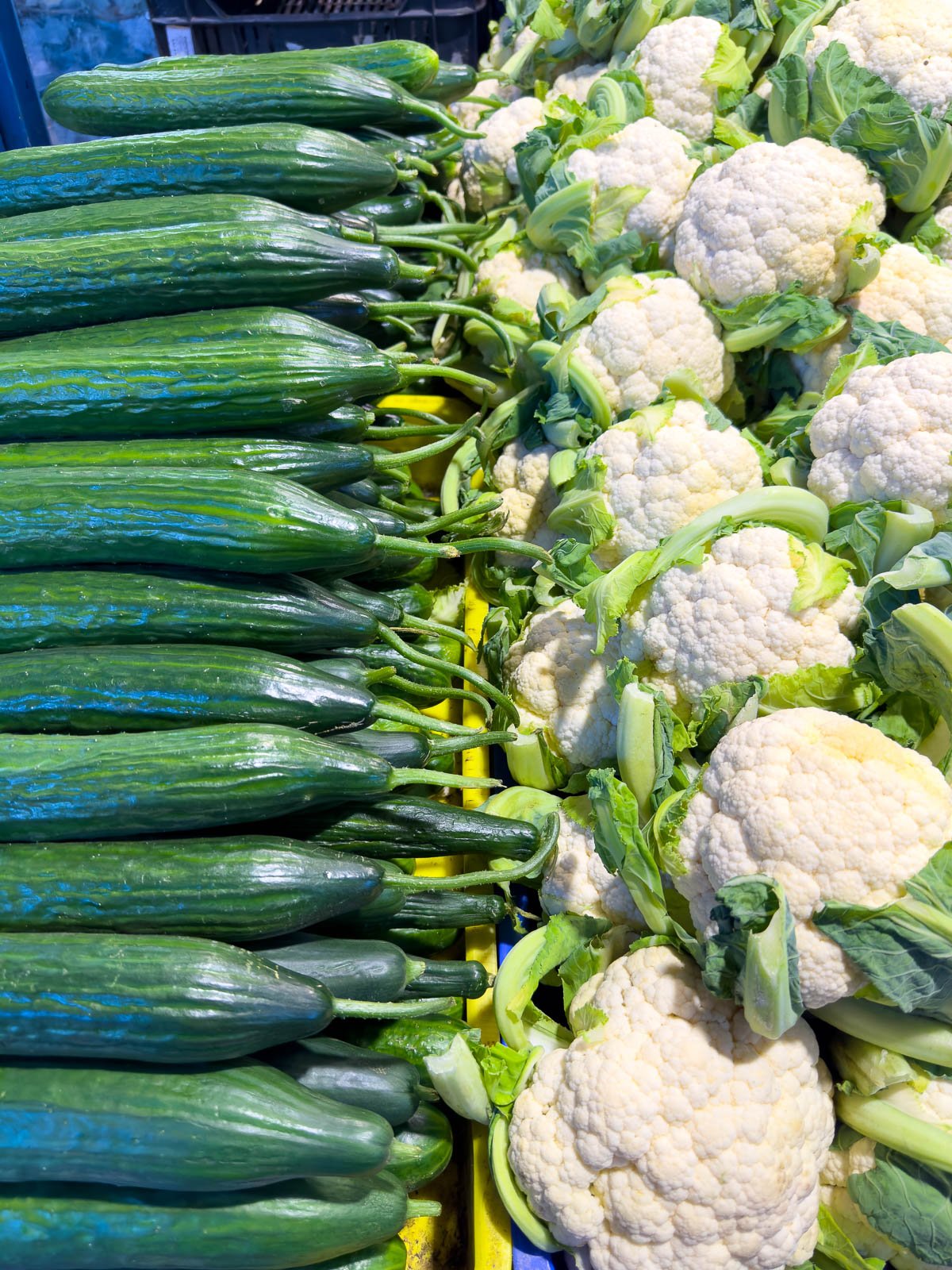
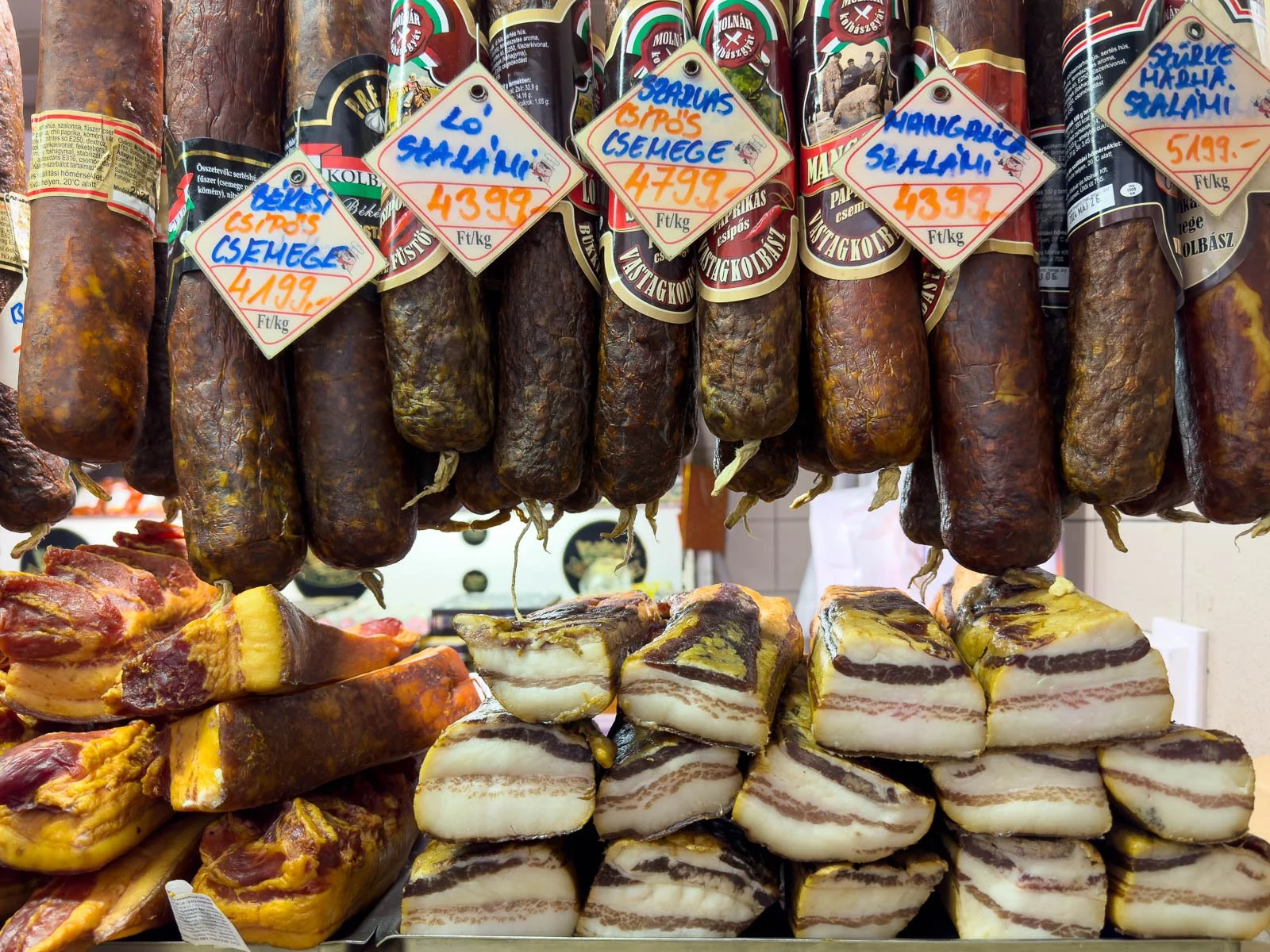
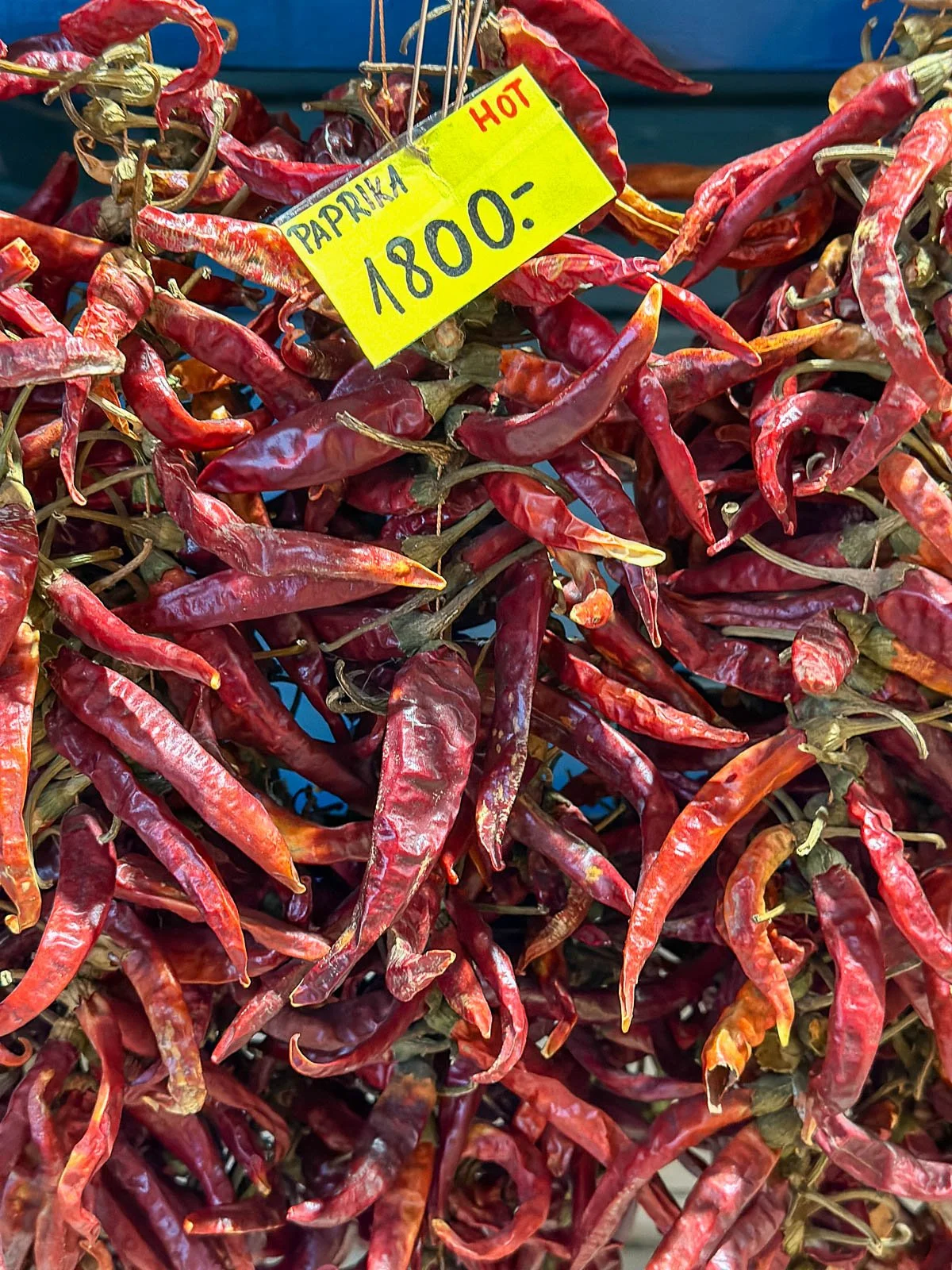
I have always loved visiting food markets, and this one is particularly nice. The ornate brick structure that houses the central market on the Pest side is worth a visit. You can photograph colorful stalls filled with beautiful arrangements of produce, meats, seafood, and other specialty foods from the area.

Hero’s Square
Heroes’ Square is another iconic landmark in Budapest. I love the symmetry. It’s usually very busy in the day, so as I did for these two photos, I would suggest going there in the early morning before the crowds.

It is located at the end of Andrássy Avenue, which is a popular shopping and cultural district in the city.
Liz & Chain Rooftop Bar in the Marriott Hotel
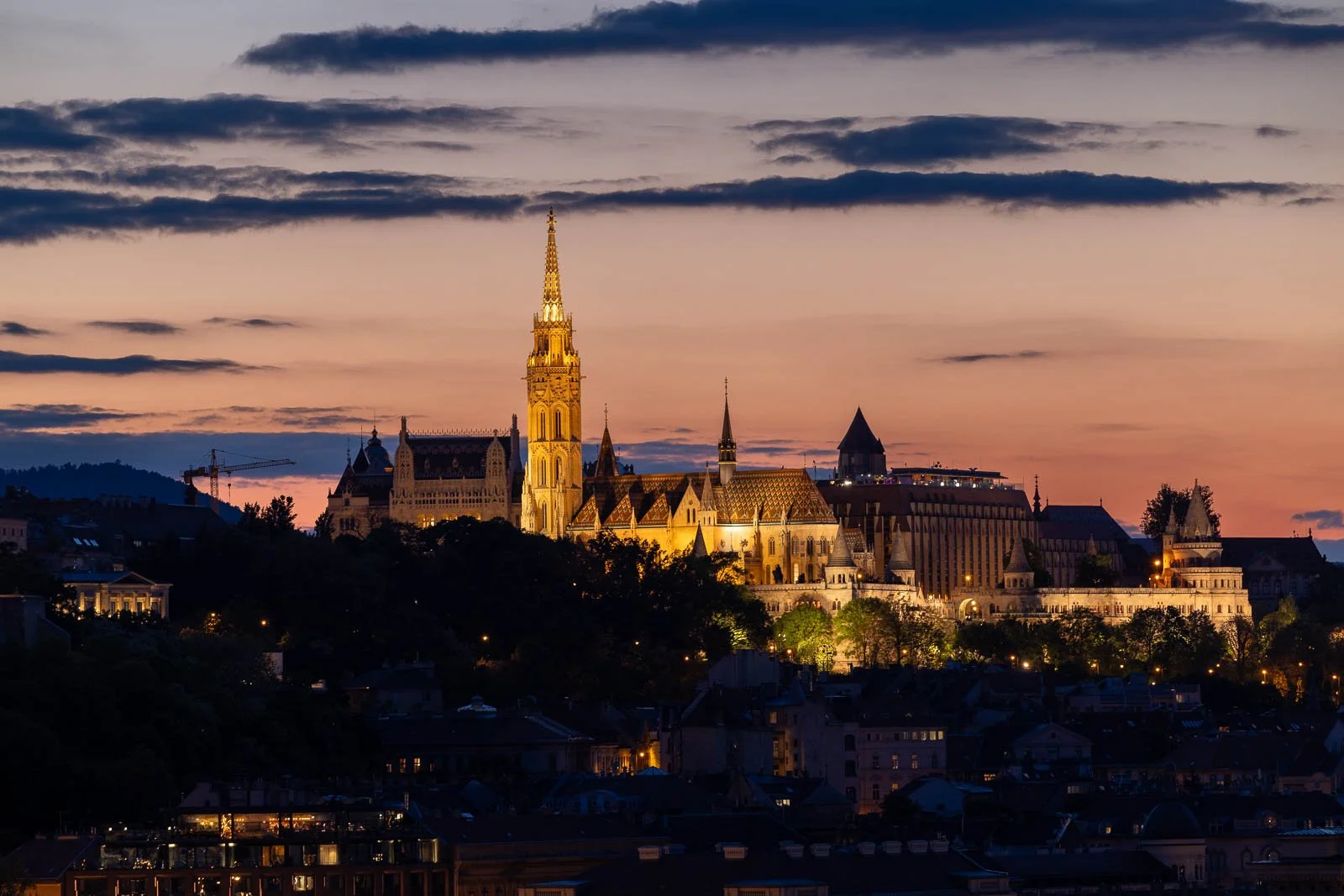
The rooftop bar in the Marriott Hotel is a perfect spot for a drink and an evening photo. The views and drinks were amazing, and it was the perfect place to end our Budapest trip.
Final Thoughts
Budapest feels cinematic from the moment you see it.
Going back to Budapest seven years after my first visit, on a workshop, with a photographer's guide who knew the city deeply, I got the images I had imagined the first time but did not yet have the skills to take. That gap between the two visits is the best argument I know for returning to a city you love when your photography has grown.
Budapest rewards the revisit. It also rewards the guide. Hire Miklos. Get up for sunrise at Fisherman's Bastion. Stay for blue hour at the Chain Bridge. The city will do the rest.
If you enjoyed this Photography and Travel Guide to Budapest, you can explore my other Photography and Travel Guides here, including my guide to Prague and Vienna, two other extraordinary Central European cities within easy reach.
If you are interested in joining one of my photography workshops, you can find the details through the link. You can also follow along on Instagram, Facebook, or subscribe to my newsletter for more travel photography tips and behind-the-scenes insight.
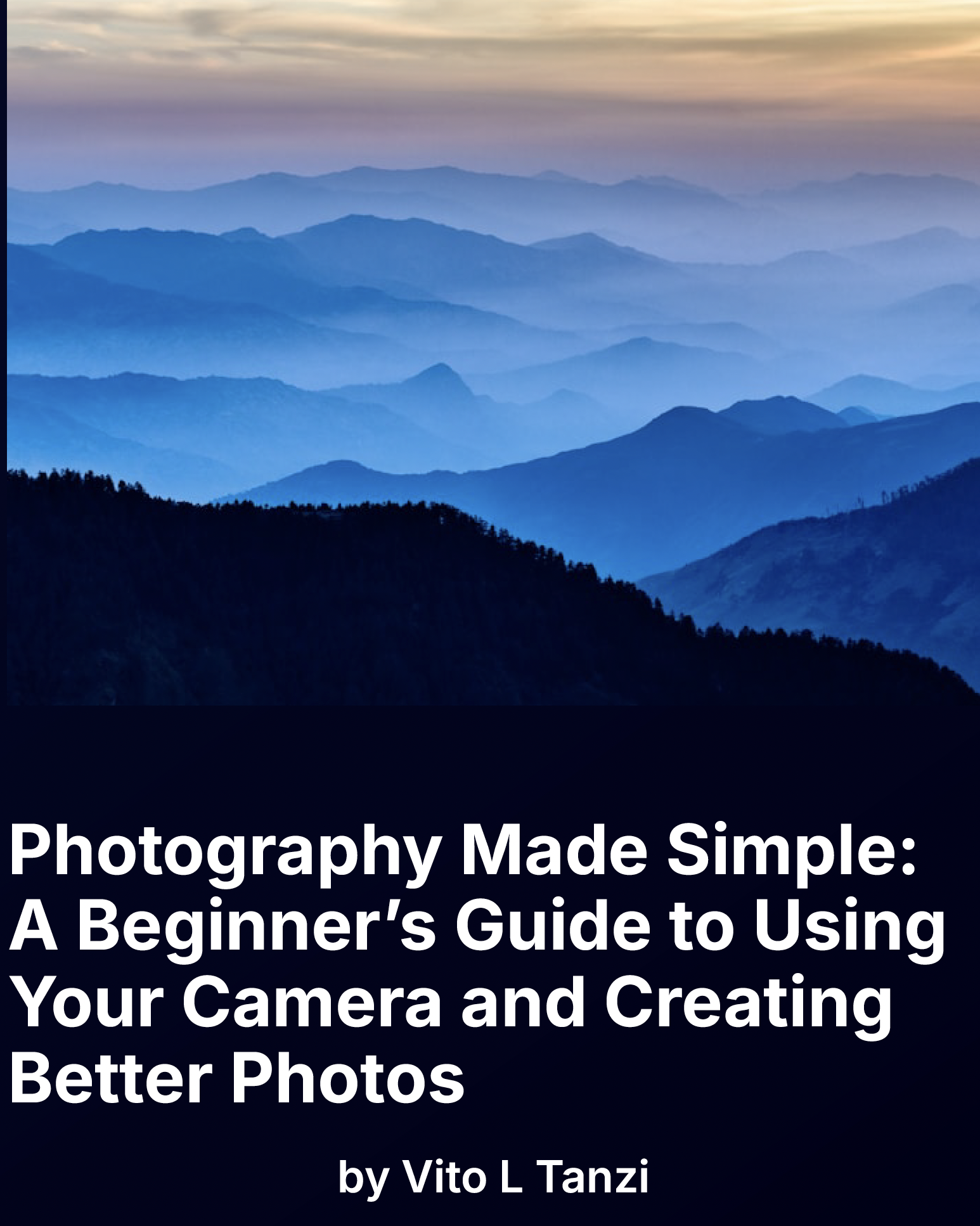
Finally—a beginner-friendly photography guide that makes sense.
If you've ever picked up a camera and thought, "Now what?" this is the book for you.
Photography Made Simple is written for adults who are just starting out and want a clear, encouraging, real-world approach to learning photography. Whether you're using a DSLR, mirrorless, or just your smartphone, this guide walks you through the basics—without the jargon or tech overwhelm.
Inside, you'll learn:
The only camera settings you really need to know to get started
How to shoot sharper, more intentional photos using light and composition
Simple tips for portraits, landscapes, travel, and everyday life
What gear you do (and don’t) need
How to create better photos without upgrading your camera
You’ll also get practical exercises, cheat sheets, and tips for organizing and editing your images—plus the confidence to shoot off Auto Mode for good.
This is not a textbook. It’s a friendly guide to seeing the world with fresh eyes—and finally capturing what you see the way you imagine it.
📸 Format: PDF download
Pages: 100+
Perfect for: Beginners, hobbyists, and anyone ready to take better photos without the stress