International Travel & Safari Medicine Packing List
International Travel & Safari Medicine Packing List
When traveling to Africa or any remote safari destination, preparation matters.
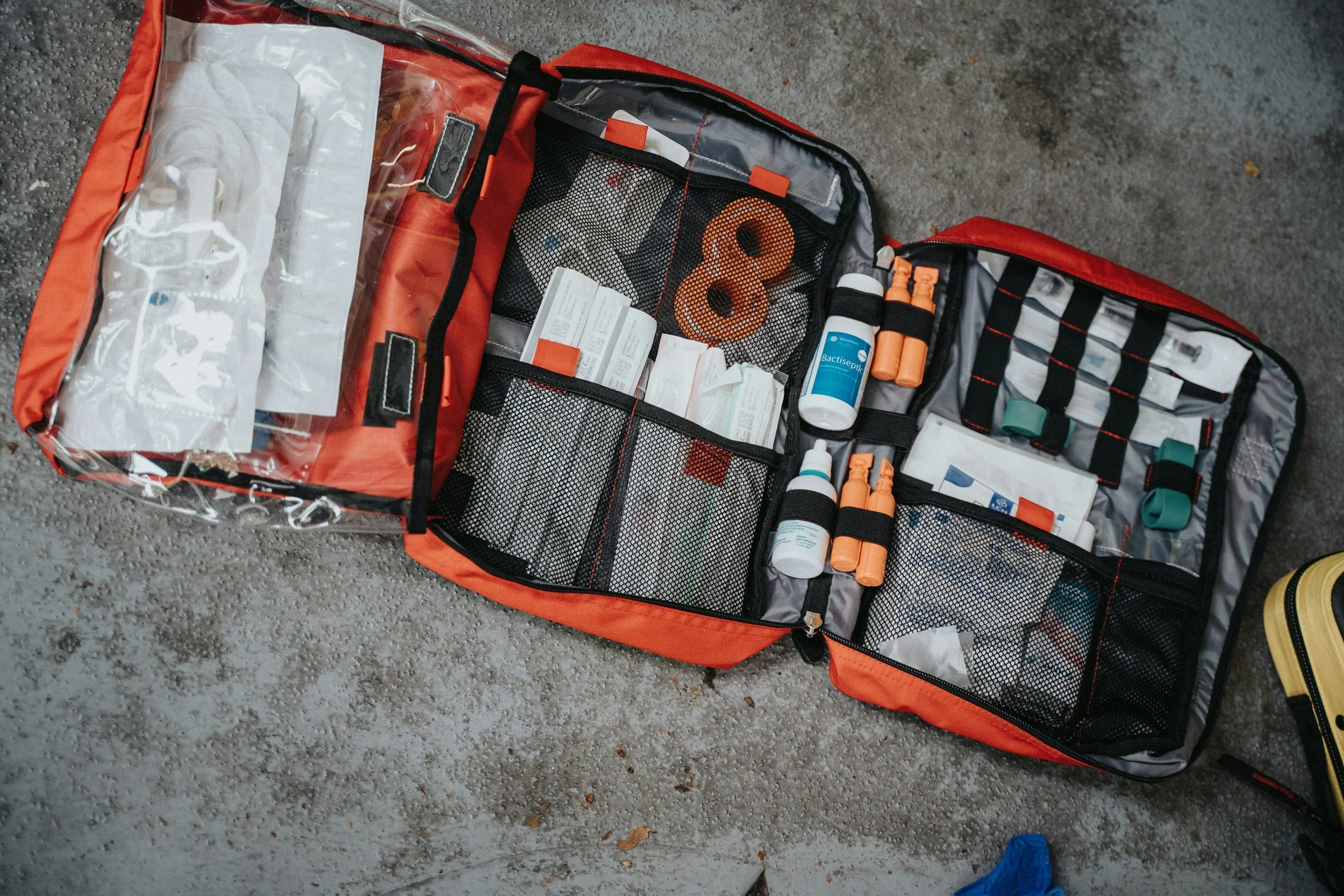
You may be far from major hospitals for part of your trip. A small, well-organized medical kit gives you peace of mind and allows you to focus on the experience.
This is a general guide. Your health history, itinerary, and destination will influence what you need. Always consult your physician or a travel medicine clinic 4 to 8 weeks before departure.
Prescription Medications
Always carry prescription medications in your carry-on luggage.
• Daily medications, bring enough for your entire trip plus extra in case of delays
• Copies of prescriptions
• Antibiotic for traveler’s diarrhea, such as azithromycin or ciprofloxacin, for moderate to severe symptoms
• Antimalarial medication if recommended for your destination, such as atovaquone proguanil, doxycycline, or mefloquine
• Altitude sickness medication, such as acetazolamide, if visiting high altitude areas
• Motion sickness medication, such as meclizine or scopolamine patches, for bush flights or boat travel
• Antiviral medication if prescribed by your physician
• Epinephrine injector if you have severe allergies
Over-the-Counter Essentials
• Oral rehydration salts or electrolyte packets
• Anti-diarrheal medication, such as loperamide, should be used sparingly
• Pain relievers, such as acetaminophen or ibuprofen
• Antihistamines, such as loratadine or diphenhydramine, for allergies or insect bites
• Antacids, Pepto Bismol, or anti-nausea medication such as ondansetron if you are prone to nausea
• Cold remedies and throat lozenges
• Sleep support, such as melatonin, for jet lag
First Aid Supplies
Game drives are long and often dusty. Minor cuts and blisters are common.
• Adhesive bandages in various sizes
• Sterile gauze and medical tape
• Antiseptic wipes
• Antibiotic ointment
• Tweezers
• Small travel scissors
• Digital thermometer
Preventative Health Items
The equatorial sun is intense even when temperatures feel moderate.
• Strong insect repellent with DEET or picaridin
• Sunscreen SPF 30 or higher
• Lip balm with SPF
• Electrolyte tablets to prevent dehydration
• Eye drops for dust and dry conditions
• Mosquito net if staying in very basic accommodations
• Water purification tablets or a portable water filter if traveling in remote regions
Hygiene Essentials
• Alcohol based hand sanitizer
• Wet wipes or tissues
• Travel soap
• Menstrual supplies if applicable
• Personal toiletry kit
Vaccinations and Health Records
Consult a travel medicine clinic 4 to 8 weeks before departure.
Vaccines commonly recommended for East Africa and many safari destinations include:
• Yellow fever, proof may be required depending on your travel route
• Typhoid
• Hepatitis A and B
• Tetanus diphtheria pertussis booster
• Measles, mumps, and rubella
• Rabies if spending extended time in remote areas
Carry your yellow fever certificate and vaccination record with you.
Travel Insurance and Important Documents
• Comprehensive travel insurance that includes medical evacuation
• Emergency contact list
• Embassy contact information
Medical evacuation coverage is especially important for safari and remote travel.
Optional but Smart Additions
• Reusable insulated water bottle
• Extra hydration supplies
• Snake bite kit if traveling deep into wilderness areas
Preparation does not take away from adventure. It enhances it.
When you know you are medically covered, you can focus fully on the sunrise over the savanna, the elephants at the waterhole, and the quiet magic that makes safari unforgettable.