My Photography & Travel Guide to Boston, MA
Boston is one of those cities that rewards you the moment you start walking.
It is compact, layered, and endlessly photogenic. Cobblestone streets catch soft morning light. Brick row houses glow at sunset. Sailboats drift across the harbor as glass towers reflect the sky. Whether you are exploring on foot or framing the skyline from the waterfront, Boston offers a steady rhythm of beautiful compositions.
There is a lot to photograph here. Scenic parks. Historic landmarks. Ivy-covered campuses. Intimate cafes tucked into brownstone basements. The city feels lived in and textured, not staged. That is what makes it so compelling.
Boston’s story stretches back to the founding of America, and you feel that history everywhere. The architecture, monuments, and tree lined parks carry a quiet weight. Yet this is also a city driven by innovation, education, and creativity. It balances colonial charm with cutting edge design.
Neighborhoods like Beacon Hill and Back Bay offer classic New England character, while the Seaport District showcases Boston’s modern edge.
In this guide, I will share practical tips on where to stay, when to shoot, and the best locations to photograph so you can experience Boston with intention and come home with images you are proud of.
Where to Stay
Like most major cities, Boston offers a wide range of hotels to fit different budgets and travel styles. The key is choosing the right neighborhood.
Beacon Hill
Beacon Hill is classic Boston. Gas lamps, brick sidewalks, and Federal-style row houses create a timeless backdrop. Staying here means you can step outside early and photograph quiet streets before the city wakes up. It is intimate, charming, and extremely walkable.
Back Bay
Back Bay blends historic brownstones with upscale shopping and strong dining options. You are close to the Public Garden and Commonwealth Avenue, both excellent for photography. Sunrise along the Charles River is just a short walk away.
Seaport District
Seaport District offers a more modern experience. Think sleek hotels, rooftop bars, and skyline views. If you enjoy clean lines and waterfront perspectives, this area gives you easy access to contemporary architecture and harbor light.
For first-time visitors, Beacon Hill or Back Bay offer the most character and convenience. The Seaport works well if you prefer something more modern.
Boston is compact and highly walkable. Wherever you stay, you will be able to explore much of the city on foot. Choose the neighborhood that fits your style, and you will be perfectly positioned to photograph its charm.
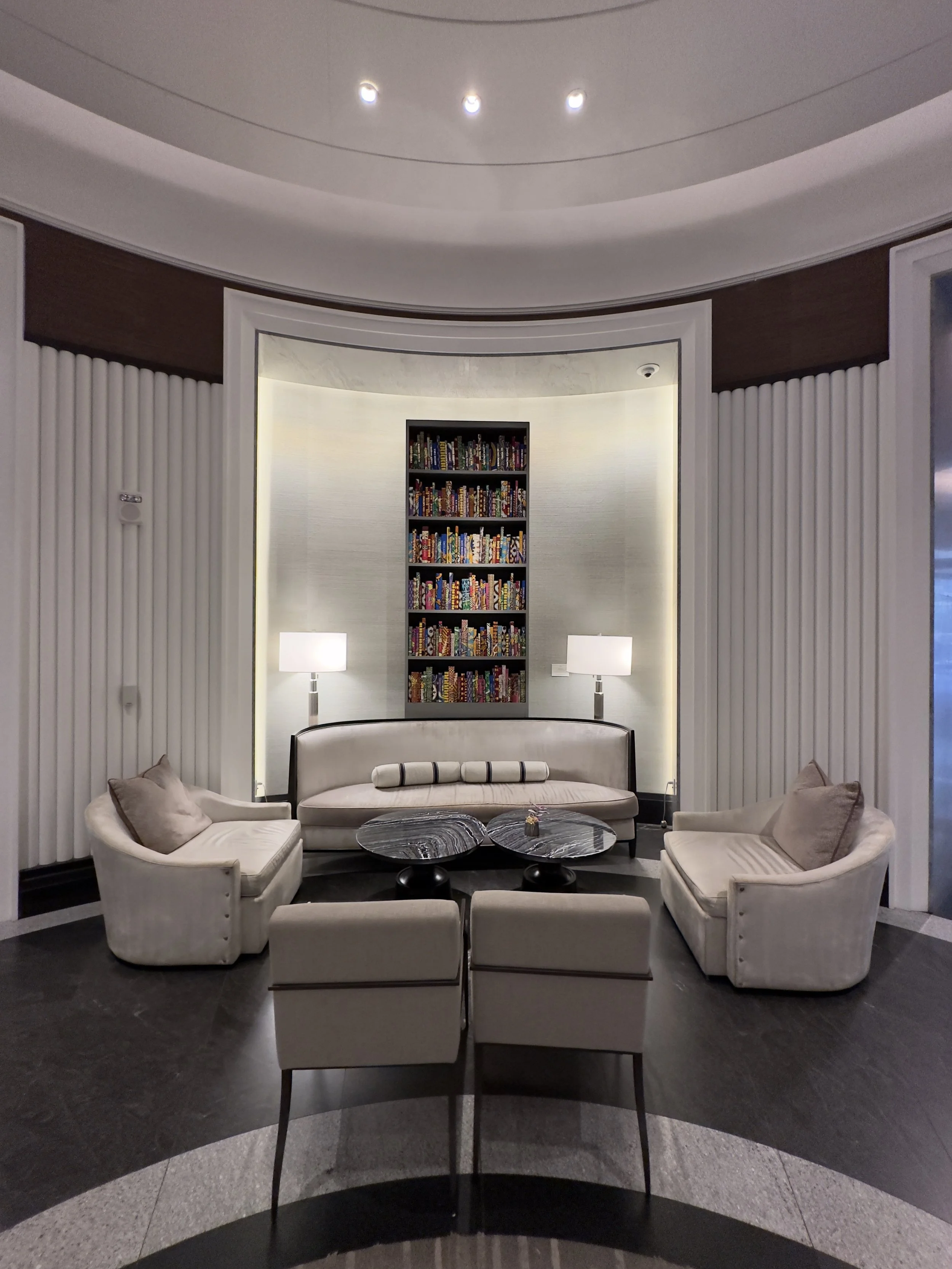
The New Four Seasons at 1 Dalton
Luxury Hotels
The Mandarin Oriental – Located in Back Bay, this five-star hotel offers unbeatable views and a central location for photographers who want to capture both cityscapes and the Charles River.
The Four Seasons Hotel, One Dalton Street – A modern luxury hotel in the heart of the city, this is perfect for those wanting a mix of elegance and access to nearby landmarks.
The Whitby Hotel – We thoroughly enjoyed our stay at the Whitby. A fantastic location and a terrific staff. With beautifully designed interiors and an atmosphere that blends art, culture, and comfort, it's perfect for travelers looking for a high-end yet unique stay.
Mid-Level Hotels
The Godfrey Hotel Boston - A chic, boutique hotel located in the vibrant Downtown Crossing area. The Godfrey Hotel Boston
Hyatt Regency Boston - Centrally located, offering comfortable rooms and great amenities at a reasonable price. Hyatt Regency Boston
Kimpton Nine Zero Hotel - A stylish option in the heart of downtown, known for its personalized service. Kimpton Nine Zero Hotel
How Long to Stay?
For Boston, three to five days is ideal.
That gives you time to walk the historic core, explore distinct neighborhoods, photograph the skyline from multiple angles, and still slow down enough to enjoy the city’s rhythm. Boston is compact, but it is layered. The more you wander, the more you discover.
In three days, you can cover the highlights. Add a fourth or fifth day, and you gain flexibility. You can return to Beacon Hill at sunrise, revisit the Public Garden when the light improves, or shoot along the Charles River at blue hour without feeling rushed.
If you are serious about photography, especially seasonal work, you could easily stay longer. Fall foliage transforms Back Bay and Beacon Hill into a warm, cinematic palette. Winter snow creates quiet, minimal compositions. Spring blooms in the Public Garden add softness and color.
Best Time to Visit
Boston is beautiful in every season, but fall is hard to beat.
From late September through November, the city explodes with color. Beacon Hill, the Public Garden, and the Commonwealth Avenue Mall glow with reds, oranges, and yellows. The contrast of brick facades against autumn leaves is pure New England magic. If you love warm tones and soft light, this is your window.
Spring is also lovely. Blooming flowers in the Boston Public Garden add pastel color, and temperatures are comfortable for long days of walking and shooting.
Winter brings its own mood. A fresh snowfall transforms Back Bay and Beacon Hill into a quiet, cinematic scene. During the holidays, lights and decorated storefronts add charm and texture.
Summer is lively and green, especially along the waterfront and the Charles River, though it can be busier with tourists.
Choose your season based on the mood you want to capture. Boston delivers in all of them.
Getting Around
Boston’s compact layout makes it one of the most walkable cities in the United States. Downtown, Beacon Hill, and Back Bay are easy to explore on foot, and walking often leads to the best photo opportunities.
The MBTA, known locally as the T, offers subway, bus, and ferry services that connect most major neighborhoods. It is efficient and straightforward.
If you are carrying heavier photography gear, Uber and Lyft are widely available. For shorter trips, Bluebikes provides a convenient bike-sharing option.
And for something fun and uniquely Boston, consider Boston Duck Tours. Part land, part water, it is a memorable way to see the city from a different perspective.
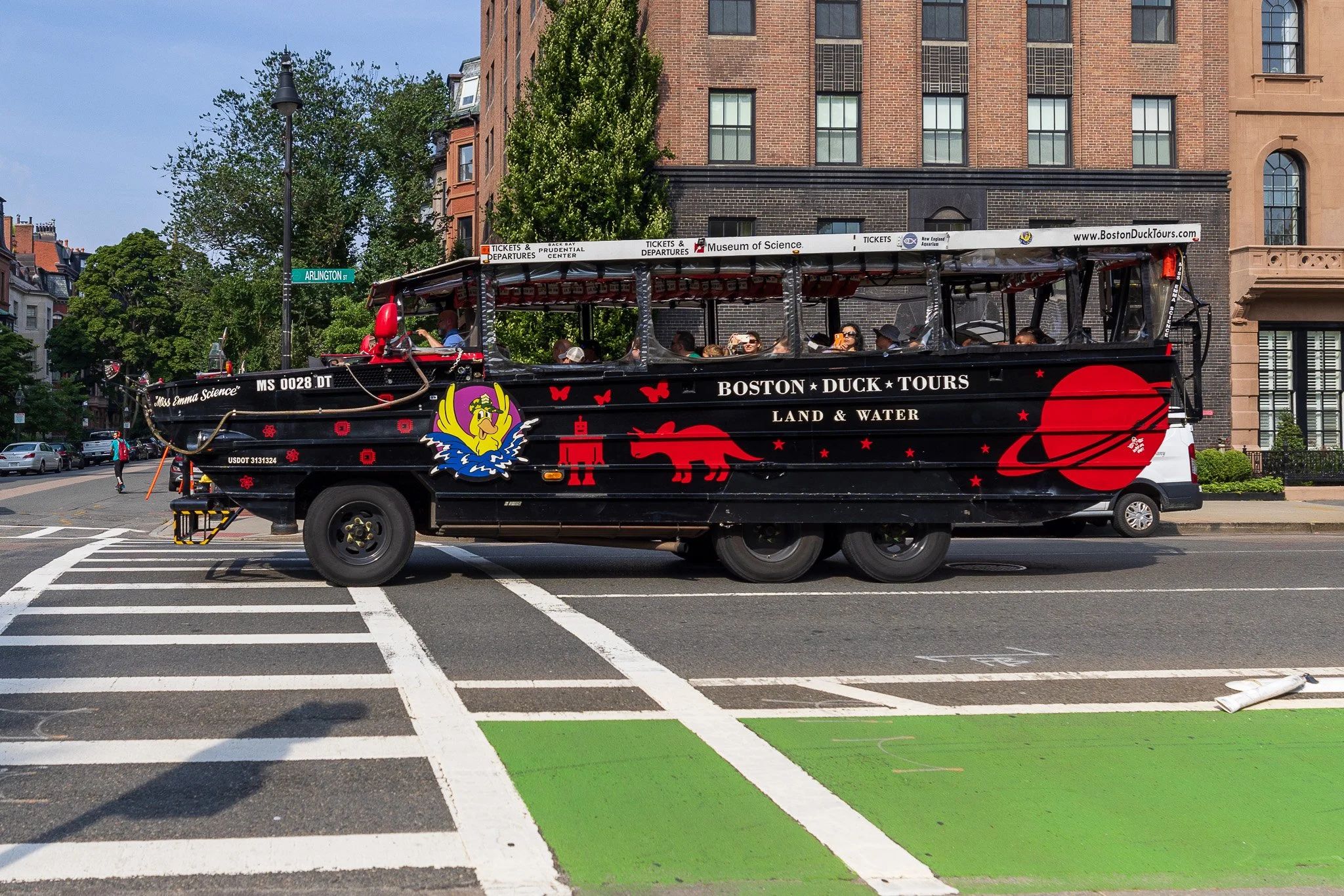
Duck Tours Are Fantastic
Where to Eat
Boston has evolved into one of the most exciting food cities in the Northeast. Seafood is the headline, but there is far more beneath the surface.
Here are a few standout spots to add to your itinerary.
Restaurants
Union Oyster House - The oldest operating restaurant in the U.S., famous for its seafood. Union Oyster House
Mamma Maria - An Italian gem in the North End, offering exquisite cuisine and a cozy atmosphere. Mamma Maria
Neptune Oyster - A must-visit for seafood lovers, known for its oysters and lobster rolls. Neptune Oyster
The Capital Grille - Perfect for a sophisticated dining experience with a fantastic steak menu. The Capital Grille
Legal Harborside - Offers a waterfront dining experience with an extensive seafood menu. Legal Harborside
Eataly Boston is a vibrant Italian marketplace located in the Prudential Center. It offers a unique blend of authentic Italian dining, shopping, and culinary experiences.
Bistro du Midi - Bistro du Midi is a charming French-inspired restaurant in Boston’s Back Bay area, right across from the picturesque Public Garden. The restaurant brings a taste of Provence to New England with its refined yet approachable French cuisine.-
Coffee Shops
Boston takes coffee seriously. Whether you need a quick espresso before sunrise in Beacon Hill or a relaxed spot to edit photos in the afternoon, you will find strong options across the city.
Here are a few favorites.
George Howell Coffee: A pioneer in specialty coffee. Clean, precise flavors and a minimalist aesthetic that feels very Boston. Ideal if you appreciate high-quality beans and careful brewing.
Thinking Cup - A cozy spot with award-winning Stumptown coffee. Thinking Cup
Render Coffee - Offers a quiet ambiance with excellent coffee. Render Coffee
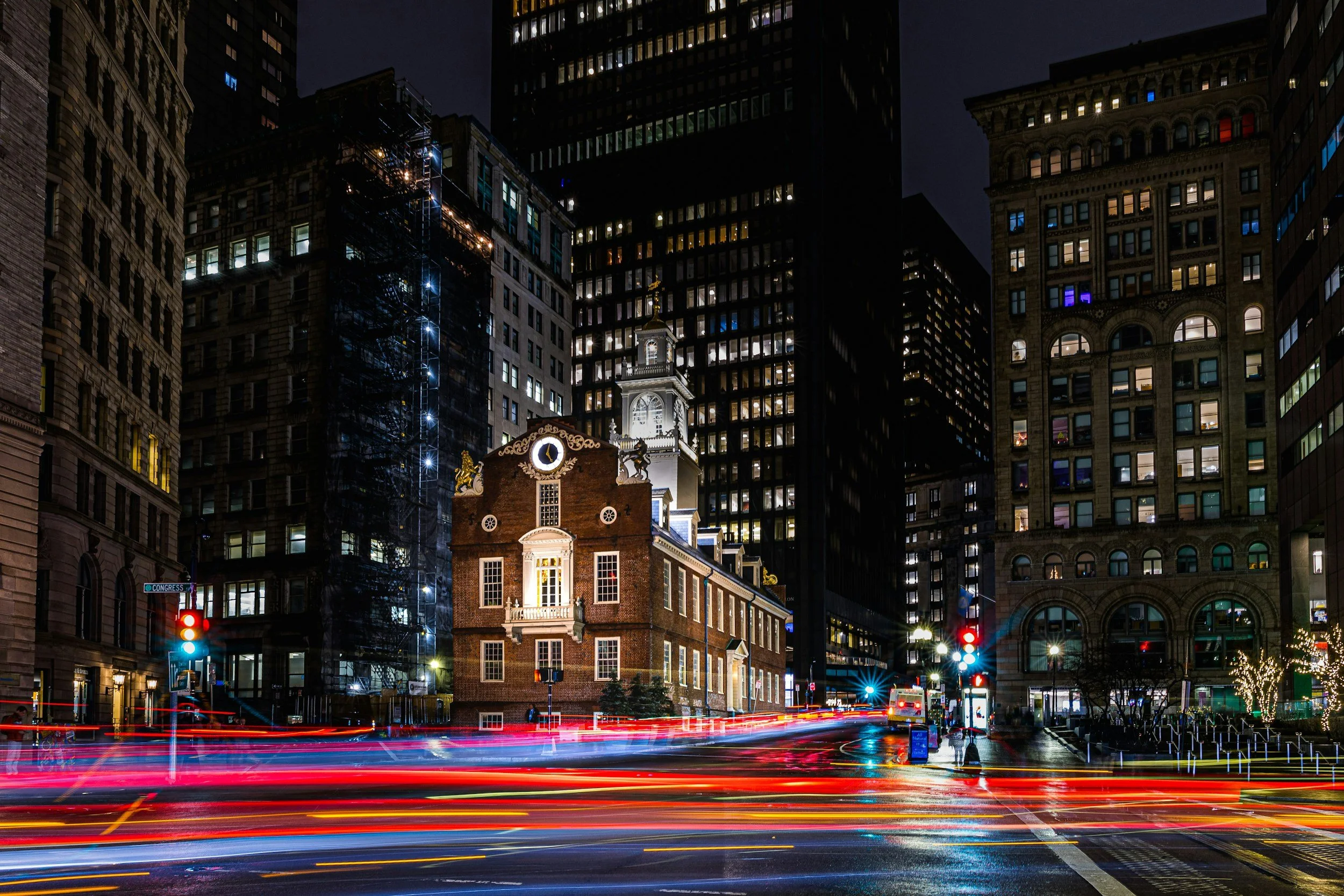
Photography Gear to Bring
Camera Body: Canon EOS R5, Nikon Z7 II for high-resolution images and versatility.
Lense Options:
Wide-Angle: 16-35mm for capturing cityscapes and architecture.
Standard Zoom: 24-70mm for everyday shooting.
Telephoto: 70-200mm for close-ups and distant subjects.
Tripod: Lightweight and portable for stability in low-light situations.
Filters: Polarizing filter for reducing reflections and enhancing colors.
Extra Batteries and Memory Cards: These are always essential for a full day of shooting.
Best Photography Locations
Boston Common & Public Garden -
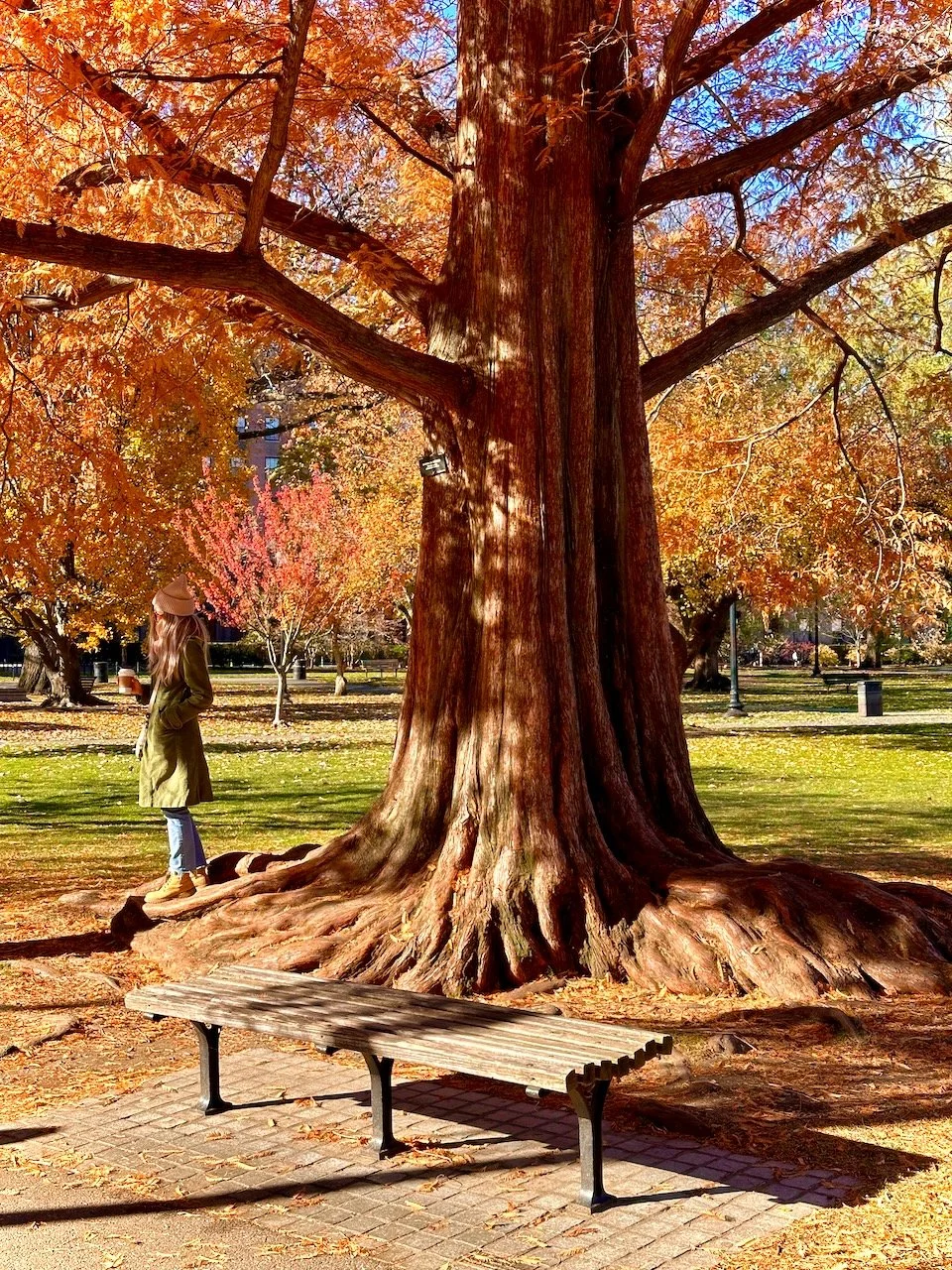
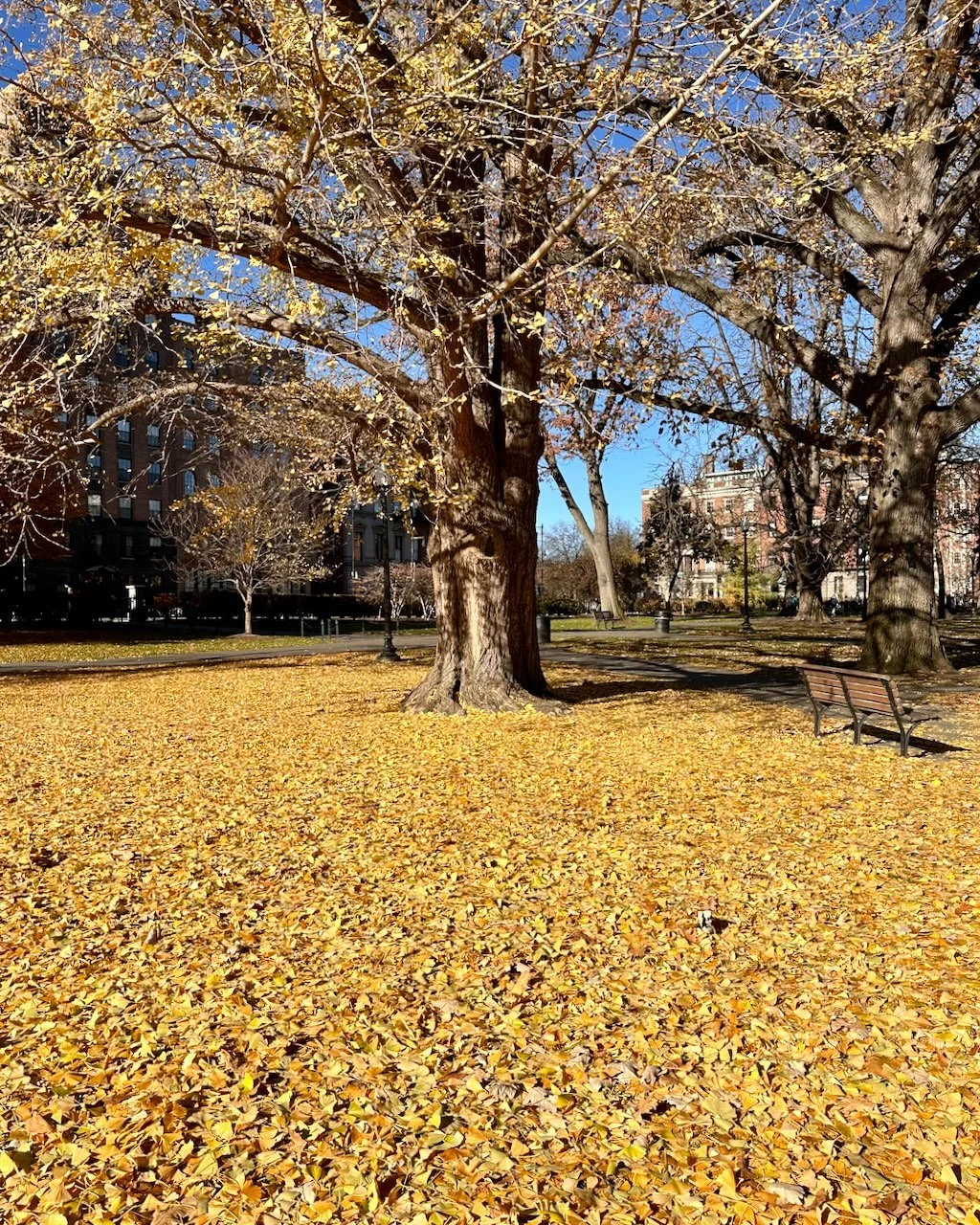
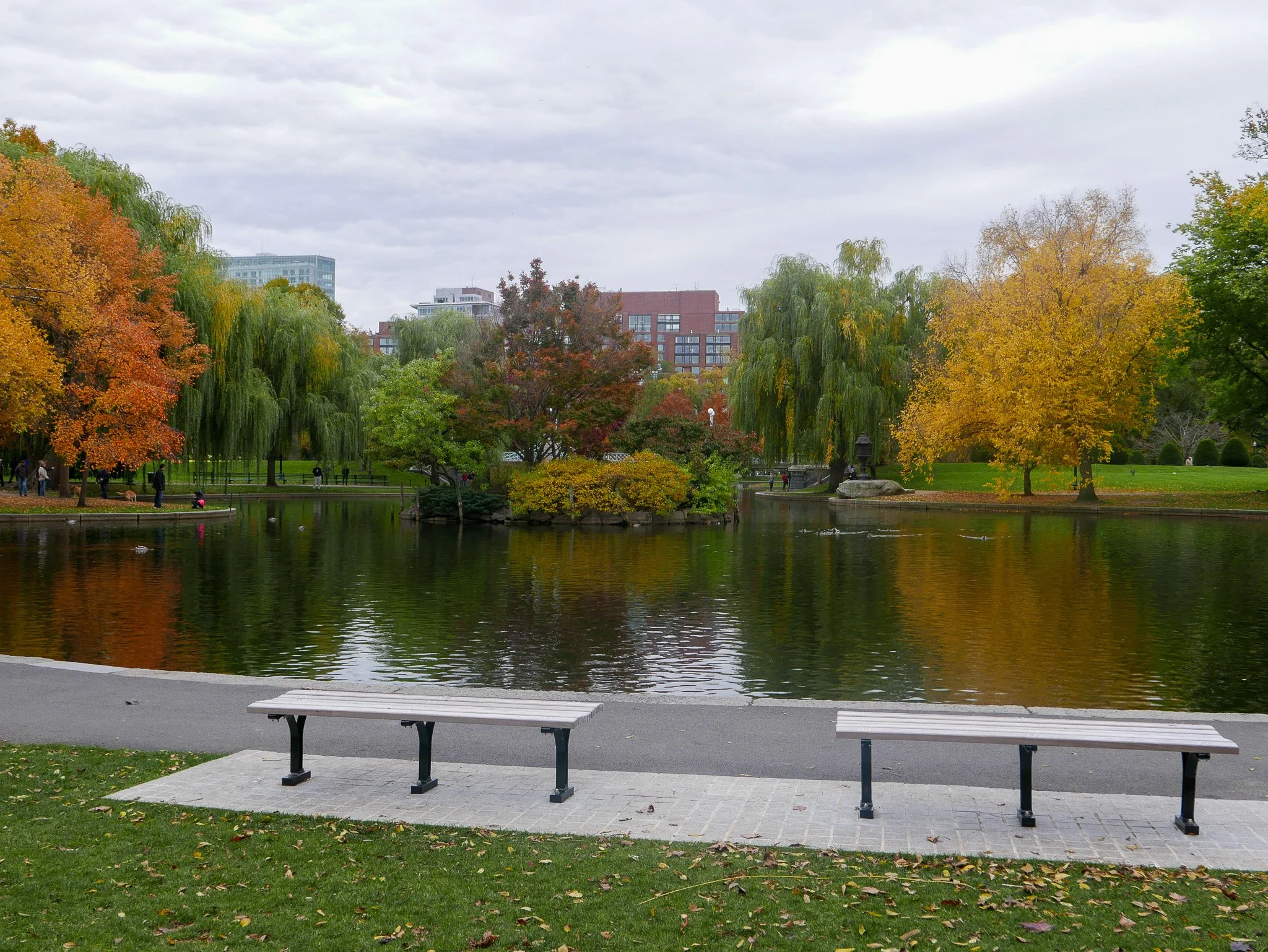
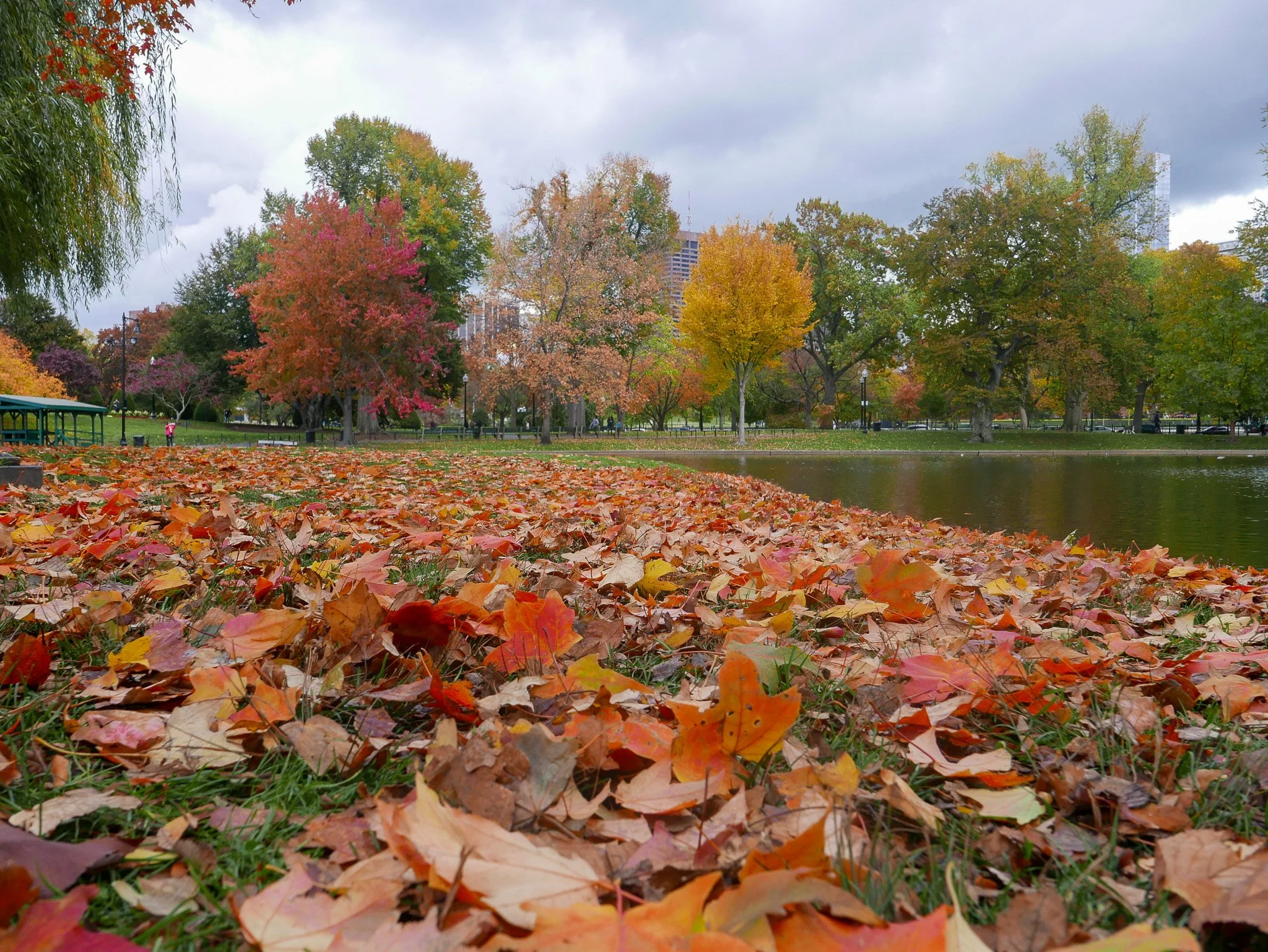
No visit to Boston is complete without a walk through the Boston Common. If you are lucky enough to visit during the Fall, you will take beautiful photos of the Fall colors.
As the oldest public park in the United States, founded in 1634, it's a place rich with history and surrounded by some of the city’s most iconic landmarks.
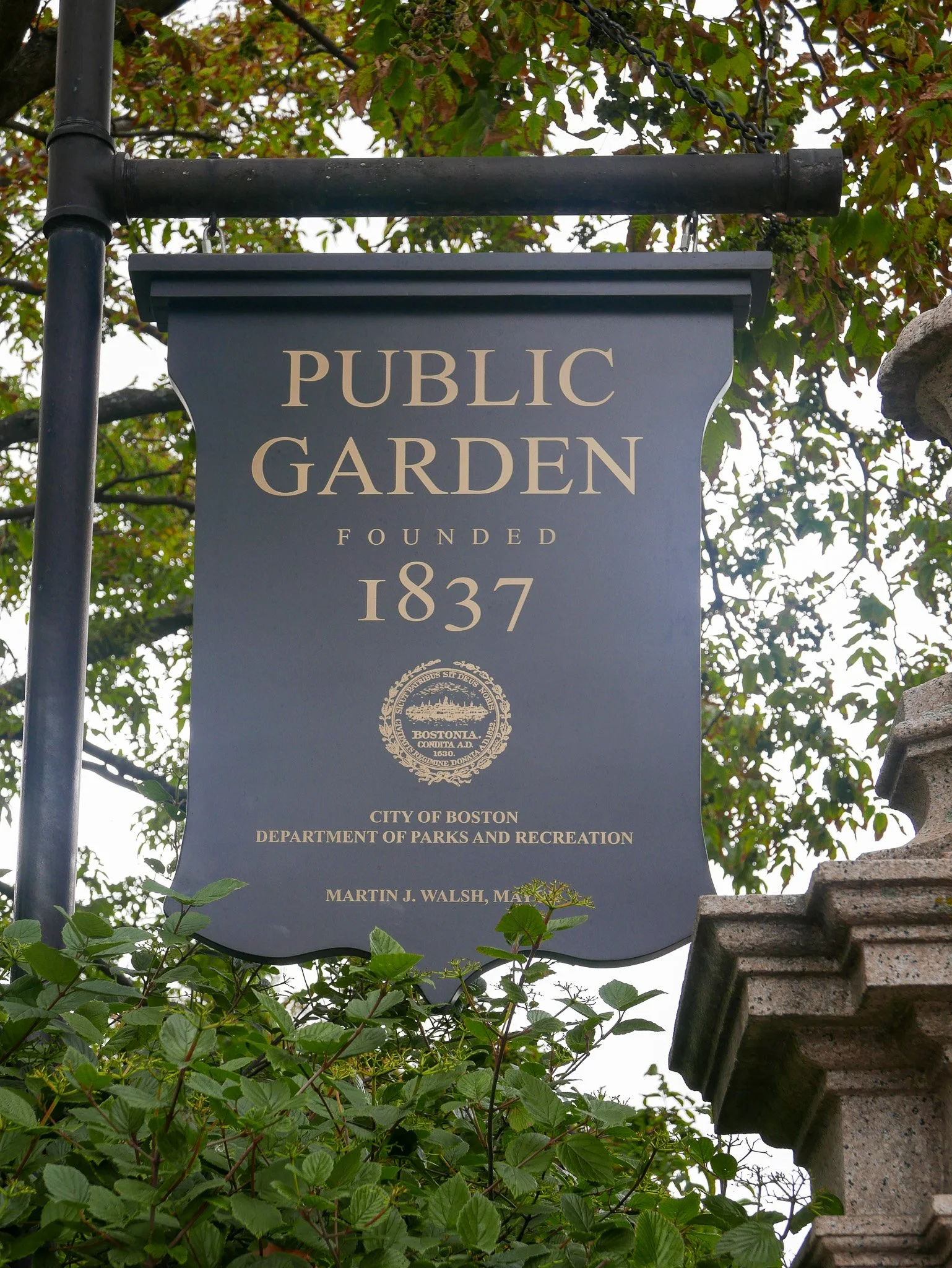
The park is Boston’s version of Central Park. There are lots of park benches to sit on and watch the world pass by.
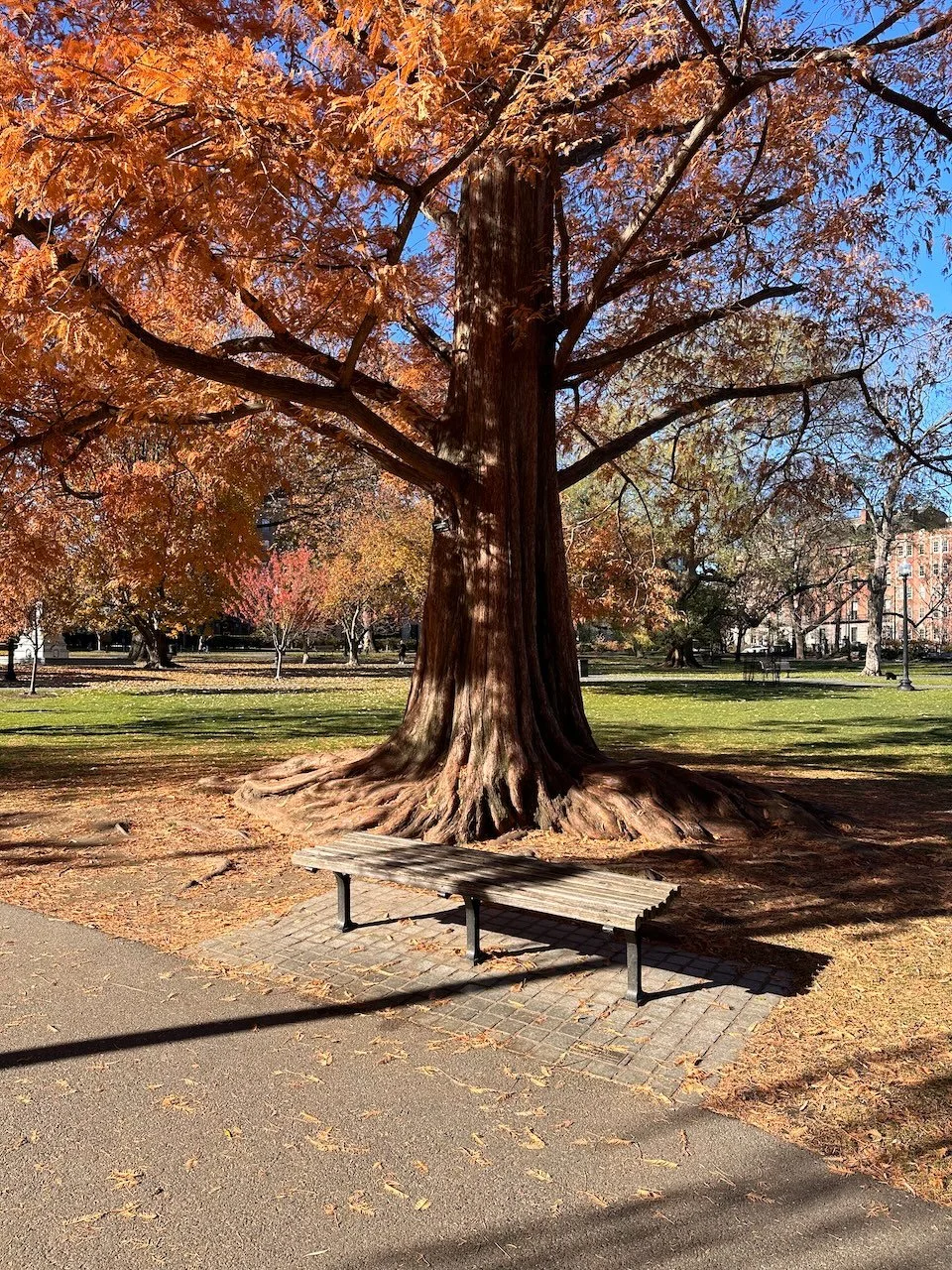
The Public Garden is meticulously landscaped with beautiful flower beds that change with the seasons. In spring, tulips and roses create bursts of color, while in autumn, the garden’s trees put on a spectacular display of red, orange, and yellow foliage, making it a haven for nature lovers and photographers alike.
One of the biggest attractions in the Public Garden is the Swan Boats. These iconic, human-powered paddle boats have been operating for over 140 years. A leisurely ride across the lagoon is a peaceful way to take in the garden’s charm and get a unique view of its surroundings.
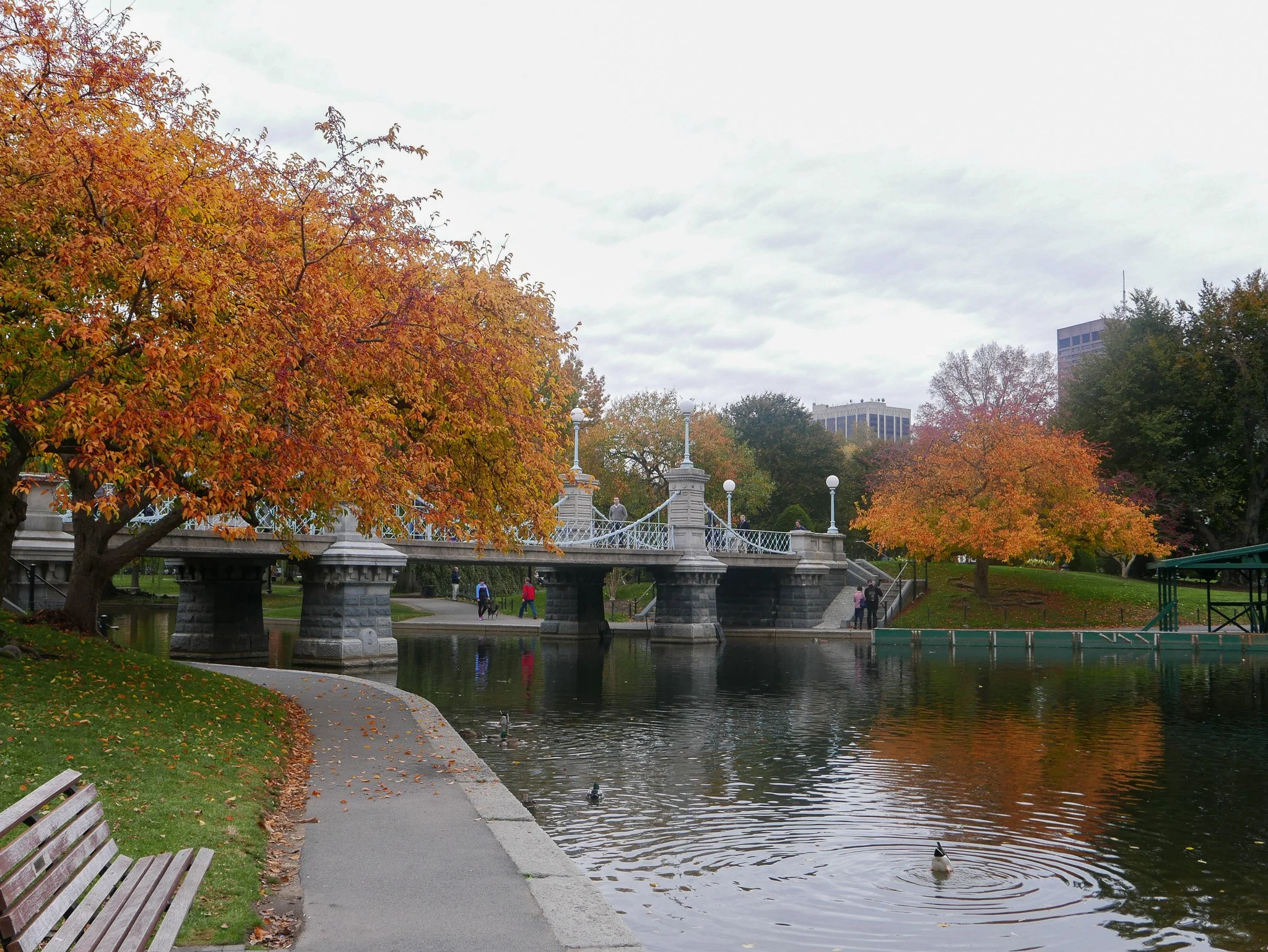

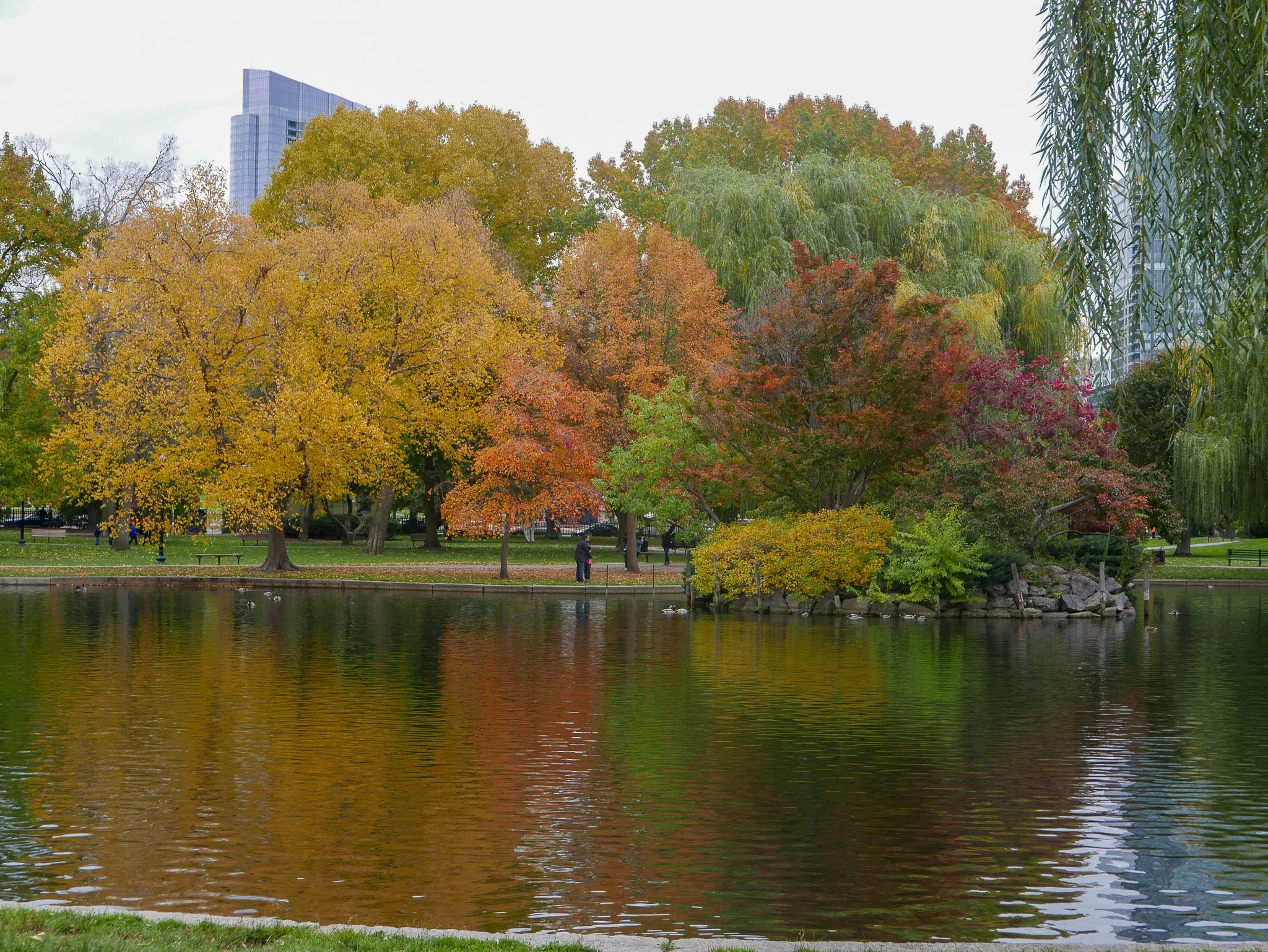

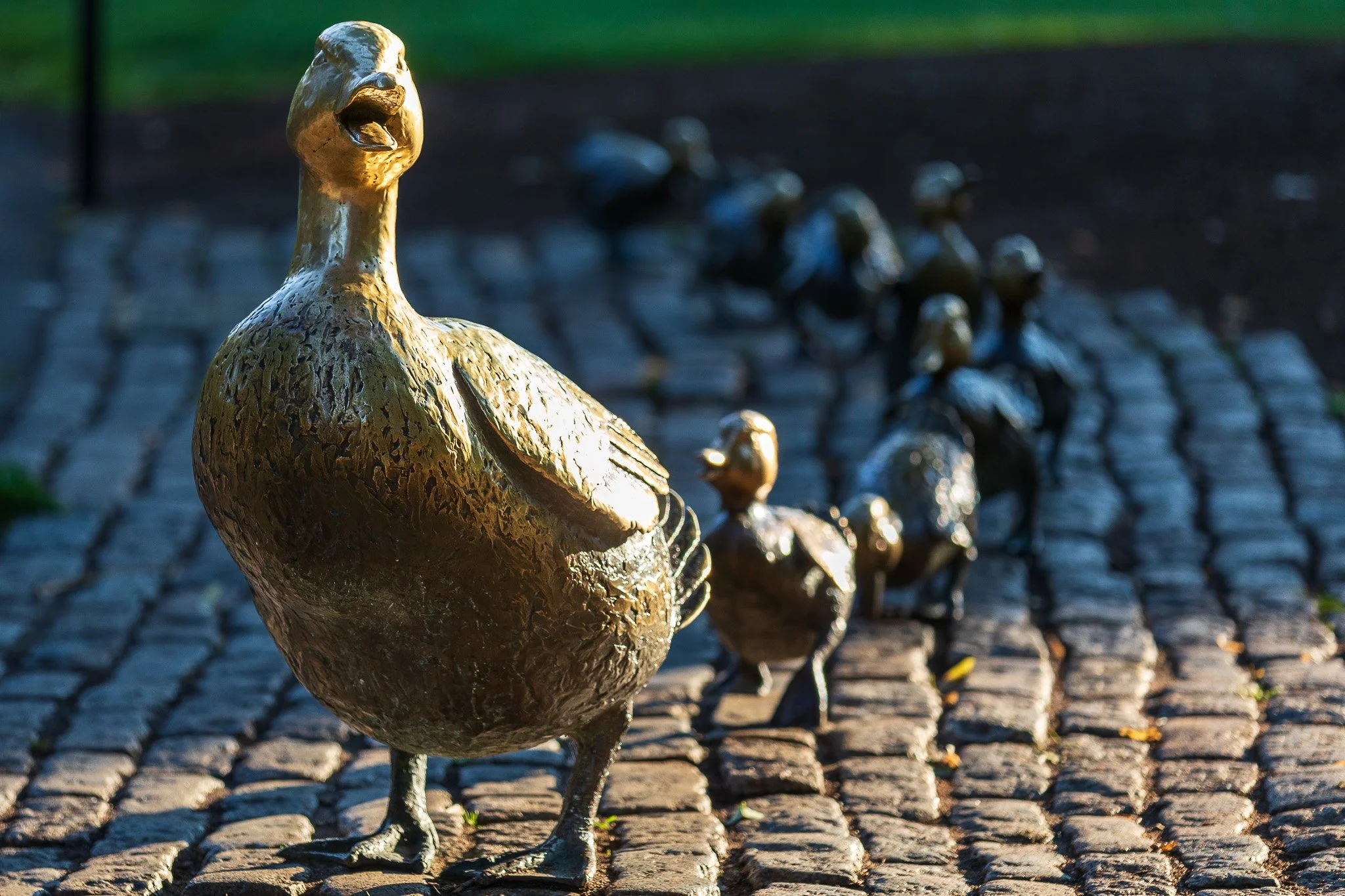
The Ducks in the Boston Gardens
The Make Way for Ducklings statue in the Boston Public Garden is one of my favorite landmarks, especially. The statue, based on Robert McCloskey's classic 1941 children's book Make Way for Ducklings, depicts a mother duck, Mrs. Mallard, leading her eight ducklings—Jack, Kack, Lack, Mack, Nack, Ouack, Pack, and Quack—across the park.
Commonwealth Avenue
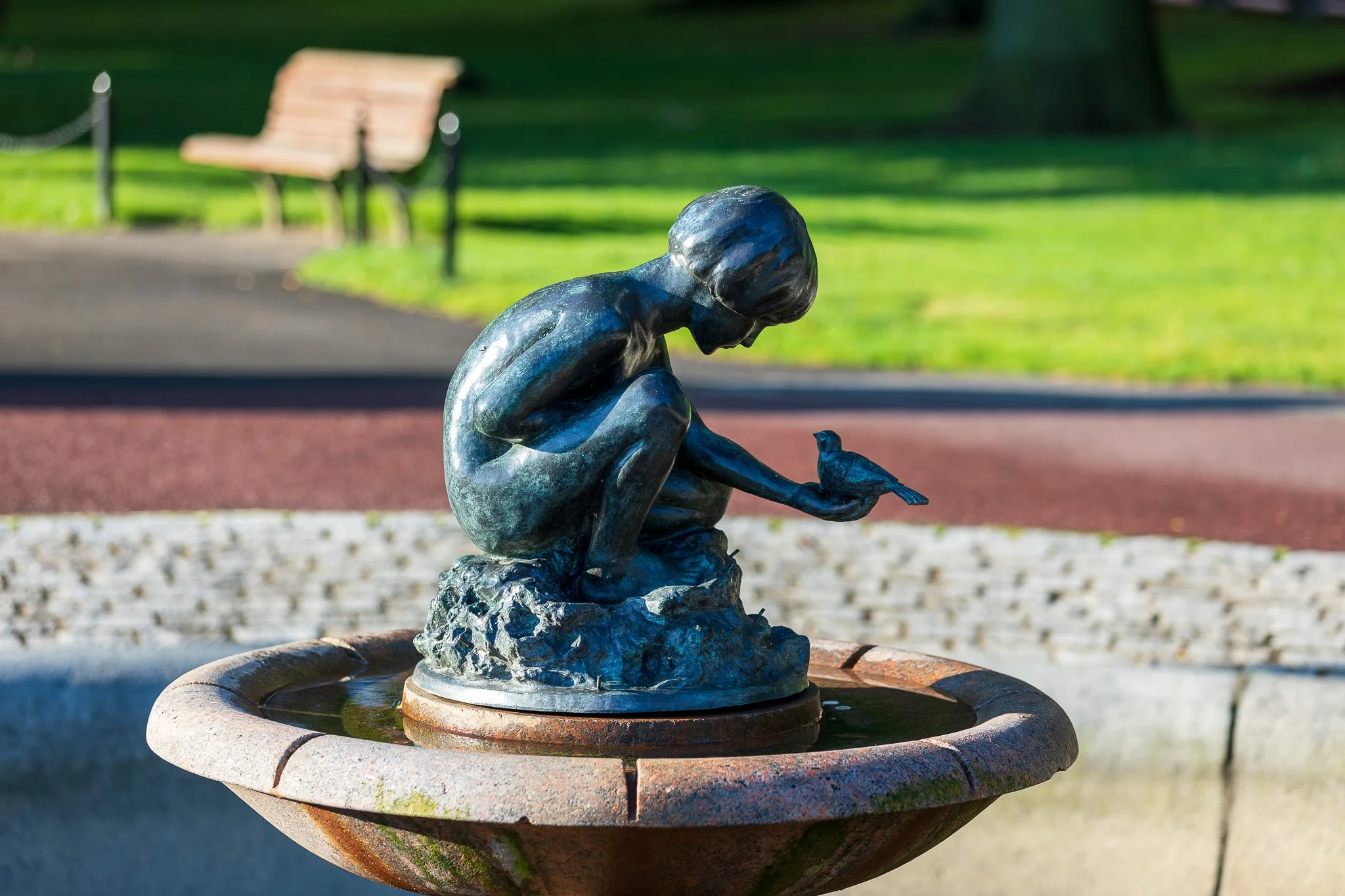
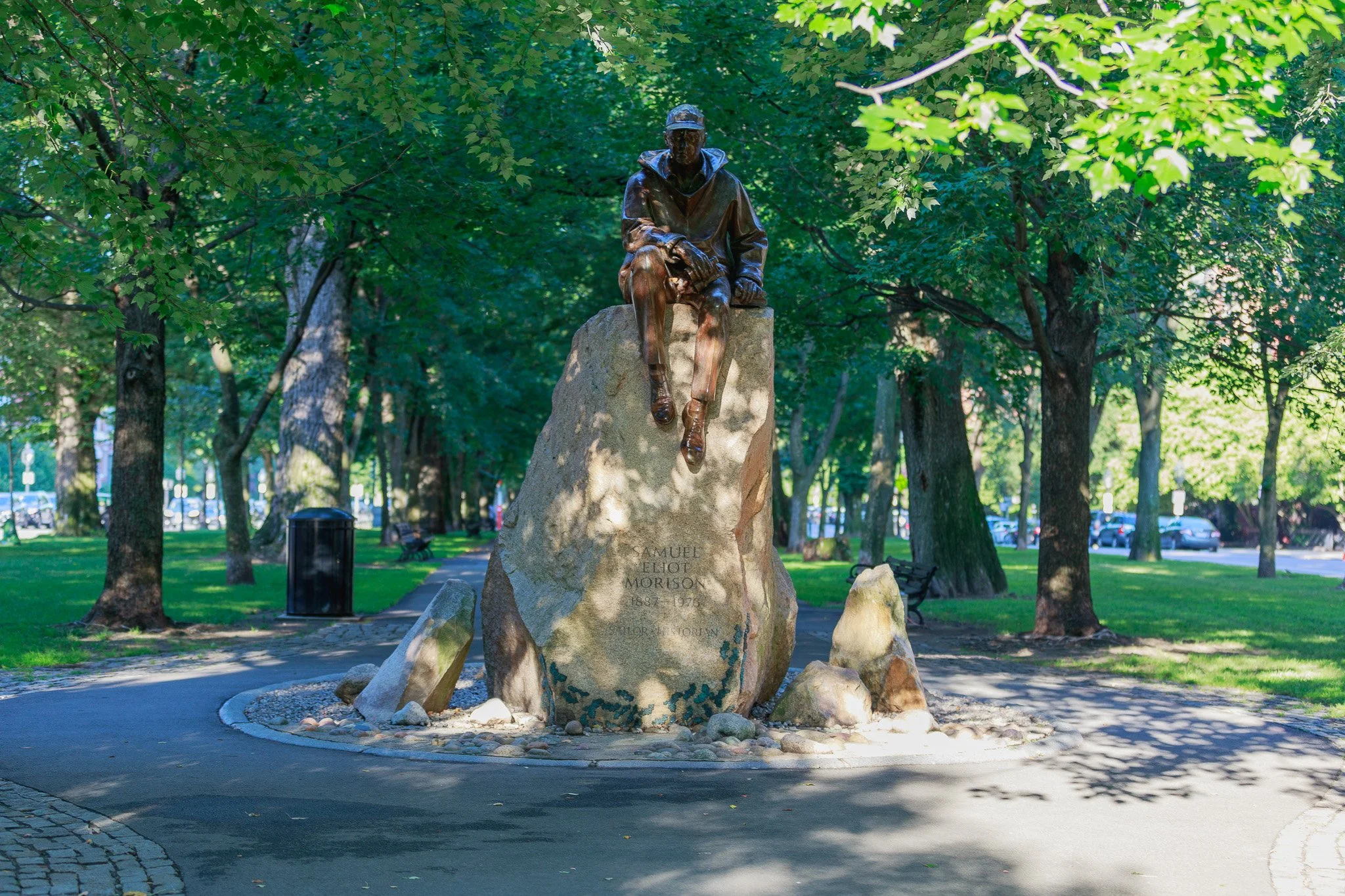
Visiting the statues and green areas on Commonwealth Avenue in Boston, often referred to as the Commonwealth Avenue Mall, offers a delightful mix of history, beauty, and relaxation in the heart of the city. Stretching through the elegant Back Bay neighborhood, this tree-lined avenue serves as a peaceful escape from the urban hustle and bustle while providing a walk through Boston’s storied past.
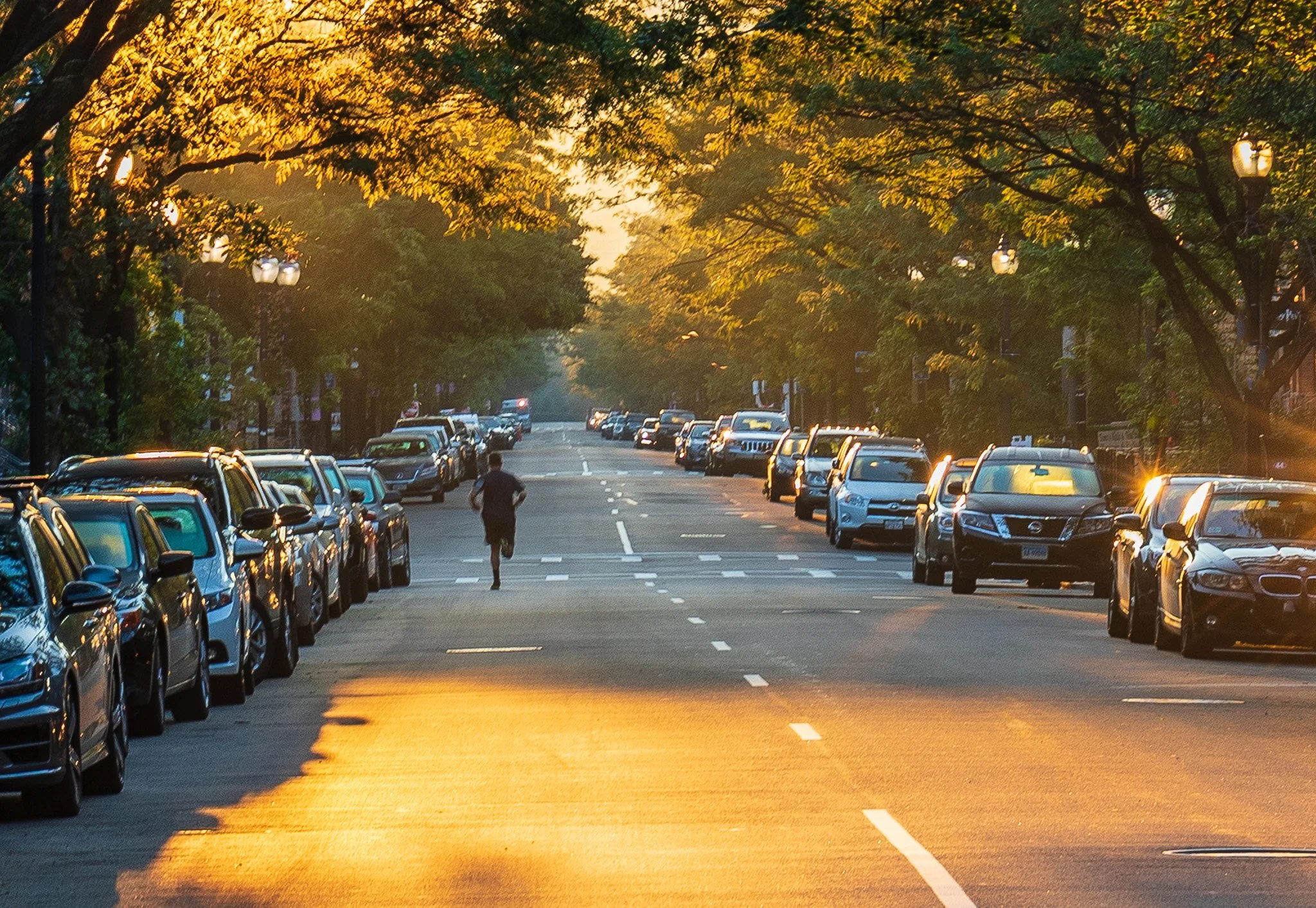
The Commonwealth Avenue Mall is dotted with statues and monuments honoring notable figures from American history, arts, and culture. These sculptures give you a mini history lesson while you enjoy the beauty of the surroundings.

Newbury Street
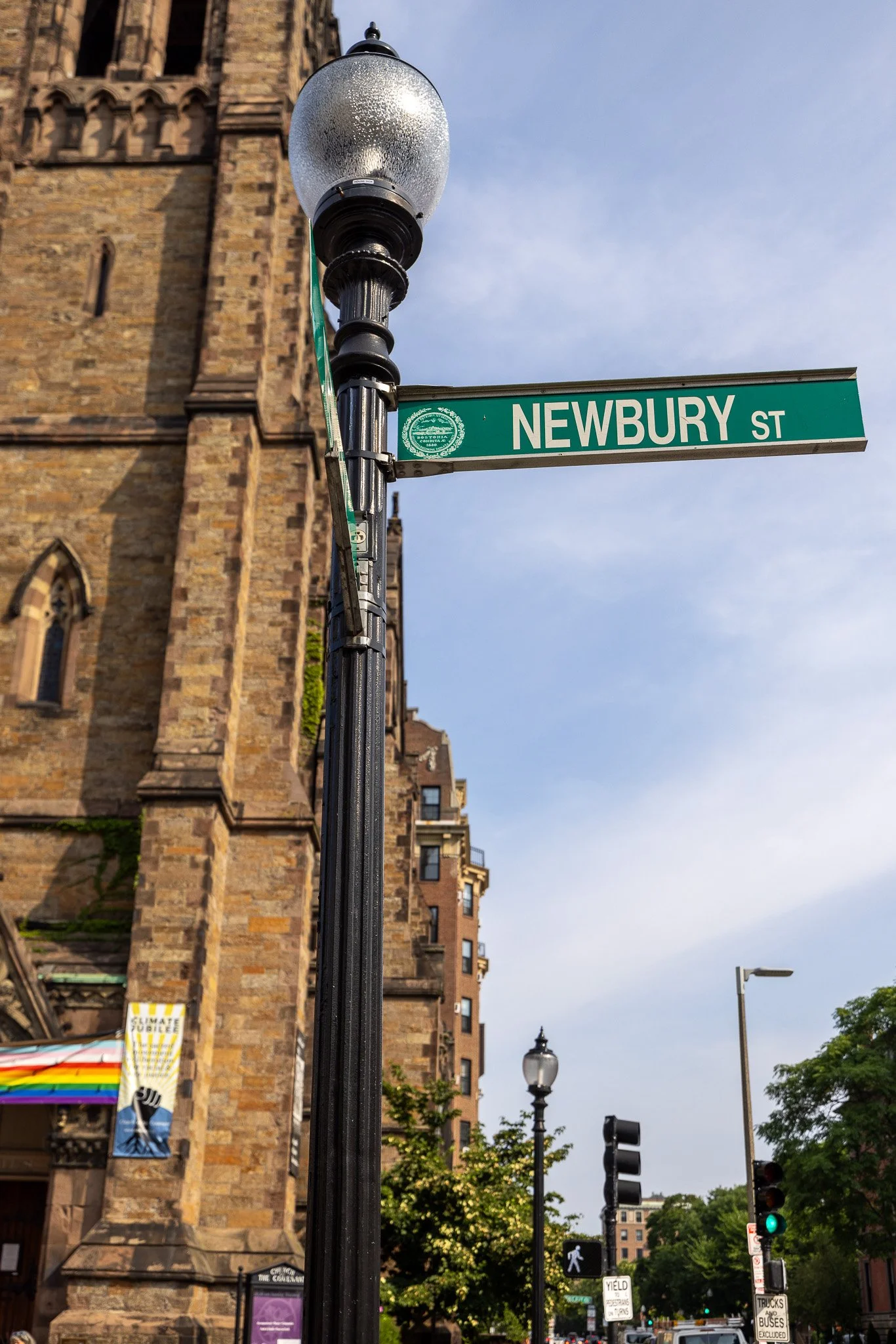
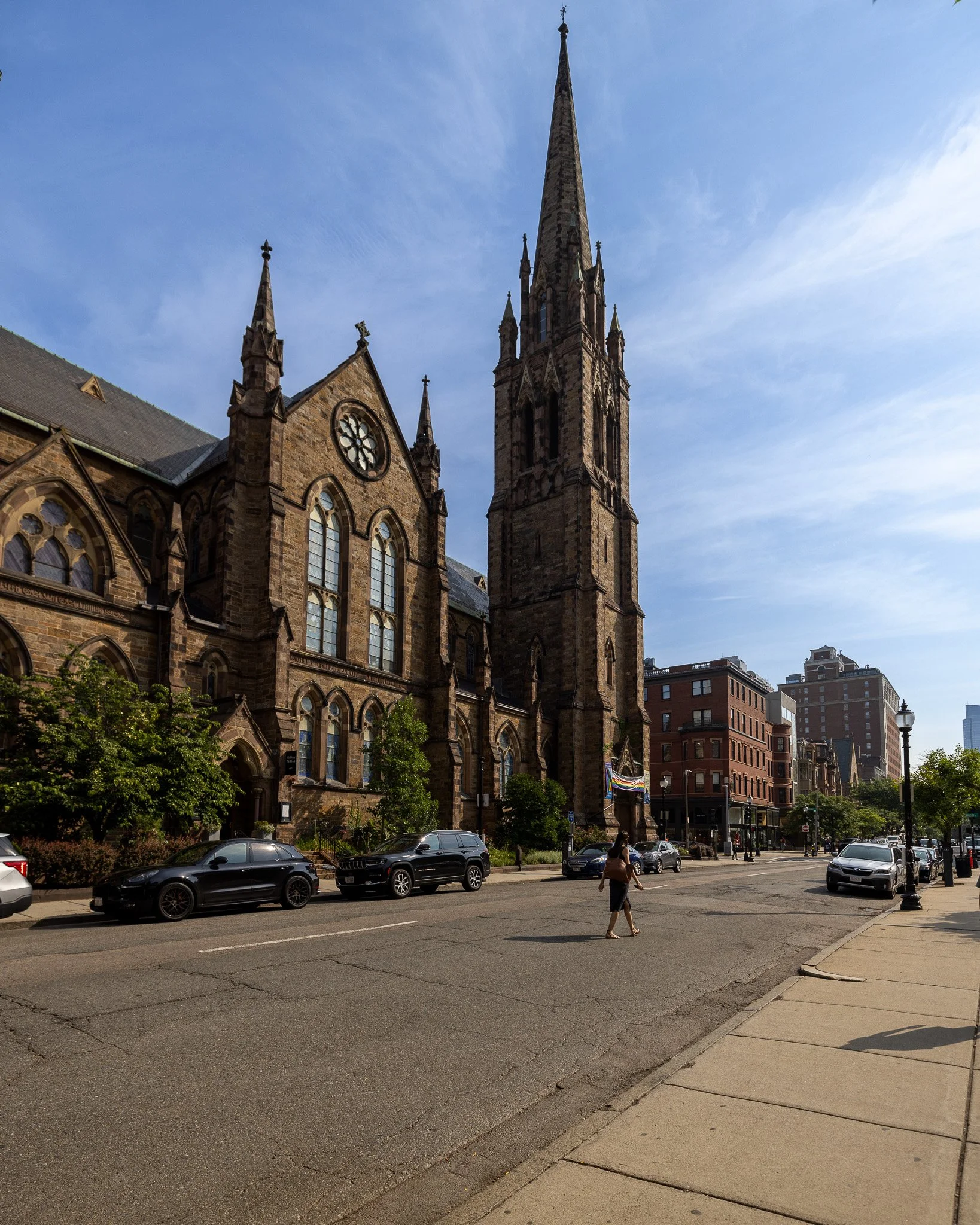
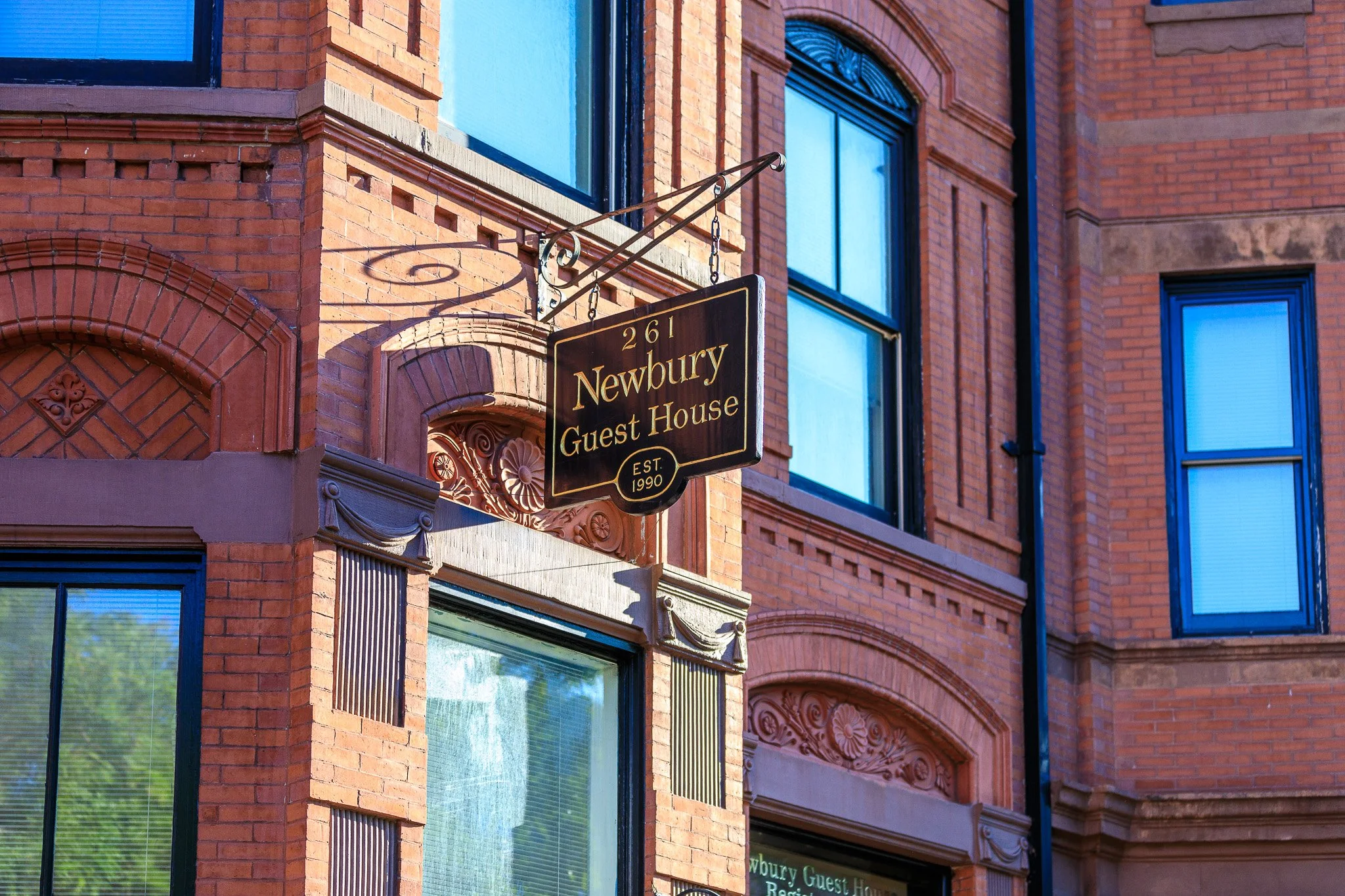
Newbury Street in Boston is one of the city's most famous and vibrant areas, offering a perfect mix of shopping, dining, art, and historic charm. Stretching for eight blocks from the Boston Public Garden to Massachusetts Avenue, Newbury Street is a must-visit for anyone looking to experience the cultural and trendy side of Boston.
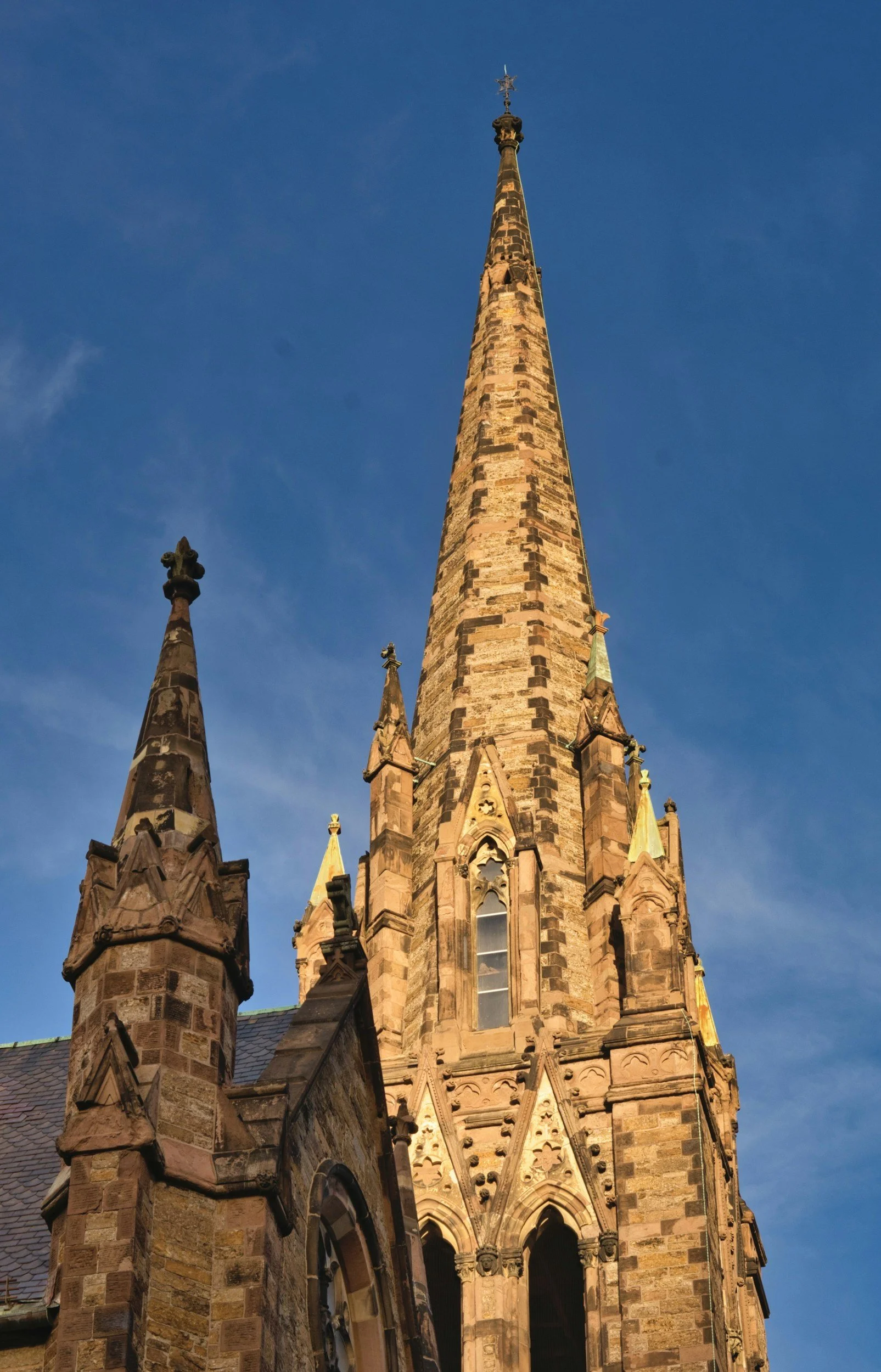
Newbury Street is a shopper’s paradise known for its wide range of stores. Newbury Street offers a fantastic selection of restaurants and cafés, making it the perfect place to stop for lunch, dinner, or a quick coffee break between shopping and sightseeing.
Charles River
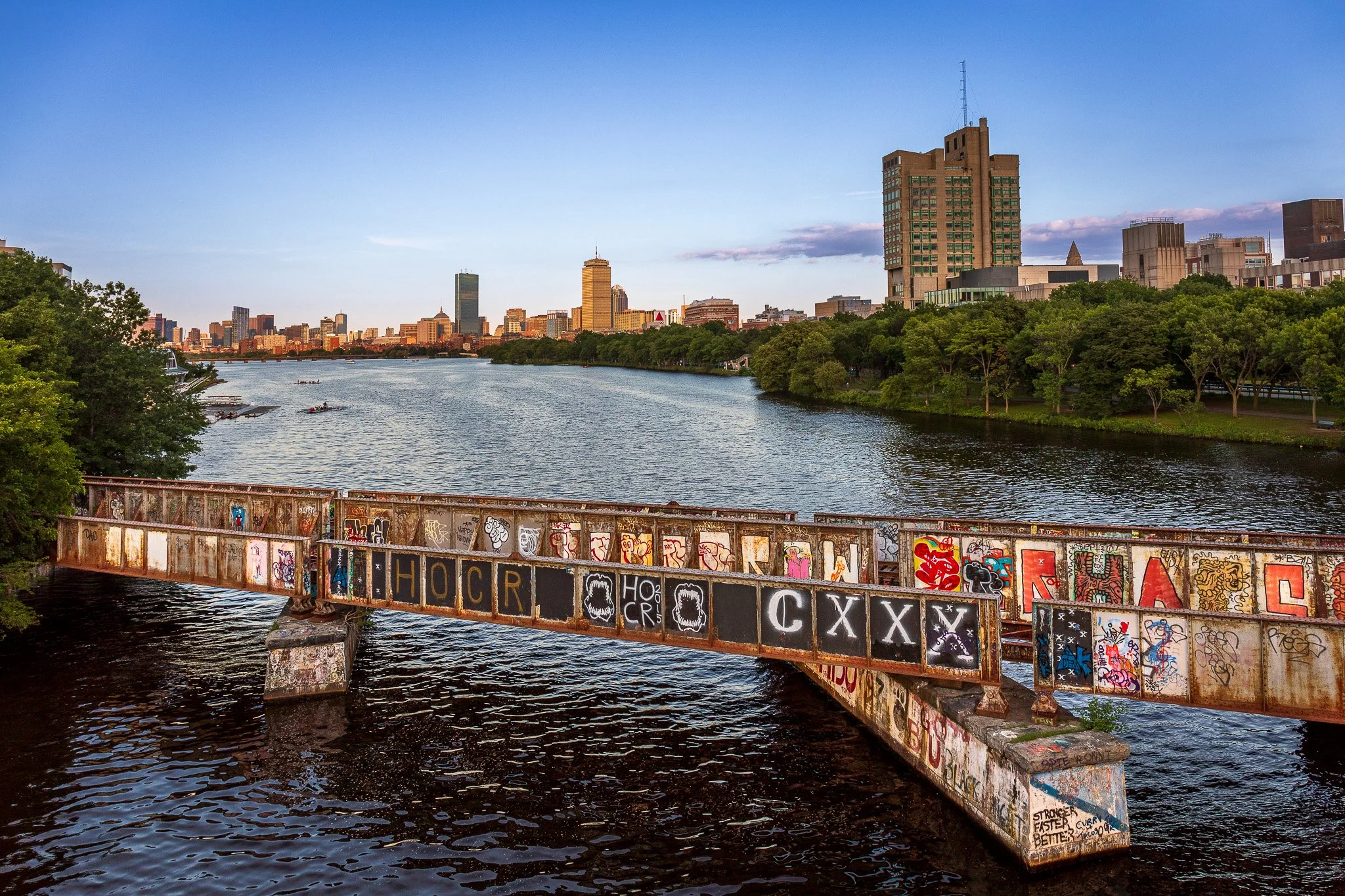
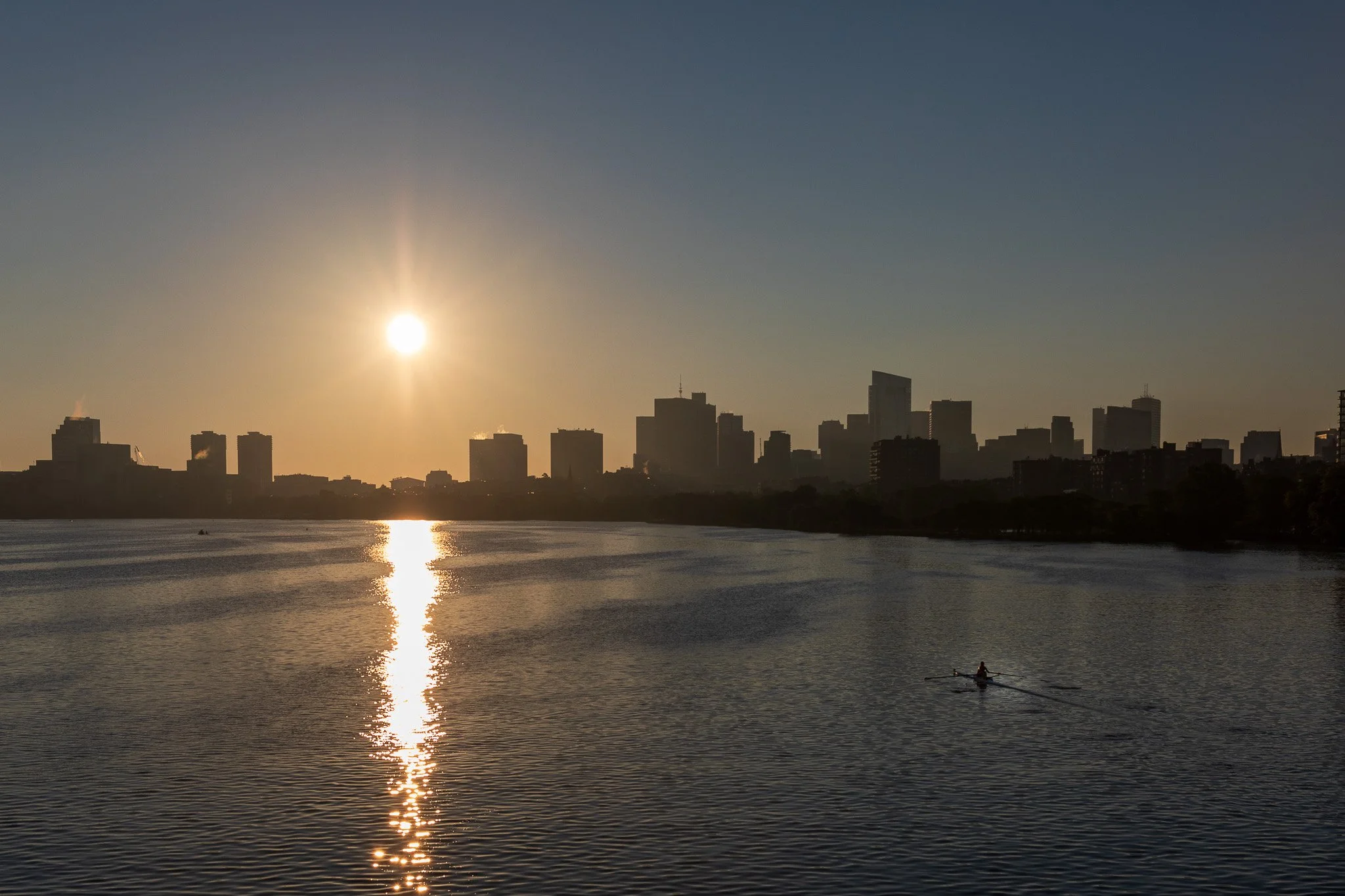
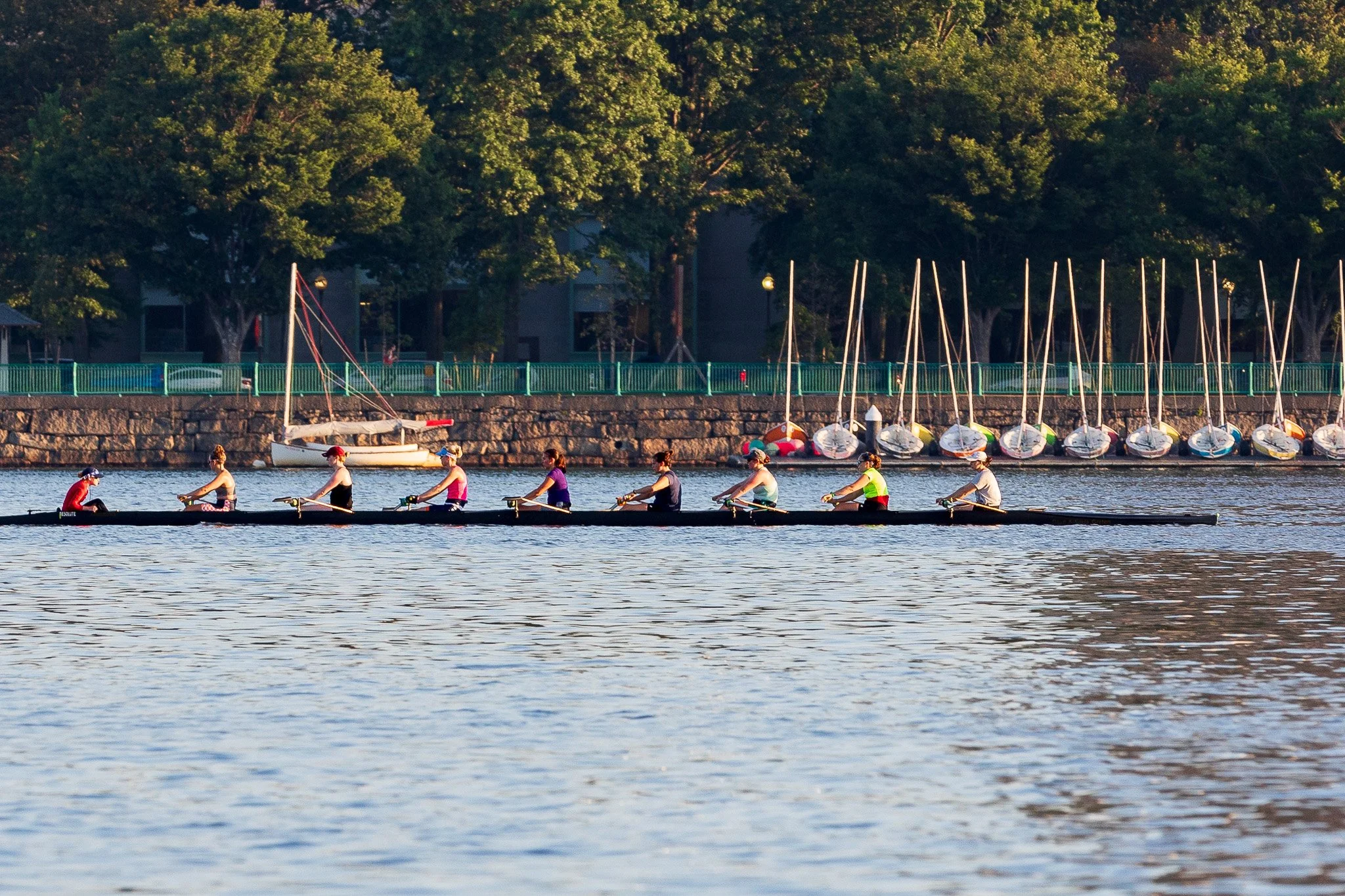
Visiting the Charles River in Boston is a must for anyone looking to experience the city’s natural beauty, outdoor activities, and iconic views. The river, which flows through the heart of Boston and Cambridge, is a central part of the city’s identity and offers visitors a wide range of recreational opportunities (rowing) and scenic experiences.
The Charles River offers some of the best views of Boston's skyline. From the riverbanks, you can see the city’s towering skyscrapers and iconic landmarks like the Prudential Tower, John Hancock Tower, and the Massachusetts State House. The Charles River Esplanade is one of the best places to take in these views, especially at sunrise or sunset when the light reflects off the water, creating stunning photo opportunities.
The Charles River is a hotspot for outdoor activities, making it perfect for those who love being active while enjoying nature. Popular activities include:
Running and Biking: The Charles River Esplanade has miles of paths perfect for running, walking, or biking. The smooth, scenic trails along the river provide a peaceful break from the busy city streets.
Kayaking and Sailing: The river is a popular spot for water sports. You can rent a kayak, canoe, or paddleboardand enjoy a peaceful paddle with views of the city. If you're interested in sailing, the Community Boating Inc.offers lessons and rentals for all skill levels.
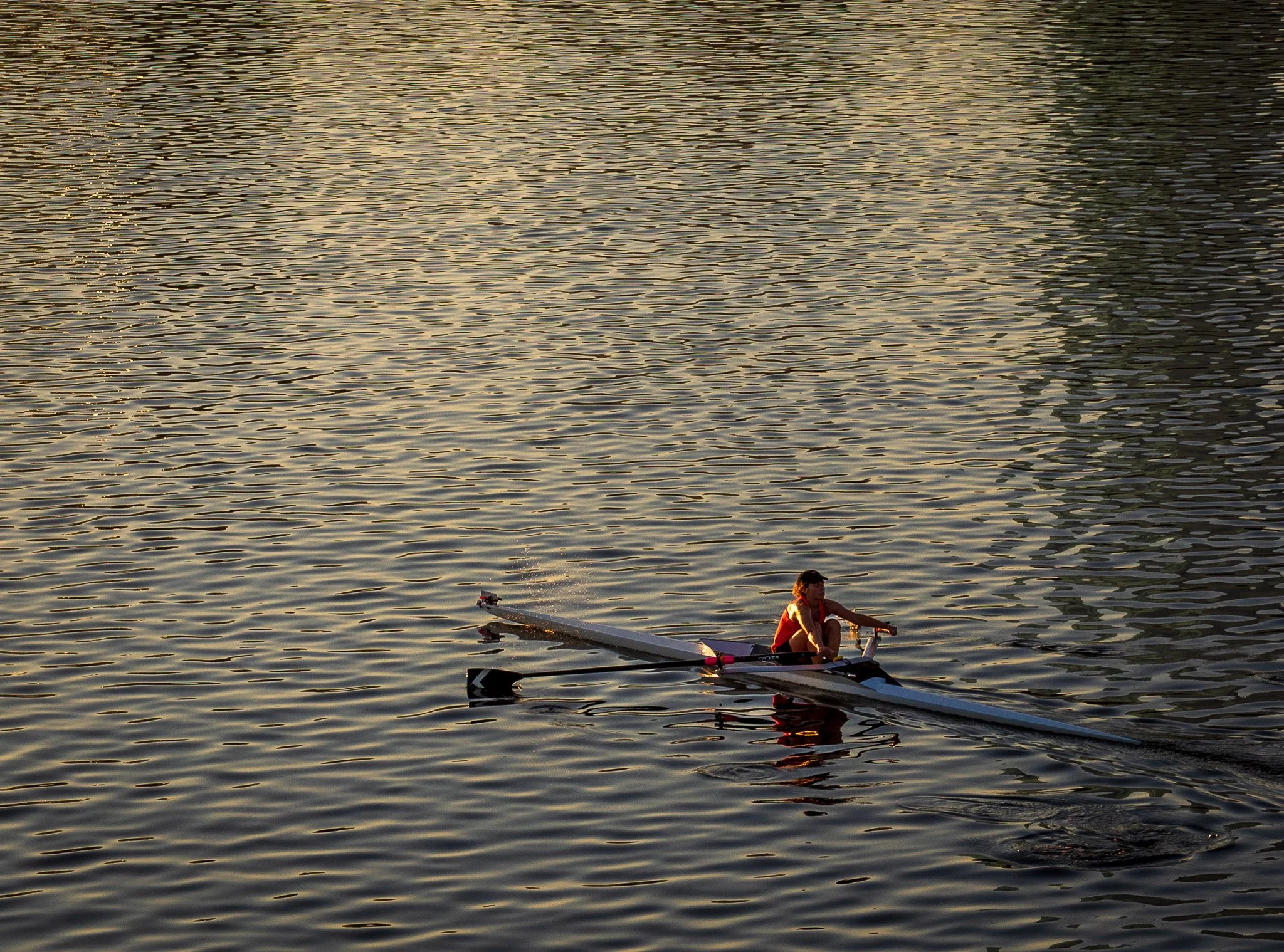
Rowing: Boston is famous for its rowing culture, and the Charles River is home to several regattas, including the Head of the Charles, one of the largest rowing events in the world. Watching or photographing rowers gliding across the water is a quintessential Boston experience.
Boston Public Library
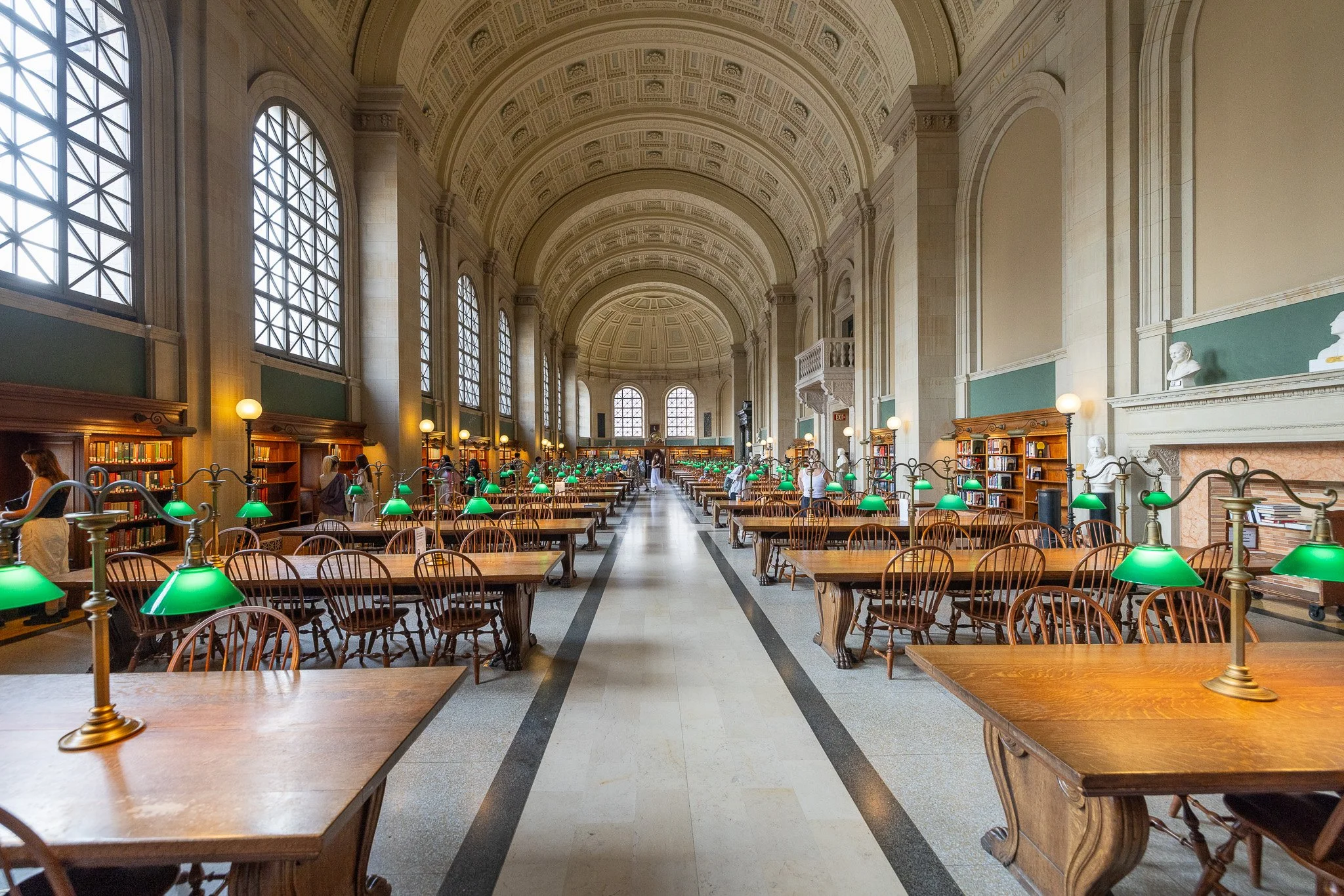
Visiting the Boston Public Library (BPL) is an experience that goes far beyond books. As one of the oldest and most celebrated libraries in the United States, it offers visitors a stunning blend of architecture, history, art, and learning. Founded in 1848, the Boston Public Library was the first large, free municipal library in the United States, reflecting Boston’s commitment to education and the sharing of knowledge.
One of the most striking areas of the library is Bates Hall, the main reading room. This vast hall is topped with a beautiful barrel-vaulted ceiling, large arched windows, and rows of green lamps on long oak tables.
Christian Science Plaza
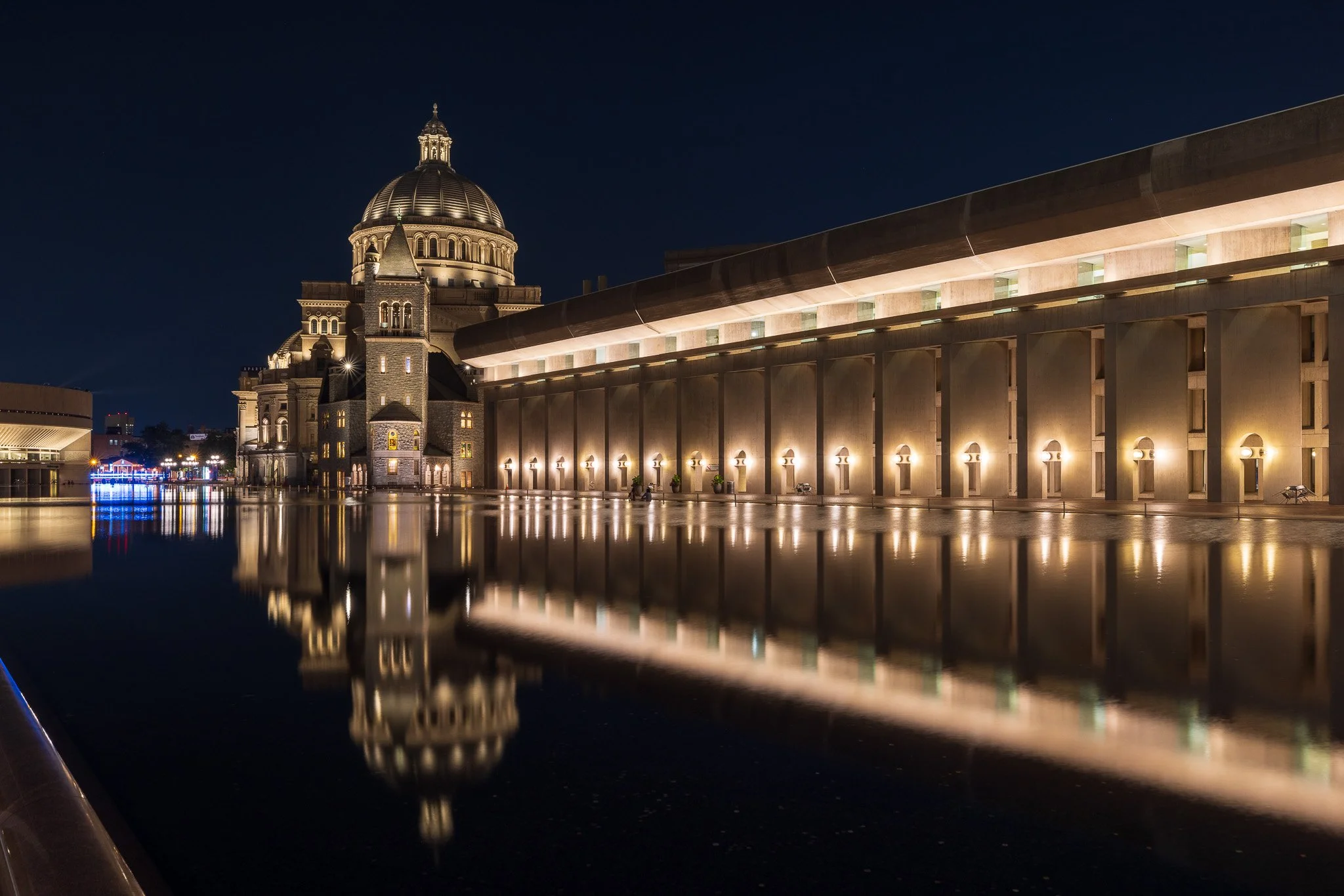
Visiting the Christian Science Plaza in Boston offers a unique combination of stunning architecture, peaceful outdoor spaces, and cultural exploration. The plaza, which serves as the headquarters for the Church of Christ, Scientist, is a tranquil and scenic area that provides an opportunity to experience beautiful design, quiet reflection, and iconic Boston landmarks.
One of the most striking features of the Christian Science Plaza is its Reflecting Pool. Spanning over 670 feet in length, this shallow pool mirrors the surrounding buildings, including the historic Mother Church and the Christian Science Publishing House. T
Acorn Street
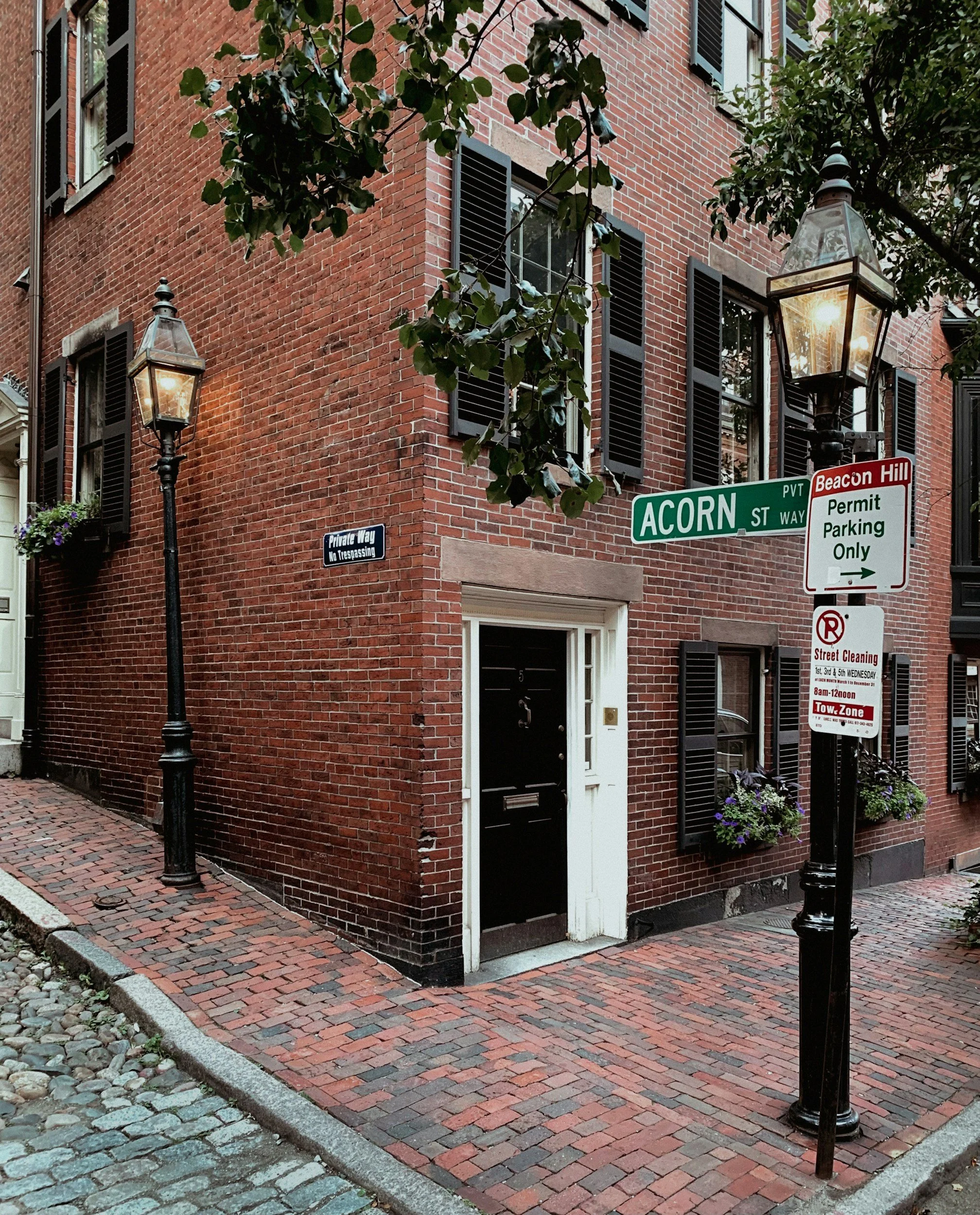
Acorn Street in Boston is one of the city's most famous and photographed streets, and for good reason. Tucked away in the historic Beacon Hill neighborhood, Acorn Street offers a glimpse into Boston’s past, with its charming, narrow, cobblestone path and beautiful Federal-style row houses. It’s a quintessentially New England scene that draws visitors and photographers worldwide.
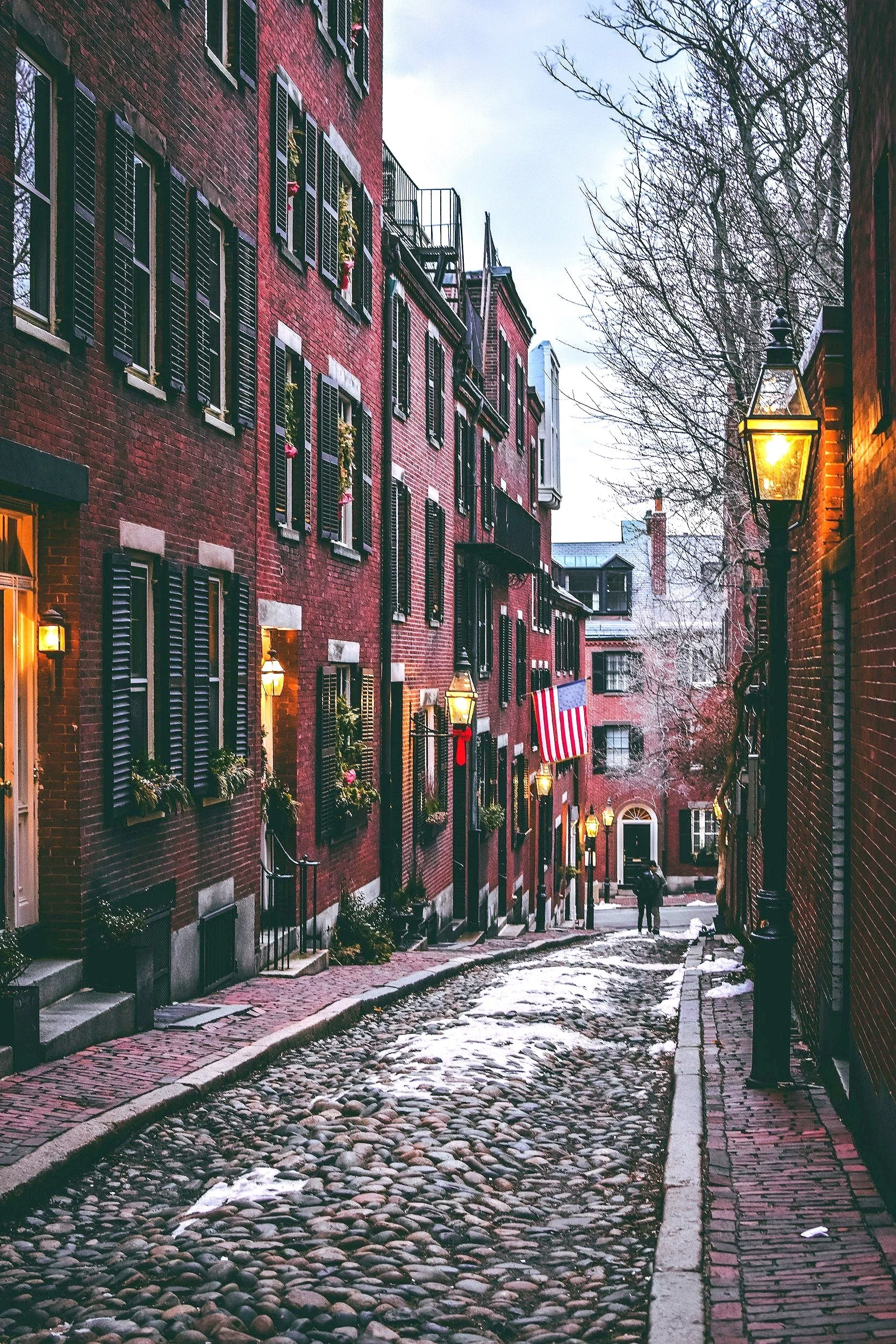
What makes Acorn Street truly stand out is its original cobblestone paving, which is a rare sight in modern cities. The uneven, rounded stones provide a unique texture and add to the street's authenticity.
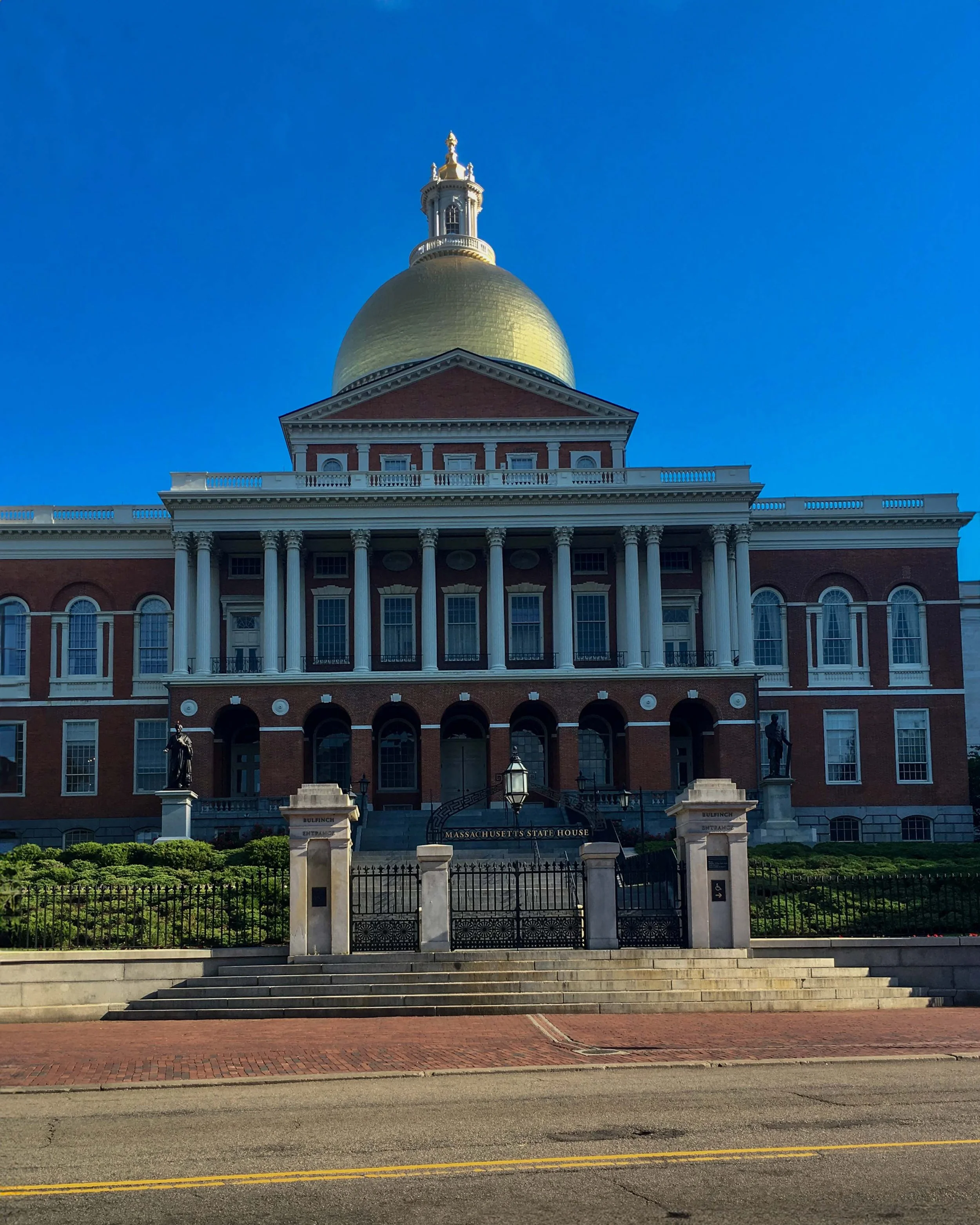
Massachusetts State House
The Massachusetts State House is an iconic landmark in Boston, rich in history, architectural beauty, and political significance. Located at the top of Beacon Hill, overlooking the Boston Common, the State House serves as the home of the Massachusetts government and is a key symbol of the state's role in American history.
Zakim Bridge
The Leonard P. Zakim Bunker Hill Memorial Bridge, commonly known as the Zakim Bridge, is one of Boston's most striking and iconic modern landmarks. Spanning the Charles River, it connects Boston’s North End to Charlestown and is a key part of the city’s transportation network. The bridge's sleek, contemporary design, engineering prowess, and symbolic meaning make it a must-see for visitors.
The Zakim Bridge is an extraordinary example of cable-stayed bridge design, blending engineering ingenuity with modern aesthetics. It is the widest cable-stayed bridge in the world, with two inverted Y-shaped towers that support the road with cables, creating a striking visual profile. Designed by Swiss engineer Christian Menn, it seamlessly combines functionality with beauty, making it a standout piece of modern infrastructure.

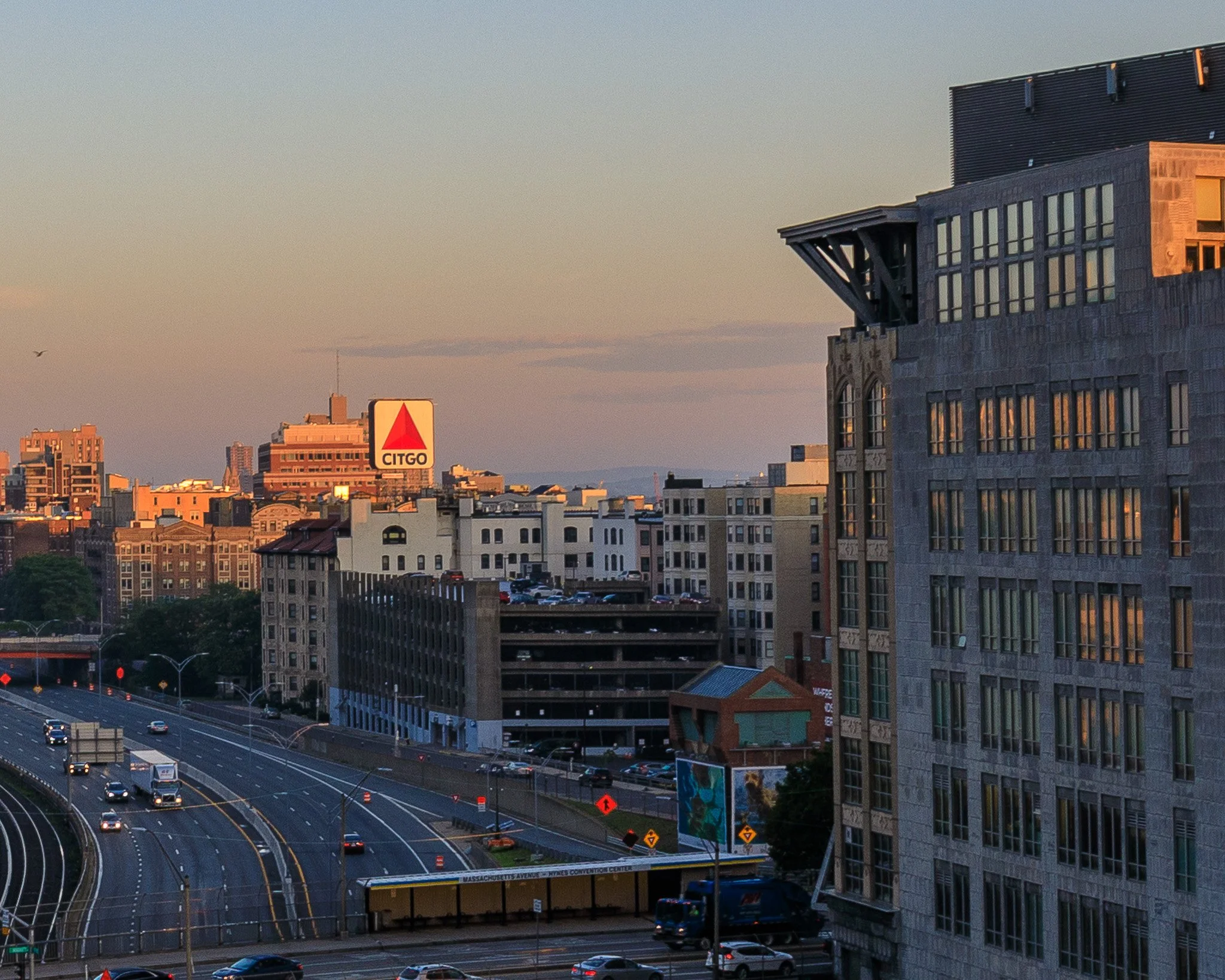
The Citgo Sign
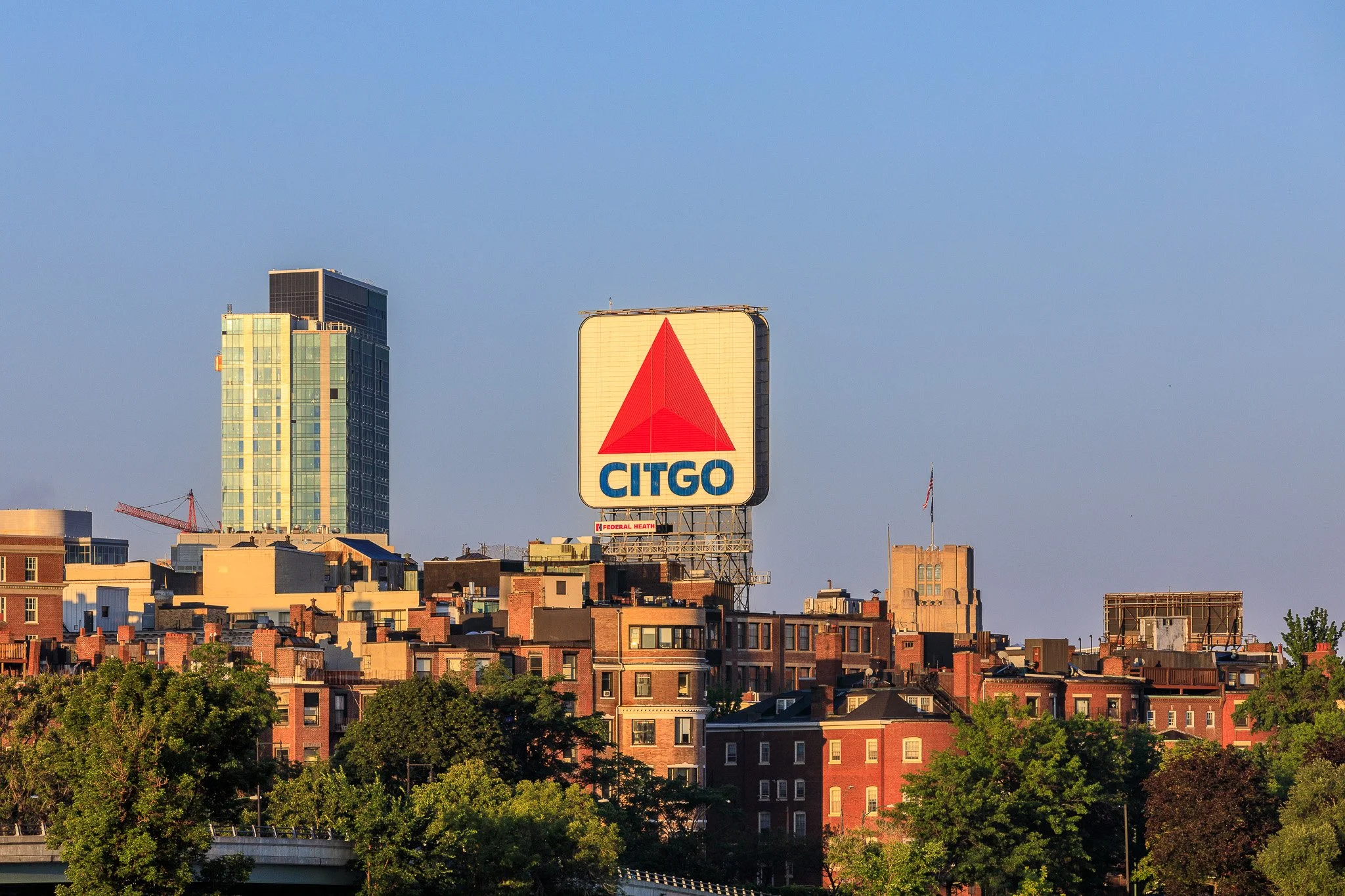
The Citgo Sign (often mistaken for "Chevron") in Boston is an iconic landmark with a unique blend of historical, cultural, and nostalgic significance. Located in Kenmore Square, the sign has been a part of the city’s landscape for decades and has become a symbol of Boston itself.
The Citgo Sign has been a fixture in Kenmore Square since it was first installed in 1940, though the current version dates back to 1965. Over the years, it has become an enduring symbol of Boston. Its distinctive red, white, and blue triangular logo is instantly recognizable, and for many locals and visitors, it represents the heart of the city.
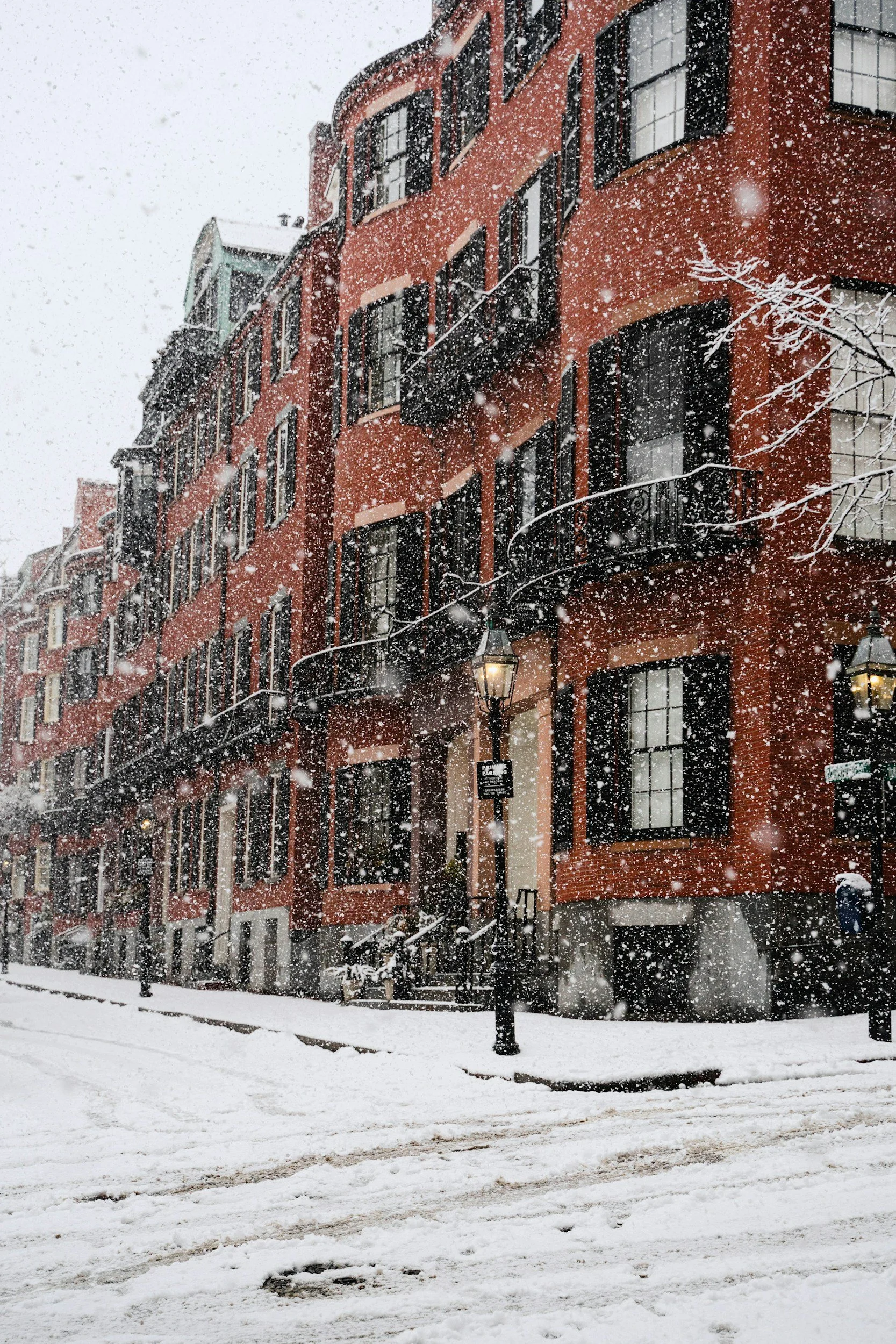
Beacon Hill
Visiting Beacon Hill is like stepping back in time, offering a unique glimpse into Boston's rich history and charm. This picturesque neighborhood is one of the oldest and most iconic areas of the city, known for its cobblestone streets, gaslit lamps, and Federal-style row houses.
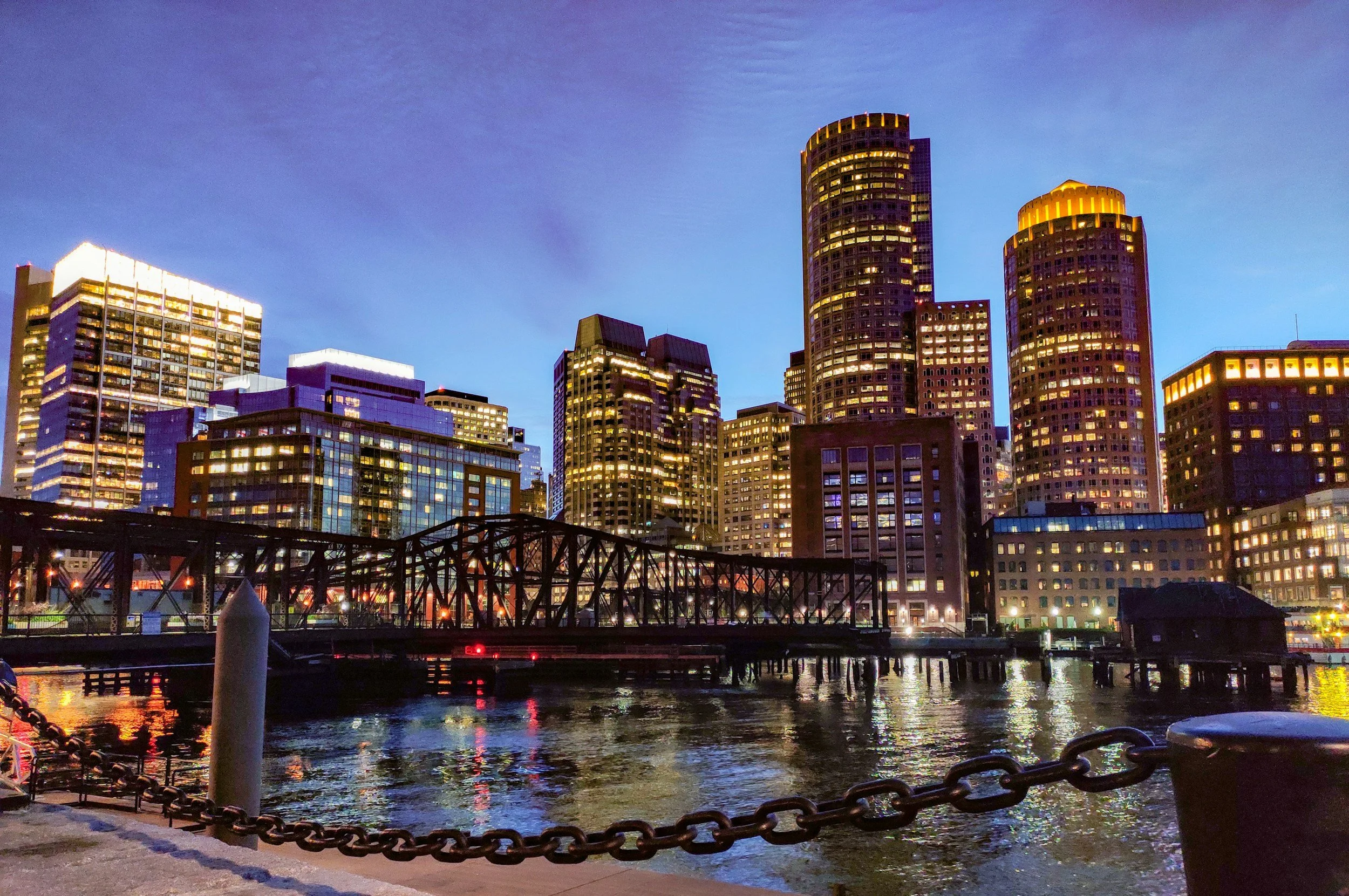
The Seaport
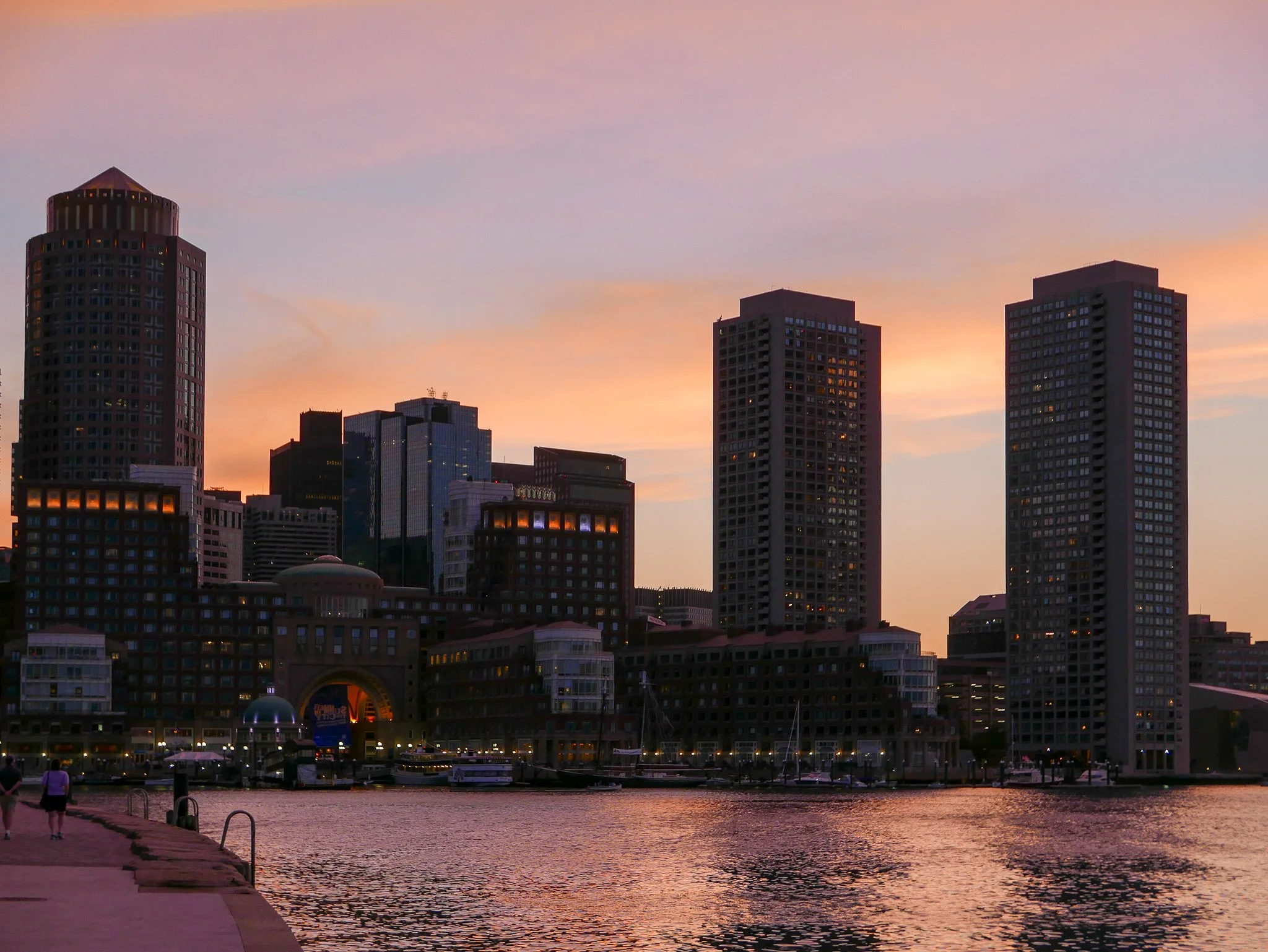
Visiting the Boston Seaport is a great way to experience one of the city’s most dynamic and rapidly evolving waterfront neighborhoods. Combining a mix of modern architecture, cultural attractions, restaurants, and stunning views of the harbor, the Seaport District has become a popular destination for both locals and tourists.
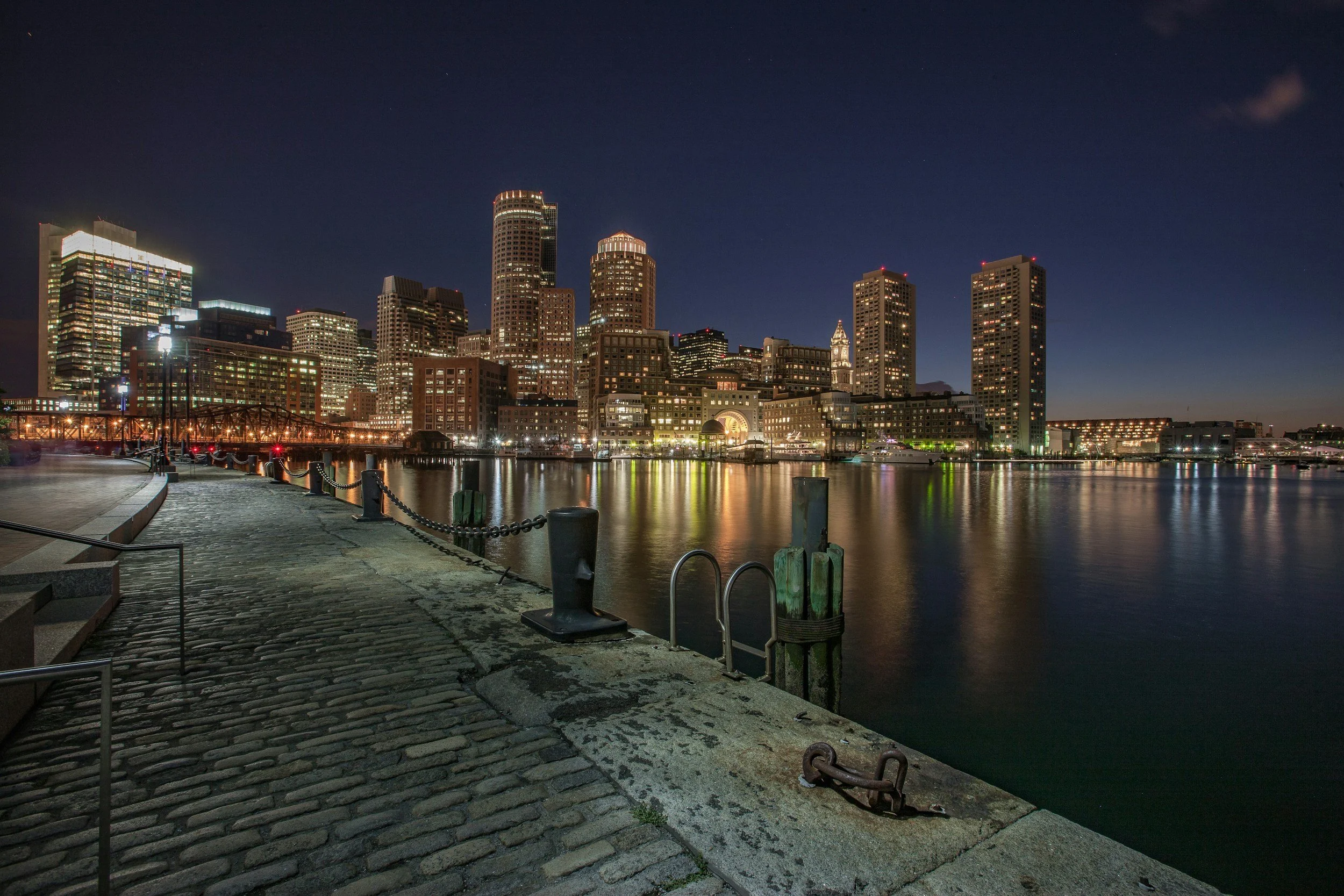
The Seaport’s location along Boston Harbor offers breathtaking views of the water, the city skyline, and the iconic Boston Harbor Islands. Whether you’re strolling along the Harborwalk, relaxing by the water, or dining with a view, the scenic vistas provide a perfect backdrop for your visit.
Quincy Market & Faneuil Hall
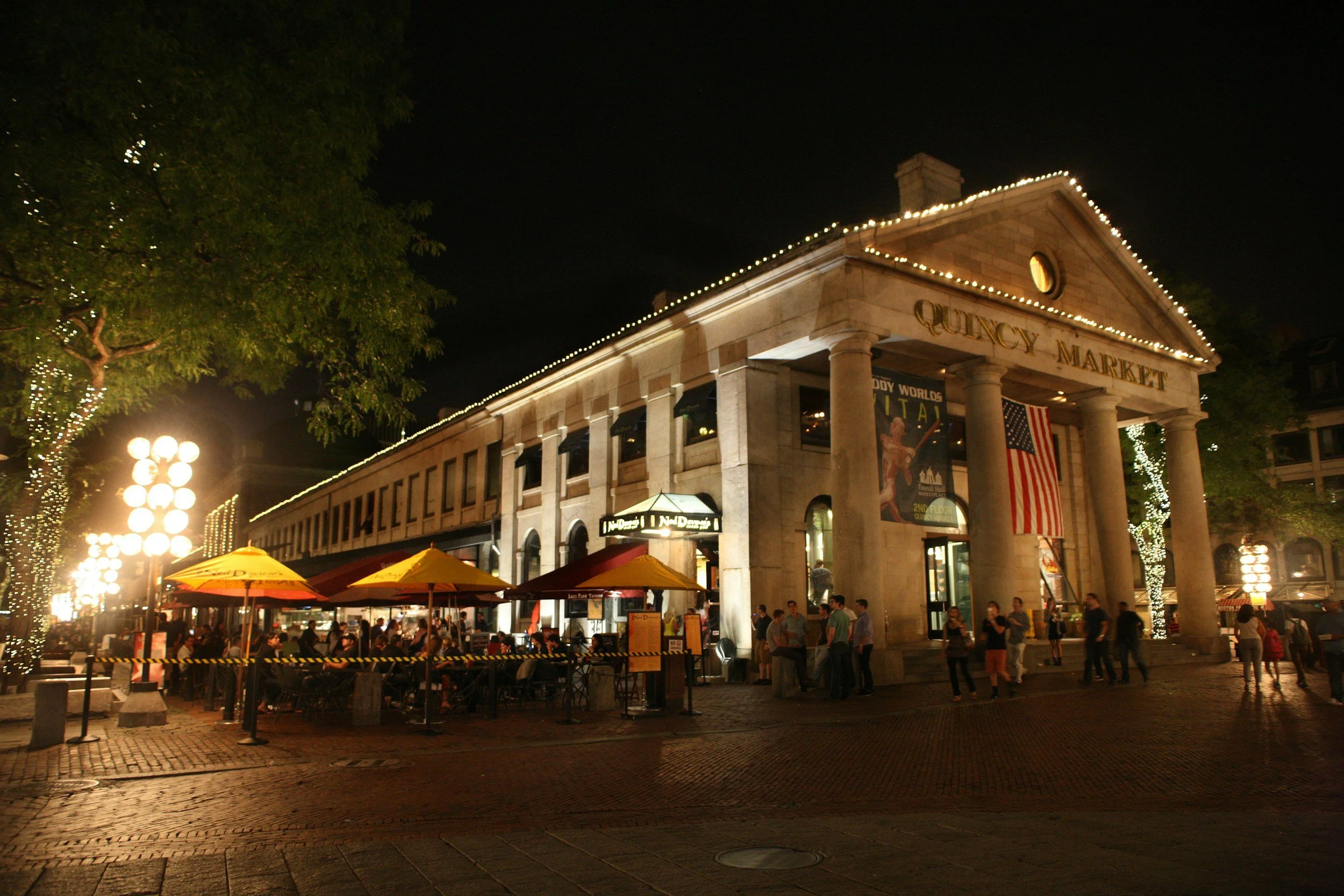
Visiting Quincy Market and Faneuil Hall in Boston is an essential stop for anyone wanting to experience the city’s rich history, vibrant culture, and diverse culinary scene.
Faneuil Hall, built in 1742, is one of the most important historical landmarks in the United States. Known as the “Cradle of Liberty,” Faneuil Hall was a meeting place for revolutionary leaders like Samuel Adams and John Hancock, where they debated and rallied for independence from British rule.
Right next to Faneuil Hall is Quincy Market, a historic marketplace dating back to 1826. The long, granite building with its distinctive dome has become a symbol of Boston’s vibrant marketplace culture. Inside, you'll find a food hall filled with a wide variety of vendors offering everything from traditional New England clam chowder and lobster rolls to international street food, artisanal sweets, and local specialties.
The North End
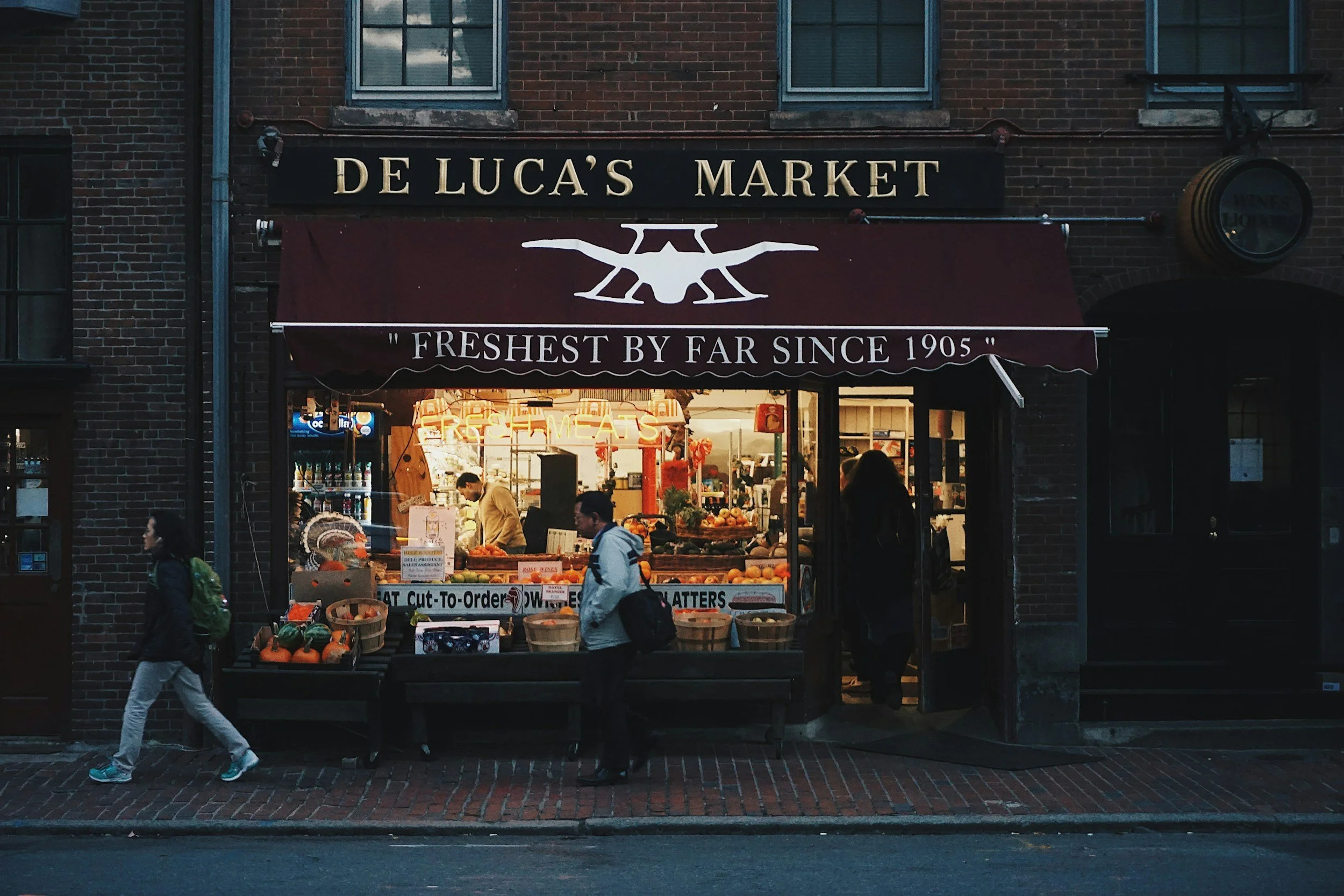
The North End of Boston, often referred to as the city’s "Little Italy," is one of the most vibrant, historic, and culturally rich neighborhoods in the city. Famous for its narrow, cobblestone streets, charming atmosphere, and incredible Italian cuisine, the North End offers a unique blend of history and modern-day charm that makes it a must-visit.
Harvard Square
Visiting Harvard Square in Cambridge, just across the Charles River from Boston, offers a unique combination of history, intellectual culture, and vibrant street life. As the gateway to Harvard University, one of the world’s most prestigious institutions, Harvard Square is a hub of academic energy, eclectic shopping, dining, and entertainment.
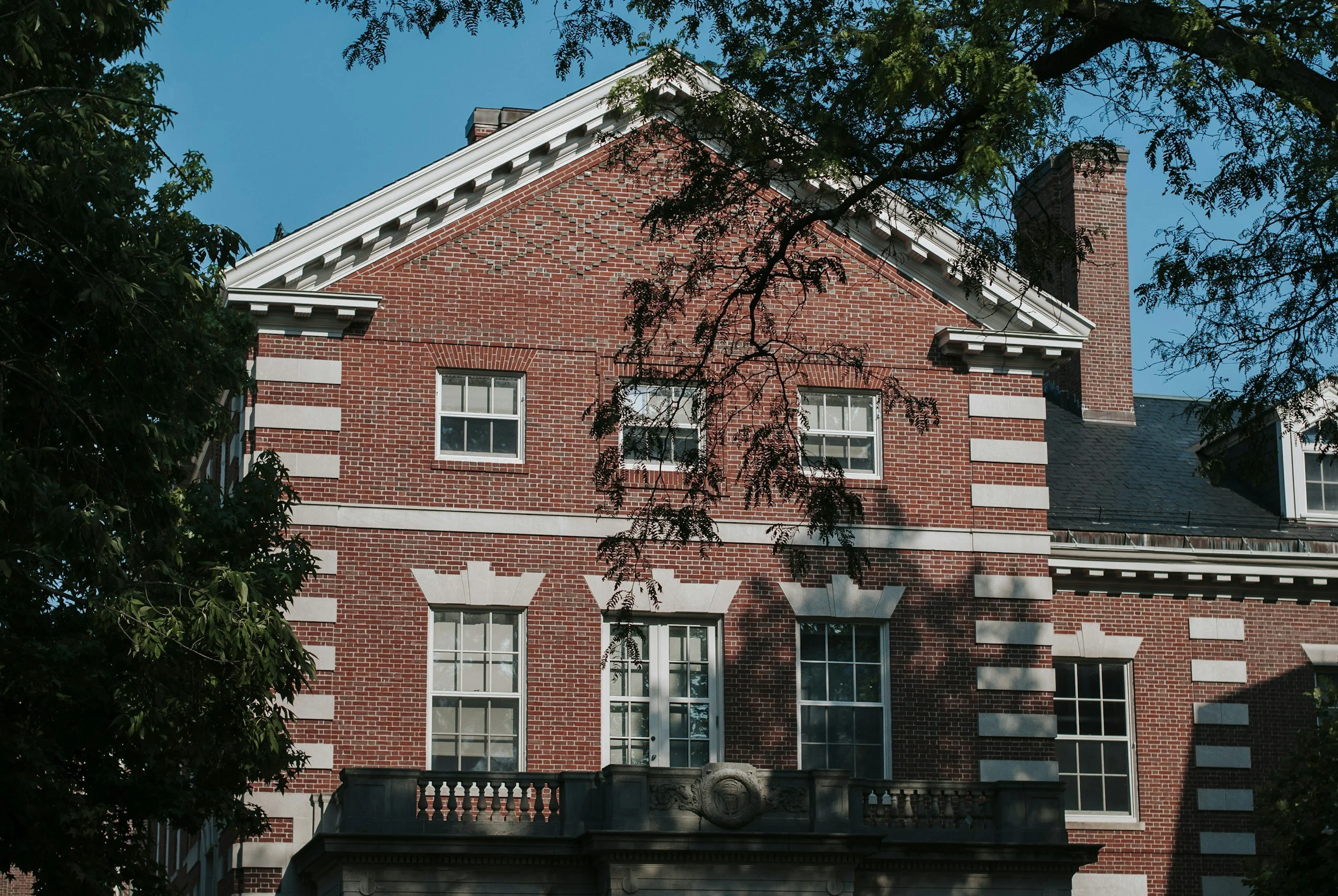
Harvard Square is synonymous with Harvard University, and a visit gives you a chance to explore the grounds of this world-famous Ivy League school. Whether you’re a history buff or just curious, walking through the Harvard Yard, the oldest part of the university, offers a chance to see iconic buildings like Widener Library, Memorial Hall, and the John Harvard Statue.
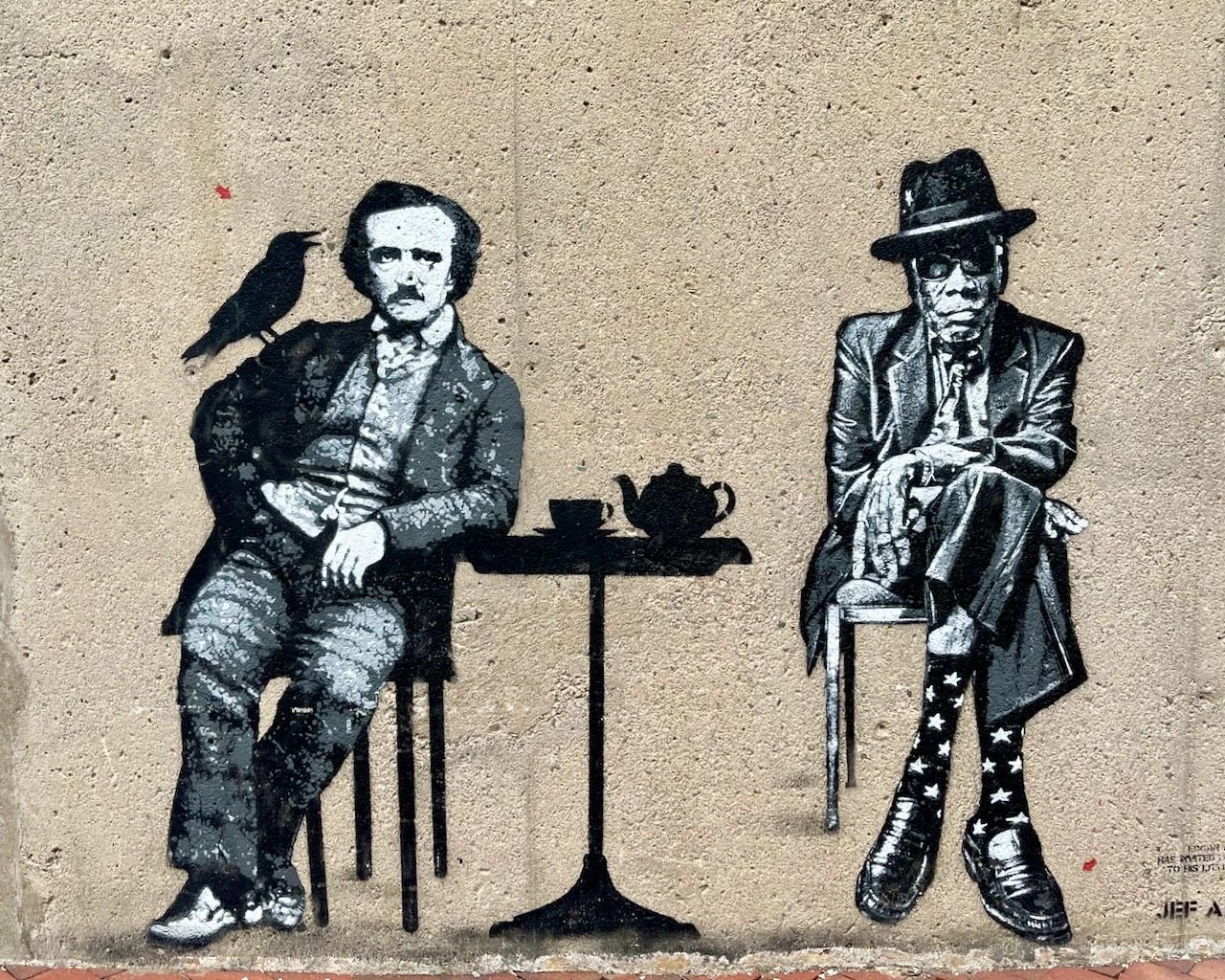
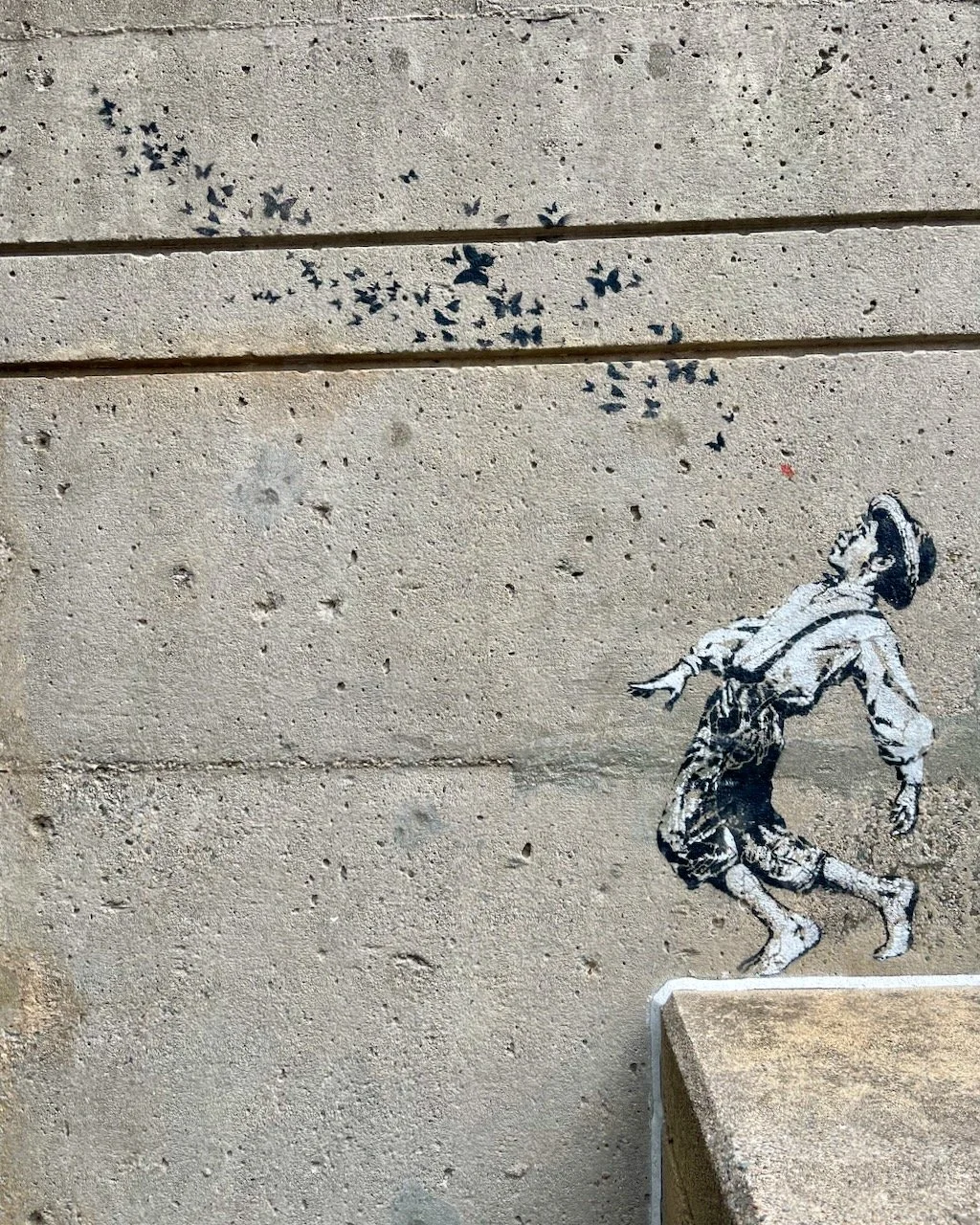
Graffiti in Boston
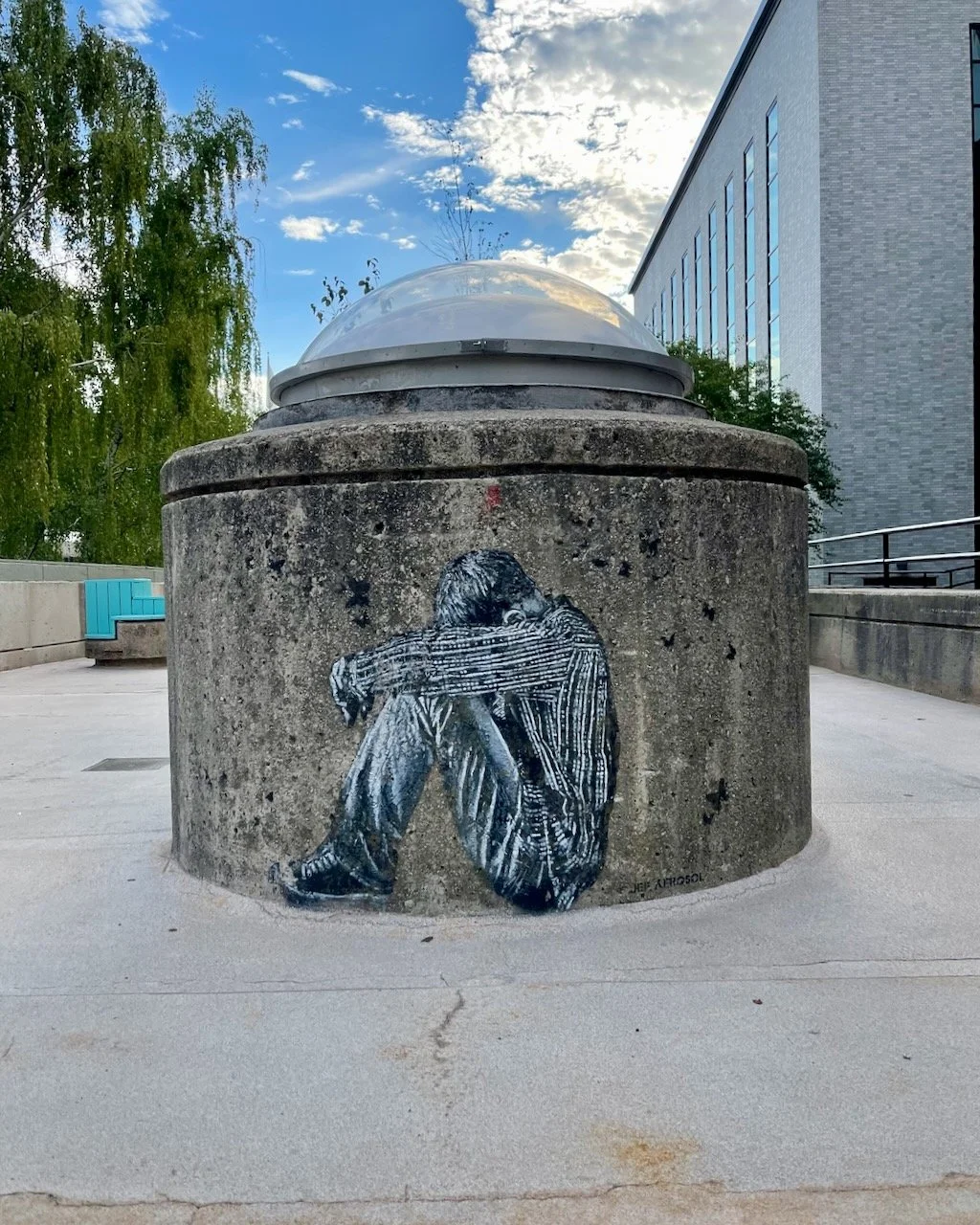
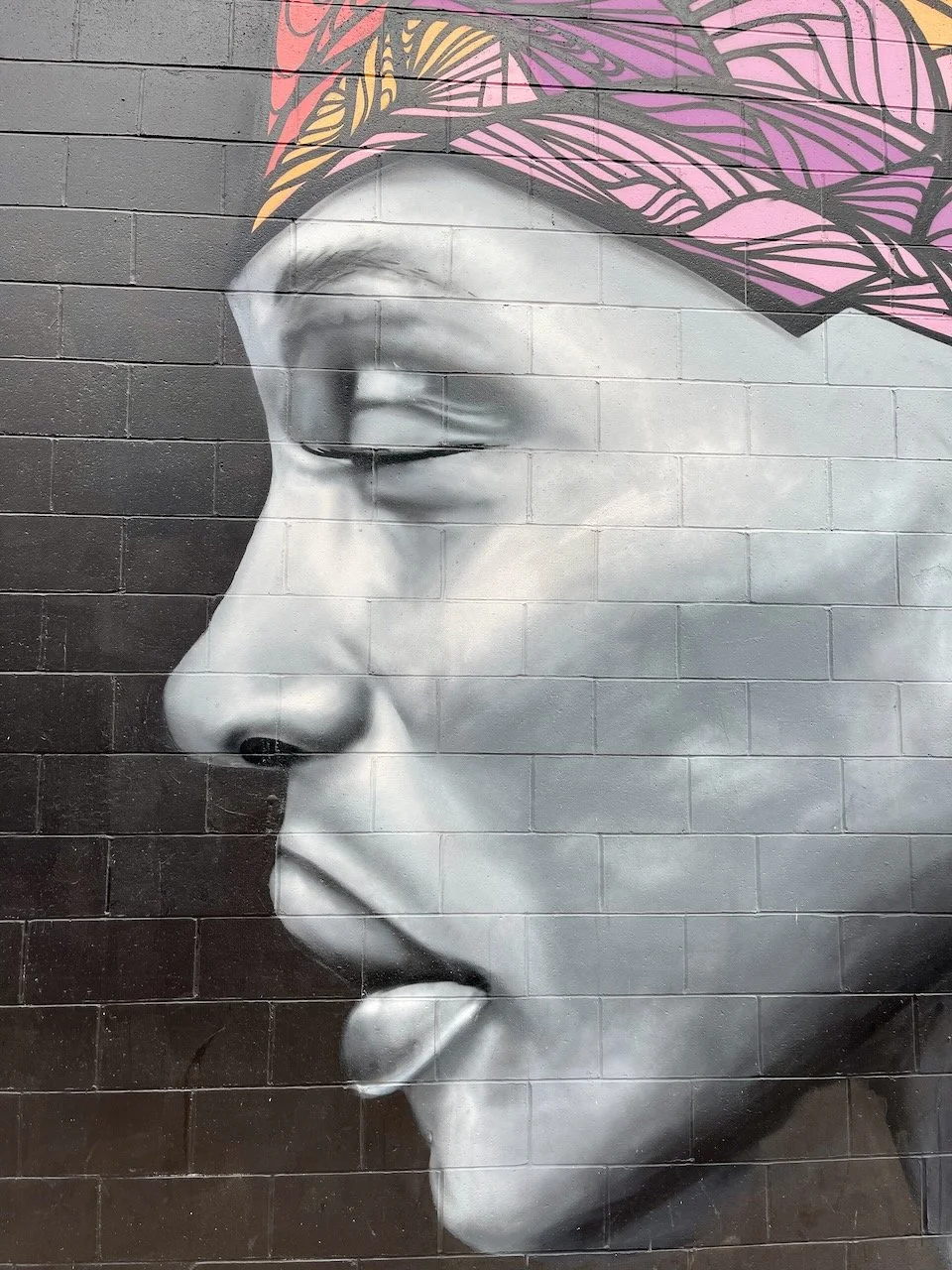
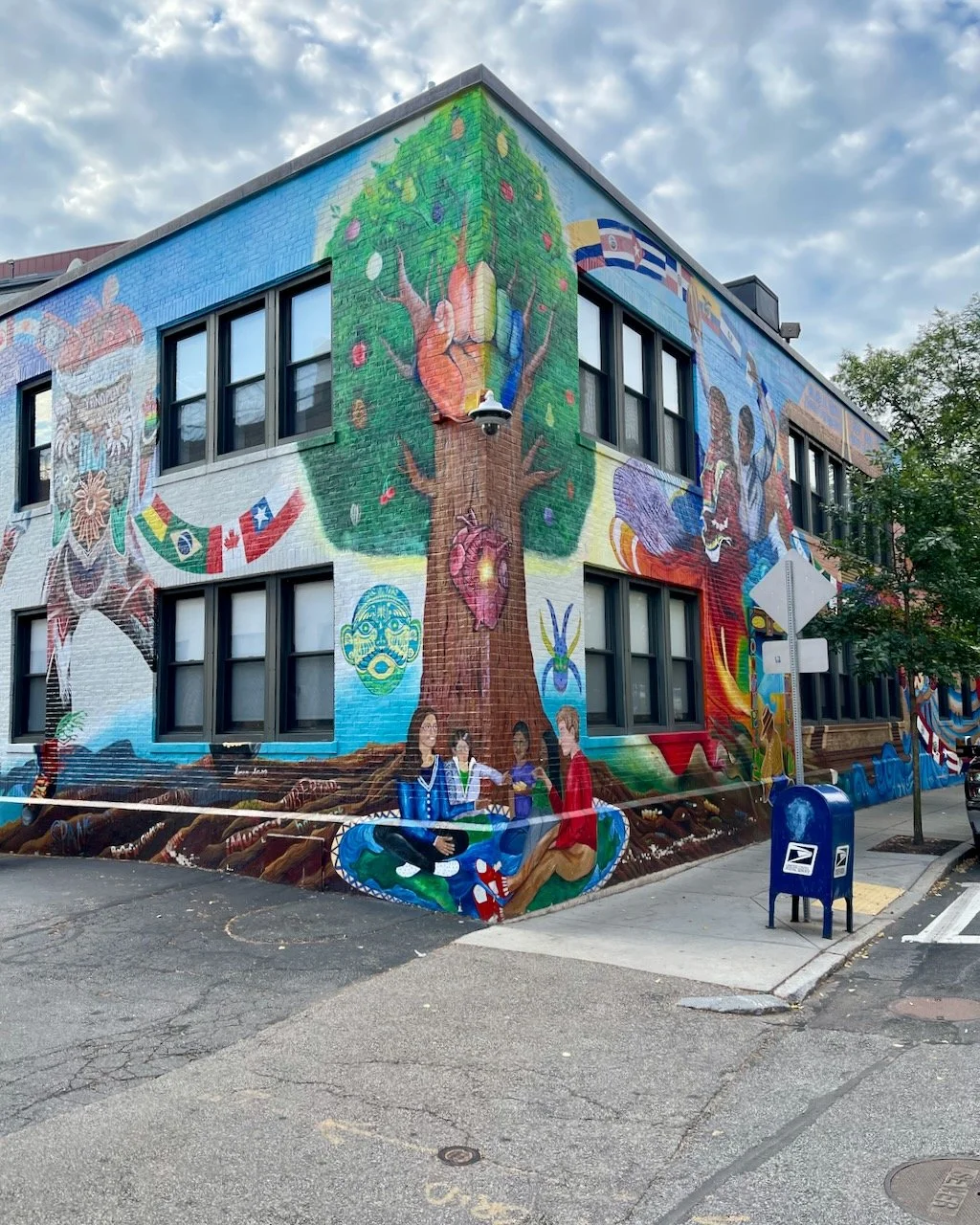
Yes, Boston has a growing and vibrant street art and graffiti scene, with several notable locations where you can experience impressive murals and urban art. Although Boston may not be as famous for graffiti as cities like New York or Los Angeles, its street art has become a significant part of the city’s creative culture.
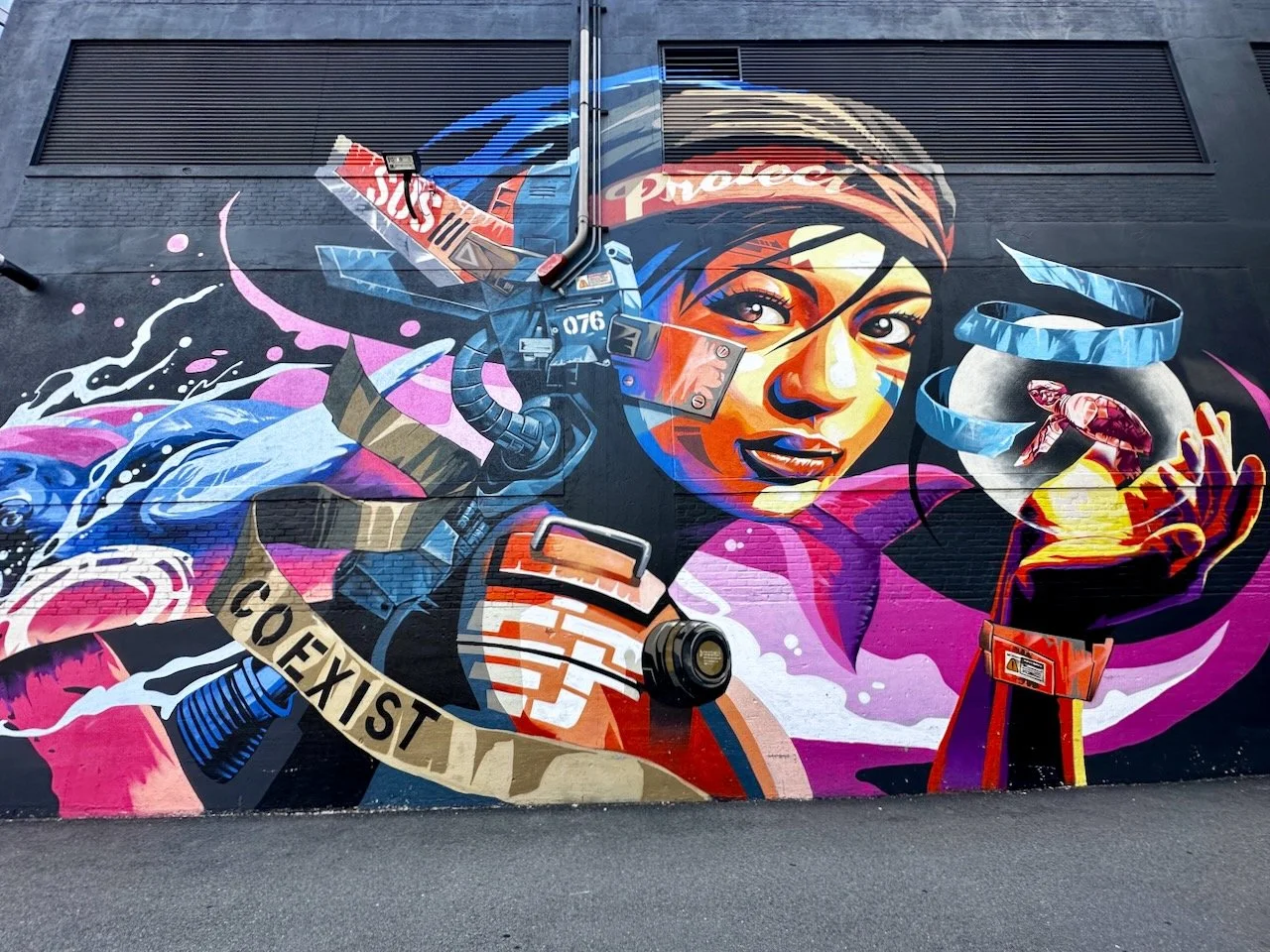
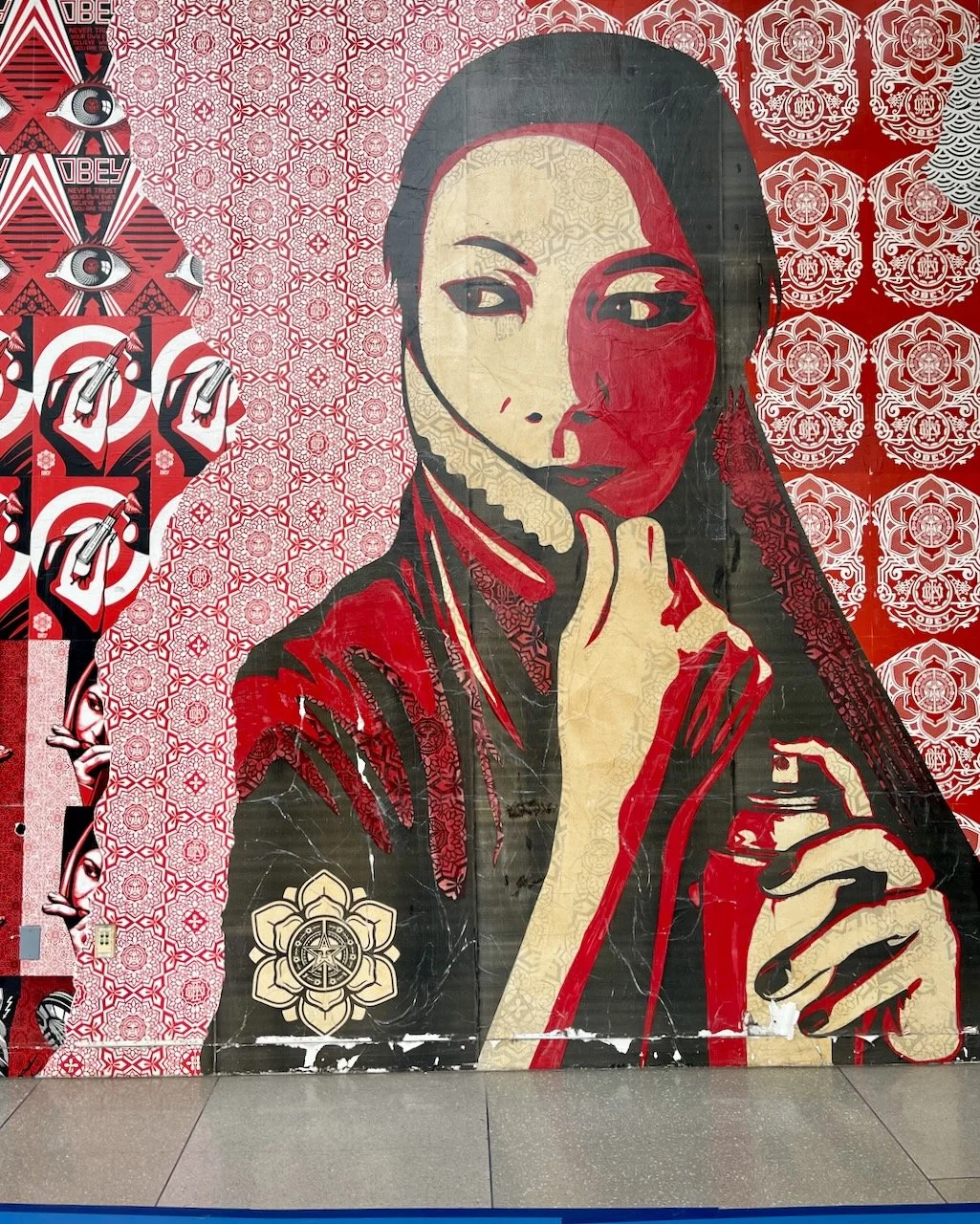
Shepard Fairey is a renowned American contemporary street artist, graphic designer, and activist, best known for his provocative artwork that blends elements of graffiti, propaganda, and pop art. Born in 1970, Fairey first gained widespread attention with his "Obey Giant" campaign in the late 1980s, which featured a stylized image of professional wrestler André the Giant with the word "Obey" underneath.
Fairey has a direct connection to Northeastern University as he created a large, iconic mural there in 2012. The piece, titled "Peace Goddess", is located on the campus in a highly visible spot near Curry Student Center. This mural was commissioned by Northeastern University as part of an ongoing effort to integrate public art and urban expression into the campus environment.
Festivals and Holidays
Boston Marathon (April) - An iconic event that brings the city to life.
Boston Harborfest (July) - Celebrates Boston’s maritime and revolutionary history.
Head of the Charles Regatta (October) - A renowned rowing competition with great photo ops.
Final Thoughts
Boston has a way of capturing your heart quietly and completely.
From gaslit streets in Beacon Hill to skyline views along the Charles River, every corner offers a new perspective. History and innovation live side by side. Brick and glass. Old and new. Tradition and reinvention.
Boston rewards those who walk slowly, look up often, and return to locations when the light shifts. It is a city of subtle details and strong character, and that combination makes it endlessly photogenic.
Boston is waiting for you. Bring your curiosity. Bring your camera. Happy shooting and safe travels.
If you are interested in joining one of my photography workshops, you can find the details through the link. You can also follow along on Instagram, Facebook, or subscribe to my newsletter for more travel photography tips and behind-the-scenes insight.
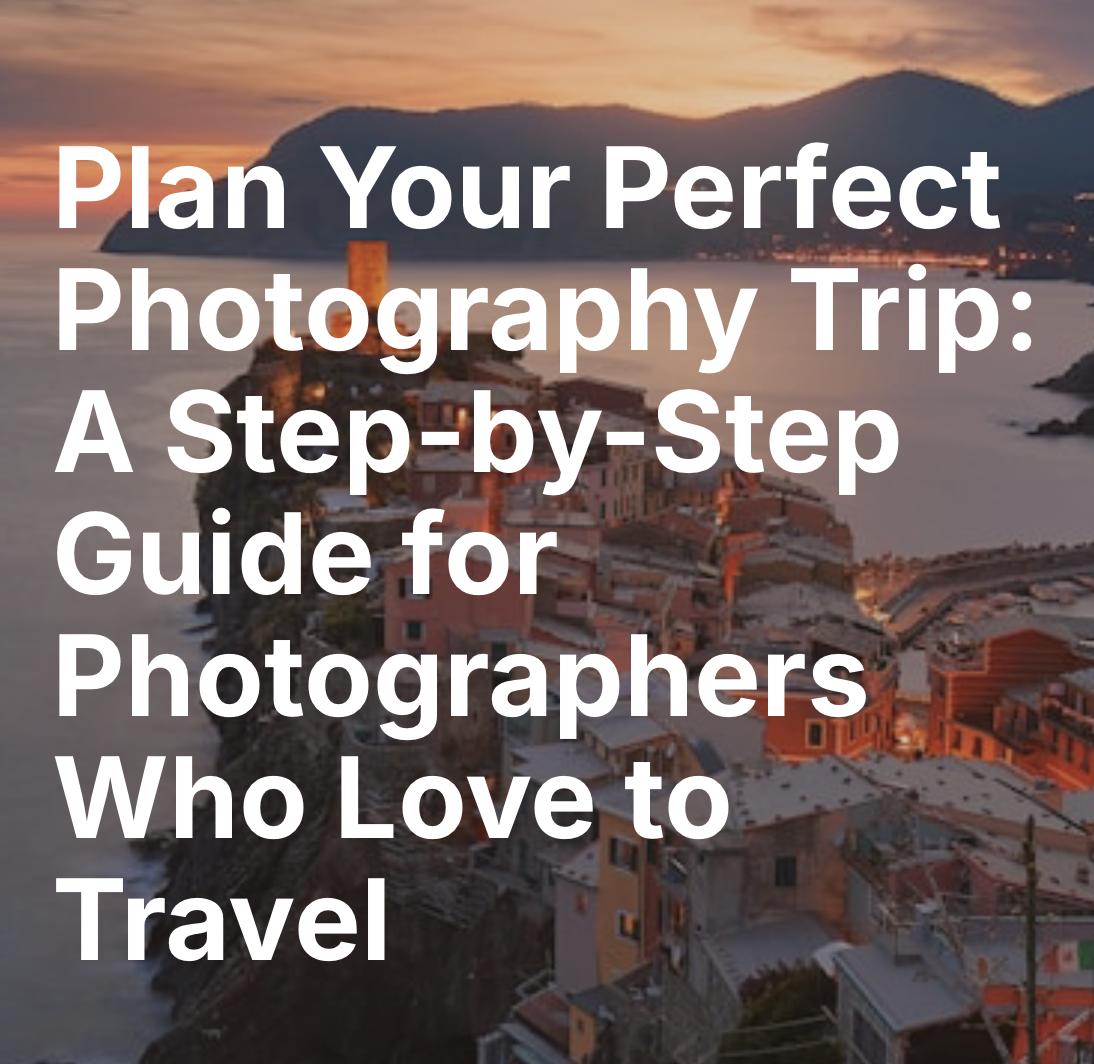
Are you carrying too much camera gear… but still coming home with disappointing travel photos?
You’re not alone. Most travel photographers fall into “The Packing Trap” — overpacking, under-planning, and constantly scrambling to capture the shot… while missing the moment.
This powerful, step-by-step eBook is your shortcut to a better way.
The 5-Step Photographer’s Guide to Planning the Perfect Travel Adventure is a field-tested blueprint that helps you:
Travel light without sacrificing image quality
Plan smarter trips that lead to better, more intentional photos
Find breathtaking destinations at the perfect time
Create a shoot-ready itinerary that works with your creative style
Avoid the stress, fatigue, and overwhelm that kills your best work
Written by travel photographer Vito L Tanzi, it’s the system I personally use to craft stress-free photo trips that result in his best images.
Whether you're heading off on your first international shoot or leveling up your local weekend getaways, this guide will help you make the most of every trip.
📸 Format: PDF download

Join Me for a DC Evening Monuments Photography Workshop!
📸 Washington, DC Evening Monuments Photography Workshop
$99 per person | Max 6 participants or $199 Private
Love photography and iconic views? Then grab your camera and join me for a golden hour photo walk through Washington, DC’s most breathtaking monuments—right as the city lights up!
Throughout the year, I host small group workshops and offer private walking photo tours (1–6 people) tailored to your style and pace. But this group workshop is a crowd favorite: a two-hour guided adventure as we chase reflections, long exposures, and those postcard-perfect twilight shots.
Who This Workshop Is For
Beginners who want to learn how to use their camera
Travelers visiting DC
Photographers who want iconic shots without crowds
What You’ll Learn:
Getting to Know Your Camera and Settings
Creative composition tricks to elevate your shots
How to work with changing light, reflections, and motion
Long exposure tips for amazing nighttime images
We’ll Photograph DC Icons Like:
The Jefferson Memorial
Lincoln Memorial
Washington Monument
The US Capitol
The White House
and a few other locations
Where We Meet:
We’ll start near the Tidal Basin. Parking is available at the lot near Floral Park (by the paddle boats on Maine Ave—click here for the map).
Recommended Gear:
Bring a DSLR or mirrorless camera with interchangeable lenses (think 24-70mm or 24-105mm), a sturdy tripod, and, if you have them, an ND filter and remote shutter release. I’ve got one tripod to lend—just email me ahead of time to reserve it.
All Skill Levels Welcome!
Whether you're just getting comfortable with your camera or looking to take your skills to the next level, this workshop is designed for you. I’ll guide you step-by-step—from finding the right settings to composing striking shots—so you can feel more confident behind the lens and come away with photos you'll be excited to share.
Fitness Level: Easy Breezy
No hills, no hustle—just a relaxed stroll on paved paths with plenty of photo stops.
What’s Included:
• Personalized instruction in the field
Weather Policy
What happens if it rains? DC weather in spring and fall can be unpredictable. We can reschedule.
Cancellation Policy:
• Full refund if canceled 48+ hours in advance
• No refund for late cancellations unless your spot is filled
Have Questions or Want to Book a Private Tour?
Email me directly at vito@chasinghippoz.com
*Contact me to schedule your session