My Photography & Travel Guide to the Turks & Caicos
There are places you visit for culture. There are places you visit for adventure. And then there are places you visit to breathe.
We just returned from the Turks and Caicos Islands, and it felt like someone gently turned down the volume on life. It was pure bliss. One of the most relaxing trips we have taken in years, the kind where your shoulders drop on day one and never quite rise again.
For East Coast travelers, the ease is part of the magic. A nonstop three-hour flight from Washington Dulles to Providenciales International Airport, and by lunchtime, you are barefoot in the sand. No connections. No airport marathons. While many Caribbean destinations require a stop in Atlanta or Miami, here you step off the plane and into turquoise water in the same morning.
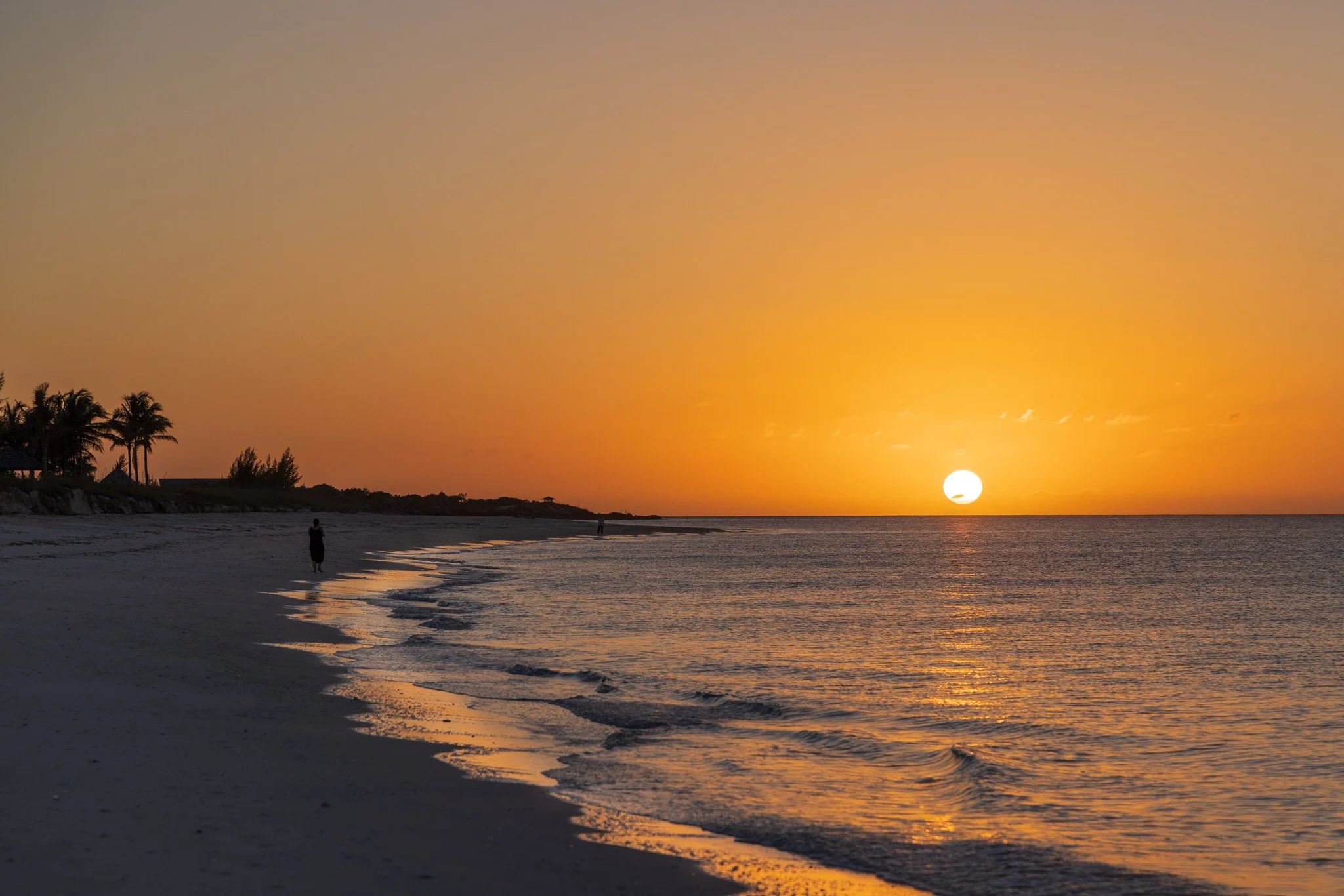
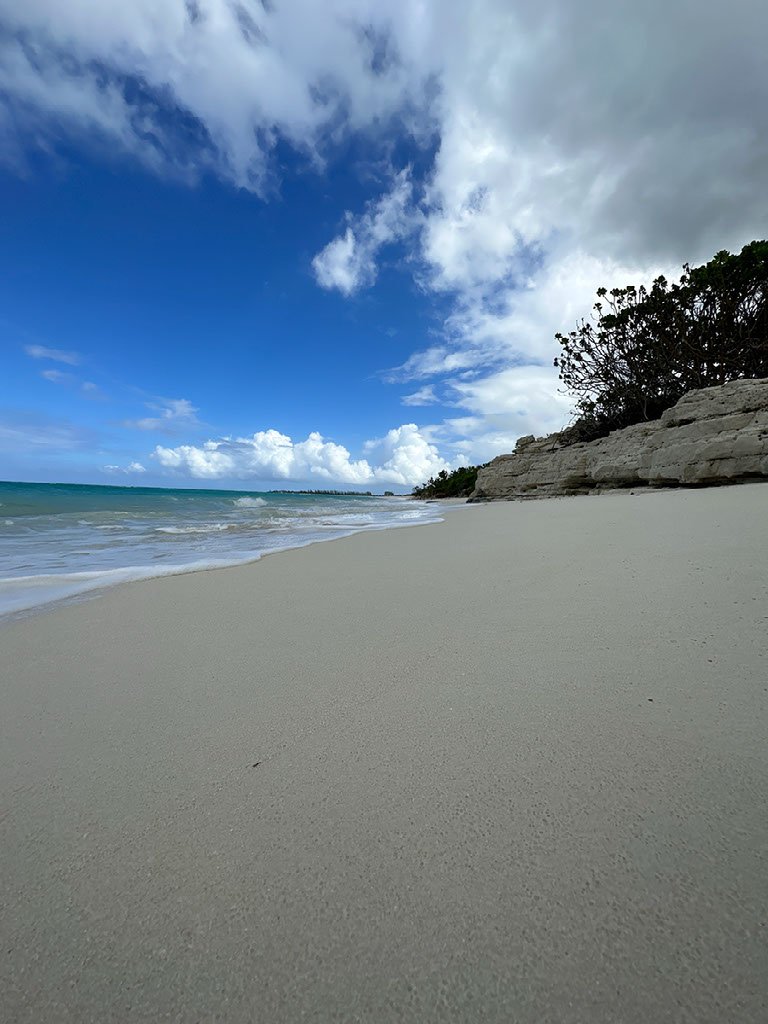
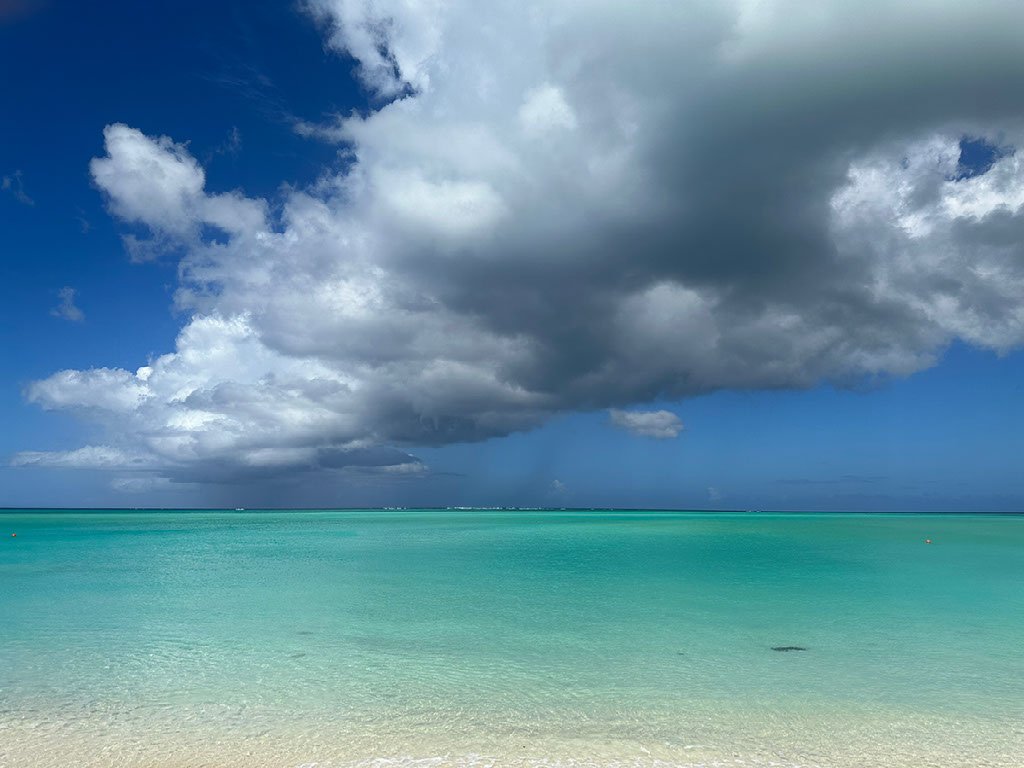
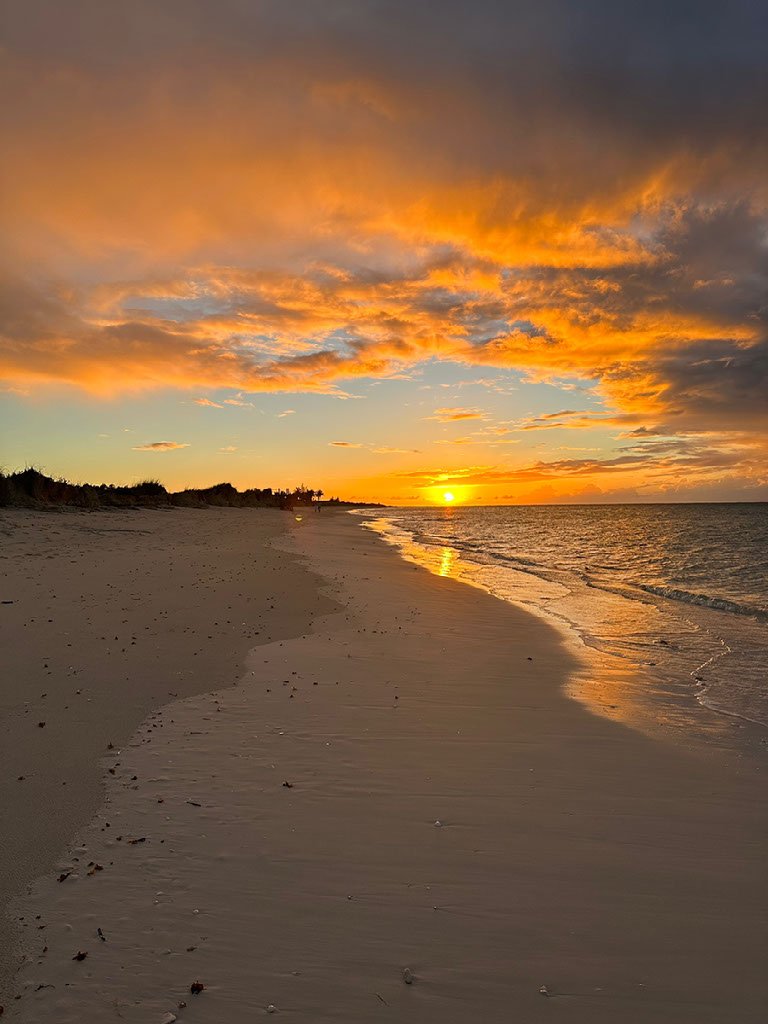
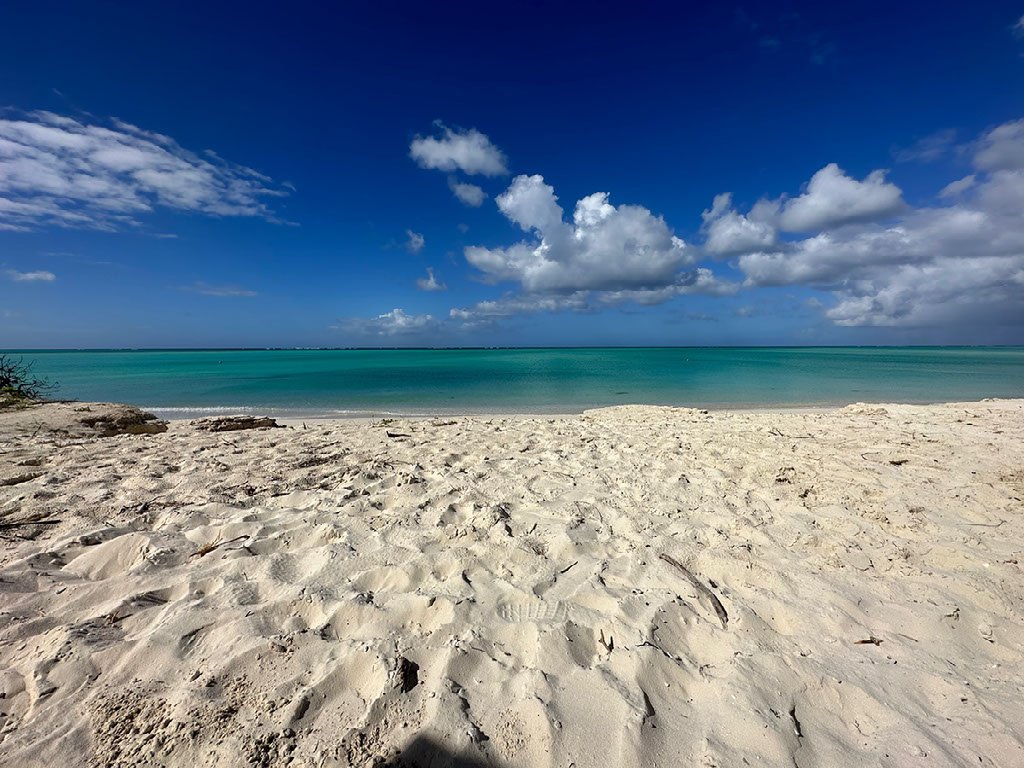
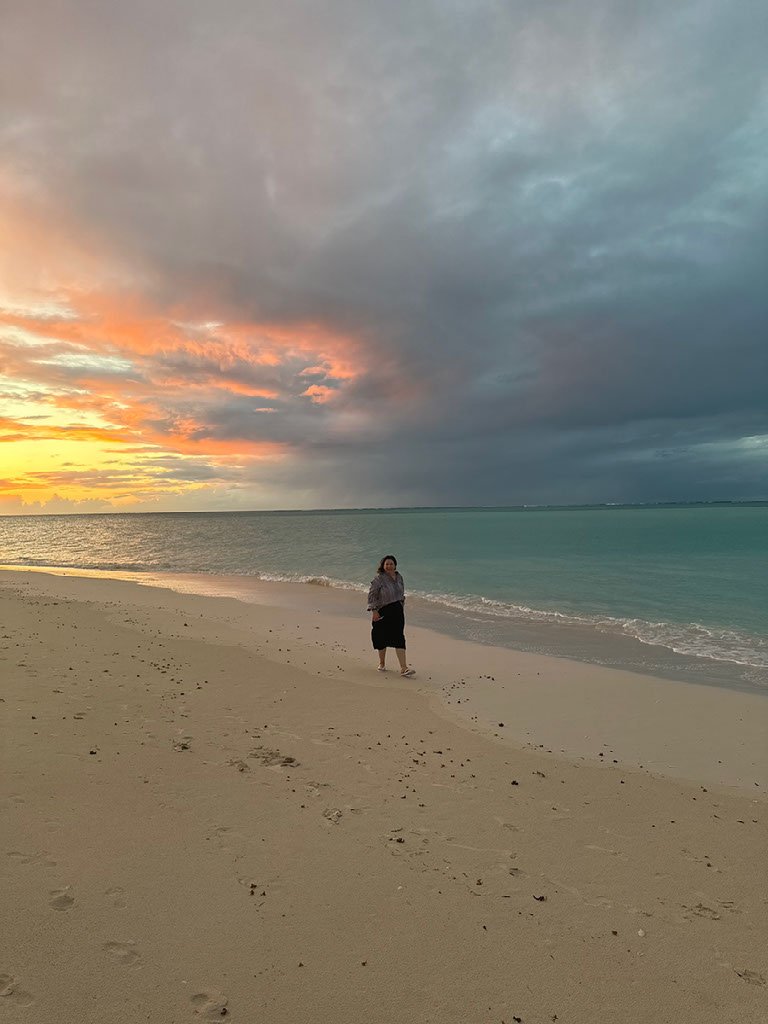
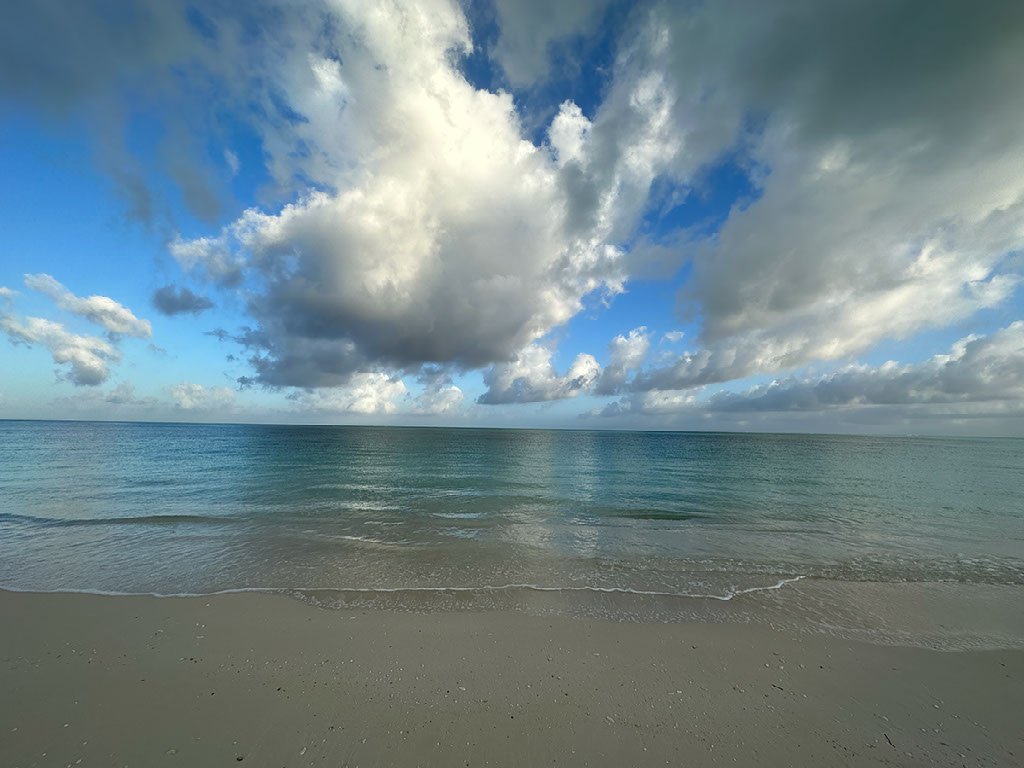
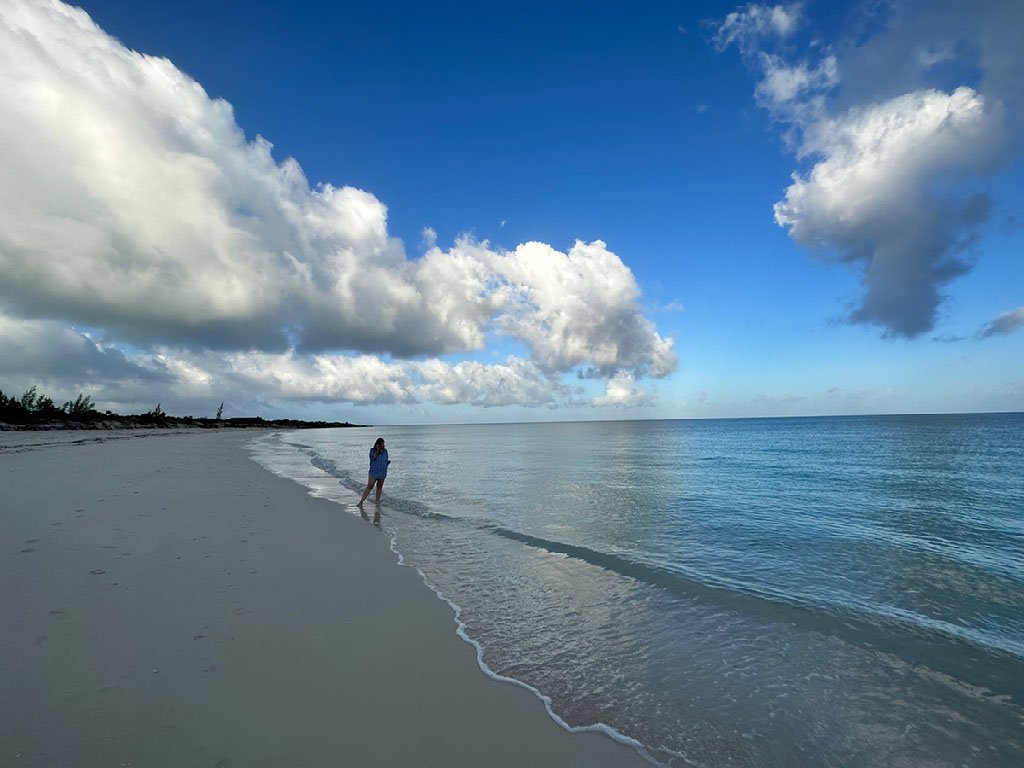
We stayed at COMO Parrot Cay, and it redefined privacy. You can walk a mile along powder soft sand and pass only one or two people. For a photographer, that kind of space is gold. Clean horizons. Untouched leading lines. Light that dances across shallow water without distraction.
The Turks and Caicos are not about rushing from site to site. They are about subtle color shifts at sunrise, long exposures of silk-like water, and the quiet luxury of simplicity. In this blog, I will share all my best tips for Caicos.
This travel guide will give you practical, experience-driven tips for visiting the Turks and Caicos Islands, from where to stay and when to go, to the best beaches for sunrise, drone rules, gear to pack, and how to make the most of that first afternoon light. Whether you are traveling to unplug or to build a portfolio, I will walk you through exactly how to experience Caicos at its best.
When To Go
For most first-time travelers, the best time to visit the Turks and Caicos Islands is February, March, and April. This is when the islands truly shine.
The weather is close to perfect. Expect daytime temperatures around 70 to 75 degrees, low humidity, and a steady light breeze that makes you want to sit outside all day. Mornings feel crisp and clean. Evenings are comfortable enough for dinner outdoors without breaking a sweat.
For photographers, this season offers another advantage. The air tends to be clearer, which means better visibility and more saturated turquoise water. Sunrise and sunset colors are soft and refined rather than hazy. You can shoot comfortably for hours without battling heat or storms.
Yes, this is high season, so book early. But if you want postcard conditions with reliable light and ideal temperatures, late winter to early spring is hard to beat.

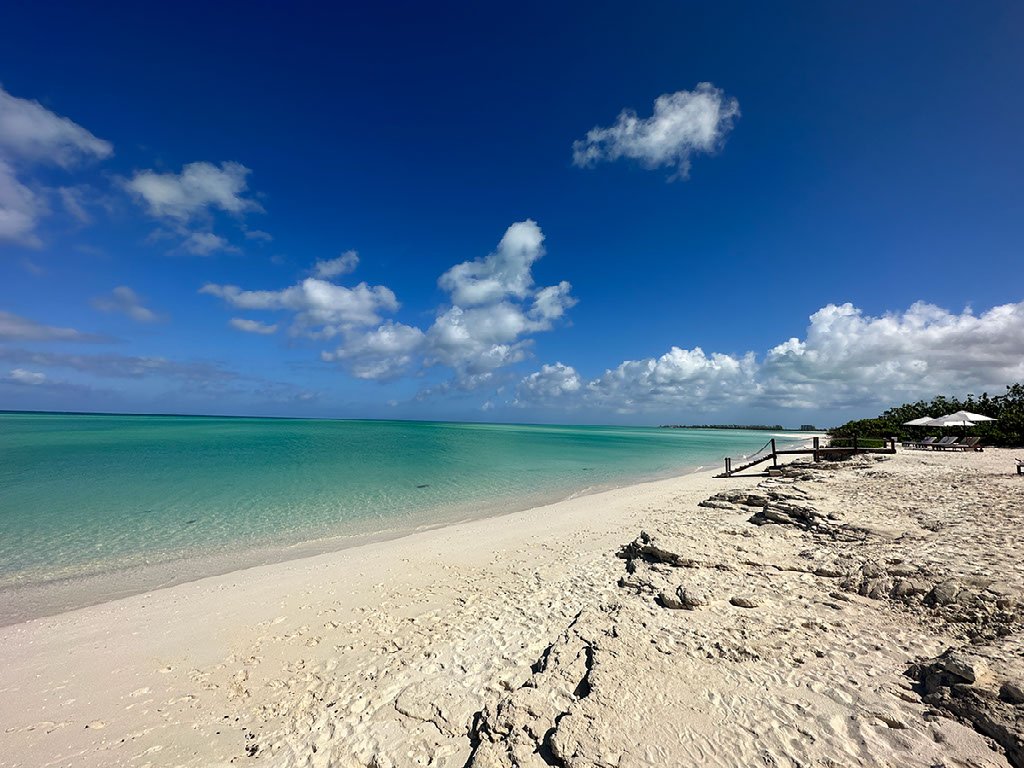
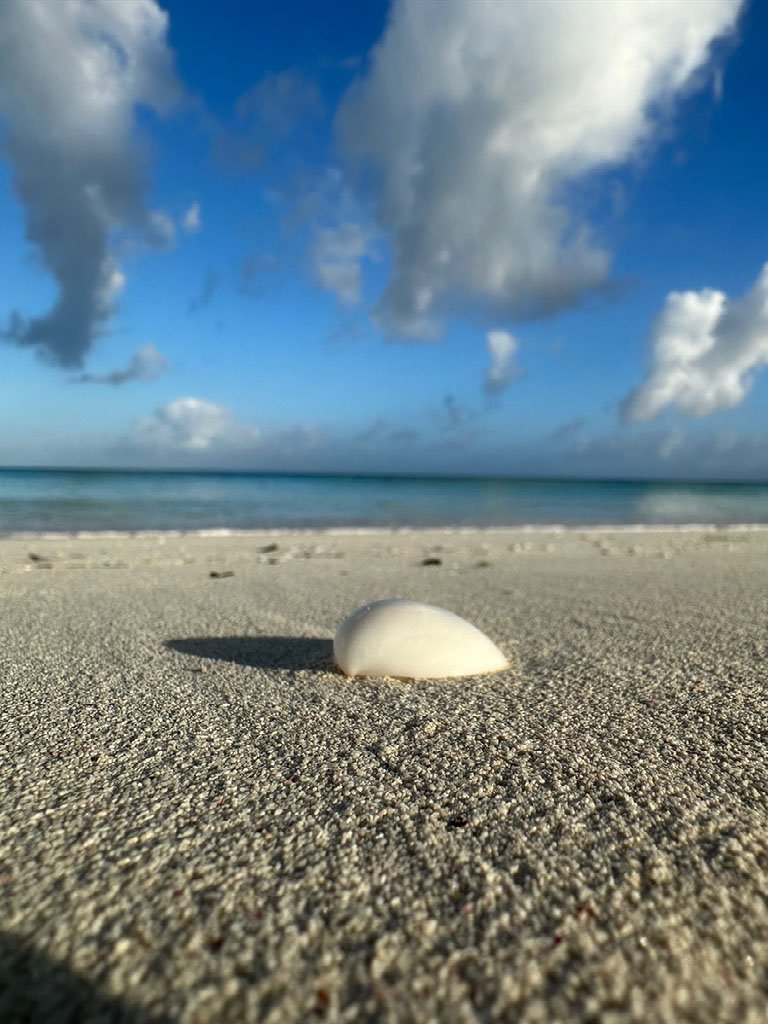
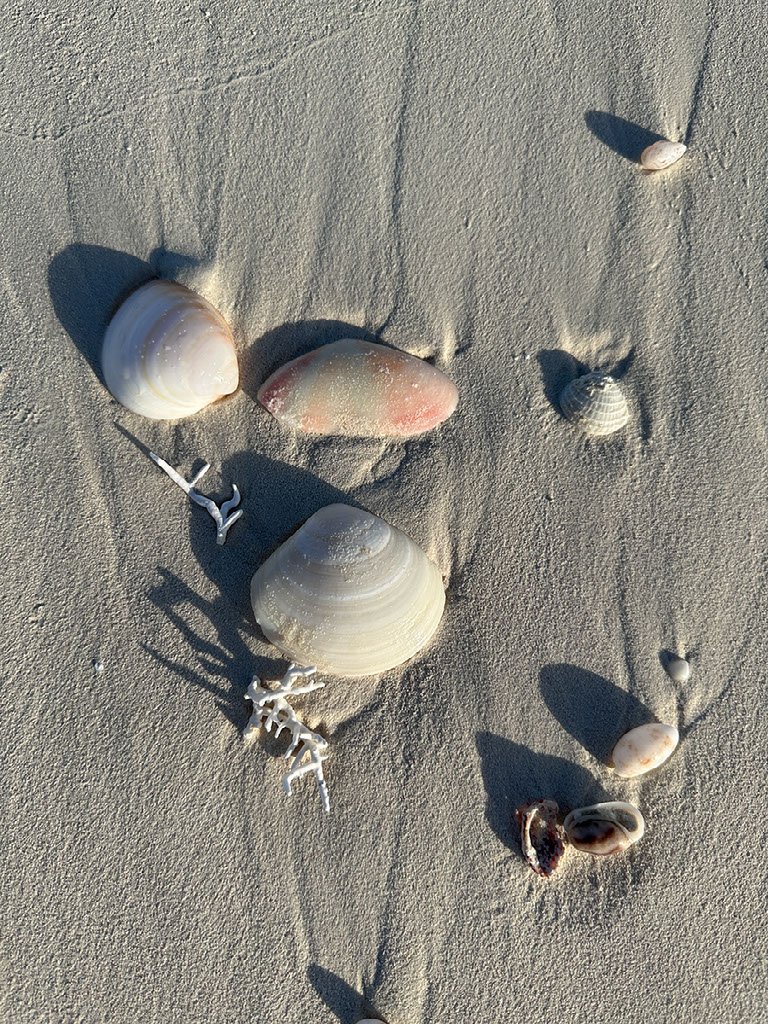
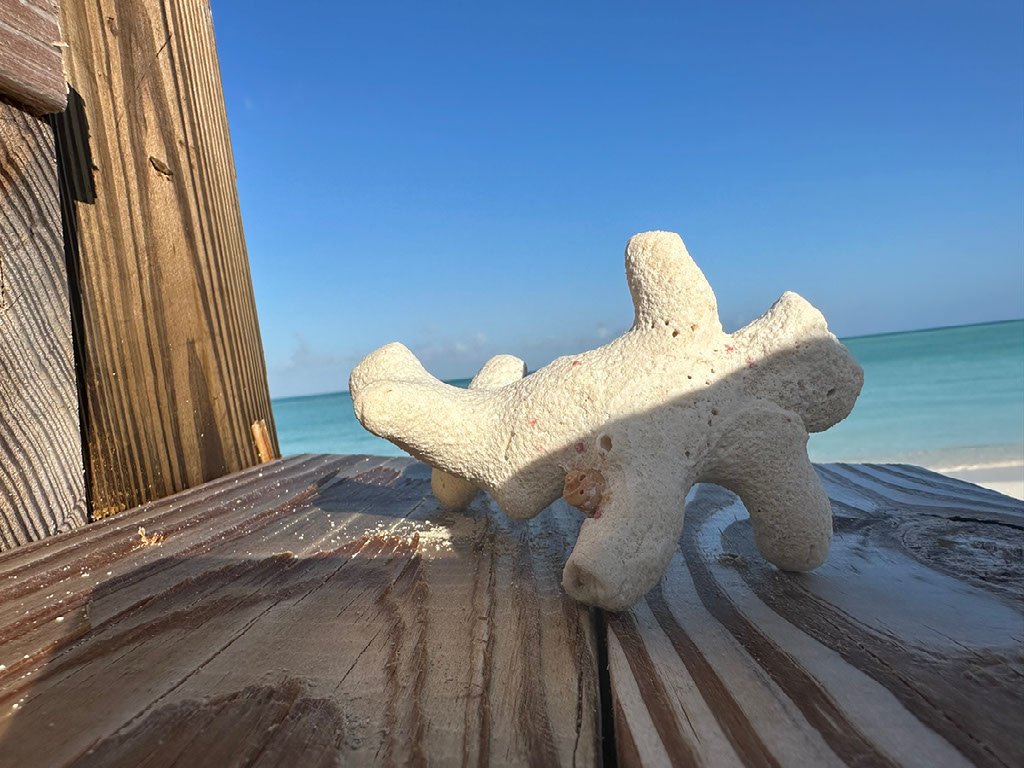
The Empty Beaches on Parrot Cay
Where to Stay
There are so many excellent hotels in the Turks and Caicos Islands that it is honestly hard to make a bad choice. Whether you prefer the energy of Grace Bay or something more secluded, the level of service across the islands is consistently strong.
We wanted privacy. Real privacy. So we chose COMO Parrot Cay, set on its own private island. It is a true luxury escape. The property spans nearly 1,000 acres and is framed by four miles of soft white sand. You can walk for long stretches and feel like the beach belongs to you. For photographers, that means clean compositions, uninterrupted horizons, and space to work at sunrise without distractions.
If you have never stayed at a COMO property, they are known for their exceptional wellness focus. Thoughtful spa treatments, yoga, healthy cuisine, and an overall sense of calm are woven into the experience. At Parrot Cay, that philosophy feels amplified by the setting.
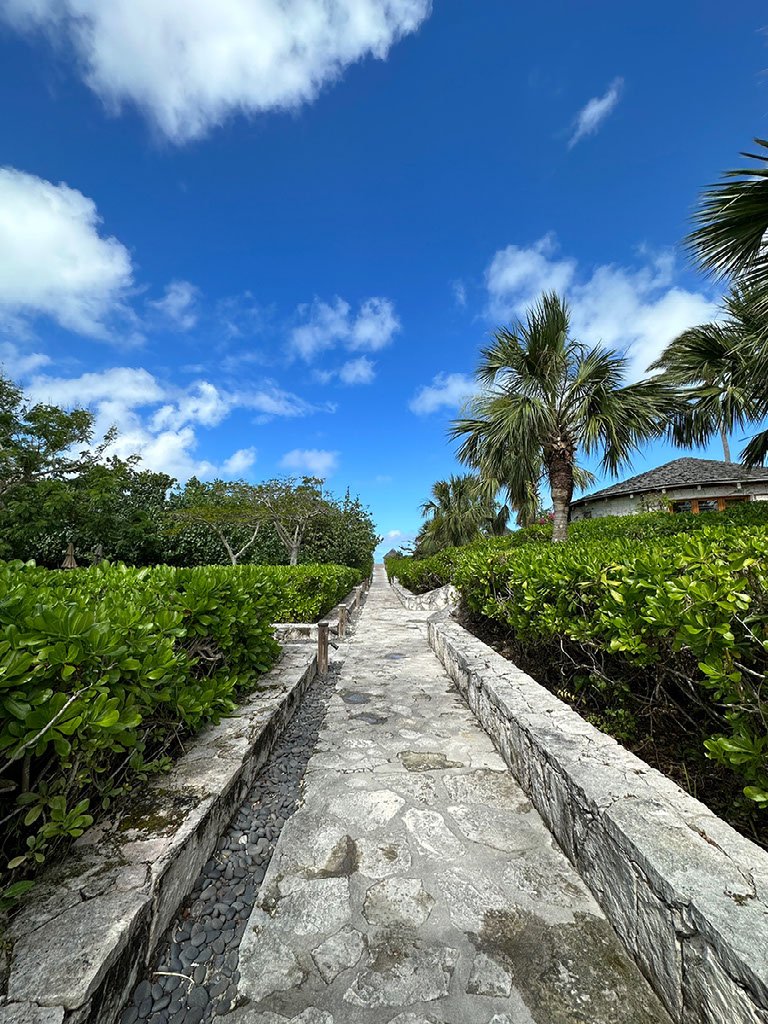
Even the arrival feels cinematic. After landing at Providenciales, a COMO representative greets you and escorts you to their private marina. From there, you board one of the resort’s motorboats for a scenic 30-minute ride across turquoise water to the island. When you arrive at the pier, the staff welcome you and whisk you to your villa by golf cart. It sets the tone immediately. You are leaving the busy world behind and stepping into something quieter, softer, and beautifully intentional.
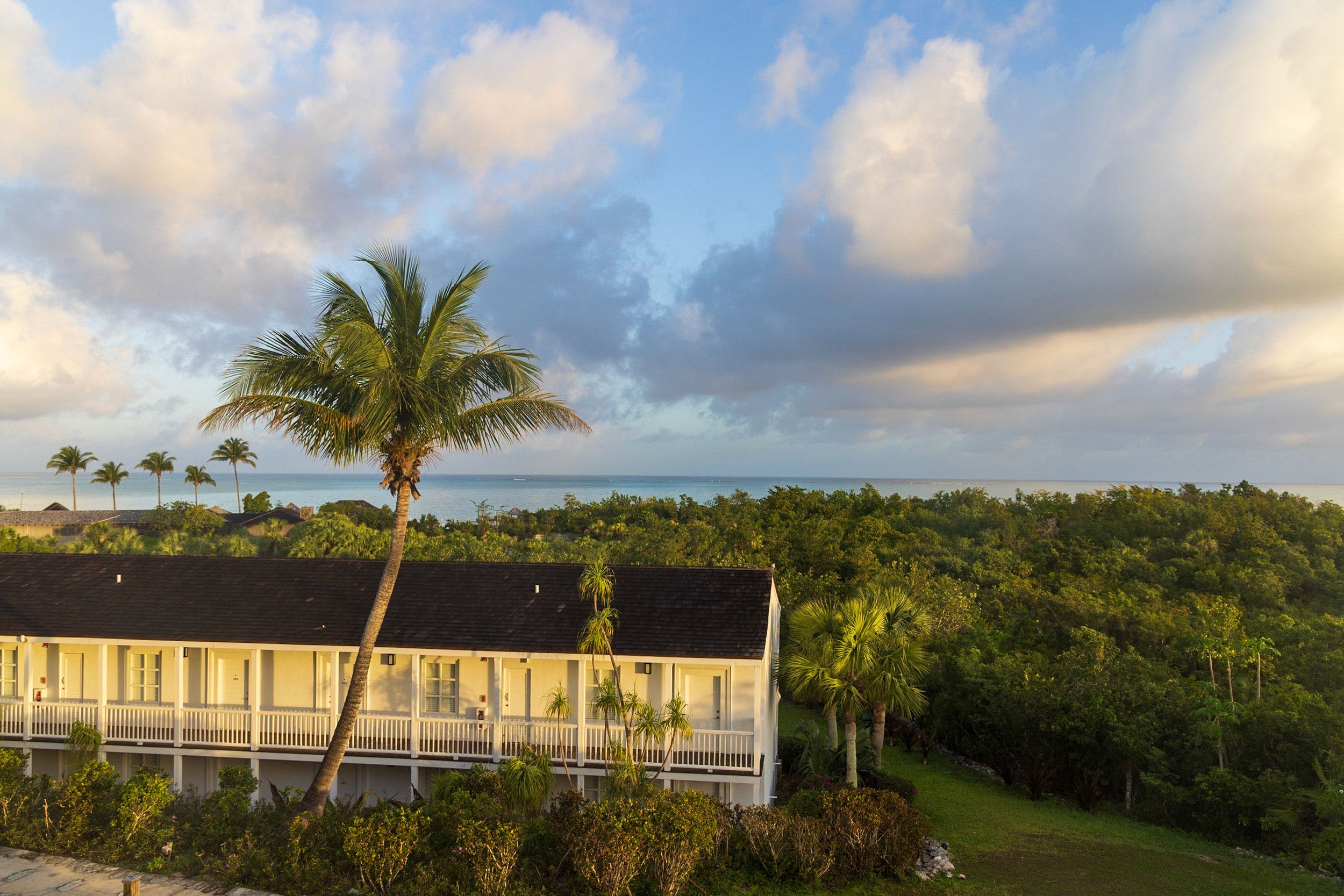
The whole process is seamless. Because COMO Parrot Cay is on a private island, the atmosphere is calm and secluded. There are no cars or people trying to sell you things on the beach. Guests and staff get around on foot, by bicycle, or on a golf cart.
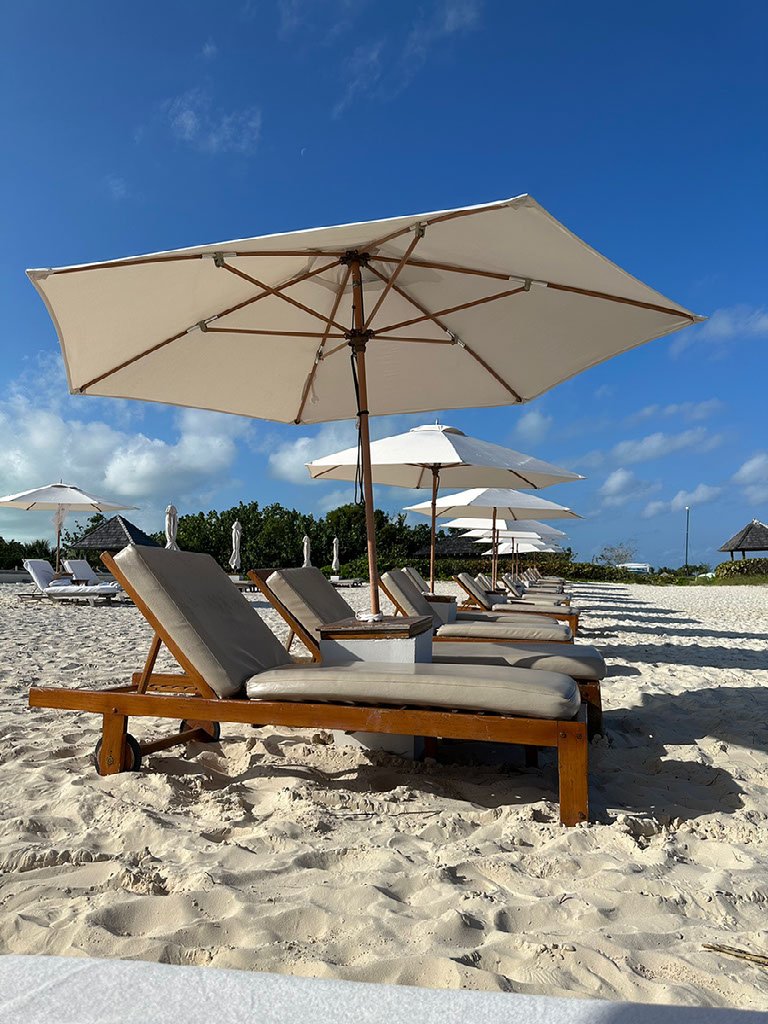
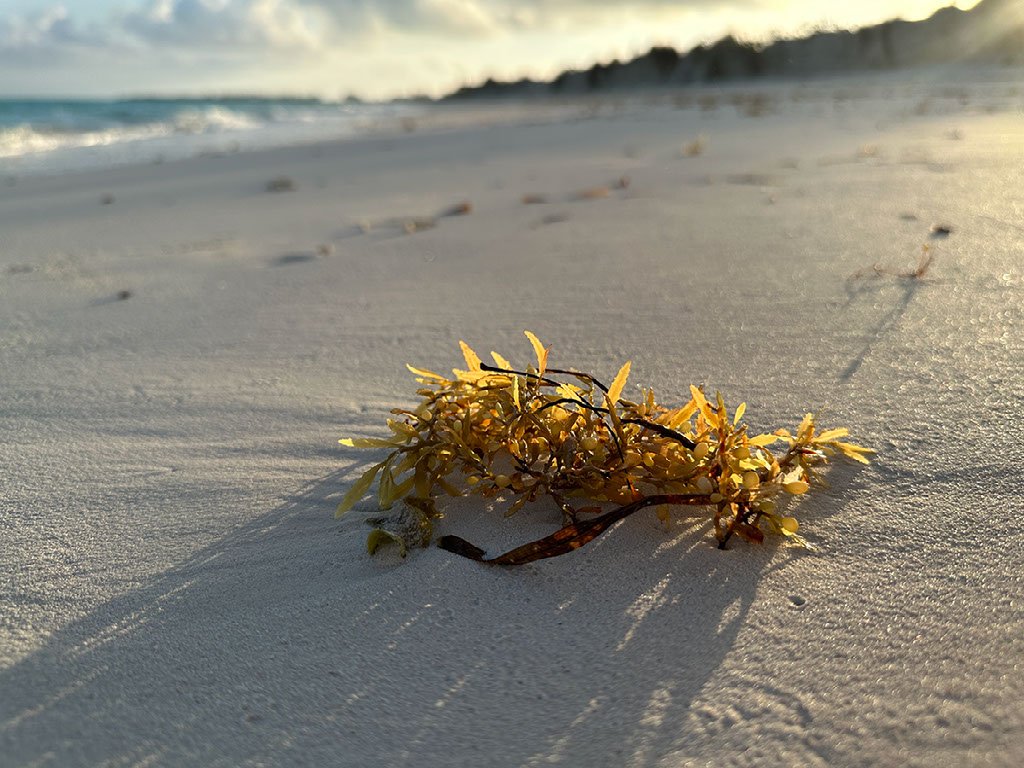
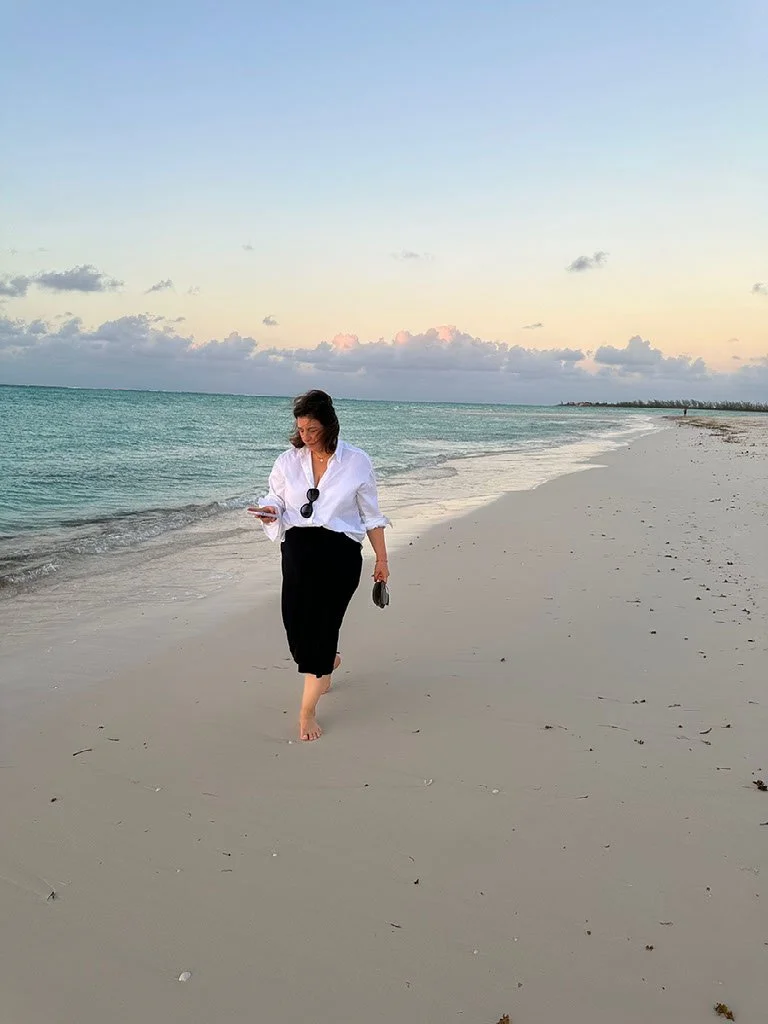
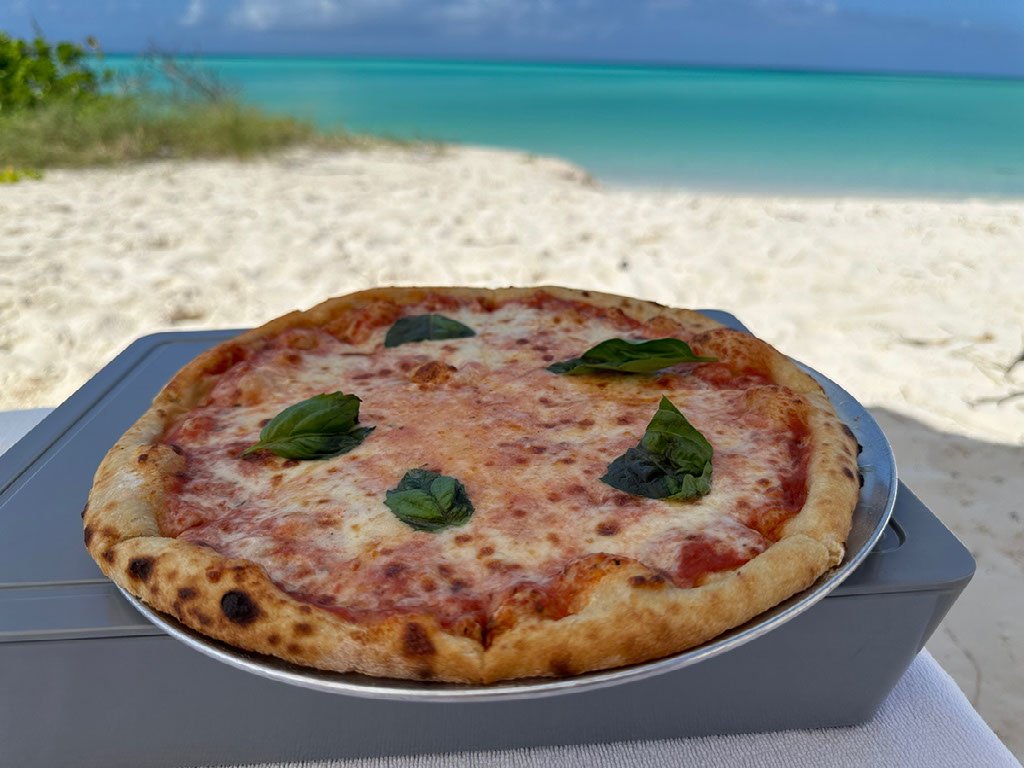
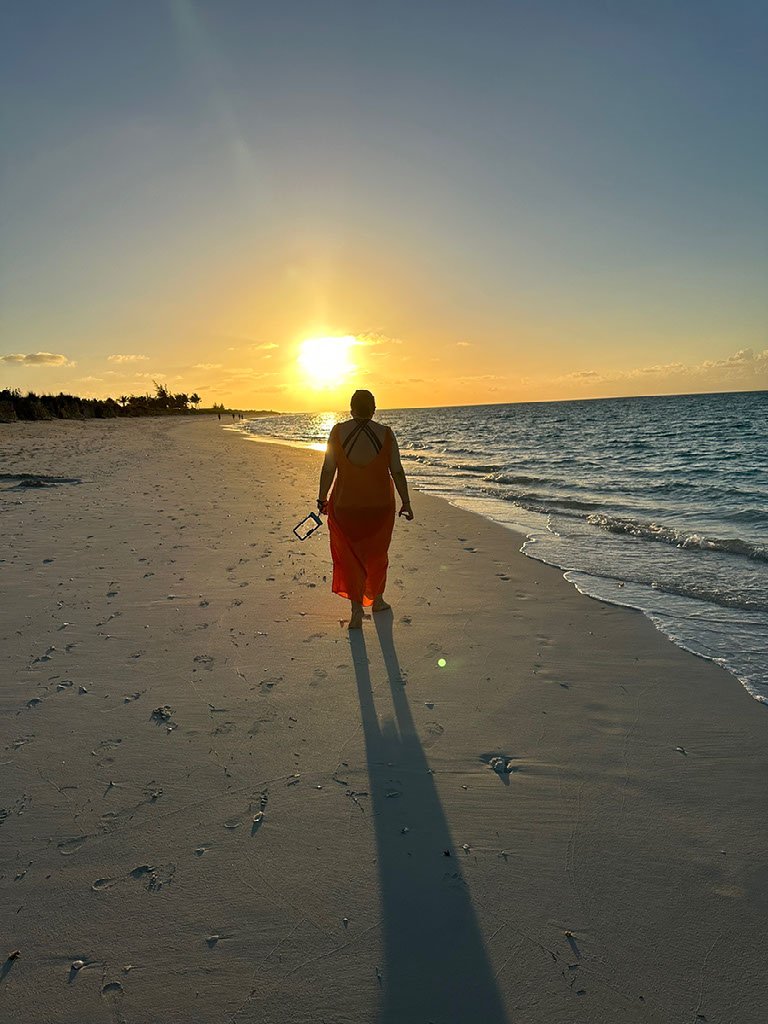
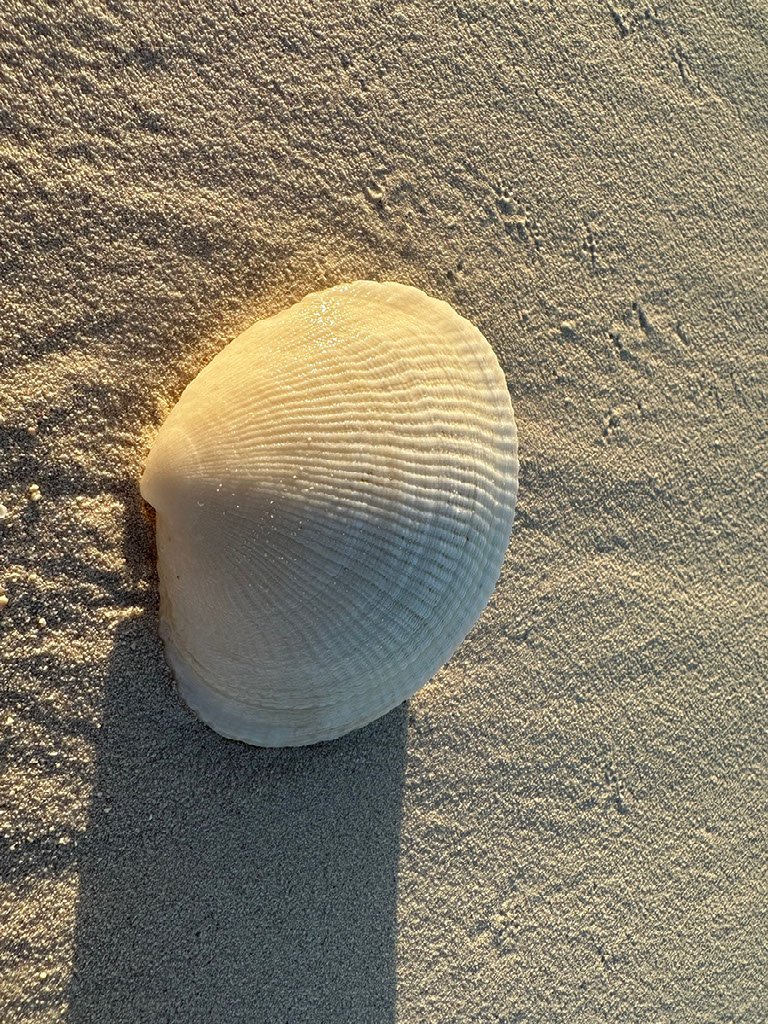
The Island became famous after Donna Karen, Bruce Willis and Christy Brinkley purchased homes on the island. We saw Christy Brinkley having lunch twice during our stay.

Words cannot describe how peaceful and relaxing this resort is--just pure bliss!!
They have also won awards for having the “most tranquil spa” by Condé Nast Traveler magazine. The spa is known for the quality of its therapists, most of them from Bali. The resort also offers yoga, pilates, and meditation classes.
Dining is another forte of COMO Parrot Cay. Breakfast, lunch, and dinner are served poolsideor one of the two restaurants offering a blend of Caribbean, Mediterranean, (my favorite), and Southeast Asian dishes. At all the restaurants, guests also have the option to order dishes from the COMO Shambhala wellness cuisine, featuring organic ingredients that are wholesome and healthy. I loved the smoothies in the morning, grilled dishes at lunch, and seafood specialties at dinner — all standouts. Whatever you do, don’t miss the homemade coconut sorbet, my absolute favorite dessert on the property.
Photography Ideas
As I mentioned earlier, the Turks and Caicos Islands are made for slowing down. This is not a destination where you chase a checklist. You wander. You notice. You let the light come to you.
That said, when you are walking along an empty stretch of beach, and the sky turns soft pink over turquoise water, you will want a camera in your hand.
Keep it simple. I recommend one body with a 24 to 105mm lens. That range covers almost everything you will need, from wider environmental shots to tighter compositions of waves, textures in the sand, or silhouettes at sunset. Travel light. You are on vacation.
If you want to elevate your images, pack a circular polarizer. It will deepen the blues and cut glare off the water. A few neutral density filters are also useful if you want to create long exposures during the day and smooth out the ocean for a more ethereal look. A small travel tripod or Platypod can help at sunrise and sunset.
And here is the truth. The latest iPhones do an excellent job here. The dynamic range is impressive, and the colors hold up beautifully in this kind of light. I especially enjoyed using Cinematic Mode while walking down the beach. It creates a smooth, stabilized feel that almost looks like you are filming a travel documentary. If you have never experimented with it, this is the perfect place to try.
In Turks and Caicos, photography is not about complexity. It is about light, space, and simplicity. Let the landscape do most of the work.
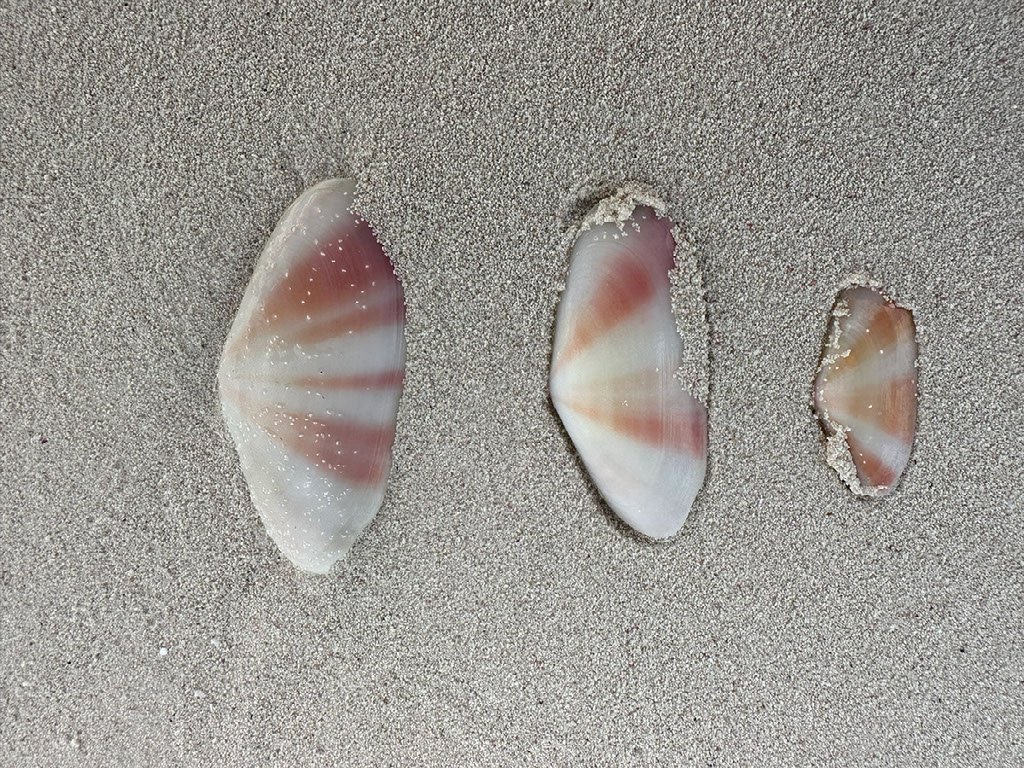
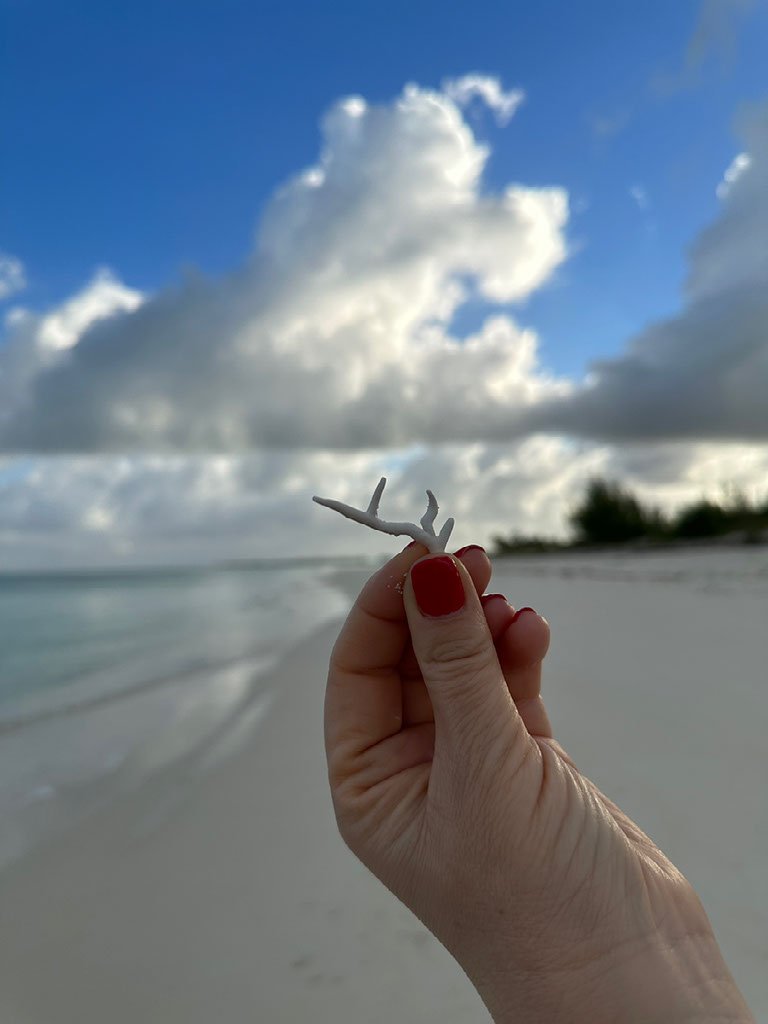
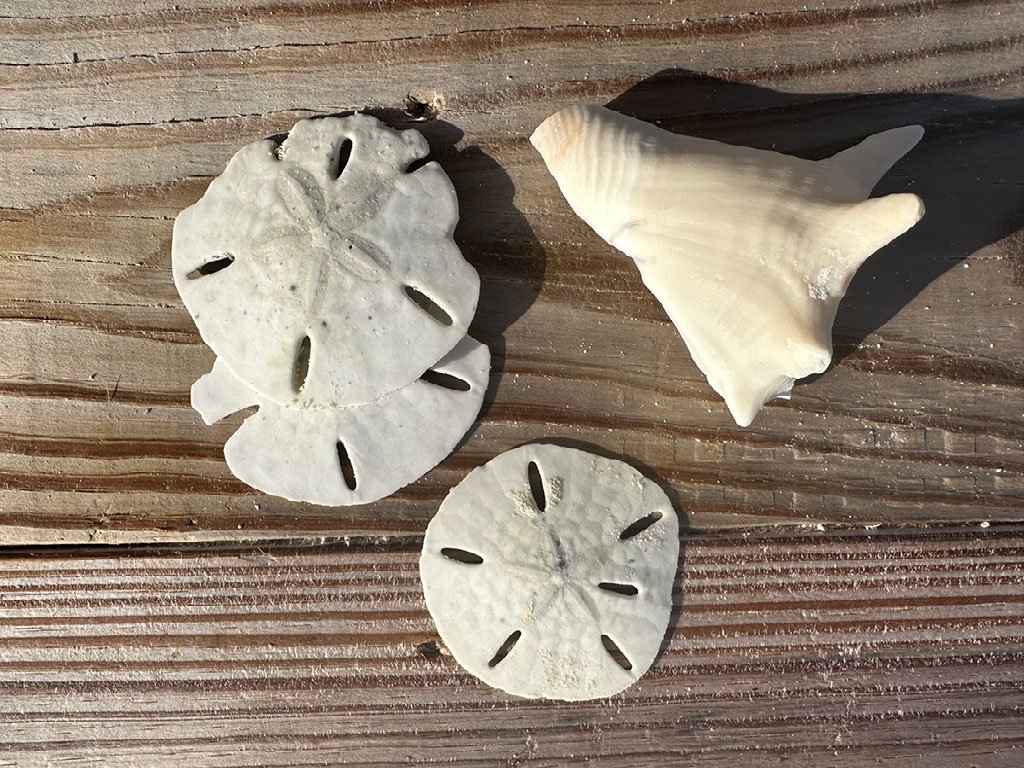
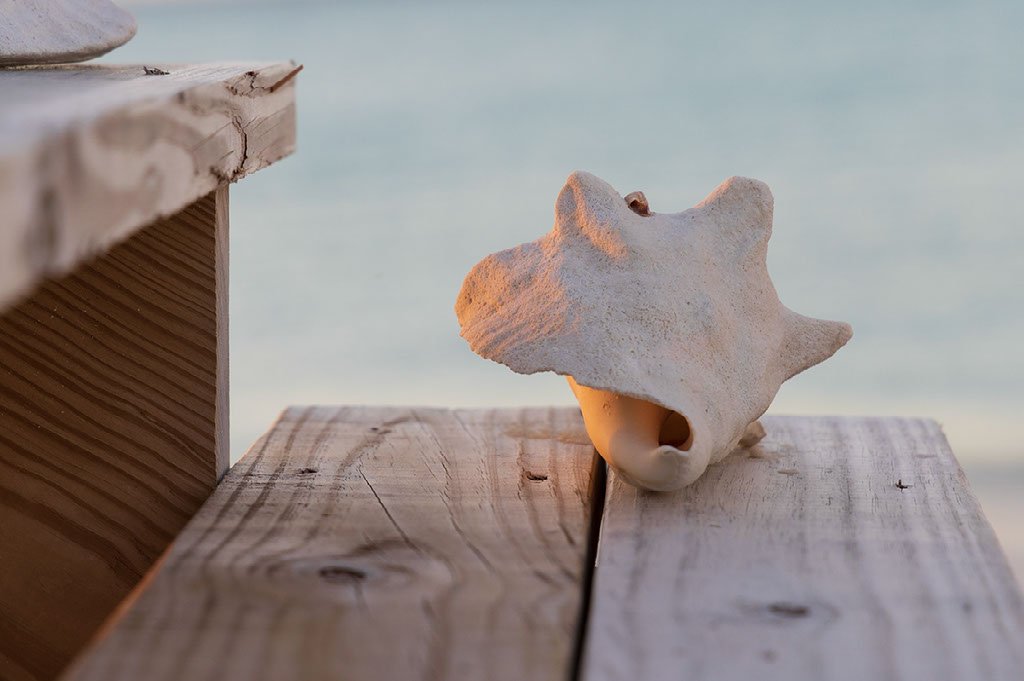
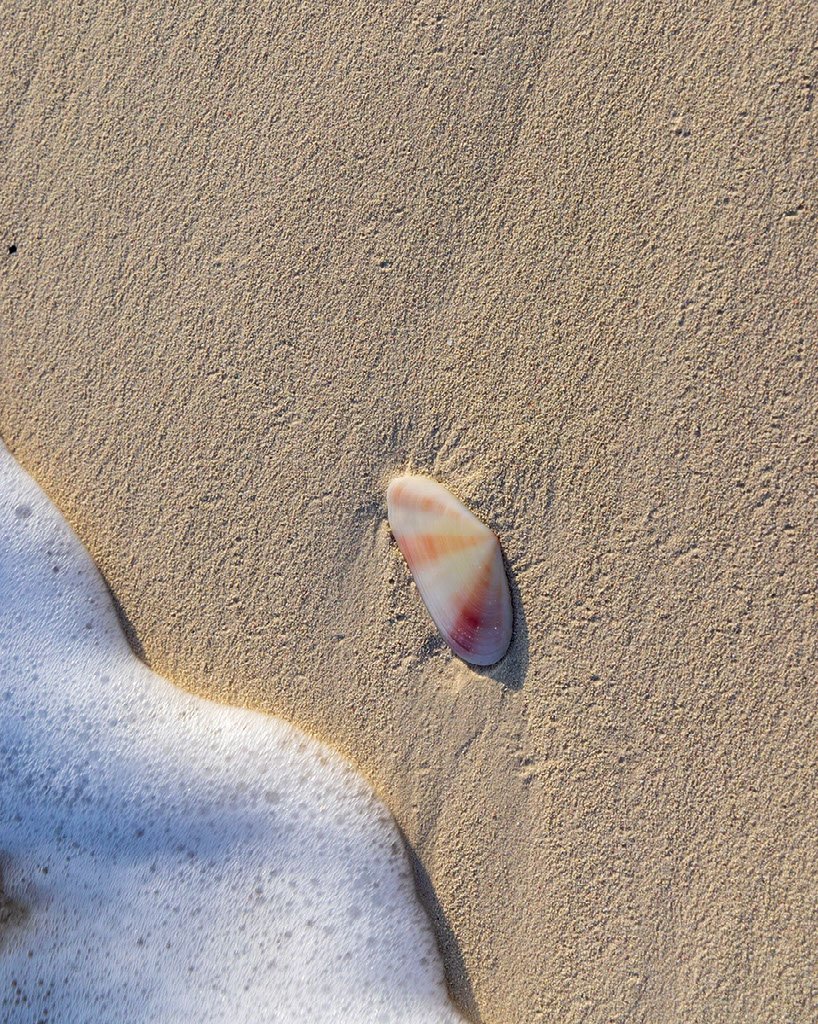
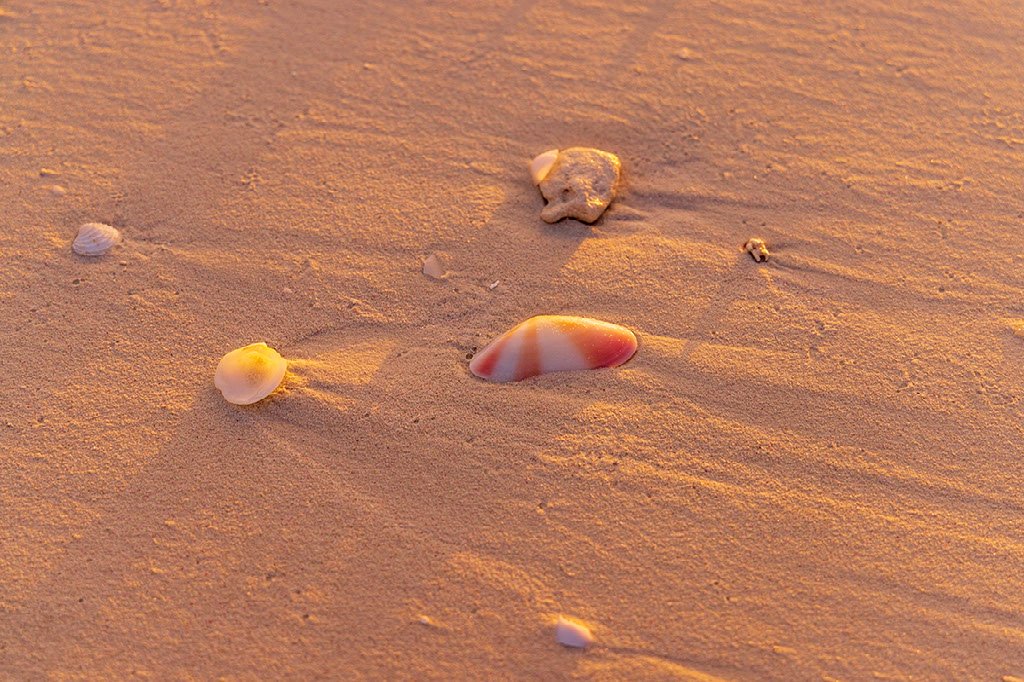
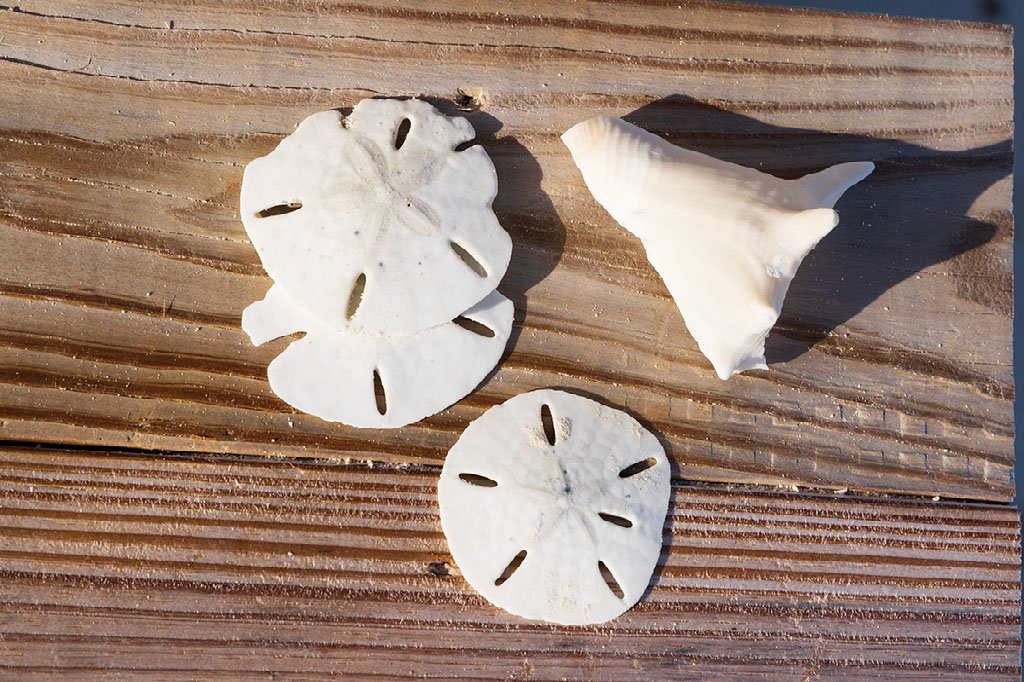
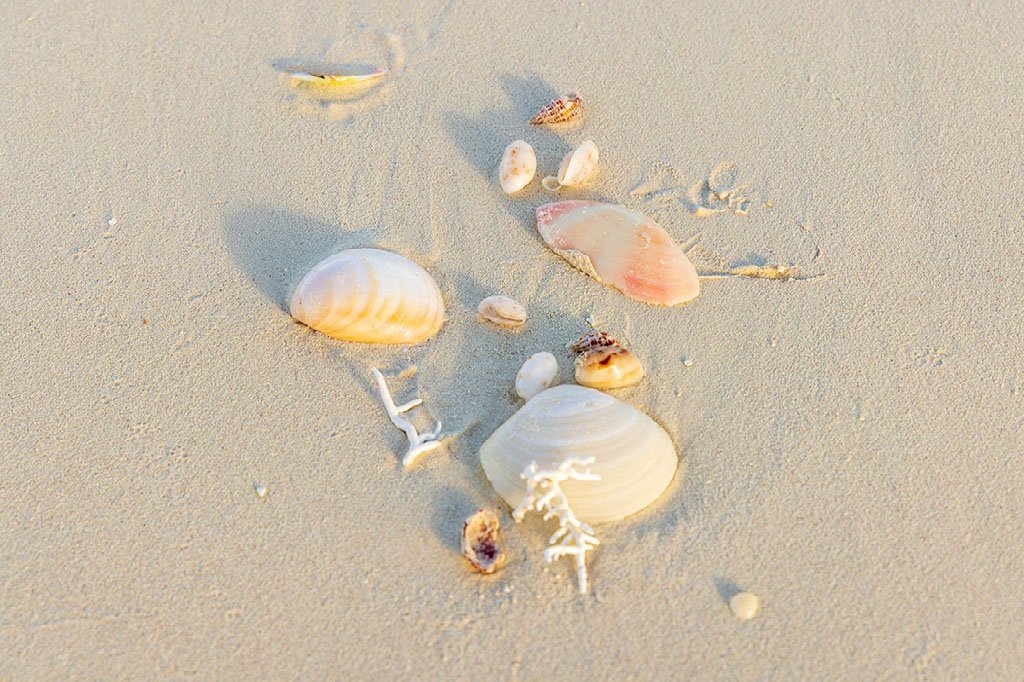
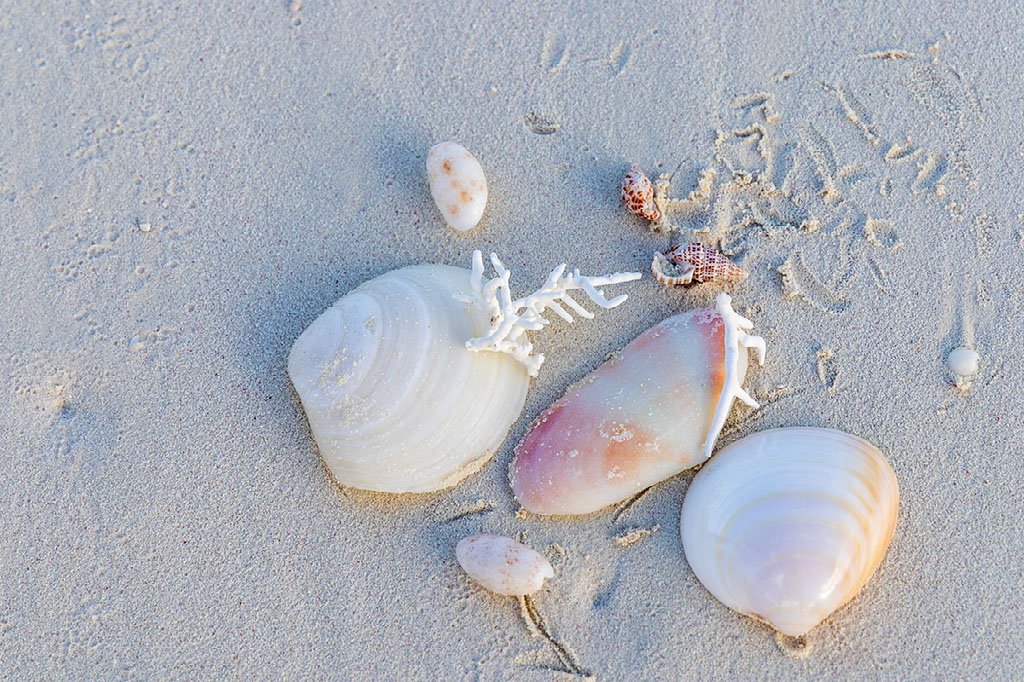
Of course, the sunrise and sunset are worth photographing, but I would focus on details as well, such as the incredible sea shells you will find on your walks. You always want to take a photograph of a sunset with a sense of place. So, adding shells or people in the photo will provide an incredible foreground element.

Final Thoughts
The Turks and Caicos Islands are not loud. They do not compete for your attention. They invite you to slow down, breathe deeper, and notice subtle shifts in light across water that barely moves.
It is a destination that reminds you why you started traveling in the first place. Fewer distractions. More presence. Simple beauty done exceptionally well.
If you are interested in joining one of my photography workshops, you can find the details through the link. You can also follow along on Instagram, Facebook, or subscribe to my newsletter for more travel photography tips and behind-the-scenes insight.
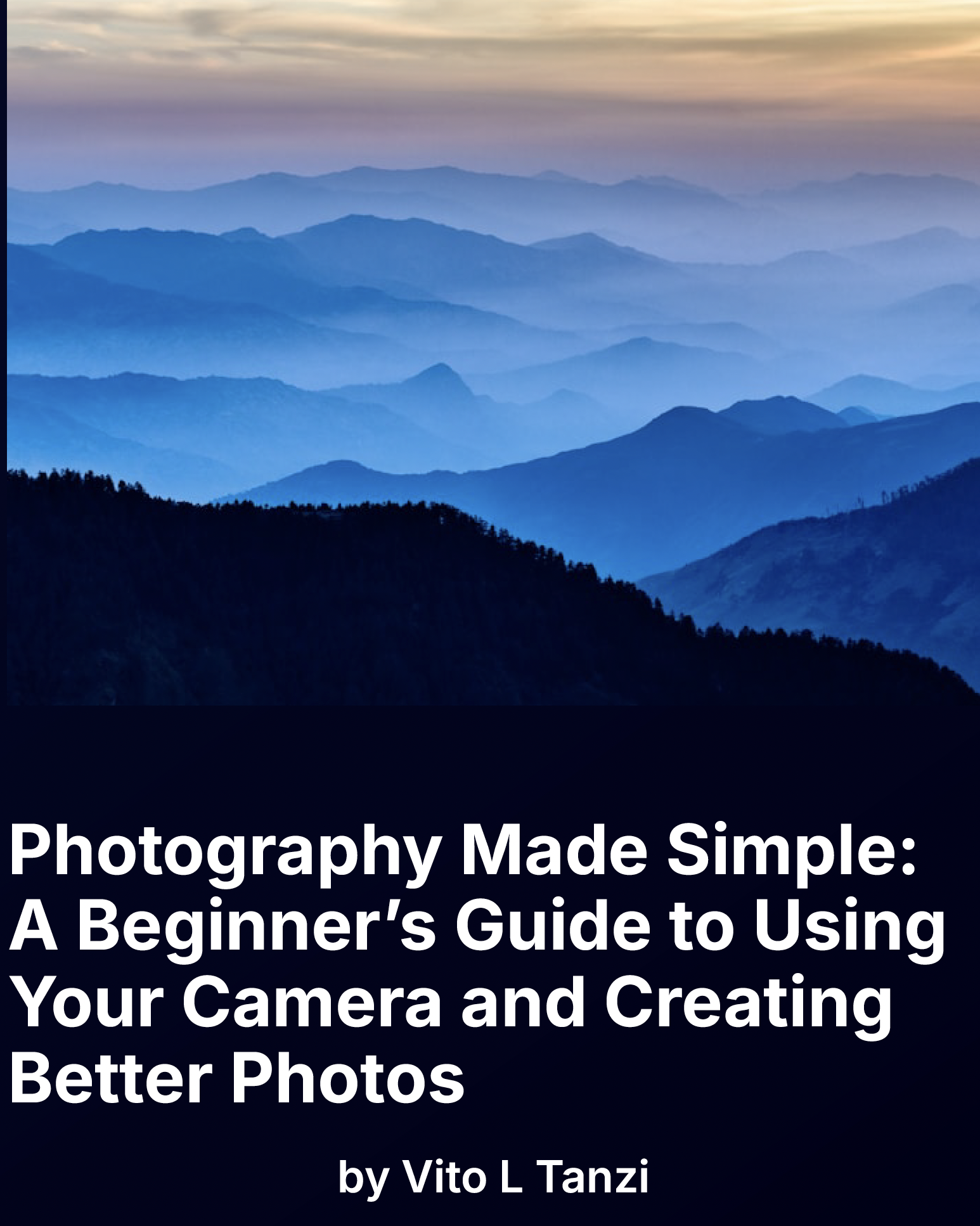
Finally—a beginner-friendly photography guide that makes sense.
If you've ever picked up a camera and thought, "Now what?" this is the book for you.
Photography Made Simple is written for adults who are just starting out and want a clear, encouraging, real-world approach to learning photography. Whether you're using a DSLR, mirrorless, or just your smartphone, this guide walks you through the basics—without the jargon or tech overwhelm.
Inside, you'll learn:
The only camera settings you really need to know to get started
How to shoot sharper, more intentional photos using light and composition
Simple tips for portraits, landscapes, travel, and everyday life
What gear you do (and don’t) need
How to create better photos without upgrading your camera
You’ll also get practical exercises, cheat sheets, and tips for organizing and editing your images—plus the confidence to shoot off Auto Mode for good.
This is not a textbook. It’s a friendly guide to seeing the world with fresh eyes—and finally capturing what you see the way you imagine it.
📸 Format: PDF download
Pages: 100+
Perfect for: Beginners, hobbyists, and anyone ready to take better photos without the stress