Atlas Mountains, Morocco Travel & Photography Guide: Best Photo Spots, Things to Do & Hidden Gems
After several days in Marrakech, we were ready for a change of pace.
Marrakech is electric. It is layered, loud, and constantly moving. The Medina never truly slows down. As much as we loved the energy, we were craving quiet space and open horizons.
The Atlas Mountains delivered exactly that.
The drive from Marrakech takes about an hour, but it feels like entering another world. Within minutes, the city fades behind you. The road climbs steadily. The air cools. The landscape opens up. Snow-capped peaks rise in the distance, far larger and more dramatic than we had imagined. The shift is immediate and powerful.
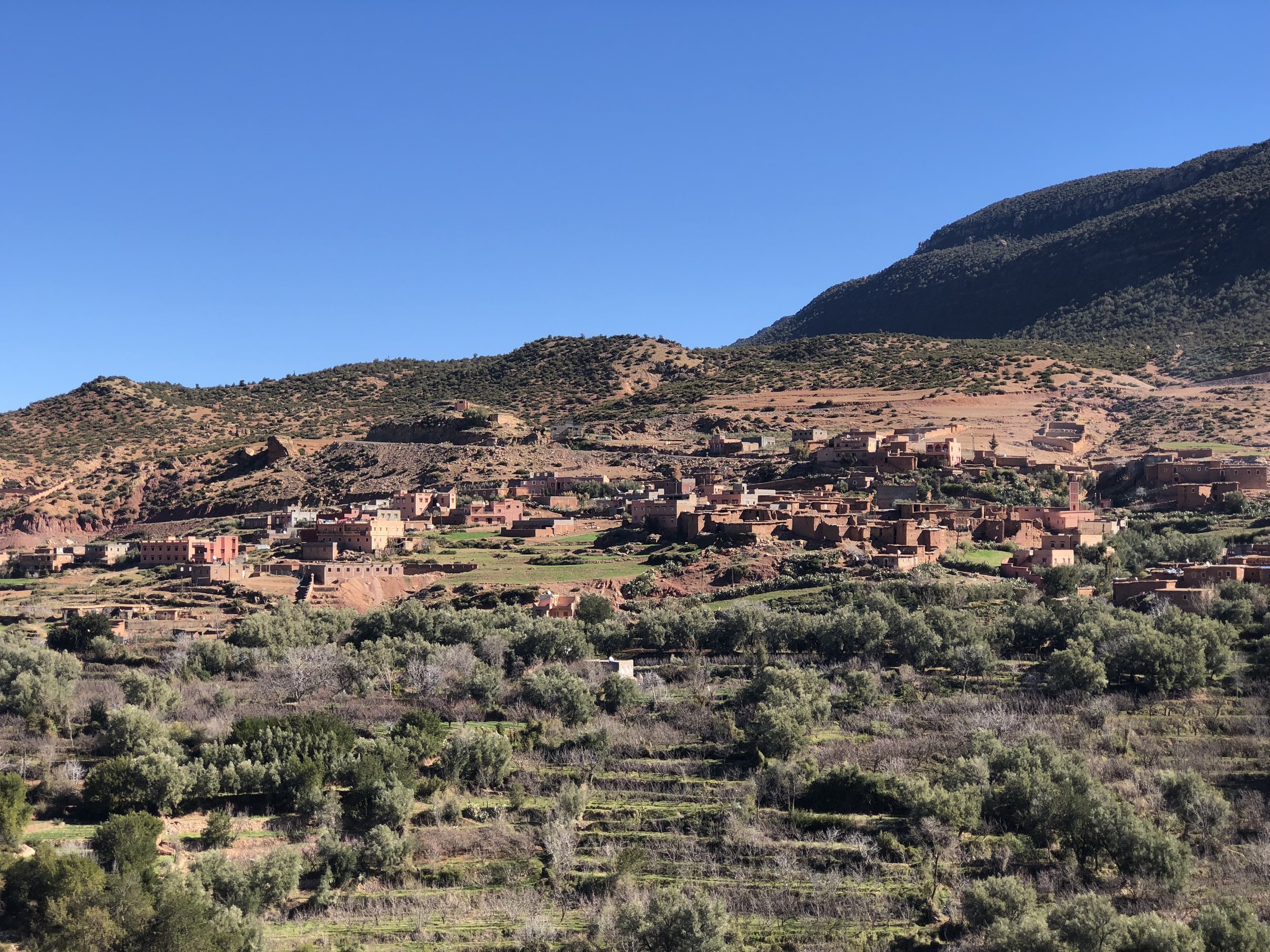
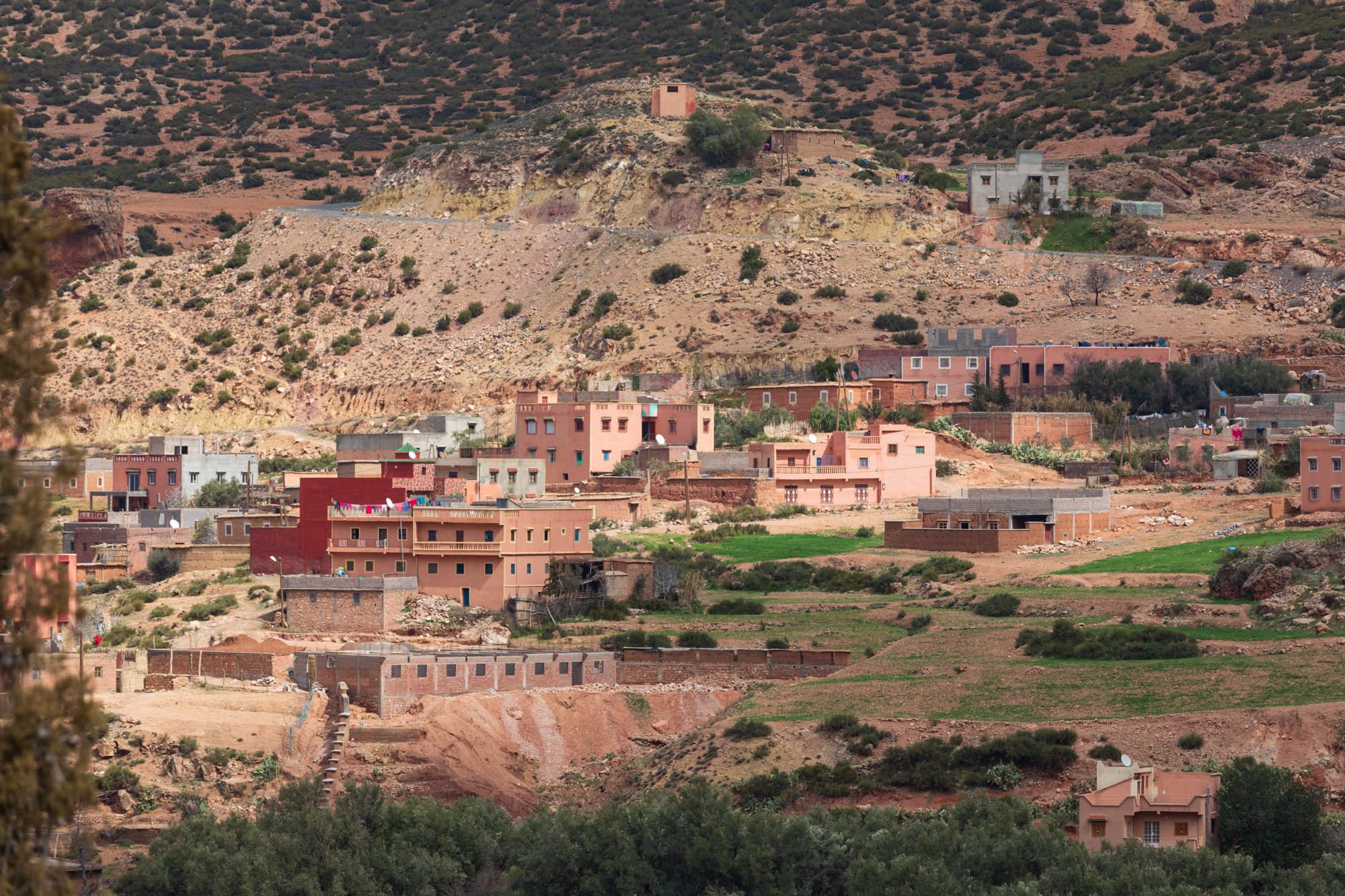
As you ascend, you pass small villages built into the hillsides. This region is home to the Amazigh, the indigenous Berber communities of North Africa. Their culture, traditions, language, and cuisine are distinct from the urban rhythm of Marrakech. The architecture changes. The pace slows. The colors soften into earth tones and stone.
For photographers, the Atlas Mountains offer something that Marrakech simply cannot: scale, quiet, and a quality of light that feels completely different from the city below. The mountains glow amber at golden hour, mist fills the valleys at dawn, and the snow-capped profile of Mount Toubkal sits on the horizon like a subject that was placed there specifically for your lens.
In this Photography Guide to the Atlas Mountains, I share the places and experiences that continue to draw me back. You will find my favorite photography locations, guidance on when and where to shoot, practical travel tips, and gear recommendations, along with cultural insights to help you explore and photograph this part of Morocco with confidence, respect, and ease.
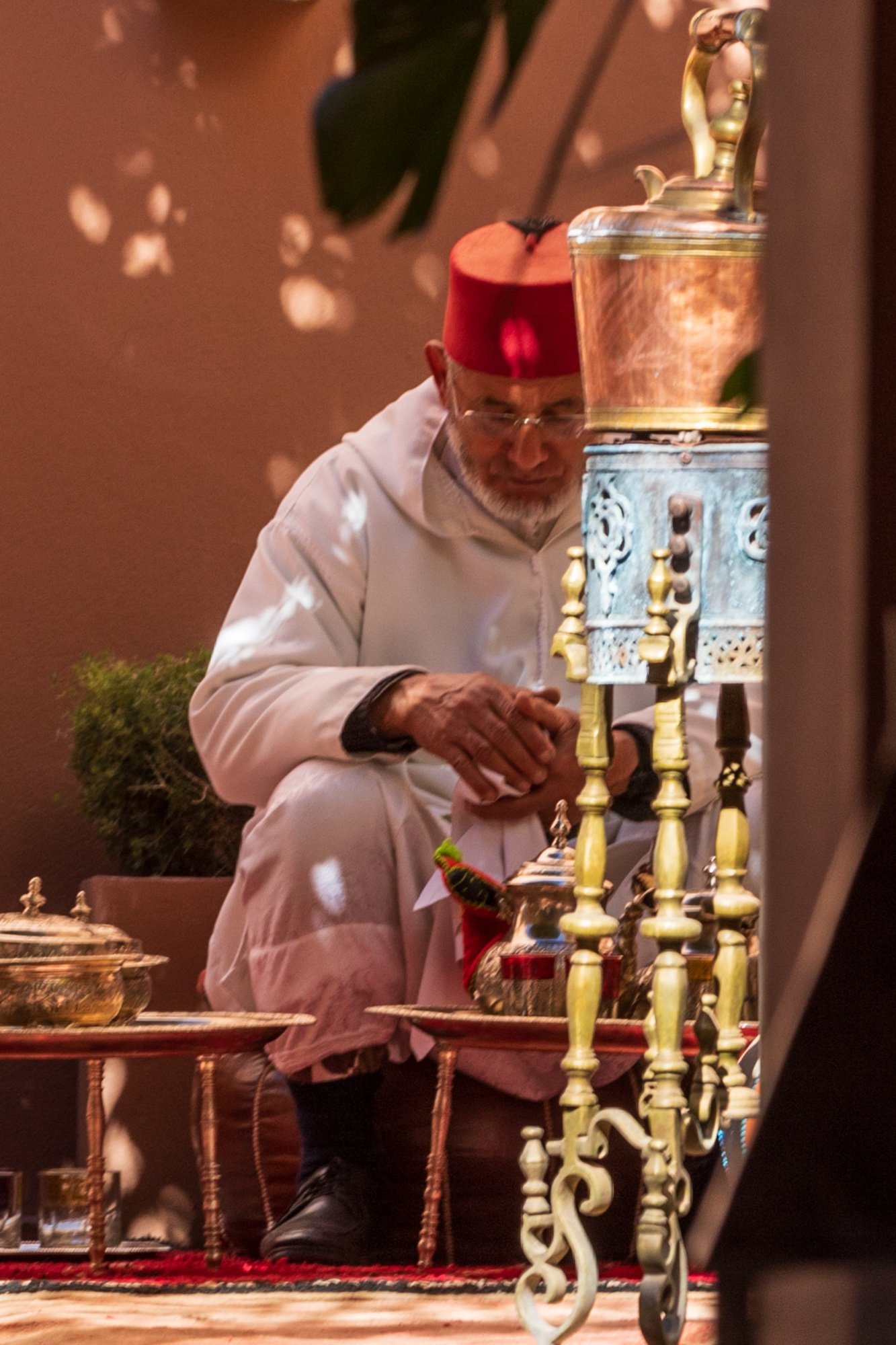
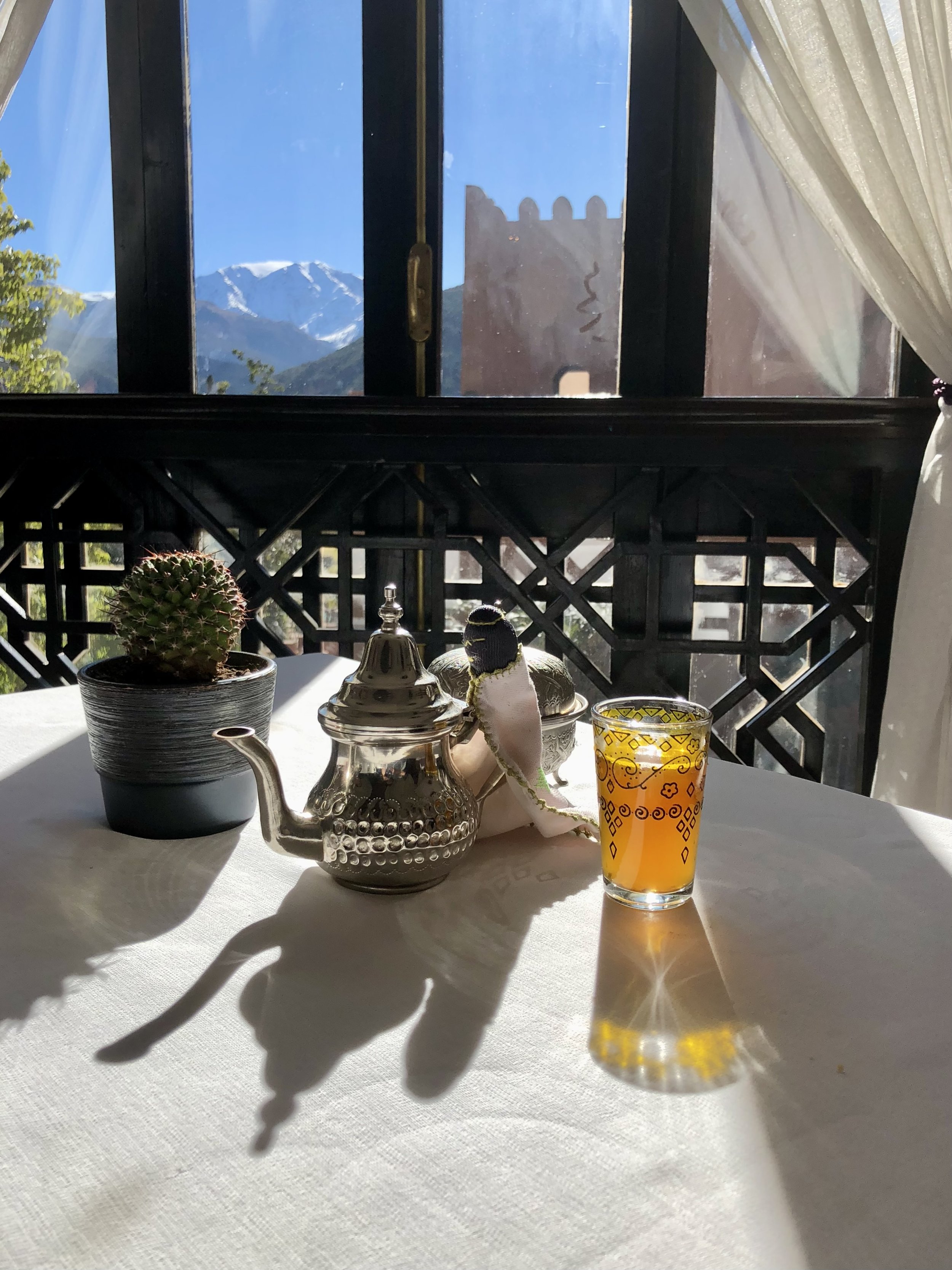
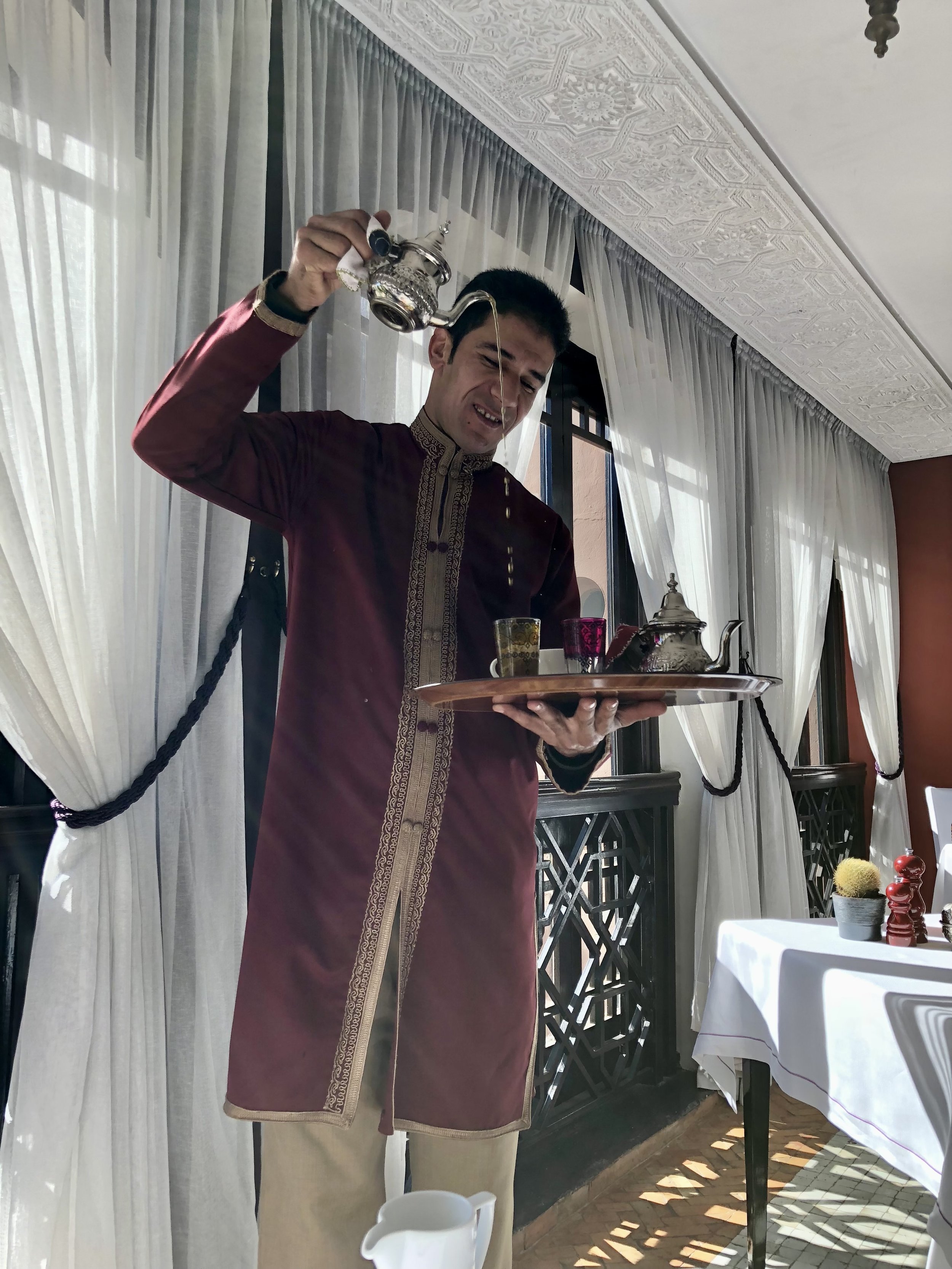
The Tea Station at the Kasbah Tamadot
Photographer's Notes
Before you go, here are my own takeaways.
Favorite Season: Spring
Favorite Location: Kasbah Tamadot
Favorite Hotel: Kasbah Tamadot
Favorite Lens: 24-105mm
Would I Return? Yes, I would definitely go back.
Where are the Atlas Mountains
The Atlas Mountains stretch nearly 2,500 kilometers across North Africa, running through Morocco, Algeria, and Tunisia. In Morocco, they form a dramatic natural barrier between the Atlantic coast and the Sahara Desert. They sweep diagonally across the country, rising quickly from the plains outside Marrakech and continuing deep into the interior.
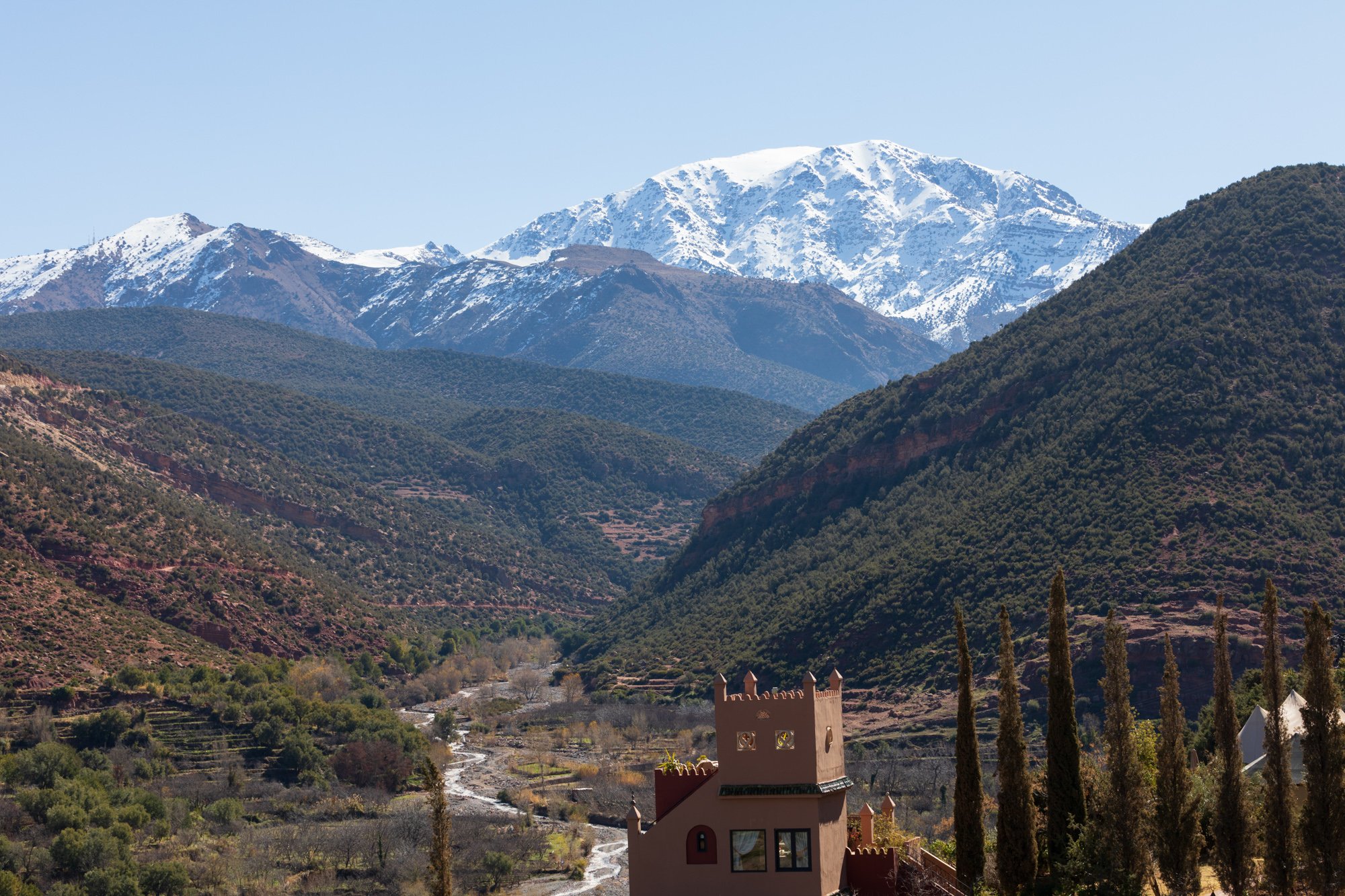
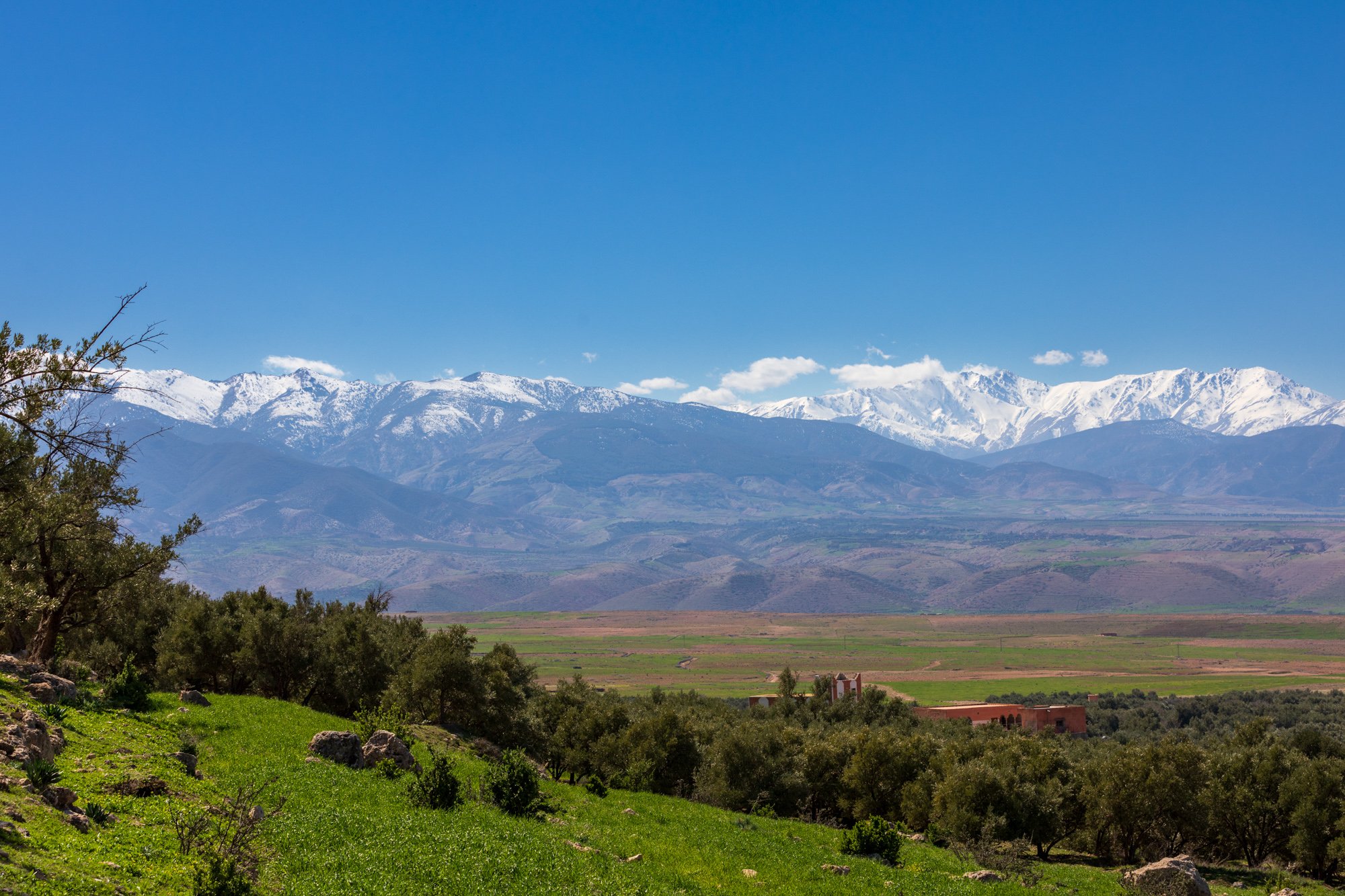
This is where you find Mount Toubkal, the highest peak in North Africa, standing at 4,167 meters. In winter and early spring, its snow-capped summit creates a striking contrast against the red earth and green valleys below.
For most travelers based in Marrakech, the High Atlas range is the most accessible section. Within about an hour, you can trade city noise for mountain air, terraced hillsides, and traditional Amazigh villages tucked into the slopes. One moment you are navigating the souks, and the next you are surrounded by peaks that feel worlds away.

The Drive to Kasbah Tamadot
Where to Stay in the Atlas Mountains
Luxury Hotels in Atlas Mountains
Kasbah Tamadot (Asni, High Atlas Mountains)
This is where we stayed, and it was one of the highlights of our entire Morocco trip.
Owned by Richard Branson and part of the Virgin Limited Edition collection, Kasbah Tamadot sits high above the valley near the village of Asni, with panoramic views of the High Atlas peaks. The name means "soft breeze" in Berber, and the moment you arrive, you understand why. This is not just a hotel. It is a private sanctuary in the mountains.
The property blends traditional Moroccan architecture with serious luxury. Terraces overlook the valley. Gardens overflow with roses and fruit trees. The infinity pool faces snow-capped peaks. In the evening, lanterns glow softly against the mountain backdrop. The rooms and suites are beautifully designed with antique pieces collected from around the world, and the entire staff comes from the local area, bringing genuine pride and warmth to every interaction.
If you want something extraordinary, book one of the Berber Tented Suites or, since the 2024 post-earthquake reopening, one of the new three-bedroom Riads complete with private pools and rooftop terraces. Waking up to Mount Toubkal just outside your window is something you will not forget.
One important note for 2026 travelers: Kasbah Tamadot is currently closed for renovation through the remainder of 2026. It reopened after the September 2023 earthquake with significant improvements, earned Three MICHELIN Keys (one of only two hotels in Morocco to receive this honor), and is expected to reopen for 2027 bookings.
The on-site restaurant, Asayss, opened with the 2024 renovation and serves both Moroccan and international dishes inspired by locally sourced ingredients. The name itself comes from the Berber tradition of poets gathering to share their work and feast together. We ate every meal here during our stay, and it was exceptional.
For photographers, the property's elevated position above the valley is genuinely hard to beat. You can shoot the mountains from your terrace at sunrise without leaving the hotel.
Other Luxury Options
Kasbah du Toubkal (Imlil Village) is a sustainably run mountain retreat perched above the village of Imlil, closer to the base of Mount Toubkal. It is smaller and more remote than Tamadot, with extraordinary views and strong community ties. A serious option for anyone who wants a quieter, more adventurous base.
Mid-Range
Riad Imlil and several small guesthouses in the village of Imlil offer excellent value with direct access to mountain trails. These properties are simple but well-run, and the location puts you within walking distance of trailheads and valley villages.
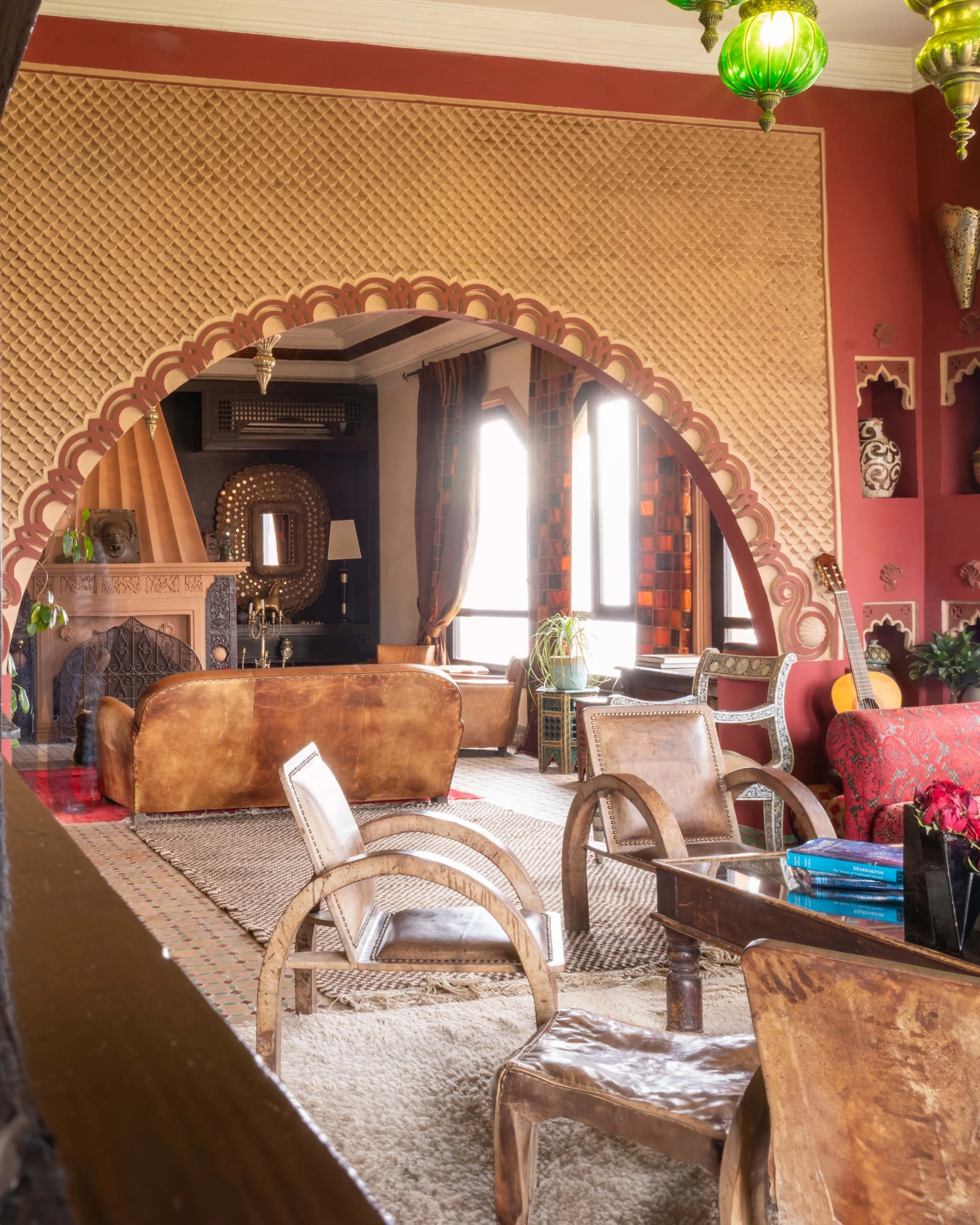
The rooms and suites are beautifully designed, but if you want something unforgettable, book one of the Berber Tented Suites. They offer privacy, outdoor terraces, and stunning views. Waking up to the mountains just outside your window is something you will not forget.

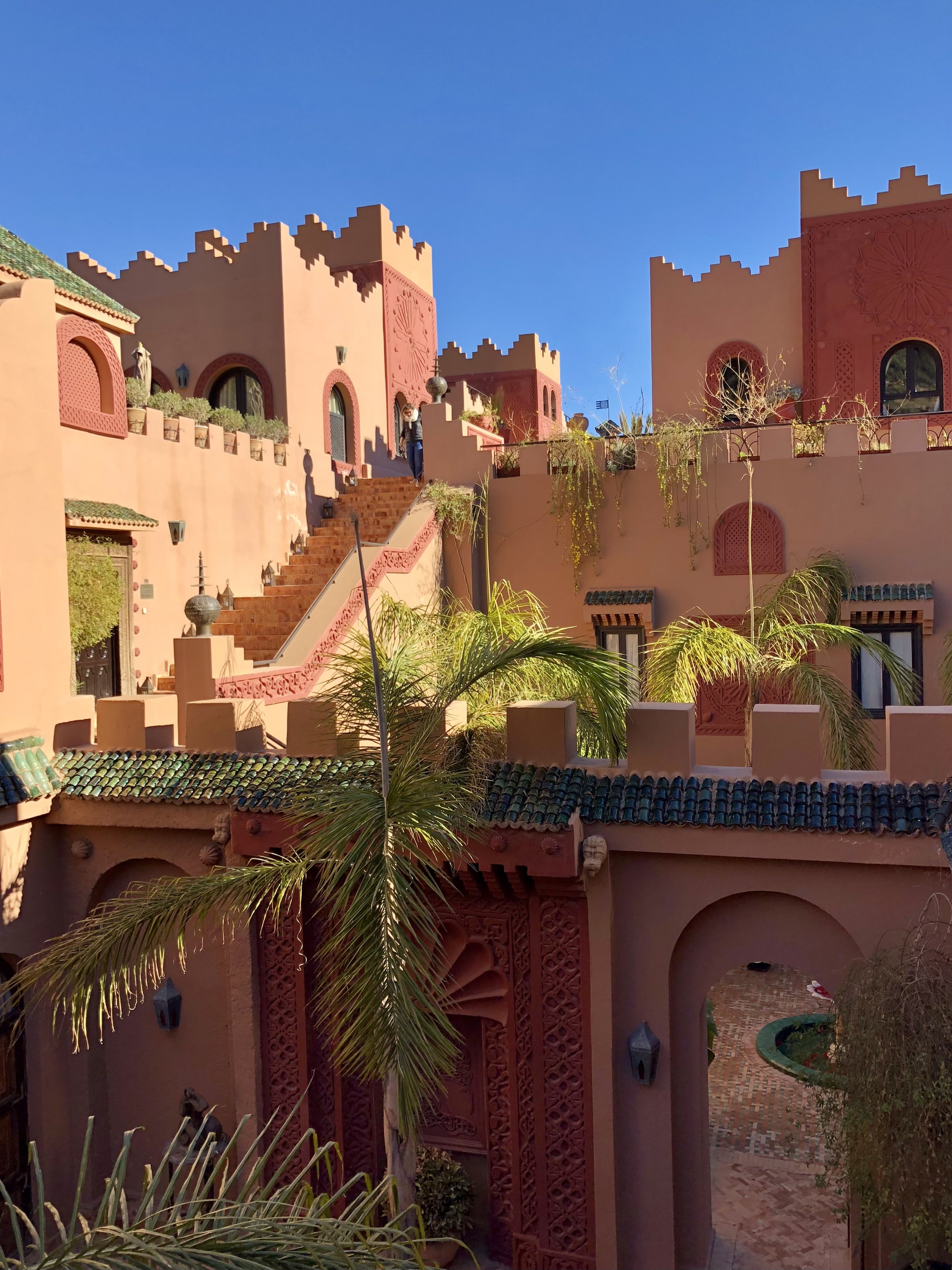
The Entrance of the Hotel
The meaning of Tamadot is ‘soft breeze’ in Berber. The hotel sits at the top of a valley with views of majestic Mount Toubkal. Here are a few photos of the hotel.
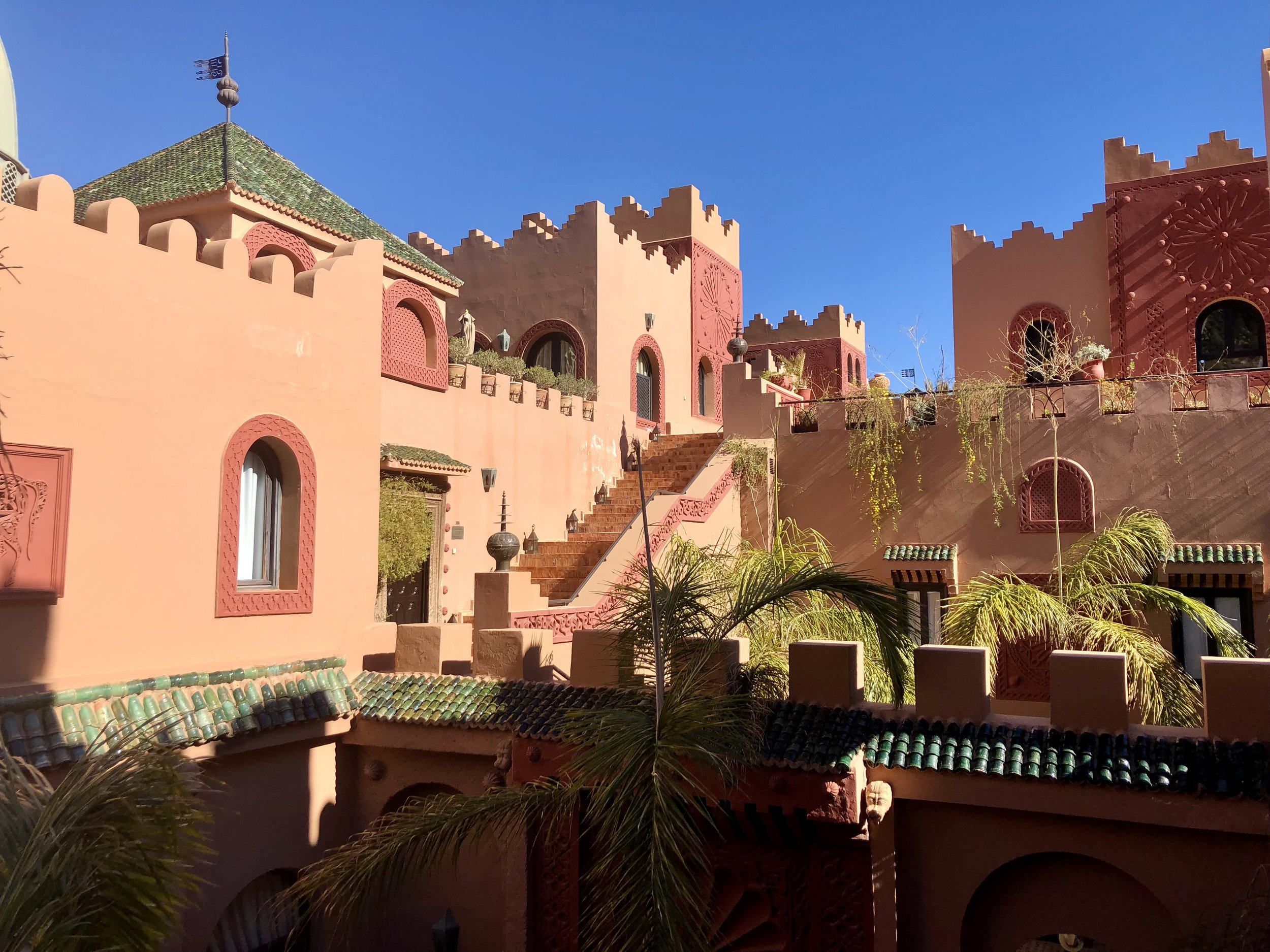
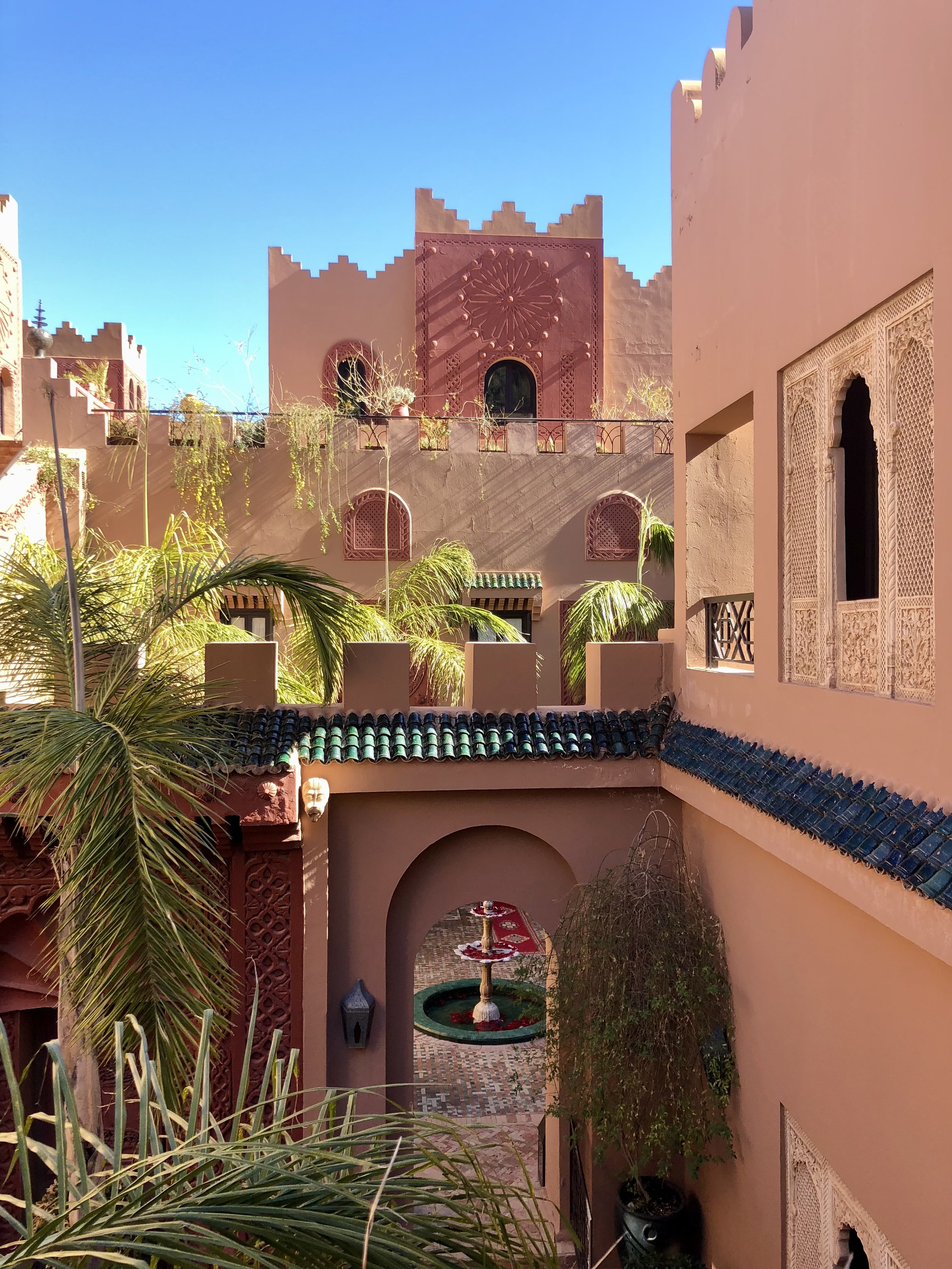
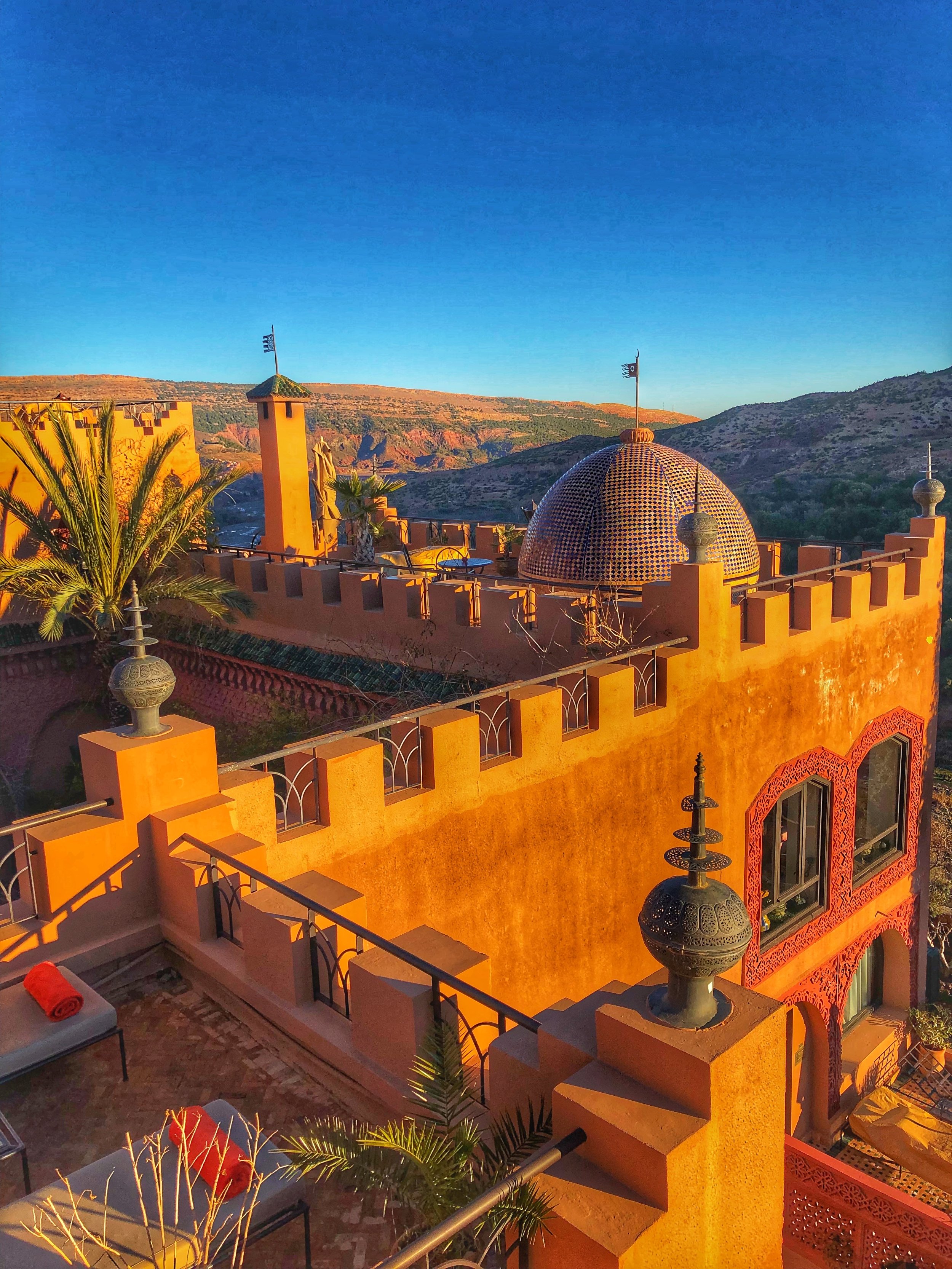
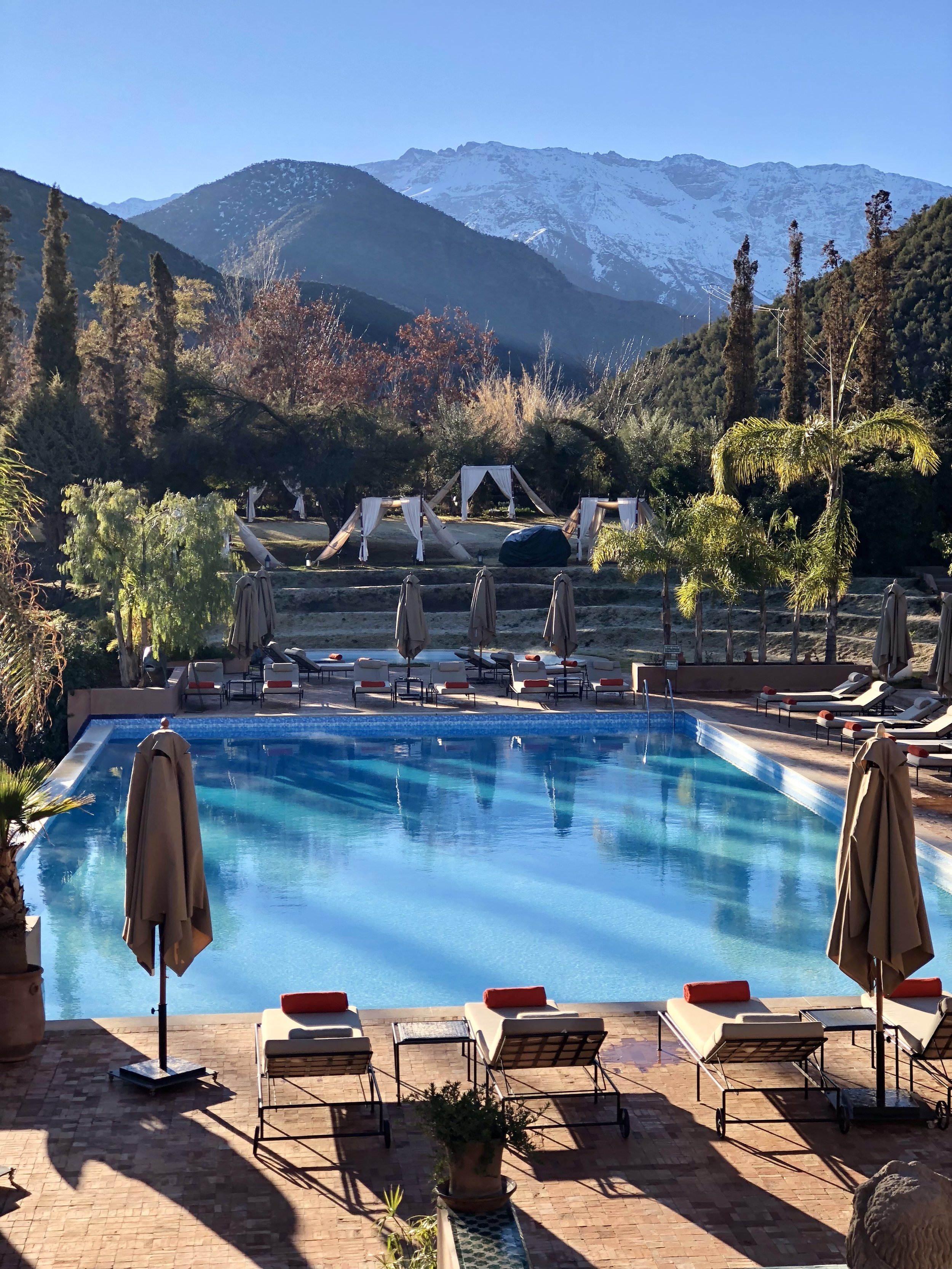
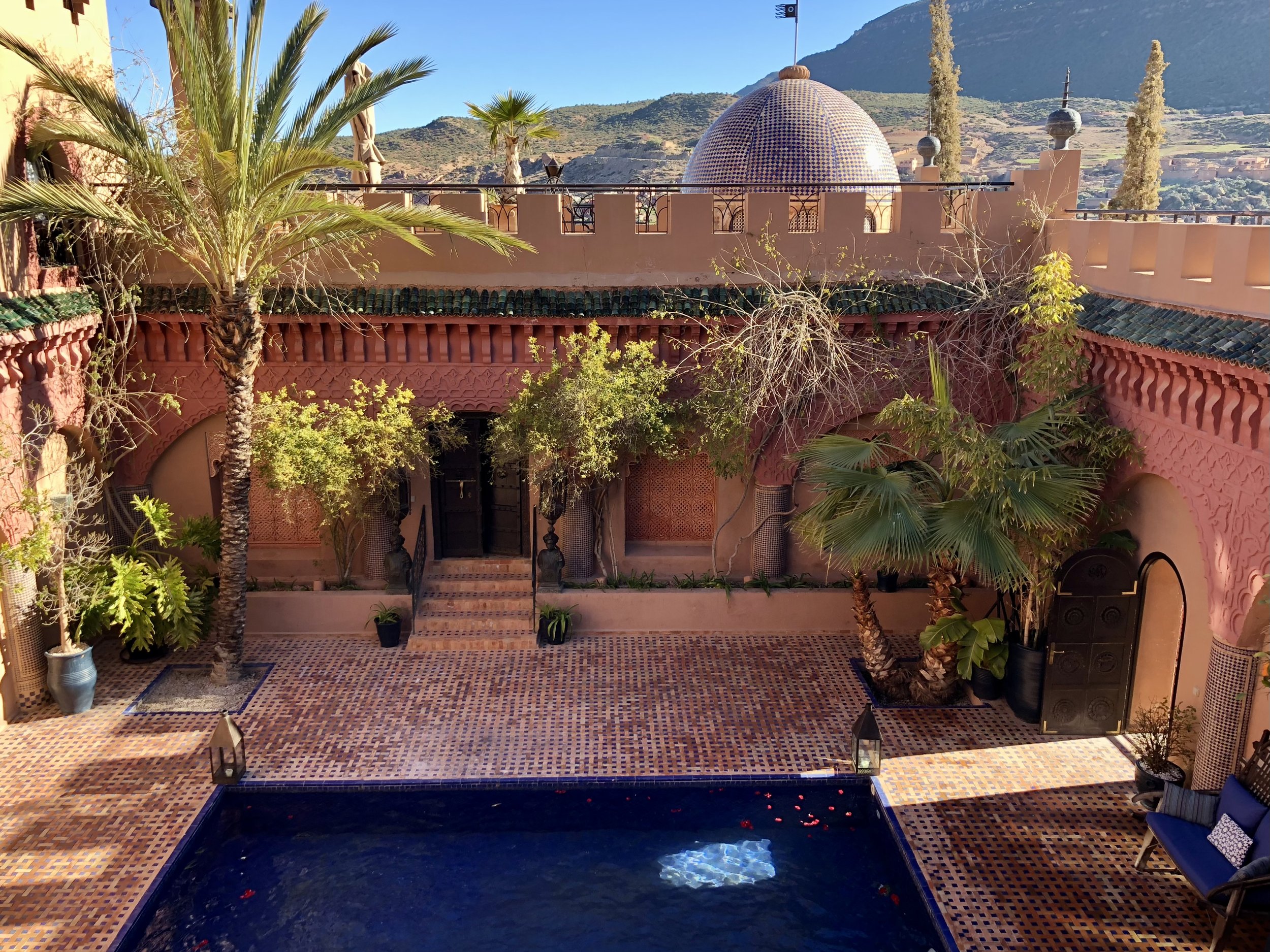

The rooms are simply fantastic and are decorated with very unique antique pieces from all over the world. The service was extremely kind and friendly.
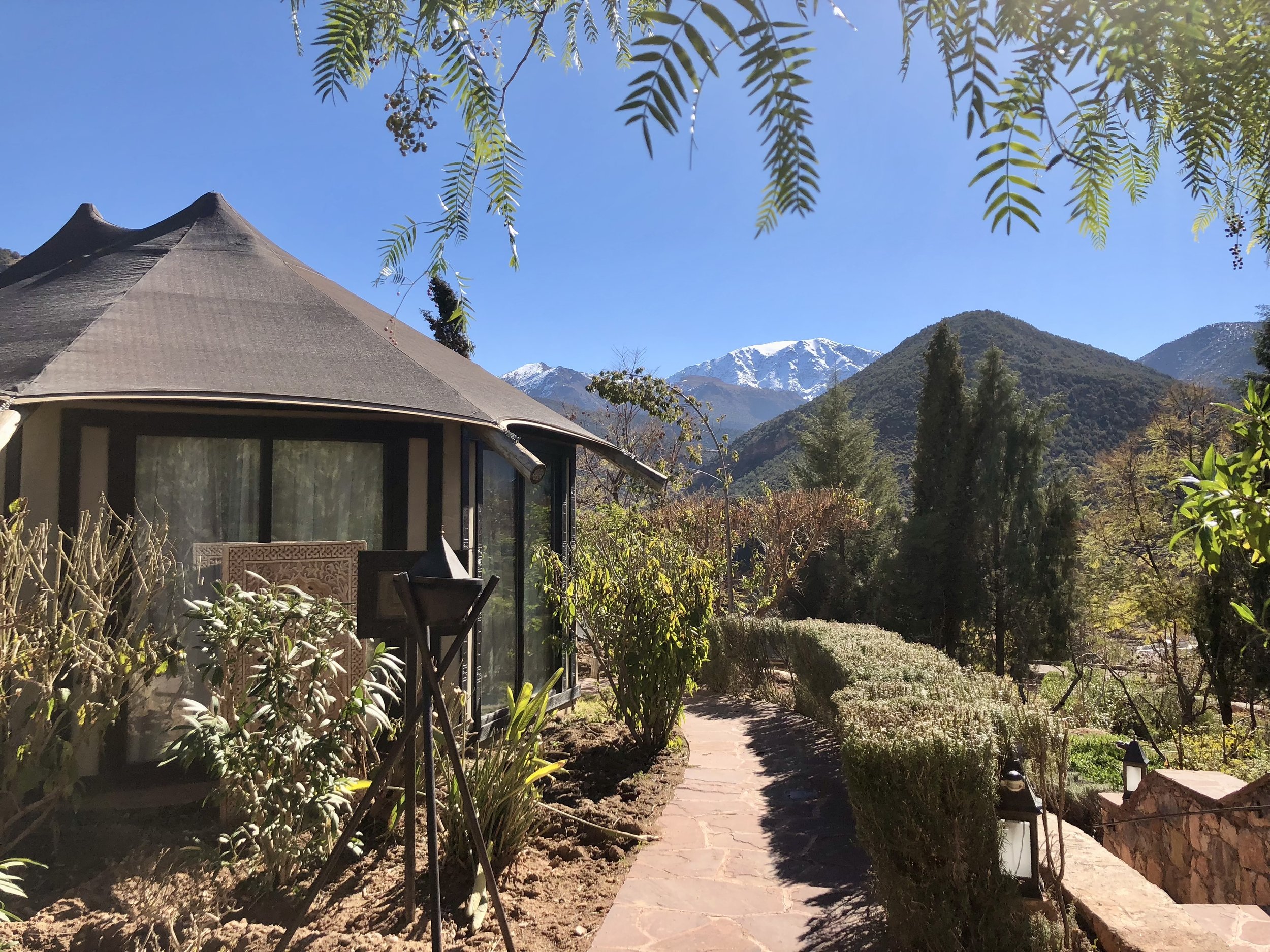
The entire staff is from the local area and is proud to share their traditions with you. You can take cooking classes, hike with local guides into the mountains, or relax in this beautiful, relaxing hotel. It is definitely a place to slow down and enjoy nature's beauty.
For photographers, the location is exceptional.
Best Time to Visit the Atlas Mountains
Spring (March to May) is the best overall window for photography. The almond trees bloom in February and March, creating unexpected bursts of white and pink against the brown hillsides. Snowfall on the upper peaks lingers into April, giving you that classic snow-against-red-earth contrast. Light is soft and directional. Crowds are manageable.
Winter (December to February) is genuinely excellent if snow photography is your goal. The high peaks are white, the valleys are lush from rains, and the atmosphere in the mountain villages feels authentic and unhurried. Temperatures drop sharply at night, so pack accordingly.
Fall (September to November) is a strong shoulder season. Golden hour light is long and low, the heat is gone, and harvest activity in the villages adds natural storytelling opportunities. The valleys look their greenest in October.
Summer (June to August) is the weakest window. Heat is intense at lower elevations, crowds from Marrakech day-trippers peak in July and August, and the harsh midday light flattens the landscape. If you go in summer, shoot at dawn and dusk and spend the middle of the day inside.
One consistent observation: the Atlas Mountains create their own weather. Clear skies in Marrakech can mean heavy cloud cover in the mountains twenty minutes later. Check weather conditions specifically for the Asni or Imlil area, not just Marrakech city. This matters for planning your sunrise and golden hour shoots.
How Many Days Should I Visit the Atlas Mountains
Minimum: 2 nights. One full day gets you to the market, a valley drive, and some hotel photography, but you will feel rushed.
Ideal: 3 to 4 nights. This gives you two solid mornings of golden hour from the hotel or valley viewpoints, time to visit the Asni souk on a Saturday, a half-day valley drive toward Imlil or Ourika, and at least one relaxed afternoon in the mountains without a schedule.
The right approach: Most people treat the Atlas Mountains as a day trip from Marrakech. That is a mistake. The quality of light in the early morning and at dusk is completely different from the flat midday light you get when you arrive as part of a tour bus group. Staying overnight changes the experience entirely.
If you are combining this with Marrakech, I would recommend at least 4 days in the city, followed by 3 nights in the mountains. They are different enough in character that both feel necessary.
Getting Around the Atlas Mountains
From Marrakech: The most practical option is a private transfer arranged through your hotel. Kasbah Tamadot handles this seamlessly, and the drive takes about 50 to 60 minutes, depending on traffic leaving the city. Taxis from Marrakech are available but require negotiation on price.
In the mountains: A rental car or hotel-arranged driver is essential for exploring beyond the immediate area. Roads are paved along the main route toward Asni and Imlil but become narrow and rough once you turn off toward village tracks. If you want to reach roadside viewpoints, pull-offs above the valley, or smaller villages, you need your own vehicle or a driver.
On foot: Within Kasbah Tamadot's grounds and in Asni village itself, everything is walkable. The market day in Asni is best explored on foot, as vehicle access gets complicated on Saturdays when the souk is running.
Uber and ride apps: Uber operates in Marrakech and can get you to the mountains, though drivers may be reluctant to stay and wait. For the return, your hotel can arrange reliable transfers. InDriver is also available in Morocco and worth having as a backup.
Practical note for photographers: If you want to shoot from roadside viewpoints above the valley with a tripod, you need a driver so you can call stops freely. This is worth the small additional cost.
Dining in the Atlas Mountains
We ate exclusively at Kasbah Tamadot during our stay, and every meal was excellent. The hotel's restaurant, Asayss, opened with the 2024 renovation and represents a genuine evolution from what was there before. The kitchen draws on Moroccan culinary traditions and sources ingredients locally, but the execution is refined. Breakfast on the terrace with the mountains behind your coffee cup is one of those experiences that earns the trip on its own.
On-site dining at Kasbah Tamadot includes:
Asayss Restaurant: the main dining space, serving Moroccan and international dishes inspired by locally sourced ingredients. Named after the Berber tradition of communal feasting and poetry, the atmosphere matches its name.
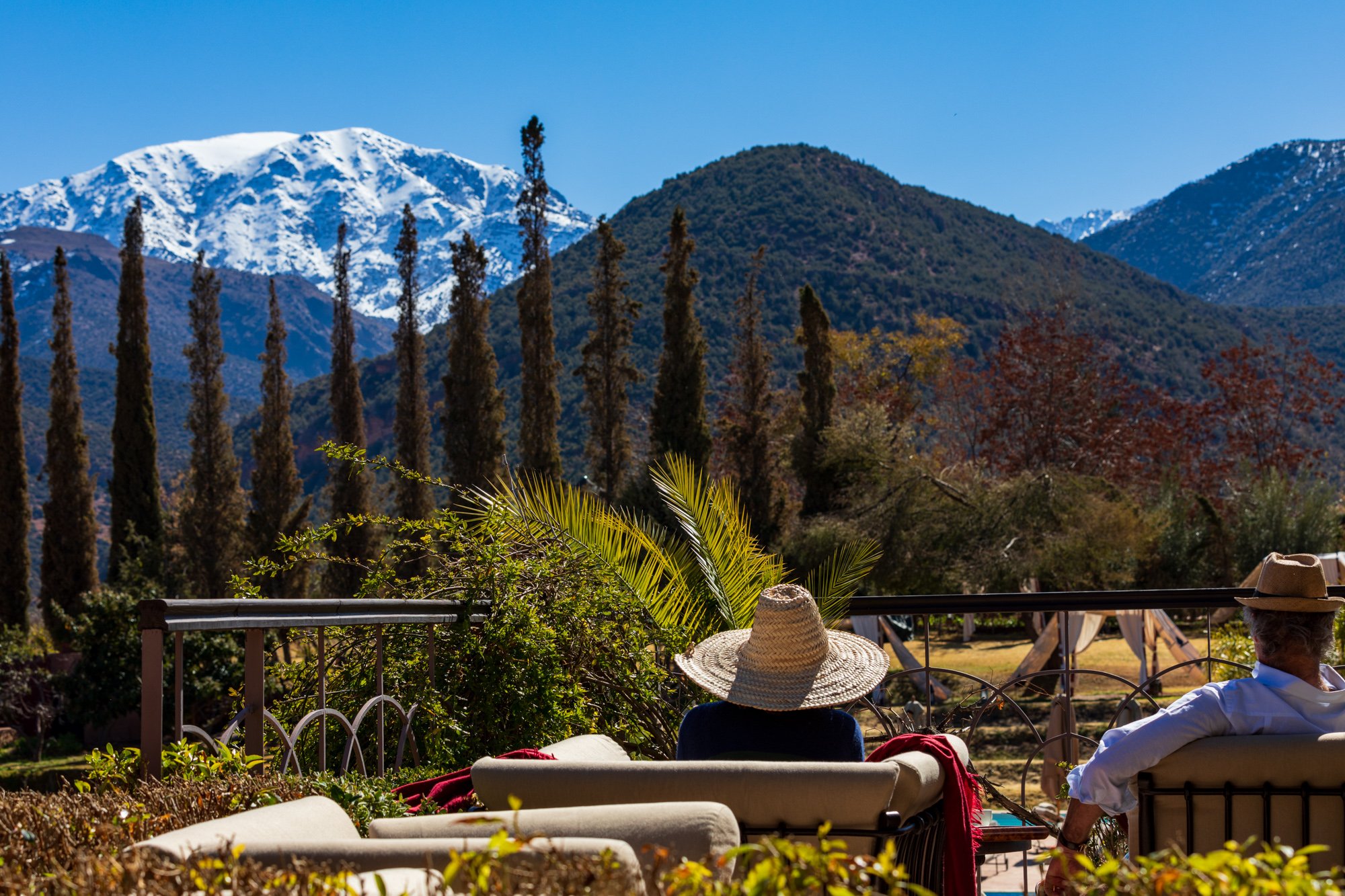
Terrace dining: breakfast and afternoon tea served on the open terrace overlooking the valley and peaks. If there is a better setting for mint tea in Morocco, I have not found it.
Cooking classes: offered through the hotel and led by local staff. If you have any interest in Moroccan cuisine, this is worth doing.
Note for travelers staying elsewhere: The village of Asni has basic local eateries around the market. Imlil has a small number of simple Berber restaurants that serve tagines and traditional mountain food. These are casual, inexpensive, and worth trying for local color, but do not expect restaurant-quality meals. If you are staying at a luxury property in the area, eating in-house is the better call.
The Asni Valley
Nestled in the High Atlas Mountains, the Asni Valley feels like a different Morocco.
After the intensity of Marrakech, arriving here is almost meditative. Lush green hills roll into snow-capped peaks. Stone-and-mud-brick homes blend into the landscape. The air feels cooler, cleaner, quieter.
This region is home to traditional Amazigh communities, often referred to as Berbers. Life here moves at a different rhythm. Terraced farms climb the hillsides. Donkeys carry goods between villages. Children walk narrow mountain paths to school. It feels authentic and grounded.
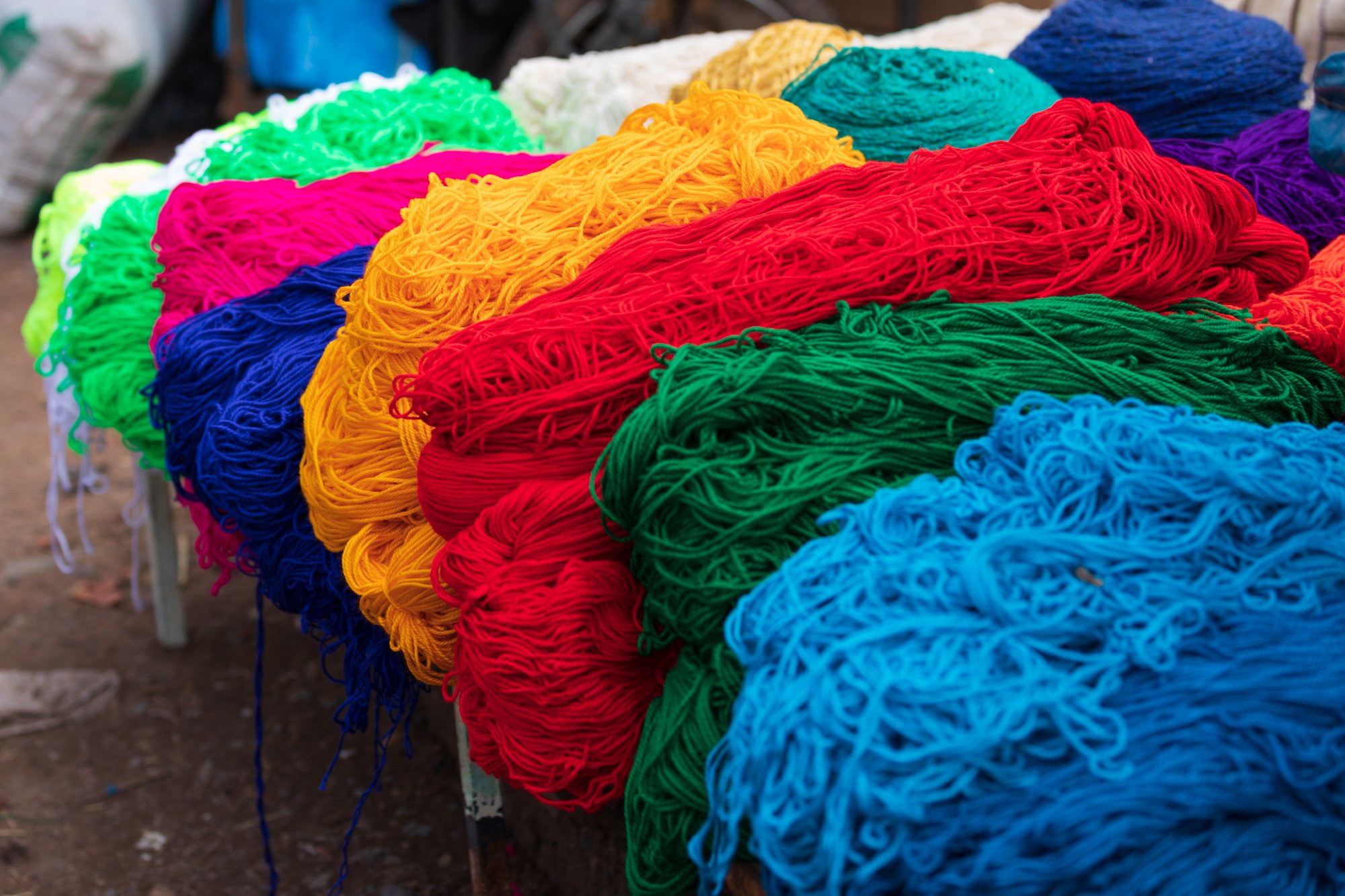
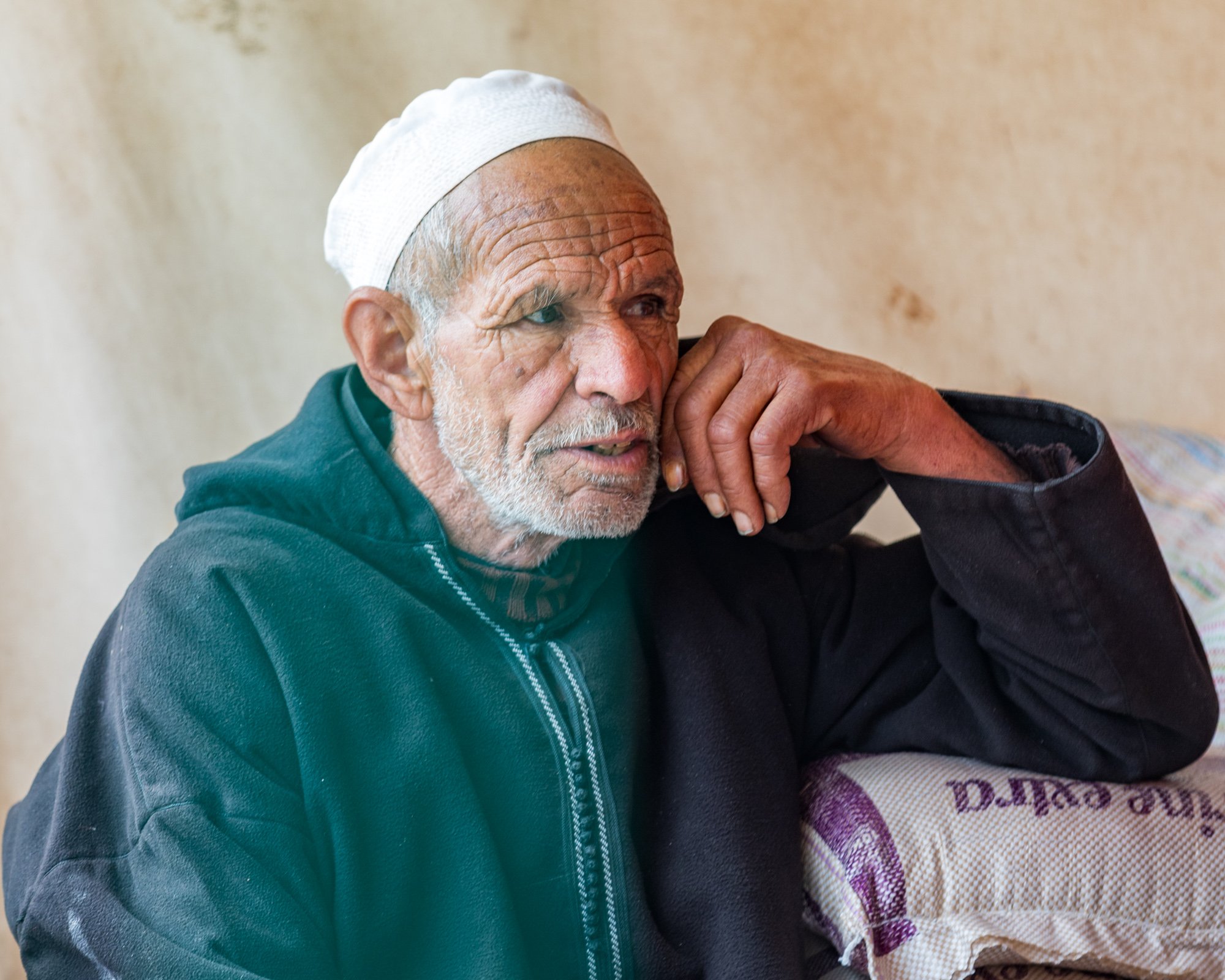
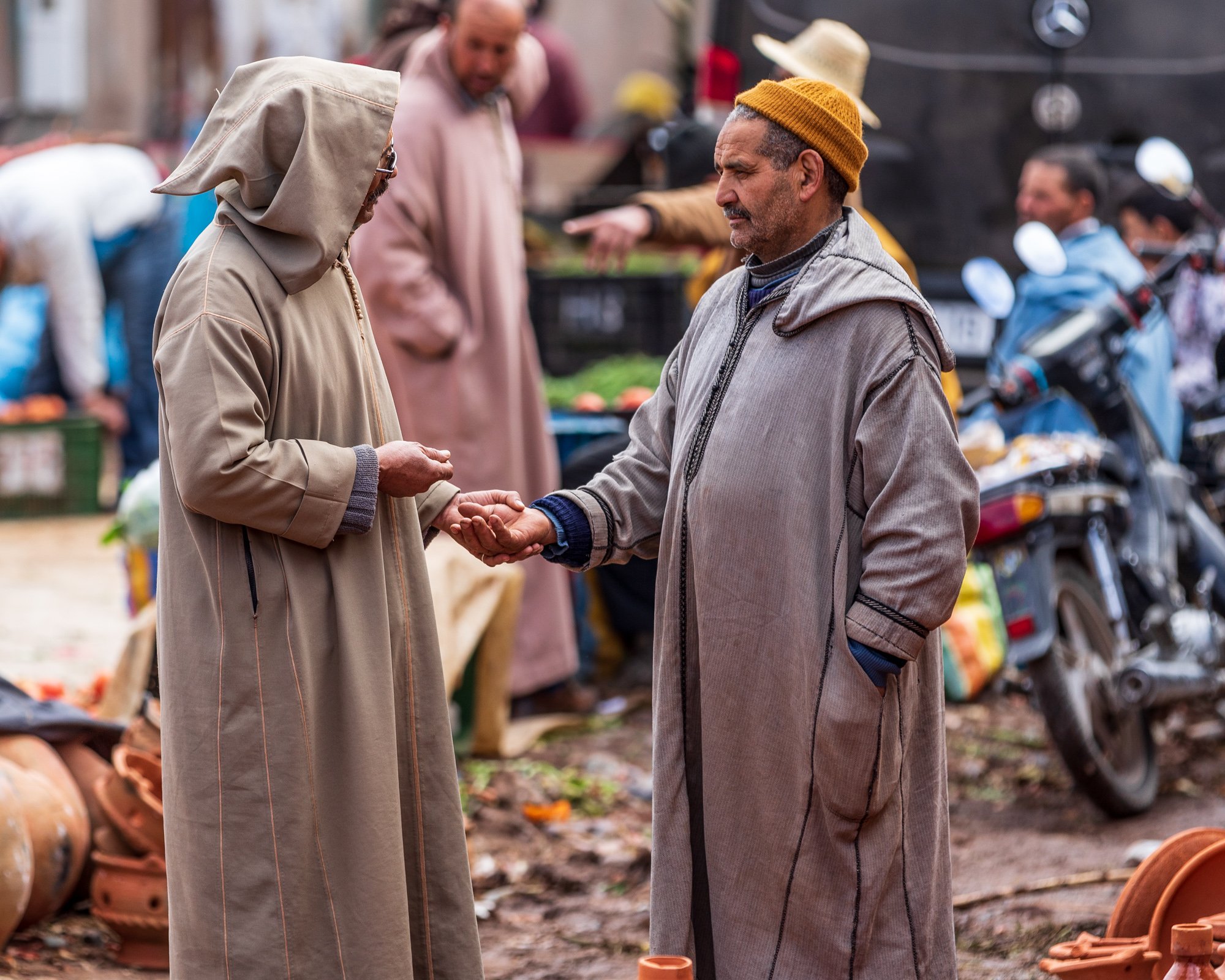
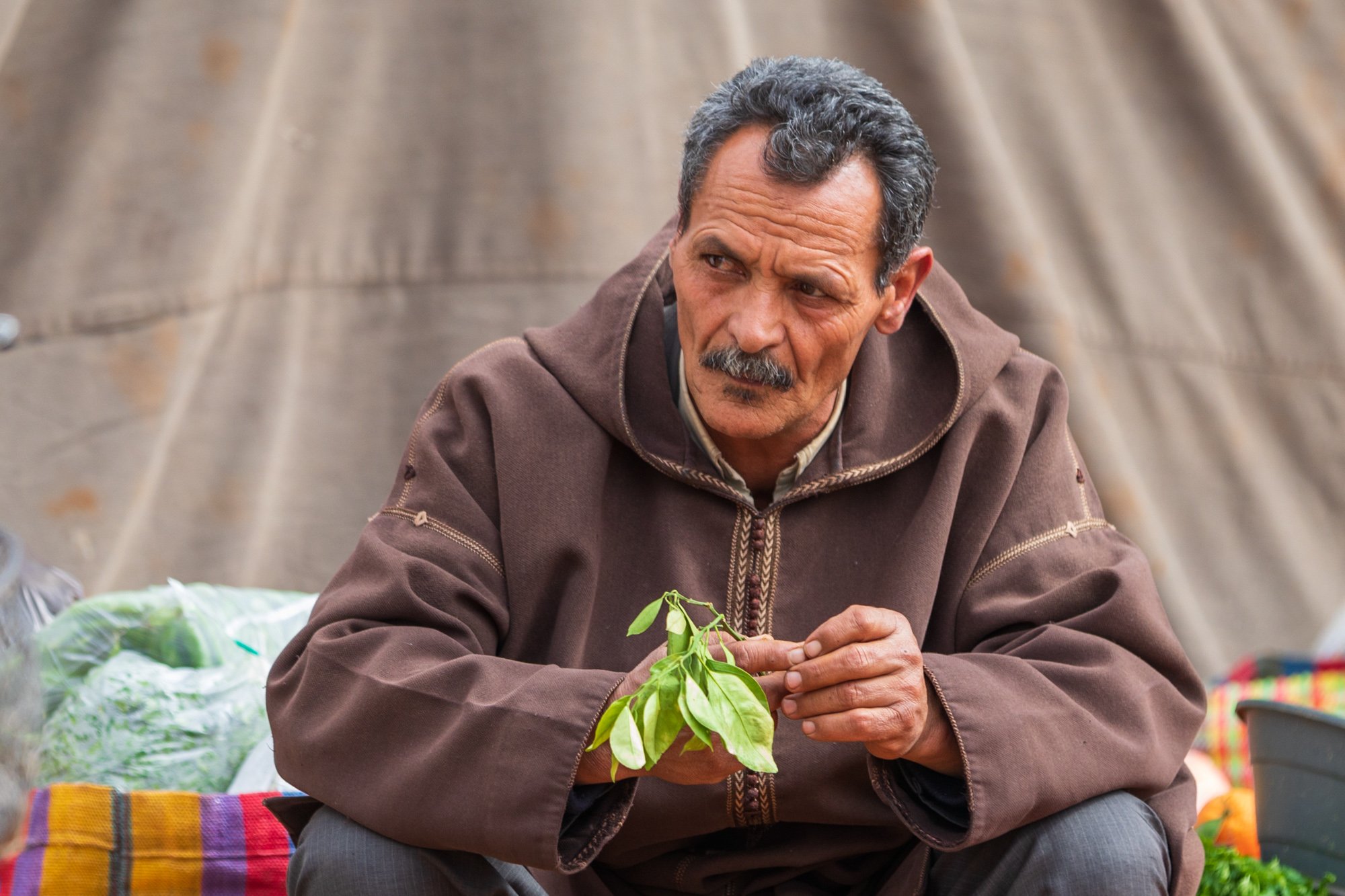
One of the highlights of the valley is its weekly souk in Asni. On market day, the quiet mountain setting transforms into a vibrant gathering place. Locals arrive from surrounding villages to buy and sell everything from spices and textiles to produce and livestock.
The souk here is very different from Marrakech. It feels less theatrical and more practical. This is where real commerce happens.
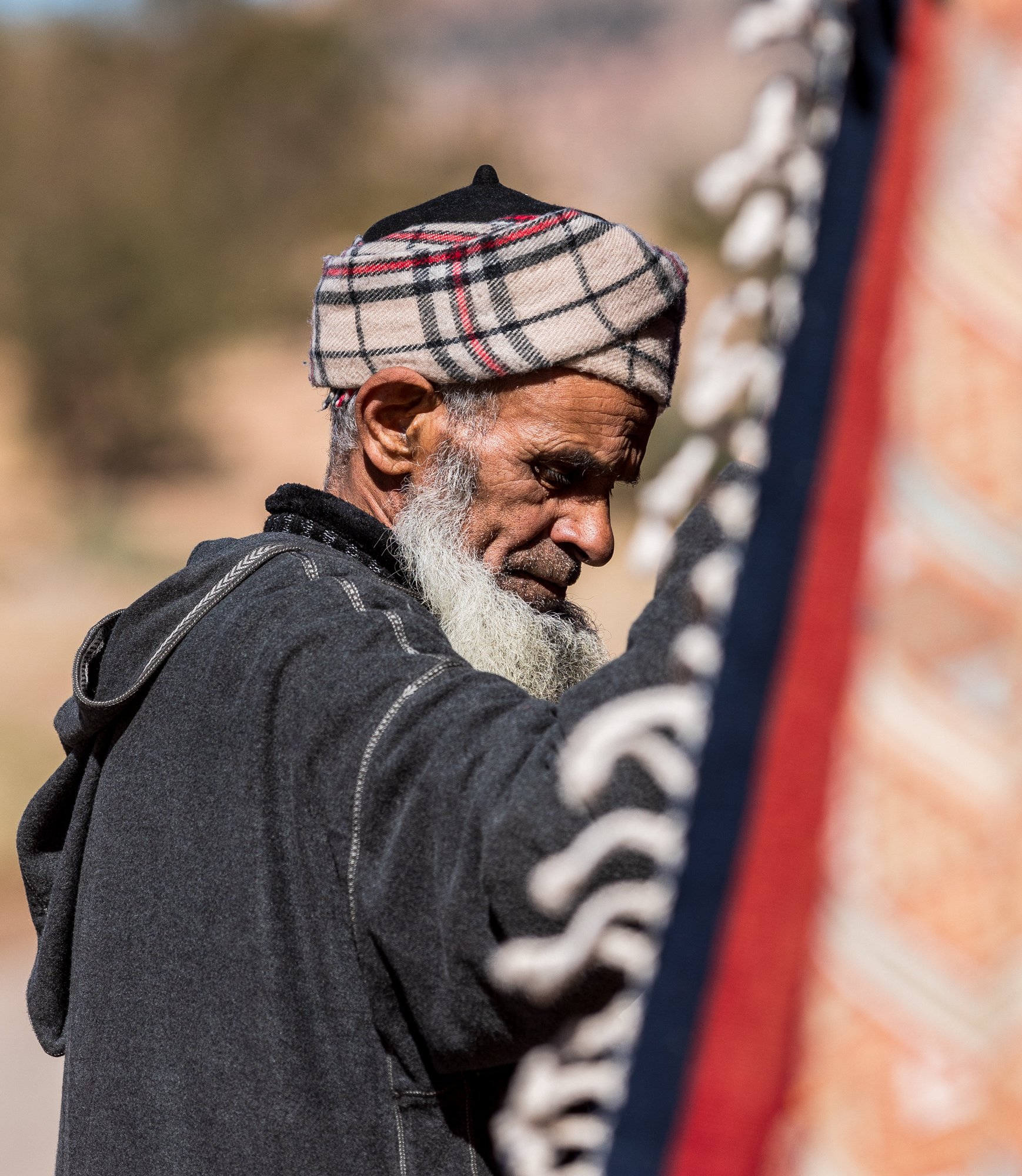
For photographers, it offers powerful storytelling opportunities.
Photography Gear to Bring to the Atlas Mountains
DSLR & Mirrorless Kit
The Atlas Mountains reward wide lenses for landscape work and a telephoto for village and portrait photography from a respectful distance.
Camera bodies: The Canon EOS R5 Mark II, Sony A7R V, or Nikon Z8 are all excellent choices. The R5 Mark II's autofocus handles moving subjects in the souk well, and the high resolution of the A7R V or Z8 gives you serious cropping latitude for mountain detail shots.
Lenses:
15 to 35mm f/2.8: Your workhorse for valley landscapes, mountain profiles, and hotel terrace shots. The wide end captures the scale of the peaks without distortion.
70 to 200mm f/2.8: Essential for compressing mountain layers, pulling in distant village details, and shooting candid market moments without crowding your subject.
24 to 70mm: A solid all-day lens for mixed shooting at the market and around the hotel.
85mm prime: If you plan to do any portrait work at the souk (with permission), an 85mm gives you flattering compression and natural subject separation.
Accessories:
Tripod or Platypod: Absolutely necessary for blue hour and pre-dawn mountain shots from the hotel terrace. The low light before sunrise is when the peaks look their most atmospheric.
ND filters (6 and 10 stop): Useful for long exposures of the valley below if you want silky water effects on any streams, or for creative work at the infinity pool.
Extra batteries: Cold mountain mornings drain batteries faster than you expect. Bring at least two spares and keep one in your jacket pocket.
Samsung T7 SSD: Back up your cards every evening.
Drone: Drones are permitted in rural areas of Morocco, but you must register with the Moroccan Civil Aviation Authority (ANAC) before flying. Check current restrictions, as enforcement has increased in areas near UNESCO-listed sites and military installations. The Asni Valley would be a compelling subject from the air, but verify current permissions before you pack it. Do not fly over the souk or villages without explicit local consent.
iPhone Tips
Use the telephoto lens (2x or 5x, depending on your model) for market photography. Getting close to strangers with a large camera can feel invasive; the telephoto on an iPhone lets you work from a natural conversational distance.
For mountain landscapes at golden hour, switch to ProRAW if your phone supports it. The dynamic range between snow-capped peaks and shadowed valley floors is significant, and RAW files give you far more recovery latitude in Lightroom Mobile than compressed JPEGs.
Shoot into the light on the hotel terraces. The backlit lanterns and rose gardens at Tamadot create beautiful silhouette and rim light opportunities that the iPhone handles better than you might expect.
Night mode for the valley: On a clear night, the Atlas Mountains are genuinely dark. iPhone Night mode captures the starfield above the peaks better than most people expect. Prop the phone on a stable surface, use the timer delay, and let it work.
Photography Locations in the Atlas Mountains
There are a lot of beautiful locations in the area to photograph. Here are a few of my recommendations
Views from Kasbah Tamadot
The hotel's elevated position above the Asni Valley makes it one of the best photography platforms in the entire High Atlas region. From the terraces and infinity pool area, you have an unobstructed view of the valley floor and the snow-capped peaks beyond, including Mount Toubkal on clear days.
At sunrise, the mountains catch the first light while the valley below is still in shadow. The contrast between the warm glow on the peaks and the cool blue of the valley is dramatic and happens fast. Position yourself on the upper terrace facing east with a 70 to 200mm to compress the mountain layers, or go wide at 24mm to include the terrace architecture in the foreground.
The gardens are also worth exploring with a macro or close focus lens. Roses, fruit trees, and lanterns create intimate compositions that contrast well with the grand landscape behind them.
📷 Pro Tip: Set your alarm for 30 minutes before sunrise and get to the upper terrace before the light arrives. The pre-dawn blue hour gives you a moody, cooler palette that feels completely different from the warm golden hour that follows. Shoot both. Bring a tripod because the pre-dawn light is low. The infinity pool reflects the peaks on still mornings and rewards a wide angle at f/11 for a clean reflection shot.
Best time: Sunrise and the two hours following. Blue hour before dawn. Access: Hotel guests only.
The Saturday Souk in Asni
This weekly market is one of the most photographically rich experiences in the Atlas Mountains, and it is completely different from anything you will encounter in Marrakech.
Berber families descend from surrounding villages by mule and donkey. The market covers everything from spices, produce, and textiles to livestock, carpets, and handmade goods. The crowd is local. The commerce is real. Nobody is performing for tourists.
The light inside the covered market stalls is low and warm, producing beautiful directional fall-off on faces and goods. Outside, the open sections are bright and chaotic. Both reward a patient, observational approach.
📷 Pro Tip: Ask your hotel to arrange a local guide for your market visit. Our guide from Kasbah Tamadot walked us through the entire souk, explained what we were seeing, and introduced us to vendors. That access changed the photography entirely. Without a local introduction, you are an observer. With one, you become part of the scene. Use a 35mm or 50mm prime for market work to keep your footprint small and your movements natural. Do not photograph people without acknowledgment. A nod or a smile costs nothing and almost always gets you a yes. One of the customs worth watching for: when a tagine is sold at the spice stalls, the vendor places a tomato on top to mark it as sold. It sounds small, but it is a clean, graphic image that tells a whole story.
Best time: Saturday mornings, from opening through midday. Access: Free. Market operates weekly.

I could watch the people in the village for hours.

We found so many local foods and produce in the market. The locals were very friendly and encouraged us to try regional specialties.
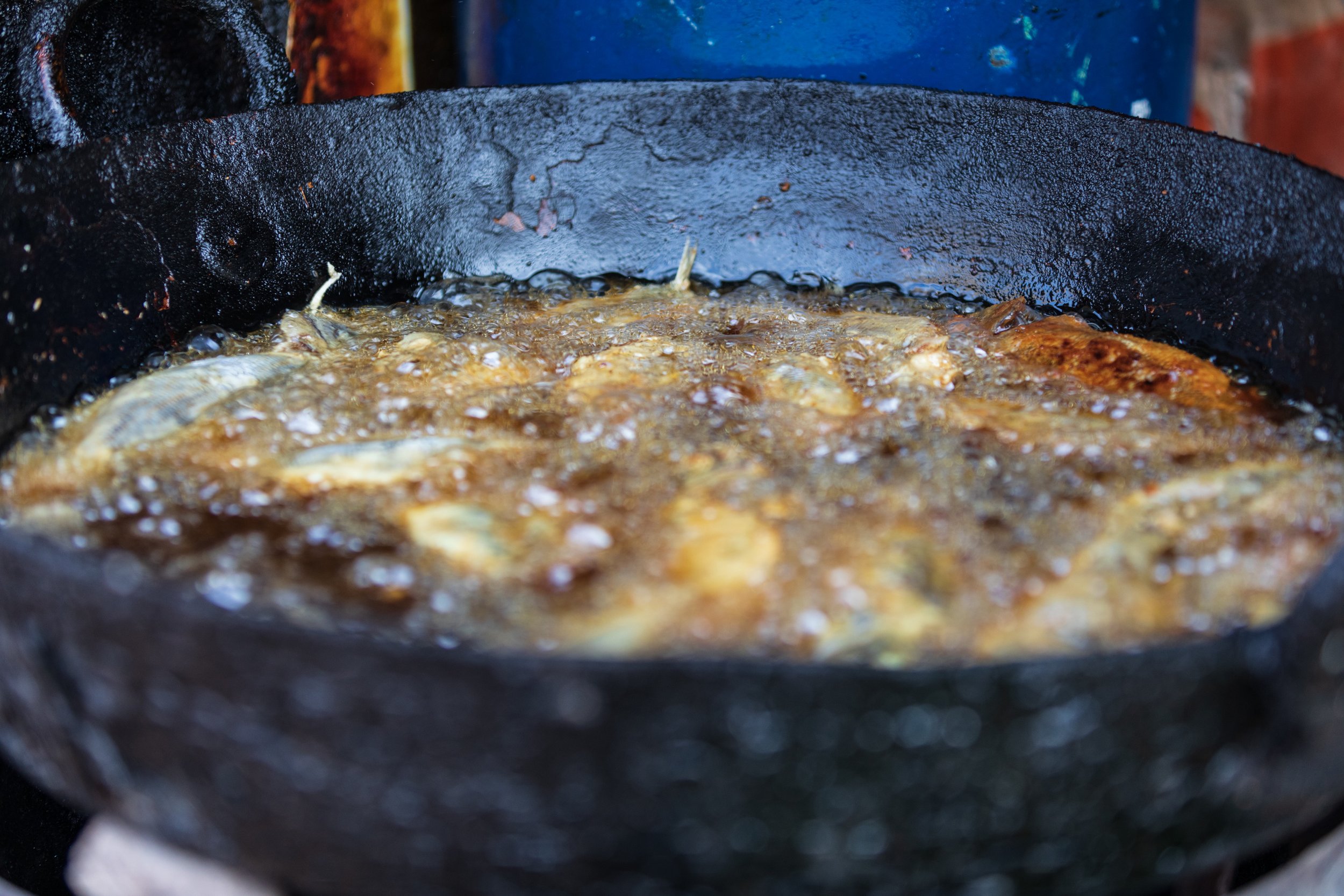
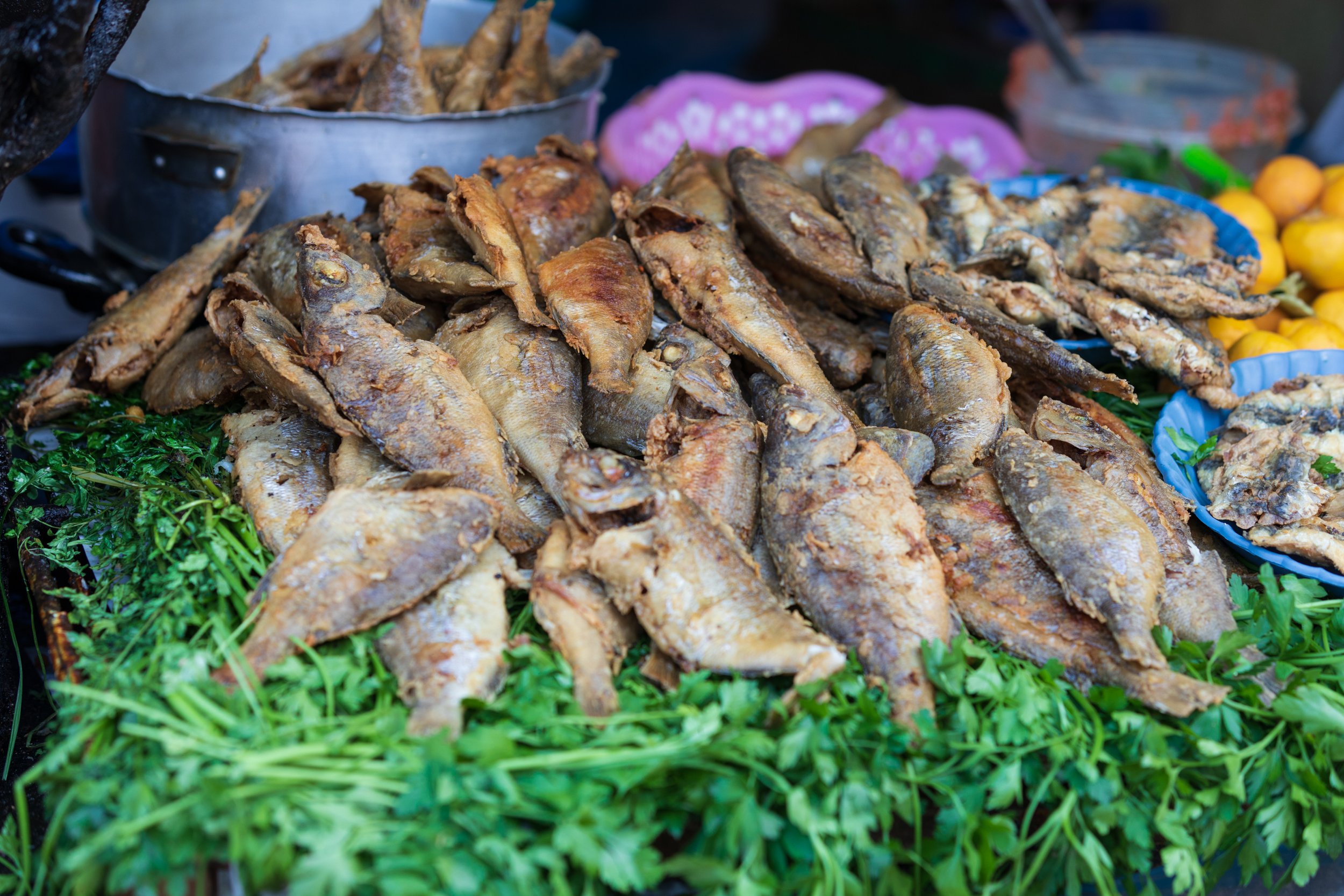
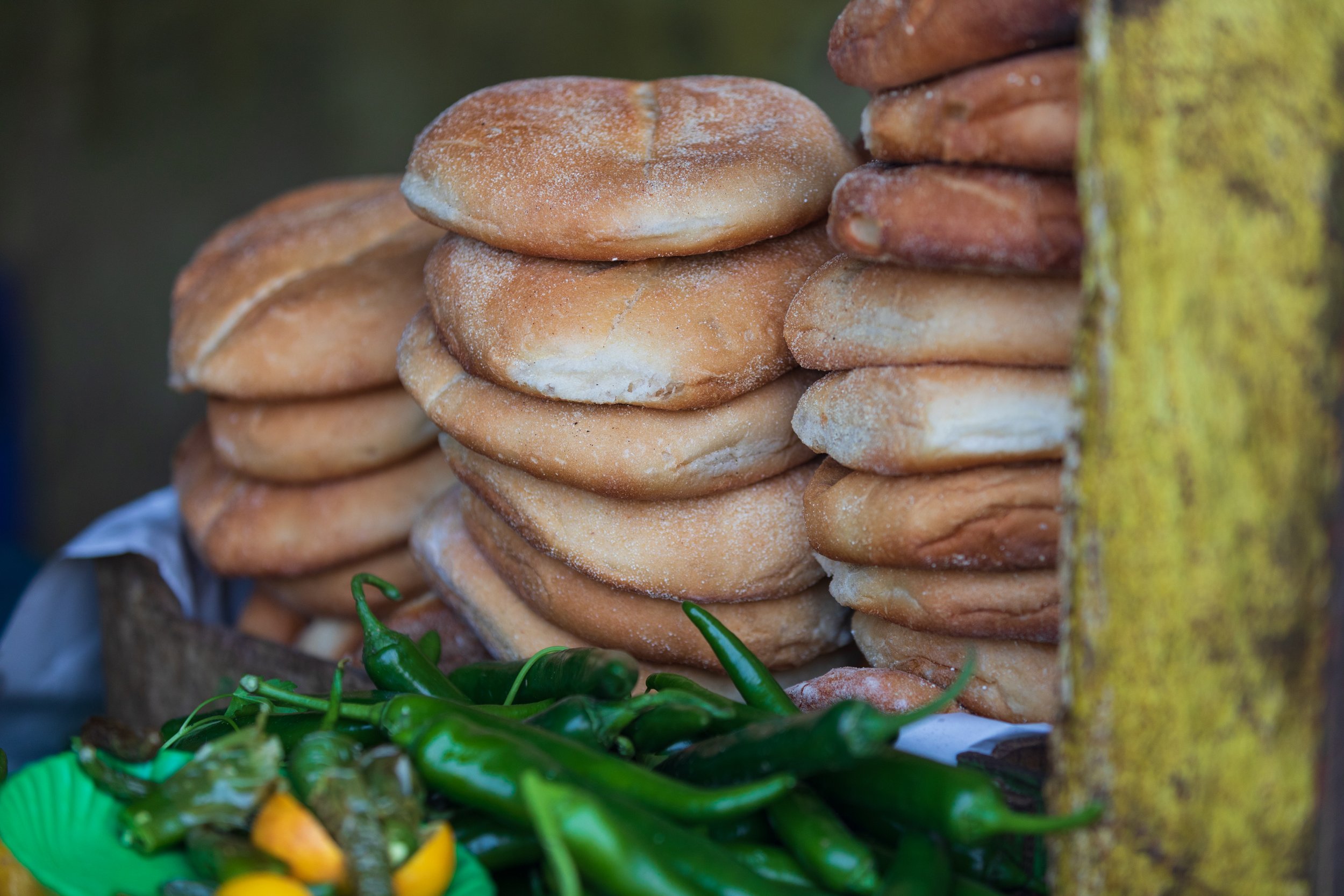
There is an interesting custom: when someone purchases a Tangine, the restaurant places a tomato on top to show that this one has been sold.
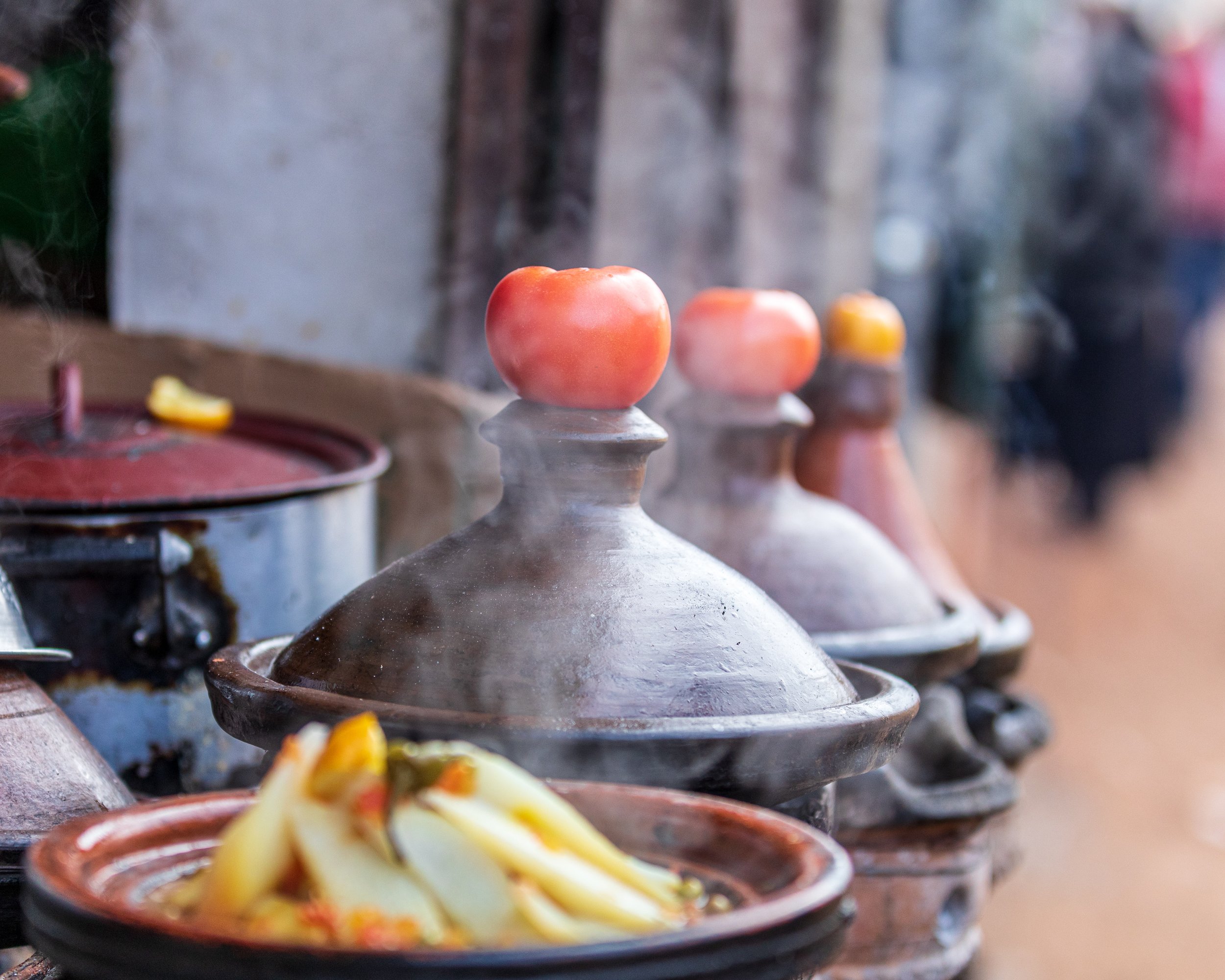
The Tomatoes on the Tangine have been sold
The market itself is huge, and there are so many things to look at, from spices, nuts, fruits & vegetables. clothing, jewelry, the locals bartering, carpets, and so much more.
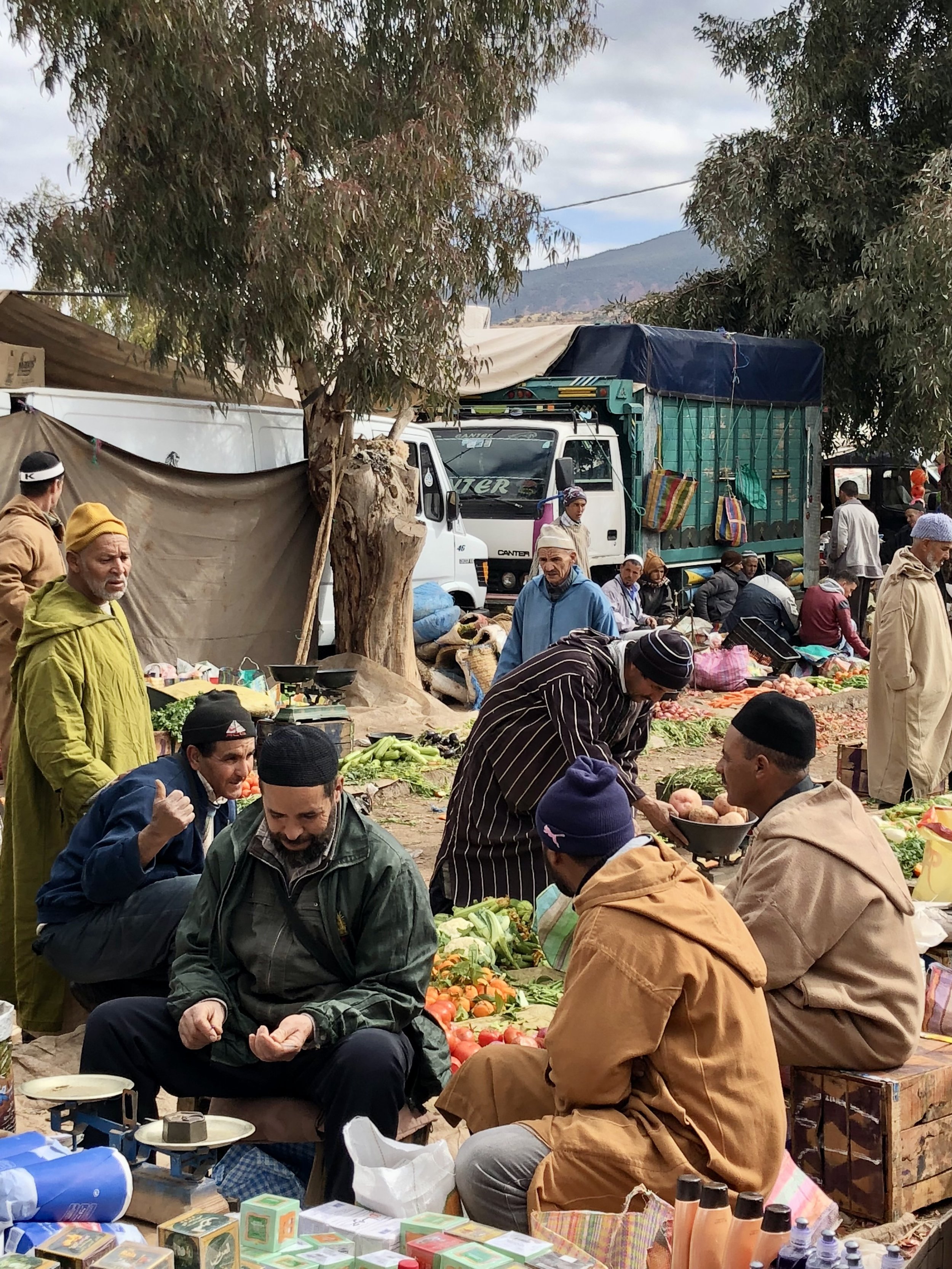
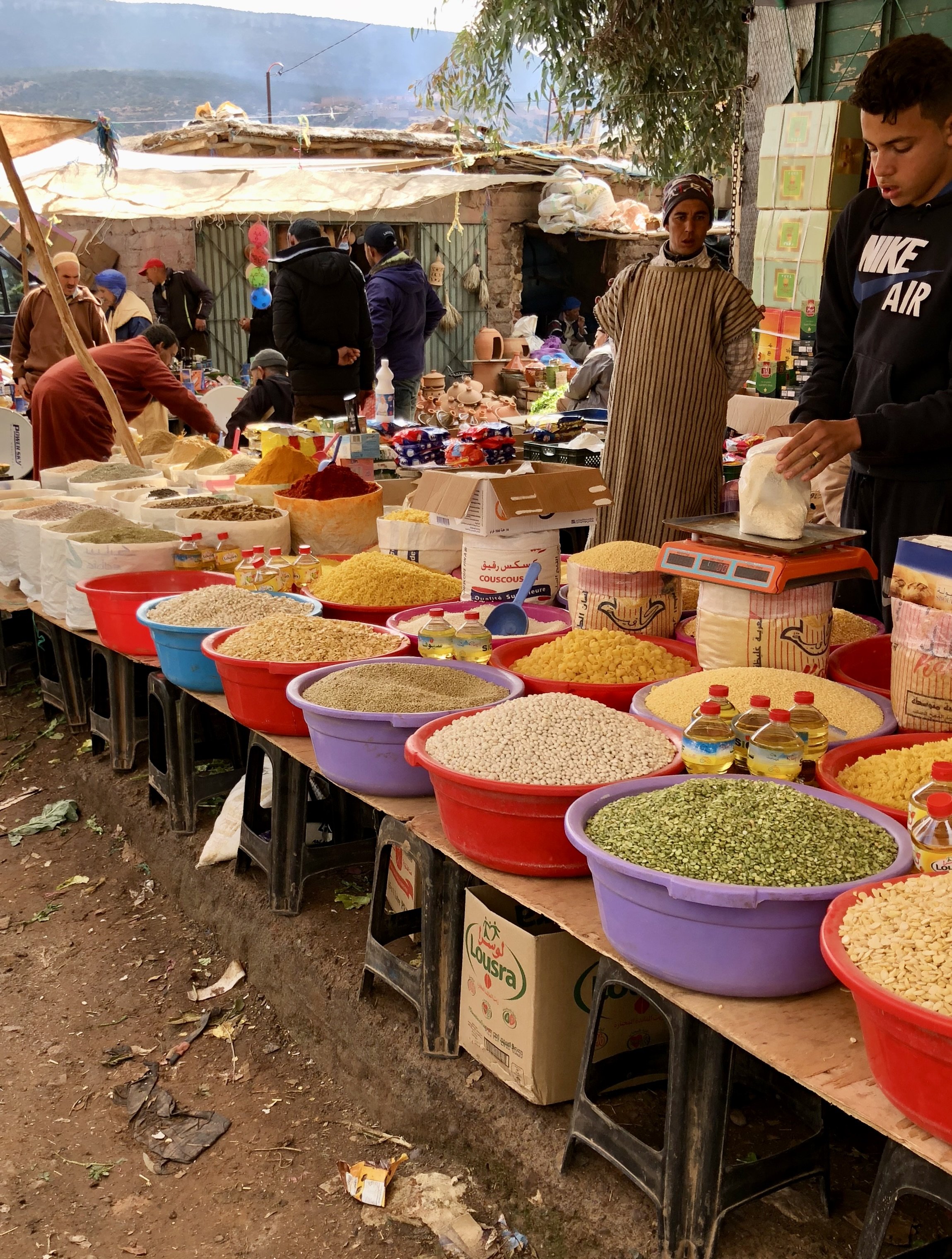
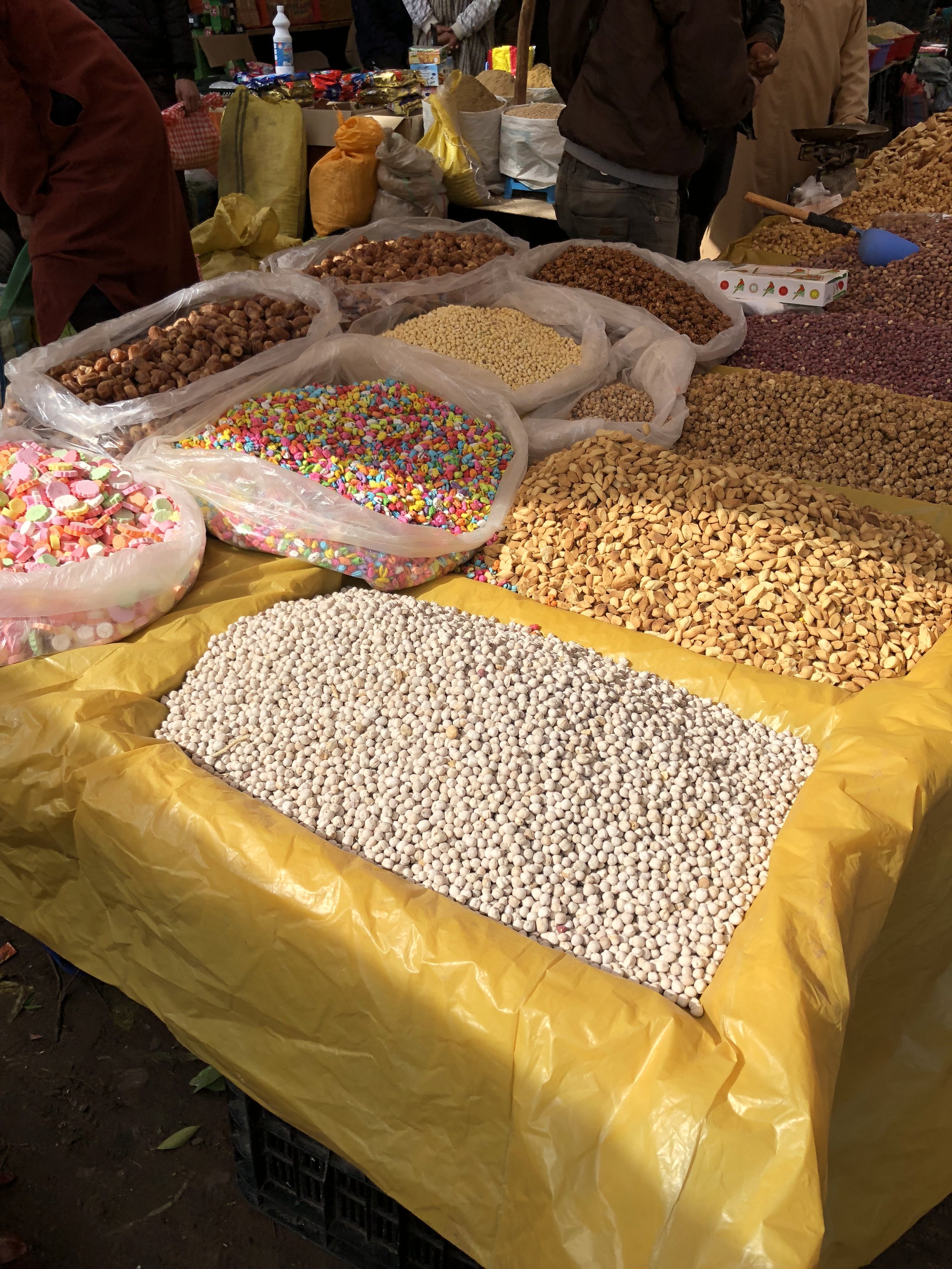
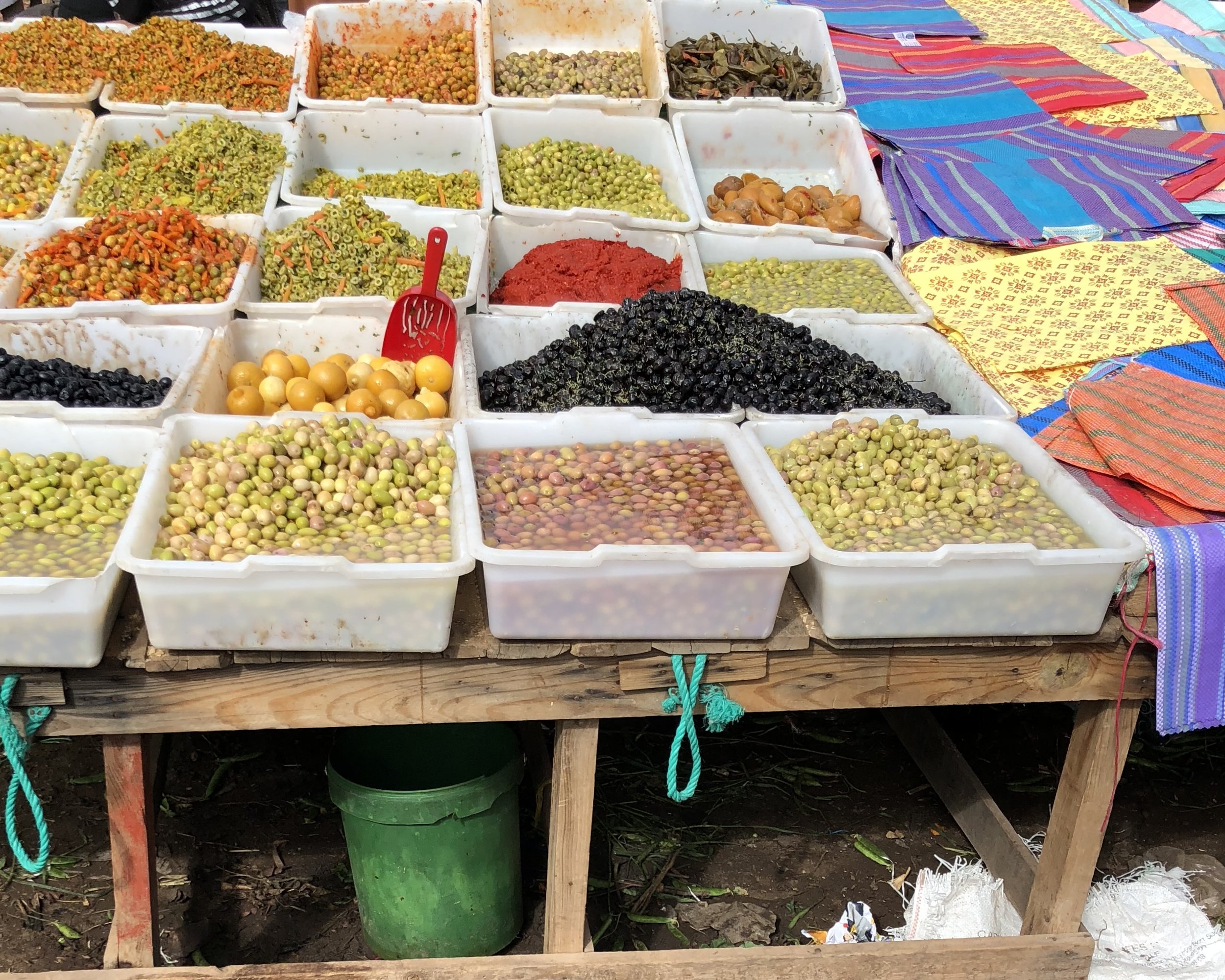
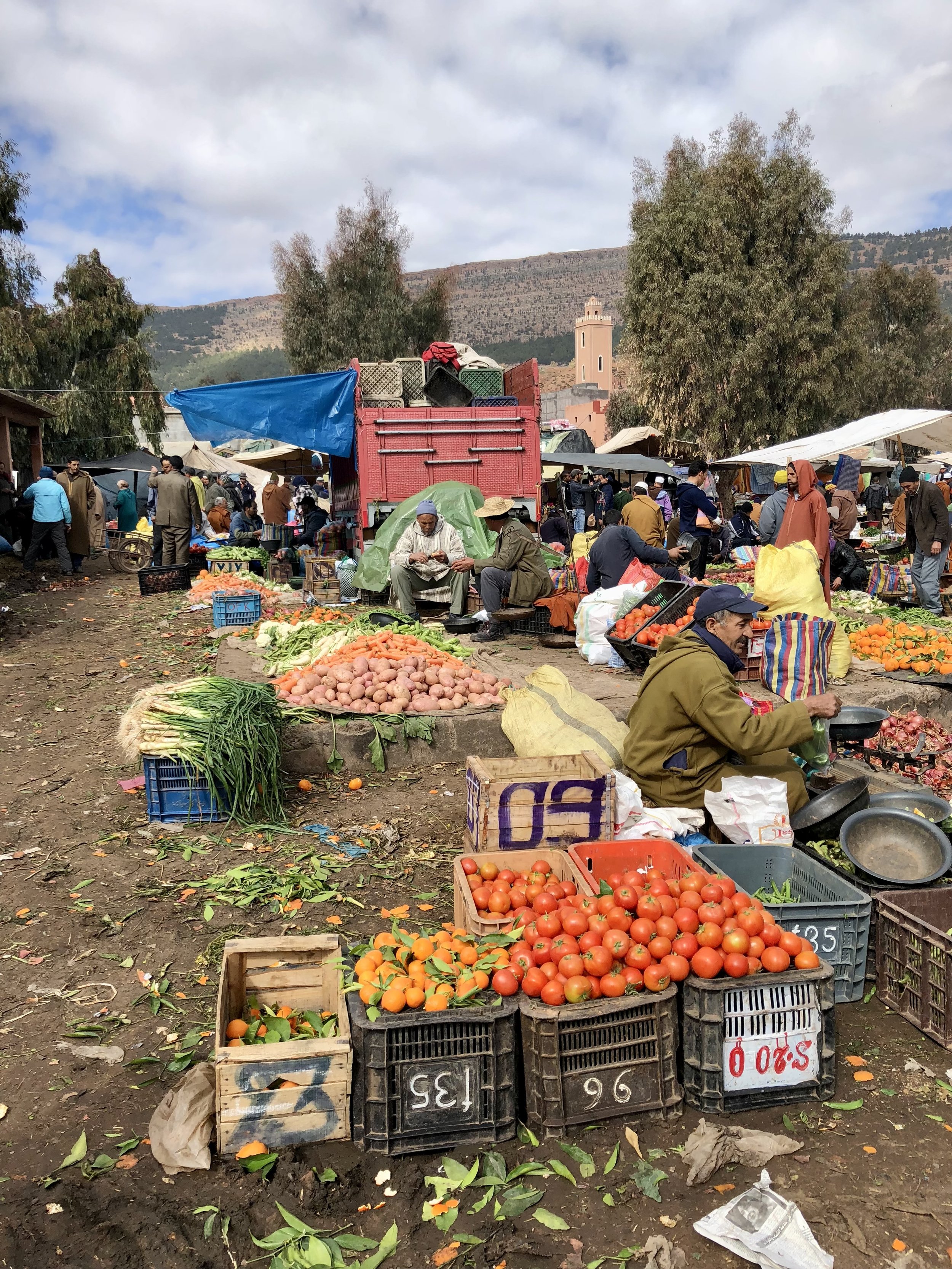
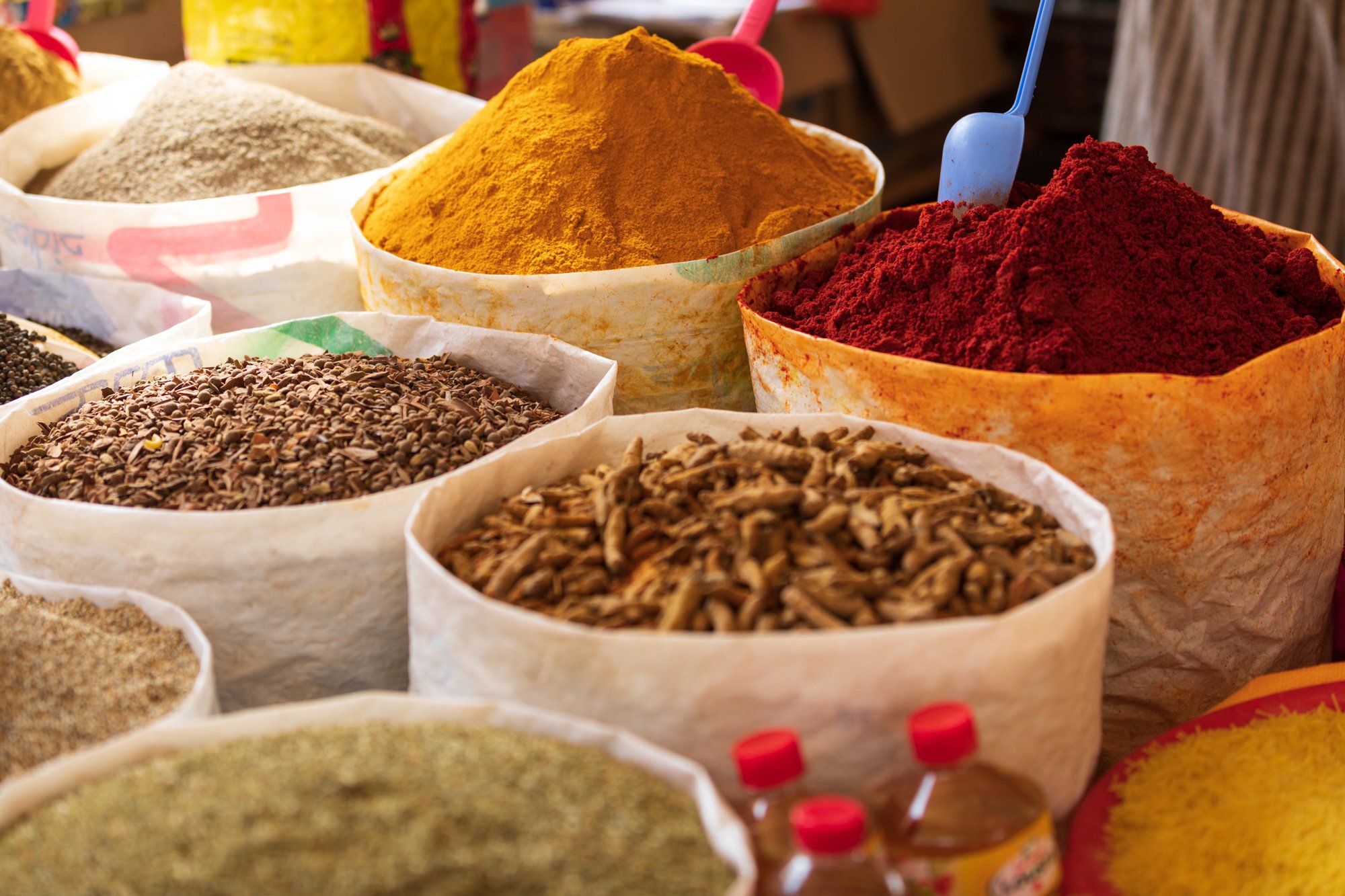
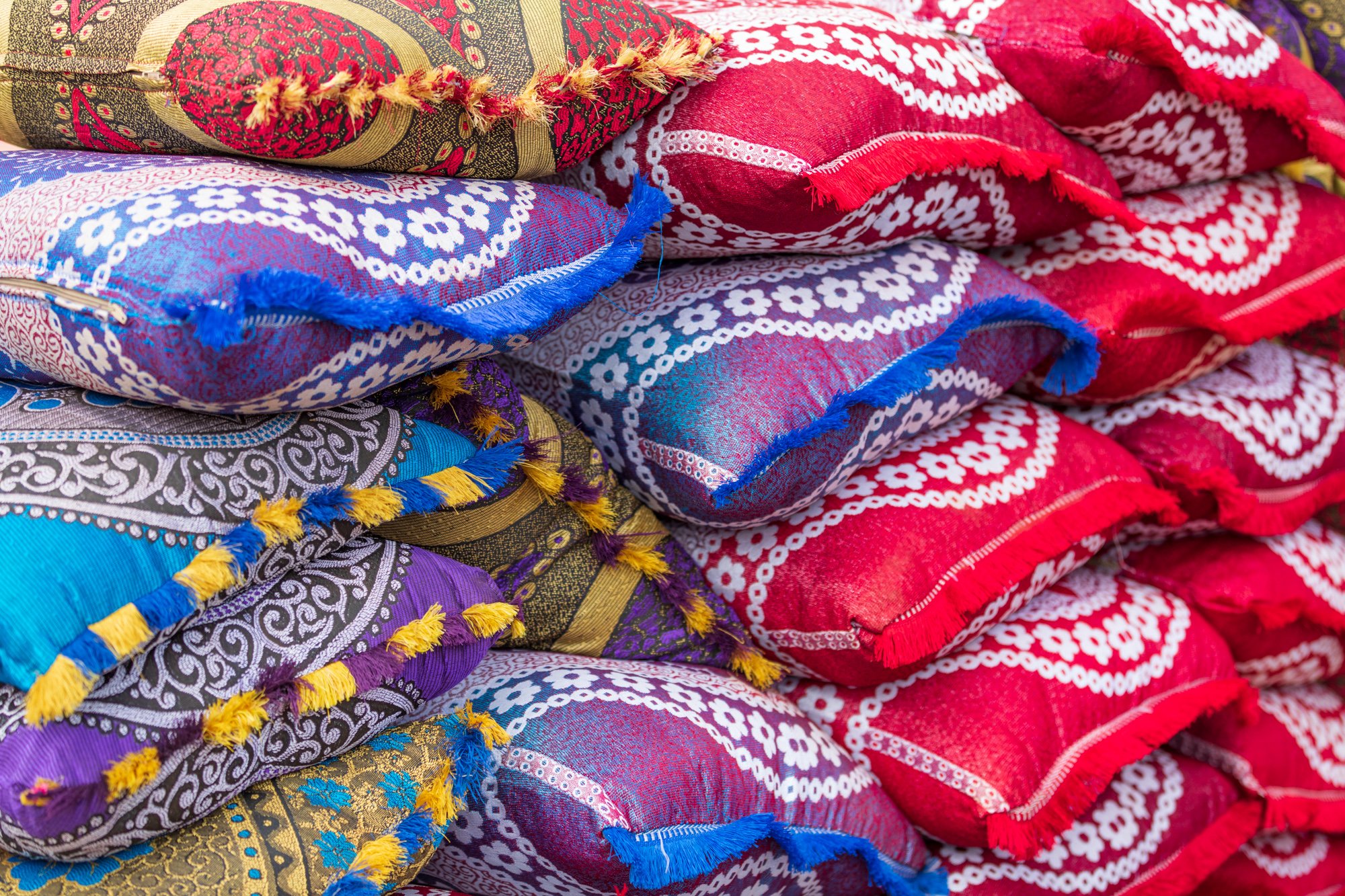
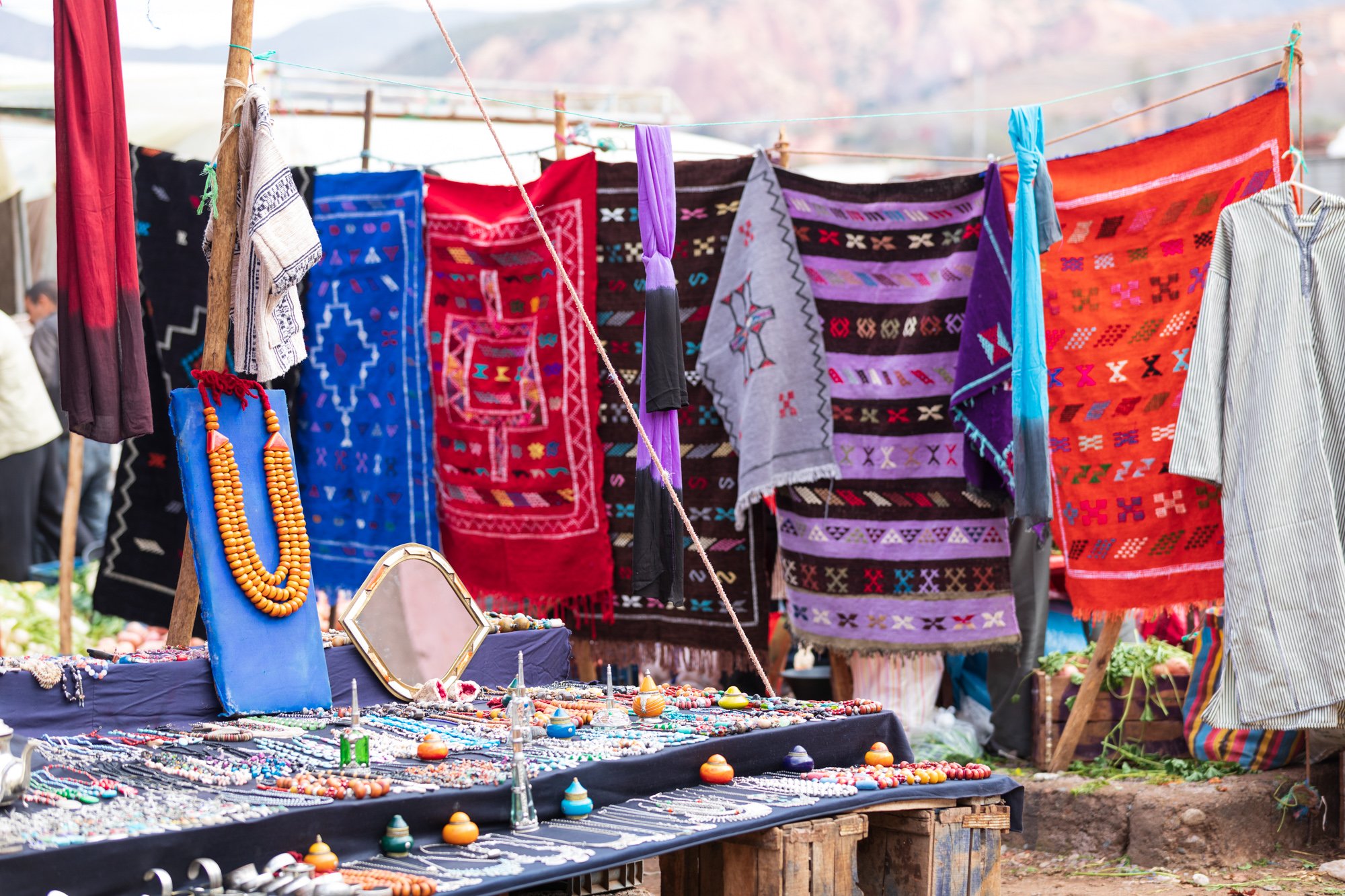
Berber families move down from the mountains by donkeys and mules to the market.
Berber Carpet and Craft Shops in Asni
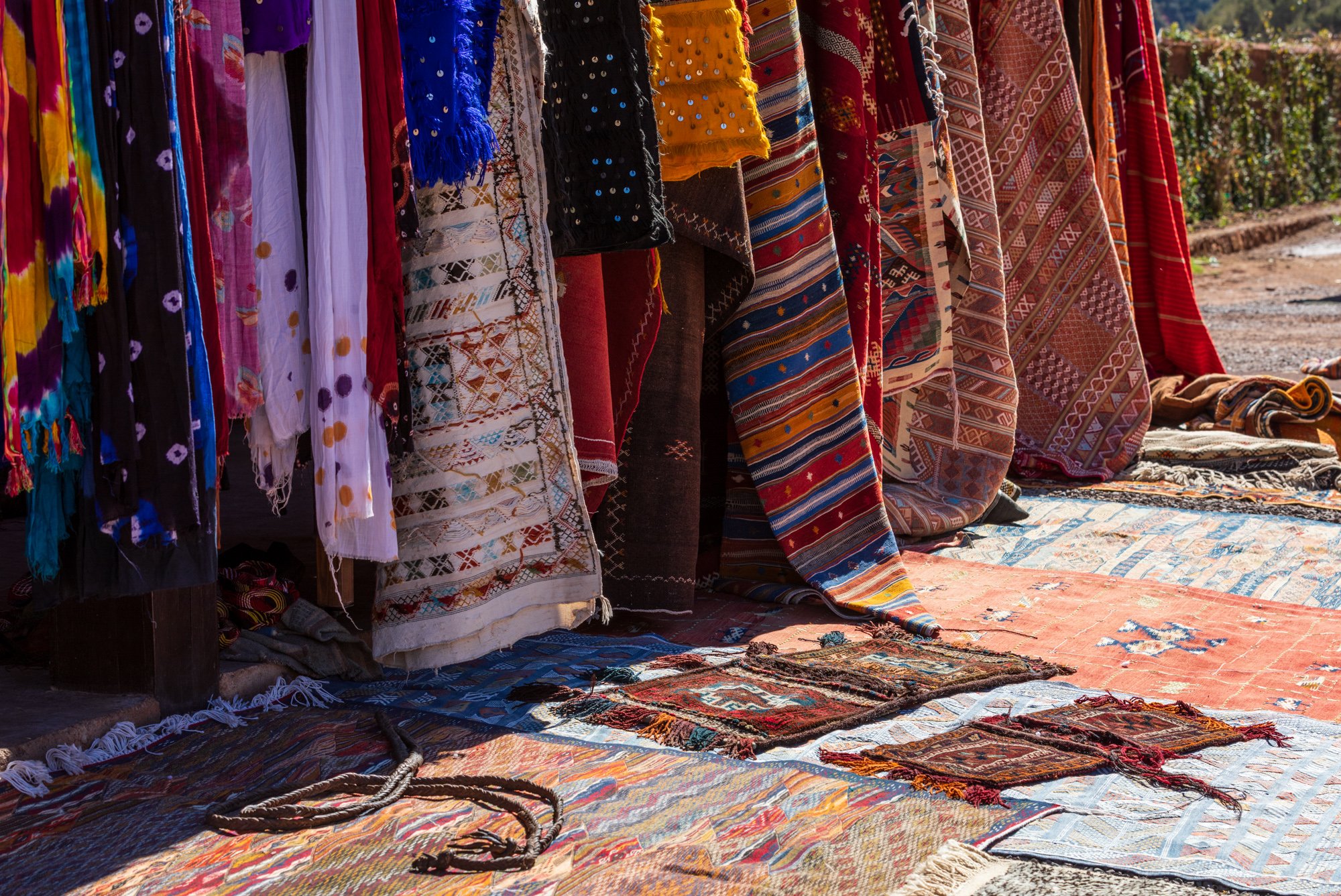
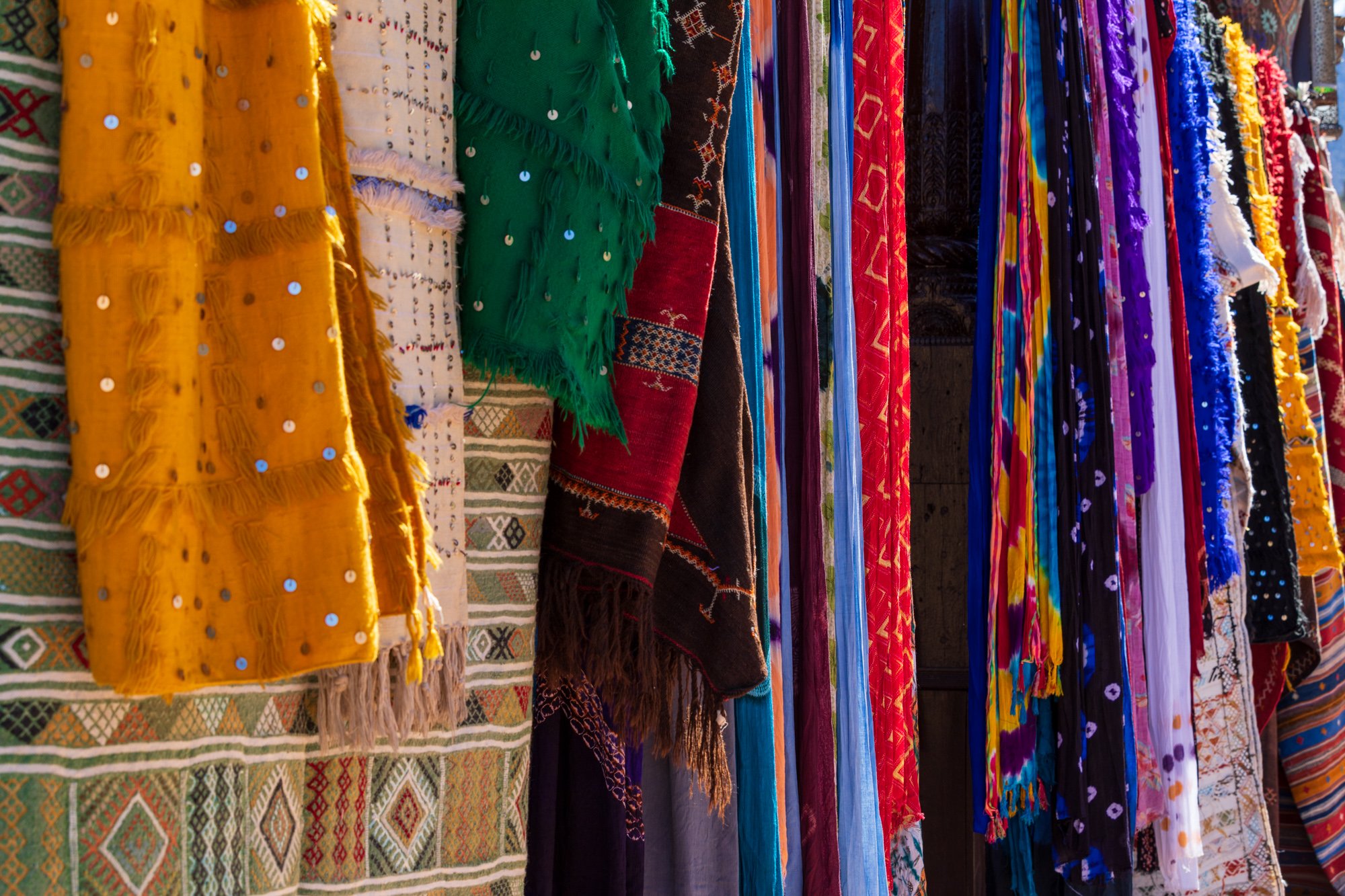
The carpet traders in and around Asni village offer a different kind of photography opportunity. The interiors of these shops, filled with stacked rugs in every color and pattern, make for graphic and textural compositions that reward a wide angle.
The artisans are generally proud of their work and welcoming to photographers who show genuine interest. Buying something, even a small item, is appropriate when you plan to photograph extensively.
📷 Pro Tip: Use the 15 to 35mm wide inside the carpet shops to capture the full chaos of stacked rugs and hanging textiles from a low angle. The depth of color in woven Berber carpets reproduces beautifully in even light; avoid direct flash. Position yourself to include the carpet trader in frame as an anchor point. Ask before you shoot. This is not a gallery. It is someone's livelihood.
Best time: Anytime during business hours. Saturday is busiest. Access: Free entry; purchases appreciated.
The Asni Valley Road
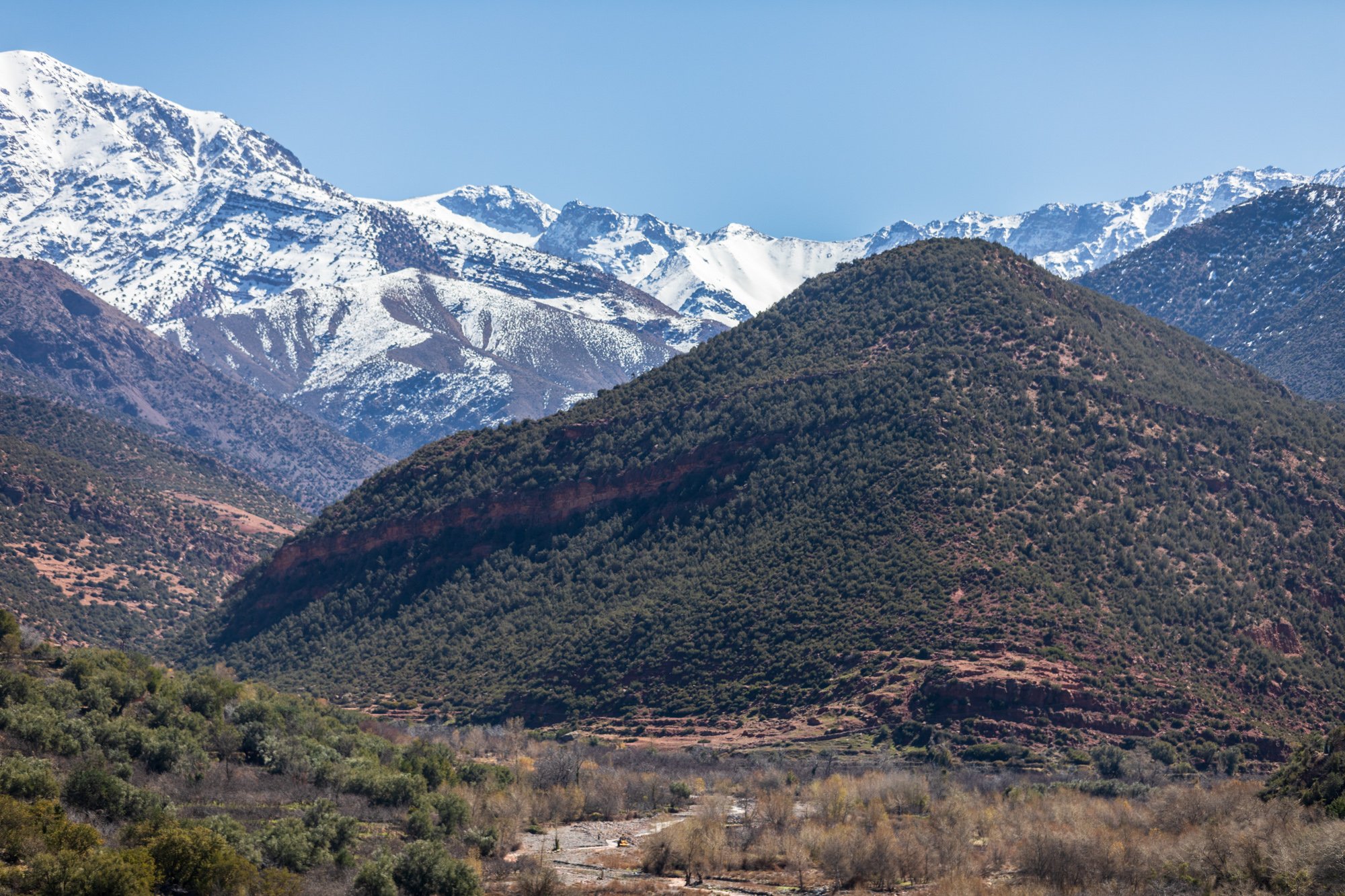
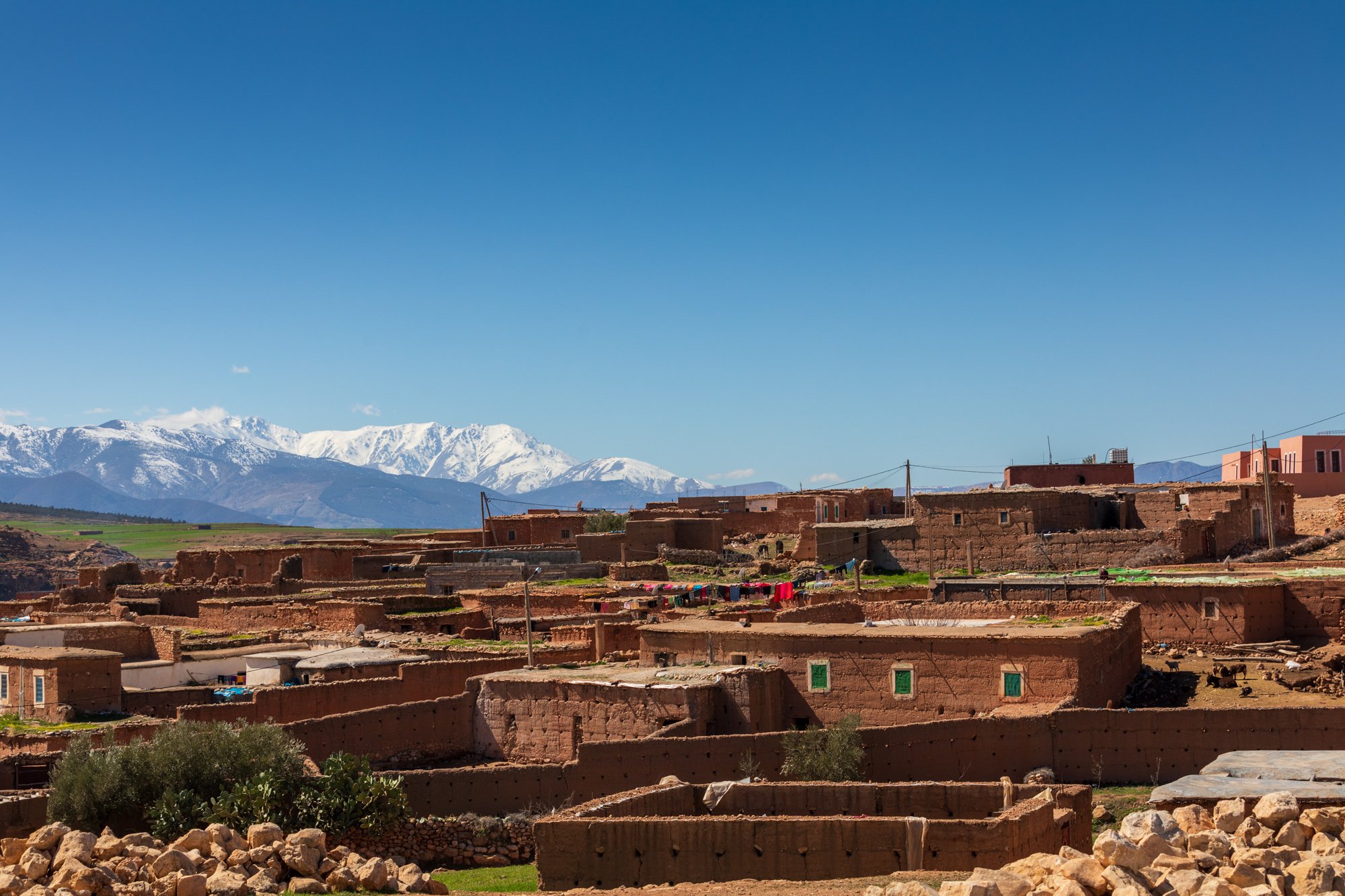
The road between Marrakech and the village of Asni passes through a series of dramatic landscape shifts. As you gain elevation, the plains give way to terraced hillsides, stone villages, and eventually open mountain scenery with long sight lines in every direction.
Stop the car. Frequently. The roadside viewpoints above the valley are some of the best landscape compositions in the area, and most travelers drive past them without stopping. Look for the moments where the road curves and the valley drops away below you. Those curves are your foreground.
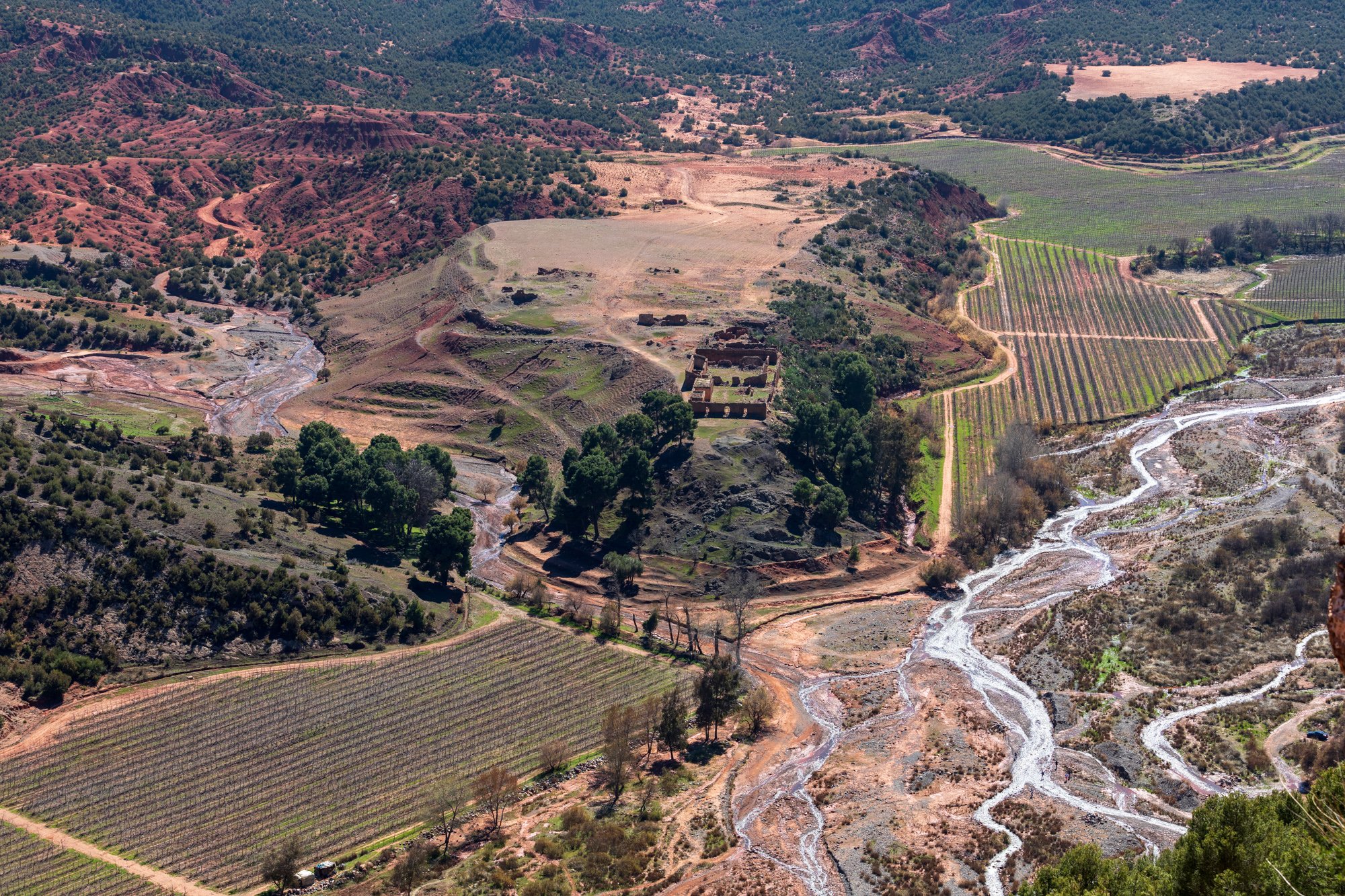
The road continuing past Asni toward the village of Imlil climbs deeper into the High Atlas and passes through some of the most photographically compelling terrain in Morocco. Stone villages cling to ridgelines. Terraced farms step down toward river valleys. The scale of the peaks grows the further you go.
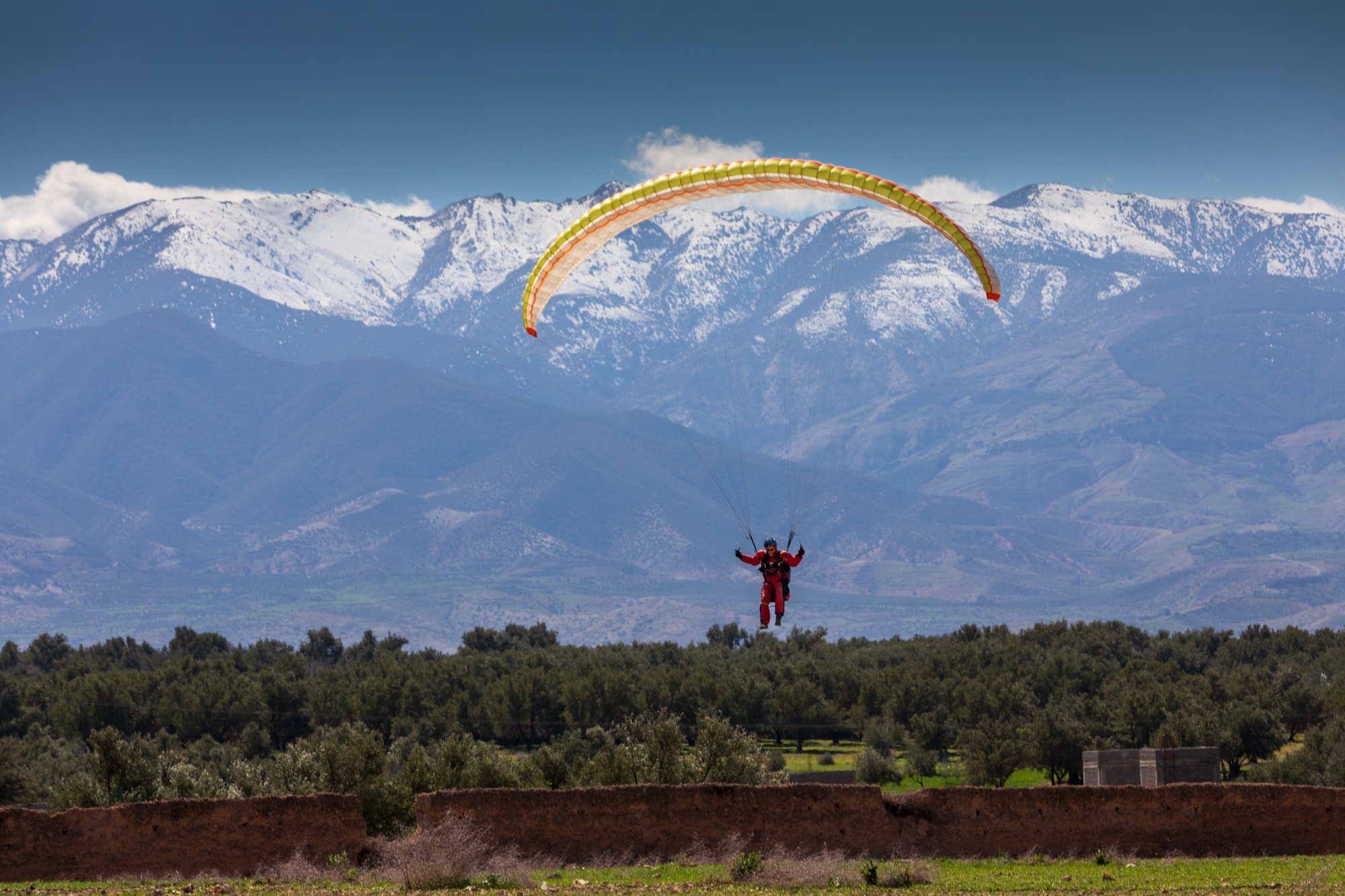
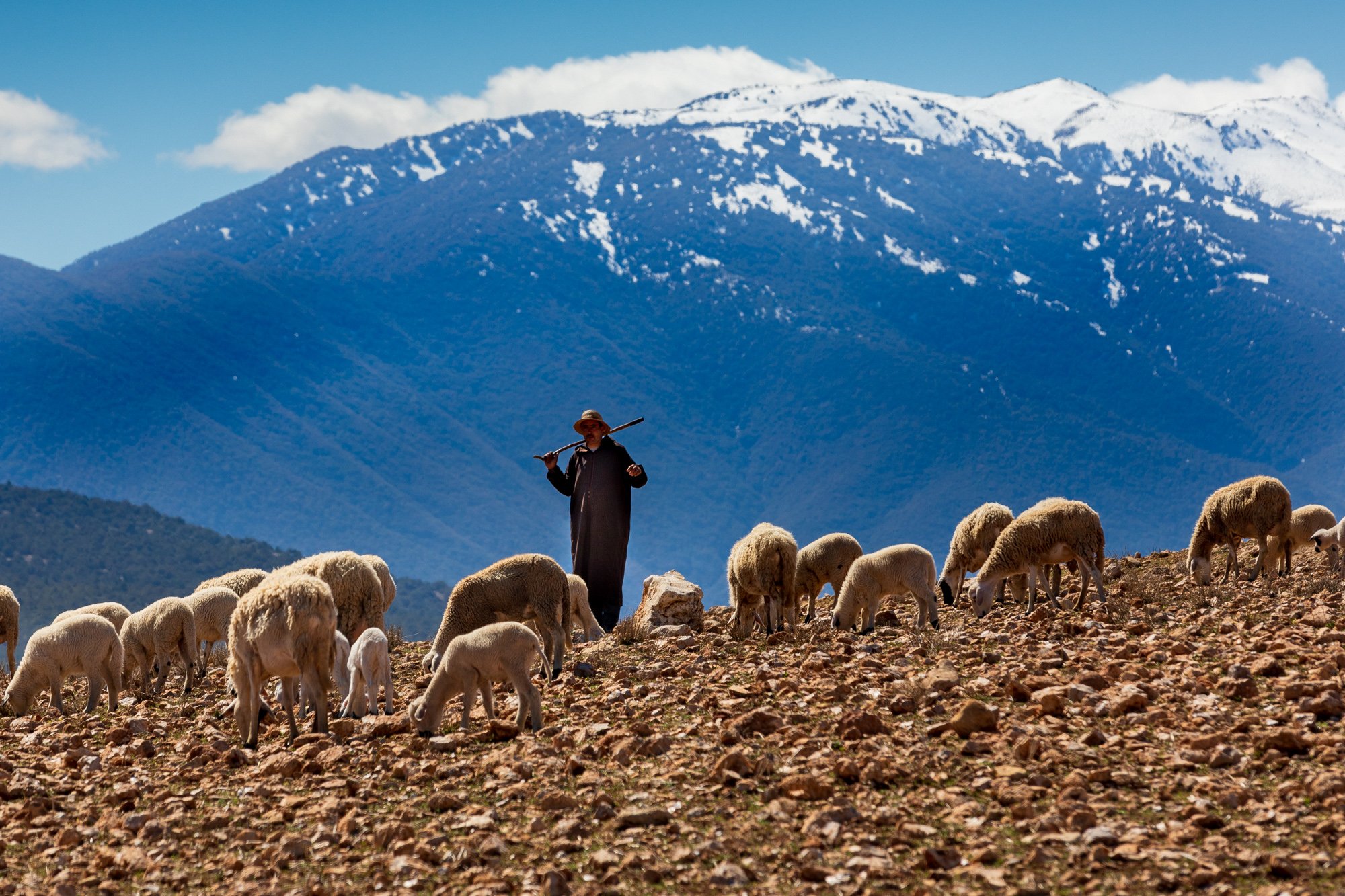
Along the way, you will see farmers with sheep, paragliders launching from higher slopes, and the kind of agricultural landscape that has not changed in centuries. This is not a curated experience. It is simply what life looks like here.
📷 Pro Tip: The best roadside landscape shots happen in the first and last two hours of daylight. Midday light in the mountains is harsh and flat. If you are doing a valley drive, leave the hotel at sunrise and do your shooting before 10am, or start at 4pm and shoot through golden hour. A 70 to 200mm is ideal for compressing the terraced hillsides and pulling distant villages into the frame. Pull over at any point where a dirt track branches off the main road; these often lead to small clearings with unobstructed valley views.
Best time: Sunrise drive or late afternoon. Access: Free, requires vehicle.
Festivals & Events
Imilchil Marriage Festival (September) is one of the most culturally significant events in the High Atlas and takes place annually in the village of Imilchil, further east in the mountains. Berber families gather from surrounding areas for a traditional festival that includes a marriage market, music, traditional dress, and communal celebration. This is a genuine cultural event, not a tourist production. Approach with respect, dress modestly, and ask before photographing individuals. The festival attracts some foreign visitors but remains rooted in Amazigh tradition. [VERIFY: current access and logistics for non-local visitors before planning around this event]
Almond Blossom Season (February to March) is not a formal festival but deserves mention because it transforms the lower mountain valleys. The blossoming of almond trees along the road to Asni creates a brief window of pink and white against the brown winter hillsides. This is one of the most painterly and unexpected photography opportunities in Morocco, and most visitors miss it entirely because they go in summer.
Rose Festival in El Kelaa M'Gouna (May) takes place in the Dadès Valley, roughly four hours east of Marrakech, but is worth noting for anyone extending their Morocco trip. The rose harvest in this region produces much of the world's rose water and oil. The festival includes parades, music, and markets overflowing with rose products. Photographically, the fields in bloom before the harvest are the real prize.
Ramadan shifts annually based on the lunar calendar. If your visit coincides with Ramadan, be aware that the rhythm of life in mountain villages changes significantly. Some restaurants and services operate reduced hours. The end of Ramadan, Eid al-Fitr, is a genuinely joyful celebration worth witnessing if you are there for it.
Frequently Asked Questions About Visiting the Atlas Mountains
Do you need a car to visit the Atlas Mountains?
Yes, if you want to explore beyond the immediate hotel area. A rental car or hotel-arranged driver is essential for roadside viewpoints, valley drives, and reaching villages beyond Asni.
How far are the Atlas Mountains from Marrakech?
About an hour by car. The drive itself is part of the experience, city noise fades quickly into cooling air and dramatic mountain scenery within about 20 minutes.
Is it worth staying overnight, or is a day trip enough?
Stay overnight. A day trip means arriving as part of a tour group in flat midday light, missing the sunrise and golden hour conditions that make the photography here worthwhile. Two to four nights is the right range.
What are the best photo spots in the Atlas Mountains?
The hotel terrace at sunrise for the valley and Mount Toubkal, the Saturday souk in Asni for authentic market life, and the roadside viewpoints along the Asni Valley road are three worth prioritizing. The full list with Pro Tips is above.
Can you fly a drone in the Atlas Mountains?
Yes, in rural areas, but you must register with the Moroccan Civil Aviation Authority (ANAC) first. Enforcement has increased near UNESCO sites and military installations, so verify current permissions before you pack one, and never fly over villages or the souk without explicit local consent.
What surprised you most about photographing the Atlas Mountains?
A small custom at the Saturday souk: when someone buys a tagine, the vendor places a tomato on top to mark it as sold. It's such a small, simple gesture, but it makes a clean, graphic image that tells a whole story about how the market actually works.
When do the almond trees bloom?
February through March. It's not a formal event, but it transforms the lower valleys into bursts of pink and white against the brown hillsides, and most visitors miss it entirely because they travel in summer.
Is the Saturday souk in Asni different from Marrakech's markets?
Yes, noticeably. It's less theatrical and more practical, real commerce for local families rather than a tourist-facing experience. Hiring a guide through your hotel makes a real difference here, turning you from an observer into part of the scene.
Final Thoughts
After the relentless sensory intensity of Marrakech, arriving in the mountains feels like exhaling. The scale is quieter. The pace is slower. The people are more reserved and more genuine for it. And the photography, precisely because it is harder to find and less obvious, feels more earned.
We stayed three to four nights, and it was the right call. One night would have felt like a tease. Two would have been just enough. Three gave us time to slow down, to shoot the same mountain view at sunrise twice and see how different it looked on different mornings, to do the souk without rushing, and to spend an afternoon doing nothing in particular except sitting on the terrace watching the light move across the valley.
The light at dawn on the peaks, the souk on Saturday morning, the mint tea on a terrace with Mount Toubkal on the horizon. These are the images that stay with you long after the more predictable shots from the Medina have faded.
If you are already planning a trip to Marrakech, carve out at least three nights in the mountains. The extra time is what turns a nice experience into a memorable one.
Follow along on Instagram (@chasinghippoz), Facebook, and subscribe to the newsletter for more travel photography guides, behind-the-scenes dispatches, and updates from wherever I am pointing a camera next. Also, keep an eye on my website for my new workshops.
Explore More of Morocco and Africa
My Photography & Travel Guide to Marrakech, Morocco is the natural companion to this guide. Spend four or five days in the Medina first, shoot the souks and rooftops, then escape to the mountains. The contrast between the two experiences is part of what makes Morocco so compelling.
My Photography & Travel Guide to Cape Town, South Africa shares a similar dynamic with the Atlas Mountains, where dramatic mountain scenery sits just outside a major city. Table Mountain and the Winelands offer the same combination of landscape and culture that makes the High Atlas so rewarding.
My Photography & Travel Guide to Kenya Safari takes you further into Africa for an entirely different kind of mountain and landscape photography. If Morocco has given you a taste for dramatic African scenery, Kenya is the logical next chapter.
Finally—a beginner-friendly photography guide that makes sense.
If you've ever picked up a camera and thought, "Now what?" this is the book for you.
Photography Made Simple is written for adults who are just starting out and want a clear, encouraging, real-world approach to learning photography. Whether you're using a DSLR, mirrorless, or just your smartphone, this guide walks you through the basics—without the jargon or tech overwhelm.
Inside, you'll learn:
The only camera settings you really need to know to get started
How to shoot sharper, more intentional photos using light and composition
Simple tips for portraits, landscapes, travel, and everyday life
What gear you do (and don’t) need
How to create better photos without upgrading your camera
You’ll also get practical exercises, cheat sheets, and tips for organizing and editing your images—plus the confidence to shoot off Auto Mode for good.
This is not a textbook. It’s a friendly guide to seeing the world with fresh eyes—and finally capturing what you see the way you imagine it.
📸 Format: PDF download
Pages: 100+
Perfect for: Beginners, hobbyists, and anyone ready to take better photos without the stress
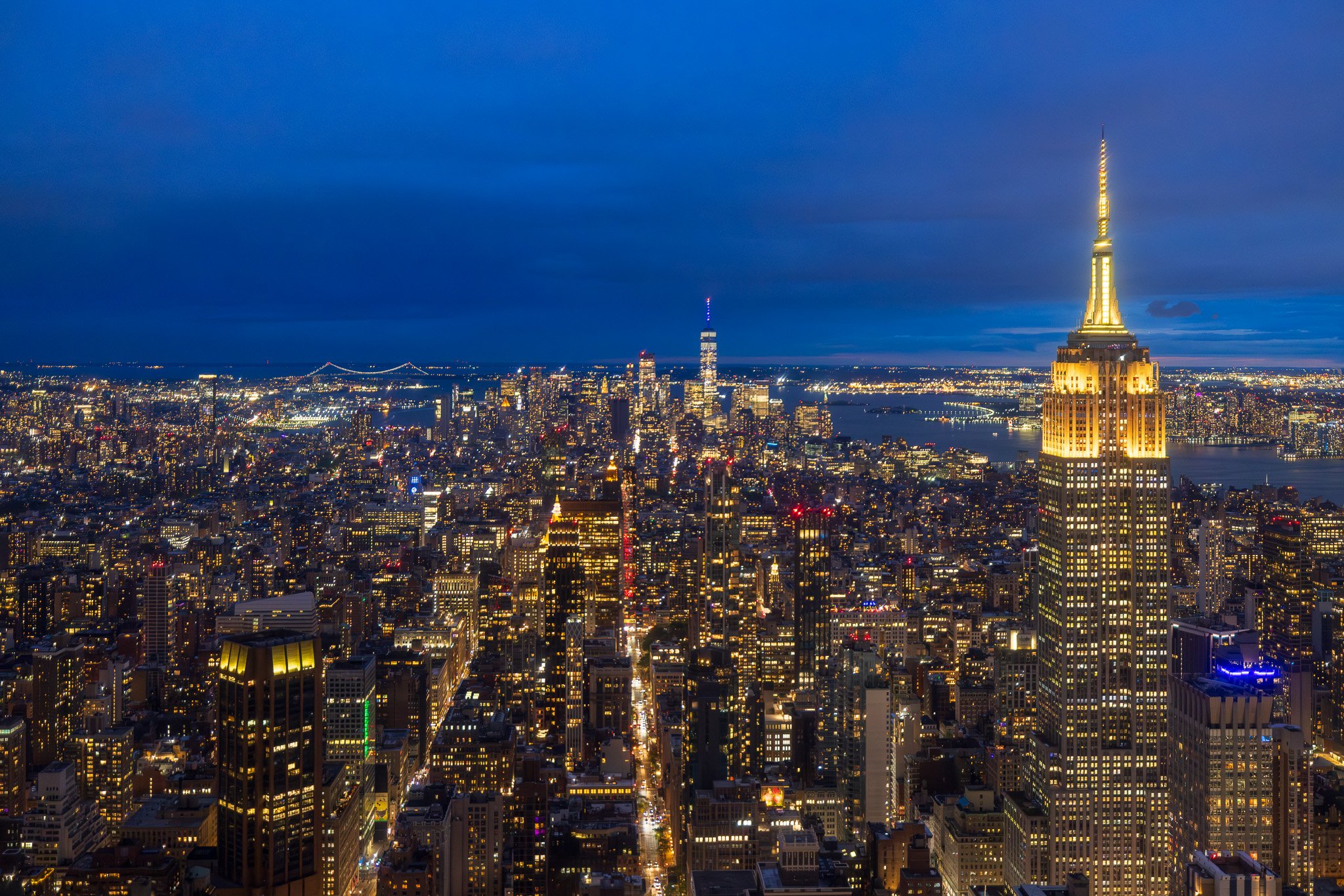
✈️ Travel Photography Planning Sessions
One-on-One Trip Planning with a Professional Travel Photographer
Don’t miss the shot. Let me help you plan for it.
Overview
Planning a photography-focused trip can be overwhelming. From figuring out the best places to shoot, to when the light is just right, to knowing which lens to pack — there are a lot of decisions to make.
This one-on-one Zoom session is your chance to get personalized travel photography advice from someone who’s spent the past 25 years exploring cities, coastlines, and wild places around the world — camera in hand.
Whether you're headed to Paris, Patagonia, Tokyo, or Tuscany, I’ll help you make sure your photography trip is well-planned and creatively inspired, so you come home with the images you dreamed of (and then some).
What’s Included
✅ Photography Location Planning
I’ll help you create a customized itinerary of the best photo spots, including off-the-beaten-path gems and iconic views.
✅ Best Times to Shoot
Get expert advice on lighting, golden hour, blue hour, and seasonal conditions for each location.
✅ Gear Recommendations
Not sure whether to bring the telephoto or the prime? We’ll walk through your gear and make sure you’re bringing the right tools for your destination and style.
✅ Hotel and Base Recommendations
Stay where it’s convenient for sunrise shoots and late-night strolls with your camera. I’ll recommend hotels that are photographer-friendly and well-located.
✅ Custom Travel Tips
From sunrise entry times to tripod rules at major landmarks, you’ll get insider tips to save time, avoid tourist traps, and make the most of your trip.
Who It’s For
This service is for anyone who:
Is planning a trip and wants to prioritize photography
Wants expert insight on the best places to shoot and how to get there
Is tired of missing the shot because of poor planning or bad timing
Is a beginner, enthusiast, or professional photographer looking for guidance before a trip
How It Works
Book a Session
Choose a time that works for you and tell me where you're headed.Share Your Plans
You’ll fill out a quick questionnaire so I know your travel dates, interests, and photography style.One-on-One Zoom Call (60 minutes)
We’ll meet via Zoom and walk through your trip together — from location ideas to gear and timing. You'll leave with a custom PDF full of notes and suggestions.Follow-Up Support
Get one round of email Q&A after your session to clarify anything as your plans evolve.
Why Work With Me?
I’ve spent the last 25 years photographing the world — from major cities to remote islands. I know what it’s like to travel and shoot under pressure, and I love helping people get the most out of their trips. This is not just about hitting “popular spots” — it’s about crafting a creative and efficient plan tailored to your trip, your gear, and your goals.
Pricing
$125 / Session
Includes:
60-minute Zoom call
Custom PDF summary with photography spots, gear tips, and travel recommendations
One follow-up email with additional Q&A
Introductory rate available through September 2025
Ready to Plan Your Trip?
Let’s make sure you’re ready — so when the light is perfect, you’re in the right place with the right gear.
Questions?
Please email me at vito@chasinghippoz.com if you're not sure whether this is right for you. I'm happy to chat.