My Photography & Travel Guide to Saint Louis, Missouri
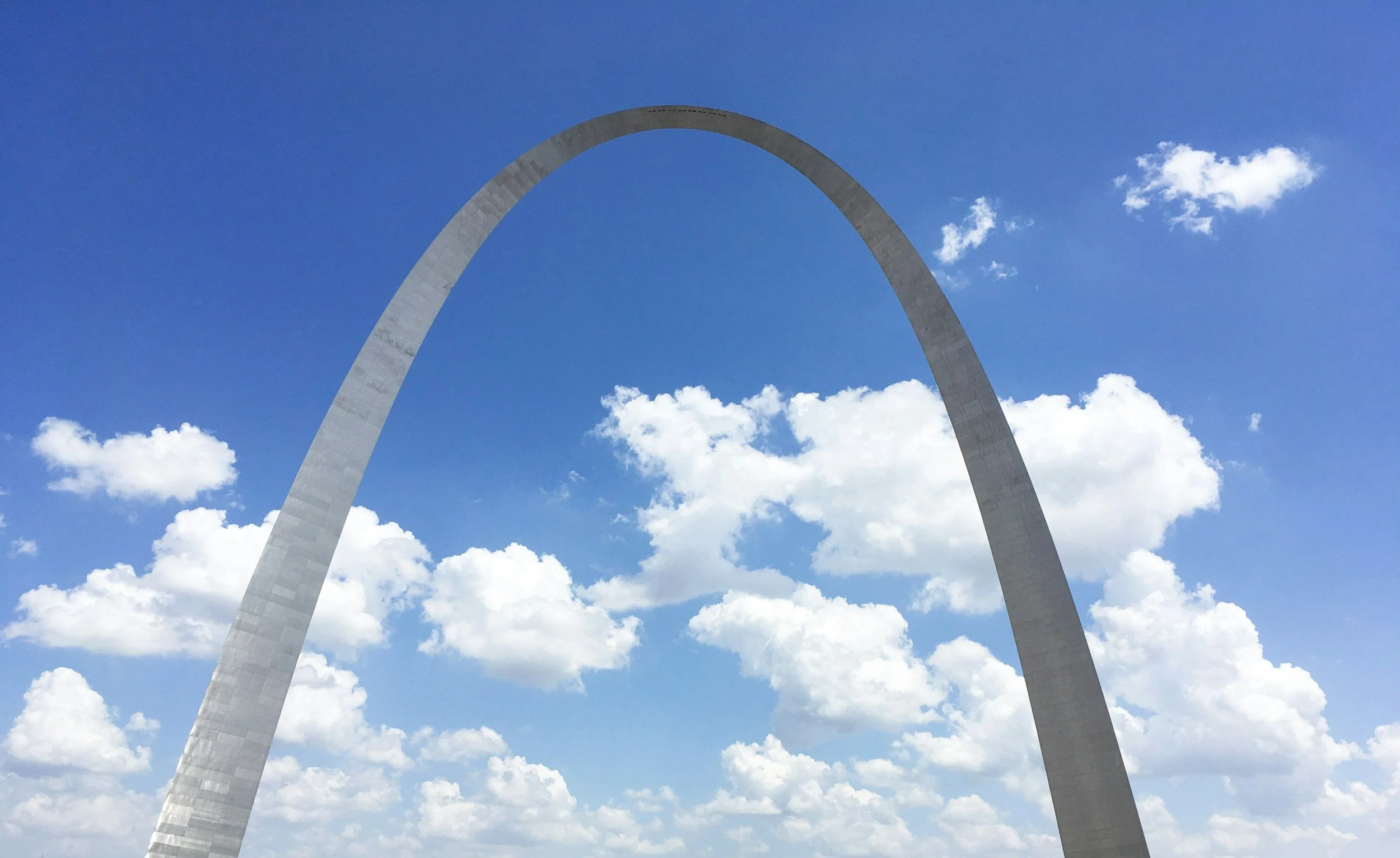
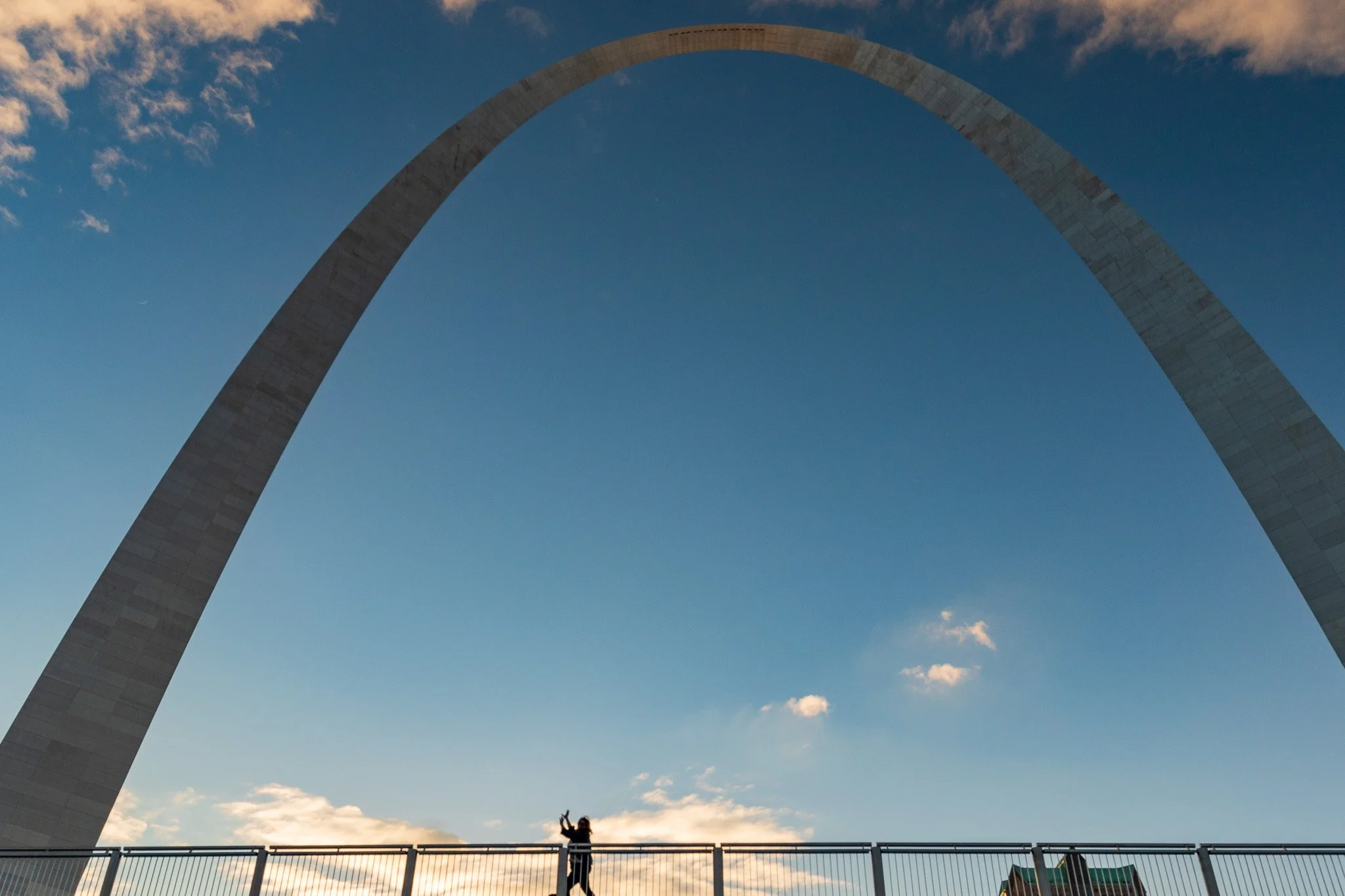
It may not shout for attention like New York or Chicago, but St. Louis rewards travelers who arrive curious. Yes, you have seen photos of the Gateway Arch. It is iconic for a reason. The clean stainless steel curve rising above the Mississippi River is one of the most striking architectural statements in the country. But the Arch is only the beginning.
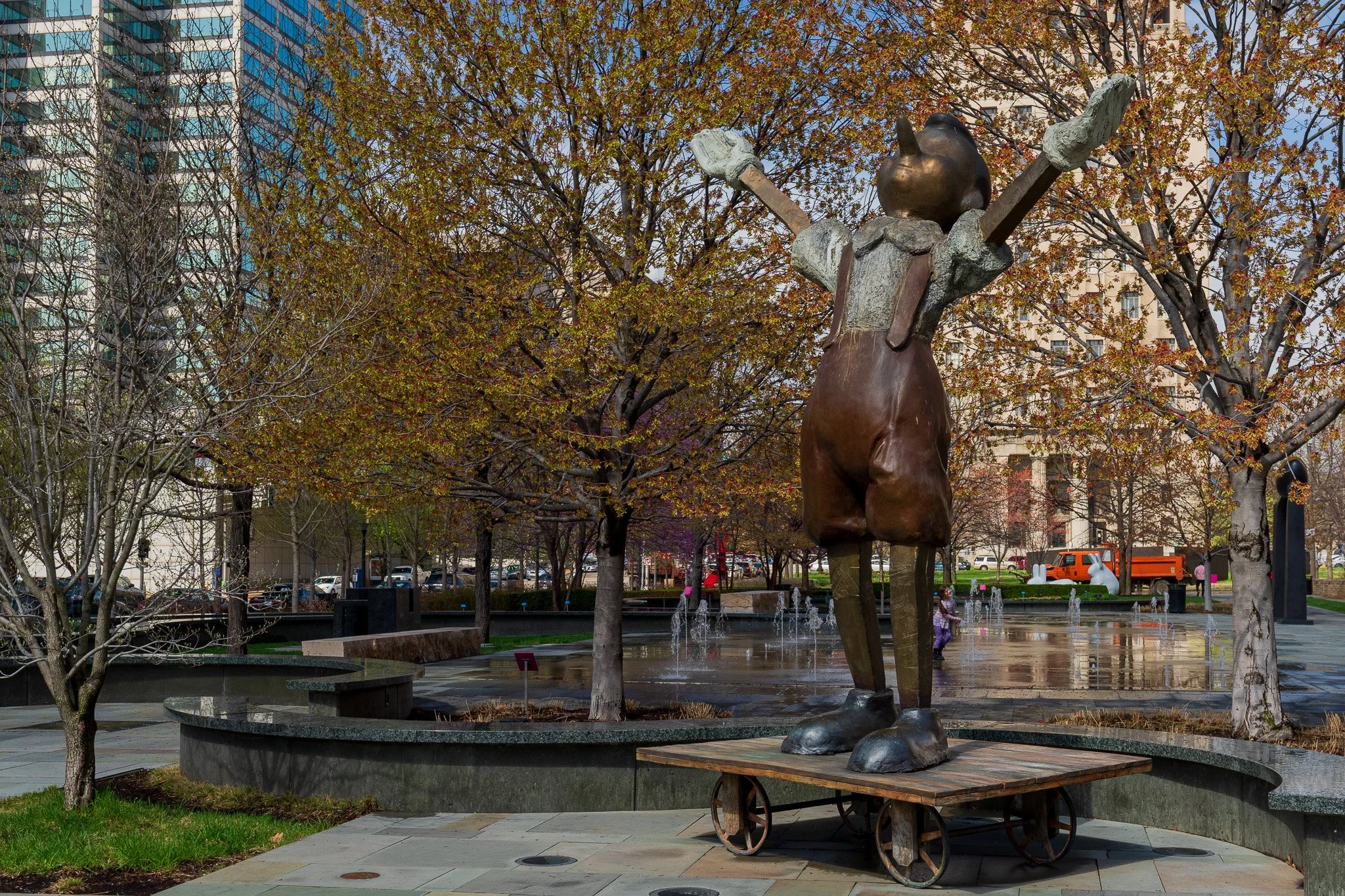
Downtown, you will find sculptures, fountains, and public art scattered between historic buildings and modern lines. It feels like a creative scavenger hunt. For photographers, there are leading lines everywhere. Reflections in glass towers. Strong geometry. Unexpected juxtapositions between old brick warehouses and contemporary design.
Music runs deep here. This is the hometown of legends like Miles Davis and Chuck Berry. Jazz clubs and live music venues still pulse with that heritage. Add in smoky barbecue, neighborhood taverns, and a genuine Midwestern warmth, and you have a city with soul.
St. Louis is layered. Historic yet forward-looking. Gritty yet graceful. Underrated yet unforgettable.
In this guide, I will share my best tips on where to stay, what to eat, and most importantly, where to photograph so you can experience the city beyond the obvious.
Where to Stay
Downtown St. Louis – Best for First Time Visitors
If this is your first trip to St. Louis, downtown is the smartest place to stay.
You will be within walking distance of the city’s most iconic landmarks, including the Gateway Arch, Busch Stadium, and the wonderfully eccentric City Museum.
Downtown also offers easy access to historic architecture, public art, and a growing restaurant scene. For photographers, this area delivers strong lines, dramatic perspectives of the Arch at different times of day, and beautiful riverfront light at sunrise.
It is highly walkable, especially around the Arch grounds and Washington Avenue. You can step outside early, shoot the city before it wakes up, grab coffee nearby, and continue exploring without needing a car.
Downtown is ideal for sightseeing, business trips, sporting events, and anyone who wants to be in the center of the action. It gives you a practical base while still offering plenty of character.
Luxury Hotels
Four Seasons Hotel St. Louis - Located near the Mississippi River, this hotel offers luxurious rooms with stunning views of the Gateway Arch.
The Ritz-Carlton, St. Louis - Situated in the Clayton area, this hotel combines elegance with modern amenities and excellent service.
The Chase Park Plaza Royal Sonesta St. Louis - A historic hotel in the Central West End, offering luxury accommodations and a touch of old-world charm.
Mid-Level Hotels
The Moonrise Hotel - Located in The Loop, this boutique hotel is known for its unique decor and vibrant atmosphere.
Drury Plaza Hotel St. Louis at the Arch - Just steps away from the Gateway Arch, this hotel offers comfort and convenience at a reasonable price.
Hampton Inn & Suites St. Louis at Forest Park - Ideal for families, this hotel is located near Forest Park and offers excellent amenities.
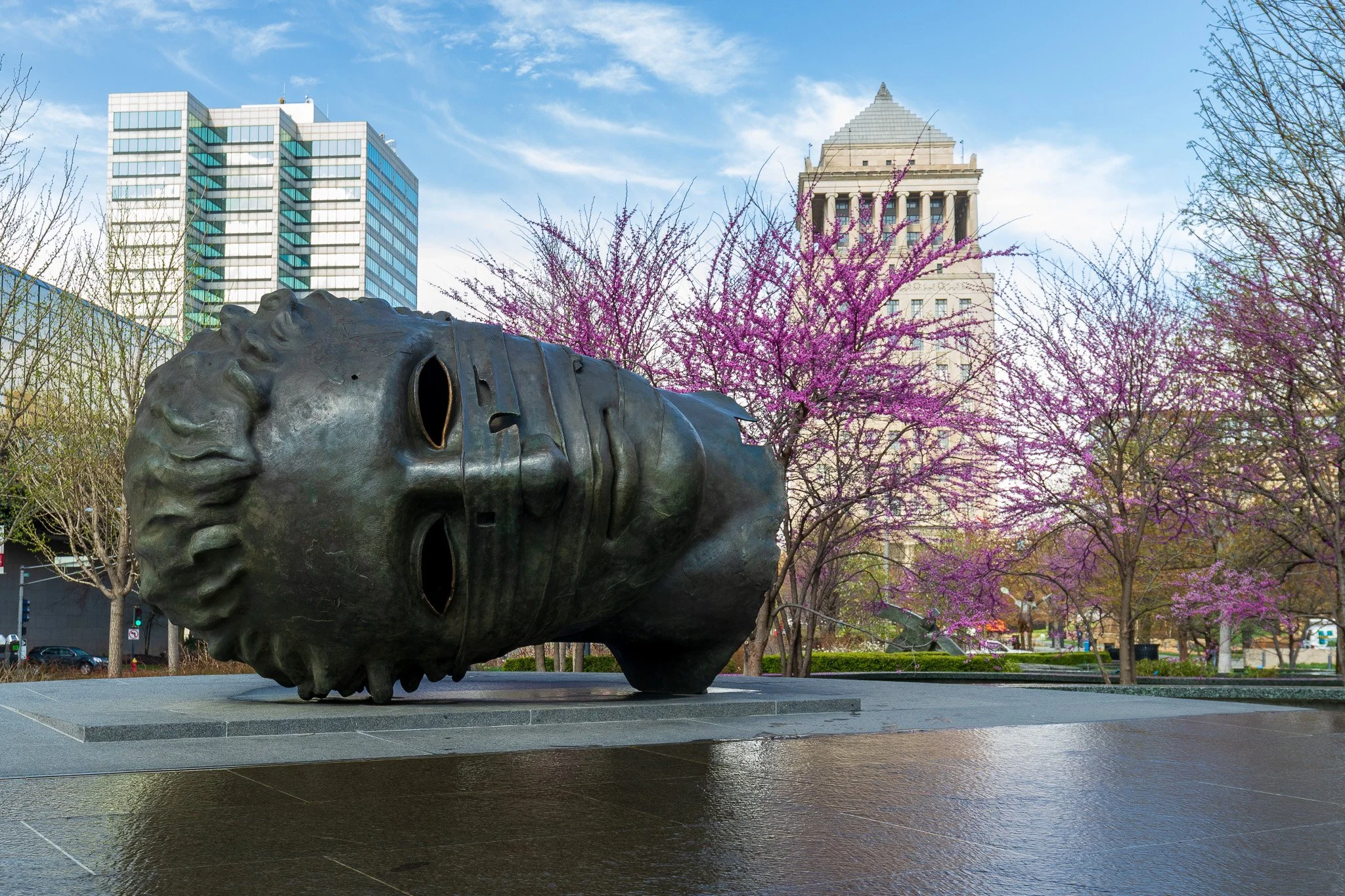
The Downtown has tons of sculptures
How Long Should I Stay?
To truly experience St. Louis, plan for at least 2 to 3 days.
That gives you enough time to visit the Gateway Arch, explore neighborhoods beyond downtown, and experience the city after dark when the skyline lights up along the Mississippi River.
With two to three days, you can balance iconic sights with slower moments. Wander through Forest Park. Visit a museum. Catch live music in the evening. Sit down for proper barbecue instead of rushing between attractions.
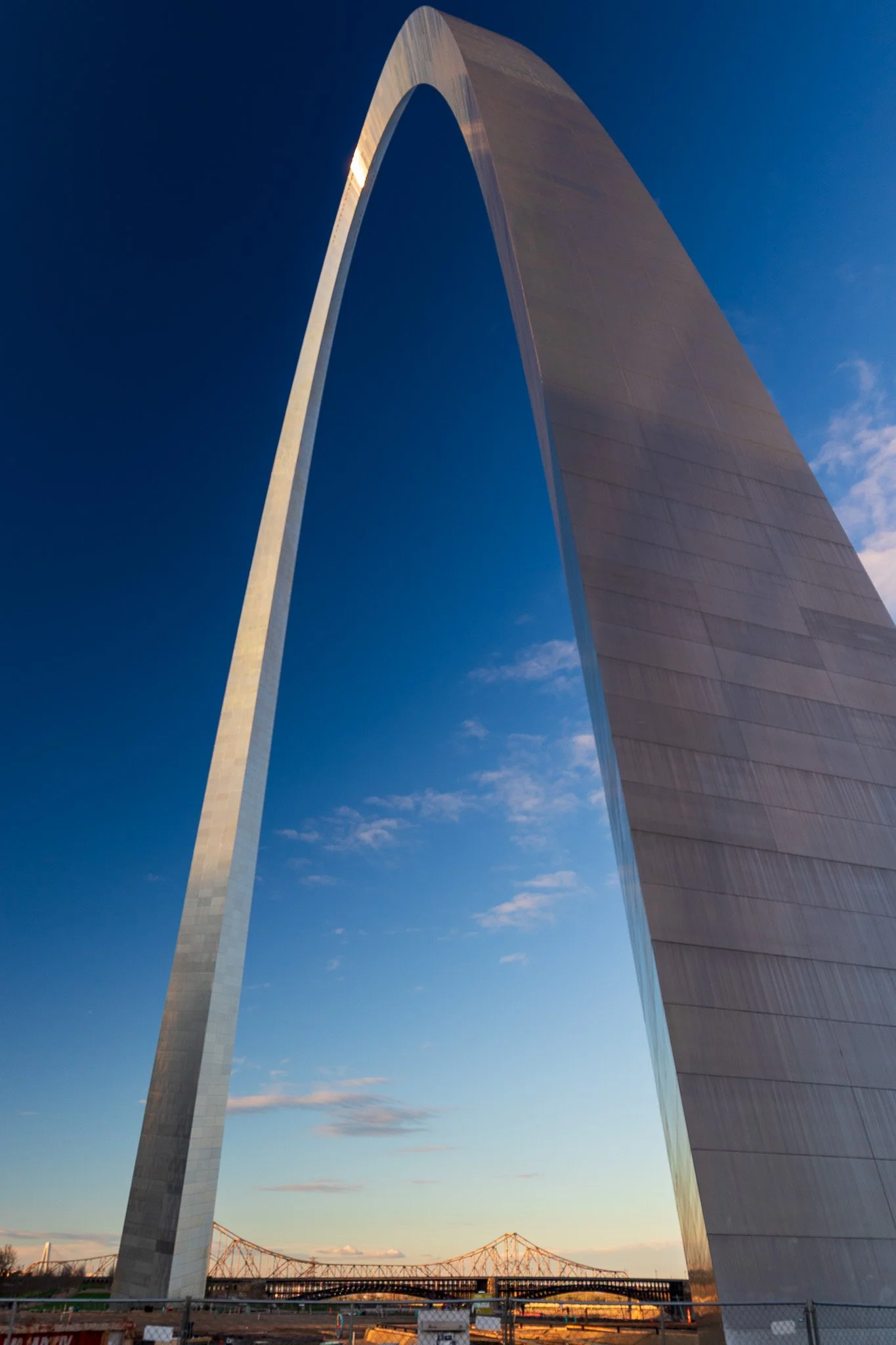
For photographers, this timeline allows for at least one full sunrise and sunset session. Light transforms the Arch and riverfront, and returning to the same location at different times of day can dramatically change your results.
St. Louis is not overwhelming in size. That is part of its appeal. A long weekend is enough to see it well, without feeling rushed.
Best Time of Year to Visit
The best time to visit St. Louis is in the spring, April through June, and in the fall, September through November.
During these months, the weather is comfortable, and the city feels energized. Spring brings blooming trees in Forest Park and along neighborhood streets, adding color and softness to your compositions. Fall delivers crisp air and warm tones that pair beautifully with the brick architecture and riverfront views.
These seasons also align with festivals, outdoor concerts, and baseball at Busch Stadium. The city feels lively without being overwhelming.
Summer can be hot and humid. Winter can be quiet and atmospheric, especially if you catch fresh snow around the Gateway Arch, but temperatures can dip significantly.
If you want the best balance of comfort, activity, and great photography light, aim for spring or fall.
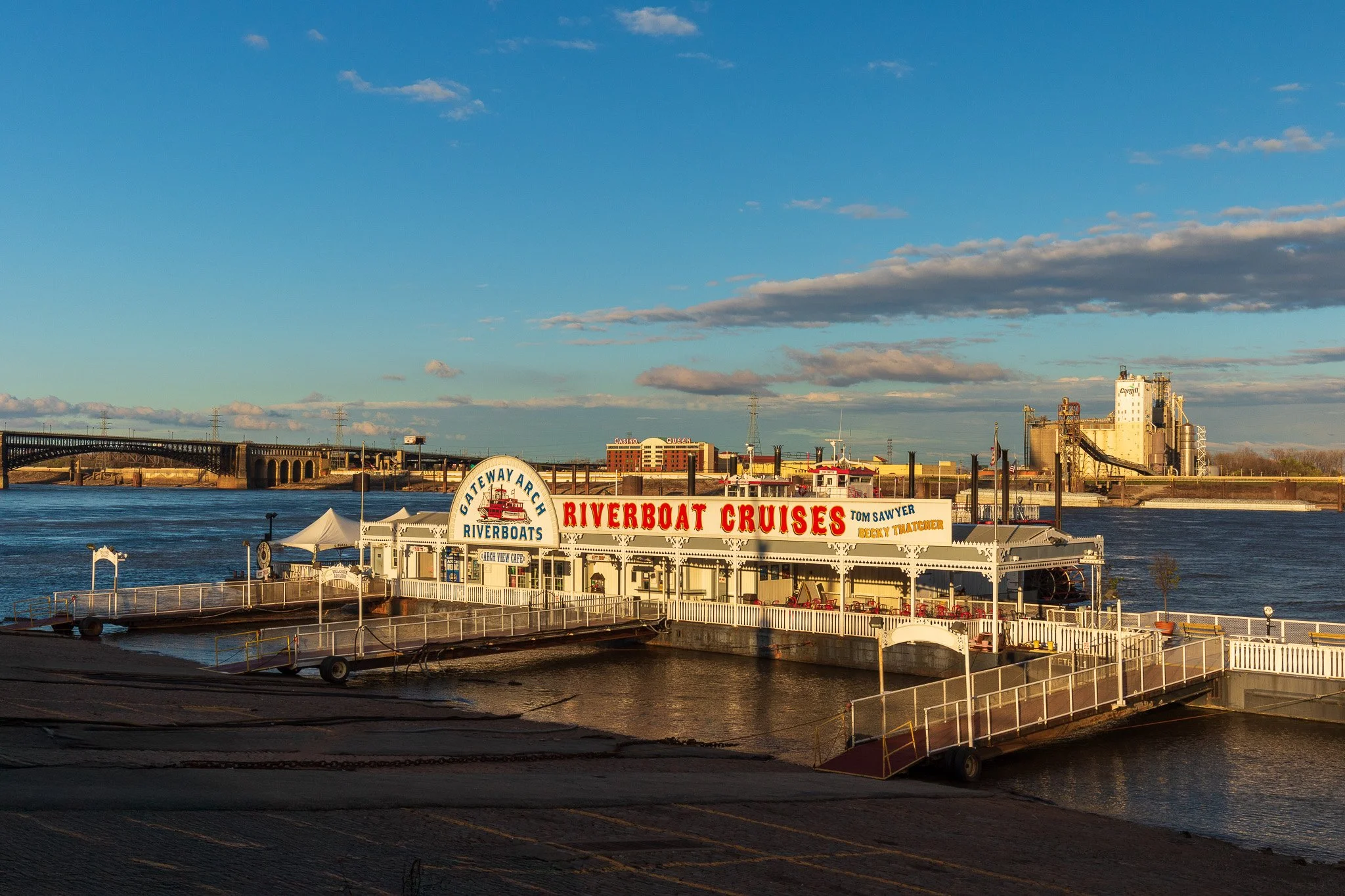
Getting Around the City
St. Louis is easy to navigate, especially if you plan ahead.
The city has a reliable public transportation system, including buses and the MetroLink light rail. MetroLink is especially convenient if you are staying downtown and want to reach areas like the Central West End or the airport without renting a car.
Uber and Lyft are widely available and often the simplest option for short distances. If you are heading out in the evening for dinner or live music, rideshare makes things effortless.
If you plan to explore beyond the city center, such as Forest Park, the Delmar Loop, or neighborhoods farther out, renting a car can be helpful. Parking is generally easier and more affordable than in larger cities.
For photographers, flexibility matters. If you want to catch sunrise at the Gateway Arch and then head to another neighborhood, having a car gives you more control over your schedule.
Where to Eat
St. Louis may surprise you with its culinary depth. The city blends Midwestern comfort with serious creativity, and the barbecue alone is worth the trip.
Here are a few standout spots.
Pappy’s Smokehouse - Famous for its mouthwatering barbecue, this place is a must-visit.
Sidney Street Café - Offers an innovative menu with a focus on local ingredients.
Tony’s - A fine dining restaurant known for its Italian cuisine and exceptional service.
Brasserie by Niche - A French bistro offering classic dishes in a cozy setting.
City Foundry STL - A food hall with a variety of culinary options, perfect for trying multiple cuisines.
Coffee Shops
Kaldi’s Coffee Roasting Co. - A local favorite known for its expertly roasted beans and inviting atmosphere.
Blueprint Coffee - Offers a great selection of artisanal coffee and a cool, laid-back vibe.
Photography Gear to Bring
When packing for Saint Louis, consider bringing the following photography gear:
Camera Models: Canon EOS R6, Sony A7 III, or Nikon Z6 II.
Lenses:
Wide-angle (16-35mm) for capturing the expansive cityscapes and architecture.
Standard zoom (24-70mm) for versatile shooting in various scenarios.
Telephoto (70-200mm) for detailed shots from a distance.
Tripod: Essential for stable shots, especially in low light or for long exposures.
Filters: Polarizing and ND filters to manage reflections and control light.
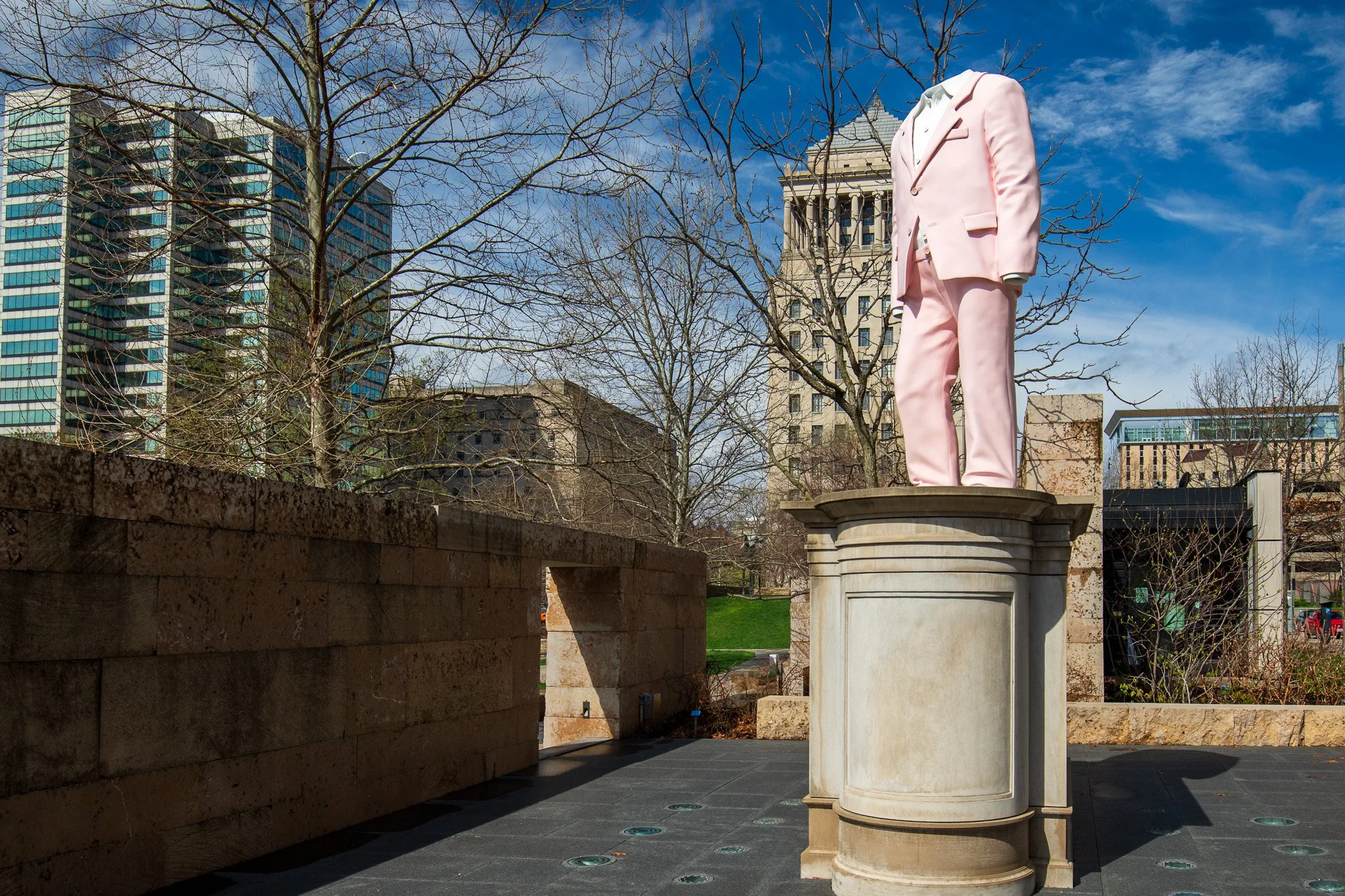
I loved the sculptures
Best Photography Locations in Saint Louis
Gateway Arch - The iconic symbol of Saint Louis, perfect for stunning skyline shots.
Forest Park - One of the largest urban parks in the U.S., offering diverse landscapes and historic buildings.
Saint Louis Art Museum - Beautiful architecture and a great spot for cultural shots.
Cathedral Basilica of Saint Louis - Known for its stunning mosaics and grand interiors.
Citygarden - An urban sculpture park that’s perfect for creative photography.
Missouri Botanical Garden - A beautiful place to capture the beauty of nature.
Union Station - Historic architecture combined with modern attractions.
Soulard Farmers Market - A vibrant spot for capturing local life and colorful scenes.
Laumeier Sculpture Park - Outdoor sculptures set in a natural landscape.
Old Courthouse - A historic building offering beautiful architecture and panoramic views from the top.
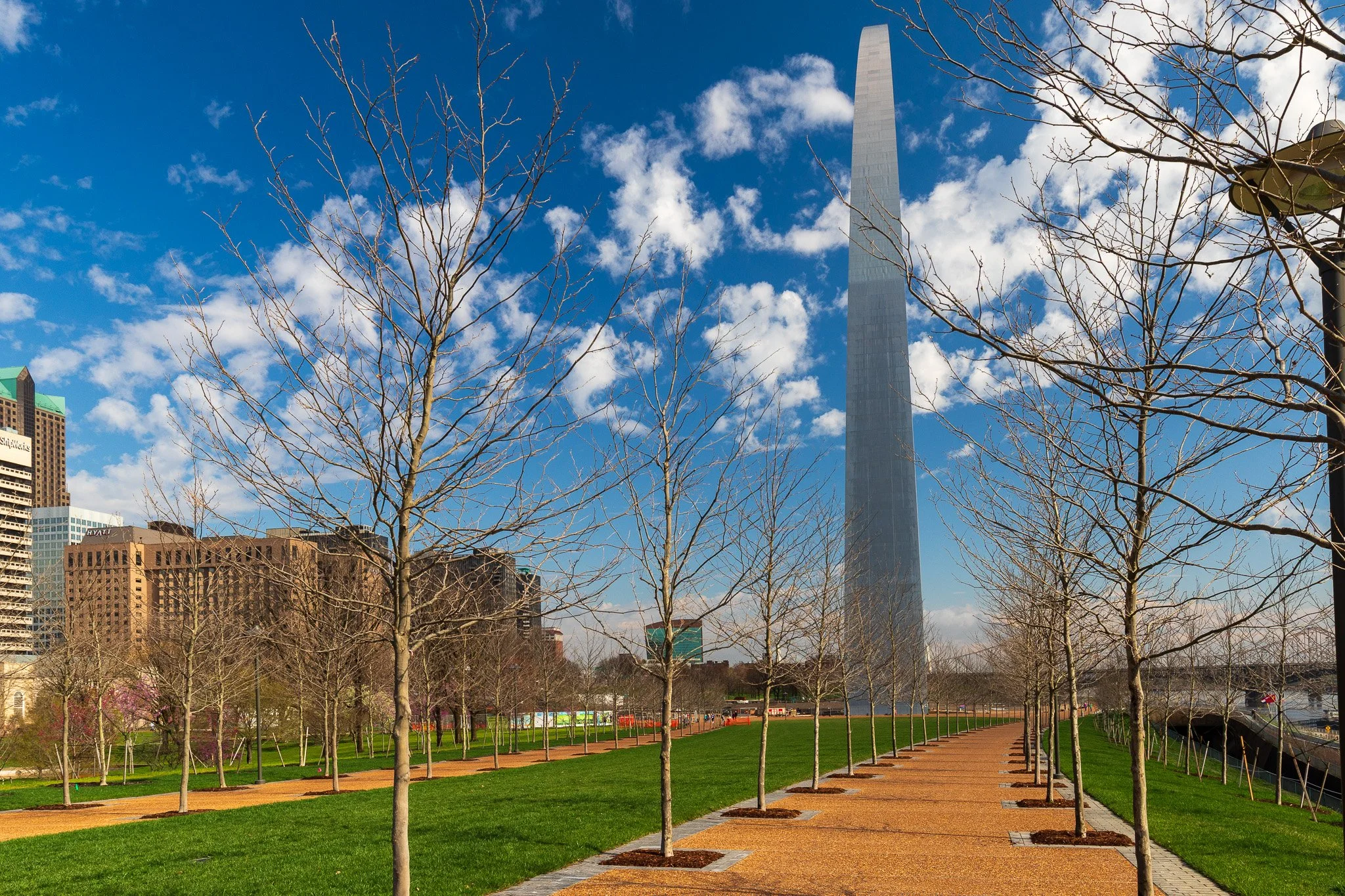
In the End, the Gateway Arch is what you will definitely want to photograph
Special Festivals and Holidays
If you’re visiting Saint Louis, try to coincide your trip with the Saint Louis Art Fair in September, the Soulard Mardi Gras in February, or the Festival of Nations in August, which celebrates the city’s cultural diversity.
Final Thoughts
St. Louis may not always top the usual travel lists, but that is exactly why it feels so rewarding. It is layered with history, music, architecture, and unexpected beauty. From sunrise at the Gateway Arch to smoky barbecue and late night jazz, the city reveals itself to those who take the time to look.
If you are ready to plan your own St. Louis adventure, do not forget to subscribe to my newsletter for more travel and photography guides. You can subscribe here.
If you are interested in joining one of my photography workshops, you can find the details through the link. You can also follow along on Instagram, Facebook, or subscribe to my newsletter for more travel photography tips and behind-the-scenes insight.
Finally—a beginner-friendly photography guide that makes sense.
If you've ever picked up a camera and thought, "Now what?" this is the book for you.
Photography Made Simple is written for adults who are just starting out and want a clear, encouraging, real-world approach to learning photography. Whether you're using a DSLR, mirrorless, or just your smartphone, this guide walks you through the basics—without the jargon or tech overwhelm.
Inside, you'll learn:
The only camera settings you really need to know to get started
How to shoot sharper, more intentional photos using light and composition
Simple tips for portraits, landscapes, travel, and everyday life
What gear you do (and don’t) need
How to create better photos without upgrading your camera
You’ll also get practical exercises, cheat sheets, and tips for organizing and editing your images—plus the confidence to shoot off Auto Mode for good.
This is not a textbook. It’s a friendly guide to seeing the world with fresh eyes—and finally capturing what you see the way you imagine it.
📸 Format: PDF download
Pages: 100+
Perfect for: Beginners, hobbyists, and anyone ready to take better photos without the stress