My Photography & Travel Guide to Miami, Florida
We walked South Beach at sunset and the whole city turned pastel.
That is Miami's first move: take something already beautiful and light it from the best possible angle at the best possible hour. The Art Deco facades along Ocean Drive, mint green and blush pink and pale yellow, catch the late afternoon light in a way that stops you mid-stride. The Atlantic goes copper behind you. Classic convertibles roll past. The whole scene is cinematic without trying to be, which is the most honest thing you can say about South Beach.
Head north and west and the city shifts its character completely. In Wynwood, the murals confronted us around every corner. Massive, technical, layered works covering warehouse walls, loading dock doors, and rooftop facades. We walked for two hours in what felt like twenty minutes, stopping every half block to work out an angle. Wynwood has been a destination long enough now that the original raw energy has been partially replaced by curation, but the walls still deliver. And the alleys beyond the main corridors, where the newer and more spontaneous work appears, still surprise you.

South Beach Art Deco
Then Calle Ocho changed the temperature entirely. The Domino Park in Little Havana, the smell of roasted coffee and tobacco, old salsa drifting from somewhere inside a restaurant that has been open since before you were born. Miami's Cuban and Latin American identity is not a neighborhood attraction you visit and leave. It runs through the city the same way jazz runs through New Orleans. You feel it in the rhythm of the place.
We also drove to the Keys. This is not in most Miami guides and it should be. The drive south from Miami on US-1 takes you through a slow transition from city to water that changes how you understand the whole region. Within an hour, the urban energy is completely gone. The sky opens. The water is on both sides of you. Pelicans stand on channel markers. It is one of the most distinctive drives in the United States and it reframes everything you thought Miami was.
Miami is a city of strong contrasts and easy transitions. Art Deco to street art. Beach energy to Cuban heritage. City skyline to open ocean. For photographers, those contrasts never run out.
In this Photography Guide to Miami, I share the places and experiences that made this city memorable: the photography locations, the hotels and restaurants worth planning around, and the neighborhood energy that makes Miami unlike anywhere else in the country.

Miami Beach Lifeguard Stations
Where to Stay in Miami
If photography and walkability matter to you, South Beach, often called SoBe, is hands down the best area to stay in Miami.
South Beach places you in the middle of everything. You can step out of your hotel and be on the sand in minutes. Turn the other direction, and you are surrounded by pastel colored Art Deco buildings, classic convertibles, palm-lined streets, and nonstop people watching.
For photographers, this location is gold. Sunrise over the Atlantic is just a short walk away. Early morning light hitting the historic facades along Ocean Drive creates clean, colorful compositions before the crowds wake up. At night, neon signs flicker on, and the entire neighborhood transforms into something cinematic.
South Beach is also highly walkable. Cafes, galleries, beach paths, and nightlife are all within reach. You do not need to drive constantly, which makes it easier to focus on shooting rather than logistics.
If you want energy, color, and access, South Beach delivers.
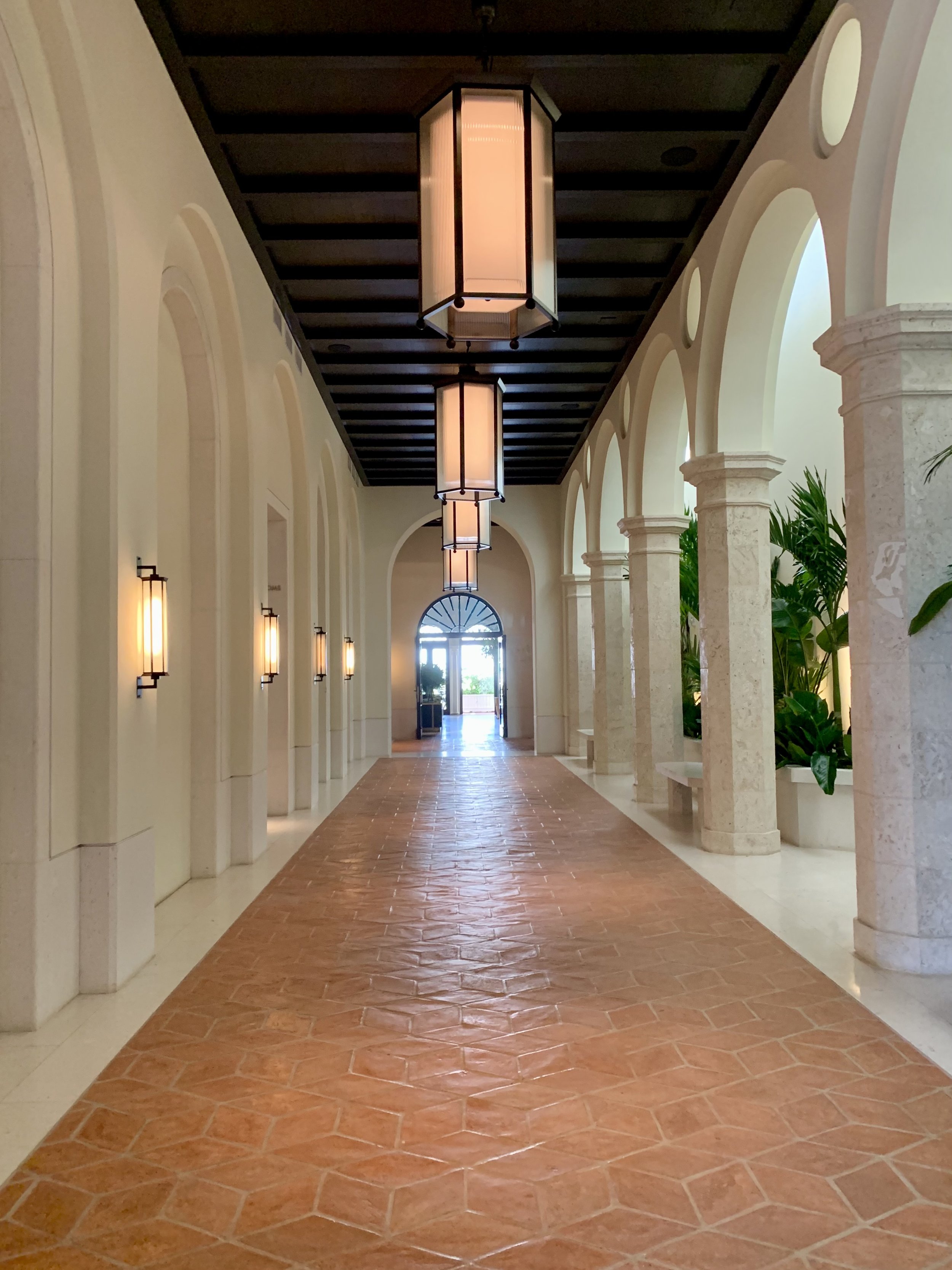
The Four Seasons
Luxury Hotels in South Beach:
The Setai Miami Beach – Elegant, serene, and photogenic with its Asian-inspired decor and beachfront views.
1 Hotel South Beach – Chic, eco-conscious, and practically made for Instagram.
Faena Hotel Miami Beach – Bold, opulent, and artsy; even the lobby is a work of art.
Four Seasons Surfside - Housed in a restored 1930s private beach club, the property combines historical charm with modern elegance, offering a serene alternative to the bustling South Beach scene.
Mid-Range Hotels in South Beach:
The Betsy Hotel – A boutique gem blending colonial charm with rooftop sunsets.
Hotel Victor – Stylish, centrally located, and right across from the beach.
Kimpton Angler’s Hotel South Beach – Cozy and quiet with a tropical courtyard and rooftop pool.

Four Seasons Surfside
How Long to Stay and When to Visit
For Miami, 3 to 5 days is ideal.
That gives you time to explore distinct neighborhoods, relax at the beach, and return to key locations when the light improves. Miami rewards repetition. Sunrise in South Beach feels completely different from sunset in Wynwood. Give yourself space to shoot both.
Best Time to Visit
November through April is the sweet spot. This is Miami’s dry season, with warm temperatures, lower humidity, and consistent light. Skies tend to be clearer, making sunrise and the golden hour especially reliable for photography.
Summer brings dramatic clouds and fewer crowds, which can actually be beautiful for moody skies. Just be aware that August through October falls within peak hurricane season. The weather can be unpredictable.
Don’t Miss
Art Basel Miami Beach in December transforms the city into a global art stage. Installations, pop-ups, fashion, and bold visual statements take over Miami Beach and beyond. For photographers, it is a playground.
Calle Ocho Festival in March fills Little Havana with music, color, and nonstop movement. Cuban rhythms, street food, dancers, and flags create endless storytelling opportunities.
Miami changes with the calendar. If you time it right, you do not just visit the city. You experience it at full volume.

Wynwood is Amazing
Getting Around
Miami is spread out, but getting around is fairly easy:
Uber and Lyft are widely available.
Free Trolleys run through South Beach, Wynwood, Downtown, and Coral Gables.
Brightline offers quick trips from Miami to Fort Lauderdale and West Palm Beach if you're extending your adventure.
CitiBike Miami is a great option for cruising along the beach or through artsy districts.

A Short Drive to the Keys
Where to Eat
Miami is one of the most exciting food cities in the United States. The flavors are bold. The seafood is fresh. The Latin and Caribbean influence runs deep. And for photographers, the colors and textures are just as compelling as the taste.
Here are a few spots worth your time.
Versailles Restaurant – The iconic Cuban diner in Little Havana.
Mandolin Aegean Bistro – Mediterranean magic in the Design District.
Joe’s Stone Crab – A Miami institution since 1913 and still the benchmark for stone crabs in Florida. Note that Joe's is seasonal: it opens mid-October and closes mid-May every year. If your visit falls between June and October, you will find the doors locked. Plan your timing accordingly or head to other seafood options during the off-season.
The Salty – Decadent, inventive donuts. Photographers, you’ll want to shoot and eat.
Zak the Baker – A Wynwood bakery known for its amazing bread and pastel walls.
Coffee
Coffee is serious business in Miami.
Must try: Café Cubano, Colada, Cortadito. Strong. Sweet. Energizing.
Any Cuban ventanita (walk-up coffee window): There’s one on nearly every corner in Little Havana.
Panther Coffee: Hip and artisanal with strong brews and great ambiance.
Vice City Bean: Specialty coffee with a Miami edge.
Little Havana
Little Havana is not just a neighborhood. It is an experience.
Centered around Calle Ocho, this area celebrates Cuban heritage through music, food, art, and everyday street life. The colors are vibrant. The rhythm is constant. Domino games unfold in Máximo Gómez Park. Salsa music drifts through open doors.
Stop at Versailles Restaurant for a classic Cuban meal. Visit Azucar Ice Cream Company for creative flavors like Abuela Maria, a blend of guava, cream cheese, and Maria cookies. And grab a coffee at Café La Trova, a music-filled bar and restaurant that channels retro Havana energy.
For photographers, Little Havana is storytelling in motion. Faces. Hands. Color. Music. It is one of Miami’s most soulful and photogenic neighborhoods.
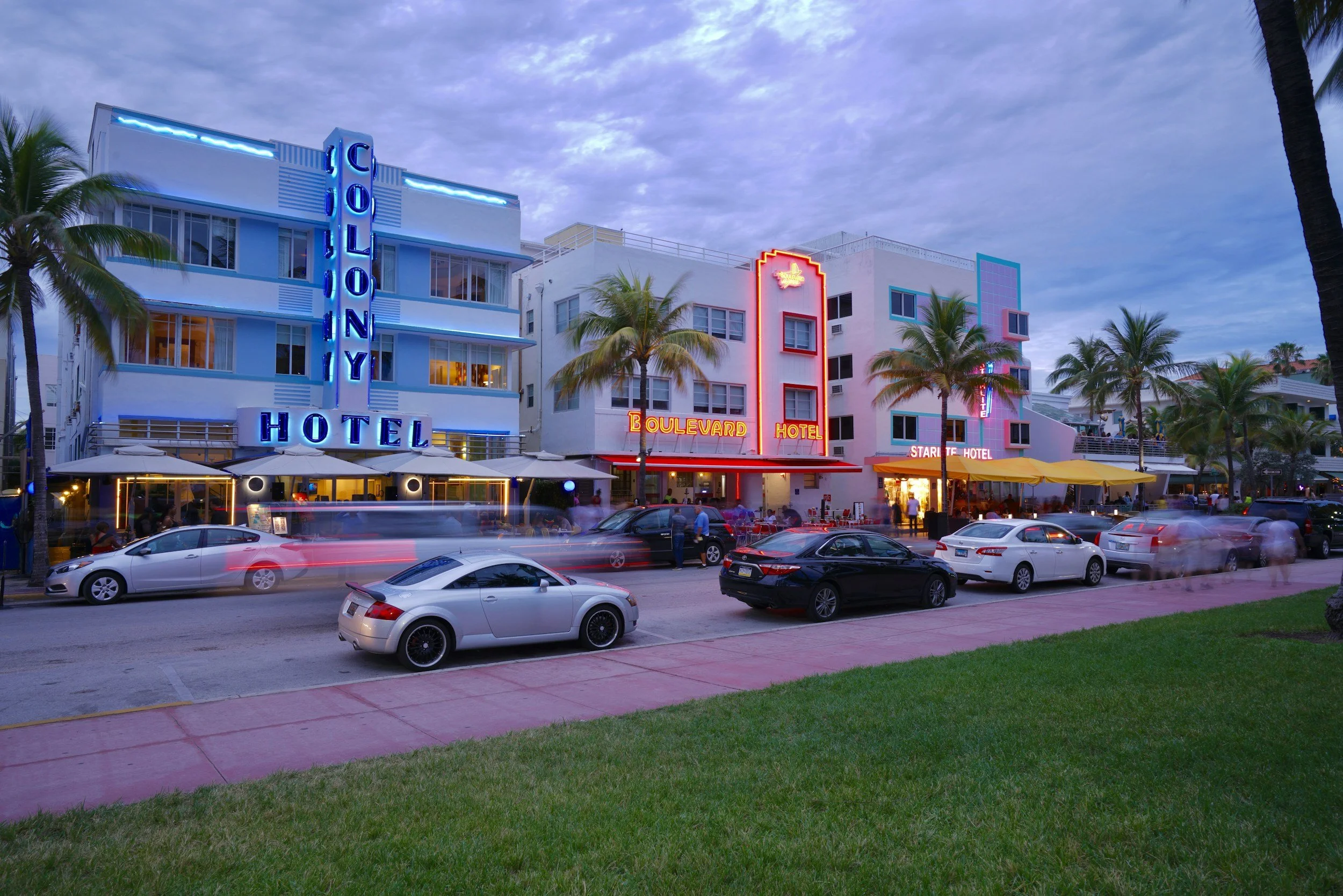
Photography Gear to Bring
You’ll want versatility and something that can handle bold contrast and blazing light.
Camera body: Canon EOS R5 Mark II, Nikon Z8, Sony A7R V
Lenses to pack:
16–35mm for street scenes and architecture
24–70mm for general walking around
85mm or 70–200mm for portraits and candid shots
A polarizer filter to cut glare from all that water and glass
Drone: If you’re certified to fly, Miami’s coastline and rooftops look incredible from above (check FAA and city rules first).
Tripod: For sunrise/sunset shots along the beach or skyline.

Miami Beach
Best Photography Spots in Miami
Miami is a playground for photographers. Whether you’re into street photography, art-deco architecture, wildlife, or golden hour beachscapes, the city delivers. Here are some must-shoot subjects and locations:

Near Surfside
Here’s where your camera will be happiest:
Wynwood Walls – A living canvas of bold, colorful murals.
Ocean Drive – Neon signs, pastel Art Deco hotels, and classic Miami scenes.
South Pointe Park Pier – Sunrise views, cruise ships, and wide beaches.
Vizcaya Museum and Gardens – Elegant gardens and European-style architecture.
Little Havana – Calle Ocho – Street life, dominoes, murals, and cigar rollers.
Perez Art Museum Miami (PAMM) – Sleek architecture and a bayfront sculpture garden.
Everglades National Park – Just an hour away, but perfect for wildlife and dramatic landscapes.
Graffiti in Wynwood
Wynwood, once a gritty warehouse district in Miami, has transformed into one of the most vibrant street art hubs in the world—and it all started with graffiti. What began as raw, unsanctioned expressions on concrete has evolved into a globally recognized outdoor gallery that still pulses with that rebellious, creative energy.
At the heart of it all is Wynwood Walls, a curated outdoor museum founded in 2009 by visionary developer Tony Goldman. He saw the potential to turn blank walls into platforms for world-class graffiti and street art. Today, Wynwood Walls features massive, rotating murals by legends like Shepard Fairey, Lady Pink, Retna, Os Gemeos, and more. But the magic of Wynwood spills far beyond the official space.


Wander the side streets and alleys, and you’ll discover layers of color, protest, poetry, and pop culture—painted on warehouse doors, rooftops, sidewalks, and utility poles. Much of it is unsanctioned, and that’s part of the appeal. It’s alive. It changes constantly. Sometimes overnight. New artists tag over old ones, creating an ever-evolving visual dialogue. That means every visit is different and photographers always have fresh content to capture.
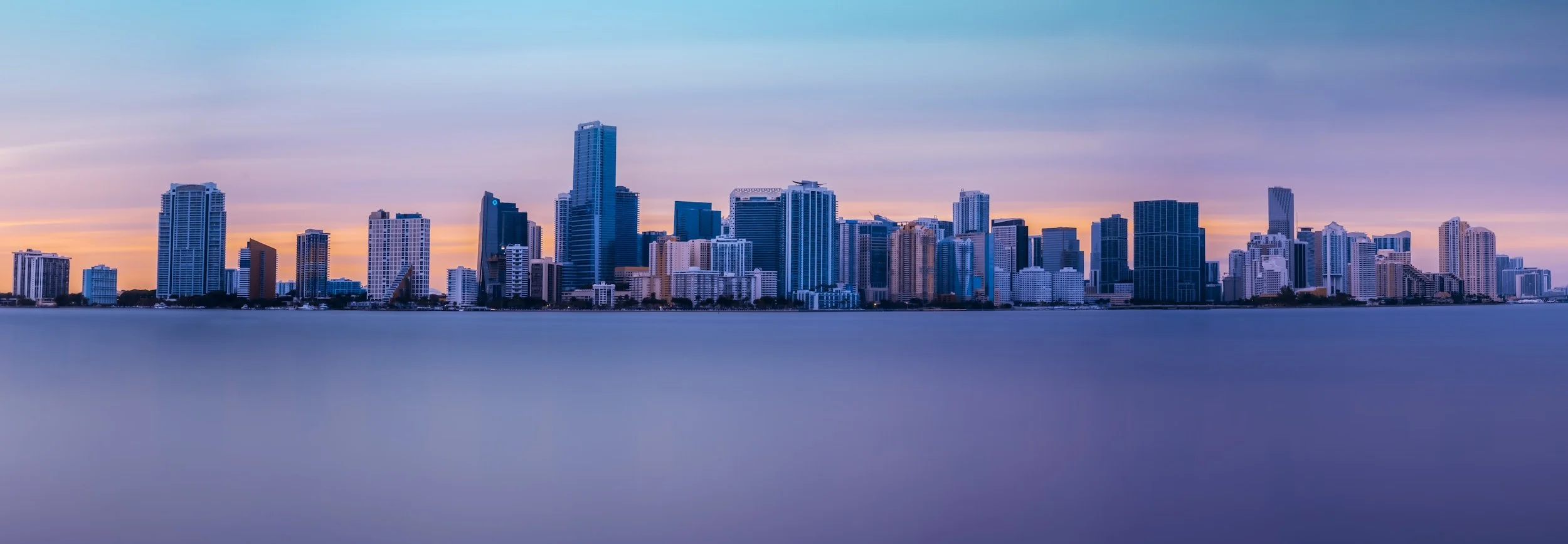
Final Thoughts
Miami delivers on every version of itself.
Golden beaches stretch along the Atlantic. Art Deco facades glow at sunrise. Murals explode with color in Wynwood. Music spills into the streets of Little Havana. Few cities offer this level of visual variety within such a compact space.
Whether you are photographing first light on South Beach, capturing movement and expression along Calle Ocho, or chasing clean architectural lines in the Design District, Miami rewards curiosity and creativity. The more you explore, the more layers you uncover.
If you are interested in joining one of my photography workshops, you can find the details through the link. You can also follow along on Instagram, Facebook, or subscribe to my newsletter for more travel photography tips and behind-the-scenes insight.
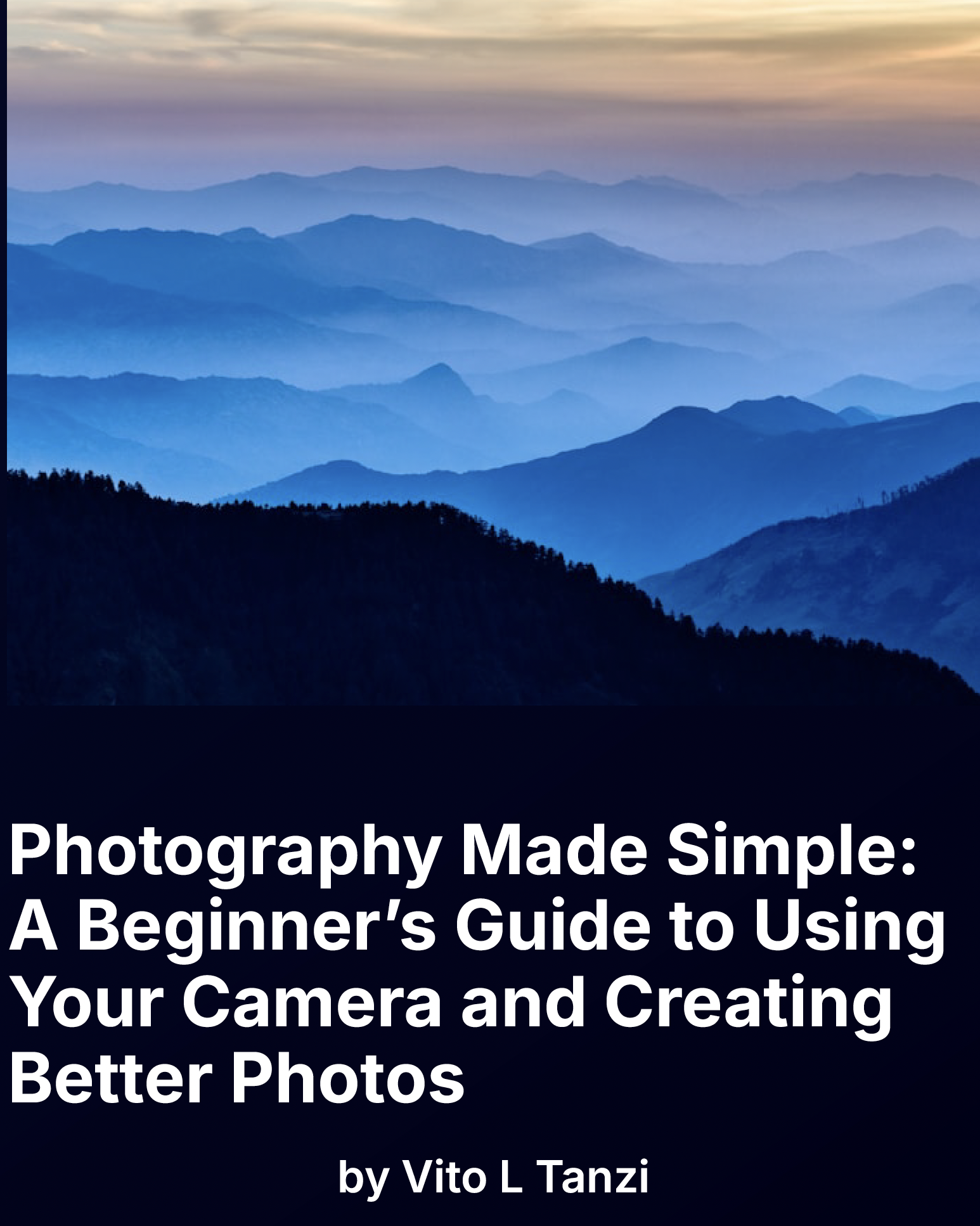
Finally—a beginner-friendly photography guide that makes sense.
If you've ever picked up a camera and thought, "Now what?" this is the book for you.
Photography Made Simple is written for adults who are just starting out and want a clear, encouraging, real-world approach to learning photography. Whether you're using a DSLR, mirrorless, or just your smartphone, this guide walks you through the basics—without the jargon or tech overwhelm.
Inside, you'll learn:
The only camera settings you really need to know to get started
How to shoot sharper, more intentional photos using light and composition
Simple tips for portraits, landscapes, travel, and everyday life
What gear you do (and don’t) need
How to create better photos without upgrading your camera
You’ll also get practical exercises, cheat sheets, and tips for organizing and editing your images—plus the confidence to shoot off Auto Mode for good.
This is not a textbook. It’s a friendly guide to seeing the world with fresh eyes—and finally capturing what you see the way you imagine it.
📸 Format: PDF download
Pages: 100+
Perfect for: Beginners, hobbyists, and anyone ready to take better photos without the stress
✈️ Travel Photography Planning Sessions
One-on-One Trip Planning with a Professional Travel Photographer
Don’t miss the shot. Let me help you plan for it.
Overview
Planning a photography-focused trip can be overwhelming. From figuring out the best places to shoot, to when the light is just right, to knowing which lens to pack — there are a lot of decisions to make.
This one-on-one Zoom session is your chance to get personalized travel photography advice from someone who’s spent the past 25 years exploring cities, coastlines, and wild places around the world — camera in hand.
Whether you're headed to Paris, Patagonia, Tokyo, or Tuscany, I’ll help you make sure your photography trip is well-planned and creatively inspired, so you come home with the images you dreamed of (and then some).
What’s Included
✅ Photography Location Planning
I’ll help you create a customized itinerary of the best photo spots, including off-the-beaten-path gems and iconic views.
✅ Best Times to Shoot
Get expert advice on lighting, golden hour, blue hour, and seasonal conditions for each location.
✅ Gear Recommendations
Not sure whether to bring the telephoto or the prime? We’ll walk through your gear and make sure you’re bringing the right tools for your destination and style.
✅ Hotel and Base Recommendations
Stay where it’s convenient for sunrise shoots and late-night strolls with your camera. I’ll recommend hotels that are photographer-friendly and well-located.
✅ Custom Travel Tips
From sunrise entry times to tripod rules at major landmarks, you’ll get insider tips to save time, avoid tourist traps, and make the most of your trip.
Who It’s For
This service is for anyone who:
Is planning a trip and wants to prioritize photography
Wants expert insight on the best places to shoot and how to get there
Is tired of missing the shot because of poor planning or bad timing
Is a beginner, enthusiast, or professional photographer looking for guidance before a trip
How It Works
Book a Session
Choose a time that works for you and tell me where you're headed.Share Your Plans
You’ll fill out a quick questionnaire so I know your travel dates, interests, and photography style.One-on-One Zoom Call (60 minutes)
We’ll meet via Zoom and walk through your trip together — from location ideas to gear and timing. You'll leave with a custom PDF full of notes and suggestions.Follow-Up Support
Get one round of email Q&A after your session to clarify anything as your plans evolve.
Why Work With Me?
I’ve spent the last 25 years photographing the world — from major cities to remote islands. I know what it’s like to travel and shoot under pressure, and I love helping people get the most out of their trips. This is not just about hitting “popular spots” — it’s about crafting a creative and efficient plan tailored to your trip, your gear, and your goals.
Pricing
$125 / Session
Includes:
60-minute Zoom call
Custom PDF summary with photography spots, gear tips, and travel recommendations
One follow-up email with additional Q&A
Introductory rate available through September 2025
Ready to Plan Your Trip?
Let’s make sure you’re ready — so when the light is perfect, you’re in the right place with the right gear.
Questions?
Please email me at vito@chasinghippoz.com if you're not sure whether this is right for you. I'm happy to chat.