My Photography & Travel Guide to Jaipur, India
Step into a City of Color, Chaos
The first time you see the city at sunrise, when the sandstone facades catch that soft pink light, you understand why it is called the Pink City. Palaces rise from the desert like stage sets. Turbans flash in saturated reds and saffrons. Doors are painted in blues and greens that feel almost unreal. For a photographer, Jaipur is not subtle. It is layered, textured, and unapologetically bold.
But what makes Jaipur special is not just the color. It is the rhythm. The quiet symmetry of the Hawa Mahal at dawn. The cinematic scale of Amber Fort rising above Maota Lake. The graphic geometry of the instruments at Jantar Mantar. Every corner offers contrast, scale, and story.
Jaipur rewards the early riser. It rewards patience. And it rewards photographers who are willing to slow down and look beyond the obvious.
In this Travel & Photography Guide to Jaipur, I will share my best tips for photographing and experiencing this unforgettable city.

Whether you're chasing the golden light that bathes Amer Fort at sunrise or trying to capture the symmetry of the Hawa Mahal from across a chaotic street, Jaipur will test and reward your creative eye. And trust me—your camera roll will thank you.

Below Amber Fort
What Makes Jaipur So Special?
Jaipur is one-third of India’s famed “Golden Triangle” (along with Delhi and Agra), and it’s a heady blend of heritage, architecture, local craft, and warm Rajasthani hospitality. It's where the echoes of royal processions seem to bounce off 18th-century walls, and every corner tempts you with a new photographic angle.

A Beautiful Couple in the Amber Fort
It’s also a UNESCO World Heritage City—recognized for its well-preserved city planning and historical significance. But beyond the accolades, Jaipur is a place that captures hearts. It’s that perfect intersection of chaos and calm, history and modernity, culture and color.

Where to Stay in Jaipur
Jaipur is one of those cities where location truly shapes your experience. Stay too far out, and you will spend precious golden hour in traffic. Stay smart, and you can walk out of your hotel and be shooting within minutes.
Best Area to Stay
The C Scheme and the Old City are your strongest choices.
If photography is your priority, the Old City, near the City Palace and Hawa Mahal, keeps you close to Jaipur’s most iconic scenes. You can photograph Hawa Mahal at sunrise before the crowds arrive, then wander through the surrounding streets as shopkeepers open their colorful doors. Everything feels immersive, textured, and alive.
C Scheme, on the other hand, offers a slightly quieter and more modern base. It is well connected, has excellent restaurants and cafés, and still keeps you within a short drive of the Old City. If you prefer a calmer environment after a long day of shooting, C Scheme gives you that balance without sacrificing convenience.
The key is simple. Stay central. Stay close to your sunrise locations. Jaipur rewards photographers who minimize commute time and maximize early light.

Amber Fort
Luxury Hotels
Rajmahal Palace RAAS Jaipur – A heritage palace-turned-hotel with 250 years of history. Think Art Deco interiors, manicured gardens, and royal charm.
The Oberoi Rajvilas – A luxurious oasis outside the city center, perfect for relaxing after a long shoot day. Their tented suites are next-level elegant.
Rambagh Palace – A Taj Hotel – Once the home of Jaipur’s royalty, now a five-star hotel with peacocks roaming the grounds.
Mid-Level Hotels
Alsisar Haveli – A charming heritage haveli with regal interiors and an inviting pool.
Samode Haveli – Another great heritage option, nestled in the heart of the city with stunning archways and courtyards.
Pearl Palace Heritage – A boutique hotel with individually themed rooms and easy access to the city’s top sights.


How Long Should You Stay?
Jaipur is not a city you rush. The light changes. The streets shift personalities throughout the day. If you move too fast, you miss the rhythm.
Ideal Length: 3 to 5 Days
Three days give you time to photograph the icons, wander the Old City, and experience the grandeur of Amber Fort and the City Palace without feeling rushed.
Five days allow you to slow down. You can return to locations at different times of day. You can experiment with compositions at Hawa Mahal in early morning light and again at blue hour. You can explore local neighborhoods beyond the main attractions and photograph daily life with intention.
And yes, you will have time to shop. Jaipur is famous for its block prints, gemstones, textiles, and handcrafted leather goods. Give yourself space to wander into a few shops without looking at your watch.
If you love photography, stay longer than you think you need. Jaipur rewards patience.

In Old Jaipur
Best Time to Visit:
Jaipur is photogenic year-round, but if you care about light, comfort, and clear skies, timing matters.
October to March
This is the sweet spot.
Temperatures are pleasant, especially in the early mornings and evenings when you will likely be out shooting. Skies are generally clear, which gives you beautiful sunrise tones at the Hawa Mahal and crisp contrast at Amber Fort. Midday light is still strong, but far more manageable than during the summer months.
If you visit between late December and January, expect cool mornings. Bring a light jacket for sunrise sessions. The softer winter haze can actually add mood to distant fort views.

In Amber Fort
Getting Around Jaipur
Jaipur is energetic, colorful, and at times a little chaotic. The good news is that getting around is straightforward if you plan it well.
Uber and Ola
Uber and Ola Cabs are widely available and very affordable. I used them frequently, especially early in the morning when I wanted to reach the Hawa Mahal before sunrise. They are reliable, easy to book through the app, and remove the need to negotiate fares.
For photographers, this is often the simplest option. You can focus on light and timing instead of logistics.
Auto Rickshaws
Auto rickshaws are fun, fast, and undeniably part of the Jaipur experience. They are perfect for short hops within the Old City. Just remember one rule. Always agree on the fare before you get in.
If you enjoy street photography, riding in a rickshaw gives you a front row seat to Jaipur’s daily rhythm. Keep your camera ready, but secure.
Private Driver for Day Trips
For longer outings to Amber Fort or Nahargarh Fort, hiring a private driver makes a lot of sense. It gives you flexibility with timing, which matters if you want to stay through sunset or return at a different hour for better light.
Jaipur is not difficult to navigate. The key is simple. Plan your sunrise spots in advance, minimize unnecessary travel, and protect your energy so you can focus on making strong images.
Where to Eat in Jaipur
Food in Jaipur is as bold and colorful as the city itself. The spices are confident. The flavors are layered. And the meals often feel like part of the cultural experience, not just a break between photo sessions.
Do not leave without trying dal baati churma, the classic Rajasthani dish of baked wheat dumplings, lentils, and sweet crumbled wheat. It is hearty and satisfying after a long morning of shooting.
If you eat meat, order laal maas, a fiery Rajasthani mutton curry slow-cooked with red chilies and deep spices. It is intense, rich, and unforgettable.
And for something cooling, especially after hours in the sun, grab a sweet lassi. Thick, creamy, slightly tangy, and served in a clay cup, it is Jaipur’s perfect reset button.

Restaurants
Bar Palladio – A dreamy, Venetian-style lounge serving Italian cuisine. Great atmosphere for a stylish dinner.
Spice Court – Classic Rajasthani dishes in a traditional setting.
Laxmi Misthan Bhandar (LMB) – A Jaipur institution known for sweets, snacks, and thalis.
Café Palladio – Ideal for brunch and Instagram-worthy décor.
Tapri Central – A rooftop tea house with killer views and even better street food-inspired dishes.
Niros – One of Jaipur’s oldest restaurants, offering North Indian classics with a nostalgic vibe.
Coffee Shops
Curious Life Coffee Roasters – Jaipur’s specialty coffee hero.
Anokhi Café – Organic, fresh, and perfect for a healthy lunch and coffee break.

The City Palace
Photography Gear to Bring
Camera Body: Canon R5, Nikon Z8, Sony A7R V – anything with great resolution and dynamic range.
Lenses:
16–35mm for wide shots of palaces and forts
24–70mm for general walkaround photography
70–200mm for capturing portraits and street scenes from a distance
A fast prime like 35mm f/1.4 for low-light and food shots
Drone: Allowed in some places with permission—check local rules.
Extras: ND filters for bright daylight, extra batteries, a lightweight tripod, and a sling bag for mobility.

Best Photography Locations in Jaipur
Hawa Mahal – Shoot from across the street early in the morning to capture the golden light and delicate latticework.
Amber (Amer) Fort – Go early for misty hills and soft light. Bonus: Elephant silhouettes during sunrise.
Panna Meena ka Kund – A stepwell with dramatic symmetry next to Amber Fort.
City Palace – Home to intricately painted gates and royal courtyards. The Peacock Gate is a must.
Nahargarh Fort – Sunset spot with sweeping views over the Pink City.
Patrika Gate – A kaleidoscope of arches, each painted with local motifs.
Jal Mahal – Floating palace on the lake—best at sunrise or sunset.
Old Jaipur Markets- we took a walk through the markets of old Jaipur, and it was wonderful.
We took a stroll through Old Jaipur and loved soaking in the colors, the chaos, and all the little moments of daily life along the way.


Festivals to Keep in Mind
Diwali (October/November) – Jaipur lights up, quite literally.
Holi (March) – Bring a rain cover for your camera and expect joyful chaos.
Teej Festival (August) – Vibrant processions and traditional Rajasthani attire.
Final Thoughts
Whether you're drawn to the intricate patterns of ancient palaces, the riot of color in everyday street life, or the warm glow of desert light at sunset, Jaipur offers endless inspiration. Pack your gear, bring an open heart, and get ready to fall in love with India’s Pink City—one frame at a time.
If you are interested in joining one of my photography workshops, you can find the details through the link. You can also follow along on Instagram, Facebook, or subscribe to my newsletter for more travel photography tips and behind-the-scenes insight.
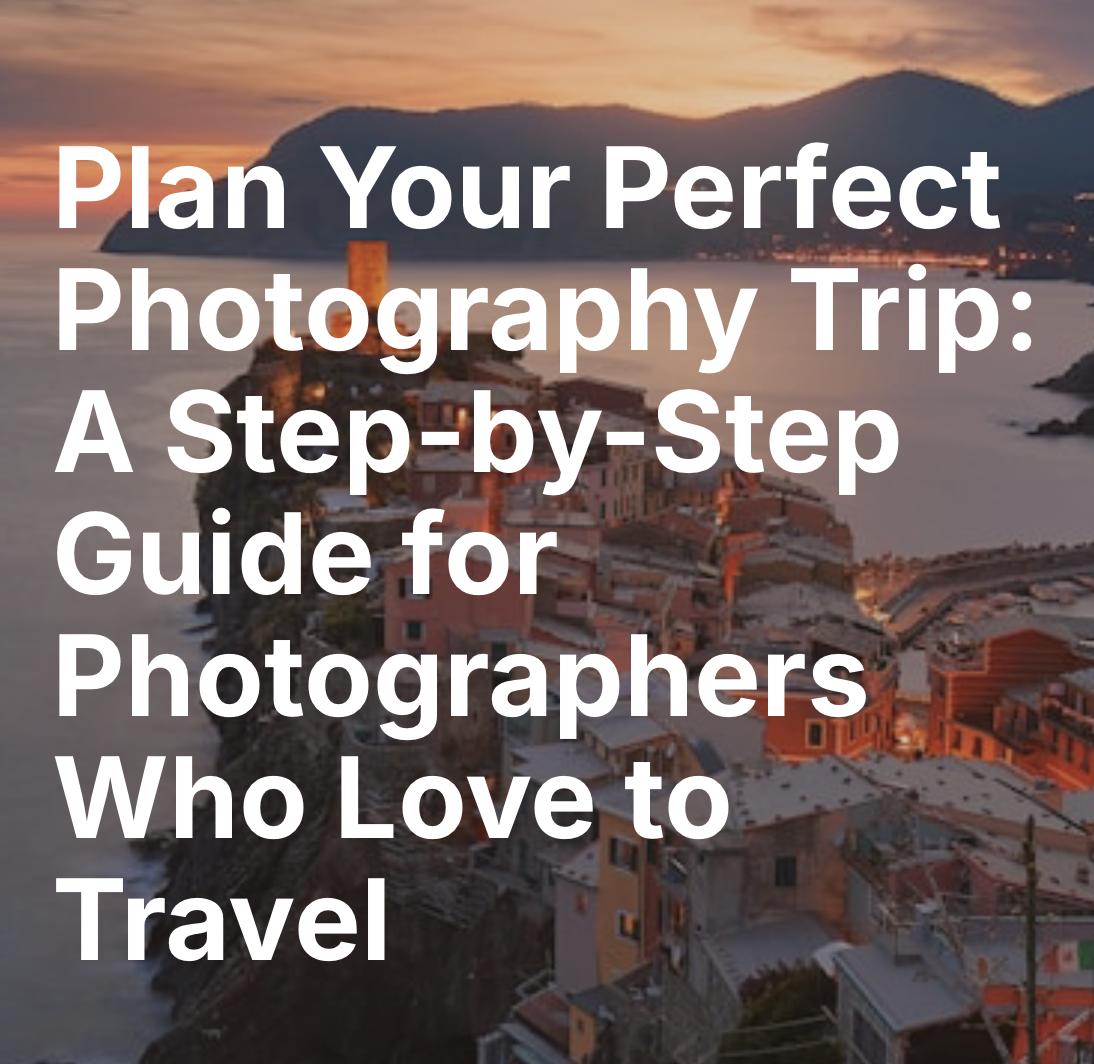
Are you carrying too much camera gear… but still coming home with disappointing travel photos?
You’re not alone. Most travel photographers fall into “The Packing Trap” — overpacking, under-planning, and constantly scrambling to capture the shot… while missing the moment.
This powerful, step-by-step eBook is your shortcut to a better way.
The 5-Step Photographer’s Guide to Planning the Perfect Travel Adventure is a field-tested blueprint that helps you:
Travel light without sacrificing image quality
Plan smarter trips that lead to better, more intentional photos
Find breathtaking destinations at the perfect time
Create a shoot-ready itinerary that works with your creative style
Avoid the stress, fatigue, and overwhelm that kills your best work
Written by travel photographer Vito L Tanzi, it’s the system I personally use to craft stress-free photo trips that result in his best images.
Whether you're heading off on your first international shoot or leveling up your local weekend getaways, this guide will help you make the most of every trip.
📸 Format: PDF download
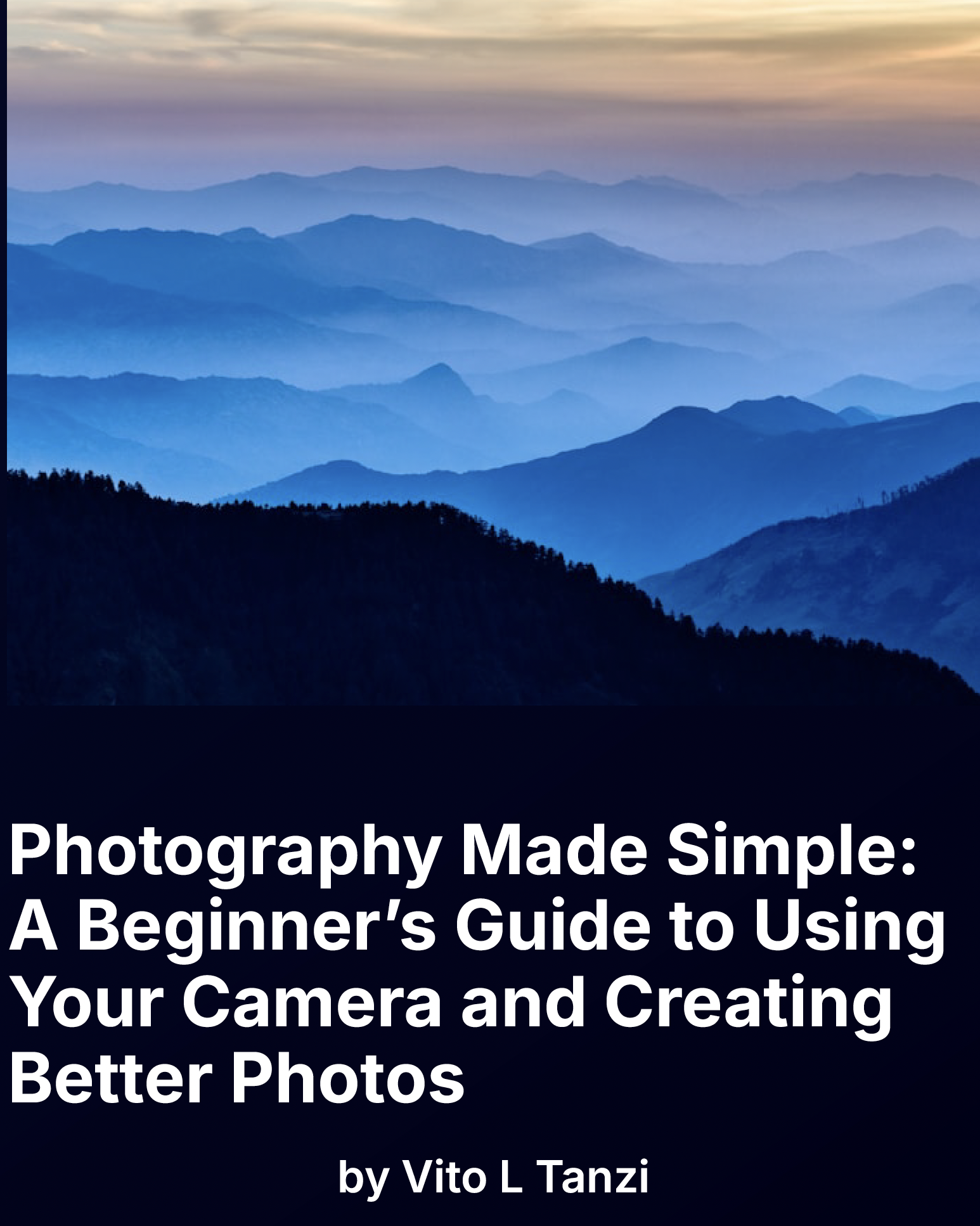
Finally—a beginner-friendly photography guide that makes sense.
If you've ever picked up a camera and thought, "Now what?" this is the book for you.
Photography Made Simple is written for adults who are just starting out and want a clear, encouraging, real-world approach to learning photography. Whether you're using a DSLR, mirrorless, or just your smartphone, this guide walks you through the basics—without the jargon or tech overwhelm.
Inside, you'll learn:
The only camera settings you really need to know to get started
How to shoot sharper, more intentional photos using light and composition
Simple tips for portraits, landscapes, travel, and everyday life
What gear you do (and don’t) need
How to create better photos without upgrading your camera
You’ll also get practical exercises, cheat sheets, and tips for organizing and editing your images—plus the confidence to shoot off Auto Mode for good.
This is not a textbook. It’s a friendly guide to seeing the world with fresh eyes—and finally capturing what you see the way you imagine it.
📸 Format: PDF download
Pages: 100+
Perfect for: Beginners, hobbyists, and anyone ready to take better photos without the stress