My Photography & Travel Guide to Big Sur, California
There are stretches of road that are beautiful. And then there is Big Sur.
Visiting Big Sur had been on my travel photography bucket list for years. I had seen the images. The cliffs drop into the Pacific. The fog rolls over rugged headlands. The iconic bridges are suspended between mountains and sea. But nothing quite prepares you for experiencing it in person.
The drive south from San Francisco along Highway 1 is part of the story. It is not just transportation. It is a moving landscape workshop. Every turn reveals another composition. Waves crashing against jagged rocks. Golden light hits coastal bluffs. Redwood forests are tucked just inland.
Big Sur feels raw and cinematic at the same time. It demands that you slow down, pull over often, and pay attention to the light. In this Travel and Photography Guide, I will share my favorite locations, the best times to shoot, where to stay, and how to make the most of one of California’s most dramatic coastlines.

Imagine a place where rugged cliffs meet the endless expanse of the Pacific Ocean, where the winding roads offer dramatic vistas at every turn, and where the golden hues of the California sun create a photographer’s dreamland. Welcome to Big Sur, California. This coastal gem is more than just a destination; it’s an experience. Whether you’re a seasoned photographer or a traveler seeking inspiration, Big Sur offers unparalleled beauty and serenity that will leave you mesmerized.

Big Sur is located about 2.5 hours south of San Francisco. The drive down Highway 1 along California Coastline is one of the most beautiful drives in the United States. We could not help stopping every few miles to take in the incredible views.
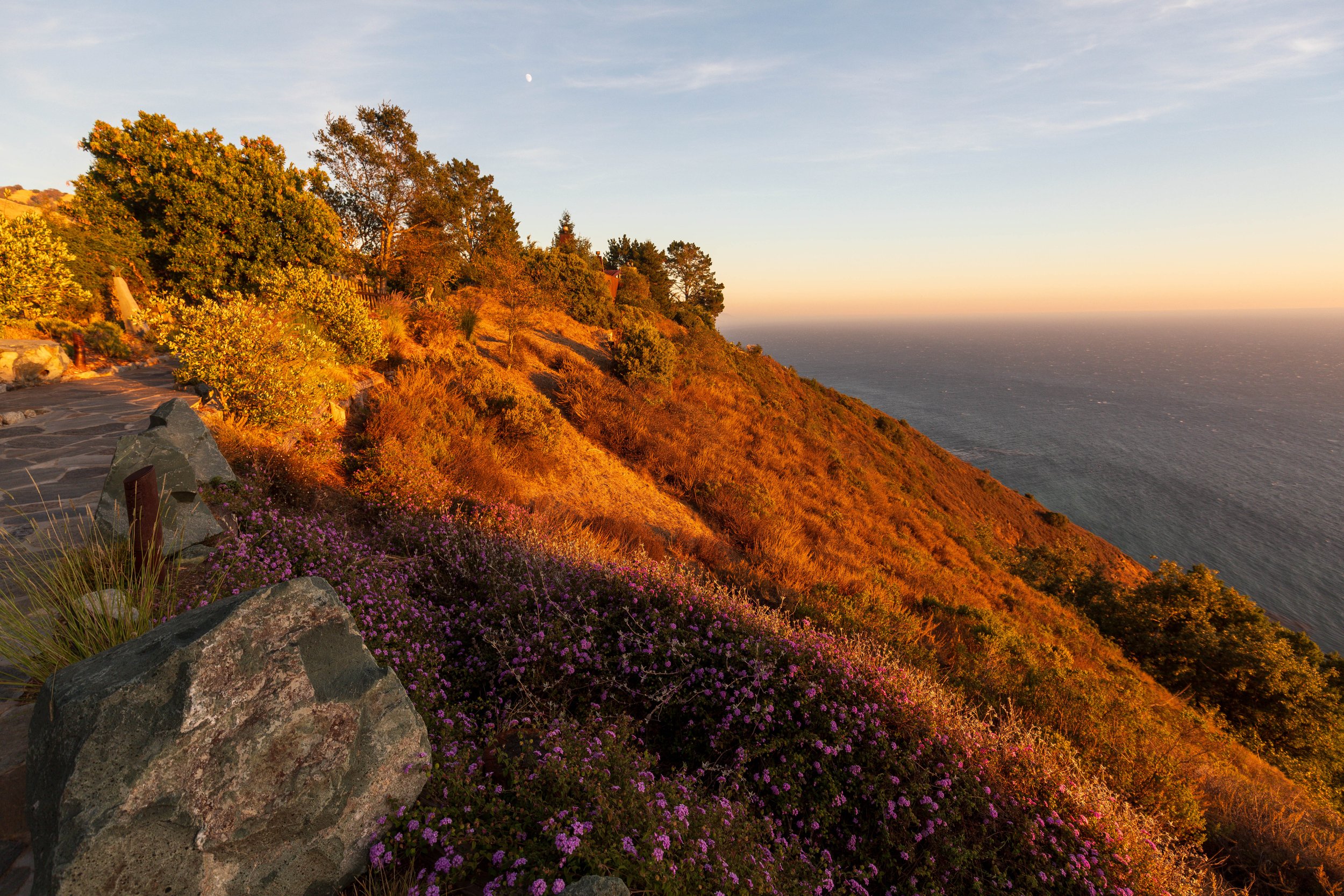
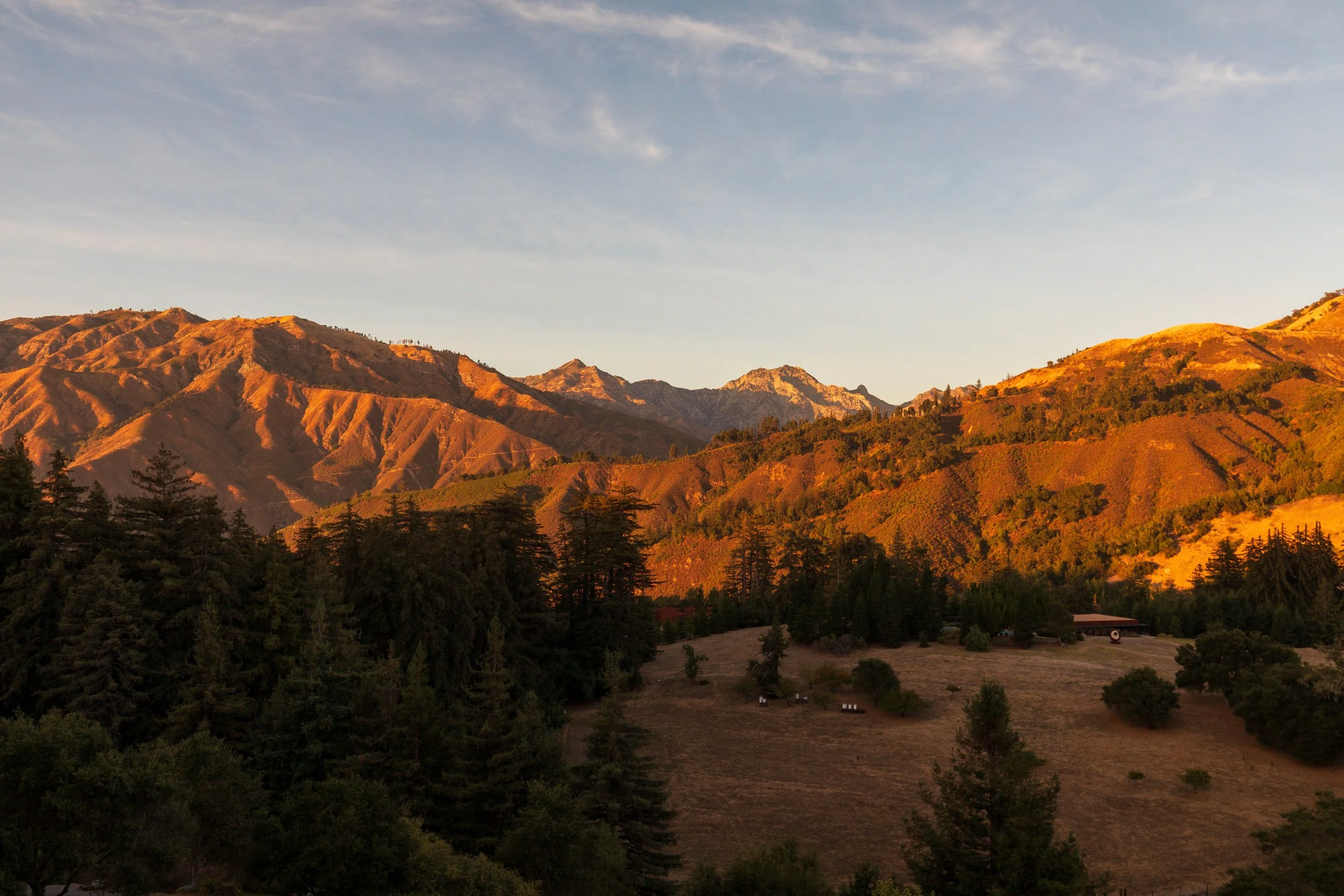
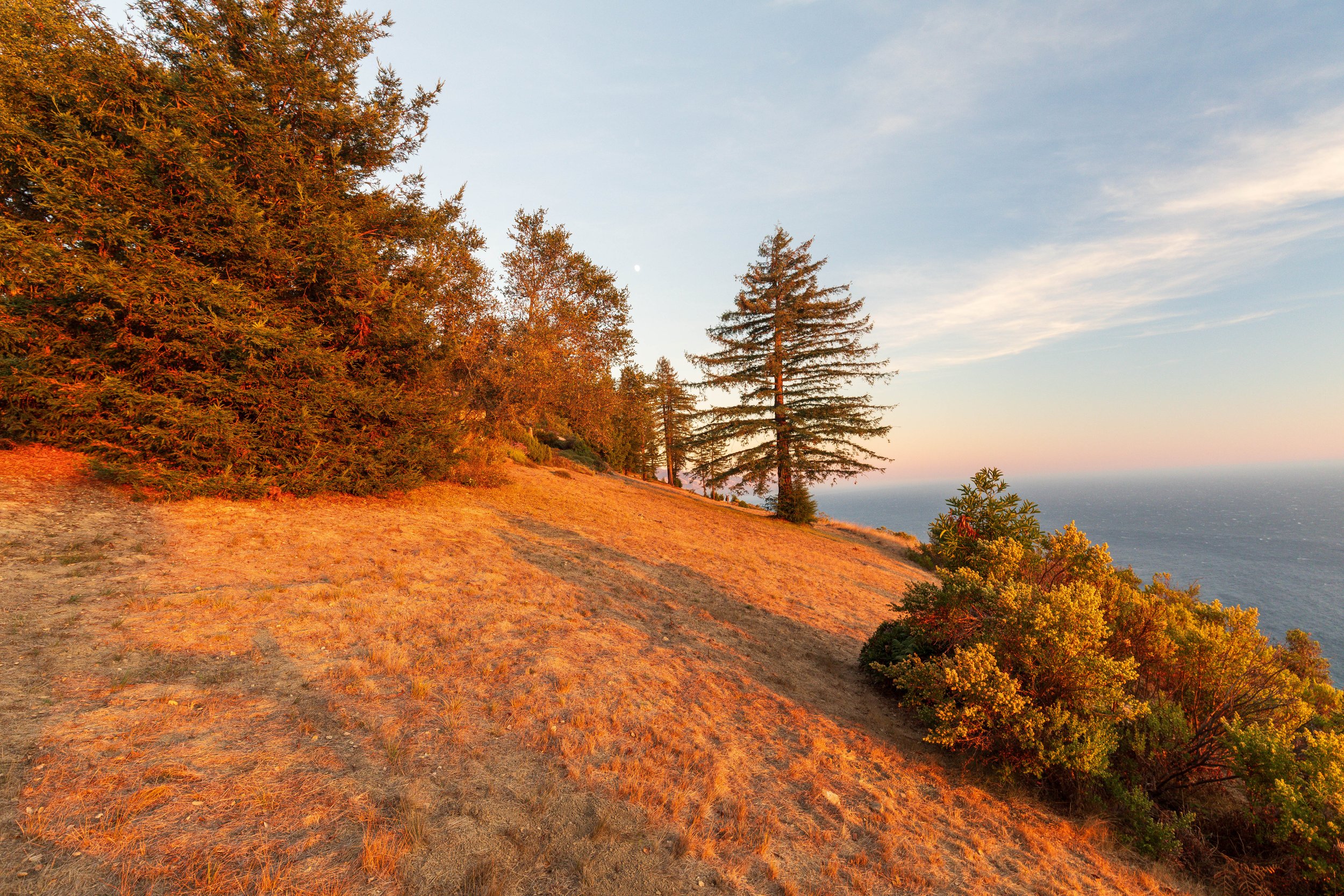
This guide will provide all of my best tips for visiting Big Sur, from where to stay and when to go, to the most photogenic pull-offs along Highway 1. I will share the exact locations I recommend, the best light for each spot, and the gear that makes sense for this rugged stretch of coastline. My goal is simple. Help you plan smarter, shoot with intention, and come home with images that truly capture the spirit of Big Sur.
What is the best month to visit Big Sur?
The best time to visit Big Sur is late spring, especially May, and early fall, particularly September and October.
During these months, the weather is generally mild and clear. You avoid the peak summer crowds, hotel rates are often more reasonable, and Highway 1 feels less congested. For photographers, that matters. Fewer cars. Fewer people at overlooks. More freedom to work on a composition without feeling rushed.
Late spring often brings fresh green hills and lingering wildflowers. Early fall can offer some of the clearest skies of the year, with stable weather patterns and beautiful golden light.
I highly recommend staying at least two nights. Big Sur is not a place to rush through. You want one full day for sunrise and sunset, plus time in between to explore redwood groves, hidden beaches, and dramatic cliffside viewpoints. The light changes constantly here. Give yourself enough time to respond to it.
How To Get To Big Sur?
Getting to Big Sur is part of the experience.
Most visitors drive along California State Route 1, also known as Highway 1. If you are coming from San Francisco, you will head south along the coastline. If you are starting in Los Angeles, you will drive north.
From San Francisco, the drive typically takes about three hours without stops. From Los Angeles, expect closer to five hours. That said, you should build in extra time. You will want to pull over. A lot.
The coastal drive is stunning. Dramatic cliffs drop into the Pacific. Waves crash against rocky headlands. Fog rolls in and out, changing the mood every few minutes. It is not just a transfer. It is a photography opportunity from the moment you hit the coast.
Before you go, check road conditions. Sections of Highway 1 occasionally close due to landslides. A quick check online can save you a major detour.
My advice is simple. Do not rush it. Treat the drive itself as your first shoot of the trip.
However, our adventure began before we reached Big Sur. About two weeks before our visit, our hotel emailed us to say that the bridges on the north and south coasts had been washed out due to severe flooding. So, they proposed an incredible solution.


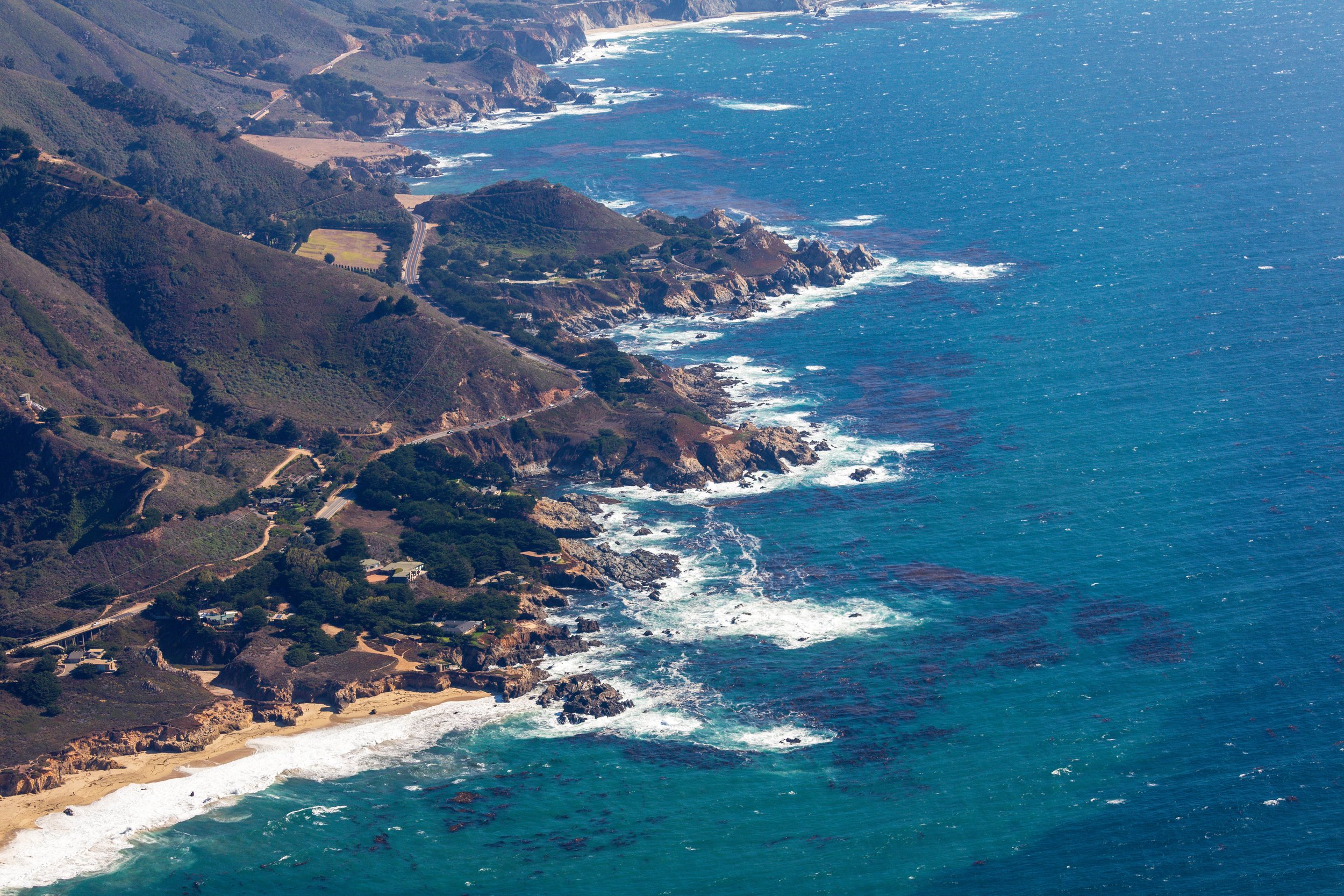

They had arranged for guests to park at Monterey Aiport and come to the hotel via Helicopter for just $100 per person. Yes, please sign me up!! It was my first time in a helicopter and to be able to fly down the California Coastline was just icing on the cake.
As we were walking out to the Helicopter I noticed that the Air Force had an F-22 on the tarmac. Being so close to one of these planes is something that does not happen every day.
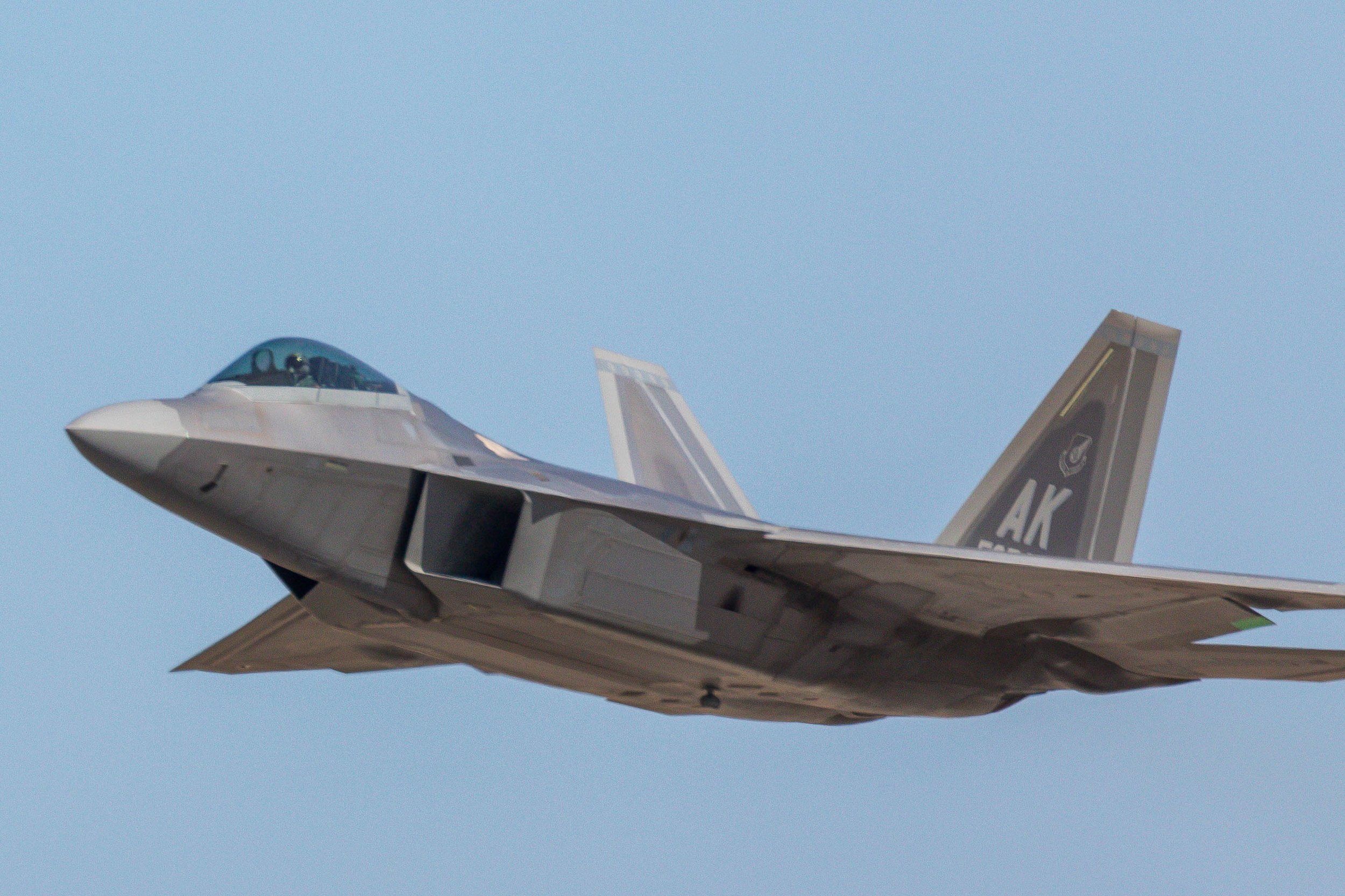
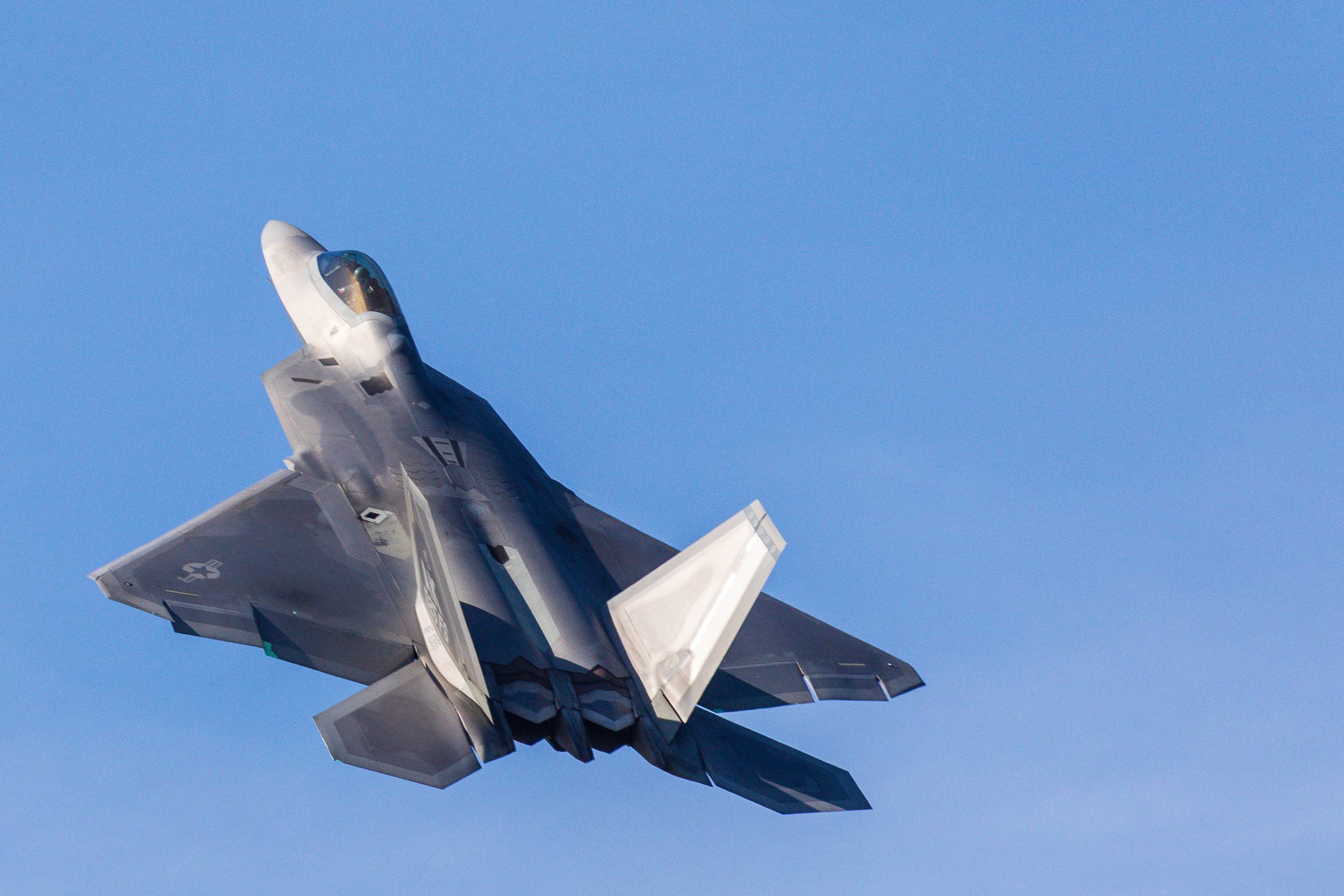
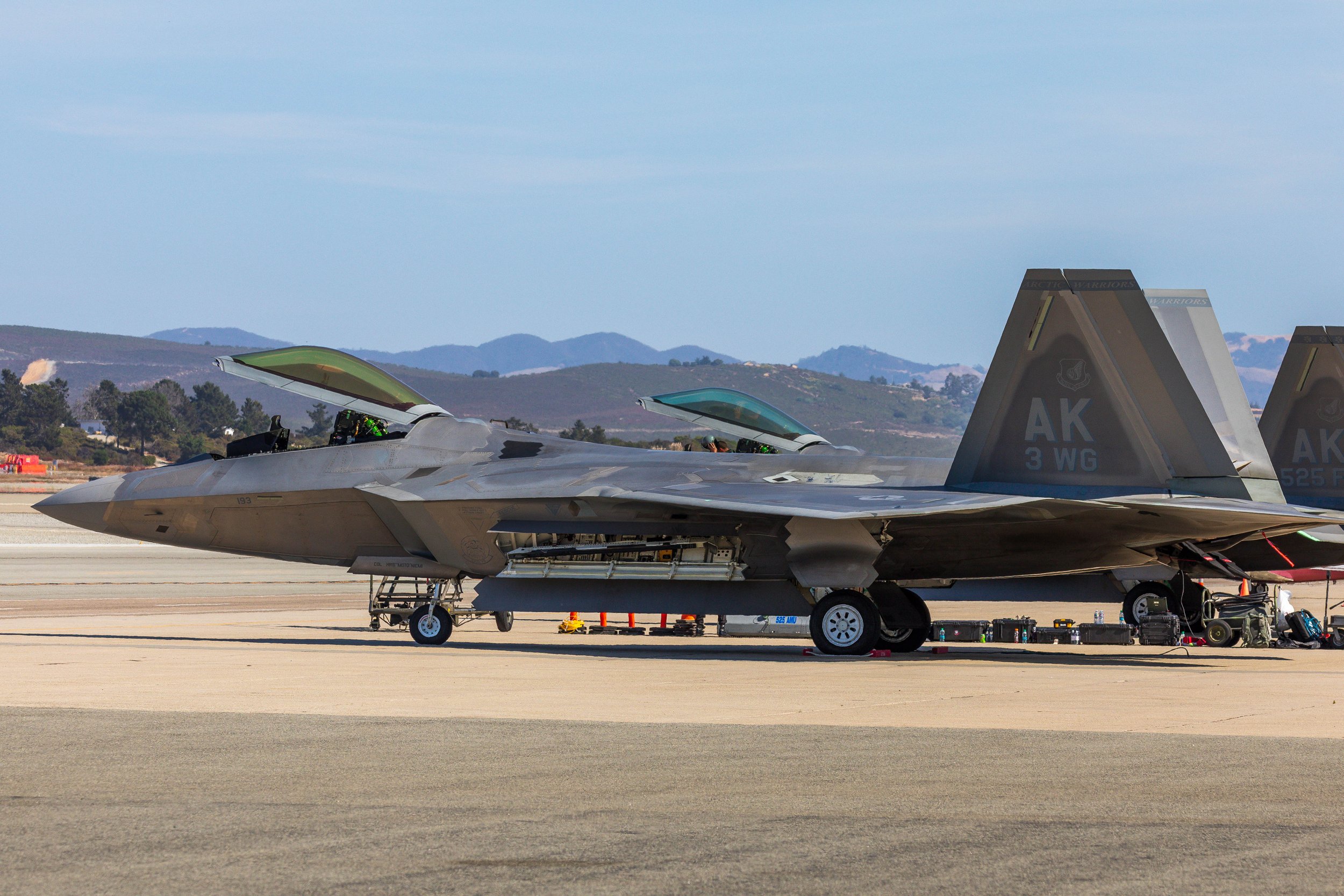
I was even able to photograph one of these planes taking off.
Getting Around
The best way to explore Big Sur is by car. Public transportation is extremely limited, and many of the best photography spots are simply pull-offs along the road.
California State Route 1, also known as Highway 1 or the Pacific Coast Highway, is the main artery that runs through Big Sur. Nearly every iconic viewpoint, beach access point, and trailhead connects to this road.
Rideshare services such as Uber and Lyft may operate in nearby cities, but coverage in Big Sur itself is unreliable. Cell service can also be spotty, especially in more remote stretches.
If photography is your focus, having your own vehicle is essential. It allows you to chase changing light, return to a location at sunset, or pull over quickly when fog starts rolling through the cliffs.
Big Sur rewards flexibility. A rental car gives you exactly that.

Restaurants with Incredible views
Where to Eat: Dining in Big Sur
Dining in Big Sur is not just about food. It is about atmosphere. Ocean views. Redwood forests. Sunsets that make you forget what you ordered.
Here are a few spots worth your time.
Nepenthe – Famous for its panoramic ocean views, try their Ambrosia Burger while soaking in the scenery.
Big Sur Bakery – A cozy spot offering wood-fired pizzas, fresh pastries, and locally sourced dishes.
Sierra Mar – Located at Post Ranch Inn, this fine-dining restaurant boasts an innovative menu and jaw-dropping views.
Ripplewood Cafe – A casual cafe serving hearty breakfasts and lunch options.
Cafe Kevah – Perfect for brunch with a view, offering fresh and seasonal fare.
Phoenix Shop & Cafe – A charming stop for coffee and unique local goods.
One of the reasons we visited Big Sur was to stay at the Post Ranch Inn. We had read so many articles about this hotel that we really wanted to experience it. This is truly a magical location. It is set above the Pacific Coastline with just outstanding views.
Best Area to Stay
The best place to base yourself in Big Sur is along the central stretch of California State Route 1.
Staying in the heart of Big Sur gives you quick access to the region’s most iconic photography locations. You are within easy reach of Bixby Creek Bridge for sunrise compositions and McWay Falls for dramatic cliffside waterfall views.
This central location also reduces drive time in both directions, which matters more than you might think. Big Sur is not large, but winding coastal roads and frequent pull-offs can slow you down. Being centrally located means you can return to a spot if fog rolls in, or quickly head out again for sunset light.
If photography is your priority, proximity is everything. Stay close to Highway 1, plan your mornings carefully, and give yourself flexibility. Big Sur’s magic often happens in the first and last hours of the day.
Where to Stay: Luxury and Comfort in Big Sur
Luxury Hotels
Post Ranch Inn – Nestled on the cliffs, this adults-only resort offers breathtaking ocean views, eco-luxury accommodations, and infinity pools that seem to blend with the horizon.
Ventana Big Sur – A luxurious resort featuring glamping options, spa treatments, and a serene atmosphere perfect for unwinding after a day of shooting.
Big Sur River Inn – A historic retreat surrounded by lush landscapes and offering charming accommodations.
Mid-Level Options
Big Sur Lodge – Located in Pfeiffer Big Sur State Park, this lodge offers rustic yet comfortable rooms with access to hiking trails.
Ripplewood Resort – Cozy cabins with a homey feel, set amidst the redwoods and near the Big Sur River.
Deetjen’s Big Sur Inn – A quaint and historic inn with individually decorated rooms and an enchanting ambiance.
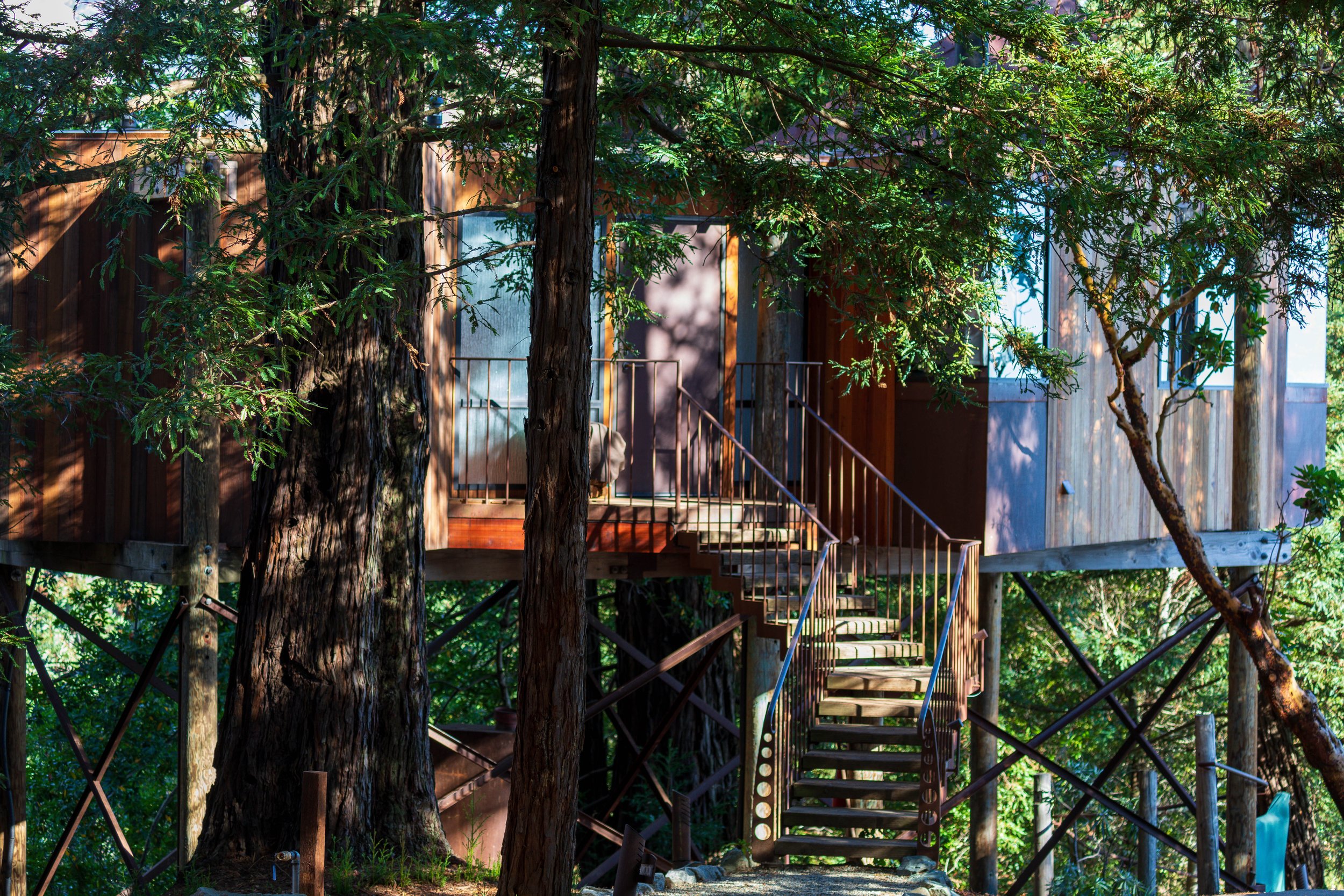
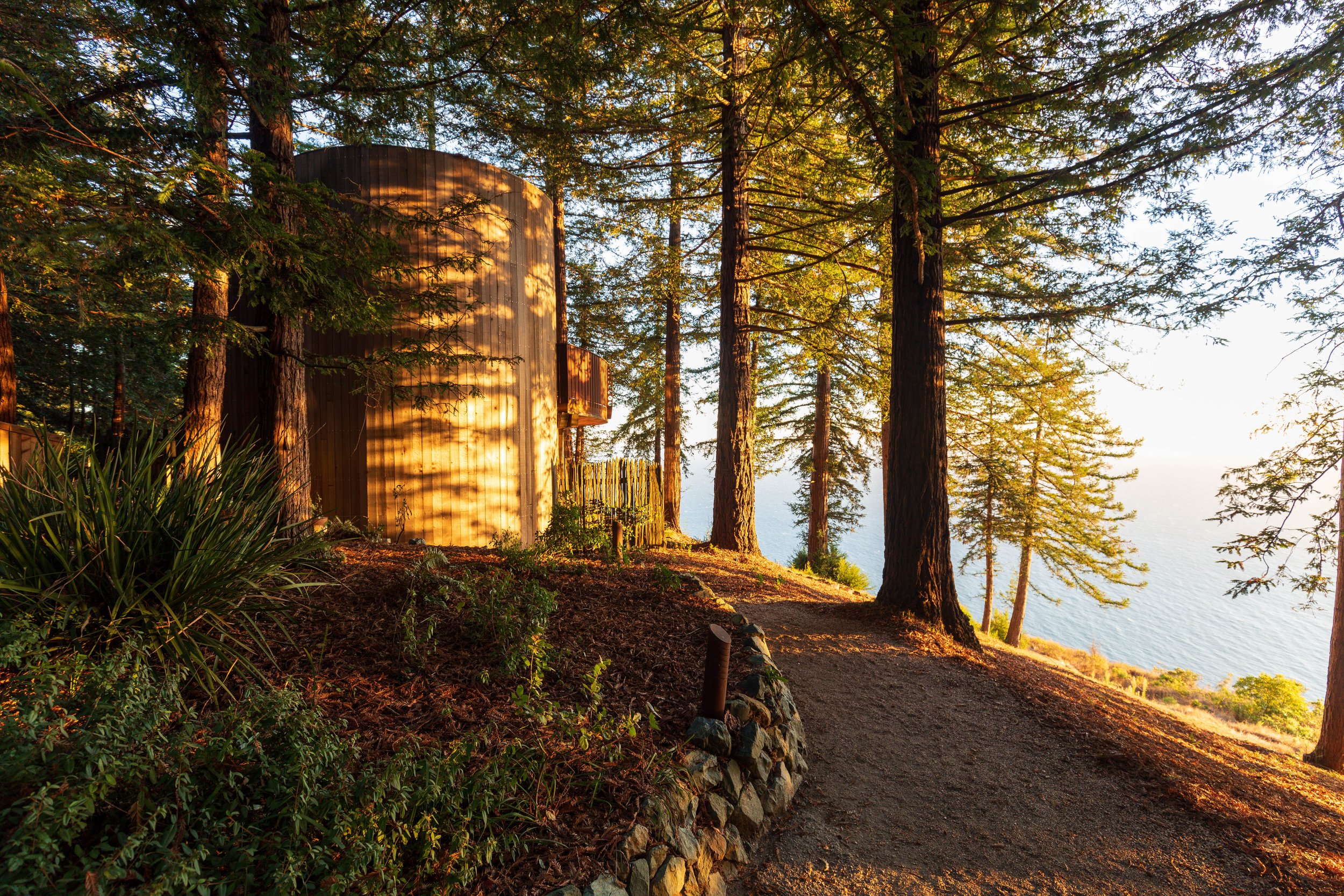
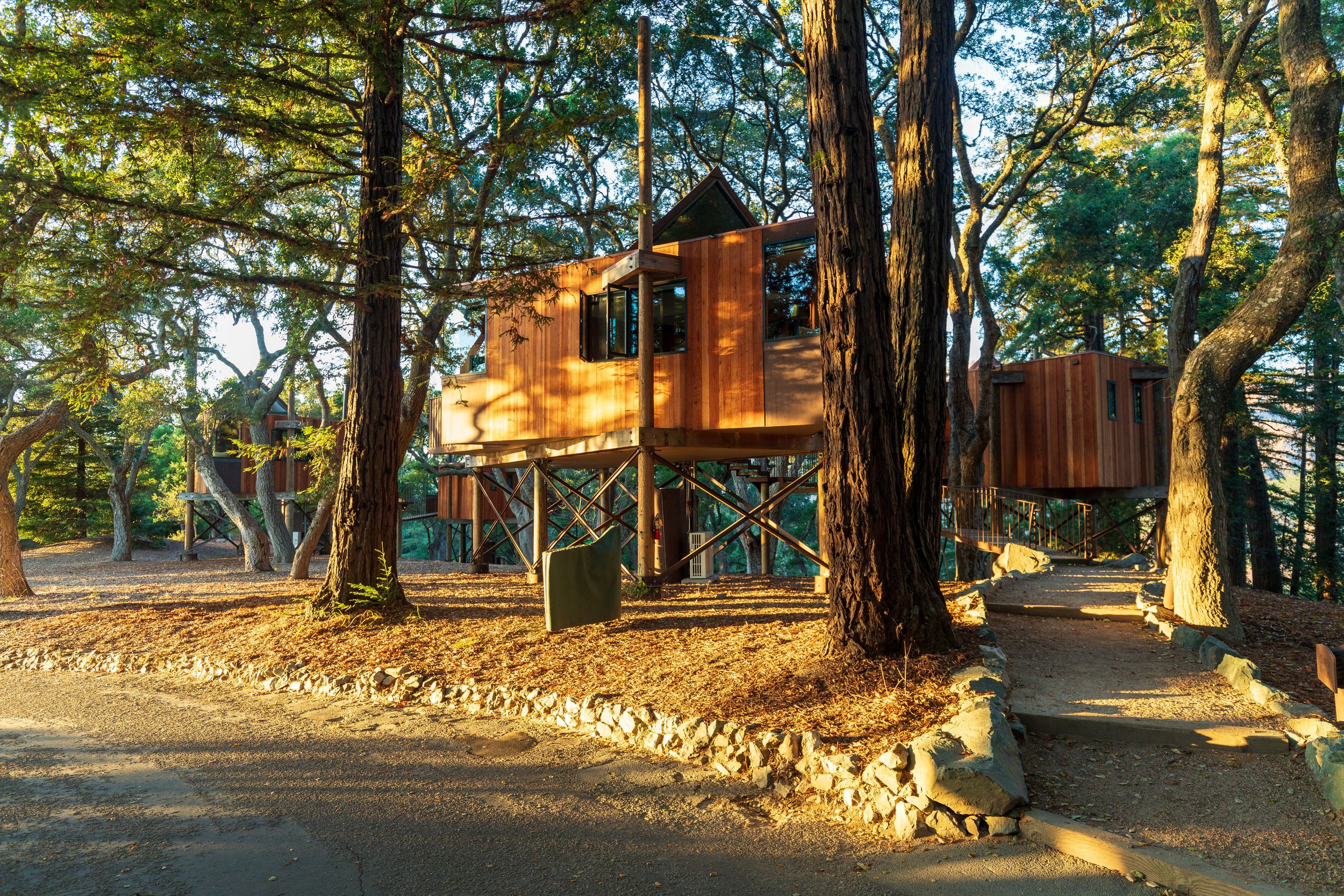
As we approached the hotel via helicopter and were treated to such a unique experience that I will never forget it.

Since most people could not drive into the Big Sur area, there were virtually no visitors. The hotel arranged for guests to be able to borrow one of the 8 cars they had on standby. So we would take drives down the coastline and see 1 car every 20 to 30 minutes. It was just so incredible that there were no words to describe it. Even if I were the richest person on earth, I could never buy this experience.
How Long to Stay and Best Time to Visit
If you want to do Big Sur properly, plan for 3 to 4 days.
That gives you enough time to photograph the iconic highlights, explore lesser known pull offs, and return to key locations when the light improves. Big Sur is all about timing. Fog rolls in. It clears. Light changes direction. Staying multiple nights gives you flexibility, which is everything for landscape photography.
The best time to visit is spring, especially April and May. Wildflowers bloom along the cliffs, hills are still green, and the coastline feels fresh and alive. Fall, particularly September through November, is another excellent window. The weather is often clear and crisp, and summer crowds have thinned out.
Summer can be busy. Winter can bring dramatic storms, but also road closures and heavier fog.
If you can choose, aim for late spring or early fall. And whatever you do, give yourself enough time. Big Sur is not a one-night stop. It is a place to slow down, revisit locations, and let the coast reveal itself.
Photography Gear to Bring
Photographing Big Sur is all about dynamic range, shifting light, and versatility. The coastline can move from bright highlights over the Pacific to deep shadow in redwood groves within minutes. You want gear that can handle that contrast.
Camera Body
A full-frame DSLR or mirrorless camera, such as the Canon EOS R5 or Sony A7R IV, is ideal. Strong dynamic range helps preserve detail in both sky and shadows, especially during sunrise and sunset.
Lenses
Wide-angle, 16 to 35mm
Perfect for sweeping landscapes, dramatic foreground compositions, and seascapes. This will likely live on your camera for much of the trip.Standard zoom, 24 to 70mm
A versatile option for environmental portraits, tighter compositions of cliffs, and flexible framing when you cannot move closer.Telephoto, 100 to 500mm
Great for isolating distant rock formations, compressing layers of coastline, or capturing wildlife along the cliffs. Big Sur rewards compression.Accessories
Sturdy tripod
Essential for long exposures, blue hour, and sunset work. Coastal winds can be strong, so stability matters.Neutral density filters
ND filters allow you to smooth out crashing waves and create that silky water effect along rocky shorelines.Extra batteries and memory cards
Cold mornings, long days, and heavy shooting can drain batteries faster than expected. Always carry backups.Big Sur is unpredictable in the best way. Pack smart, stay flexible, and let the light guide you.
Photography Locations
Highway 101 Drive
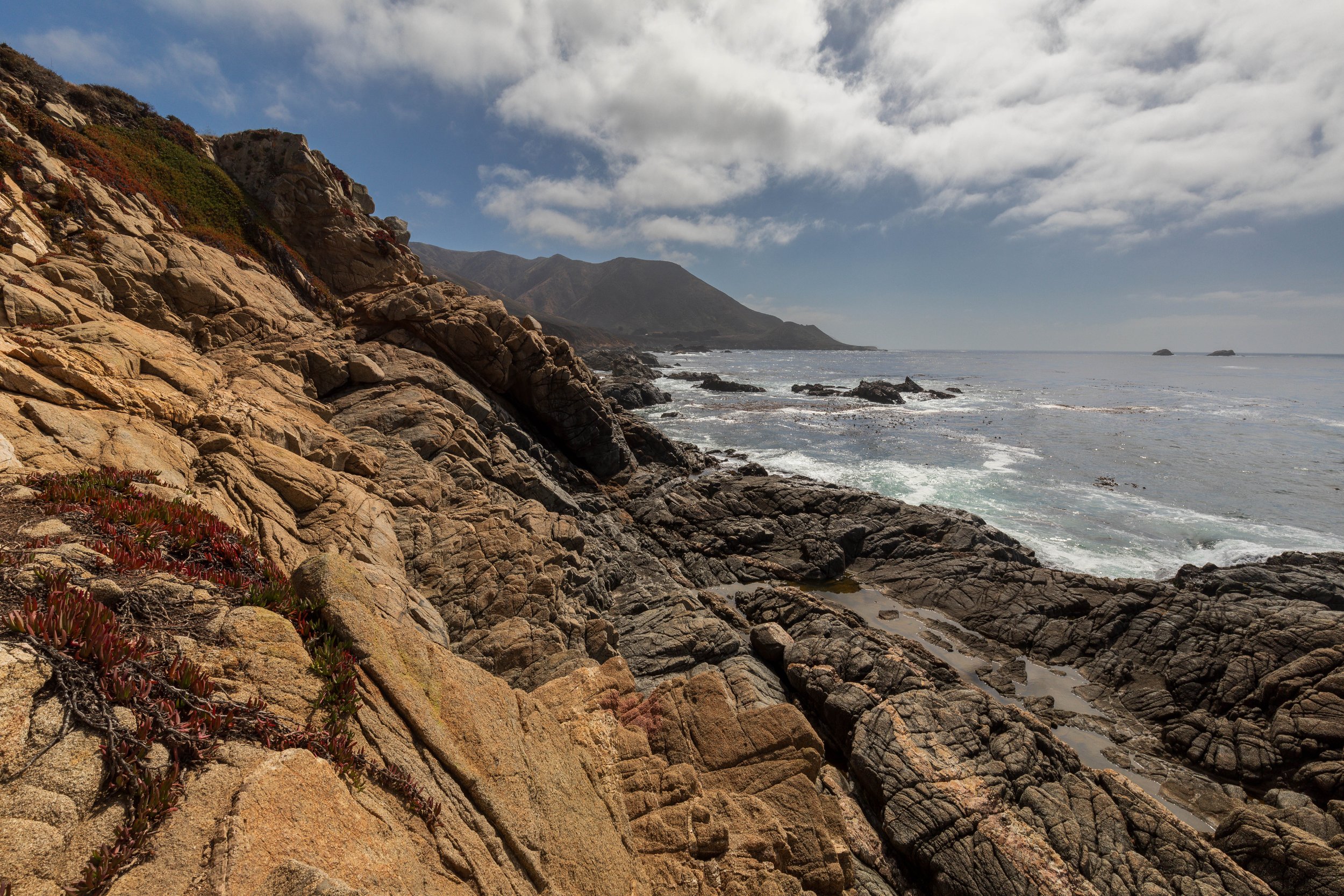
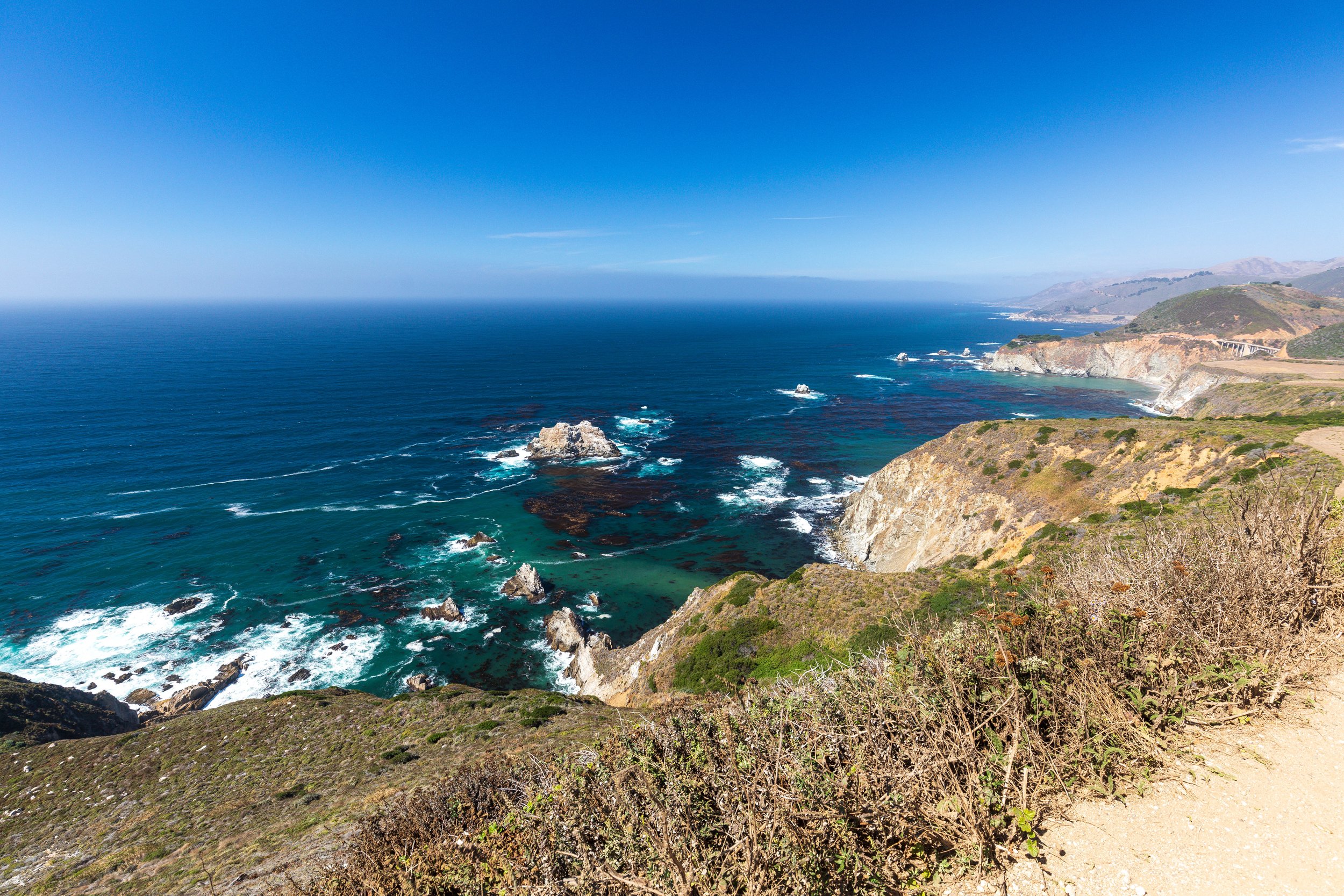
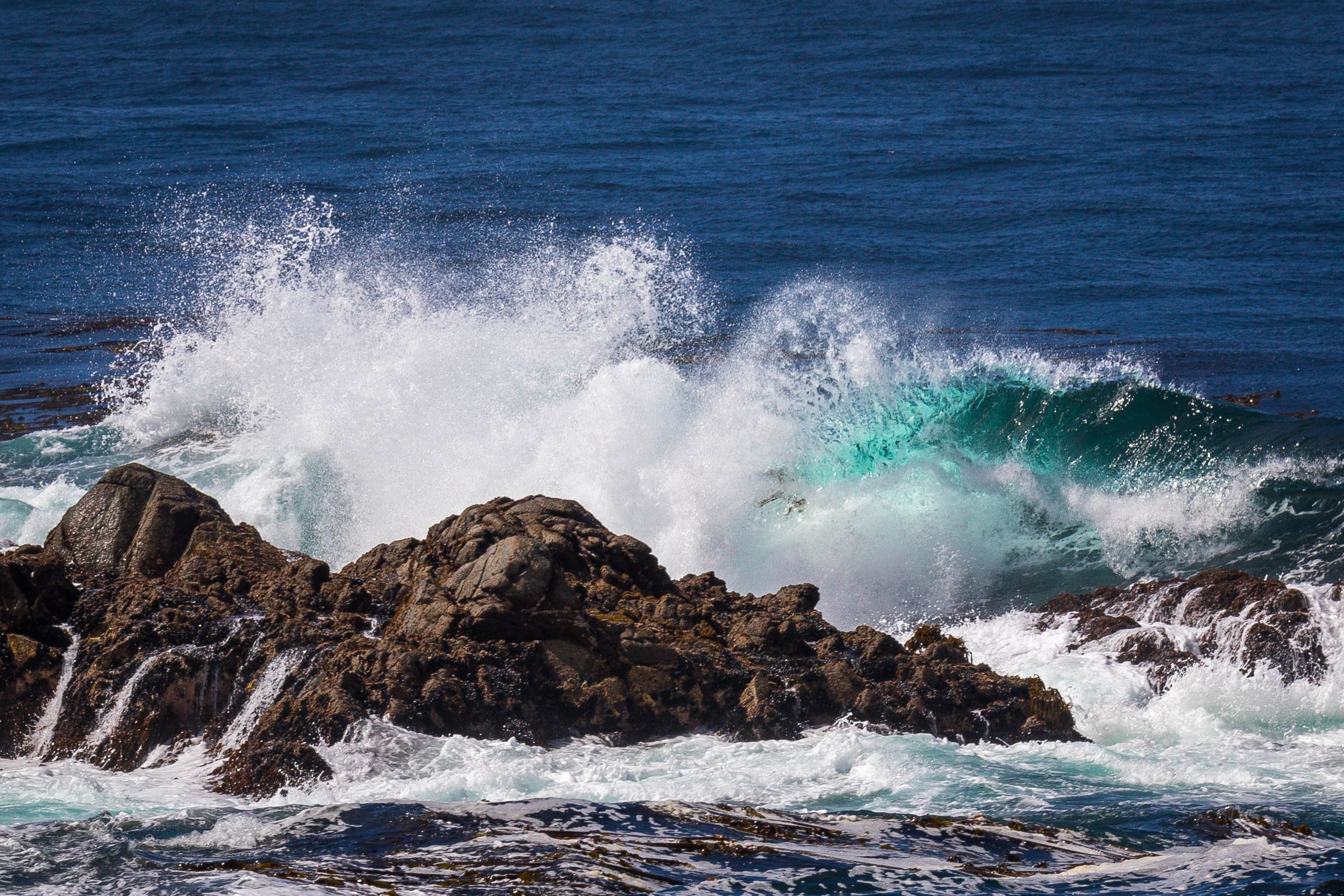
One of the best things to do in Big Sur is to enjoy the beautiful drive. Highway 101 is full of dramatic coastlines, beautiful views, and curvy roads. There are lots of places to pull over and enjoy the views. Take your time to enjoy the beauty around you.
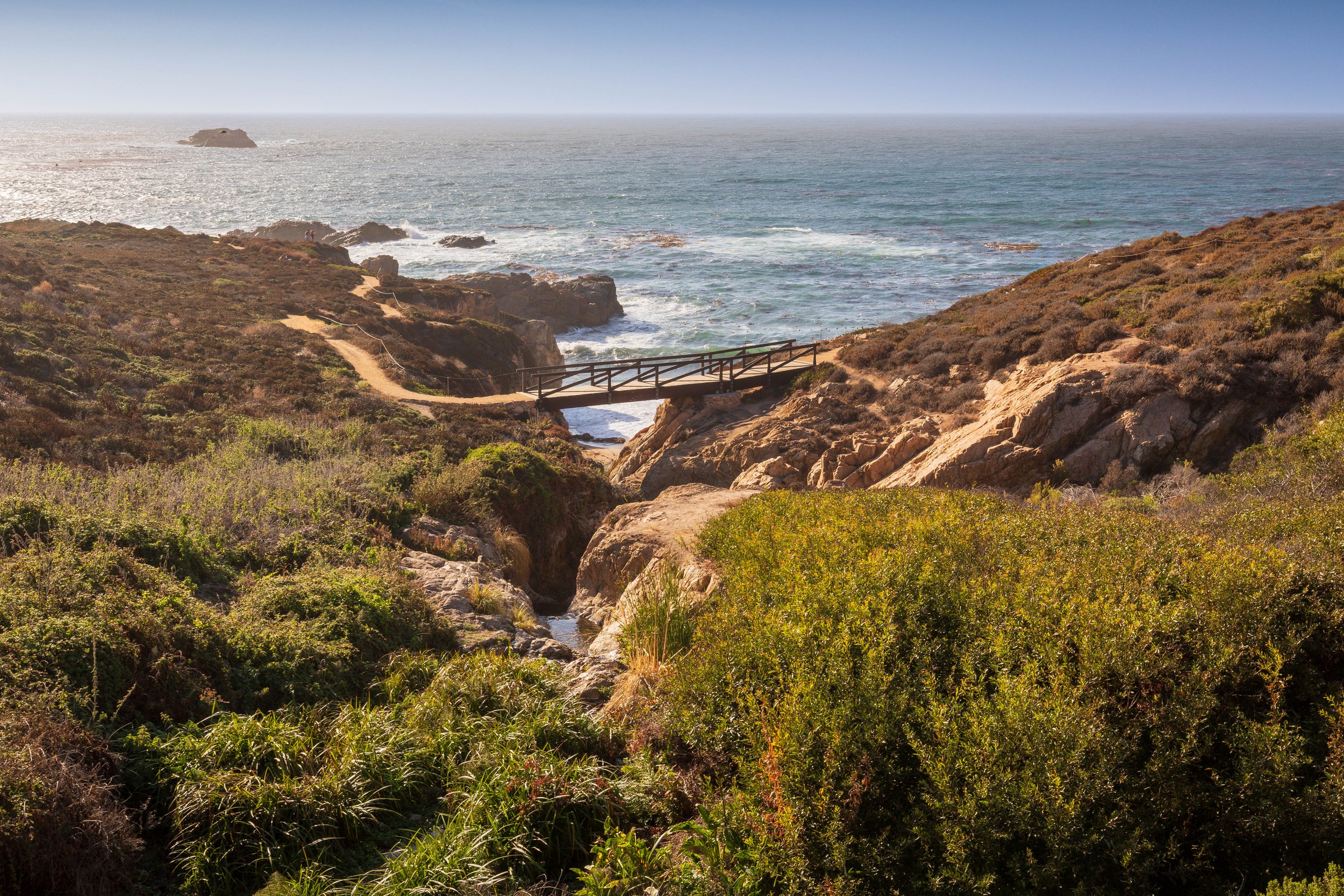
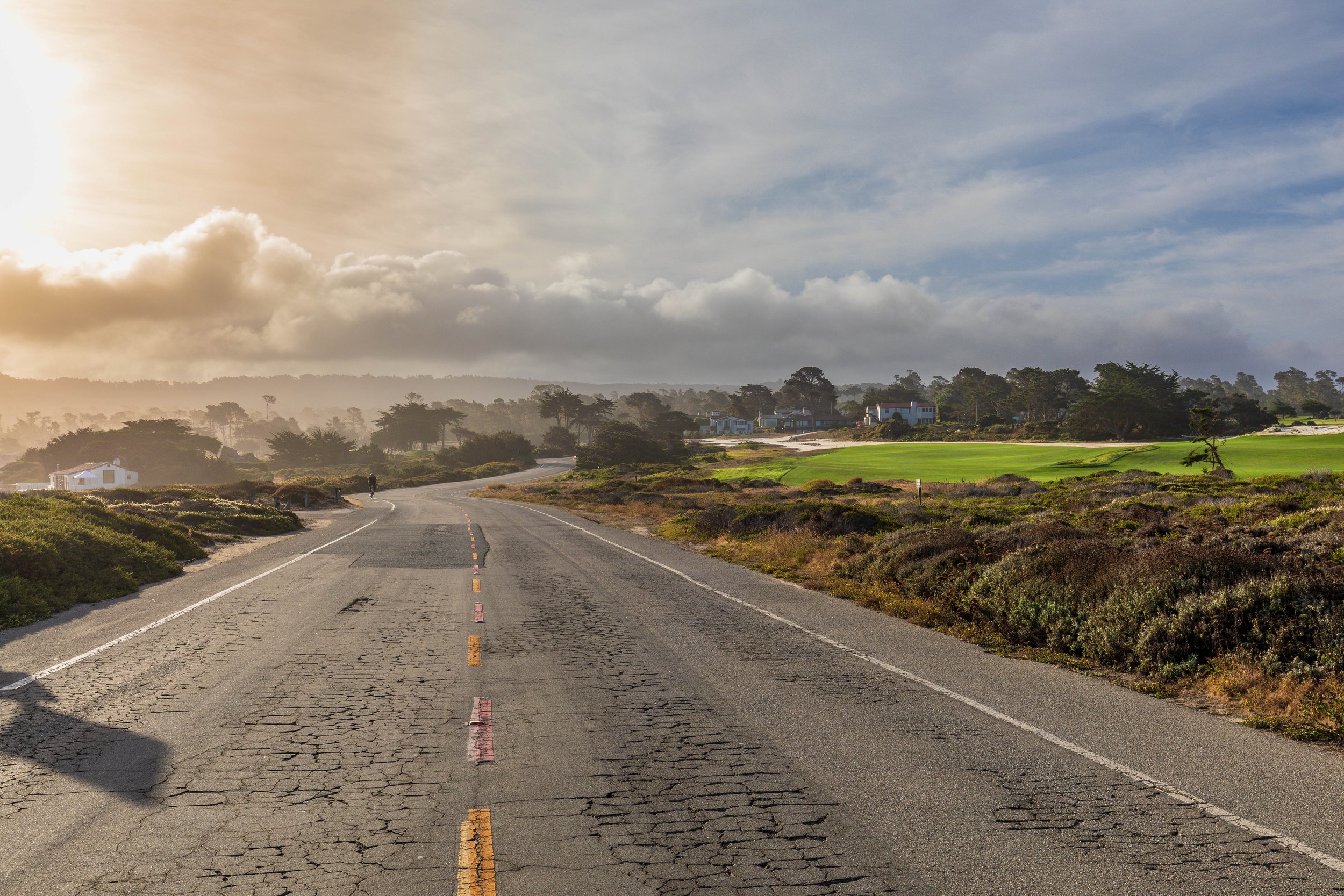
Drive 17-Mile Drive
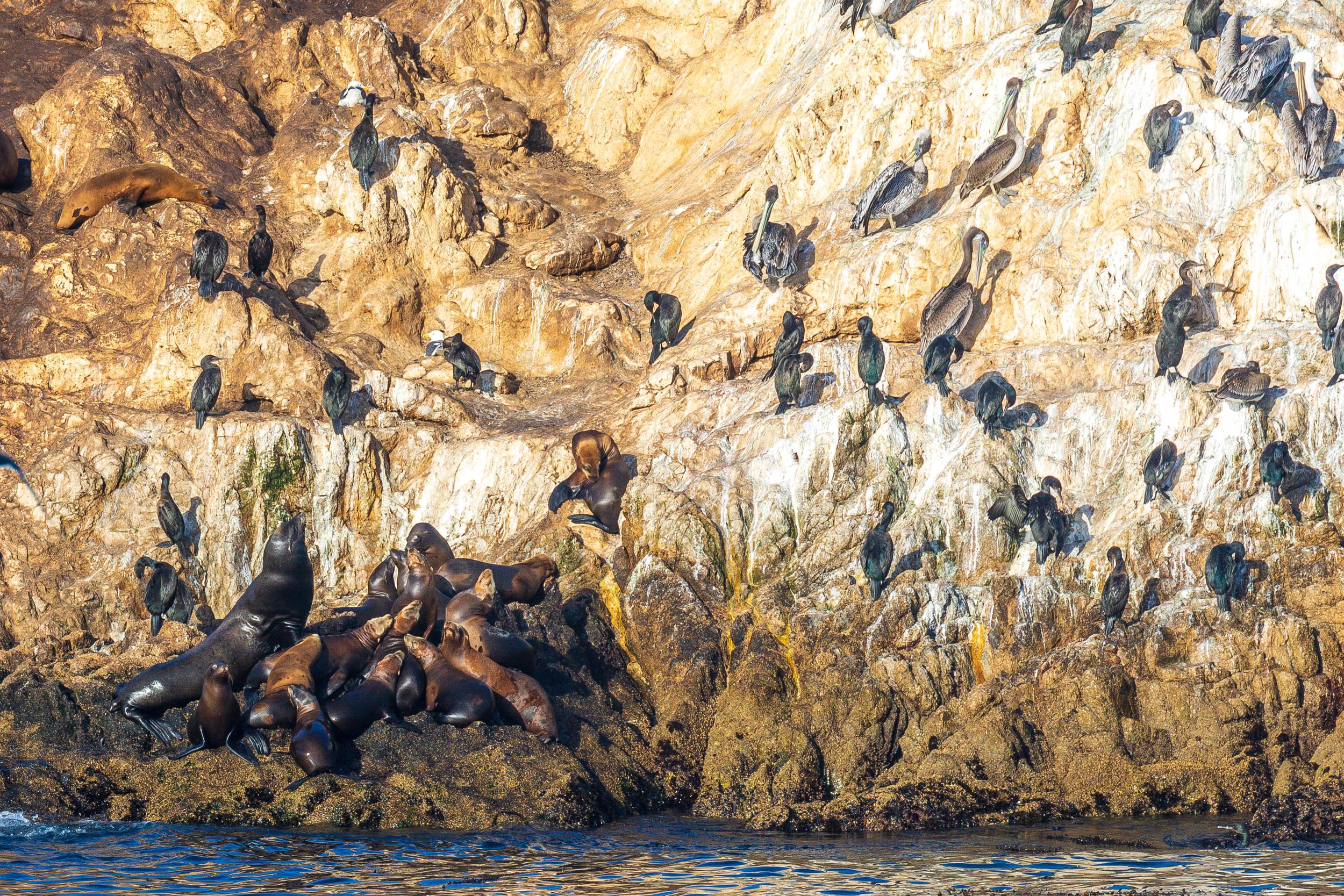
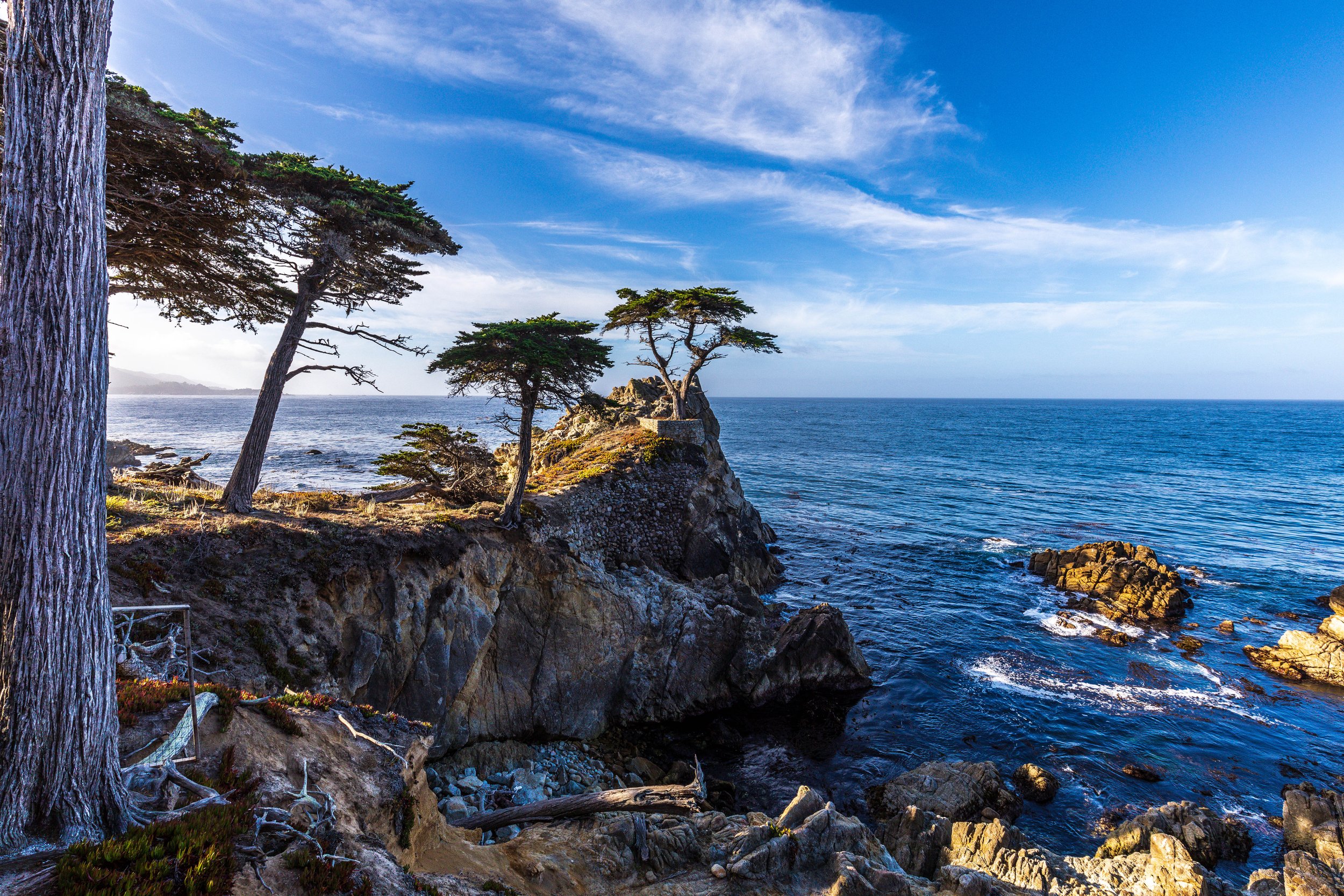
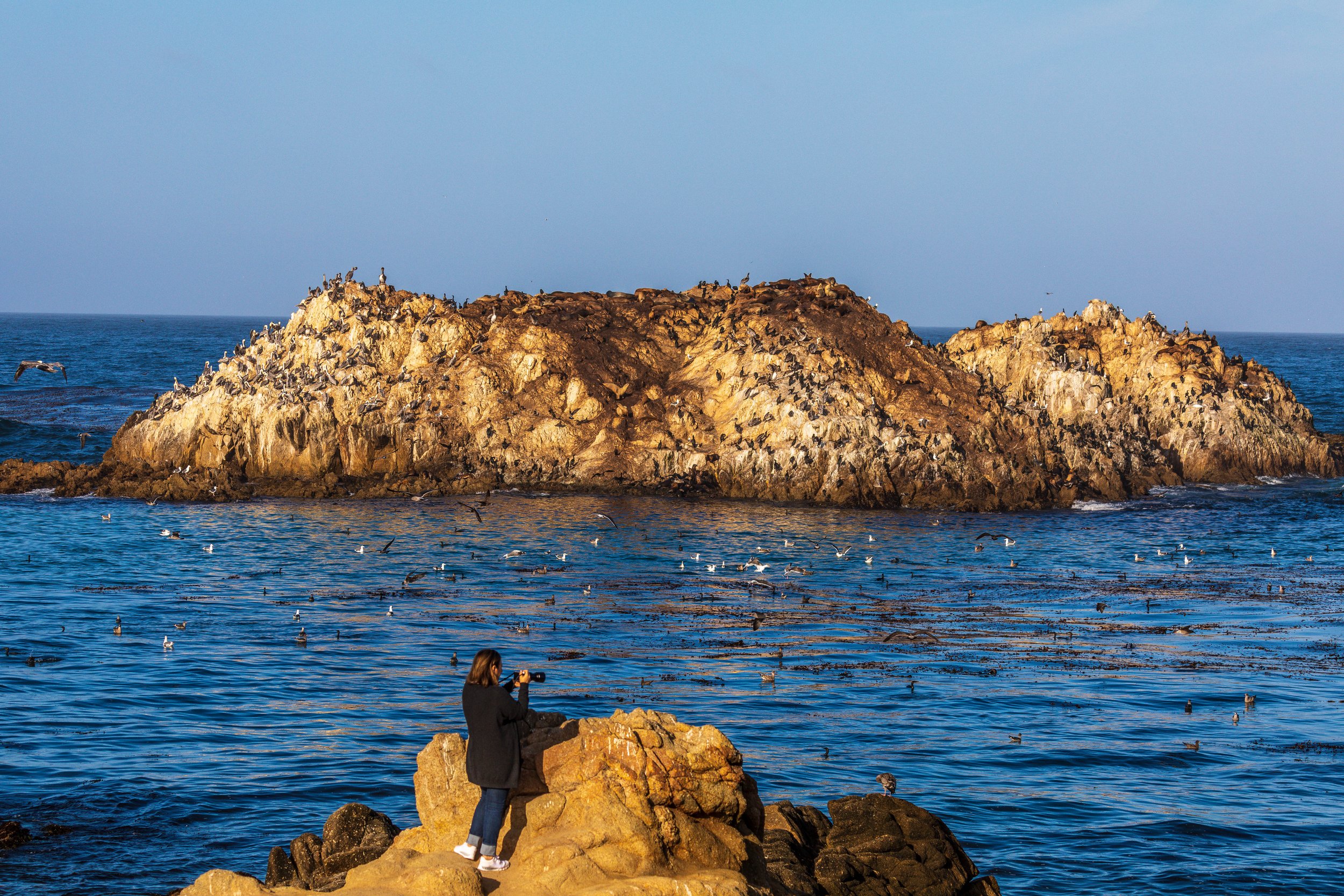
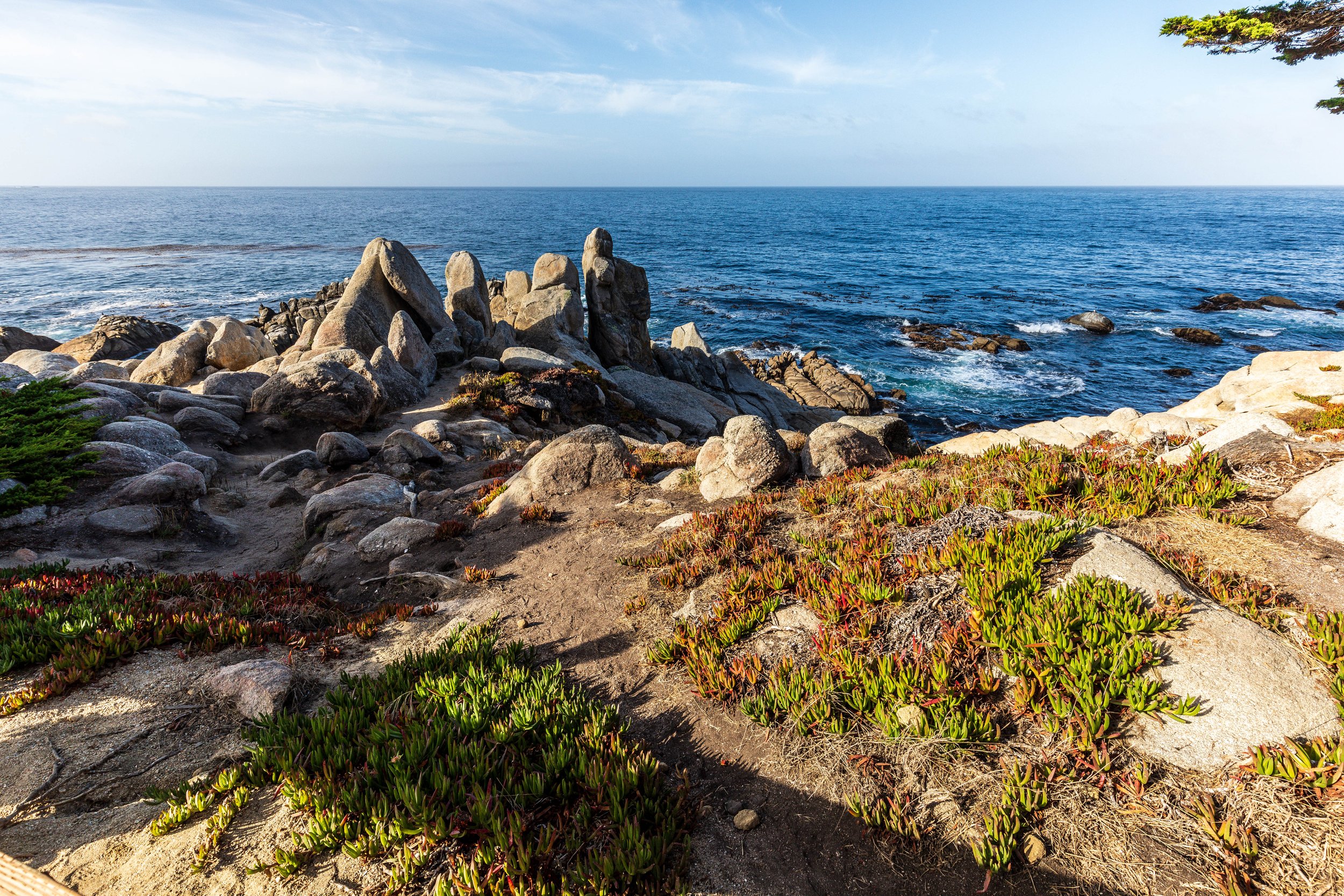
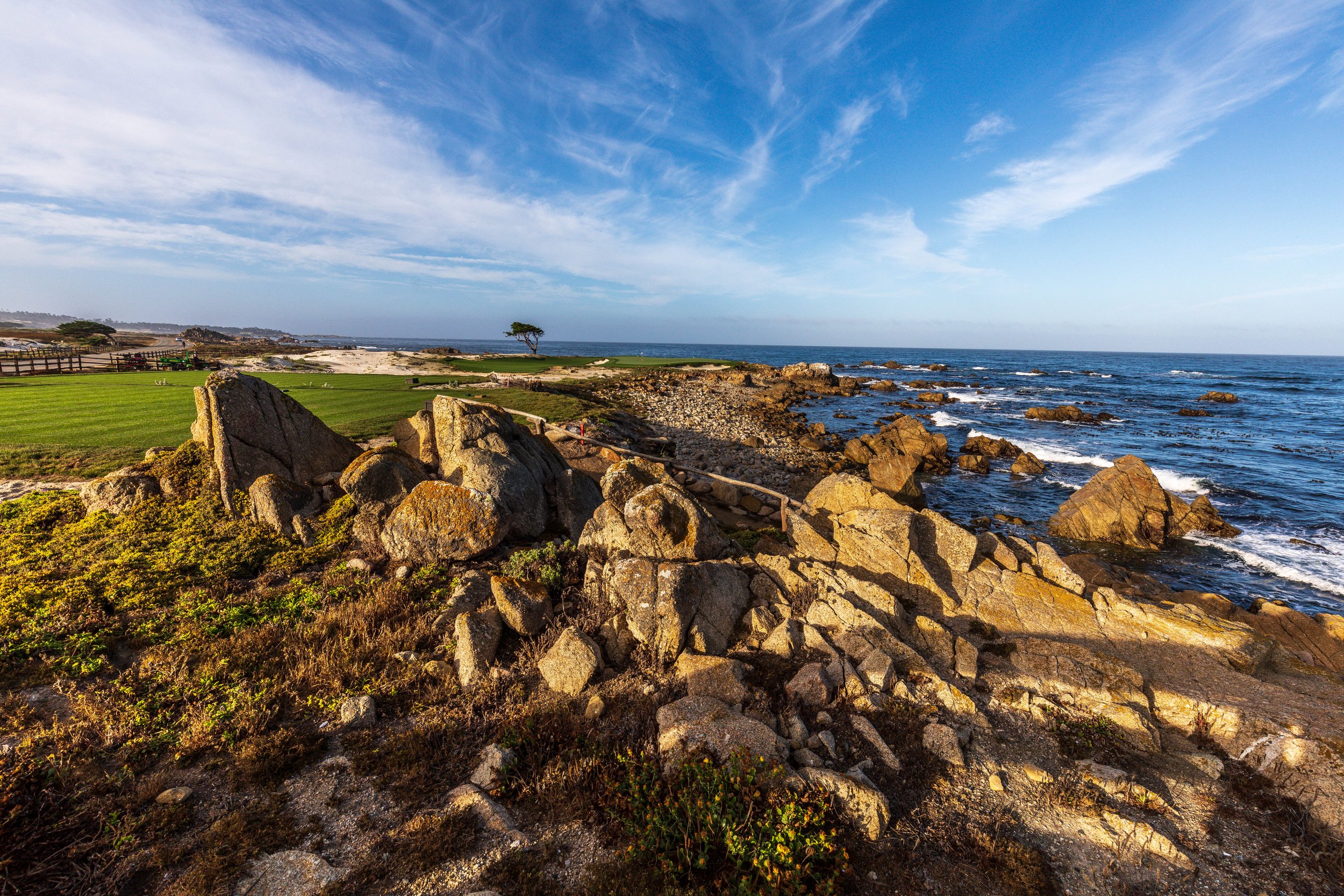
Since we were driving down from the north, we stopped to drive along the famous 17-Mile Drive along Pebble Beach, a famous golfing community. It is AMAZING!! Do not miss it.
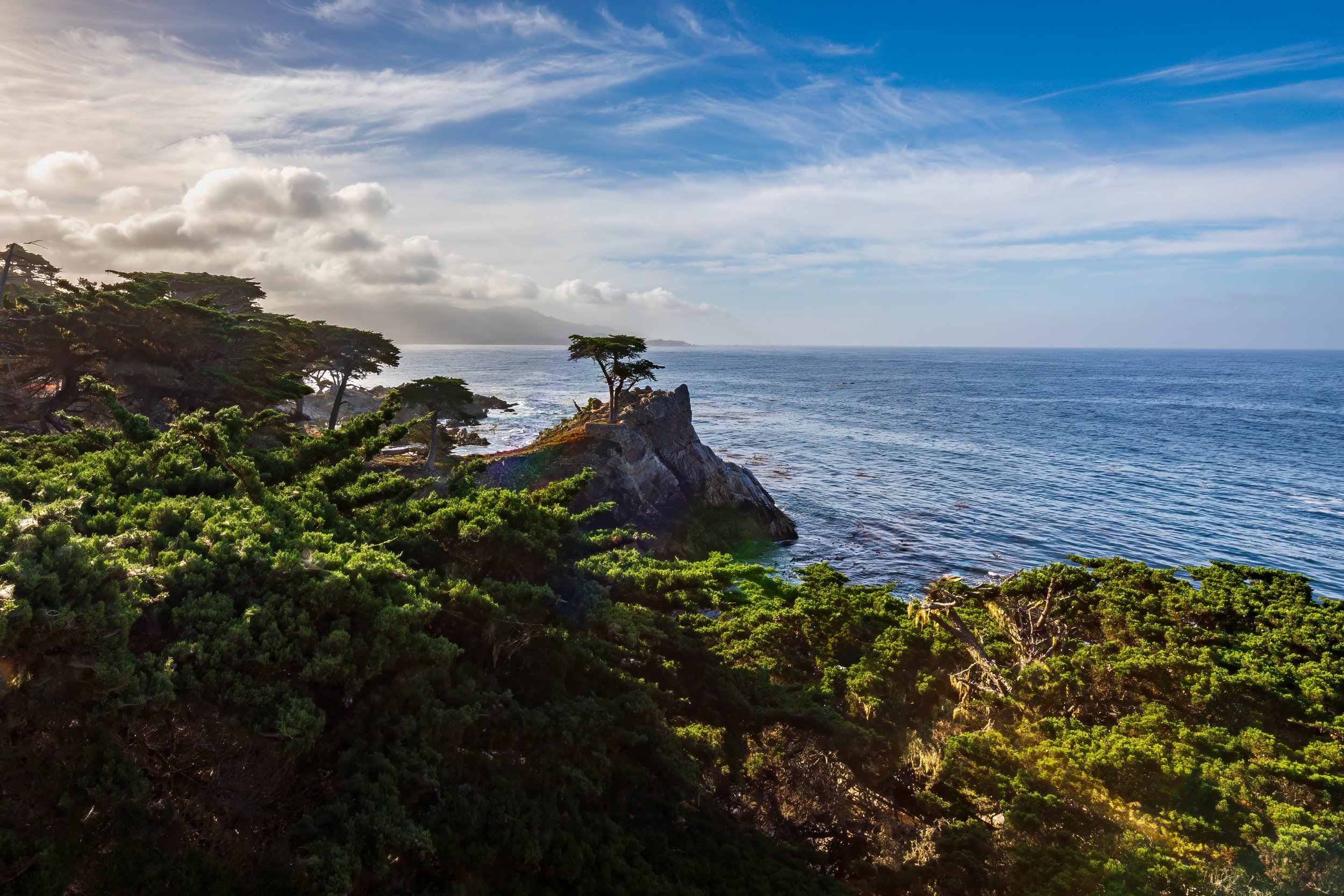
The Lone Cyprus Tree
There are beautiful views of the coast, mansions to marvel over, and nice golf courses. The entrance fee is $10.50 per vehicle.
Bixby Bridge
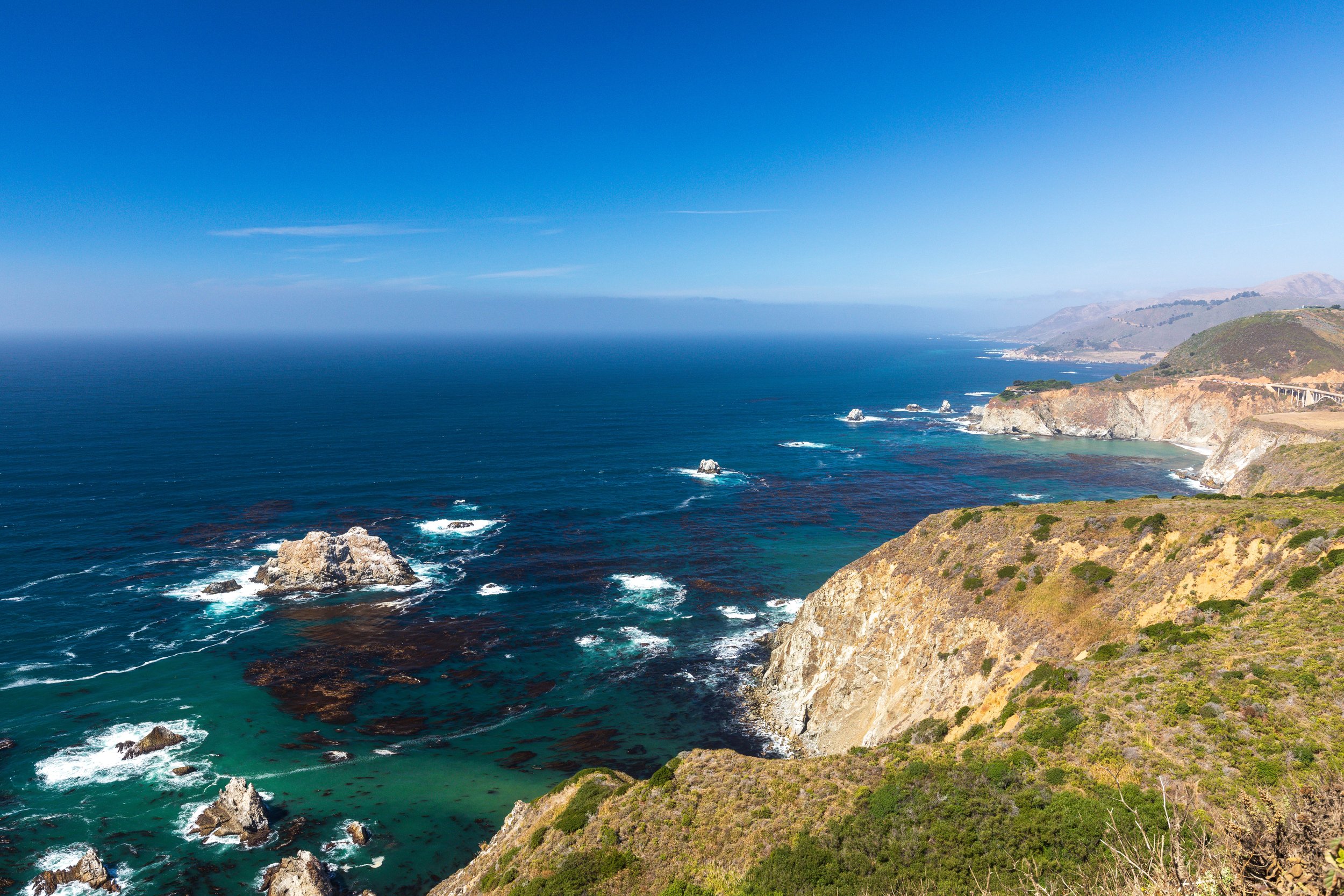
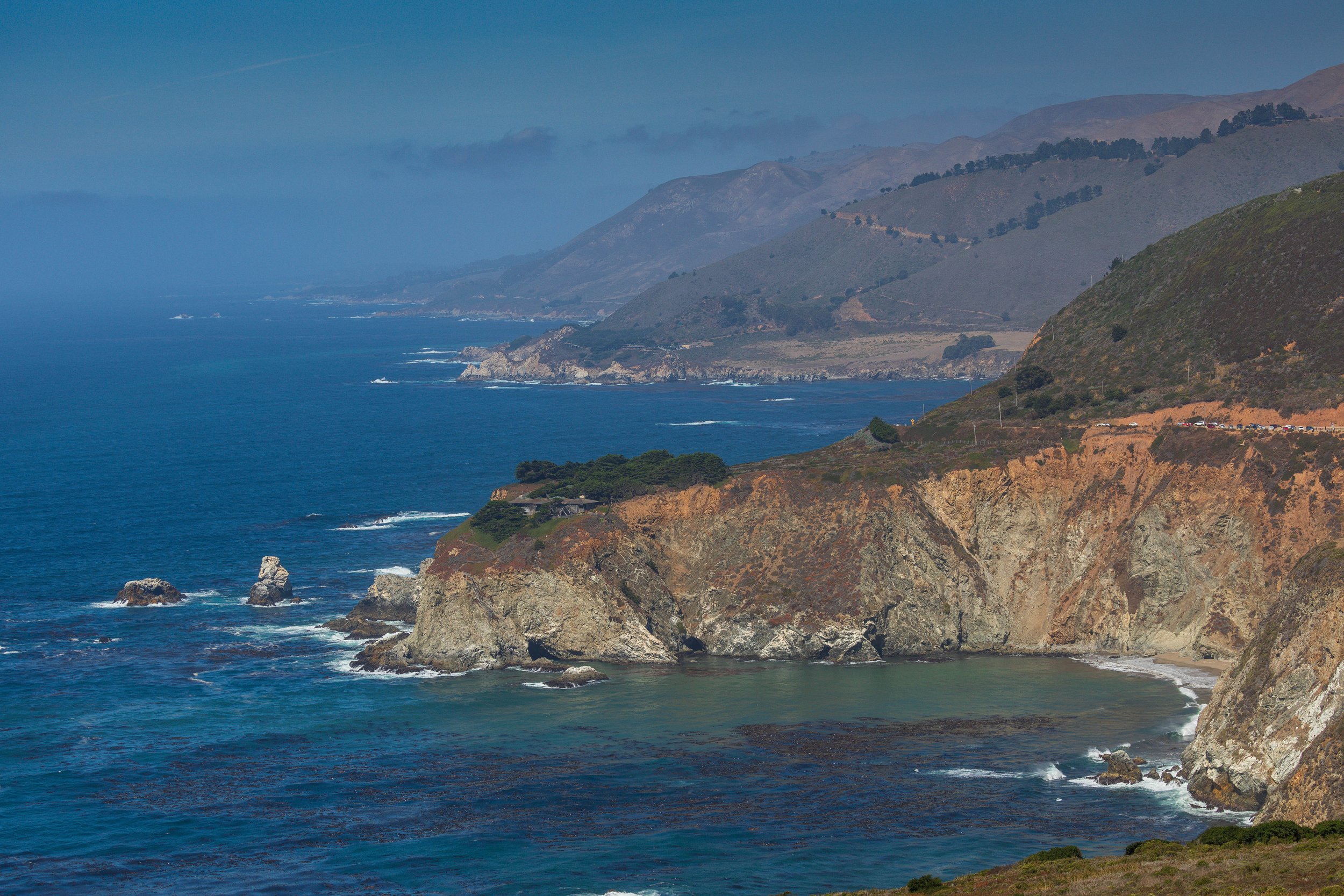
Bixby Creek Bridge – One of the most photographed bridges in the world, especially stunning during sunset.

From. our Helicopter
You can view the bridge from both the east and west sides of the road. I was able to photograph it from our helicopter.
Julia Pfeiffer Burns State Park McWay Falls
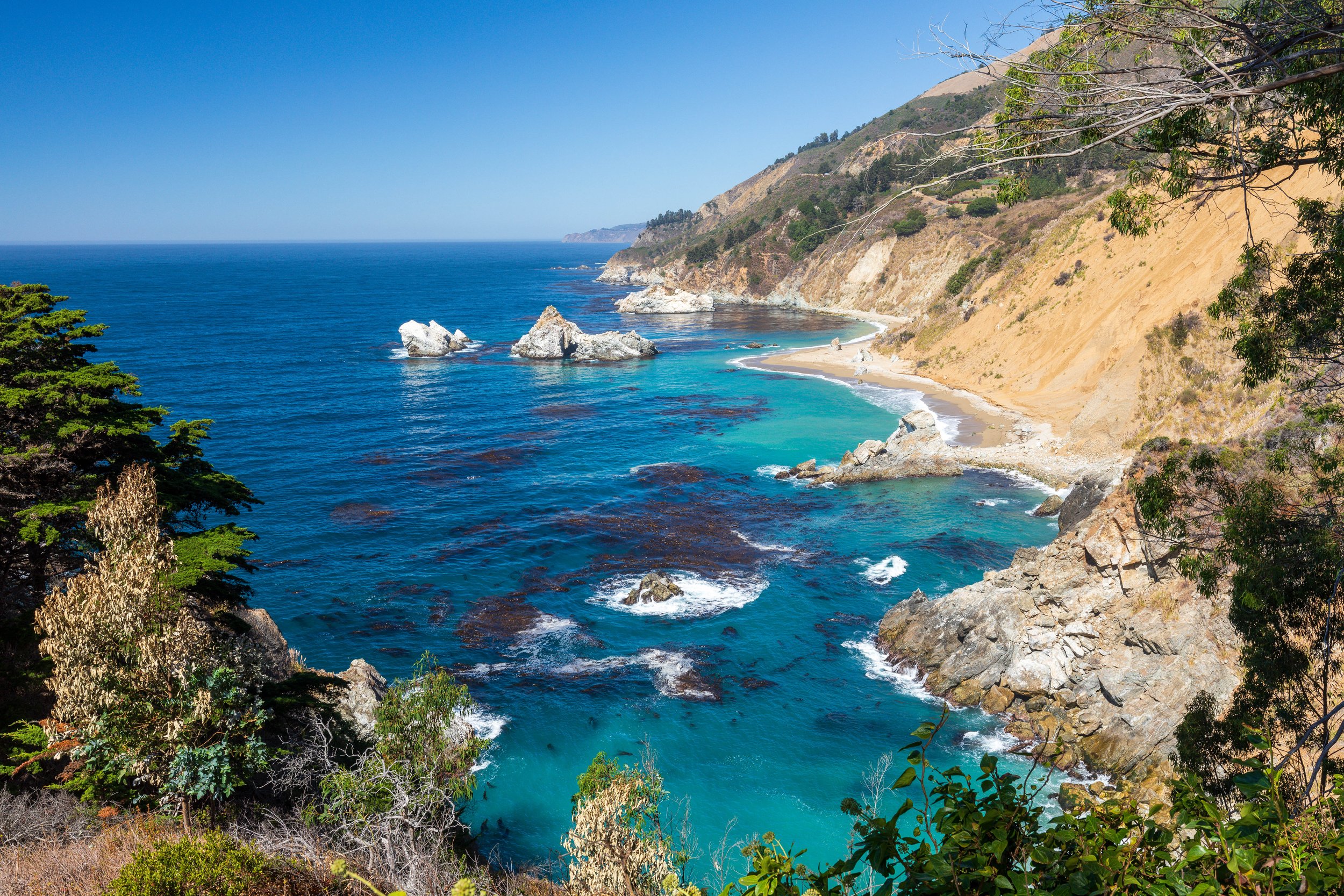
Julia Pfeiffer Burns State Park is home to the famous McWay Falls, a beautiful waterfall that flows into the Pacific Ocean. There is a short ½-mile overlook trail to see the waterfall. The waterfall is about 80 feet tall and is surrounded by granite cliffs and a sandy cove. The beach is closed to the public.
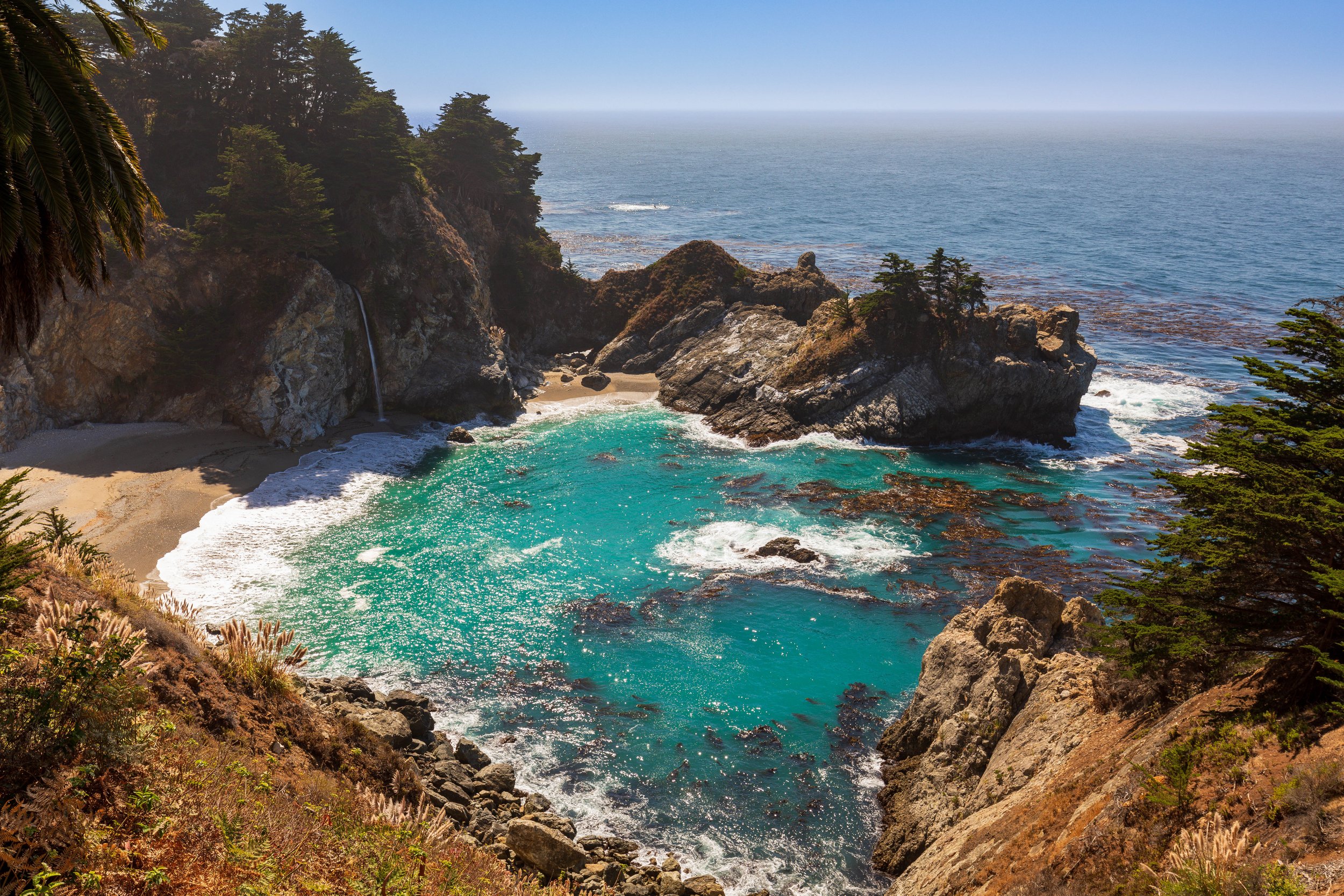
If the only thing you want to see in the park is McWay Falls there is an overlook on the side of Highway 101 before going into the park. The view from this pullout is about as good as taking the hike and will save you the entrance fee.
Pfeiffer Big Sur State Park is one of my favorite State Parks to explore in Big Sur, and has often been called a “mini Yosemite.” There are redwoods and creeks to explore and plenty of places to park.
Andrew Molera State Park
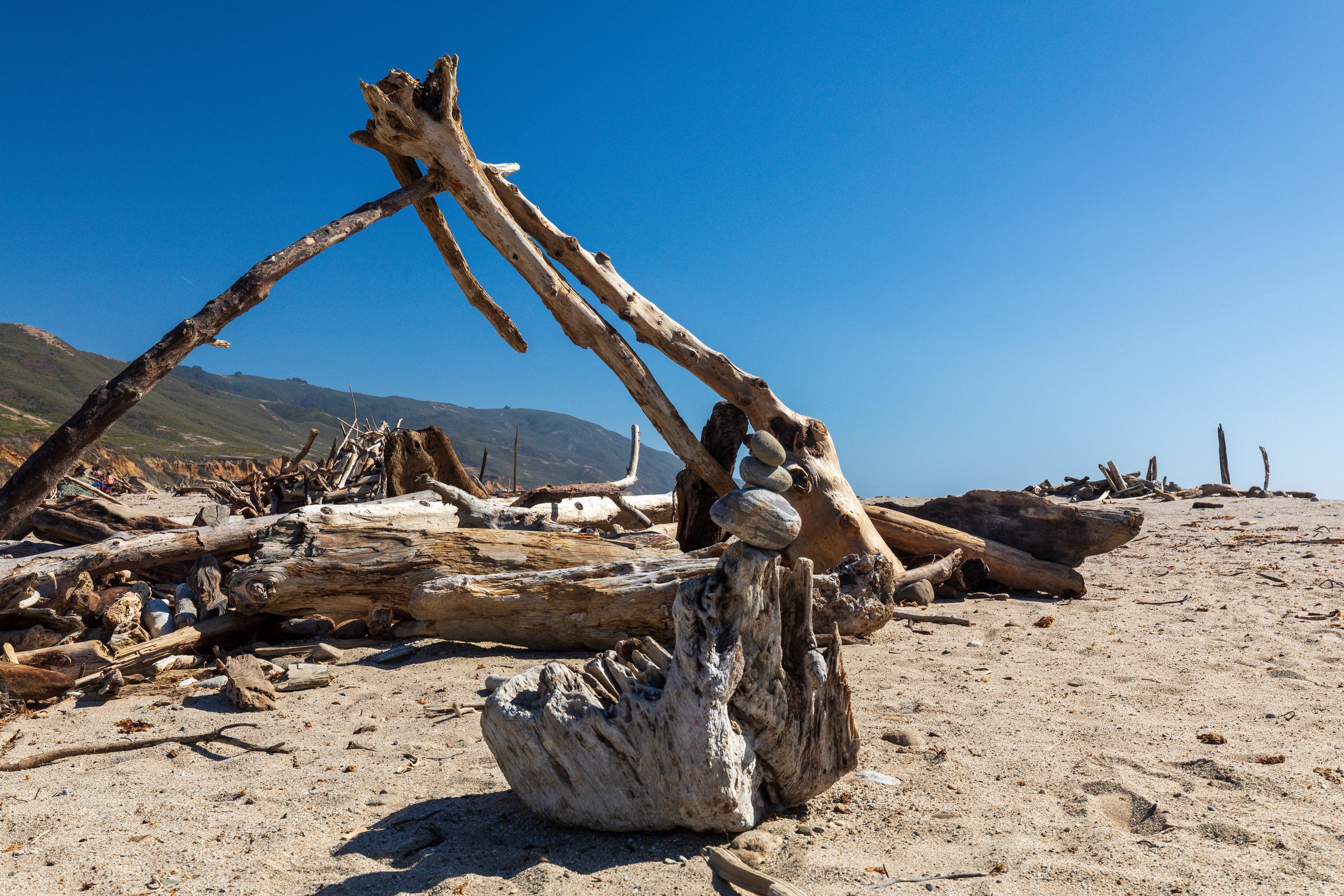
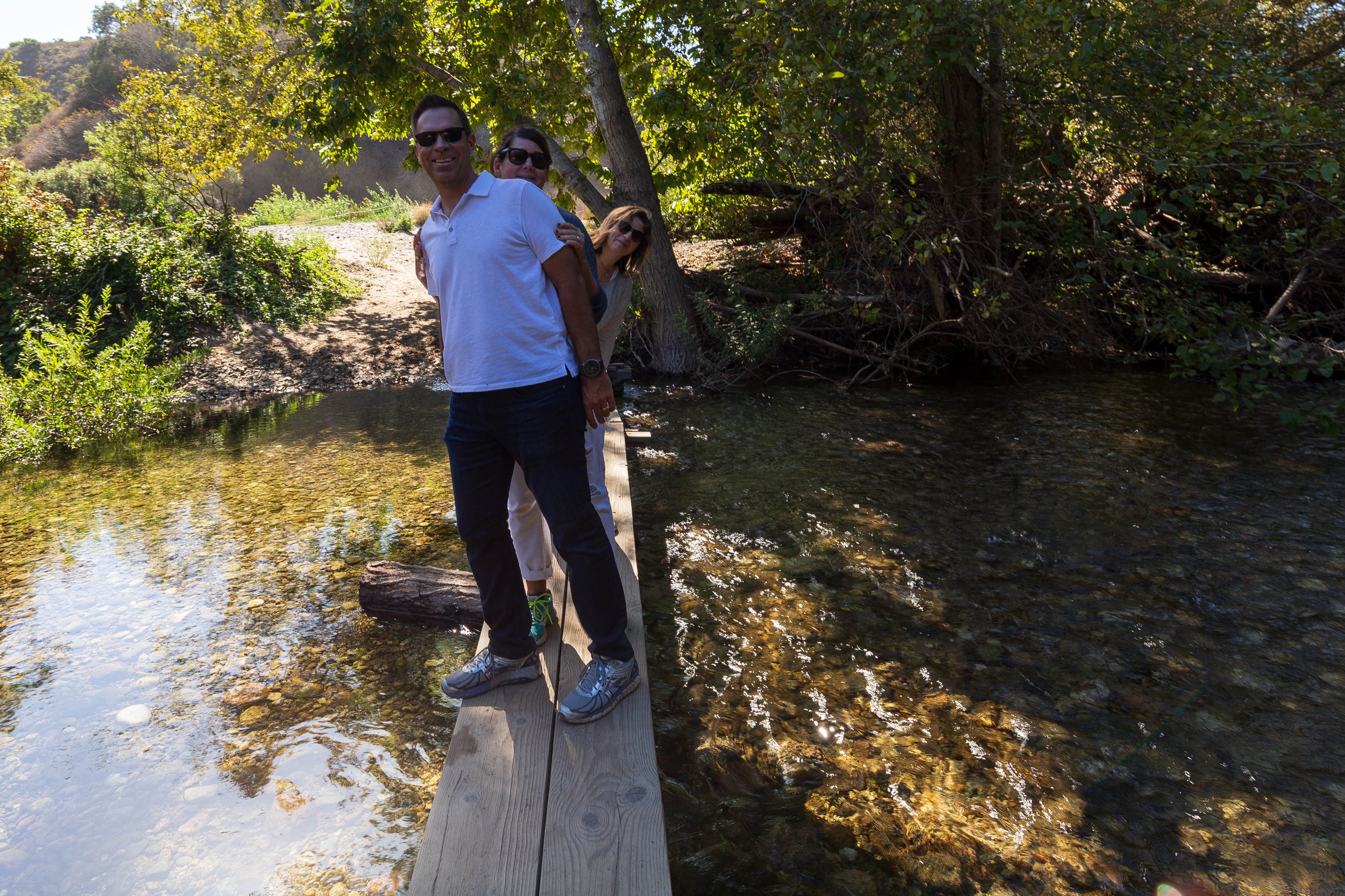
Andrew Molera State Park is more “undeveloped” in the sense that there are only a few trails to do here. I really love the easy Bluffs Trail that follows the bluffs with ocean views. The Creamery Meadow Trail is a nice 2-mile round-trip and crosses over the Big Sur River.
Garrapata State Park
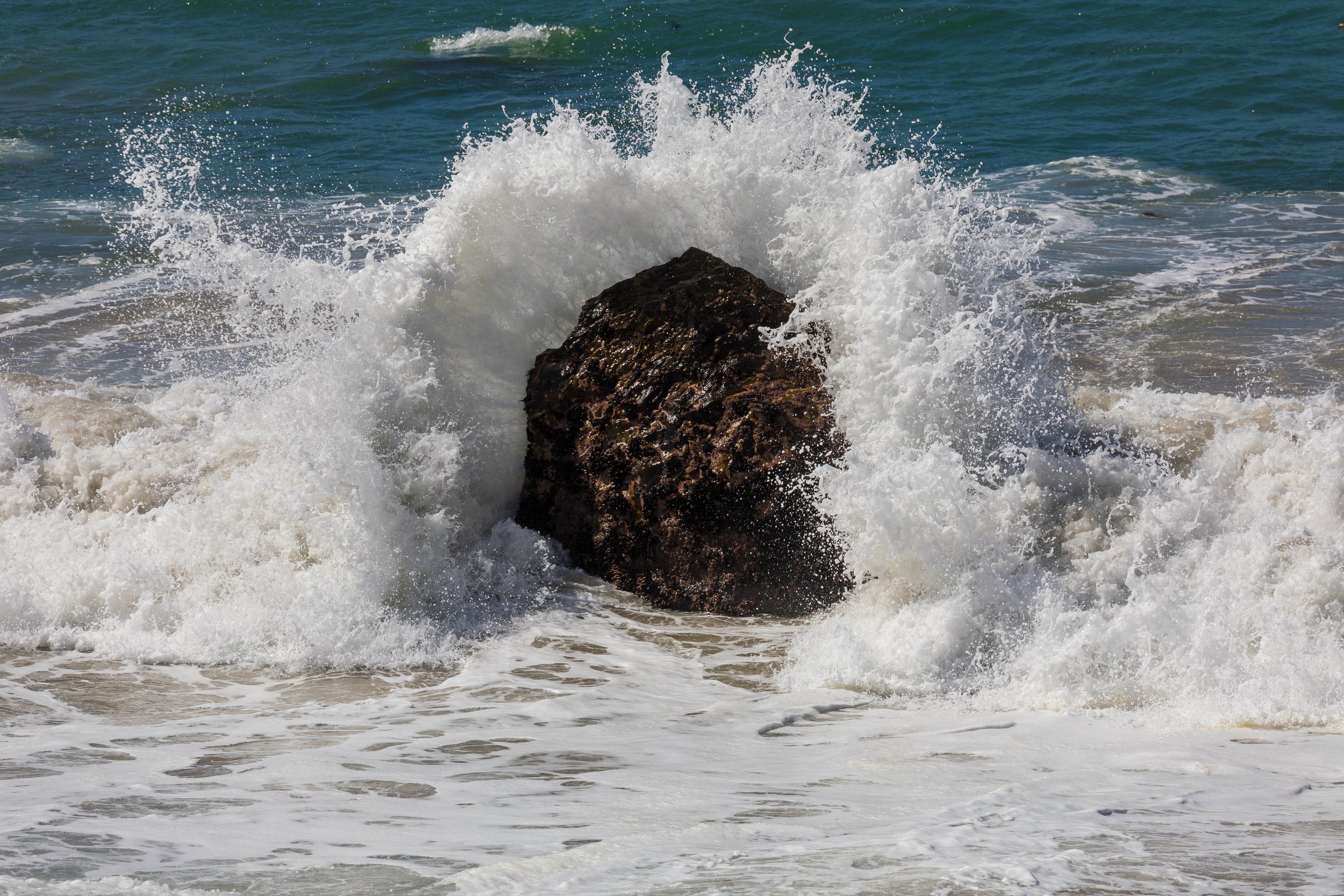
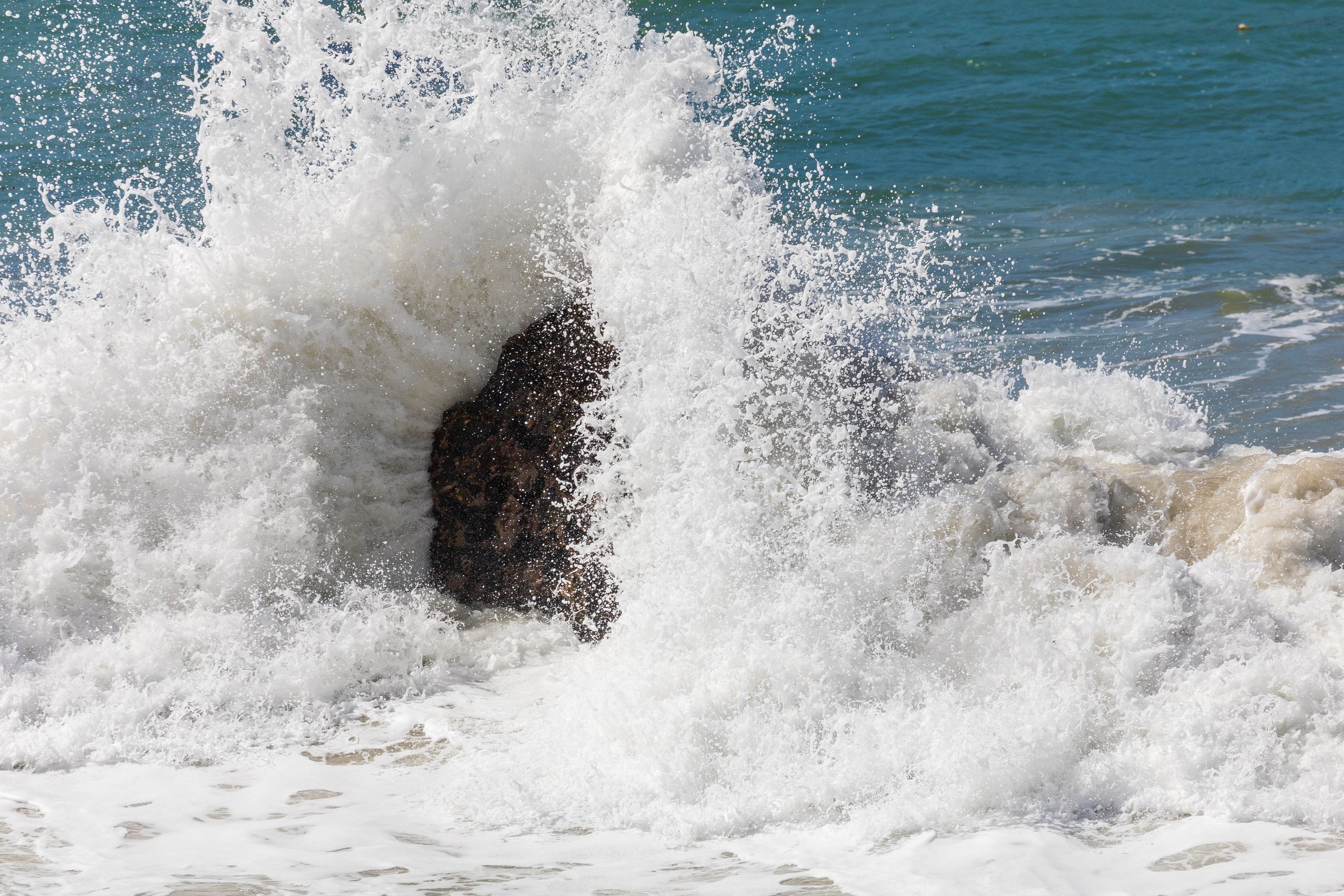
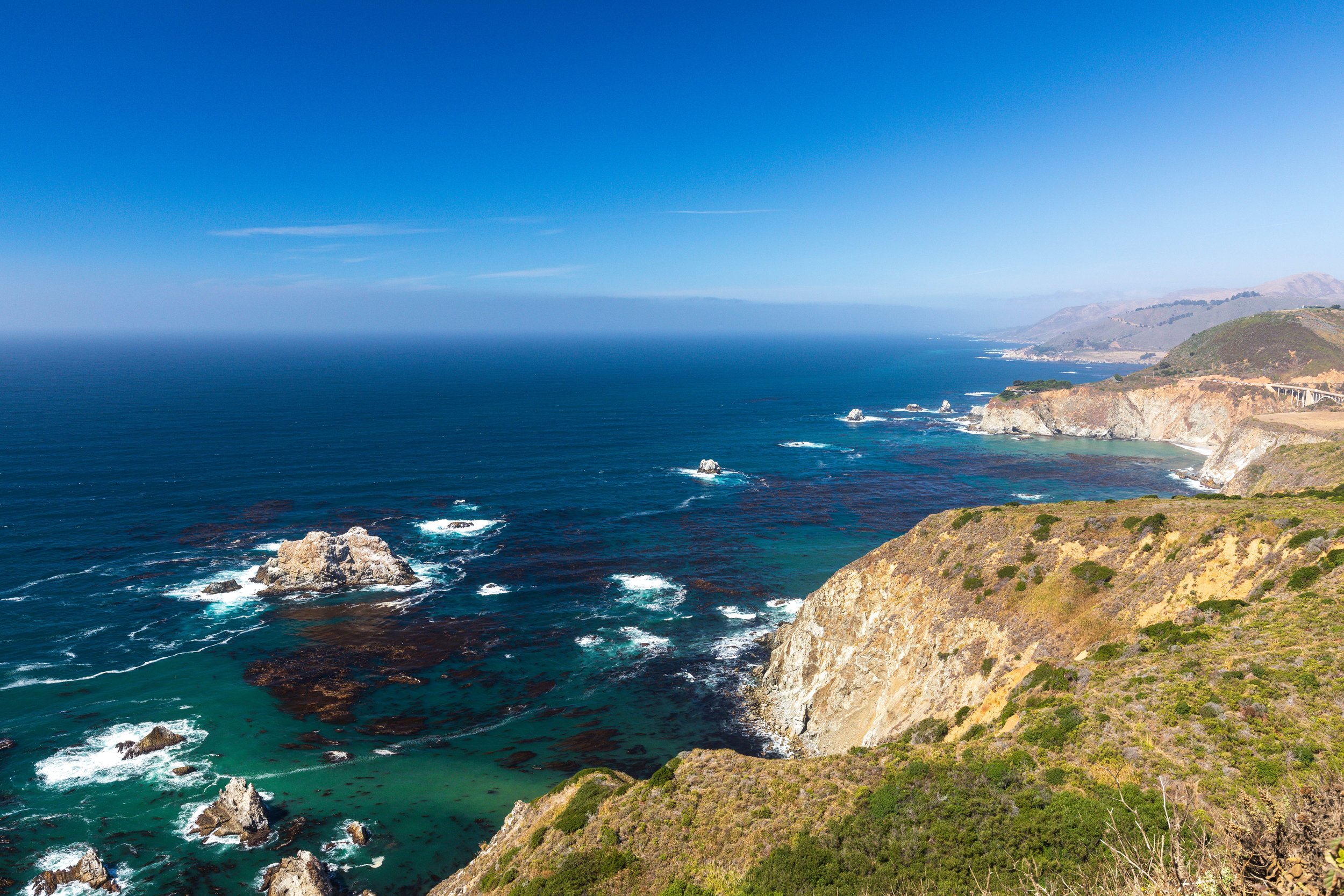
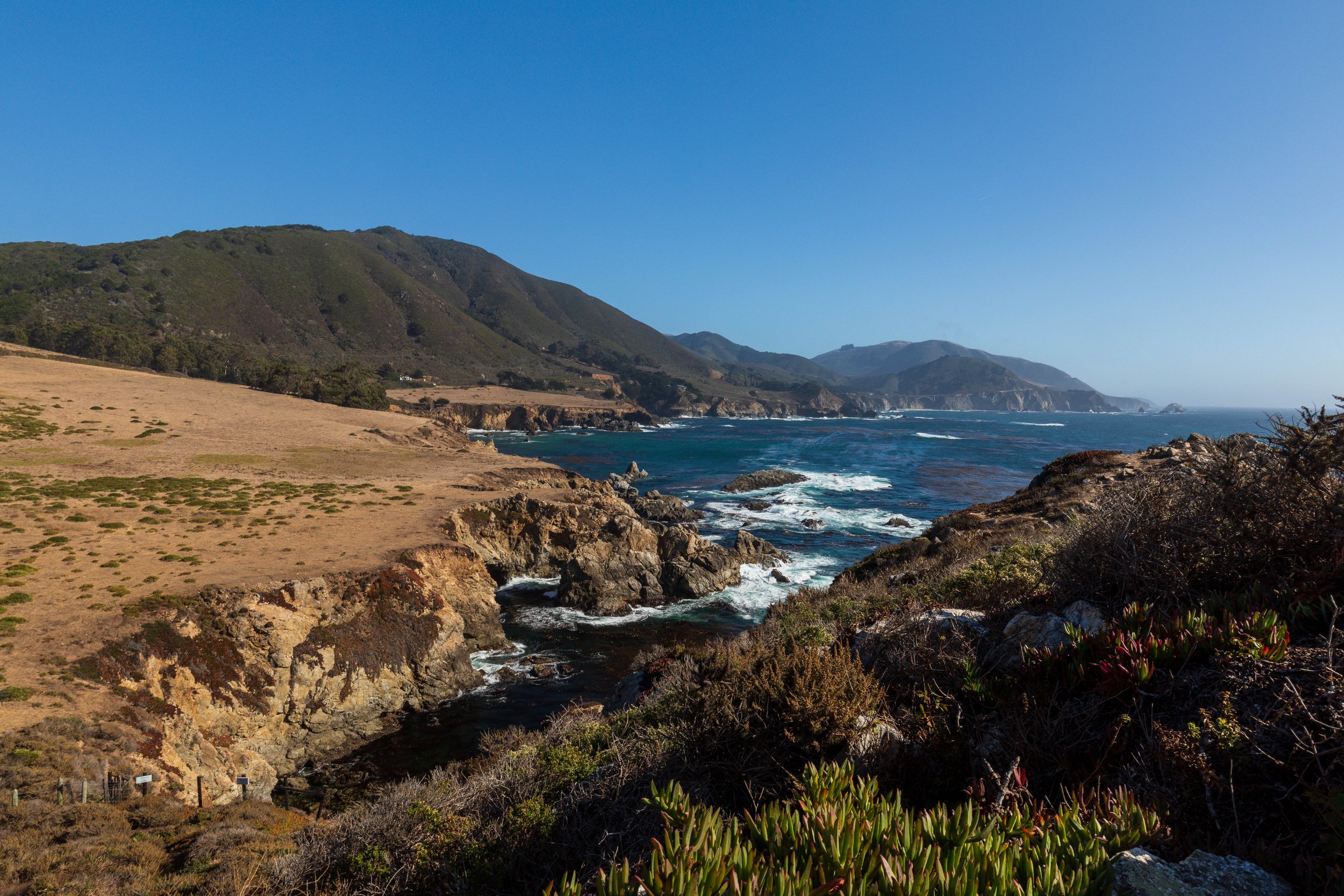
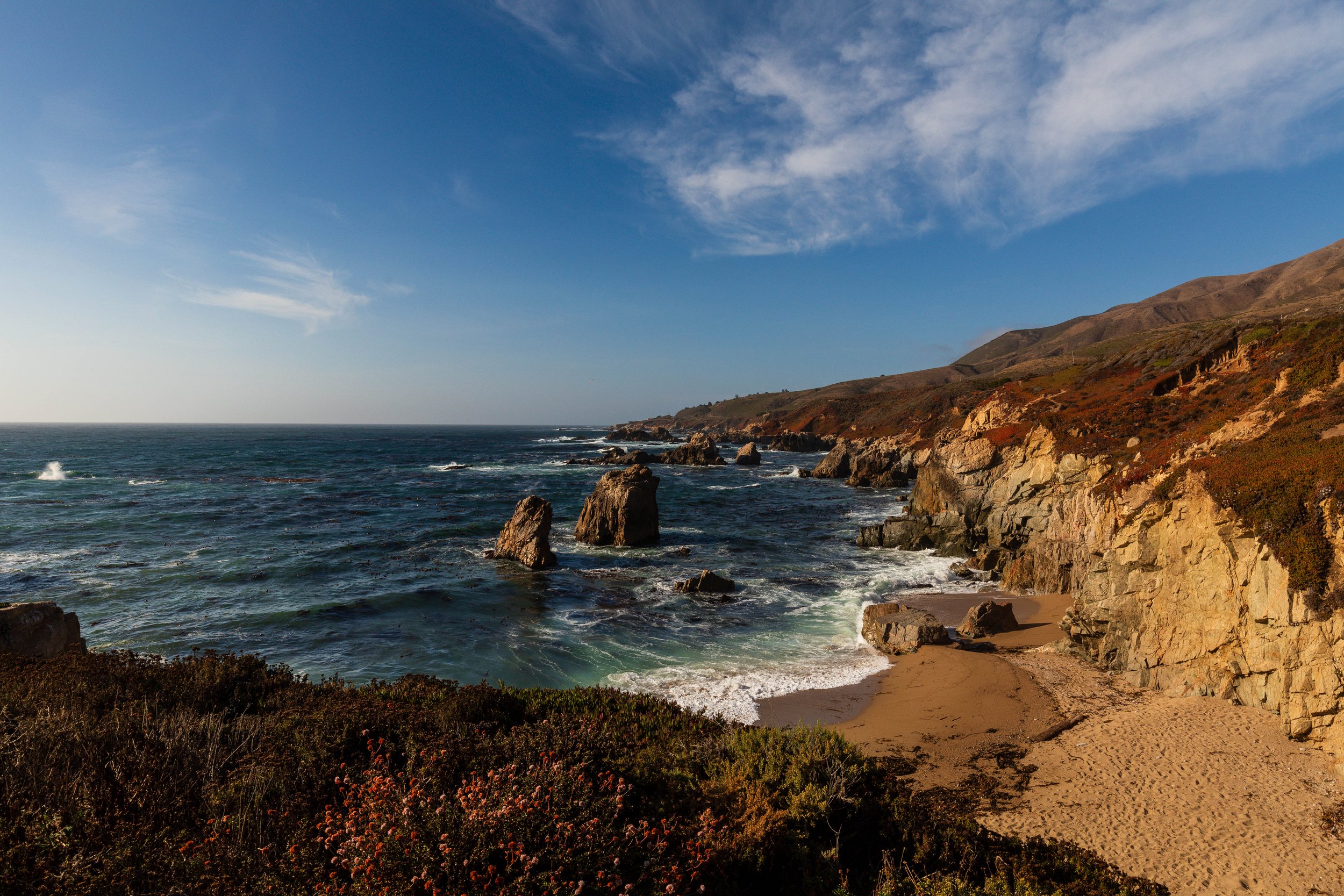
Garrapata State Park has about two miles of beach, along with a 50-foot climb to dramatic views of the coastline. There are also a bunch of different coastal hiking trails that meander through the park. Soberanes Point is another beautiful view.
Point Lobos State Natural Reserve
If you are looking for beautiful views of the coast, a Point Lobos hike should be on your itinerary. Along with hiking, you can explore tide pools, spend time at the beach, take beautiful pictures, and look for wildlife.
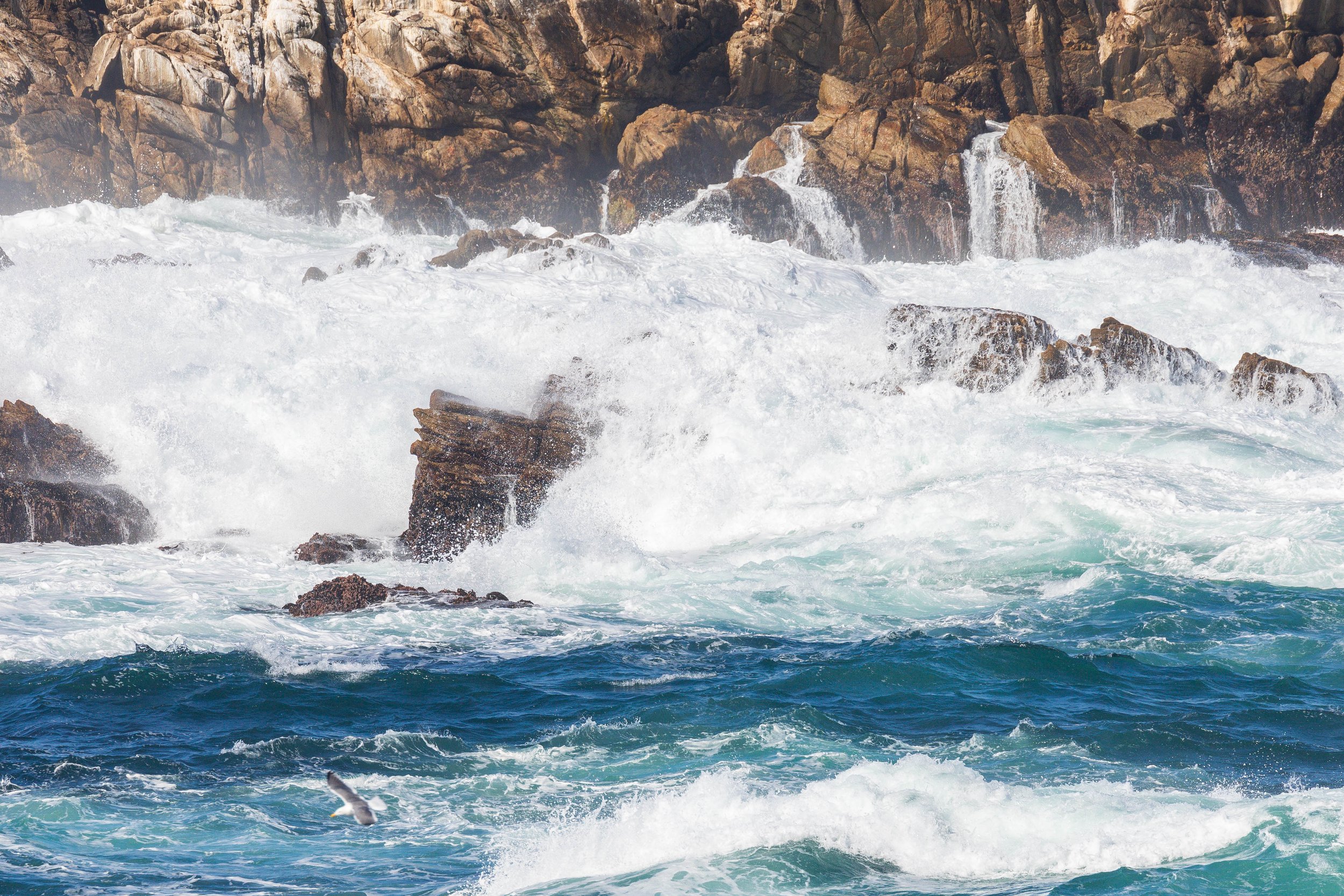
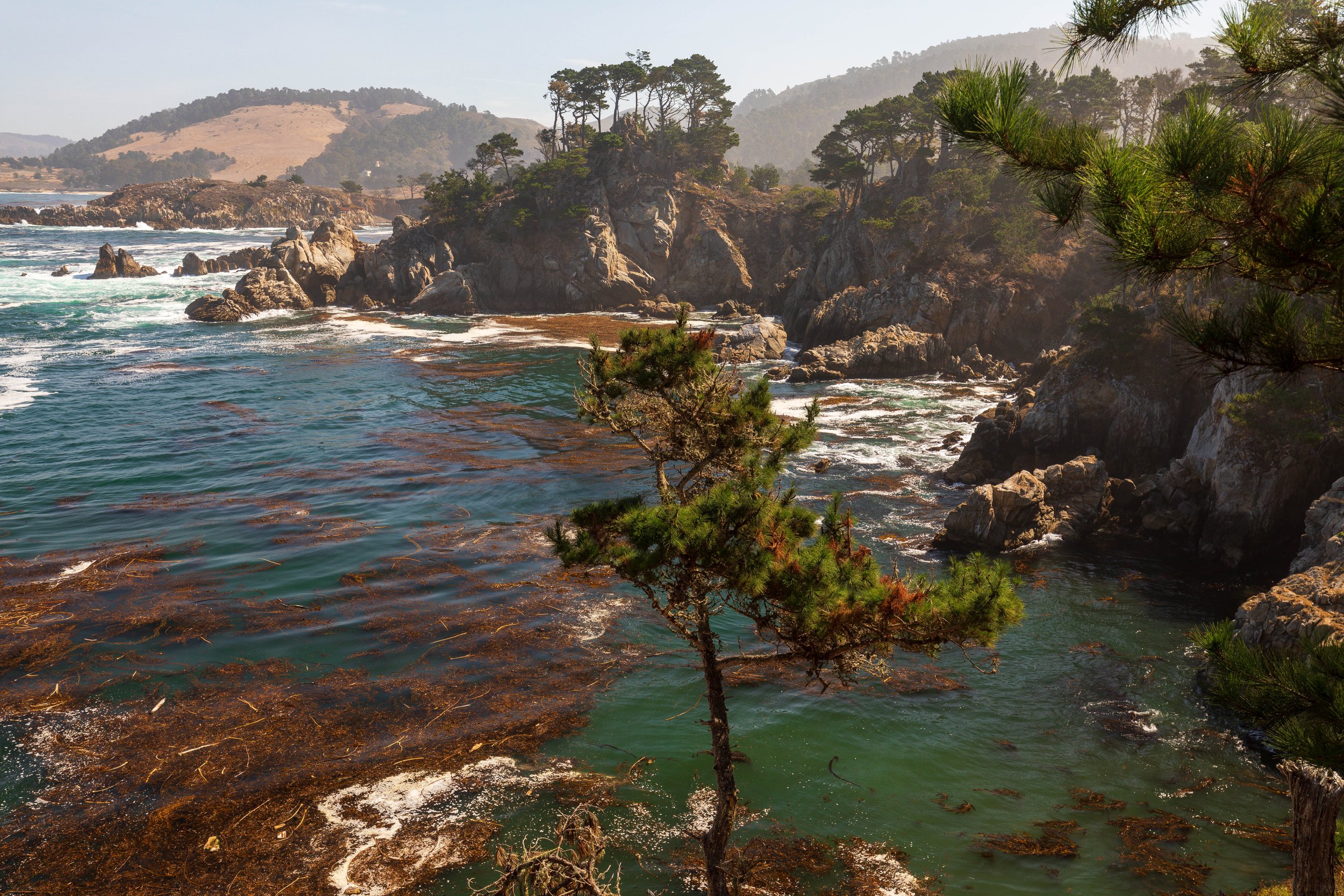
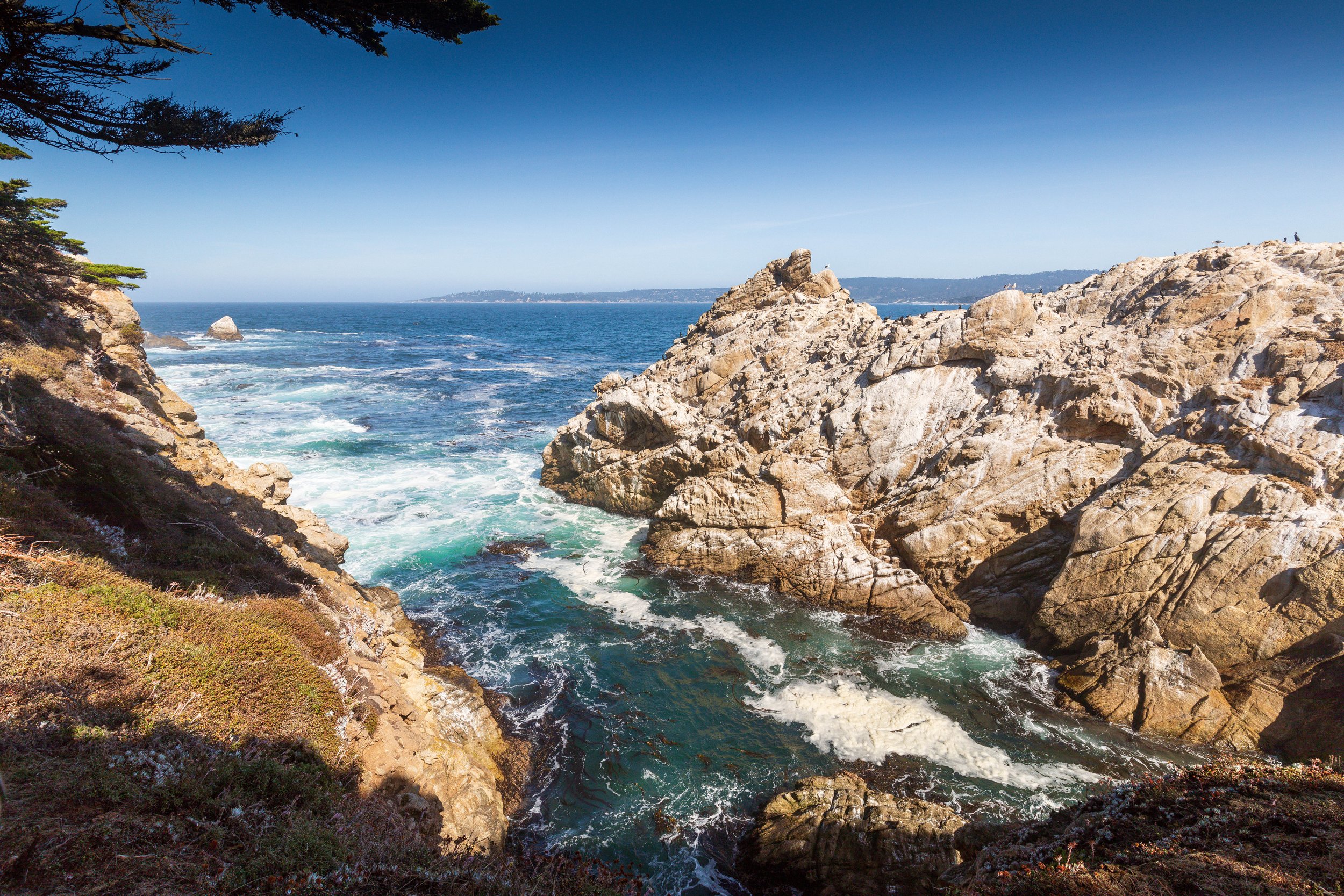
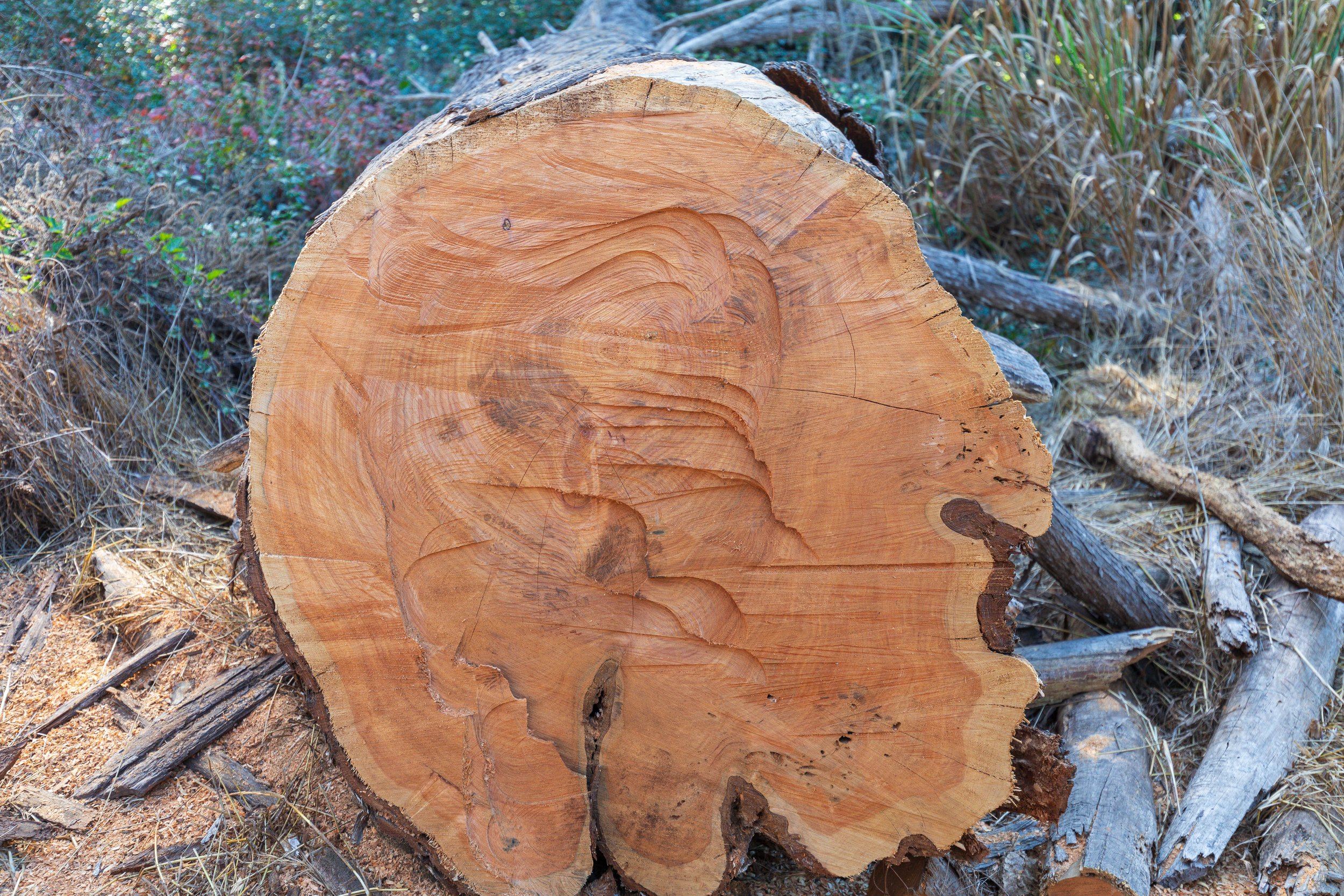
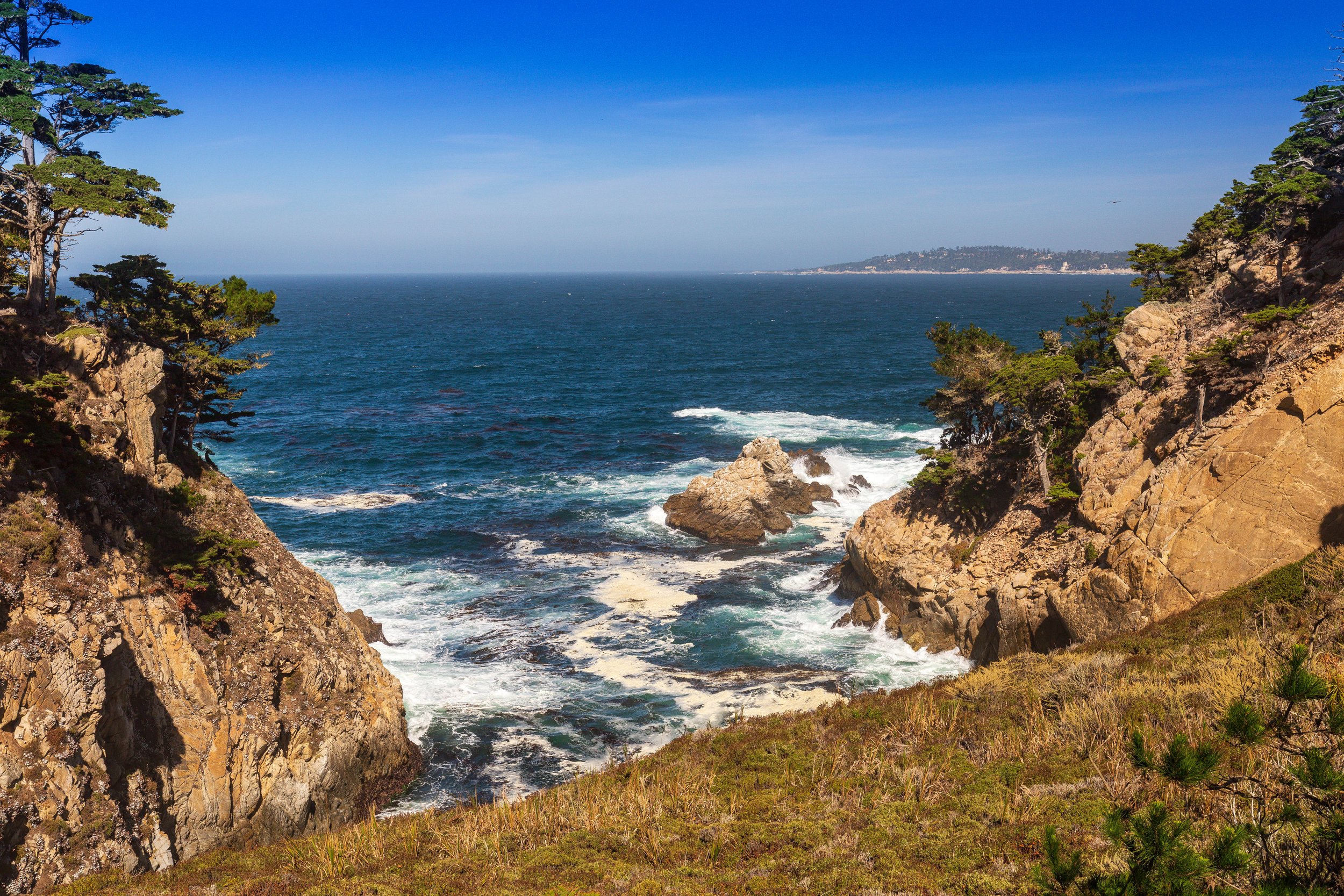
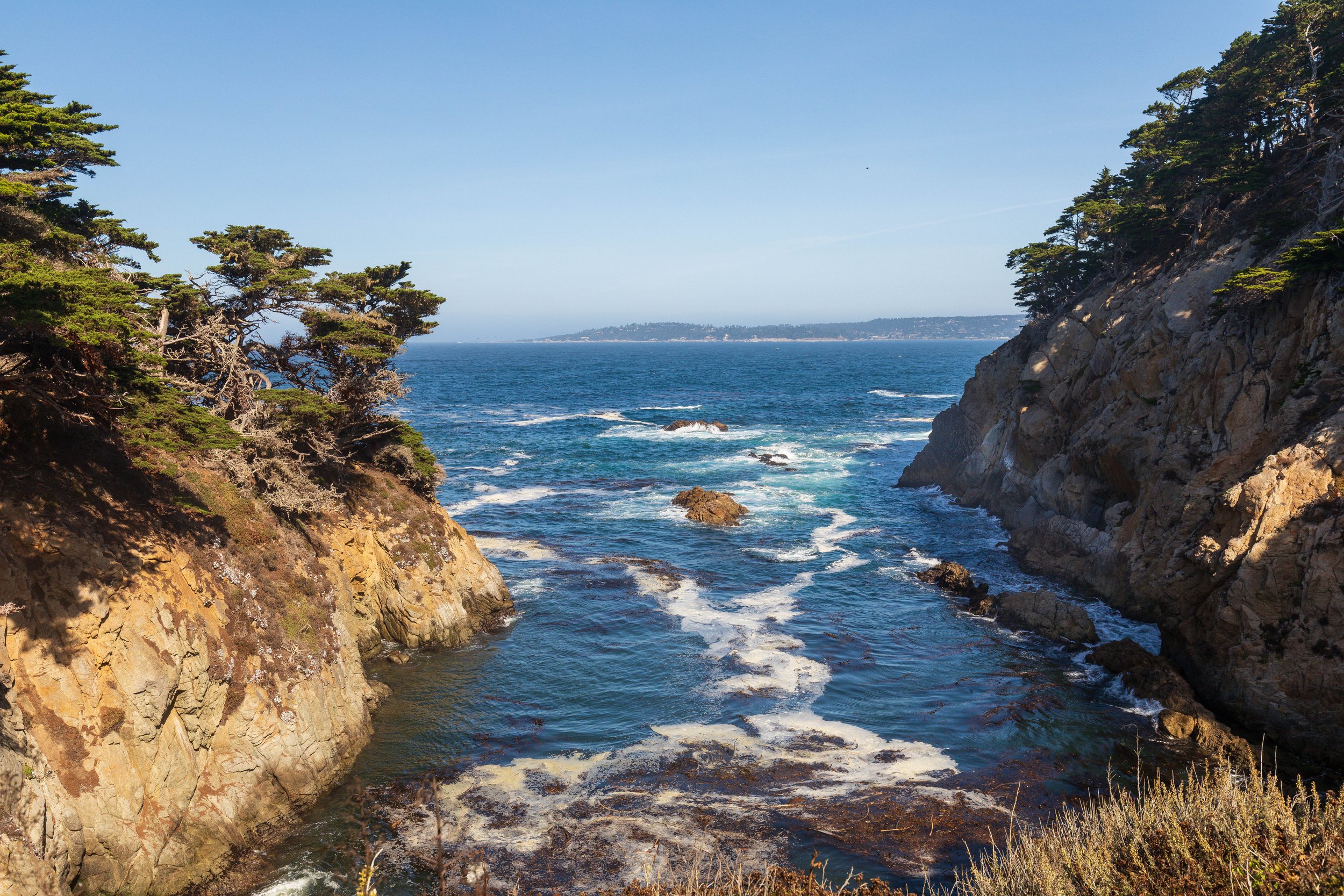
Some of the highlights in Point Lobos are Cypress Grove Trail, the Old Veteran Cypress, and spotting sea lions and sea otters at Sea Lion Point. China Cove is a popular place for photography and is really pretty. Visiting Point Lobos is one of the best things to do in Big Sur near the Los Padres National Forest with family.
Stop For The Coastal Views
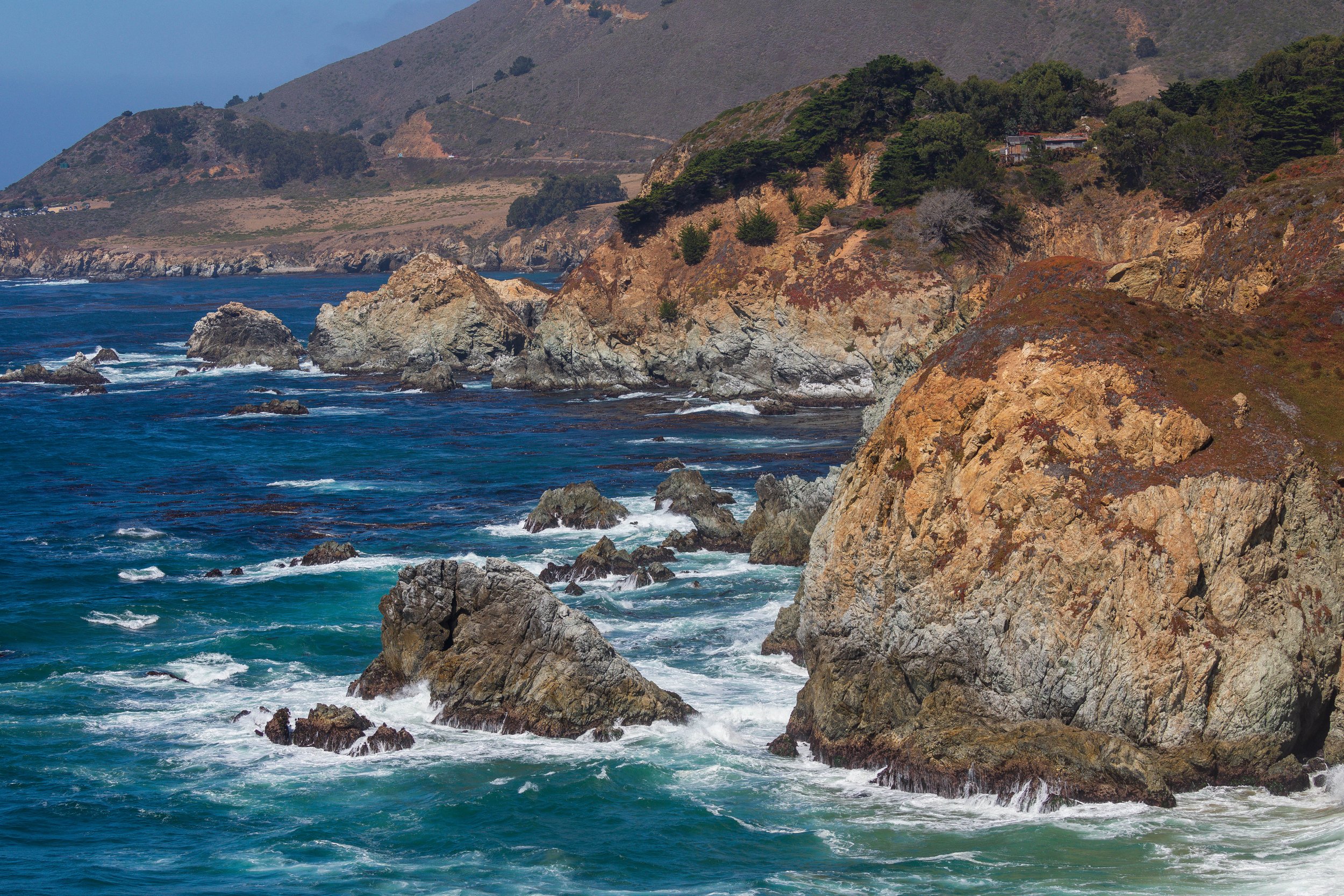
You’ll find that as you drive along Highway 1, there are multiple places to stop for views and photos. It’s part of the Big Sur experience. If you stop at iconic locations like Bixby Creek Bridge or pull over for the dozens of pullouts, you will want to be extra careful to park legally.

Final Thoughts
Big Sur is one of those rare destinations that exceeds expectations.
It is not just the cliffs or the bridges or the waterfalls. It is the feeling. Standing on the edge of the continent as waves crash hundreds of feet below. Watching fog drift through redwood trees at dawn. Seeing the light change minute by minute along the Pacific.
For photographers, Big Sur is a masterclass in patience and presence. The conditions shift constantly. Fog rolls in and transforms the scene. Sunlight breaks through and reshapes the entire composition. If you are willing to wait and return to locations more than once, you will be rewarded.
But beyond the images, Big Sur stays with you. It reminds you to slow down. To pull over. To look a little longer.
If you have been thinking about going, go. Bring your camera. Bring your curiosity. And give yourself enough time to truly experience one of the most dramatic coastlines in the world.
Check out my guide to Acadia National Park.
If you are interested in joining one of my photography workshops, you can find the details through the link. You can also follow along on Instagram, Facebook, or subscribe to my newsletter for more travel photography tips and behind-the-scenes insight.
Are you carrying too much camera gear… but still coming home with disappointing travel photos?
You’re not alone. Most travel photographers fall into “The Packing Trap” — overpacking, under-planning, and constantly scrambling to capture the shot… while missing the moment.
This powerful, step-by-step eBook is your shortcut to a better way.
The 5-Step Photographer’s Guide to Planning the Perfect Travel Adventure is a field-tested blueprint that helps you:
Travel light without sacrificing image quality
Plan smarter trips that lead to better, more intentional photos
Find breathtaking destinations at the perfect time
Create a shoot-ready itinerary that works with your creative style
Avoid the stress, fatigue, and overwhelm that kills your best work
Written by travel photographer Vito L Tanzi, it’s the system I personally use to craft stress-free photo trips that result in his best images.
Whether you're heading off on your first international shoot or leveling up your local weekend getaways, this guide will help you make the most of every trip.
📸 Format: PDF download