Helsinki, Finland Travel & Photography Guide: Best Photo Spots, Things to Do & Hidden Gems
We had two days in Helsinki before flying north to Lapland, and by the first evening, we both knew it was not enough time.
Helsinki catches you with its understated elegance. Other Scandinavian capitals announce themselves loudly with famous landmarks and well-worn tourist routes. Helsinki works differently. It earns your attention through accumulation: the quality of the architecture, the cleanliness of the streets, the way people dress with a quiet precision that reflects the city's character. Walk through the Design District or along the harbor, and you cannot stop noticing the Baltic architecture all around you. Buildings that balance neoclassical grandeur with Nordic restraint. Interiors that function as beautifully as they look. Everything in this city works, and it works without making a show of working.
We ate fish soup at one of the restaurants along the harbor, and it was among the finest soups we have had anywhere in the world. Simple, honest, made from fish that arrived that morning, in a bowl that needed nothing added to it. Helsinki's relationship with the sea and its produce is the foundation of its food culture, and the harbor market is where that relationship is most direct.
The city photographs as it feels: precise, composed, and full of unexpected beauty at the edges of things. The Uspenski Cathedral against the winter sky. The Senate Square at first light on a January morning. The ferry to Suomenlinna cutting through the Baltic at blue hour. And everywhere, the Baltic light, which can be soft and silvery one moment and wind-swept and dramatic the next, always does something worth photographing.
Helsinki is also the gateway to Finnish Lapland. A two-hour flight or an overnight train connects the capital to one of the most extraordinary photographic landscapes on earth. If your trip includes Lapland, as ours did, build at least two days in Helsinki on either end. The city deserves them.
In this Photography Guide to Helsinki, I share the places and experiences that continue to draw me back. You will find my favorite photography locations, guidance on when and where to shoot, practical travel tips, and gear recommendations, along with cultural insights to help you explore and photograph Helsinki with confidence, respect, and ease.

Photographer's Notes
Before you go, here are my own takeaways.
Favorite Season: May through September
Favorite Location: Senate Square and Helsinki Cathedral
Favorite Hotel: Hotel Kämp
Favorite Restaurant: Grön (and the harbor fish soup, always)
Favorite Café: Café Regatta
Would I Return? I would definitely go back.
Where to Stay in Helsinki
Stay in the city center, within walking distance of the harbor, the Senate Square, and the Market Hall. Helsinki is a compact, navigable city, and proximity to these locations puts you within reach of every major photography subject before the morning crowds arrive.

Luxury Hotels in Helsinki
Hotel Kämp — The most iconic hotel address in Helsinki and one of the great historic properties in northern Europe. Kämp opened in 1887 on the Esplanadi, the central boulevard running between the city center and the South Harbor, and has hosted Jean Sibelius, Marshal Mannerheim, and virtually every significant figure who has passed through the city since. The Long Bar remains a Helsinki institution. The rooms are elegantly traditional, and the location on the Esplanadi puts the Market Square, the cathedral, and the Design District all within a fifteen-minute walk. The finest address in the city.
Hotel St. George — A beautifully designed hotel in a restored historic building in the heart of the city, with contemporary art throughout and one of the most thoughtfully considered spa concepts in Helsinki. The restaurant, Pastis, is French-influenced and consistently well-reviewed. The interiors blend the old building's character with the clean Scandinavian contemporary aesthetic that defines the best of Finnish design. An excellent choice for travelers who want a hotel that reflects where the city is going.
Klaus K Hotel — A design hotel near the Esplanadi whose interiors draw on the Kalevala, the Finnish national epic, for their visual language. The rooms are distinctive, the service is personal, and the building occupies a beautiful early 20th-century property. For photographers with an interest in Finnish design and culture, Klaus K is the most immersive hotel choice in the city.
Mid-Range Hotels in Helsinki
GLO Hotel Kluuvi — A contemporary and well-positioned mid-range option in the city center. Clean, modern, and reliable. Good value for a central Helsinki base and an easy walk to every major photography location covered in this guide.
Hotel Helka — A long-established Helsinki hotel with a warm atmosphere and genuine Finnish character. Eco-certified and well-run, with competitive pricing and a good central location. A solid choice for photographers who want something with personality without the luxury price.
Scandic Simonkenttä — A large, modern Scandic property with good city views and straightforward Scandinavian comfort at a reliable price point. A practical choice for travelers who want consistency and easy access to the center.

How Long Should I Stay in Helsinki?
A 2-3 day stay in Helsinki is ideal to explore the main sights, enjoy the local cuisine, and immerse yourself in the city’s vibrant culture. If you plan to visit nearby attractions or islands, consider extending your stay to a week.

Best Time of Year to Visit Helsinki
Helsinki rewards you in every season, but each one asks something different of your camera.
Summer (June to August) is the obvious choice for new visitors. Days are extraordinarily long, and in June, the sun barely sets. Golden hour stretches from around 9 p.m. to nearly midnight, giving you light that photographers in most cities never get to work with. The harbor is alive, the outdoor markets are running, and the city is at its most social. The trade-off is crowds at the popular locations and a flatter, hazier midday light. If you visit in summer, do your serious shooting before 9 a.m. and after 8 p.m.
Spring (April to May) is the smart photographer's window. The ice leaves the harbor in April, the Esplanadi park comes back to life, and the city lightens up before the main tourist season begins. The light is clean and cool, the streets are manageable, and the locals are in a genuinely good mood after the dark months.
Autumn (September to October) brings the birch and aspen color into the parks and the Suomenlinna island landscape. The light drops lower and warmer. Crowds thin out noticeably after mid-September. For architecture and street photography, this is one of the best times to be here.
Winter (November to February) is the most challenging season but the most atmospheric for photographers willing to work in the cold. Snow softens the city's geometry. Blue hour arrives early and lingers. The Senate Square under a light snowfall, the Uspenski Cathedral's gold domes against a dark sky, and Café Regatta on the frozen waterfront are all images that only exist in winter. Dress for temperatures that can reach -20°C, and carry a spare battery. Cold drains batteries fast.
Avoid: Helsinki in the first two weeks of August if crowds are a concern. The city is at peak summer tourism then, and popular locations like the Senate Square and Market Square are noticeably busier.
How Many Days Should I Visit Helsinki?
For photographers, three full days is the minimum. Here is what a realistic pace looks like:
Day 1 — Harbor, Market Square, Old Market Hall, Uspenski Cathedral. These are all within walking distance of each other and best in the morning light. Afternoon: Senate Square and Helsinki Cathedral. Stay for sunset from the cathedral steps.
Day 2 — Suomenlinna on the first morning ferry. Give the fortress a full morning. Afternoon: Kamppi Chapel of Silence and Temppeliaukio Rock Church. Evening: dinner in the Design District or along the Esplanadi.
Day 3 — Kallio neighborhood for street photography and a different side of the city. Sibelius Park and Café Regatta in the morning for the waterfront and birch trees. Design District in the afternoon. Finish at the harbor at blue hour.
If you have a fourth day, use it for a sauna session at Löyly or Allas Sea Pool on the harbor, a longer walk through the Töölö neighborhood, or a half-day trip back to any location you want to shoot in different light. If Helsinki is the gateway for a Lapland trip, two full days on arrival is a minimum that will leave you satisfied. I wish we had taken three.

Presidential Palace
Getting Around Helsinki
Helsinki is one of the easiest cities in northern Europe to navigate, and most of what you will want to photograph is walkable from the center.
Walking is the best way to move between the harbor, Senate Square, Market Hall, Esplanadi, Design District, and Kamppi. Most of these landmarks sit within 20 minutes of each other on foot. For photographers, walking also gives you the best chance to spot the unexpected: a courtyard, a doorway, a street scene worth stopping for.
Trams are the city's most useful public transit option for photographers. Lines 2 and 3 cover the main central routes and run reliably. Buy a day ticket through the HSL app on your phone. Tap in when you board.
Metro serves the broader city but is less relevant for the central photography locations covered in this guide. It's useful if you are staying further out or want to reach Kallio quickly.
Uber operates in Helsinki. Local taxi apps, including Bolt, also work well and are often faster for shorter rides across the center. Taxis flagged on the street are available but less common than ride apps.
Bikes are available through the city's HSL season bike hire system, which runs from spring through autumn. An excellent way to reach Sibelius Park, Café Regatta, and the Kallio neighborhood if you want to cover more ground.
For Suomenlinna: take the HSL ferry from Market Square. It runs year-round and accepts the same day ticket as the trams.

Where to Eat in Helsinki
Helsinki's food culture is rooted in Finnish and Nordic ingredients at their most direct: fish from the Baltic, game from the forests, dairy from Finnish farms, and a genuine respect for seasonal produce that runs through every serious kitchen in the city. The harbor and the Old Market Hall are where the food is most honest. The restaurants in the center are where Finnish cooking meets contemporary technique at its best.

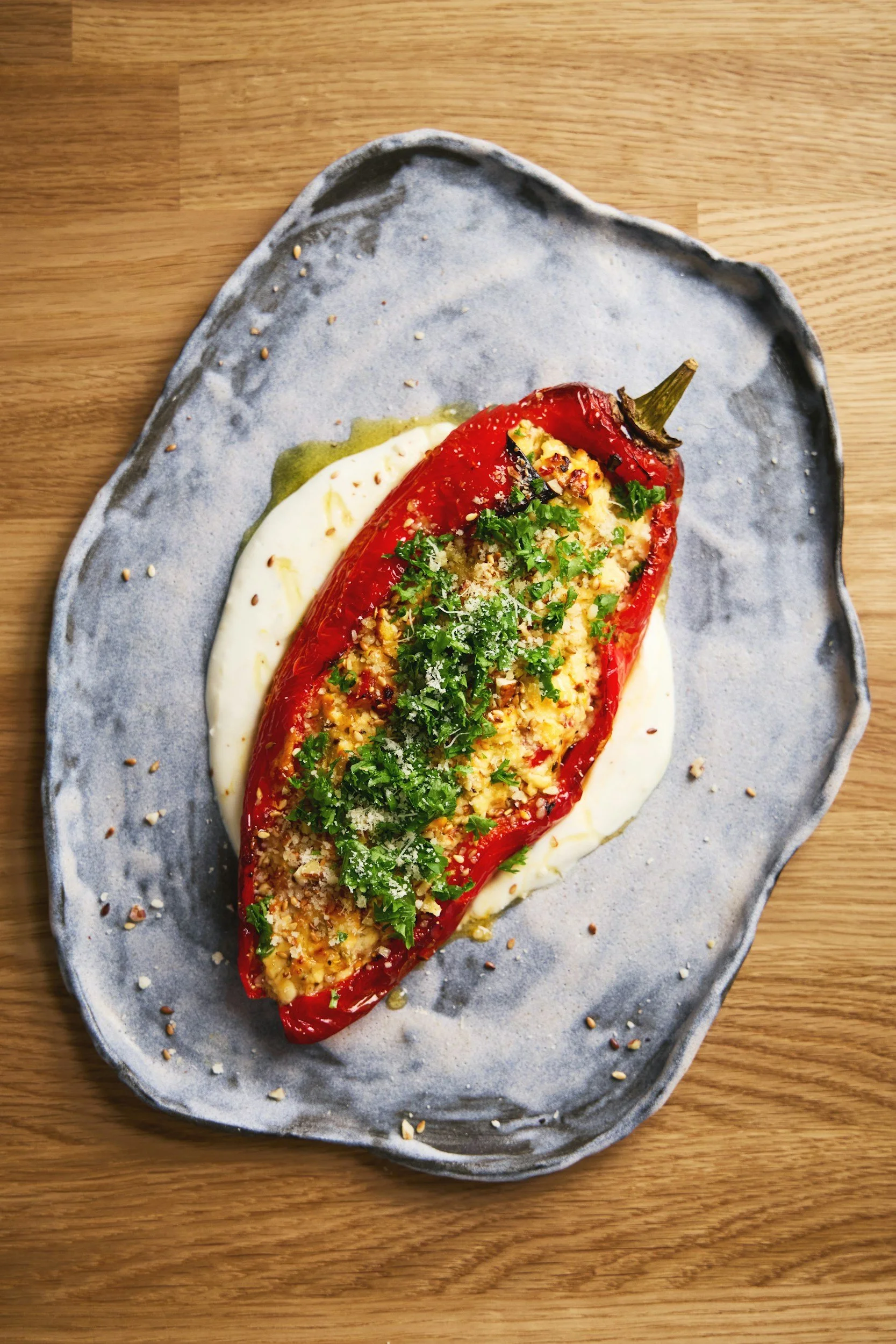
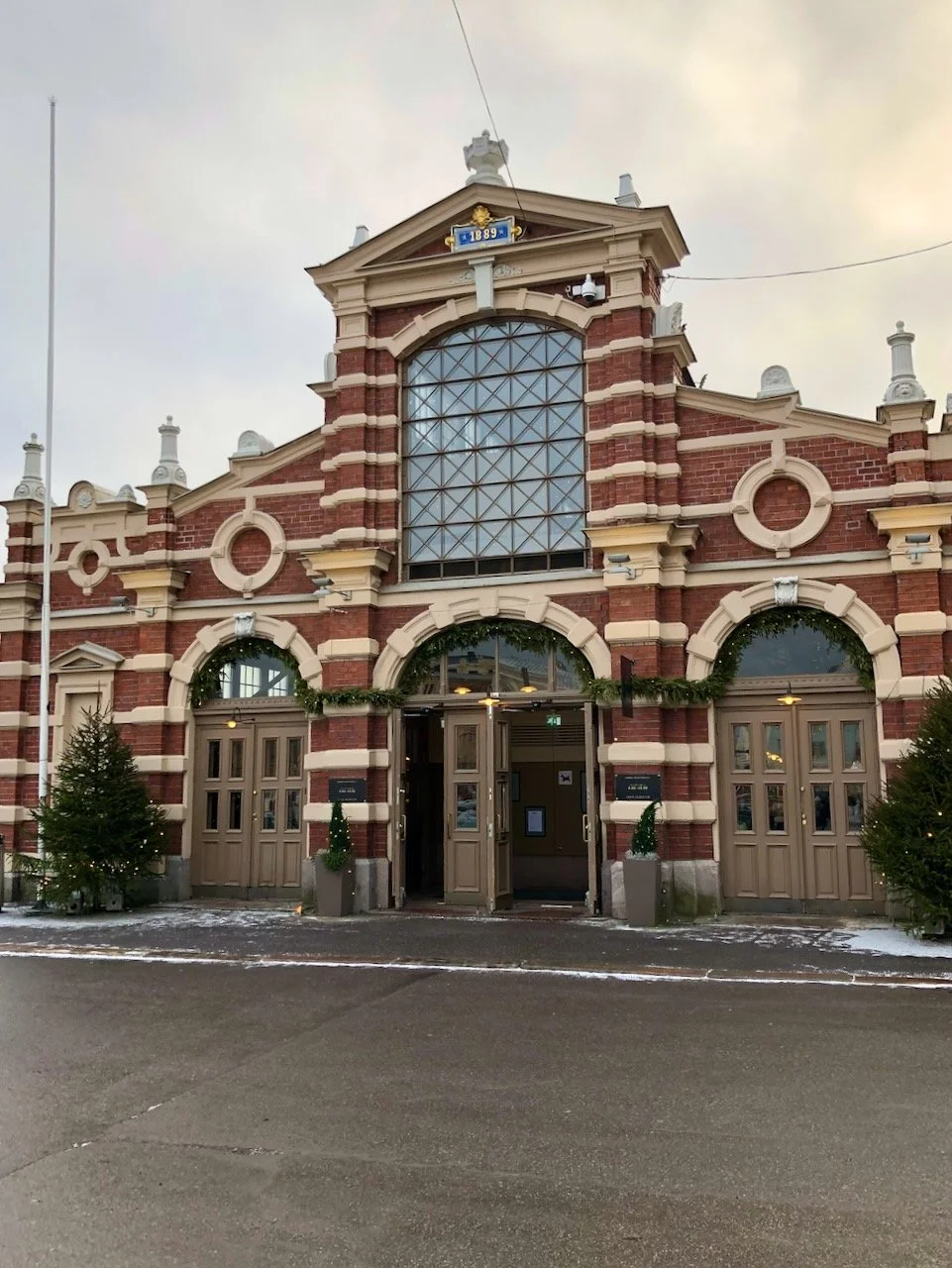
The Fish Soup at the Harbor — The most important meal in Helsinki, and the one I recommend above all others. The stalls and restaurants along the South Harbor and inside the Old Market Hall serve Finnish fish soup that belongs in the conversation for best soup in the world: salmon and other Baltic fish in a cream broth with potatoes, dill, and leek. Simple, honest, made from what came in that morning. Go to the Old Market Hall (Vanha Kauppahalli) for the most atmospheric version, inside a beautiful 1889 iron-and-brick market building. Or eat at the open-air harbor stalls when the weather allows. Either way, eat the fish soup.
Restaurant Olo — A Michelin-starred restaurant on Pohjoisesplanadi, steps from the Market Square, serving modern Nordic cuisine with exceptional attention to Finnish ingredients and seasonal precision. Olo has held its star since 2011 and remains one of the most acclaimed dining experiences in Finland. Book well in advance.
Grön — A creative, vegetable-forward restaurant near the city center that recently earned two Michelin stars, a recognition that signals just how far Helsinki's food scene has traveled. Not exclusively vegetarian, but built around vegetables, foraged produce, and fermented flavors in a way that makes them the most interesting thing on the table. One of the most exciting kitchens in Scandinavia right now.
Savoy — A Helsinki institution on the top floor of a building on the Esplanadi, with views over the city and a menu that blends Finnish and French influences with genuine respect for both. The dining room was designed by Alvar Aalto in 1937 and remains one of the most elegant restaurant interiors in Scandinavia. Go for a special dinner and sit near the window if you can.
Nolla — A zero-waste restaurant that has become one of the most discussed dining concepts in northern Europe. The kitchen sources almost everything from within 300 kilometers of Helsinki, composts everything that remains, and serves a creative seasonal menu that changes with what small Finnish producers can provide. One of the most genuinely sustainable restaurant experiences in the region, and the food is genuinely good.
Coffee in Helsinki
Finland drinks more coffee per capita than any country in the world, and the coffee culture here is taken seriously. These are the three I return to.
Café Regatta — A small historic cabin café on the waterfront near Sibelius Park, with wooden benches by the sea and simple, excellent coffee. One of the most beloved cafés in Helsinki and one of the most photogenic. In winter, with the Baltic visible through the birch trees and woodsmoke in the air, it is extraordinary. This is not a place to rush.
Good Life Coffee — Helsinki's most respected specialty coffee roaster. Consistently excellent single-origin espresso and filter coffee, with a dedicated local following. A reliable first stop before a morning shoot, and a good place to edit if you find a table near the window.
Andante — A calm, well-designed café with excellent coffee and a specifically unhurried Helsinki atmosphere that invites staying longer than planned. Good for editing and good for people-watching in the afternoon.
Photography Gear to Bring for Helsinki
Helsinki works across focal lengths, but the city's architecture and harbor environments reward wide glass, and the long views across the water call for compression.
Camera bodies: The Canon EOS R5 Mark II, Sony A7R V, and Nikon Z8 are all well-suited here. The resolution of any of these handles the cathedral facades, the fortress stonework, and the detailed Baltic building surfaces with room to crop. For walk-around work in the Design District and harbor, the Leica Q3 is outstanding.
Lenses:
15-35mm f/2.8 — Your primary lens for the cathedral interiors, Suomenlinna walls, and harbor wide shots. The Rock Church interior in particular demands a wide angle.
24-70mm f/2.8 — The all-purpose choice for market photography, street scenes, and café interiors.
70-200mm f/2.8 — More useful in Helsinki than you might expect. The compression between the Uspenski Cathedral and the harbor below, the Helsinki Cathedral seen from Suomenlinna, and the ferry views across the water all benefit from reach.
35mm prime — Excellent for market and street photography. Unobtrusive and fast in low light.
Accessories:
Sturdy tripod or Platypod — Essential for blue hour at the harbor and long exposures inside the Rock Church and Kamppi Chapel.
ND filters (3, 6, 10 stop) — Useful at the harbor for smoothing water. A 10-stop ND on a bright summer morning at the Market Square can give you a long exposure that clears the crowds.
Extra batteries — Cold weather drains batteries significantly faster. In winter, carry at least two spares and keep one in an inner pocket against your body.
Samsung T7 SSD — Back up every evening. Non-negotiable.
Rain cover — The weather in Helsinki can change quickly in any season.
Drone: Consumer drones are permitted in some areas around Helsinki, but the city center, the harbor, and areas near Helsinki-Vantaa Airport have restrictions. Always check the Finnish Transport and Communications Agency (Traficom) regulations and the Droneinfo.fi map before flying. Suomenlinna has its own access restrictions. Flying without checking first is not worth the risk.
iPhone Photography in Helsinki
Helsinki is an excellent iPhone city, and several of the best photography experiences here are well-suited to mobile shooting.
At Kamppi Chapel: The smooth birch wood interior and soft filtered light are made for iPhone. Use Portrait Mode on a detail of the curved wood wall with the altar in the background. The shallow depth renders the material beautifully without the need for a fast prime.
At the Old Market Hall: Turn on ProRAW if your iPhone supports it. The interior light from those large iron-framed windows is contrasty and difficult to expose for. ProRAW gives you the latitude to pull back highlights and lift shadows in Lightroom Mobile afterward.
At Café Regatta in winter: The iPhone's Night Mode handles the low light and warm tones inside the café better than you might expect. Brace against the door frame, keep your elbows in, and let the Night Mode do its work on a 1 to 2 second exposure.
For street photography in Kallio: The ultrawide lens on current iPhone models is excellent for the tight streets and low apartment buildings. Use it at eye level rather than from above. The slight barrel distortion at ultrawide actually works well in the Kallio streetscape.
At Senate Square: Use the standard lens rather than ultrawide for the cathedral facade. The ultrawide exaggerates the steps and flattens the proportions of the building. Step back instead.

Uspenski Cathedral
Best Photography Locations in Helsinki
Senate Square and Helsinki Cathedral
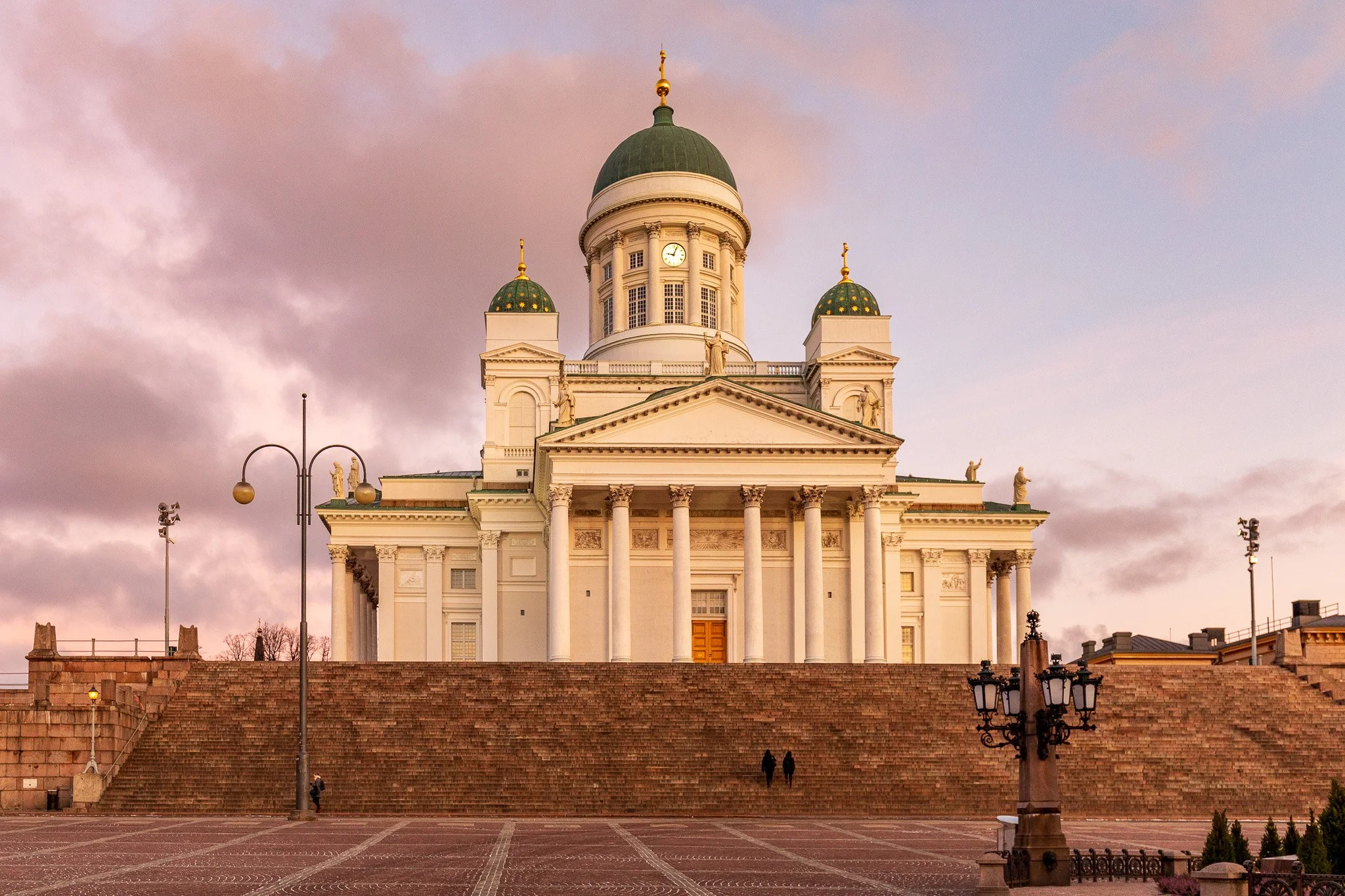
The white Lutheran cathedral rising above Senate Square is the defining image of Helsinki, and it earns that status. The symmetry of the square, with the cathedral steps as the anchor and the Senate building, the Government Palace, and the University of Helsinki forming the enclosure around it, rewards both wide-angle architectural compositions and longer telephoto work that flattens the columns and dome. The scale of the square is generous enough that you can work without feeling crowded, and in winter, the combination of snow and low-angle light turns this into one of the most striking classical compositions in northern Europe.
The steps themselves are a separate subject. Students gathering in summer, small gatherings in all seasons, and the constant interplay between the scale of the neoclassical facade and the people standing in front of it.
📷 Pro Tip: Arrive before 8 a.m. in any season, but especially in winter when the low sun rakes across the cathedral steps from a sharp eastern angle and the square is empty. A 16-35mm from the center of the square gives you the full symmetrical composition with the Government Palace balanced on either side. In summer, the midnight sun creates extraordinary long-shadow compositions after 10 p.m. and the stone glows orange. For telephoto work, position yourself at the base of the steps and use a 70-200mm to compress the columns and dome into a tighter architectural frame. The steps are always accessible and free.
Best time: Before 8 a.m. or after 8 p.m. in summer; full morning in winter. Access: Free, outdoor. Transit: 10-minute walk from any central hotel; Tram 2 to Aleksanterinkatu..
Suomenlinna Sea Fortress
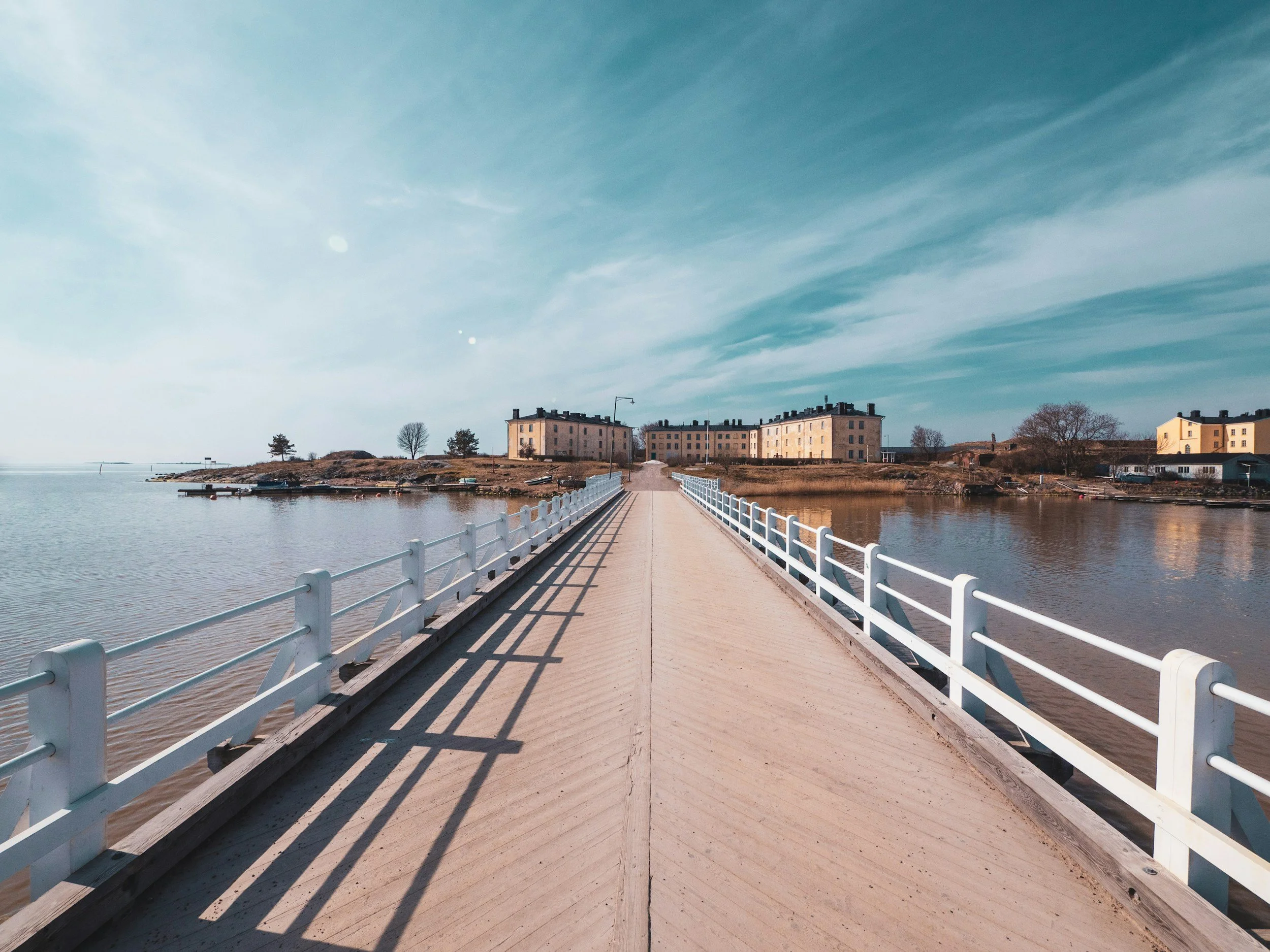
A UNESCO World Heritage Site on a group of islands accessible by ferry from the Market Square, Suomenlinna is an 18th-century maritime fortress with thick stone walls, cannon batteries, historic buildings, and coastline views across the Gulf of Finland. The ferry crossing itself is a photography session: Helsinki's skyline receding, the Baltic expanding, and the fortress walls appearing from the water exactly as they were designed to appear.
The island has a genuine variety of subjects. The fortifications, the sea channels between the islands, the cannons on the southern headland, and the views back to Helsinki from the western shore are all strong. In winter, the ice on the channels and the snow on the stone walls are extraordinary.
📷 Pro Tip: Take the first morning ferry, which runs from Market Square year-round. The fortress at 8 a.m. in winter, before the day visitors arrive, is one of the quietest and most atmospheric photography environments near any European capital. Bring a 16-35mm for the wall and channel compositions, and a 70-200mm to pull in the Helsinki Cathedral visible across the water from the western shore, which is one of the better hidden compositions in the entire trip. The ferry journey takes about 15 minutes and uses the same HSL day ticket as the trams. Stay at least two hours; the island rewards wandering.
Best time: First morning ferry, year-round. Winter most atmospheric. Access: HSL ferry ticket (same as tram day pass). Transit: Ferry from Market Square pier, runs every 15 to 30 minutes.
Market Square and Old Market Hall
The South Harbor market and the 1889 Old Market Hall are Helsinki's most concentrated food and color photography environment. Market vendors, fresh fish, produce stalls, the iron and brick hall interior, and the harbor activity behind it all form a layered scene that rewards both wide compositions and close-up detail work. Best in the morning when the light is good, the vendors are setting up, and the harbor is active.
The Old Market Hall interior deserves time on its own. The large iron-framed windows on the harbor side flood the hall with natural light in the morning, and the combination of warm food stalls, historic brick, and that Baltic light creates an atmosphere unlike any modern food market.
📷 Pro Tip: A 35mm prime at eye level captures the market energy without being conspicuous. Get close to the fish stalls and photograph the produce with the harbor visible through the hall windows behind it. For the exterior market, position yourself across the square from the stalls with a 70-200mm lens and use compression to stack the market activity against the harbor and the Uspenski Cathedral rising beyond. Come back in the afternoon for the low light on the harbor side of the building. Both the outdoor market and the hall are free to enter.
Best time: 8 to 11 a.m. on any day the market is open. Access: Free. Transit: 10-minute walk from central hotels; Tram 2 to Kauppatori.
Kamppi Chapel of Silence
A small wooden chapel built in 2012, with a smooth birch wood exterior that curves into a warm oval interior. One of the finest pieces of contemporary architecture in Helsinki and a genuinely extraordinary interior photography subject. The warm wood, the soft filtered light coming from above, and the complete acoustic silence create an atmosphere unlike any other building in the city. What makes it especially compelling is its context: it sits in the middle of the busy Kamppi commercial center, surrounded by concrete and glass and street noise that vanishes the moment you step inside.
The exterior is worth photographing too. The smooth birch curves against the surrounding urban grid are an unusual composition.
📷 Pro Tip: Photography is permitted inside the chapel but approach it with respect. This is a functioning space for reflection, not a set piece. Turn off any focus-assist beam and shoot without flash. A 24-70mm handles both the exterior street-level composition and the interior. Inside, use the ambient light from the ceiling opening and position yourself at the back of the oval to capture the altar against the warm curved wood walls. Early morning on a weekday, before it fills up, gives you the best chance of an uninterrupted interior shot. The chapel is free and open to all.
Best time: Weekday mornings. Access: Free. Transit: Walking distance from the city center; directly above Kamppi metro station.
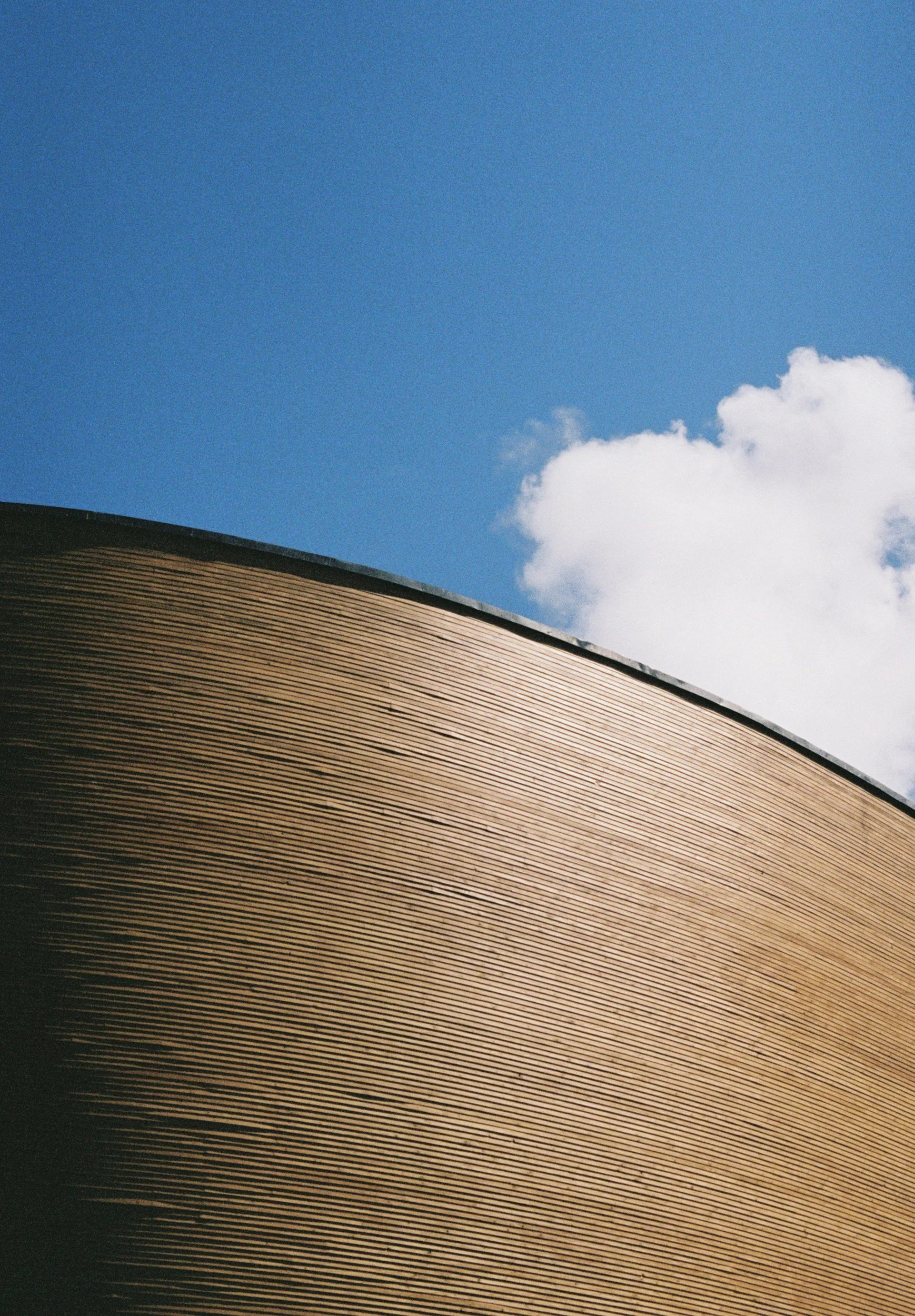
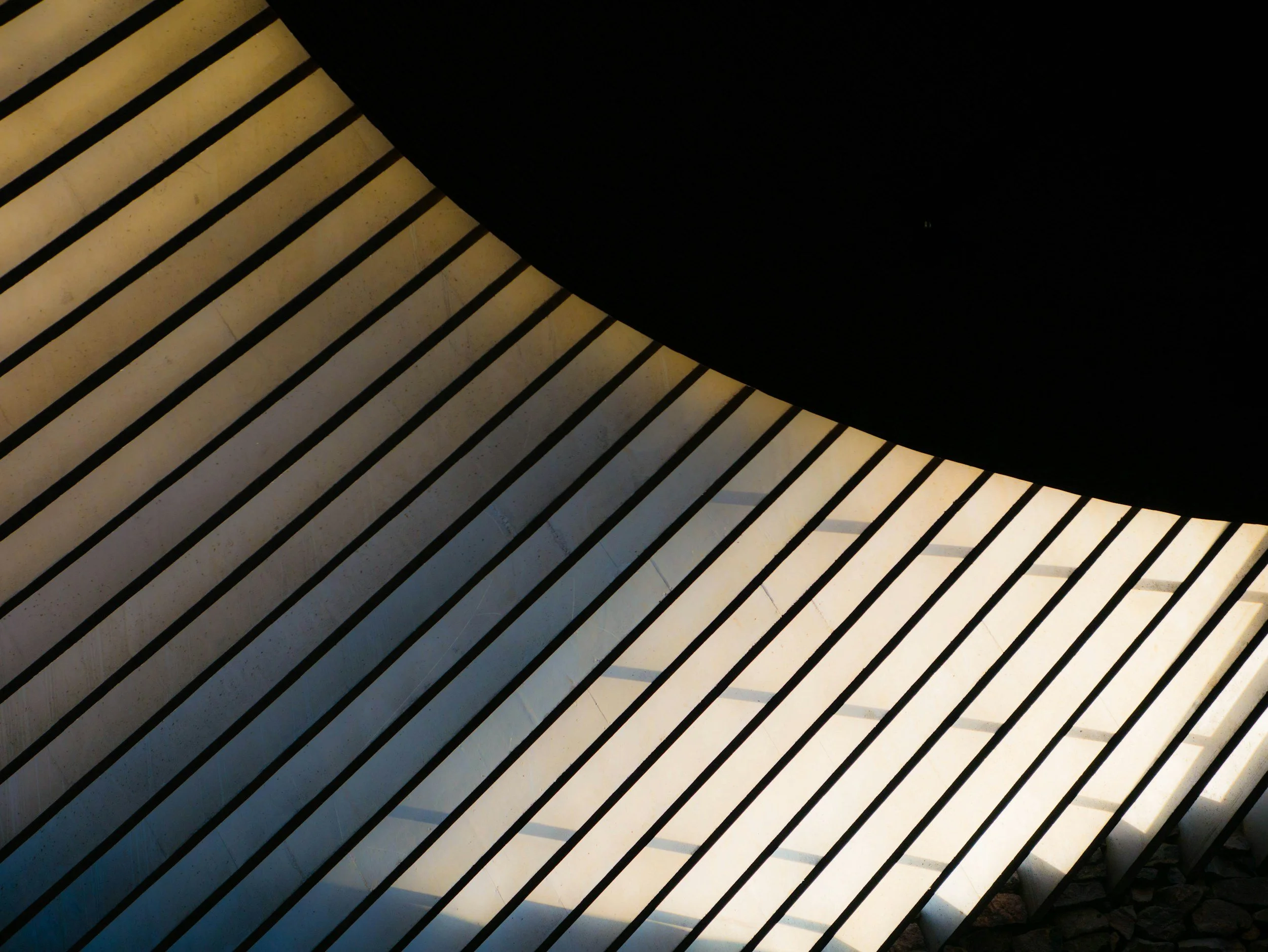
Temppeliaukio Church (Rock Church)
A Lutheran church excavated entirely from solid rock, with the ceiling supported by a copper disc dome and natural rough stone walls ringing the interior. One of the most architecturally distinctive church interiors in Europe and one of the more unusual photography subjects you will find in any capital city. The copper ceiling, the rough excavated stone surfaces, and the circular skylight above create a composition that is genuinely difficult to photograph badly.
The scale of the space is deceptive from outside. Inside, the rock walls rise well above head height, and the copper dome above catches and scatters the natural light from the skylight in ways that change throughout the day.
📷 Pro Tip: The interior is best photographed in the morning when the light comes through the skylight at an angle that illuminates the copper dome and the stone walls beneath it simultaneously. A wide-angle lens is essential to capture the full relationship between the rock surface, the dome, and the congregation space below. Use f/8 or narrower and increase your ISO rather than opening up wide; the depth is more important than subject separation here. There is an entrance fee. Check opening hours before you go, as the church closes for services.
Best time: Morning, when skylight illuminates the dome. Access: Paid admission (verify current fee on-site). Transit:Tram 1 or 2 to Sammonkatu; 10-minute walk from Senate Square.
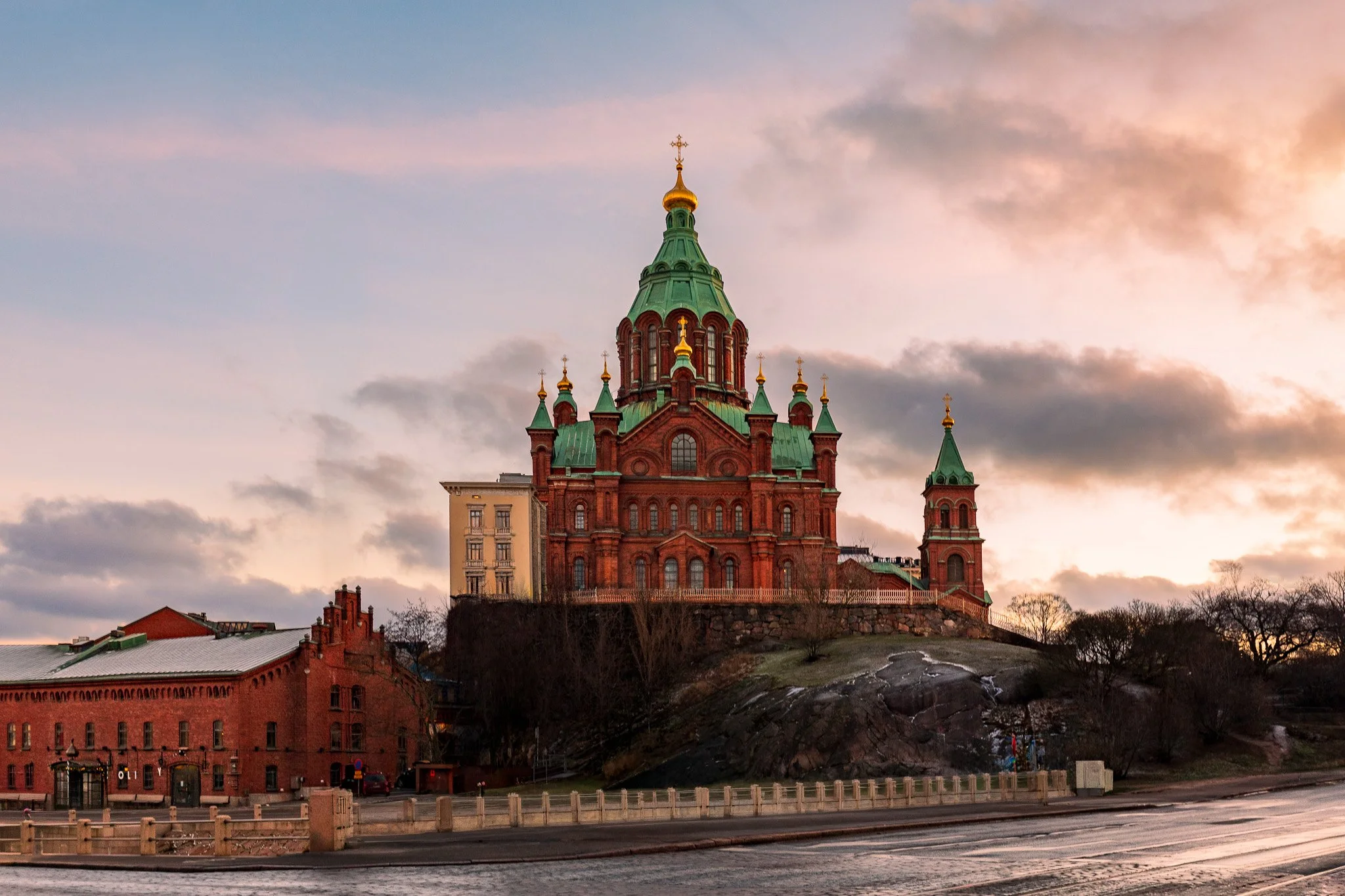
Uspenski Cathedral
The Russian Orthodox cathedral on the Katajanokka promontory is Helsinki's most dramatic exterior photography subject, with red brick and gold onion domes rising above the harbor. It is the first thing that catches your eye from the ferry, and it dominates the harbor view from almost every angle. The view back across the South Harbor to the Market Square from the cathedral's upper terrace is one of the finest panoramic views in the city.
The interior is equally worth visiting: incense and candle light, gilded iconostasis, and an atmosphere that is a complete departure from the Lutheran restraint that defines most of Helsinki's other religious spaces.
📷 Pro Tip: The best exterior composition is from the harbor below and to the west, looking up and across the water, with a 70-200mm lens to compress the cathedral's bulk against the harbor behind it. Shoot in morning light when the gold domes catch the sun. The interior requires patience and a steady hand; there is no tripod access during services. Shoot from the back of the nave and brace against a column. Use your highest usable ISO and let the ambient light do the work. A 24-70mm at 24mm gets the full iconostasis and dome relationship from the back of the nave.
Best time: Morning for the exterior; visit during open hours for the interior. Access: Free. Transit: 10-minute walk from Market Square.
Special Festivals and Holidays in Helsinki
Helsinki Festival (August to September) — Finland's largest arts festival, running across two weeks from late August into early September. Music, theater, dance, and visual arts spread across venues throughout the city, including outdoor performances in public squares. The "Night of the Arts" component, held on one evening during the festival, draws large crowds into the city streets for gallery openings and performances and is a strong street photography opportunity.
Vappu (May 1) — The Finnish celebration of spring and workers' rights, centered on May Day but building from the evening of April 30. Students in their white graduation caps flood the city, the Havis Amanda fountain statue is ceremonially capped, and the Esplanadi park becomes one large outdoor gathering. The harbor and the park are the best photography locations; arrive by mid-afternoon on April 30 to catch the buildup.
Christmas Markets (December) — The Senate Square hosts Helsinki's main Christmas market through December, with wooden market stalls, Finnish handicrafts, and hot glögi. The combination of the neoclassical cathedral backdrop and the warm market lighting makes this one of the better Christmas market photography setups in northern Europe. Arrive in the late afternoon to catch the last light on the cathedral before the market lights take over.
Midsummer (Juhannus, late June) — Helsinki empties in a memorable way at Midsummer, as most residents leave for their summer cottages. For photographers, this means an unusually quiet city with extraordinarily long light. The harbor and Senate Square at midnight in late June, with the sun barely below the horizon, are worth being here for.
Baltic Herring Market (October) — An annual outdoor market on the harbor dating back to 1743, where fishing boats from around Finland tie up along the quay and sell fresh and preserved herring directly from the boat. One of the most genuinely photogenic food market events in northern Europe, with the boats, the water, the fishermen, and the produce creating a scene that looks essentially unchanged from old photographs of the same event.
Frequently Asked Questions About Visiting Helsinki
Is Helsinki expensive?
It can be, especially Michelin-recognized dining like Olo, but there's real range. The fish soup at the harbor or the Old Market Hall is affordable, honest, and among the best meals in the city.
Do you need a car in Helsinki?
No, and it's actively unnecessary. The city is compact and walkable, with an efficient tram, bus, and metro system covering everything else.
What are the best photo spots in Helsinki?
Senate Square and Helsinki Cathedral in winter's low light, Suomenlinna Fortress on the first morning ferry, and Temppeliaukio, the Rock Church, are three that consistently deliver. The full list with Pro Tips is above.
Can you fly a drone in Helsinki?
Check current Finnish and EU drone regulations before flying, particularly around the harbor and Senate Square, which likely carry restrictions given the density of the city center.
What surprised you most about Helsinki?
It's the perfect gateway, whether to Tallinn across the Baltic or north to Lapland. Two days felt like just enough to fall for the city and not nearly enough to actually see it.
How many days do you need in Helsinki?
Two to three days for the city itself. If you're continuing on to Finnish Lapland, build in at least two full days in Helsinki on either end of the trip.
Is winter a good time to visit for photography?
Yes, genuinely. The low sun rakes across Senate Square's cathedral steps at a sharp angle, snow softens the whole city, and blue hour stretches on for what feels like forever.
Is Helsinki worth combining with Tallinn?
Yes, easily, they're a short ferry ride apart across the Gulf of Finland, and together they make a natural Baltic pairing with genuinely different characters, Helsinki's understated Nordic design against Tallinn's preserved medieval core.
Final Thoughts on Helsinki
Helsinki is a city that does not oversell itself, and that is exactly why it stays with you. We arrived thinking of it as a stop before Lapland and left thinking about when we could come back on its own terms. Two days gave us a clear picture of what the city offers. It was not enough time to photograph it properly.
The Baltic light here is specific: cool, clean, and at its best in the shoulder seasons when the angle is low and the city's white and yellow facades catch it from the side. The architecture rewards patience. The food rewards trust in simplicity. And the people, once you slow down enough to notice, have a warmth that does not announce itself but shows up consistently when you need directions, a table, or just a moment of quiet in a café that does not feel the need to play music at you.
Go. And give it more than two days.
Want to improve your photography while exploring some incredible destinations? Join me on one of my photography workshops! You can find all the details, including upcoming destinations and dates, through the links below.
Let's Stay Connected!
If you are combining Helsinki with Finnish Lapland, my Photography & Travel Guide to Lapland covers everything from the Northern Lights to winter wildlife and reindeer landscapes. The two destinations together make one of the finest photography trips in the world.
If Helsinki sparks an appetite for the wider Baltic region, my Photography & Travel Guide to Tallinn, Estonia is a short ferry crossing away and one of the most underrated photography destinations in Europe: a medieval old town in extraordinary condition, amber light off the limestone buildings, and far fewer crowds than most of its neighbors.
For a broader Scandinavian loop, my Photography & Travel Guide to Stockholm covers the Swedish capital, just an overnight ferry or short flight from Helsinki, with the archipelago, Gamla Stan, and one of the great photography cities of northern Europe.

🎓 Adobe Lightroom One-to-One Training
Master Post-Processing. Elevate Your Photography.
Post-processing is the final — and arguably most transformative — step in your photography workflow. Adobe Lightroom is an essential tool for today’s digital photographers, combining powerful editing tools with an intuitive system for organizing and showcasing your images professionally.
Whether you're just getting started or looking to refine your editing skills, I offer customized one-to-one Lightroom training designed to help you create images you’ll be proud to share.
---
💻 Why One-to-One Online Lightroom Training?
Over the years, I’ve found that personalized training is the most effective way to learn Lightroom. Unlike group sessions, a one-to-one format allows us to move at your pace, focus on your specific goals, and eliminate the frustration of mismatched experience levels.
Plus, with online sessions via Zoom, you can learn from the comfort of your home — no travel or accommodation needed. It's the most convenient, cost-effective, and time-efficient way to upgrade your editing game.
---
🧠 Tailored Topics to Match Your Goals
Our training is completely customizable, but here’s an outline of the modules we can cover — either in full or à la carte.
---
🔧 Lightroom Setup – Part 1: Getting Started
Set up Lightroom properly for long-term success. We’ll tackle the fundamentals to create an efficient, organized workflow:
- What Lightroom is (and isn’t)
- How the interface and modules work
- Setting preferences for your needs
- Understanding the Catalog and folder system
- Importing images efficiently
- Adding keywords during import
---
🗂 Lightroom Setup – Part 2: Organize Like a Pro
Build a storage system that grows with you:
- Folder structure tips and best practices
- Moving and renaming files within Lightroom
- Reviewing, rating, and filtering images
- Creating Smart Collections and Collection Sets
- Keywording strategies and metadata organization
---
🎨 Lightroom Editing – Part 1: Core Editing Skills
Master the Develop module and create consistent, polished images:
- Global adjustments in the Basic panel
- White balance, contrast, vibrance, and saturation
- Cropping and converting to black & white
- HSL panel tuning
- Sharpening and noise reduction
- Creating and saving presets
- Exporting for print, web, or social media
---
✨ Lightroom Editing – Part 2: Advanced Techniques
Take your editing to the next level with creative, selective tools:
- Radial and Gradient filters
- The Adjustment Brush
- Advanced masking and luminosity adjustments
- Enhancing portraits (skin, eyes, teeth)
- Spot removal and basic cloning
- Merging for HDR and panoramas
---
💼 Session Details & Pricing (USD)
Tailored One-to-One Lightroom Tuition:
- Single Session (2 hours): $199
Before our session, we’ll have a brief consultation to customize your training plan and ensure it meets your exact needs.
---
Ready to take control of your editing workflow and bring out the best in your images?
Let’s work together to turn your vision into vivid, powerful photos.
📩 Get in touch to schedule your personalized Lightroom session.
Finally—a beginner-friendly photography guide that makes sense.
If you've ever picked up a camera and thought, "Now what?" this is the book for you.
Photography Made Simple is written for adults who are just starting out and want a clear, encouraging, real-world approach to learning photography. Whether you're using a DSLR, mirrorless, or just your smartphone, this guide walks you through the basics—without the jargon or tech overwhelm.
Inside, you'll learn:
The only camera settings you really need to know to get started
How to shoot sharper, more intentional photos using light and composition
Simple tips for portraits, landscapes, travel, and everyday life
What gear you do (and don’t) need
How to create better photos without upgrading your camera
You’ll also get practical exercises, cheat sheets, and tips for organizing and editing your images—plus the confidence to shoot off Auto Mode for good.
This is not a textbook. It’s a friendly guide to seeing the world with fresh eyes—and finally capturing what you see the way you imagine it.
📸 Format: PDF download
Pages: 100+
Perfect for: Beginners, hobbyists, and anyone ready to take better photos without the stress