My Photography & Travel Guide to Bosque Del Apache, NM
Tucked into the high desert of central New Mexico, Bosque del Apache National Wildlife Refuge is one of North America’s great wildlife spectacles. At first light, the silence breaks with the sound of wings. Snow geese lift off in a white cloud. Sandhill cranes call across the marsh. The sky turns pink, then gold, and suddenly the landscape feels alive.
For photographers, this is not just a destination. It is an annual pilgrimage.
Each winter, thousands of image makers from around the world arrive before dawn, tripods in hand, waiting for the blast off. Tens of thousands of snow geese and hundreds of sandhill cranes gather in the refuge’s wetlands and agricultural fields. When they rise together, the sound is thunderous and the visual impact unforgettable.
But Bosque is more than cranes and geese.
You will find northern harriers skimming low over the fields, bald eagles perched in cottonwoods, coyotes moving through golden grasses, and mule deer stepping quietly at the edge of the marsh. The refuge offers a complete wildlife ecosystem set against the dramatic backdrop of the Chupadera Mountains.
Bosque del Apache rewards patience. It rewards early mornings. And it rewards those willing to return to the same spot twice, because no two sunrises are ever the same.

This guide gives you everything you need to plan a successful and rewarding visit.
Why Bosque del Apache Is So Special
Imagine standing at sunrise, camera in hand, as thousands of sandhill cranes and snow geese rise into a sky painted in orange and crimson. The air vibrates with sound. Wings beat in unison. For a few breathtaking moments, the world feels completely alive.
Bosque del Apache is a sanctuary for wildlife and a front row seat to one of North America’s most extraordinary natural spectacles. Located just south of Socorro, this 57,331-acre refuge serves as a critical stopover along the Rio Grande flyway. Its mosaic of wetlands, open fields, and desert landscape creates both ecological richness and visual drama.
It is a place where patience is rewarded. Where light transforms the marsh by the minute. Where photographers and travelers alike come not just to see wildlife, but to feel immersed in it.
In this guide, I share my personal experience in the field, along with practical photography strategies, travel planning advice, and gear recommendations. My goal is simple. To help you arrive prepared, shoot with confidence, and experience Bosque del Apache at its very best.

A Sandhill Crane Landing in the Corn Fields
Why Go to Bosque del Apache?
Bosque del Apache is one of the most powerful places in North America for landscape and bird photography. When we visited, we witnessed tens of thousands of birds spread across the marshes and fields. The sheer scale is hard to describe until you stand there and see it for yourself.
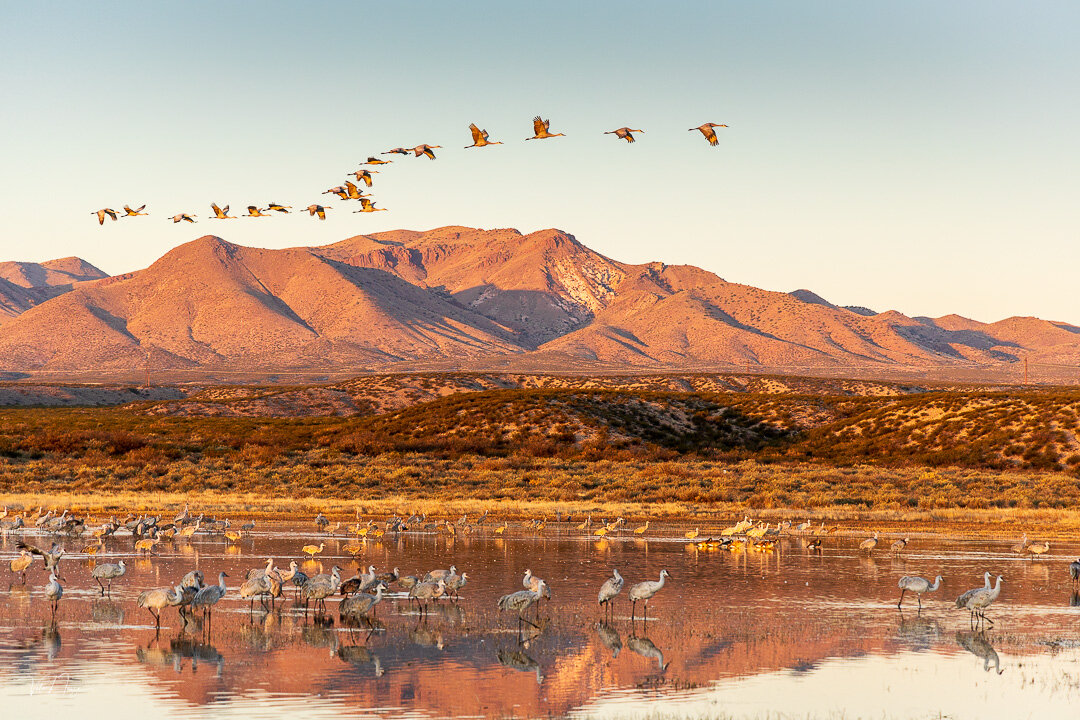
The true stars are the sandhill cranes. Throughout the day, they move between feeding grounds and resting ponds, calling to one another as they glide overhead. But the most unforgettable moment is the morning “take off.” In seconds, thousands of birds rise from the water in unison. The sound is explosive. It feels like a jet passing just above your head.
You will notice plenty of photographers lined up along the roads, many with 600mm and 800mm lenses mounted on sturdy tripods. It can feel intimidating at first.
Do not let that discourage you.
While long telephoto lenses are helpful, you do not need the biggest glass on the market to create strong images. A 100 to 500mm lens, like the Canon RF 100 to 500mm, offers excellent versatility. Even a 200mm lens can produce compelling environmental portraits when birds fill the frame. The key is positioning, timing, and light, not just focal length.
Bosque rewards preparation, patience, and thoughtful composition far more than gear alone.

Sandhill Cranes in Flight
What is Bosque Del Apache?
Bosque del Apache is a National Wildlife Refuge located about one hour south of Albuquerque, New Mexico, near the town of Socorro. Spanning 57,331 acres along the Rio Grande, it serves as a critical stopover for migratory birds traveling south each fall.
The first sandhill cranes and snow geese typically arrive in late October. Numbers build steadily through November, often peaking around Thanksgiving. By then, the refuge can hold tens of thousands of birds spread across wetlands, agricultural fields, and shallow ponds.
While the cranes and geese draw most visitors, the wildlife diversity extends well beyond birds. During our visit, we also saw mule deer moving quietly at dawn, coyotes crossing the fields, and even a bobcat slipping through the grasses. You always need to stay alert. Something can appear at any moment.
Each year in early December, the refuge hosts the Festival of the Cranes, which brings photographers, conservationists, and wildlife enthusiasts together for workshops and guided experiences.
For official details, including current visiting hours, entrance fees, permits, and event information, refer directly to the U.S. Fish and Wildlife Service website for the refuge.
Plan to stay at least three days. Wildlife activity changes daily, and New Mexico sunrises and sunsets are worth the extra time. Give yourself multiple mornings and evenings in the field. That flexibility makes all the difference.
When to Go
The best time to visit Bosque del Apache National Wildlife Refuge is from early November through early December.
The first sandhill cranes and snow geese usually arrive in late October. Numbers build steadily through November, often peaking around Thanksgiving. By then, tens of thousands of birds fill the refuge, creating dramatic morning blast-offs and evening fly-ins.
November offers a strong balance. Large bird populations, cooler temperatures, and fewer crowds compared to the Festival period. Early December brings the well-known Festival of the Cranes, which adds workshops and programming, but also more visitors.
From a photography standpoint, cold mornings are your friend. Crisp air often produces mist over the ponds. Windless days create clean reflections. Dramatic New Mexico skies can transform a simple scene into something unforgettable.
Arrive before sunrise. Stay through sunset. Midday light can be harsh, but it is perfect for scouting locations, tracking crane movement, and preparing for the next golden hour.
If you can, stay at least three days. Wildlife patterns shift daily. One quiet morning can be followed by an explosive take off the next.
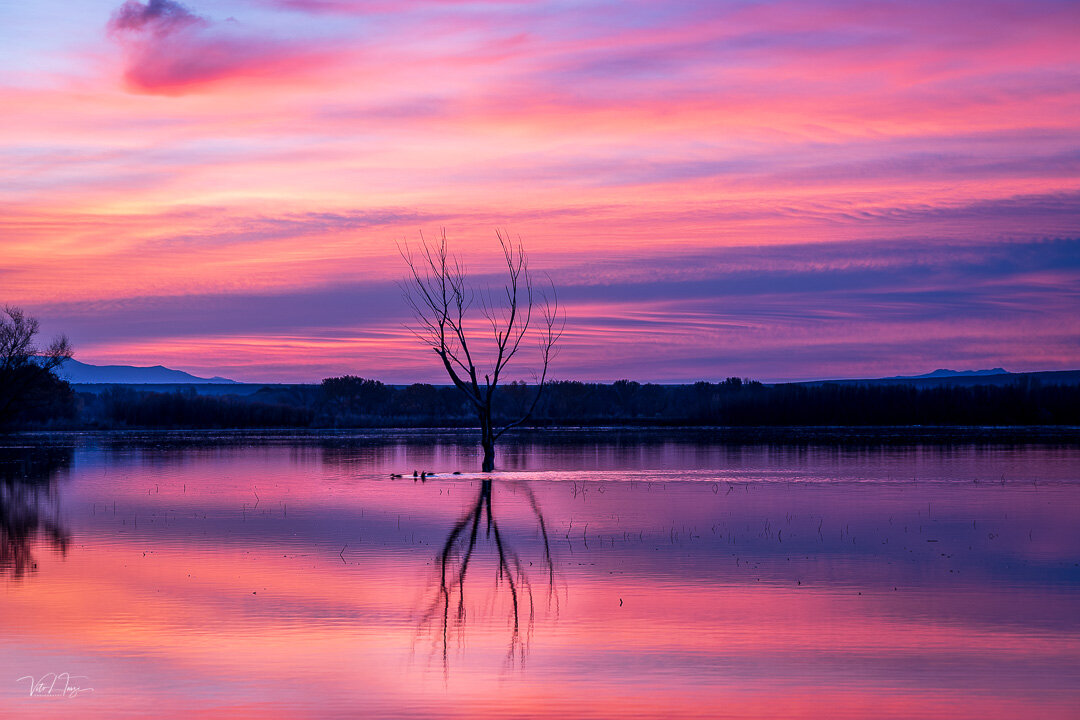
The Flight Deck at Sunrise
How Long to Stay and Best Time
Plan to spend at least two to three days at Bosque del Apache National Wildlife Refuge. Wildlife patterns shift daily, and giving yourself multiple mornings and evenings dramatically increases your chances of witnessing a powerful take off or fly in.
Where is Bosque Del Apache?
Bosque del Apache is surprisingly easy to reach. The refuge sits just off Interstate 25 at Exit 139, about 12 miles south of Socorro, New Mexico. From Socorro, the drive takes roughly 20 minutes.
Most visitors base themselves in Socorro, which offers simple and convenient lodging options close to the refuge. That proximity makes early mornings much easier, and at Bosque, early mornings matter.
Parking inside the refuge is generally straightforward. The main auto tour loop has multiple pull-offs, and space is rarely an issue.
The one exception is the Crane Pool, which sits just outside the main refuge boundary. There are roughly 50 parking spaces, and they fill quickly during peak migration season. We left each morning around 5:30 am and never had trouble finding a spot. Arriving before sunrise is the safest strategy, both for parking and for positioning yourself for the takeoff.
There are three restroom facilities spread throughout the refuge. The best amenities are at the visitor center near the entrance. You will find clean restrooms, a small gift shop, and an informative exhibit area that explains migration patterns and seasonal bird activity.

Morning Blast Off
Where to Stay
The best place to base yourself when visiting Bosque del Apache National Wildlife Refuge is the small town of Socorro, located about 20 minutes north of the refuge.
Staying in Socorro makes early mornings manageable. When your alarm goes off at 4:45 a.m., and you are layering up in the dark, you will appreciate the short drive.
Socorro is not a luxury destination. It is simple, quiet, and functional. And that works perfectly for a photography focused trip.
Here are solid options across different budgets:
Reliable and Comfortable
Holiday Inn Express & Suites Socorro
Clean, modern, and consistent. A good choice if you want comfort, a hot breakfast, and a predictable stay. The hotel is perfect. It is very clean and modern, has good bathrooms, a comfortable bed, an indoor pool and gym, a nice breakfast, and plenty of parking. Photographers will appreciate all the electrical outlets in each room as well. I would highly recommend the hotel.Best Western Socorro Hotel & Suites
Spacious rooms and dependable service. Many photographers stay here during peak season.
Mid Range and Practical
Comfort Inn & Suites Socorro
Affordable, comfortable, and close to restaurants and gas stations.

Where To Eat
Breakfast Options
Sofia's Kitchen & Burrito Tyme -Address: 105 Bullock St, Socorro, NM 87801-Phone: (575) 835-0022. The Pancakes and omelettes are great. The Breakfast Burritos are spicy but also very good.
M Mountain Coffee: Address: 110 W Manzanares St, Socorro, NM 87801—Phone: (575) 838-0809—is an excellent coffee shop for breakfast or anytime during the day. They have “real” Italian coffee.

“What did you say to me”
Lunch and Dinner Options
Yo Mama’s Grill—Address: 913 N California St, Socorro, NM 87801 Phone: (575) 838-3962—We had dinner here twice, and the food and service were good. They have salads, sandwiches, burgers, soups, etc. It is not expensive, but the portions are generous.
Bodega Burger Co & Lounge: 606 N. California Street Socorro NM 87801—Tel (575)838-2087. This was the best restaurant we tried in Socorro. Not only do they have great drinks, tapas, salads, sandwiches, burgers, steaks, chicken, and fish, but they also play music in the evening.
Socorro Springs Restaurant: 1012 N California St, Socorro, NM 87801 —Phone: (575) 838-0650—This was our least favorite restaurant, but it is located right next to the Holiday Inn Express. They have pizzas, beers, salads, etc.
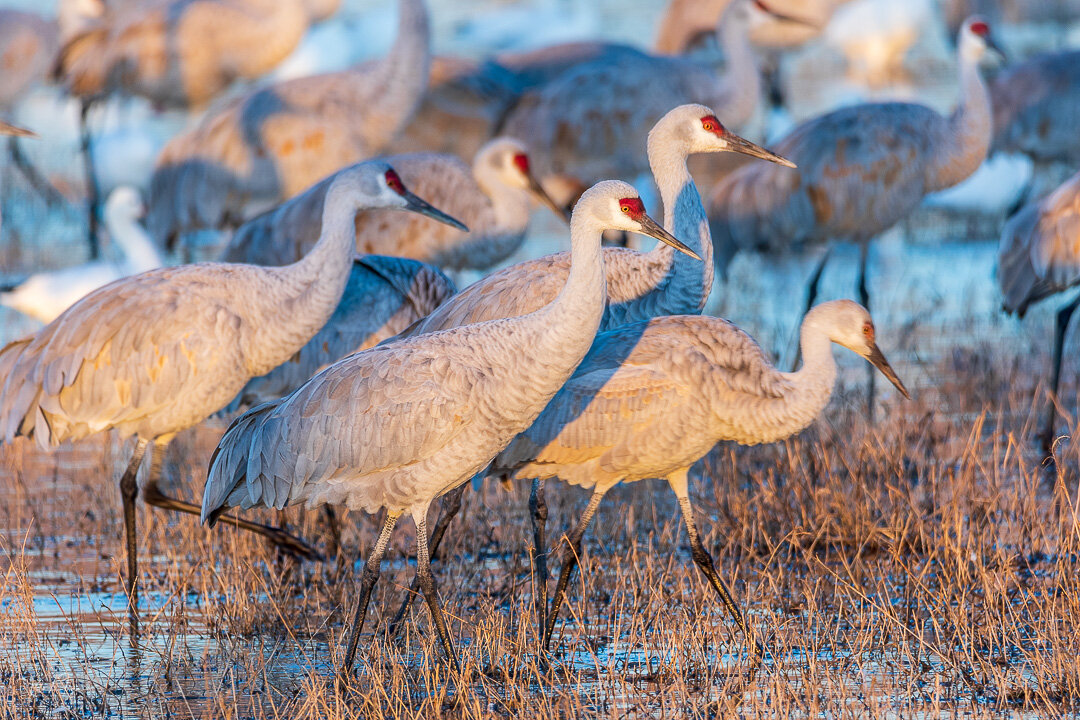
SANDHILL CRANES
Getting Around
The easiest way to get around is by car. The refuge features an 8-mile loop road with plenty of pullouts for photography. While Socorro is small, Uber and Lyft are available for short trips, but renting a car offers the most flexibility for exploring the region.
Day Trips from Socorro
Very Large Array: The Karl G. Jansky Very Large Array is a radio astronomy observatory located in central New Mexico on the Plains of San Agustin, between the towns of Magdalena and Datil, ~about 50 miles west of Socorro. The Coordinates are 34 04'43.497N, 107 37'05.819W. It is a very cool site to visit and learn more about Astronomy. It’s located about 45 minutes from Socorro, and it does not take long to take the tour of the Observatory. But it’s well worth it.
Pie Town, New Mexico: Yes, it is really called Pie Town and is located about 45 minutes beyond the Very Large Array. Is it worth the drive? YES, YES, YES. We stopped at Pie-o-neer. Pie-O-Neer Pies: U.S. Pieway 60, Pie Town, NM 87827 Telephone: (575) 772-2711. We tried the Apple Pie and the Pecan Sweet Potato Pie, and they were amazing.
Photography Gear
At Bosque del Apache National Wildlife Refuge, reach matters. So does flexibility.
You will see plenty of photographers using 600mm and 800mm lenses mounted on sturdy tripods with gimbal heads. Those setups are excellent for tight bird portraits and flight shots. If you own one, bring it.
But you do not need the biggest lens on the refuge to create powerful images.

Sunset at the First Pond
Here is what I recommend for serious photographers:
1. A Long Telephoto Lens
A 500mm, 600mm, or 800mm lens is ideal for isolating cranes and geese in flight.
If you shoot with something like the Canon RF 100 to 500mm, you are in great shape. That range gives you versatility for both tight portraits and looser environmental frames.
2. A Second Body with a Mid-Range Zoom
A 70 to 200mm or 100 to 400mm is extremely useful. When thousands of birds lift off, you may actually need to zoom out. Environmental compositions with sky and landscape can be more compelling than ultra-tight shots.
3. Sturdy Tripod and Gimbal Head
You will be shooting at dawn and dusk. Light levels are low. A stable tripod with a gimbal allows smooth tracking of birds in flight and reduces fatigue during long waits.
4. Extra Batteries
Cold desert mornings drain batteries quickly. Bring more than you think you need.
5. Memory Cards with Room to Spare
Burst mode during a takeoff fills cards fast. Very fast.
6. Neutral Colored Clothing
Not for style. For wildlife. Avoid bright colors. Blend in.
Optional but Helpful:
• A bean bag if you plan to shoot from your car window
• Gloves that allow you to operate dials
• A headlamp for pre-sunrise setup
The biggest advantage at Bosque is not gear. It is preparation and positioning. Arrive early. Know where the birds are staging. Watch the wind direction. Anticipate movement.

In flight
Best Photography Locations
Flight Deck – Capture the iconic sunrise takeoff of sandhill cranes and snow geese. Map it.
Marsh Boardwalk – Perfect for intimate shots of wading birds. Explore here.
North Loop – Stunning vistas of wetlands and desert landscapes. Find it here.
South Loop – Ideal for spotting raptors and coyotes. Plan your visit.
Visitor Center Gardens – Great for macro photography of native plants and pollinators. Details here.
Photography Tips
At Bosque del Apache National Wildlife Refuge, light is everything.
In bird photography, timing matters as much as technique. The most dramatic images happen during the first and last hours of the day. Golden hour light adds warmth, depth, and dimension. It enhances feather detail and gives you richer dynamic range.
Direct sunlight, when positioned correctly, reveals texture and subtle color variation in plumage. Soft low-angle light also helps separate birds from the background, especially during takeoff.
You cannot control the birds. You can control where you stand.
Much of wildlife photography is waiting. Waiting for the wind to shift. Waiting for the flock to rise. Waiting for the light to align. The photographers who stay patient are the ones who come home with the strongest frames.

SUNSET
Sun Angle
Understanding sun angle changed my photography.
In simple terms, the light should come from behind you and illuminate the bird’s face and body. That gives you clean, shadow free detail and strong catchlights in the eye.
There are three basic lighting scenarios:
• Backlighting, where the sun is in front of you and behind the bird. This can create dramatic rim light and silhouettes.
• Side lighting, which emphasizes texture and depth but can create strong shadows.
• Front lighting, where the sun is behind you and fully illuminates the bird.
For classic bird portraits and birds in flight, front lighting is usually best.
Here is the practical rule. Look at your shadow. The direction your shadow points is the direction you should shoot. Move your body, not just your lens. You generally want to stay within a few degrees of that line to keep the bird evenly lit.
At Bosque, this often means repositioning along the road or adjusting your stance quickly when a flock shifts direction.
Background
The background can make or break your image.
A distracting branch behind the bird’s head will ruin an otherwise perfect frame. Busy reeds or uneven tones can pull attention away from your subject.
Look for clean backgrounds. Smooth water. Open sky. Distant corn fields glowing in warm light. Those backgrounds create separation and elevate a simple wildlife shot into something artistic.
Sometimes the best strategy is to lower your shooting angle slightly so the distant field becomes a soft wash of color behind the bird. Other times, stepping a few feet left or right eliminates a visual distraction.
Before pressing the shutter, scan the entire frame, not just the bird.
The difference between a good bird photo and a great one often comes down to light direction and background choice.
If you master those two elements at Bosque, your keeper rate will increase dramatically.

Clothing Recommendations
During our four days at Bosque del Apache National Wildlife Refuge, we experienced dramatic temperature swings.
Mornings were bitterly cold. Standing still before sunrise near the ponds, you feel it quickly. By late morning, once the sun rises high over the desert, temperatures warm up fast. By midday, you may find yourself shedding layers.
The solution is simple. Dress in layers.
Start with a moisture-wicking base layer. Add an insulating mid-layer such as fleece or down. Finish with a wind-resistant outer shell. Mornings can be windy, and wind chill makes a big difference when you are standing in one place waiting for a takeoff.
Do not forget:
• Warm hat
• Thin gloves that allow you to operate camera controls
• Thicker gloves for waiting periods
• Warm socks and insulated boots
Neutral colors are best. You are photographing wildlife, not attending a fashion show.
Comfort matters more than people realize. If you are cold and distracted, your focus suffers. When you are comfortable, you are patient. And at Bosque, patience is everything.
For a full breakdown of exactly what I wear and recommend, you can review my detailed Winter Photography Clothing Guide linked here.

Incredible Sunrises in New Mexico
There are just so many compositions to try in Bosque.

Final Thoughts
I highly recommend making the trip to Bosque del Apache National Wildlife Refuge.
It is easy to reach. It is surprisingly affordable. And once you stand there at sunrise, listening to thousands of wings lift into the cold desert air, you understand why photographers return year after year.
The landscapes are vast and peaceful. The skies are dramatic. The cranes move with elegance. The geese explode into motion without warning. It is both quiet and powerful at the same time.
You will take thousands of frames. That is part of the process. But if you are patient with the light, mindful of your sun angle, and thoughtful about your background, you will come home with a few images that truly matter.
Print those.
Bosque is more than a photography destination. It is a reminder of how extraordinary the natural world can be when you slow down long enough to witness it.
If you are interested in joining one of my photography workshops, you can find the details through the link. You can also follow along on Instagram, Facebook, or subscribe to my newsletter for more travel photography tips and behind-the-scenes insight.
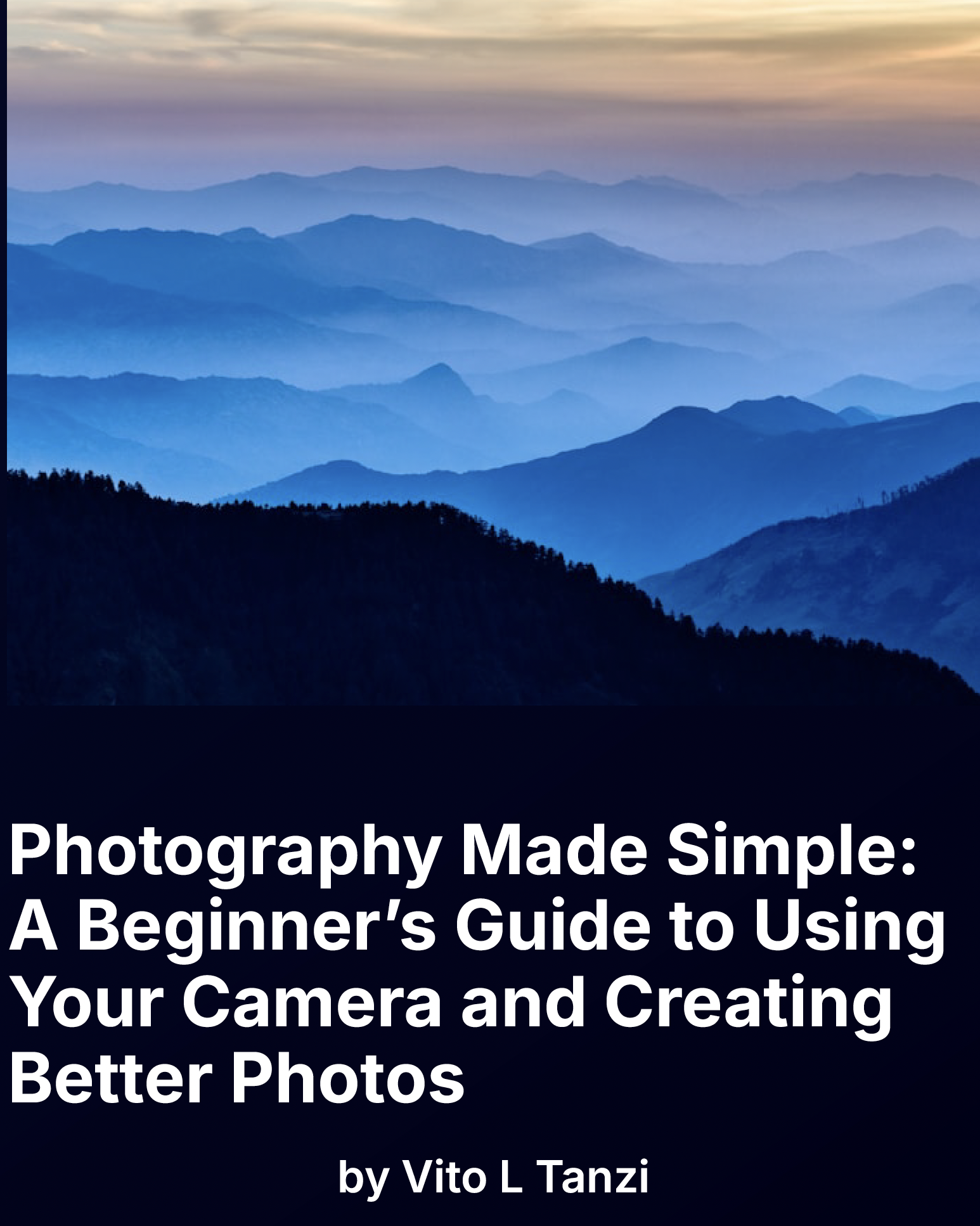
Finally—a beginner-friendly photography guide that makes sense.
If you've ever picked up a camera and thought, "Now what?" this is the book for you.
Photography Made Simple is written for adults who are just starting out and want a clear, encouraging, real-world approach to learning photography. Whether you're using a DSLR, mirrorless, or just your smartphone, this guide walks you through the basics—without the jargon or tech overwhelm.
Inside, you'll learn:
The only camera settings you really need to know to get started
How to shoot sharper, more intentional photos using light and composition
Simple tips for portraits, landscapes, travel, and everyday life
What gear you do (and don’t) need
How to create better photos without upgrading your camera
You’ll also get practical exercises, cheat sheets, and tips for organizing and editing your images—plus the confidence to shoot off Auto Mode for good.
This is not a textbook. It’s a friendly guide to seeing the world with fresh eyes—and finally capturing what you see the way you imagine it.
📸 Format: PDF download
Pages: 100+
Perfect for: Beginners, hobbyists, and anyone ready to take better photos without the stress
✈️ Travel Photography Planning Sessions
One-on-One Trip Planning with a Professional Travel Photographer
Don’t miss the shot. Let me help you plan for it.
Overview
Planning a photography-focused trip can be overwhelming. From figuring out the best places to shoot, to when the light is just right, to knowing which lens to pack — there are a lot of decisions to make.
This one-on-one Zoom session is your chance to get personalized travel photography advice from someone who’s spent the past 25 years exploring cities, coastlines, and wild places around the world — camera in hand.
Whether you're headed to Paris, Patagonia, Tokyo, or Tuscany, I’ll help you make sure your photography trip is well-planned and creatively inspired, so you come home with the images you dreamed of (and then some).
What’s Included
✅ Photography Location Planning
I’ll help you create a customized itinerary of the best photo spots, including off-the-beaten-path gems and iconic views.
✅ Best Times to Shoot
Get expert advice on lighting, golden hour, blue hour, and seasonal conditions for each location.
✅ Gear Recommendations
Not sure whether to bring the telephoto or the prime? We’ll walk through your gear and make sure you’re bringing the right tools for your destination and style.
✅ Hotel and Base Recommendations
Stay where it’s convenient for sunrise shoots and late-night strolls with your camera. I’ll recommend hotels that are photographer-friendly and well-located.
✅ Custom Travel Tips
From sunrise entry times to tripod rules at major landmarks, you’ll get insider tips to save time, avoid tourist traps, and make the most of your trip.
Who It’s For
This service is for anyone who:
Is planning a trip and wants to prioritize photography
Wants expert insight on the best places to shoot and how to get there
Is tired of missing the shot because of poor planning or bad timing
Is a beginner, enthusiast, or professional photographer looking for guidance before a trip
How It Works
Book a Session
Choose a time that works for you and tell me where you're headed.Share Your Plans
You’ll fill out a quick questionnaire so I know your travel dates, interests, and photography style.One-on-One Zoom Call (60 minutes)
We’ll meet via Zoom and walk through your trip together — from location ideas to gear and timing. You'll leave with a custom PDF full of notes and suggestions.Follow-Up Support
Get one round of email Q&A after your session to clarify anything as your plans evolve.
Why Work With Me?
I’ve spent the last 25 years photographing the world — from major cities to remote islands. I know what it’s like to travel and shoot under pressure, and I love helping people get the most out of their trips. This is not just about hitting “popular spots” — it’s about crafting a creative and efficient plan tailored to your trip, your gear, and your goals.
Pricing
$125 / Session
Includes:
60-minute Zoom call
Custom PDF summary with photography spots, gear tips, and travel recommendations
One follow-up email with additional Q&A
Introductory rate available through September 2025
Ready to Plan Your Trip?
Let’s make sure you’re ready — so when the light is perfect, you’re in the right place with the right gear.
Questions?
Please email me at vito@chasinghippoz.com if you're not sure whether this is right for you. I'm happy to chat.